Top 19 Caves in Guadalajara
Caves in Guadalajara, Spain, offer a diverse range of underground experiences within a region known for its varied natural landscapes. The area features unique geological formations, including limestone rock formations, river gorges, and historical sites with underground elements. Visitors can explore natural caves, ancient settlements with cave dwellings, and areas shaped by erosion. This region provides opportunities for caving and discovering the geological and historical significance of its underground environments.
Best caves in Guadalajara
- The most popular caves is Enchanted…
Last updated: September 4, 2026
Enchanted City of Tamajón
Highlight • Natural Monument
Translated by Google •
Tip by

Cave of the Way of the Cross
Highlight • Cave
Translated by Google •
Tip by

Sign up now to discover places like this
Get recommendations on the best single tracks, peaks, & plenty of other exciting outdoor places.
Sign up for free
Mandayona Village
Highlight • Settlement
Translated by Google •
Tip by

Hoces del Jarama
Highlight • Gorge
Translated by Google •
Tip by

Tajuña River Gorges
Highlight (Segment) • Canyon
Translated by Google •
Tip by

Sima de Alcorón Cave
Highlight • Cave
Good point to spend the night during the route of Montañas Vacías.
At the foot of the refuge is the Alcorón chasm in the Alto Tajo Natural Park.
Translated by Google •
Tip by

Stone House
Highlight • Structure
Translated by Google •
Tip by

Lavender Fields and Arab Caves of Brihuega
Highlight • Natural
Don't miss the Lavender fields and the Arab Caves at this time.
Translated by Google •
Tip by
The Aguaspeña Travertine Formation
Highlight • Natural Monument
Translated by Google •
Tip by
Stork Tower of Anguita
Highlight • Monument
Translated by Google •
Tip by
Sign up for free to discover even more caves in Guadalajara.
Sign up for free
Already have an account?
Start today with a free account
Your next adventure awaits.
Login or Signup
Popular around Guadalajara
Sendero Español GR 10 — De este a oeste
Women's Montañas Vacías 2022 — bikepack in rural Spain
MontañasVacías official — bikepacking across the Spanish Lapland
Montañas Vacías — bikepacking the wild and remote 'Empty Mountains'
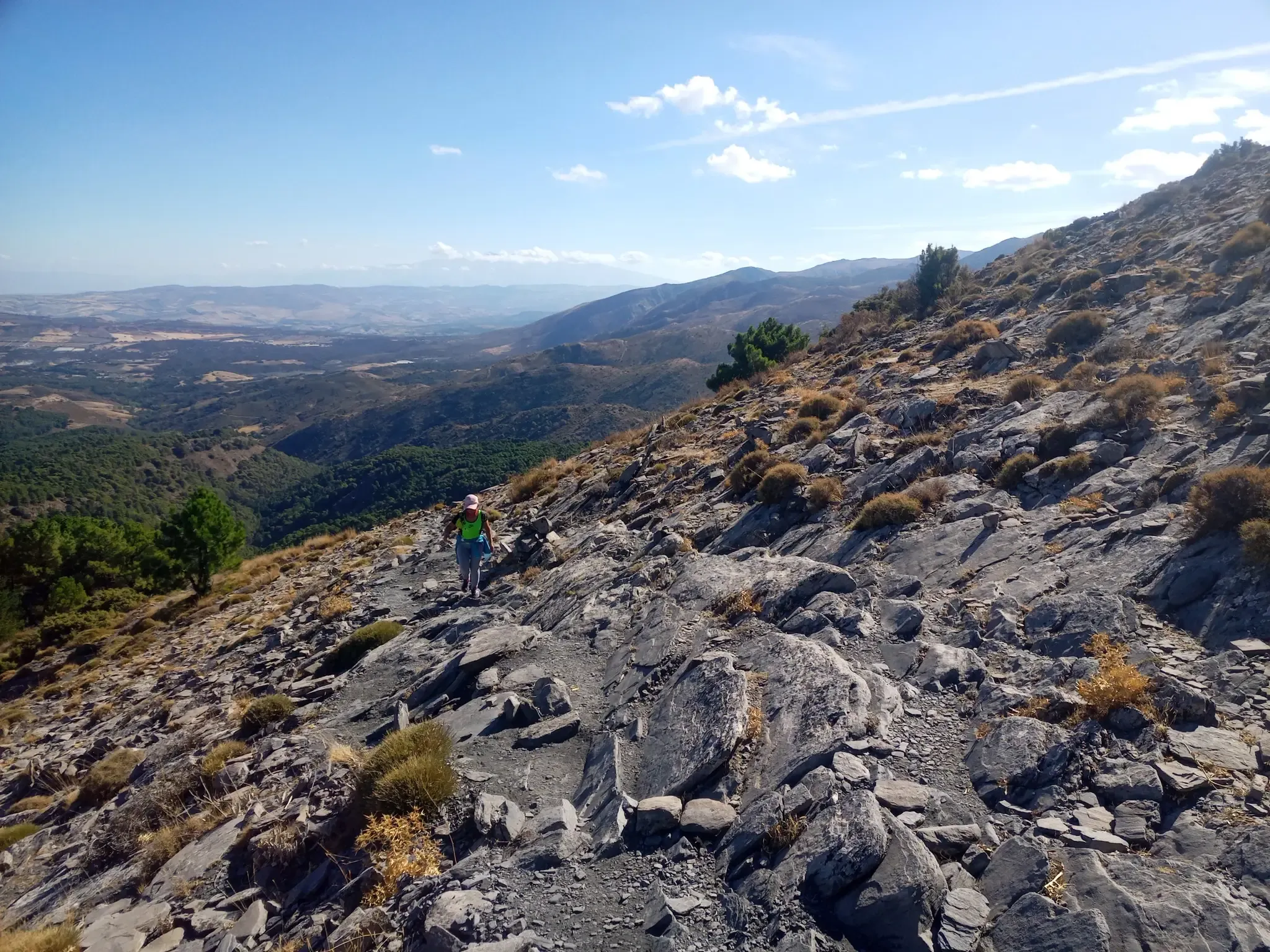
12 hiking gems throughout Spain
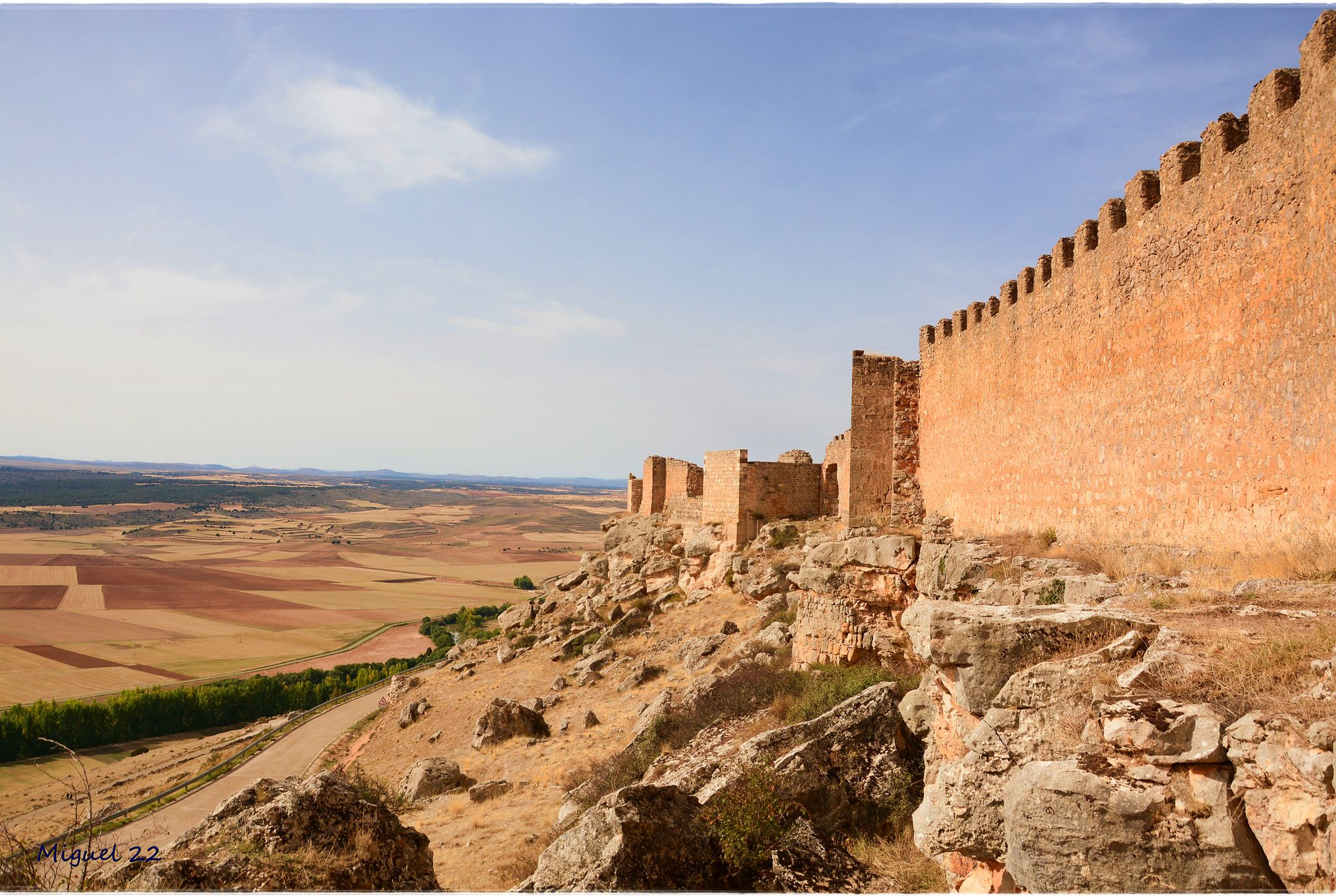
A journey through mediaeval Spain – El Camino del Cid (GR 160)
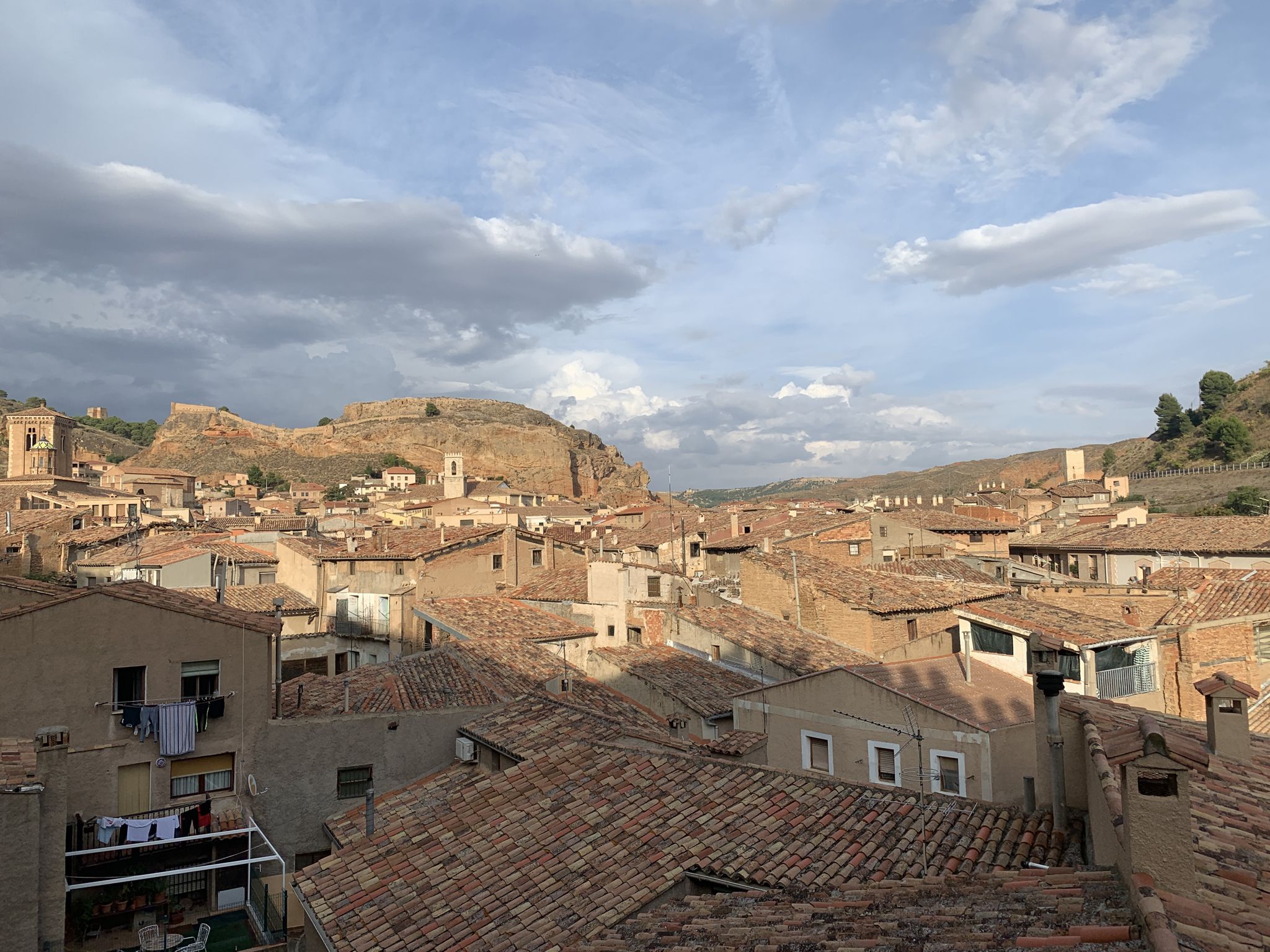
18th-century gravel – Camino Real de Aragón from Madrid
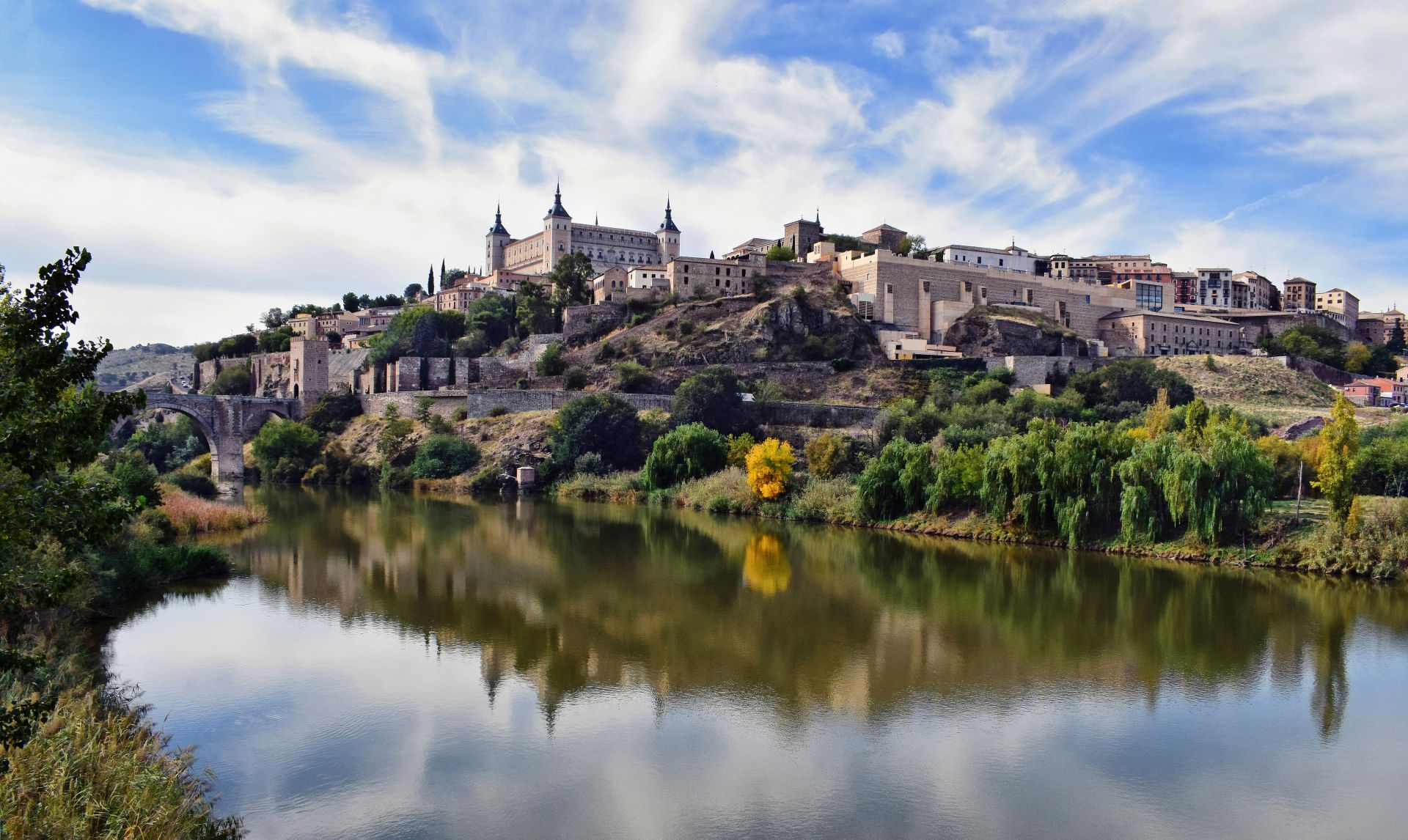
Albarracín to Toledo – Eastern Tagus Nature Trail
Levante to Castile – Ruta de la Lana Gravel Route
Canyons and countryside – Spain’s Tajuña River gravel
Other adventures in Guadalajara


Tips from the Community

A recommended area for walking.
0
0

This is a tuffaceous rock (travertine) in the process of active formation, the result of constant contact between calcareous water and the surrounding rocks. Rainwater dissolves the limestone rocks predominating in the area. Upon emergence, carbon dioxide is released and calcium carbonate precipitates, forming layers of travertine. This process also creates grottos, cavities, and small caves.
2
0

At the bar, very nice, they have an affordable daily menu
0
0

Above the Caves of the Cid, at the top of the town of Anguita, is the Muslim Tower that the inhabitants of Anguita call the Stork Tower.
0
0
These are two very large caves, connected by a small tunnel about 50 metres long. According to tradition, El Cid spent the night there with his horses and knights on his way to exile.
0
0
On the way up to the Barranco de La Hoz viewpoint there are several caves. One of them, La Cueva del Via Crucis is the most famous.
1
0
Nice place, like the rest of the landscape upstream and downstream of La Hoz del Rio Tajuña.
1
0
Eroded rocks with shapes of great beauty.
1
0
Frequently Asked Questions
What are the most popular caves and geological formations to explore in Guadalajara, Spain?
Guadalajara, Spain, offers several notable underground and geological sites. The most popular is the Enchanted City of Tamajón, a natural monument featuring unique limestone rock formations, caves, cavities, rock arches, and sinkholes. Another highly regarded spot is the Sima de Alcorón Cave, located within the Alto Tajo Natural Park, known for its accessibility and spring water. Visitors also appreciate Mandayona Village for its ancient caves and historical significance.
Are there family-friendly caves or cave-related attractions in Guadalajara, Spain?
Yes, several locations are suitable for families. Mandayona Village, with its ancient caves and historical context, is listed as family-friendly. The Stone House, a historical site with cave elements, and the Lavender Fields and Arab Caves of Brihuega also offer family-friendly experiences. The Aguaspeña Travertine Formation, featuring a waterfall and caves, is another family-friendly natural monument.
What kind of geological features can I expect to see in Guadalajara's caves?
The caves and geological sites in Guadalajara, Spain, are primarily characterized by limestone rock formations. You can expect to see eroded rocks with beautiful shapes, natural arches, sinkholes, and cavities, as exemplified by the Enchanted City of Tamajón. Some caves, like Sima de Alcorón Cave, feature spring water in their deepest areas, while others, such as the Hoces del Jarama, are part of river gorges with caves embedded in their limestone walls.
Are there any historical or cultural sites with underground elements in Guadalajara, Spain?
Yes, Guadalajara has several sites where history and underground formations intertwine. Mandayona Village is a settlement with ancient caves that visitors can explore, highlighting its historical significance. The Stone House is another man-made historical site with cave features. Additionally, the Lavender Fields and Arab Caves of Brihuega offer a blend of natural beauty and historical context with their ancient cave structures.
What outdoor activities can I do near the caves in Guadalajara, Spain?
Near the caves in Guadalajara, Spain, you can enjoy a variety of outdoor activities. The region is excellent for waterfall hikes, with routes like the Poveda Waterfall and Taravilla Lagoon. There are also numerous mountain hikes, including challenging ascents to Pico del Lobo. For cyclists, road cycling routes are available, such as the Guadalajara and Torija Castle Loop or the Black Villages of Guadalajara Route.
Are there any caves in Guadalajara, Spain, that are particularly easy to access or suitable for beginners?
The Sima de Alcorón Cave is noted for being accessible, though a flashlight is recommended for exploration. For a more general experience of geological formations with cave elements, the Enchanted City of Tamajón offers paths through its eroded rocks, making it suitable for a leisurely visit.
What should I bring when visiting caves in Guadalajara, Spain?
When visiting caves in Guadalajara, Spain, it's advisable to bring appropriate footwear for uneven terrain. For deeper or less illuminated caves like Sima de Alcorón Cave, a flashlight is recommended. Depending on the specific cave and activity, you might also consider layers of clothing as underground temperatures can be cooler, and water for hydration.
Can I find any caves near river gorges in Guadalajara, Spain?
Yes, the region features caves integrated into its river gorges. The Hoces del Jarama is a notable example, where the Jarama river twists through limestone rock walls that contain caves with historical and prehistoric significance. The Tajuña River Gorges also feature caves within their canyon formations.
Are there any unique natural monuments featuring caves in Guadalajara, Spain?
The Enchanted City of Tamajón stands out as a unique natural monument. It's renowned for its extensive limestone rock formations, which include numerous caves, cavities, rock arches, and sinkholes, all shaped by erosion into beautiful and sometimes whimsical forms. The Aguaspeña Travertine Formation is another distinctive natural monument that includes caves alongside a waterfall.
What do visitors enjoy most about the caves and natural sites in Guadalajara, Spain?
Visitors particularly enjoy the unique geological formations, such as the eroded rocks and natural arches at the Enchanted City of Tamajón. The historical significance of ancient caves, like those at Mandayona Village, is also a major draw. The tranquility and natural beauty of sites like the Sima de Alcorón Cave, with its spring water, are frequently appreciated.
Are there any caves in Guadalajara, Spain, that are part of a larger natural park?
Yes, the Sima de Alcorón Cave is located within the Alto Tajo Natural Park, offering a chance to explore underground formations within a protected natural environment. This park is known for its diverse landscapes and opportunities for outdoor activities.
Are there any caves near historical towers or monuments in Guadalajara, Spain?
Yes, the Stork Tower of Anguita is a historical monument that is associated with caves in its vicinity. This offers a combination of historical exploration with natural cave discovery.
Most popular routes in Guadalajara
Most popular attractions in Guadalajara

Get inspired with the komoot mobile app


Didn’t find what you were looking for?
Discover more caves in Guadalajara region by region:
Explore more
Extend your search for the best caves by checking out these guides of the top ones in Guadalajara:
