Top 17 Castles in Salamanca
Castles in Salamanca province offer a glimpse into Spain's medieval history and diverse architectural styles. The region features formidable fortresses and palatial residences, many of which played strategic roles in historical conflicts. These structures are situated amidst varied natural landscapes, including the Sierra de Francia and near the Portuguese border. Exploring these castles provides insight into the area's cultural heritage and offers panoramic views.
Best castles in Salamanca
- The most popular castles is Miranda del Castañar, a settlement known for its medieval walled town and the Castillo de Miranda del Castañar. This location is recognized as one of the most beautiful villages in Spain.
- Another must-see spot is Castle of Enrique II of Trastámara, a castle located in Ciudad Rodrigo. This 14th-century fortress was built for surveillance and defense, notably protecting the bridge over the Águeda river.
- Visitors also love San Martín del Castañar Castle, a restored 15th-century castle. It features an Interpretation Center and museum for visitors to explore.
- Salamanca is known for its defensive fortresses, palatial residences, and historical settlements with castle elements. The region offers a variety of castles, from well-preserved structures to significant ruins.
- The castles in Salamanca are appreciated by the komoot community, with more than 10 upvotes and 15 photos shared across the highlights.
Last updated: August 21, 2026
Miranda del Castañar
Highlight • Settlement
Translated by Google •
Tip by

Castle of Enrique II of Trastámara
Highlight • Castle
Translated by Google •
Tip by

Sign up now to discover places like this
Get recommendations on the best single tracks, peaks, & plenty of other exciting outdoor places.
Sign up for free
Plaza Mayor Ciudad Rodrigo
Highlight • Historical Site
Translated by Google •
Tip by
Alcázar Gate
Highlight • Castle
Translated by Google •
Tip by
San Martín del Castañar Castle
Highlight • Castle
Showing Translation
Tip by

San Vicente Castle, Montemayor del Río
Highlight • Castle
Translated by Google •
Tip by

Castle of the Dukes of Alba
Highlight • Castle
Translated by Google •
Tip by
Castle of San Felices de los Gallegos
Highlight • Castle
It is advisable to visit the tower inside, it houses a Historical Interpretation Classroom and a permanent exhibition on the Border Fortifications. In addition, from the top floor you can enjoy beautiful views of the entire area, including neighboring Portuguese lands.
Translated by Google •
Tip by
La Fortaleza - Ledesma Castle
Highlight • Castle
Translated by Google •
Tip by
View of the Castilian Plateau from Castillo de Carpio Bernardo
Highlight • Viewpoint
Translated by Google •
Tip by
Sign up for free to discover even more castles in Salamanca.
Sign up for free
Already have an account?
Start today with a free account
Your next adventure awaits.
Login or Signup
Popular around Salamanca
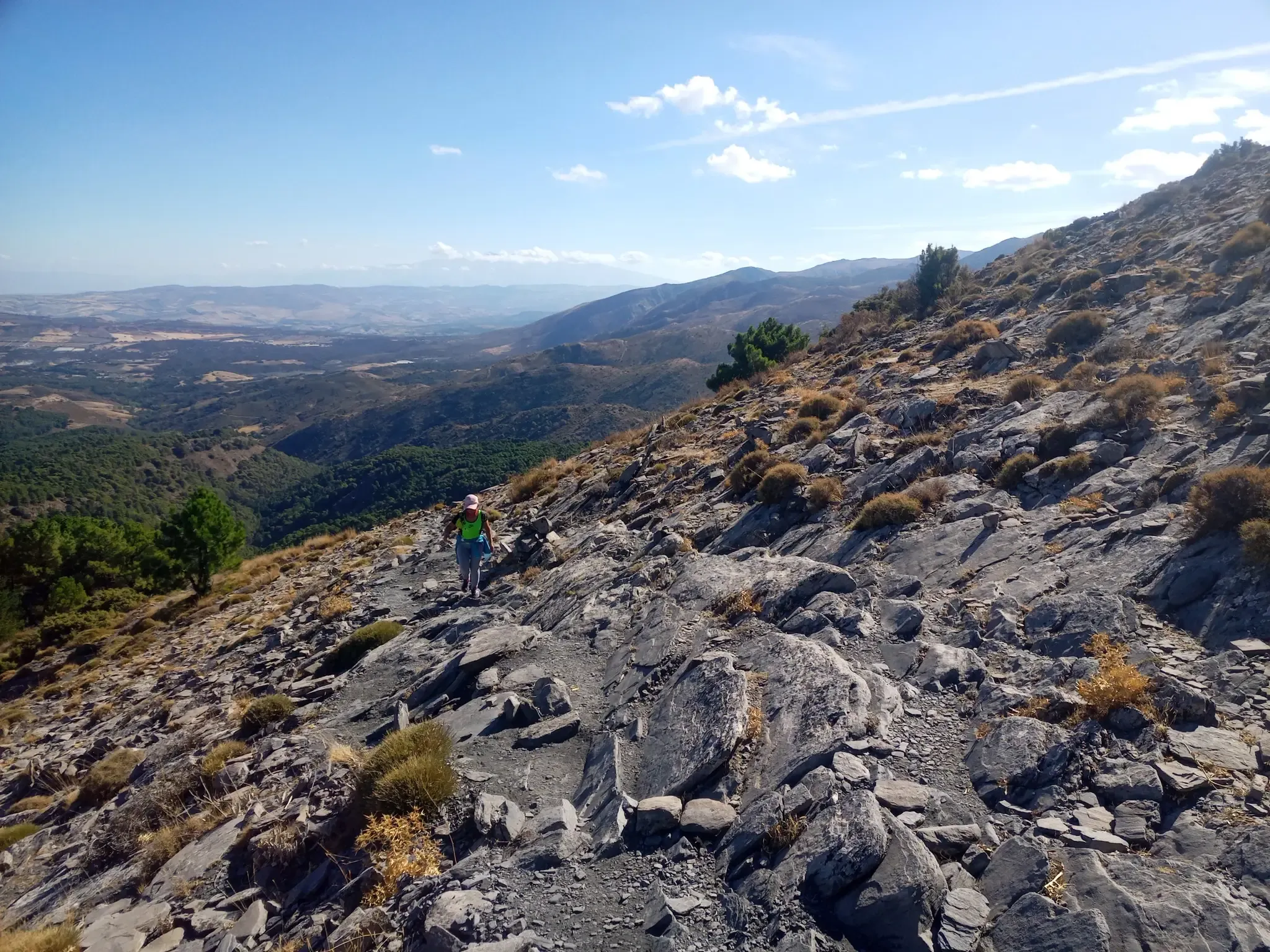
12 hiking gems throughout Spain
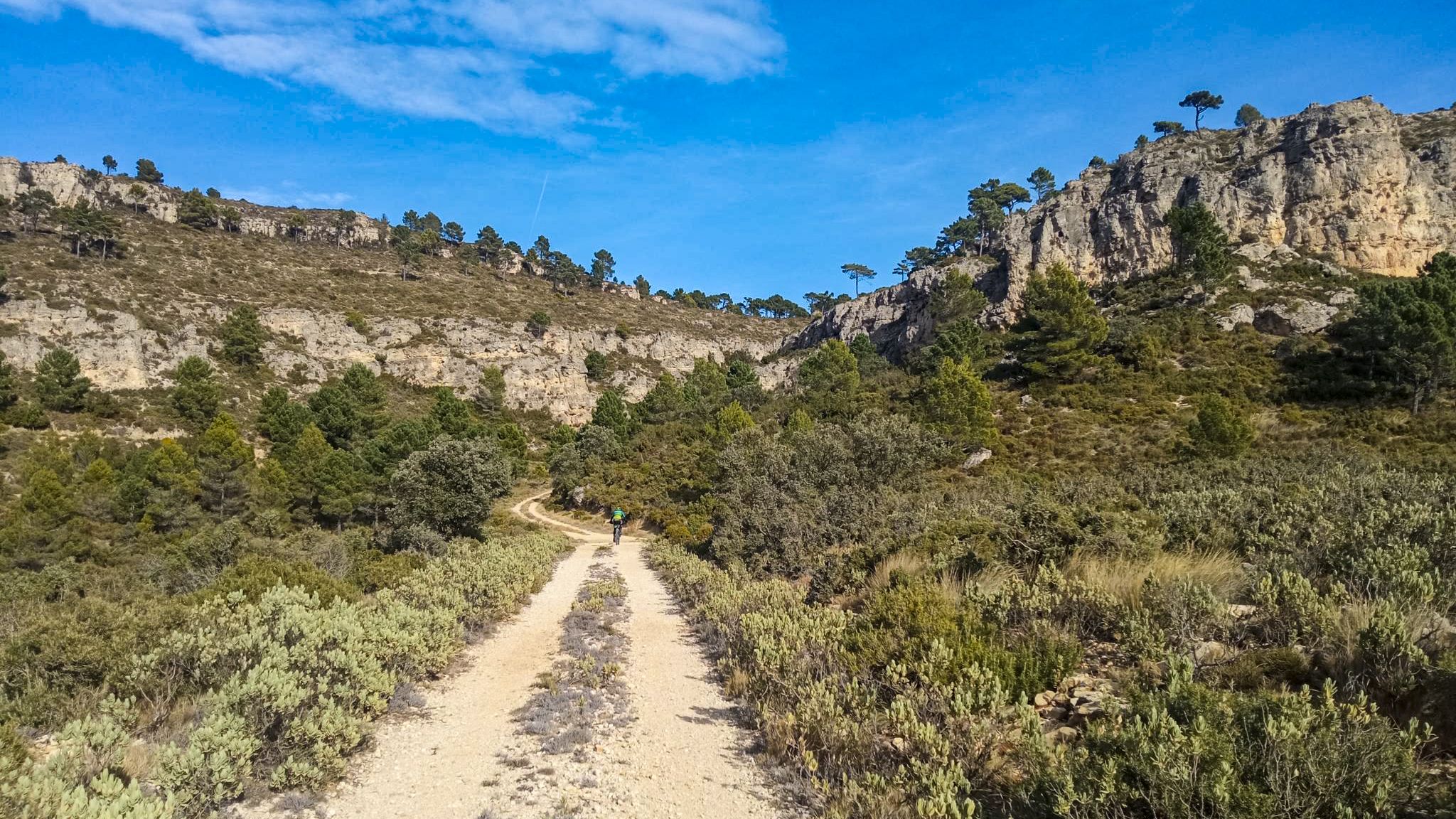
10 gravel routes to discover hidden gems in Spain
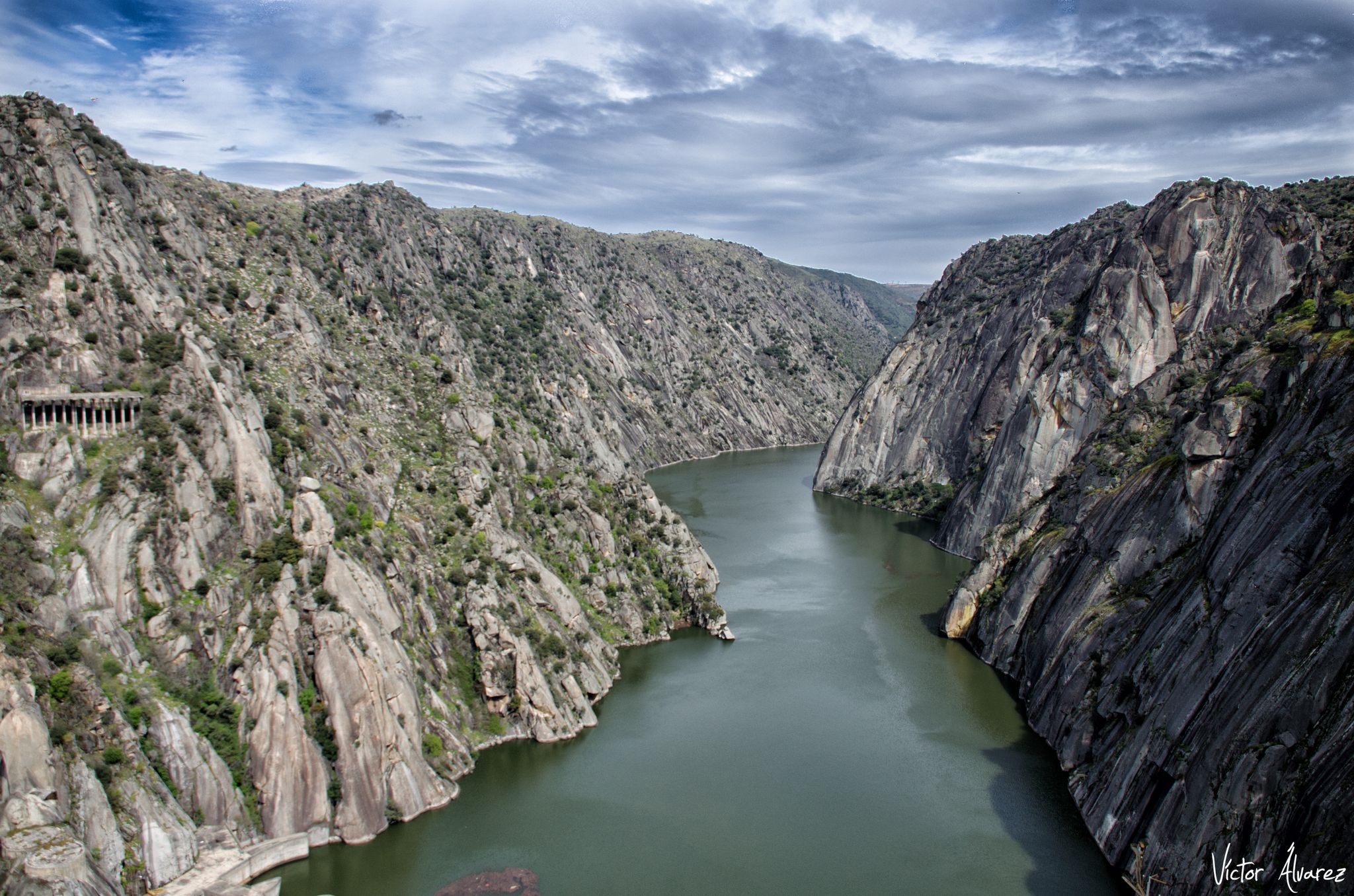
Downriver between Zamora and Salamanca – Western Duero Trail (GR 14)
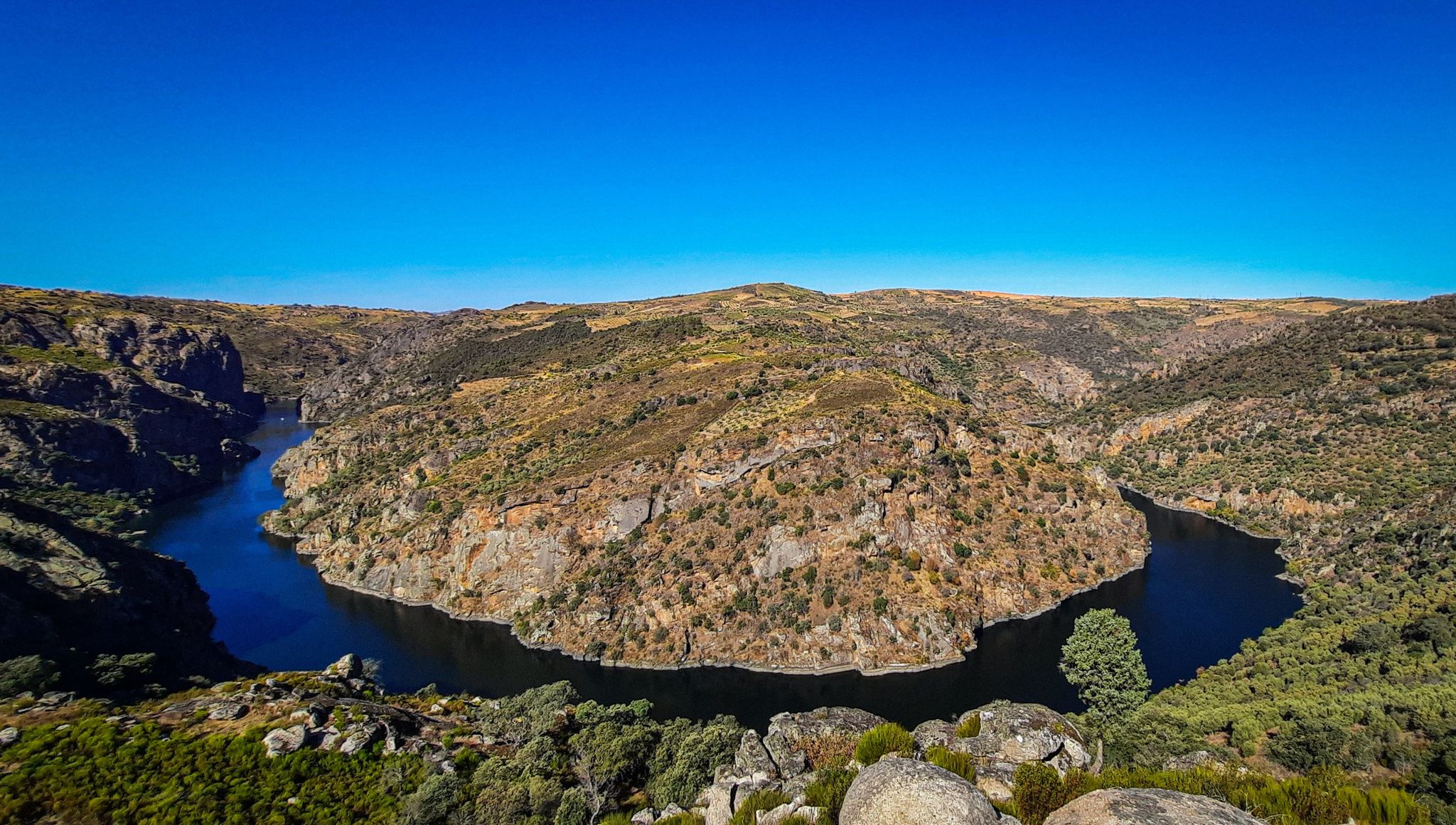
The Great Castilian River – Duero MTB Trail
A romantic journey in the footsteps of the Romans – Via de la Plata
Landscapes and fortresses by bike – Walled Cities Route
Explore Spain’s monuments and landscapes – cycle the Via de la Plata
Vía de la Plata – from Seville to Gijón by bike
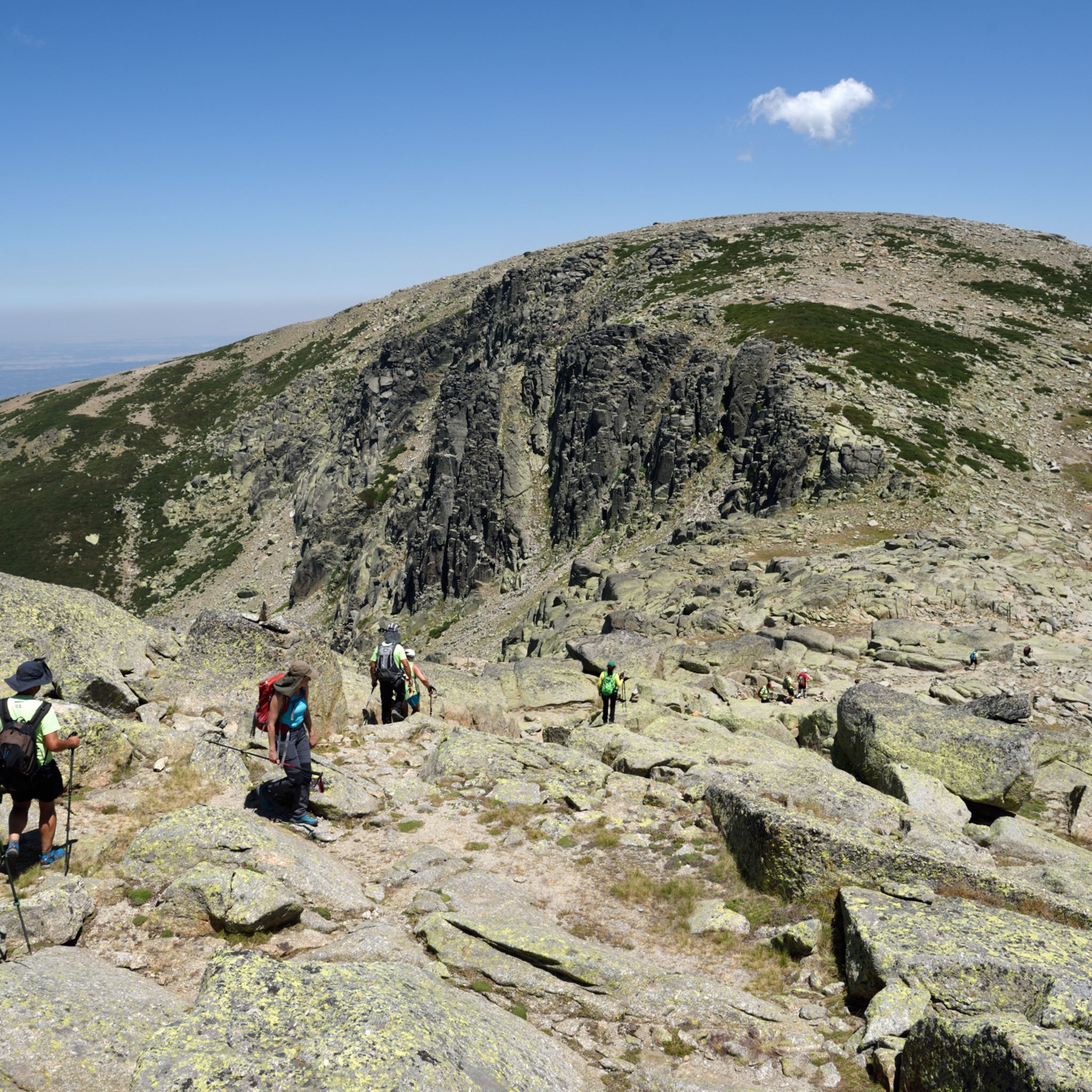
Hiking in Salamanca
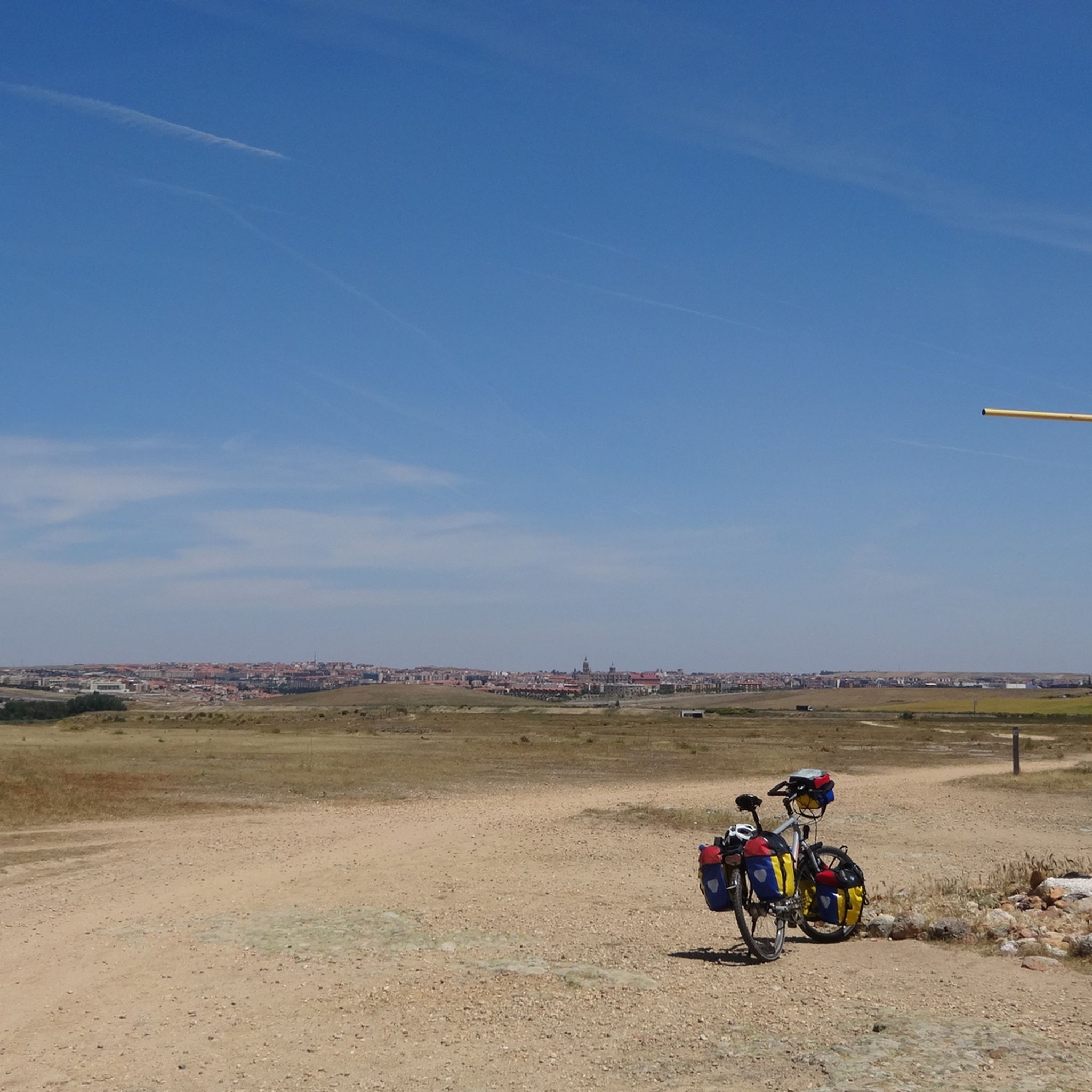
Cycling in Salamanca
Other adventures in Salamanca


Tips from the Community

Nice walk around, impressive cemetery, the tower was closed, but the castle is usually open.
8
0

What to see in Miranda del Castañar Medieval Walls: Over 600 meters remain intact, with four gates facing the cardinal directions: San Ginés, Nuestra Señora, La Villa, and El Postigo. Zúñiga Castle: A 15th-century fortress, symbol of the former County of Miranda. Although the interior is not open to the public, its exterior and keep are impressive. Square Bullring: Considered one of the oldest in Spain, built in the 16th century on the site of the former parade ground. Church of Santiago and San Ginés: Gothic in style (13th-16th centuries), with a detached 17th-century bell tower. Houses with Coats of Arms: More than 80 noble coats of arms adorn the facades, reflecting the town's aristocratic past.
1
0
Miranda del Castañar, one of the most beautiful villages in Spain, is located in the Sierra de Francia (Salamanca): Founded in 1213 by Alfonso IX of León as a town and council, it was the administrative capital of the Sierra de Francia. In the 15th century, the County of Miranda was created under the control of the Zúñiga family, consolidating its strategic importance.
1
0
The Alcázar Gate in Ciudad Rodrigo is one of the historic entrances to the city walls and has great heritage and scenic value. It was opened in 1507 by Antonio del Águila, warden of the Alcázar, when he built the defensive barrier in that area. It is located next to the Castle of Henry II of Trastámara, in the section of the wall facing the Águeda River, known as the Battery, due to the cannons that were once installed there.
4
0
The Plaza Mayor of Ciudad Rodrigo is the historical and social heart of the city, with a rich history that reflects its importance as an urban center: Since the Middle Ages, the Plaza Mayor has been the hub of public life: markets, proclamations, and council meetings were held there in the cloister of the former Church of San Juan. In the 16th century, public butcher shops were built, and it became a consolidated space for commercial and festive activities. Until then, the square was home to the Three Roman Columns, a vestige of the ancient Miróbriga, which had been a symbol of the city since the 13th century. In 1580, the square was expanded, incorporating the space that once housed the old prison and the Audiencia (Courthouse). It even had corridors for watching bullfights, a tradition that continues during carnivals.
7
0
This 11th/12th century fortress played an important role during the wars between León and Castile, due to its strategic location on the border line between the two kingdoms.
0
0
The Puerta del Alcázar is one of the ancient access gates to the walled enclosure of Ciudad Rodrigo. This gate, along with others such as the Puerta del Sol and the Puerta de Santiago, was part of the city's defensive system.
4
0
In its beginnings, it was a modest watchtower built by King Ferdinand II of León. Despite the devastation during the time of King Henry IV of Castile and the Communities, the 1st Duke of Alba de Tormes, García Álvarez de Toledo y Carrillo de Toledo, rebuilt it and turned it into his private palace.
1
0
Frequently Asked Questions
What is the historical significance of the castles in Salamanca province?
The castles in Salamanca province are deeply rooted in Spain's medieval history, often serving as strategic defensive strongholds, particularly near the Portuguese border. Many were residences for powerful noble families, like the Dukes of Alba, and played crucial roles in conflicts such as the Spanish War of Independence. They showcase diverse architectural styles and offer insights into centuries of regional history and culture.
Are there family-friendly castles to visit in Salamanca?
Yes, several castles in Salamanca are suitable for families. For instance, Miranda del Castañar is a medieval walled town with a castle that offers an engaging historical experience. The San Martín del Castañar Castle features an Interpretation Center and museum, making history accessible for all ages. Similarly, the settlement of Montemayor del Río, with its castle and Medieval Interpretation Center, provides an educational and enjoyable visit for families.
Which castles offer the best views of the surrounding landscape?
Many castles in Salamanca provide excellent panoramic views. The Castle of Enrique II of Trastámara in Ciudad Rodrigo offers extensive views of the city and the Águeda river. Ledesma Castle, perched on a rocky outcrop, provides spectacular vistas of the Sierra de Francia. From the Tower Keep of the Castle of the Dukes of Alba, you can enjoy panoramic views from an outer enclosed balcony.
What kind of outdoor activities can I do near the castles in Salamanca?
The region around Salamanca's castles offers various outdoor activities. You can find numerous hiking trails, such as the 'Water Trail' or the 'Asentadero-Bosque de los Espejos Trail,' which are generally moderate in difficulty. For cycling enthusiasts, there are options like the 'Tormes River and Moriscos Loop' or more challenging gravel biking routes like the 'Gravel route of the walled cities.' You can explore more routes in the Hiking in Salamanca, Gravel Biking in Salamanca, and Cycling in Salamanca guides.
Are there any castles that have been converted into unique accommodations?
Yes, the Castillo del Buen Amor in Villanueva de Cañedo is a notable example. This Renaissance-style castle has been transformed into a luxury hotel, offering a blend of historical heritage and modern comfort. It's surrounded by gardens and vineyards, providing a romantic retreat and a center for wine tourism.
Which castles are particularly known for their medieval architecture?
The Castle of Enrique II of Trastámara in Ciudad Rodrigo is an impressive 14th-century medieval fortress with well-preserved walls, towers, and a moat. Ledesma Castle, dating back to the 12th century, retains significant portions of its granite walls and towers. The Castillo de Montemayor del Río, with its 13th-century origins and distinctive cylindrical and square towers, also exemplifies medieval defensive architecture.
What is the best time of year to visit the castles in Salamanca?
Visiting the castles in Salamanca is enjoyable throughout the year, but spring (April-May) and autumn (September-October) offer pleasant weather for exploring the outdoor grounds and surrounding areas. Summers can be hot, while winters are cooler but can provide a unique, less crowded experience. Always check specific castle opening hours, as they may vary seasonally.
Can I find interpretation centers or museums within the castles?
Yes, several castles house interpretation centers or museums to enhance the visitor experience. The San Martín del Castañar Castle has a dedicated Interpretation Center and museum. The Castillo de Montemayor del Río features an Interpretation Center of the Middle Ages. Additionally, the Castle of San Felices de los Gallegos hosts a Historical Interpretation Classroom and a permanent exhibition on border fortifications.
Are there any castles with connections to famous historical figures?
The Castle of the Dukes of Alba in Alba de Tormes is closely associated with Saint Teresa of Jesus, whose remains are kept in a local convent, making it a significant spiritual and historical site. The castle itself was the opulent residence of the powerful Dukes of Alba, a prominent noble family in Spanish history.
What should I wear when visiting castles in Salamanca, especially in winter?
When visiting castles, especially in winter, it's advisable to wear comfortable, layered clothing. Many castles involve walking outdoors, climbing stairs, and exploring ruins, so sturdy, comfortable shoes are essential. In winter, temperatures can be chilly, so a warm coat, hat, and gloves are recommended, particularly for castles located on exposed hilltops or those with extensive outdoor areas.
Are there any castles that played a significant role in border defense?
Absolutely. The Castle of Enrique II of Trastámara in Ciudad Rodrigo, located near the Portuguese border, was crucial for regional defense, especially during the Spanish War of Independence. Similarly, the Castillo de San Felices de los Gallegos, built by Portuguese King Don Dinis, served a vital defensive purpose in the border disputes between Spain and Portugal.
What do visitors enjoy most about the castles in Salamanca?
Visitors frequently appreciate the rich history and architectural beauty of the castles. Many enjoy exploring the medieval walls and towers, imagining life in centuries past. The panoramic views from many castle locations are also a major draw. The unique charm of medieval towns like Miranda del Castañar, with its cobbled streets and picturesque houses, is often highlighted as a memorable experience.
Most popular routes in Salamanca
Most popular attractions in Salamanca

Get inspired with the komoot mobile app


Didn’t find what you were looking for?
Explore Salamanca’s best castles region by region:
Explore more
Looking for the best castles somewhere else? Discover other guides in Salamanca:
