Top 20 Gorges in Navarra
Best canyons in Navarra, a region in northern Spain, are natural reserves carved by rivers through limestone formations. These geological features, locally known as "foces," offer diverse landscapes and habitats. The region provides a range of activities for visitors exploring its natural environment. Navarra's terrain is characterized by these impressive river-carved gorges.
Best canyons in Navarra
- The most popular canyons is Foz de Lumbier (Lumbier Gorge), a gorge that is approximately 1,300 meters long with vertical walls reaching up…
Last updated: April 29, 2026
Foz de Lumbier (Lumbier Gorge)
Highlight • Gorge
Translated by Google •
Tip by

Bardenas Reales Natural Park
Highlight • Natural Monument
Translated by Google •
Tip by

Sign up now to discover places like this
Get recommendations on the best single tracks, peaks, & plenty of other exciting outdoor places.
Sign up for free
Bardena Blanca Viewpoint
Highlight • Viewpoint
Translated by Google •
Tip by

Piskerra
Highlight • Natural Monument
Translated by Google •
Tip by
Scenic Descent in the Bardenas Reales
Highlight • Trail
Translated by Google •
Tip by

Tunnel I
Highlight • Structure
Translated by Google •
Tip by

Bardenas Reales Badlands
Highlight • Natural
By discovering these lands both superb and arid, you may sing the chorus of the song …
Translated by Google •
Tip by

Irati Greenway
Highlight • Trail
Translated by Google •
Tip by

Foz de Arbayun
Highlight • Gorge
Translated by Google •
Tip by
Ateas de Belabarze Pass
Highlight • Gorge
Translated by Google •
Tip by

Sign up for free to discover even more gorges in Navarra.
Sign up for free
Already have an account?
Start today with a free account
Your next adventure awaits.
Login or Signup
Popular around Navarra
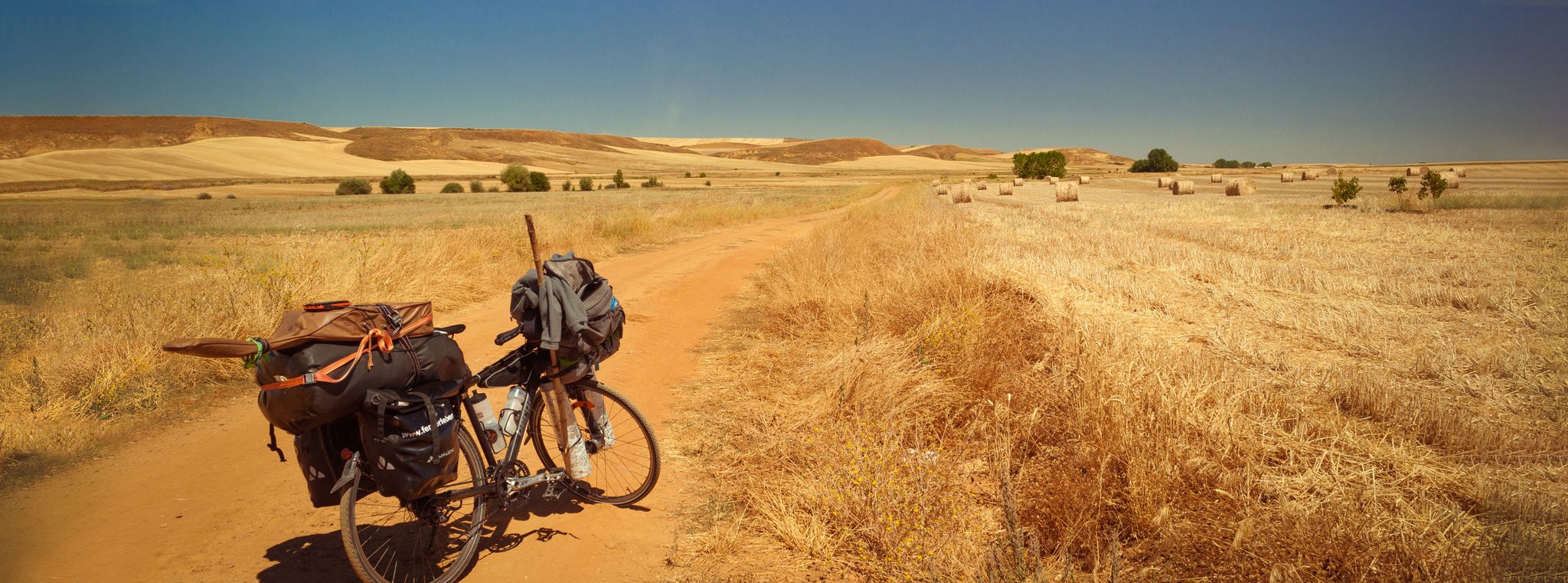
Camino Francés and Camino Finisterre – Cycling pilgrimages in Spain
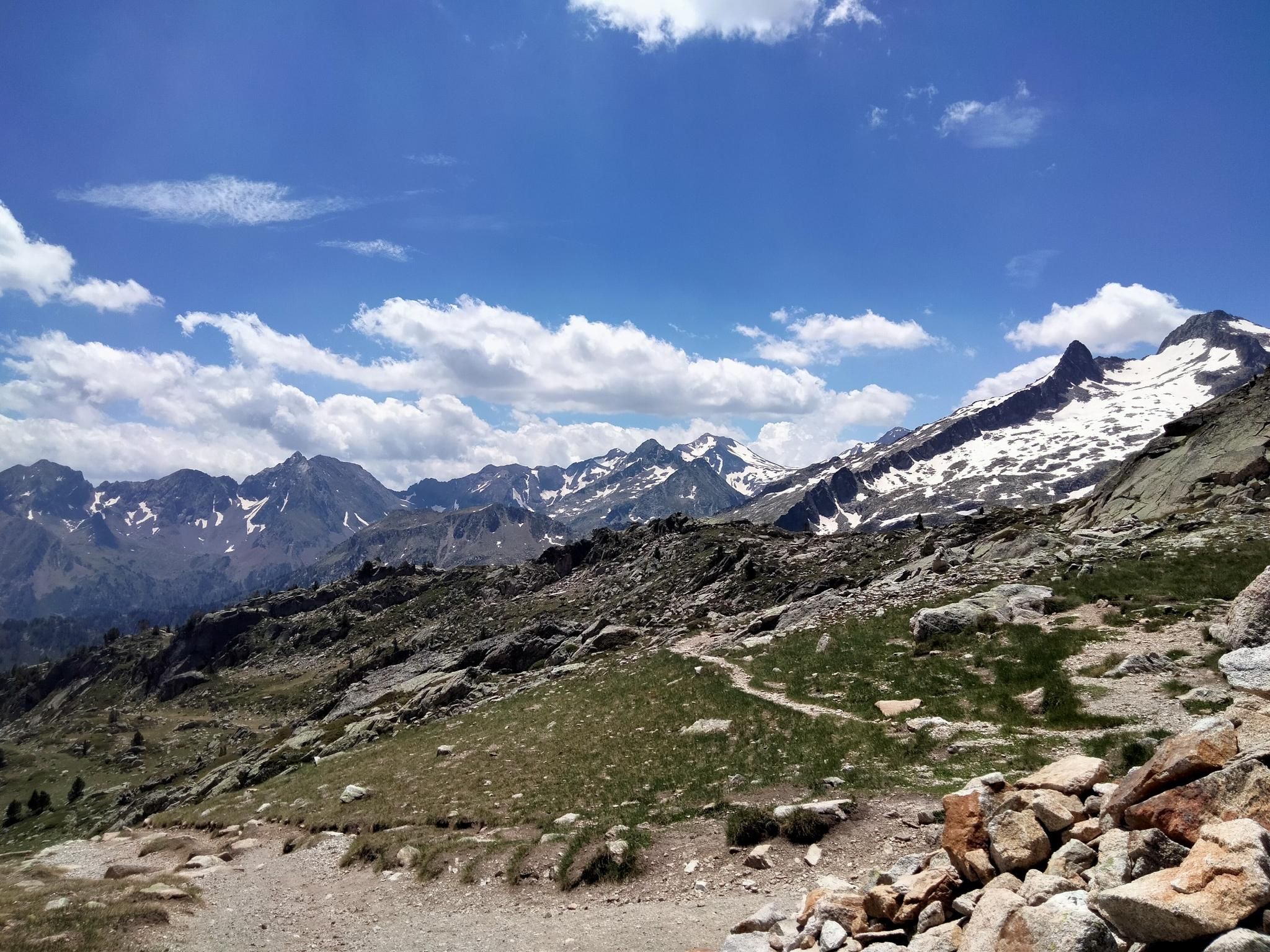
Hexatrek, the western and central Pyrenees – Between mountains and the ocean
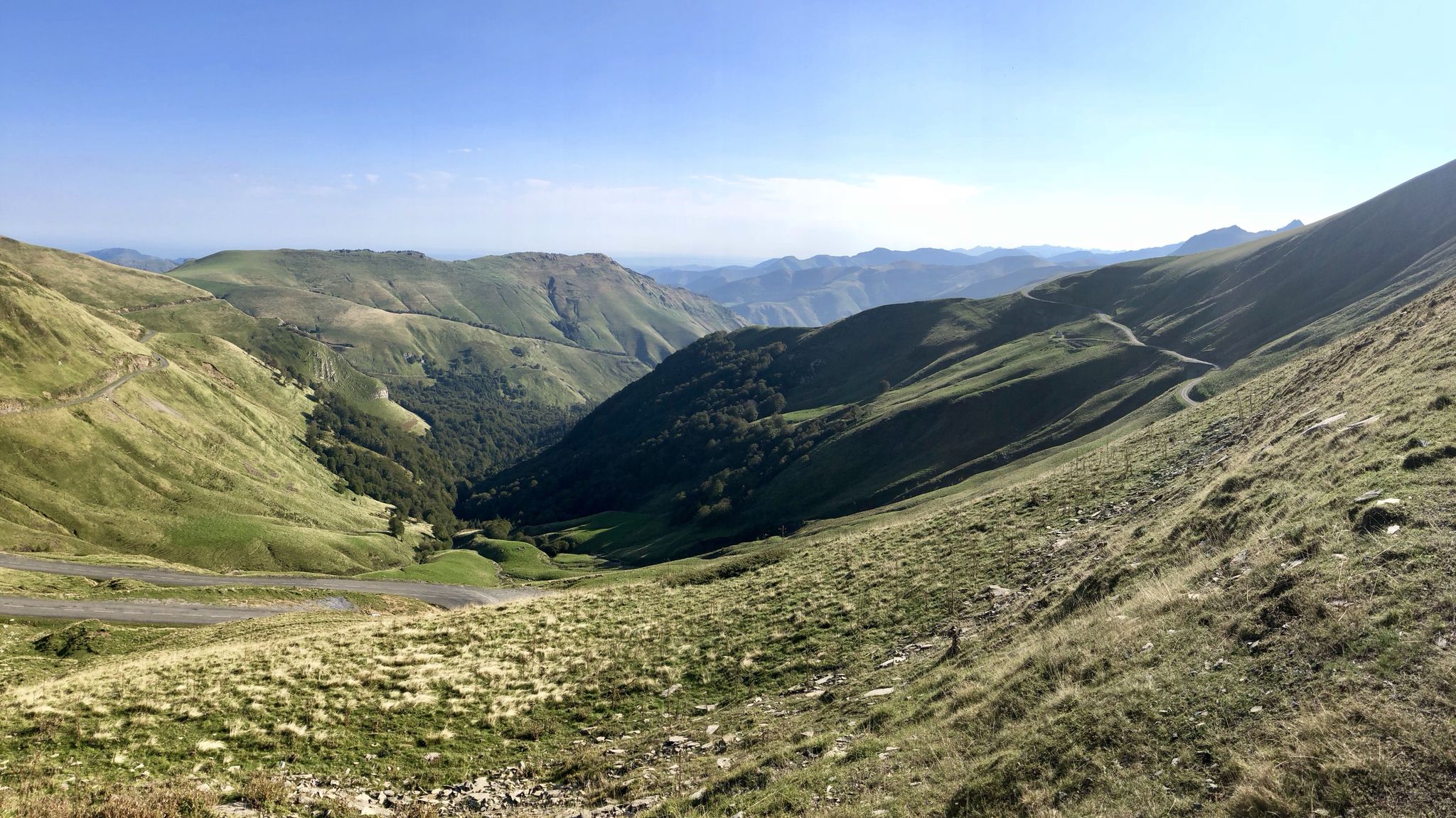
Euskal Herria footpath (GR 12) – The infinite mountain range
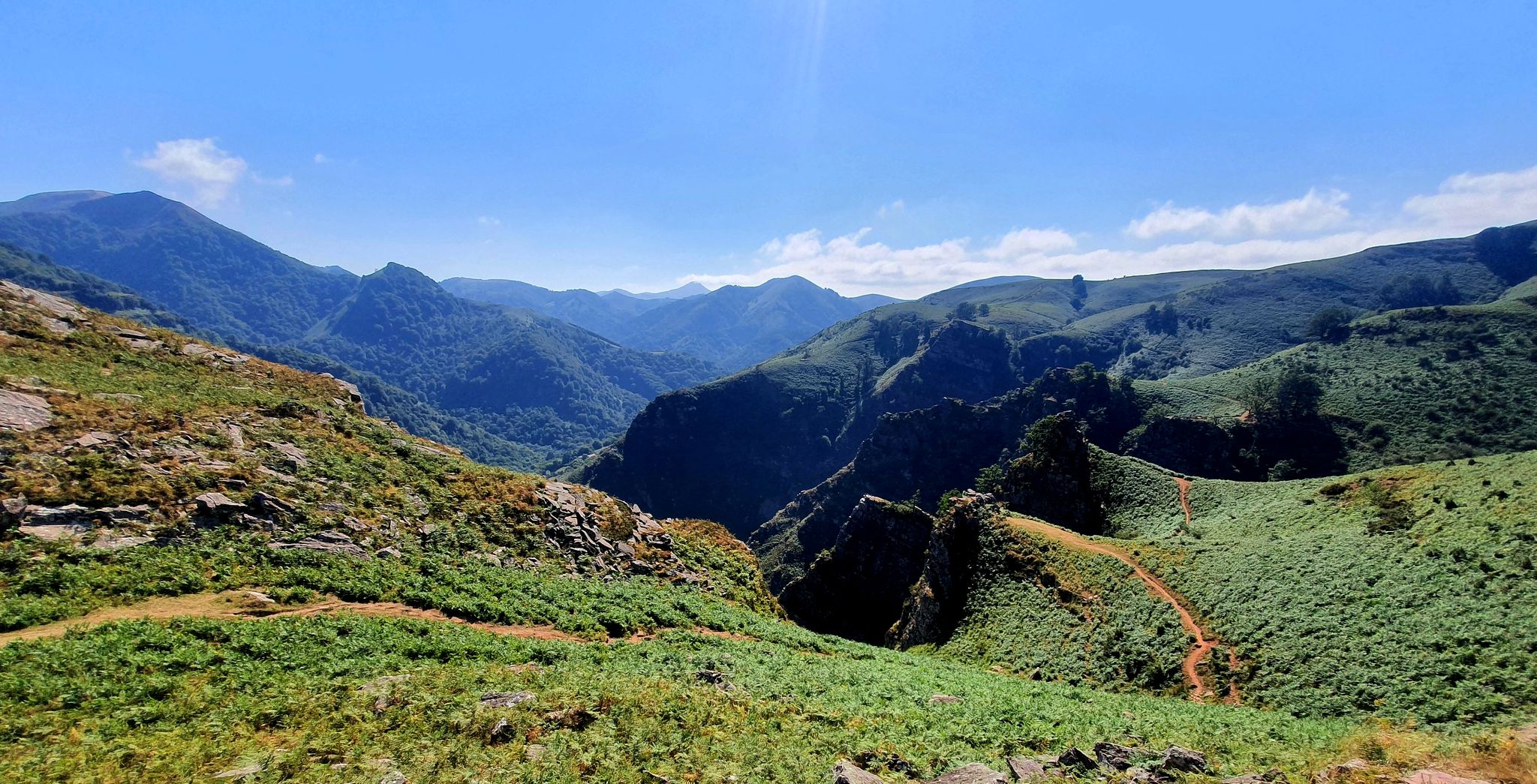
A land rich in character – running in the Basque Country
Classic Swallows Route in Spain – Mountains with history
Santiago de Compostela – A journey through northern Spain (10 days)

Road to Lisbon – bikepacking the Alps, Pyrenees and Picos de Europa
Haute Route Pyrénéenne – Pyrenees Crossing
The Ignatian Way - In the footsteps of Ignatius of Loyola
On the other side of the Pyrénées
Other adventures in Navarra


Tips from the Community

This route, while fantastic and spectacular, should be removed from Komoot. It's no longer visible, the steps are barely visible, and at too many points it's truly irresponsible and life-threatening!
0
0
Hi guys, I would highly recommend NOT TO HIKE this. This is not a proper hike, this is just craziness to go on this mountain. The path no longer exists. The stairs are completely broken. If you slip, you die. I never got scared like this and I’m a serious hiker. JUST DONT DO IT.
1
0

The Balcón de Pilatos is a plateau in the Bardenas that allows you to see it in its entirety from above. From here, you can see the Shooting Range; the Valfondo ravine; in the background to the right, "Las Cortinas"; to the left, "El Yugo," "La Estroza," etc. It has many "veres": in spring, it will be a beautiful green; in summer, a desert-like yellow-ochre, also beautiful to me; if it has rained beforehand, it will be a deep brown (don't even think about entering: you'll be trapped for several days, as many unfamiliar people are). Its characteristics are due to the deforestation carried out since ancient times to obtain wood to meet the needs of the new society following the unification of the Catholic Monarchs and the subsequent Imperial needs. At the beginning of the last century, the resin from the remaining pine trees was also used to make "pez" (one of the pitch ovens has been rehabilitated). Now we find ourselves with a territory that is declared a Natural Park in an attempt to "conserve" the natural disasters produced by the "wild deforestation" carried out: Bardenas Reales de Navarra is the fruit of human action that has turned an "immense Mediterranean forest" into a "semi-desert place with no possibility of recovery: It would not be bad if someone with greater environmental sensitivity thought about, and launched, a project to demonstrate the capacity for human environmental destruction instead of using European and military (NATO and Spanish) money to "conserve!?-exploit" for tourism purposes what a "Town Council" decides without control of a Democratic Parliament, in the best feudal style of those that still remain in our country. That's Bardenas!
1
0

Warning! Update 2025: Do not hike this trail! The descent from Piskerra no longer exists. The ascent to Piskerra is also not easy and not for beginners. The same applies to the broken steps. It took me three hours to complete the entire hike, twice as long as planned, and at times I was in mortal danger. No joke.
1
0
Warning! Update 2025: Do not hike this trail! The descent from Piskerra no longer exists. The ascent to Piskerra is also not easy and not for beginners. The same applies to the broken steps. It took me three hours to complete the entire hike, twice as long as planned, and at times I was in mortal danger. No joke.
2
0
The walks to Piskerra are no longer up to date, the steps have collapsed and other parts have unfortunately also collapsed.
1
0
Frequently Asked Questions
What are the main differences between the most well-known canyons in Navarra?
Navarra features several impressive canyons, locally called 'foces'. The three most prominent are Foz de Lumbier, Foz de Arbayún, and Foz de Benasa. Foz de Lumbier is known for its accessibility, with flat trails and two tunnels, making it ideal for walking and cycling. Foz de Arbayún is the largest and most dramatic, offering spectacular panoramic views from viewpoints like Mirador de Iso, and hosts the largest griffon vulture colony in Spain. Foz de Benasa is a smaller, more tranquil gorge, perfect for peaceful river walks and natural pools for swimming during summer.
Are there easy-to-access canyons suitable for walking or cycling in Navarra?
Yes, Foz de Lumbier is particularly well-suited for easy access. It features two simple, signposted paths at the foot of the cliffs, including a 6-kilometer greenway (the Irati Railway trail) that follows the Irati River and passes through two unlit tunnels, such as Tunnel I. This flat riverside trail is excellent for walkers and cyclists of all ages.
What kind of wildlife can I expect to see in Navarra's canyons?
Navarra's canyons are significant habitats for diverse wildlife, especially birds of prey. You can frequently spot griffon vultures nesting in the rock crevices of Foz de Lumbier and Foz de Arbayún, which hosts the largest colony in Spain. Egyptian vultures, bearded vultures, and golden eagles are also present. Mammals like foxes, wild boars, badgers, deer, martens, and wild cats also find refuge in these areas.
Are there opportunities for swimming or water activities in the canyons?
Foz de Benasa offers unique opportunities for water activities. During periods of low water in summer, it's possible to walk along the riverbed and discover natural pools perfect for swimming and refreshing dips. This makes it an excellent choice for a quiet escape during warmer months.
What are the best viewpoints for observing the canyons?
For Foz de Arbayún, the most accessible and spectacular viewpoint is the Mirador de Iso, which can be easily reached by car and offers breathtaking panoramic views of the gorge's immense scale and dramatic vertical cliffs. While Foz de Lumbier is best experienced from within, the Martxate Cliffs also offer impressive views of the gorge.
Are there family-friendly options among Navarra's canyons?
Yes, Foz de Lumbier is highly recommended for families. Its accessible trails, including the 6-kilometer Irati Greenway, are suitable for children and offer an easy way to explore the natural environment. The experience of walking through the unlit tunnels, like Tunnel I, adds an element of adventure that children often enjoy.
What outdoor activities can I do near the canyons in Navarra?
Beyond exploring the canyons themselves, Navarra offers a wide range of outdoor activities. You can find numerous mountain hikes, such as those detailed in the Mountain Hikes in Navarra guide, or discover beautiful waterfall hikes, as highlighted in the Waterfall hikes in Navarra guide. For cycling enthusiasts, there are also gravel biking routes available, which you can explore in the Gravel biking in Navarra guide.
What is the best time of year to visit Navarra's canyons?
The best time to visit Navarra's canyons generally depends on your preferred activities. Spring and autumn offer pleasant temperatures for hiking and wildlife observation, especially for birdwatching. Summer is ideal for Foz de Benasa if you plan to enjoy swimming in its natural pools, though other canyons can be warm. Always check local conditions and water levels, especially if planning riverbed walks.
Are there any historical or cultural points of interest near the canyons?
Yes, Foz de Lumbier has historical significance. It features the ruins of the 'Bridge of the Devil,' which was destroyed by French troops in 1812 during the War of Independence and is associated with local legends. The Irati Railway trail, now a greenway, also follows the route of a historic railway line.
Are there any lesser-known or 'hidden gem' canyons in Navarra?
While Foz de Lumbier and Foz de Arbayún are widely recognized, Foz de Benasa is often considered a more tranquil and less-known option. It offers a serene environment with impressive rocky walls and opportunities for peaceful river walks and swimming in natural pools, providing a more intimate experience away from larger crowds.
What are the Bardenas Reales and how do they relate to Navarra's canyons?
The Bardenas Reales Natural Park is a semi-desert landscape in Navarra, declared a UNESCO biosphere reserve. While not a traditional 'foces' carved by a single river like Lumbier or Arbayún, it features unique geological formations, including badlands and some gorge-like structures, such as those found near Bardenas Reales Natural Park and Bardenas Reales Badlands. It offers a distinct natural experience with exciting rock formations and breathtaking views, often explored by mountain bike.
What should I know about parking and accessibility for Navarra's canyons?
Access to the main canyons is generally straightforward. For Foz de Lumbier, there is parking available near the entrance, and its trails are easily accessible. Foz de Arbayún is best viewed from the Mirador de Iso, which is easily reached by car. Foz de Benasa also offers accessibility for those looking to explore its river walks. For detailed travel directions, you can consult resources like visitnavarra.es.
Most popular routes in Navarra
Most popular attractions in Navarra

Get inspired with the komoot mobile app


Didn’t find what you were looking for?
Want to see even more gorges? See the best ones in Navarra region by region:
Explore more
Already discovered everything in this region? See additional gorges in Navarra for your next adventure:
