Top 6 Castles in Porto
Castles in Porto offer a glimpse into the region's historical fortifications, strategically positioned along the Atlantic coast and the Douro River. The area features a mix of coastal forts and historical sites, reflecting its defensive past. These structures provide insights into Portuguese history and offer views of the surrounding natural landscape. The region around Porto also contains significant medieval castles, accessible for day trips.
Best castles in Porto
- The most popular castles is Fort of Saint Francis Xavier (Cheese Castle), a castle built on a rounded granite rock resembling cheese. This 17th-century fort offers panoramic views of the Atlantic Ocean and houses a historical-military museum.
- Another must-see spot is Forte de Leça or Castelo de Matosinhos, a castle that was part of Porto's defensive line. Built in 1651, it now serves as the seat of the captain of the port of Leixões.
- Visitors also love Fort of Our Lady of the Snows, a harbor fortification started in 1638. This castle was built as protection against corsairs and pirates.
- Porto is known for coastal forts, historical sites, and medieval castles. The region offers a variety of defensive structures and historical landmarks to explore.
- The castles in Porto are appreciated by the komoot community, with more than 380 upvotes and over 140 photos shared.
Last updated: June 27, 2026
Fort of Saint Francis Xavier (Cheese Castle)
Highlight • Castle
Translated by Google •
Tip by

Fort of Our Lady of the Snows
Highlight • Castle
Translated by Google •
Tip by

Sign up now to discover places like this
Get recommendations on the best single tracks, peaks, & plenty of other exciting outdoor places.
Sign up for free
Fort of Saint Francis Xavier
Highlight • Castle
Translated by Google •
Tip by

Fort of São João Baptista and Vila do Conde Beach
Highlight • Beach
Translated by Google •
Tip by

Forte de Leça or Castelo de Matosinhos
Highlight • Castle
Translated by Google •
Tip by
Forte de São João Baptista de Vila do Conde
Highlight • Castle
Translated by Google •
Tip by
Castle 🏰 Vila do Conde
Highlight • Castle
Translated by Google •
Tip by
Tower of Aguiar de Sousa Castle
Highlight • Castle
To reach the tower you have climb a steep stone path but after the initial brutal ramp it eases off and the path turns to concrete. It's well worth the effort :)
rotadoromanico.com/en/Monuments/tower-of-the-castle-of-aguiar-de-sousa
Tip by

Torre dos Alcoforados
Highlight • Historical Site
rotadoromanico.com/en/Monuments/tower-of-the-alcoforados
Tip by
Castro de Monte Mozinho
Highlight • Historical Site
Translated by Google •
Tip by

Sign up for free to discover even more castles in Porto.
Sign up for free
Already have an account?
Start today with a free account
Your next adventure awaits.
Login or Signup
Popular around Porto
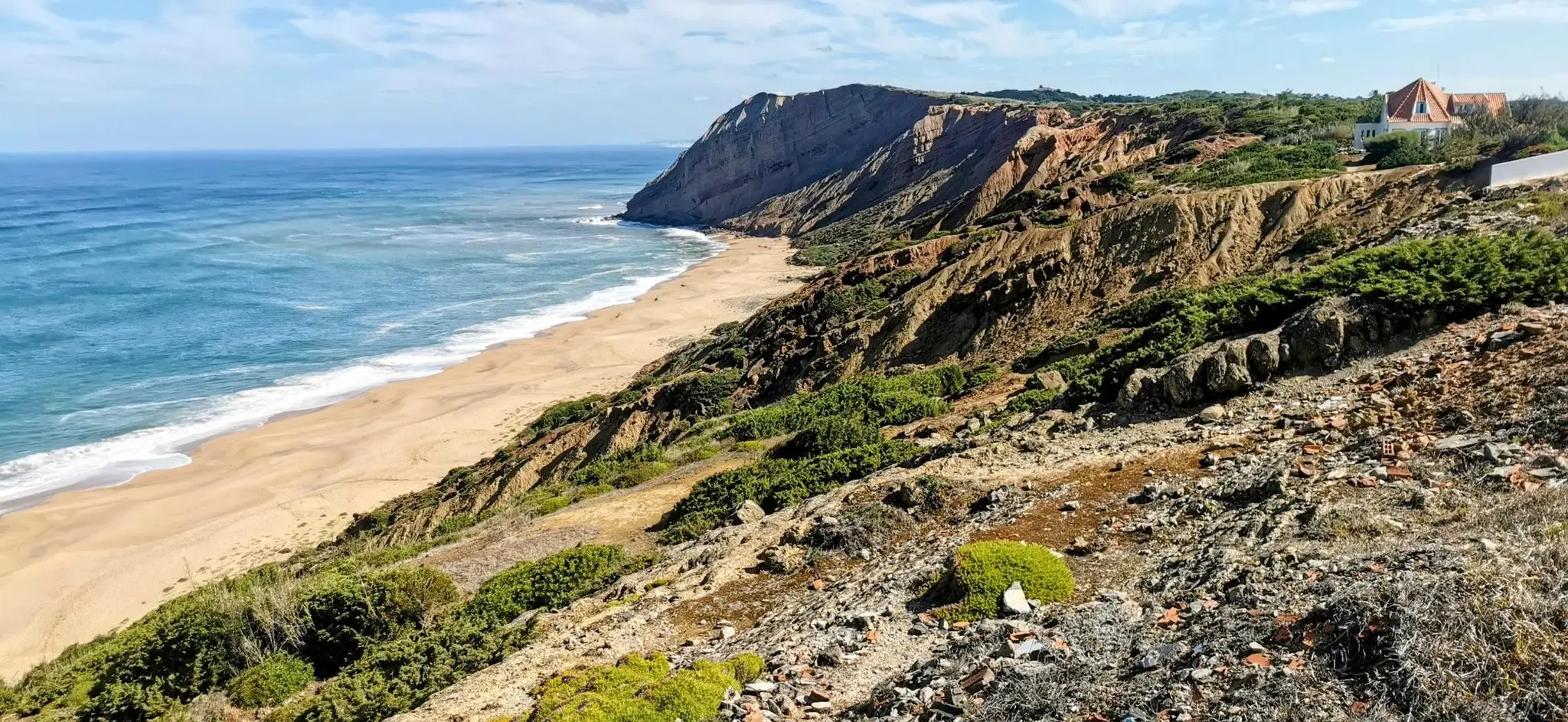
EuroVelo 1 Portugal – Cycle the Atlantic Coast
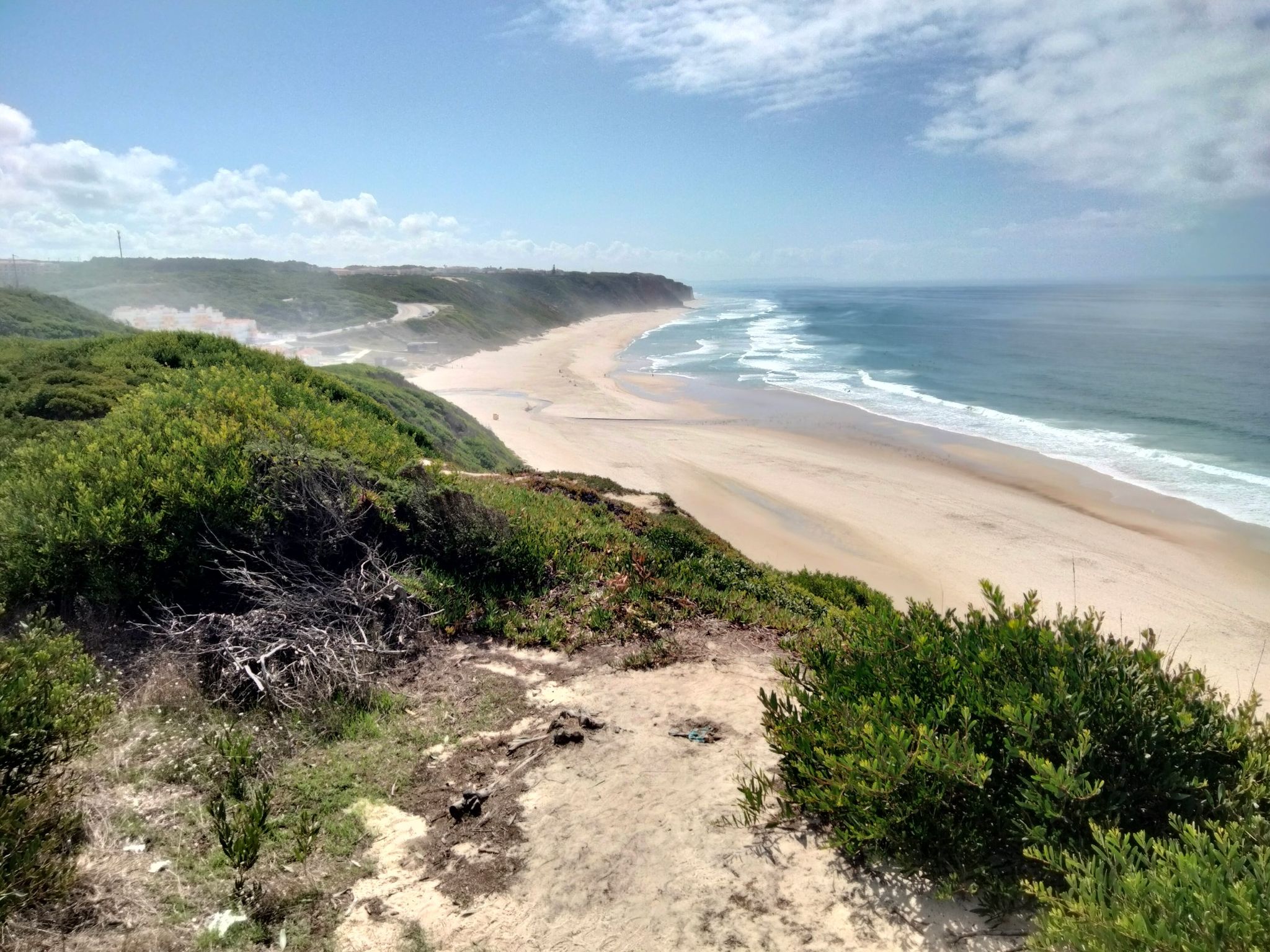
Portugal's Atlantic coast (north) – from Caminha to Lisbon
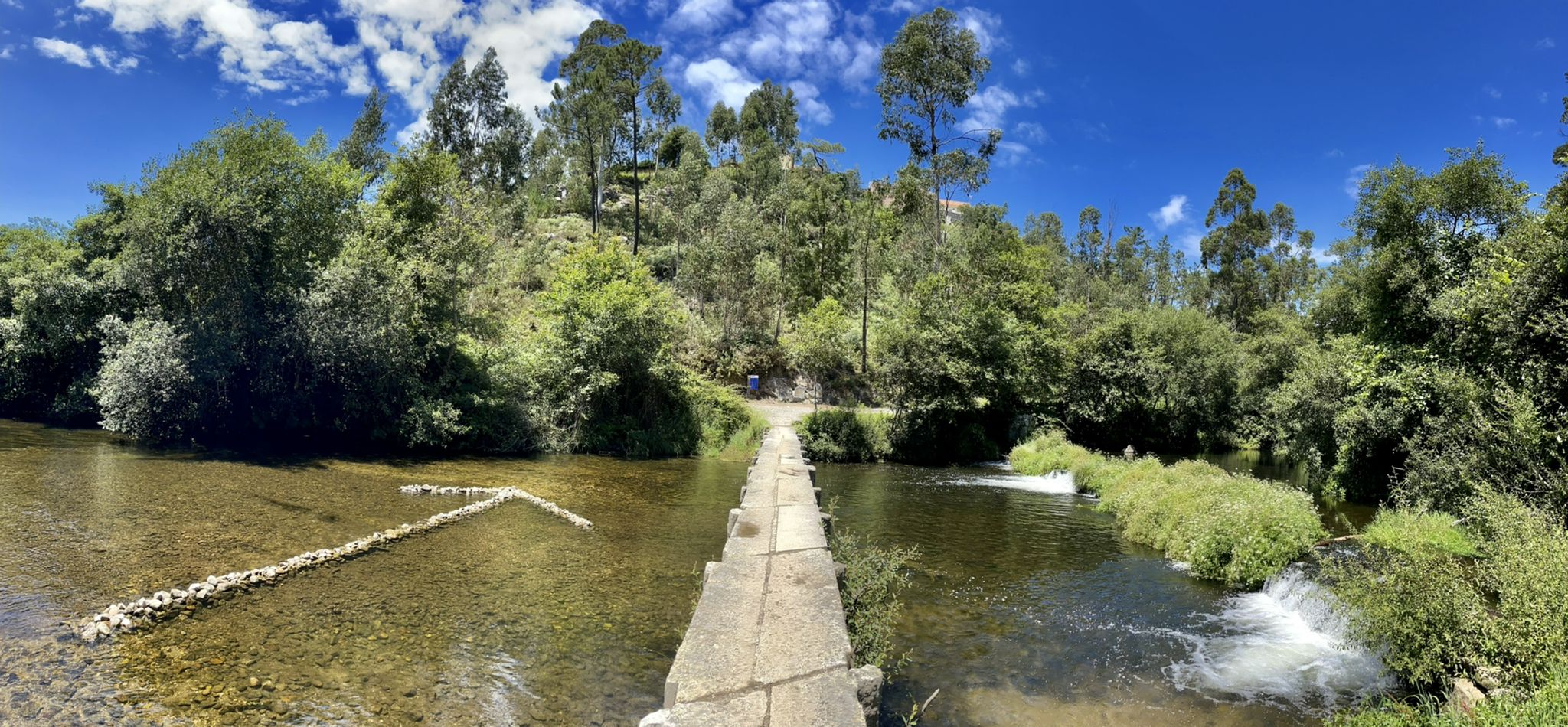
The challenge that knows no frontiers — Portuguese Coast Path
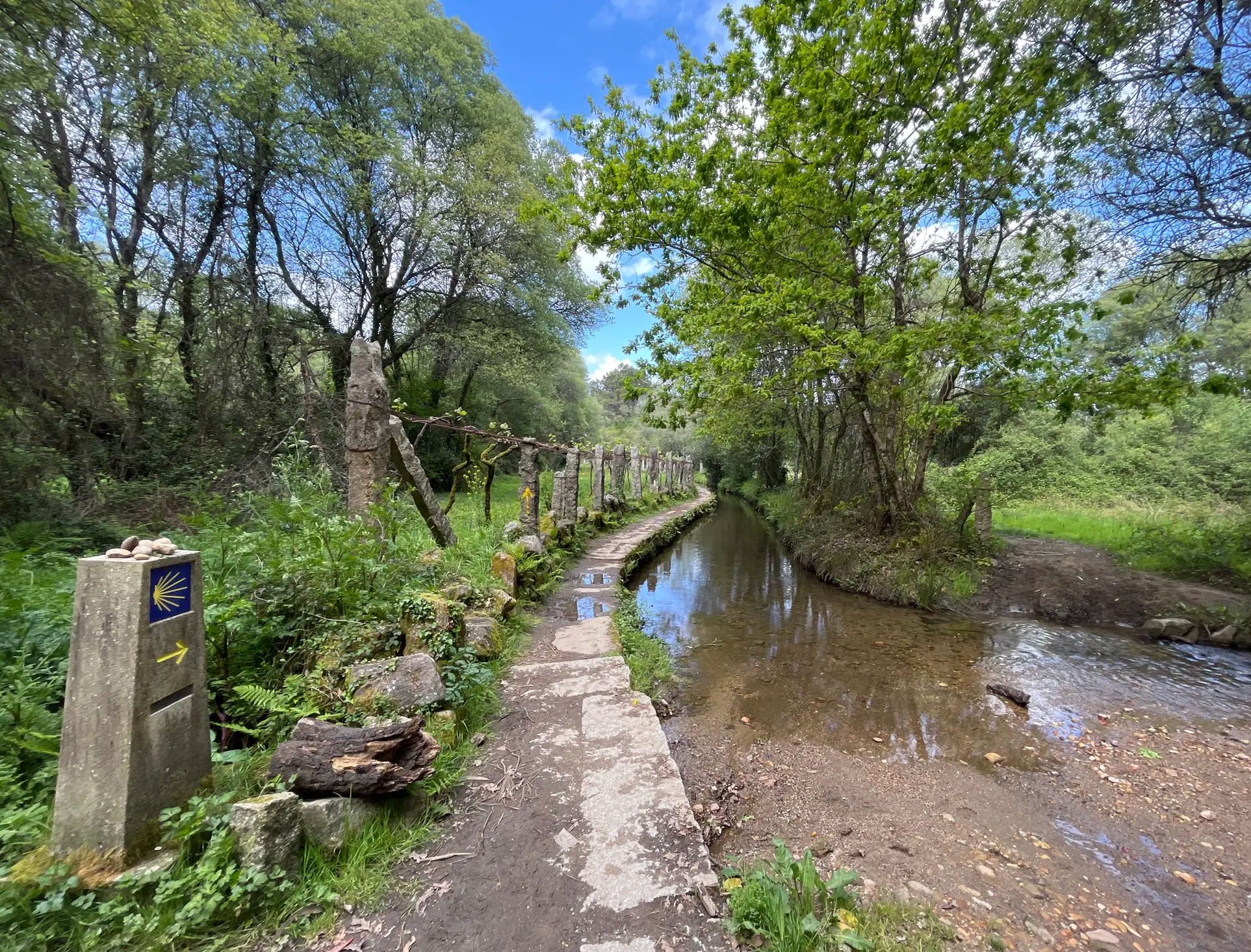
Na Rota dos Peregrinos – o Caminho Central Português
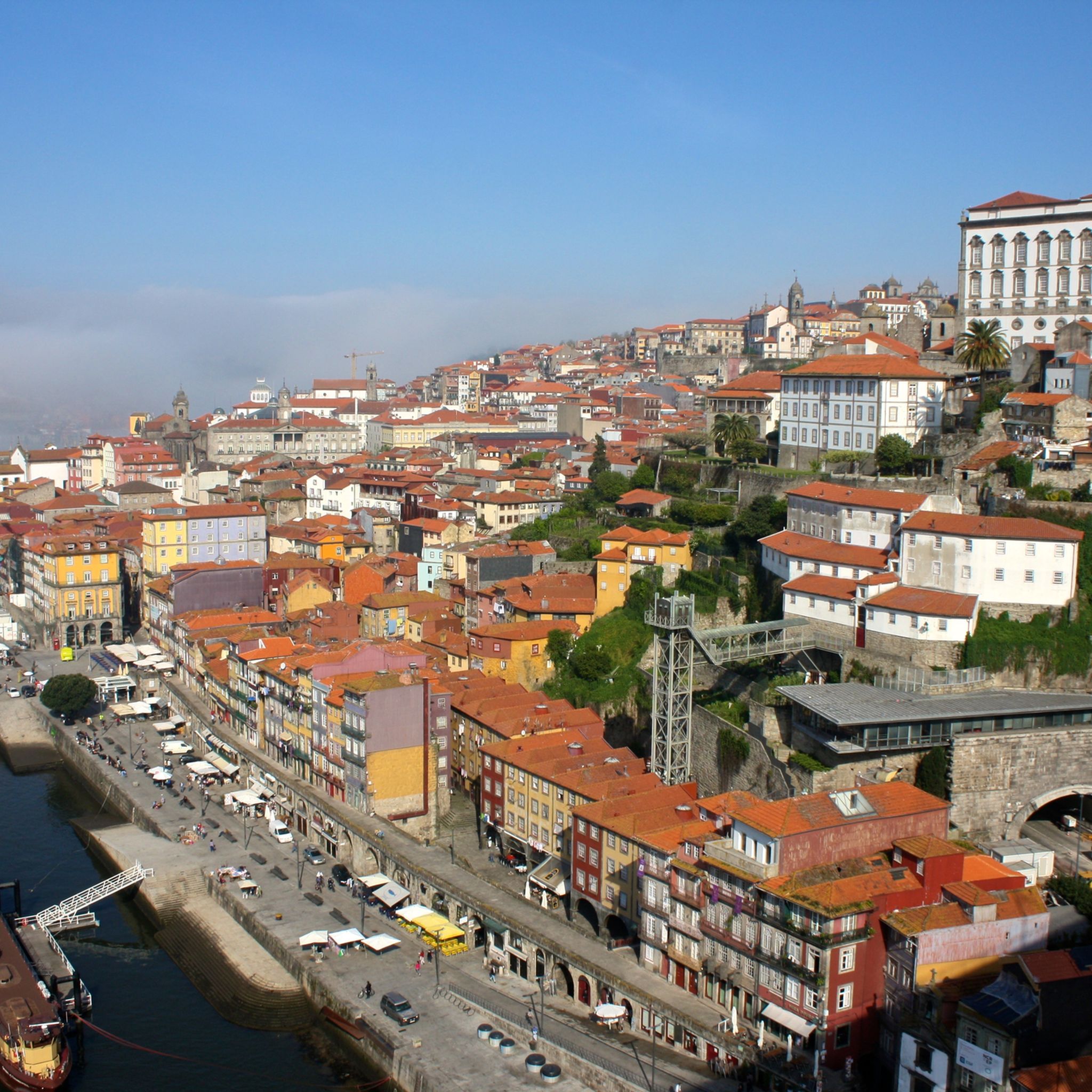
Cycling in Porto
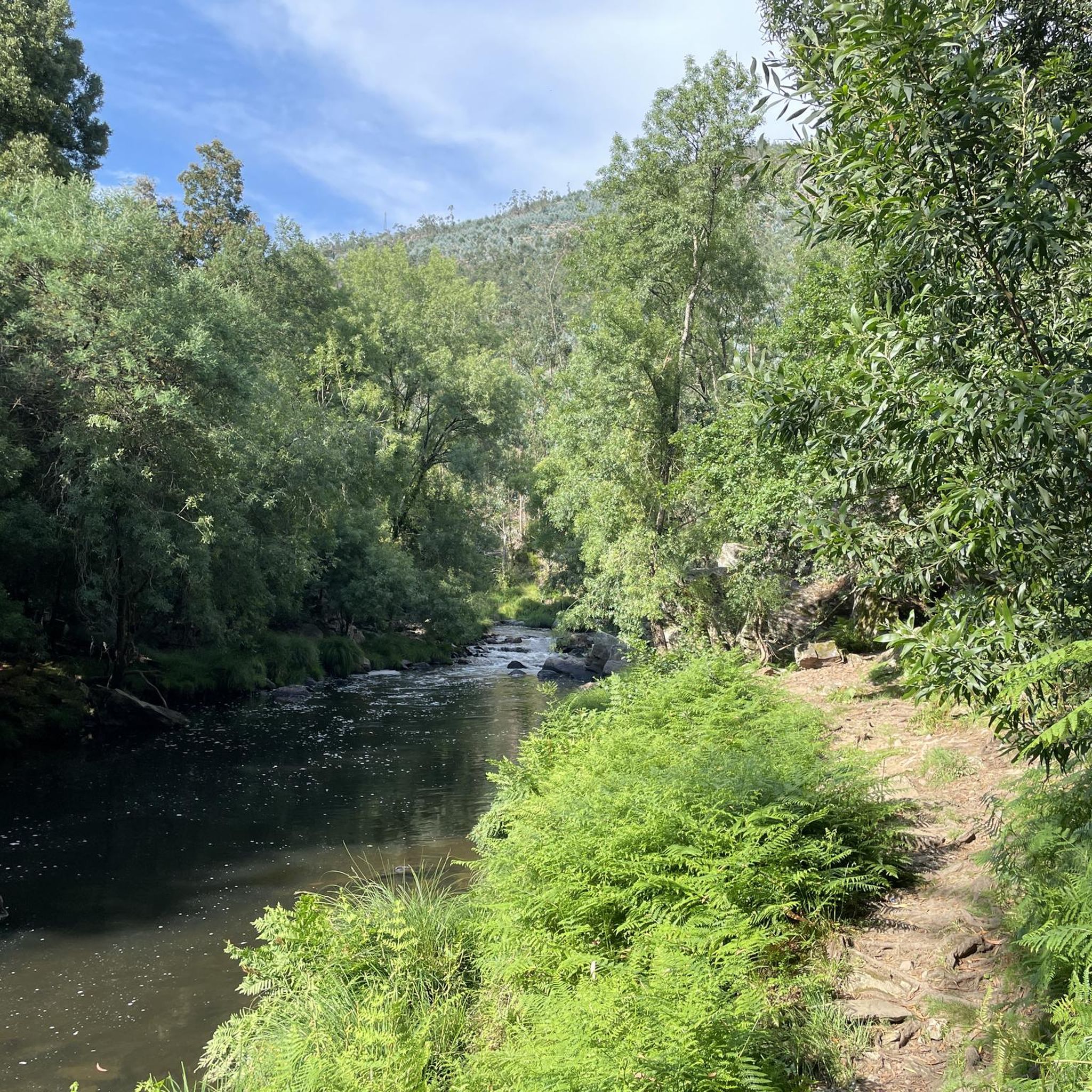
Hiking in Porto
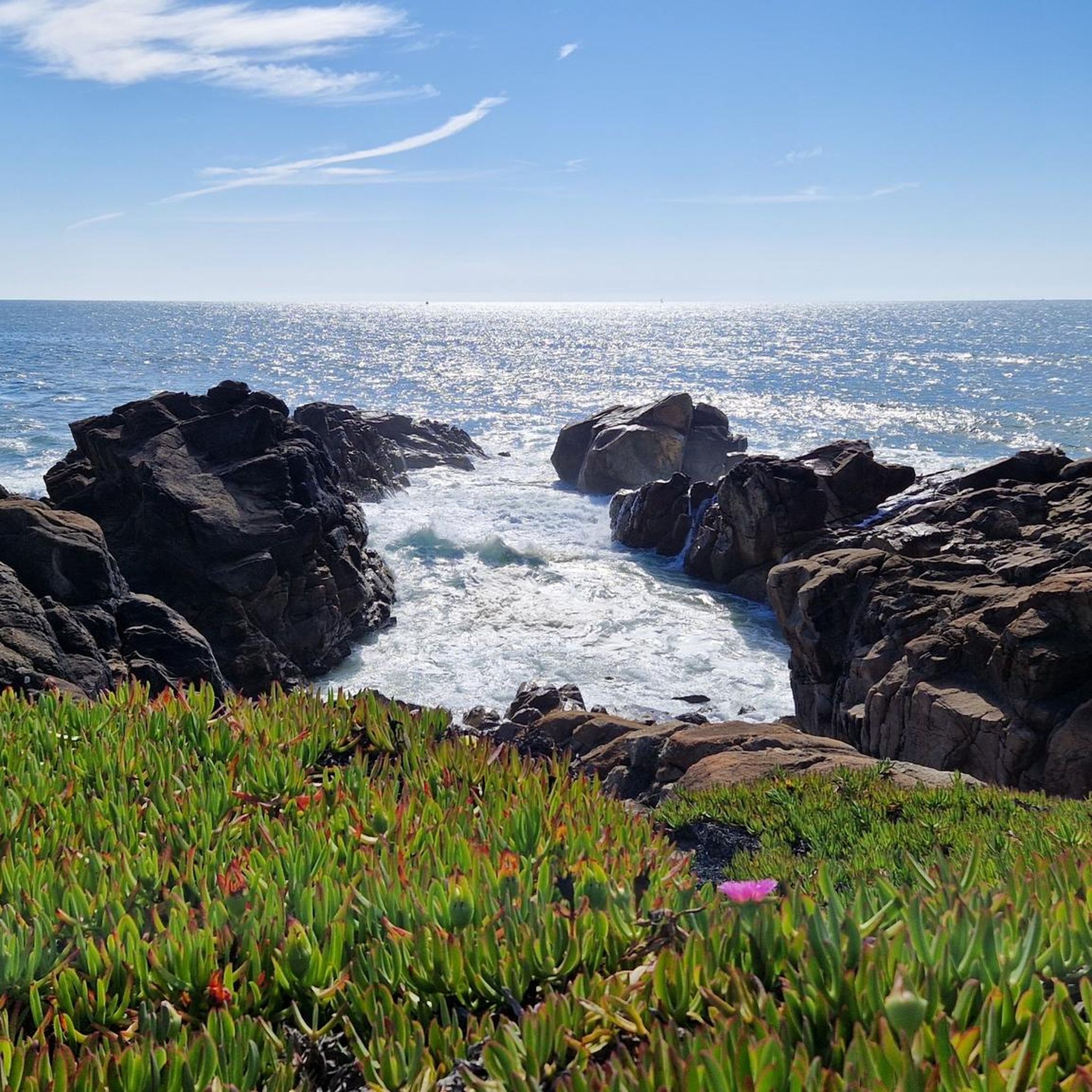
Running Trails in Porto
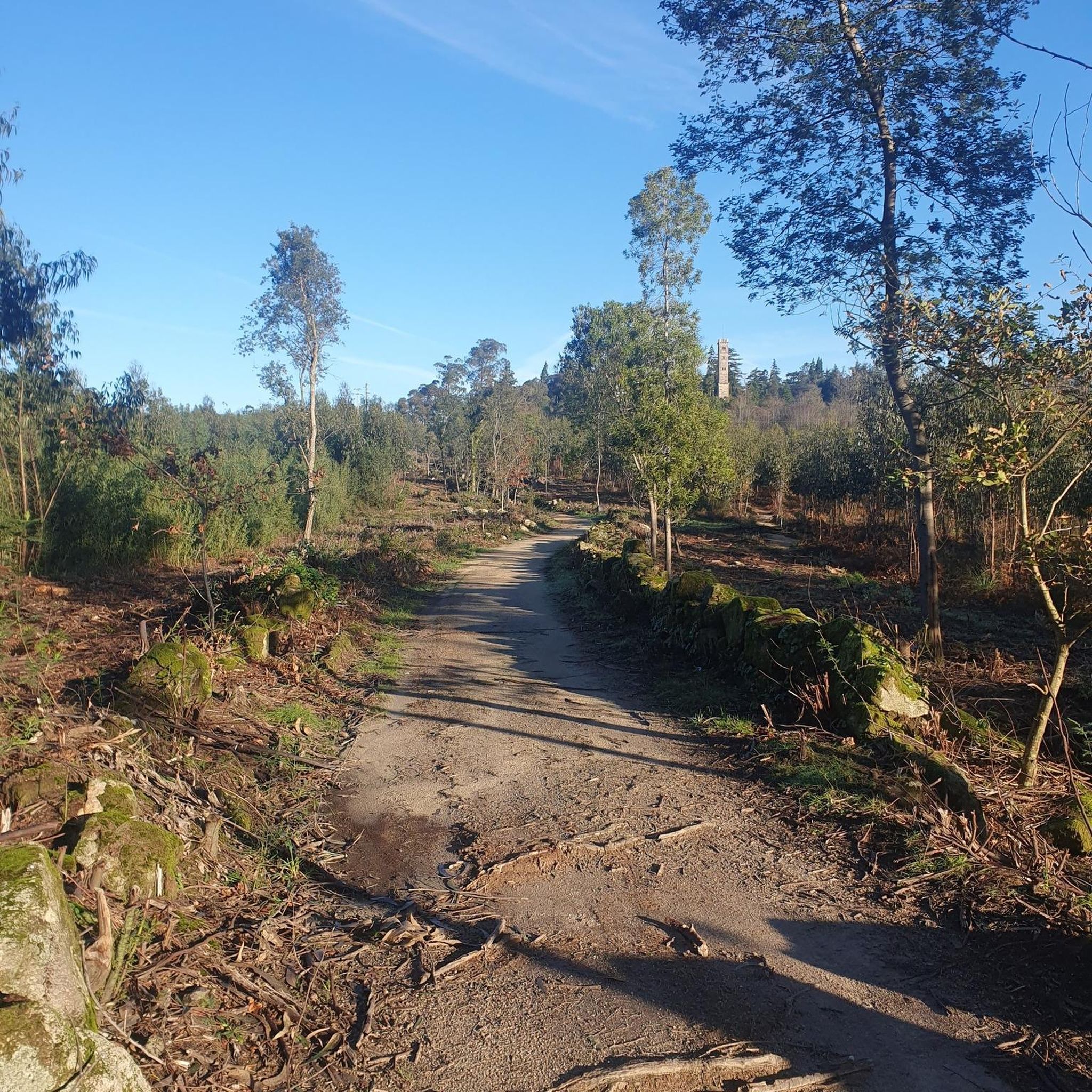
MTB Trails in Porto
Road Cycling Routes in Porto

Gravel biking in Porto
Other adventures in Porto


Tips from the Community

Beautiful old fort with a museum inside. The interplay of old and new in the background is also wonderful.
0
0

Unspectacular, but beautiful view from above.
9
1

Great Fortress
10
0
Large fortress
7
0

Fort on the way from Foz to Matosinhos. It's easy to walk around the fort, but it's nothing special.
12
2

At the top of the hill, this Castro can be visited either on foot or by bicycle. It is the so-called dead city.
0
0

Forte de São João Baptista de Vila do Conde was built in 1573 to defend the port at the mouth of the Río Ave and lost its military value after the end of the Civil War in 1834. It currently serves as a hotel.
0
0

An imposing C14 fortified manor house stands at the end of the village and shares a wall with a contemporary building. It has been impressively restored inside with wooden stairs and floors. There's also a art mini gallery, with pictures and sculptures created by local artists. There's a Tourist Information Centre next to the tower but it looks closed for good. A kind lady from the house on the right of the entrance gate opened the Torre for me and showed me around. Obrigado :) https://www.rotadoromanico.com/en/Monuments/tower-of-the-alcoforados/
0
0
Frequently Asked Questions
What kind of castles can I expect to find in and around Porto?
In Porto itself, you'll primarily find impressive coastal fortifications like the Forte de São Francisco Xavier (also known as Castelo do Queijo) and the Forte de Leça da Palmeira. These 17th-century structures were built to defend the coast and the Douro River mouth. For traditional medieval castles, you'll need to venture a bit further out of the city for day trips.
Are there any family-friendly castles to visit near Porto?
Yes, several castles and forts are suitable for families. The Fort of Saint Francis Xavier (Cheese Castle) is a great option, offering exploration of its architecture, panoramic ocean views, and sometimes a historical-military museum. Its coastal location also provides opportunities for beach activities nearby. The Forte de Leça or Castelo de Matosinhos is also listed as family-friendly.
What is the historical significance of Porto's coastal forts?
Porto's coastal forts, such as the Fort of Saint Francis Xavier, Forte de Leça, and Forte de São João Baptista da Foz, played a crucial defensive role. Built primarily in the 17th century, they protected the city and the mouth of the Douro River from corsairs, pirates, and naval attacks, forming a vital part of Porto's defensive line.
Can I visit medieval castles as a day trip from Porto?
Absolutely. For a deeper dive into medieval history, consider day trips to castles outside the immediate Porto area. Notable options include Guimarães Castle, often called the birthplace of Portugal, and Santa Maria da Feira Castle, known for its well-preserved medieval architecture and historical reenactments. Both are within an hour's drive from Porto.
What makes the Fort of Saint Francis Xavier (Cheese Castle) unique?
The Fort of Saint Francis Xavier, affectionately known as Castelo do Queijo (Cheese Castle), gets its unique name from the rounded granite rock it was built upon, which resembles a large cheese. This 17th-century tower fortress offers a prominent position overlooking the Atlantic Ocean, complete with historical cannons and a museum inside, making it a distinctive landmark.
Are there outdoor activities or trails near these castles?
Yes, the coastal location of many forts, like the Fort of Saint Francis Xavier, means you can combine your visit with walks along the beach or coastal paths. For more extensive outdoor activities, you can explore various hiking, gravel biking, or MTB trails in the wider Porto region, which often pass by historical sites or offer scenic views of the coastline and river.
What is the best time of year to visit castles in Porto?
The best time to visit castles in Porto is generally during the spring (April to June) and early autumn (September to October). During these months, the weather is pleasant, with comfortable temperatures and less rain than winter, making it ideal for exploring both coastal forts and inland medieval castles. Summer can be hot and crowded, while winter can be rainy.
Are there public transport options to reach the castles from Porto city center?
Many of Porto's coastal forts, such as the Fort of Saint Francis Xavier, are accessible via public transport, including buses and trams from the city center. For castles further afield, like Guimarães or Santa Maria da Feira, train services are available from Porto, followed by a local bus or taxi to reach the castle site.
Are any of the castles or forts in Porto dog-friendly?
While specific dog policies can vary, many outdoor areas around the coastal forts, such as the promenades near the Fort of Saint Francis Xavier and Forte de São João Baptista da Foz, are generally dog-friendly for walks. However, access to the interior of historical buildings or museums often restricts pets. It's always best to check specific site regulations before your visit.
What happened to the original Castelo de Gaia?
The original Castelo de Gaia, located on a hilltop in Vila Nova de Gaia overlooking Porto, was a fortified settlement with roots dating back to the late Bronze Age. However, it suffered successive destruction through various conflicts over centuries. Today, very little remains of the original structure, though the 'Lugar do Castelo' (Place of the Castle) still offers a historically significant site and panoramic views of Porto and the Douro River.
Are there any hidden gem castles or historical sites in the Porto district?
Beyond the well-known coastal forts, you might consider exploring sites like the Tower of Aguiar de Sousa Castle or Castro de Monte Mozinho. Castro de Monte Mozinho, an ancient hillfort, offers a glimpse into pre-Roman settlements and can be explored on foot or by bicycle, providing a different historical perspective away from the immediate coast.
How long should I allocate for visiting a castle or fort near Porto?
For coastal forts like the Fort of Saint Francis Xavier, you might spend 1-2 hours exploring the structure and enjoying the views, plus additional time if you combine it with a beach walk. For day trips to medieval castles like Guimarães or Santa Maria da Feira, plan for a half to full day, including travel time and exploring the castle grounds and surrounding town.
Most popular routes in Porto
Most popular attractions in Porto

Get inspired with the komoot mobile app


Didn’t find what you were looking for?
Explore Porto’s best castles region by region:
Explore more
Looking for the best castles somewhere else? Discover other guides in Porto:
