The 3 Most Amazing Peaks in Castelo Branco
Mountain peaks in Castelo Branco, Portugal, are characterized by diverse landscapes and significant natural features. The district encompasses parts of the Serra da Estrela, Serra da Gardunha, and Serra do Açor mountain ranges. These areas offer varied ecosystems, from high-altitude plateaus to protected landscapes with rich biodiversity. The region is known for its geological formations, traditional villages, and opportunities for outdoor exploration.
Best mountain peaks in Castelo Branco
- The most popular mountain peaks is Torre – Highest Point of Mainland…
Last updated: October 28, 2026
Torre (Serra da Estrela Summit)
Highlight • Summit
Tip by

Serra da Estrela
Highlight • Mountain Pass
Translated by Google •
Tip by

Sign up now to discover places like this
Get recommendations on the best single tracks, peaks, & plenty of other exciting outdoor places.
Torre – Highest Point of Mainland Portugal
Highlight • Summit
Showing Translation
Tip by

Torre Summit, Serra da Estrela
Highlight • Summit
Translated by Google •
Tip by
Torre (1993 m)
Highlight • Summit
Translated by Google •
Tip by

Gardunha Summit
Highlight (Segment) • Summit
Showing Translation
Tip by

Pico de Cebola
Highlight • Summit
Translated by Google •
Tip by

Start today with a free account
Your next adventure awaits.
Popular around Castelo Branco
Great Route of Historic Villages (GR 22 south loop) – A nation is born
Great Route of Historic Villages (GR 22 north loop) - castles and valleys
Hiking in Castelo Branco
Road Cycling Routes in Castelo Branco
Cycling in Castelo Branco
MTB Trails in Castelo Branco
Running Trails in Castelo Branco

Gravel biking in Castelo Branco

Tips from the Community

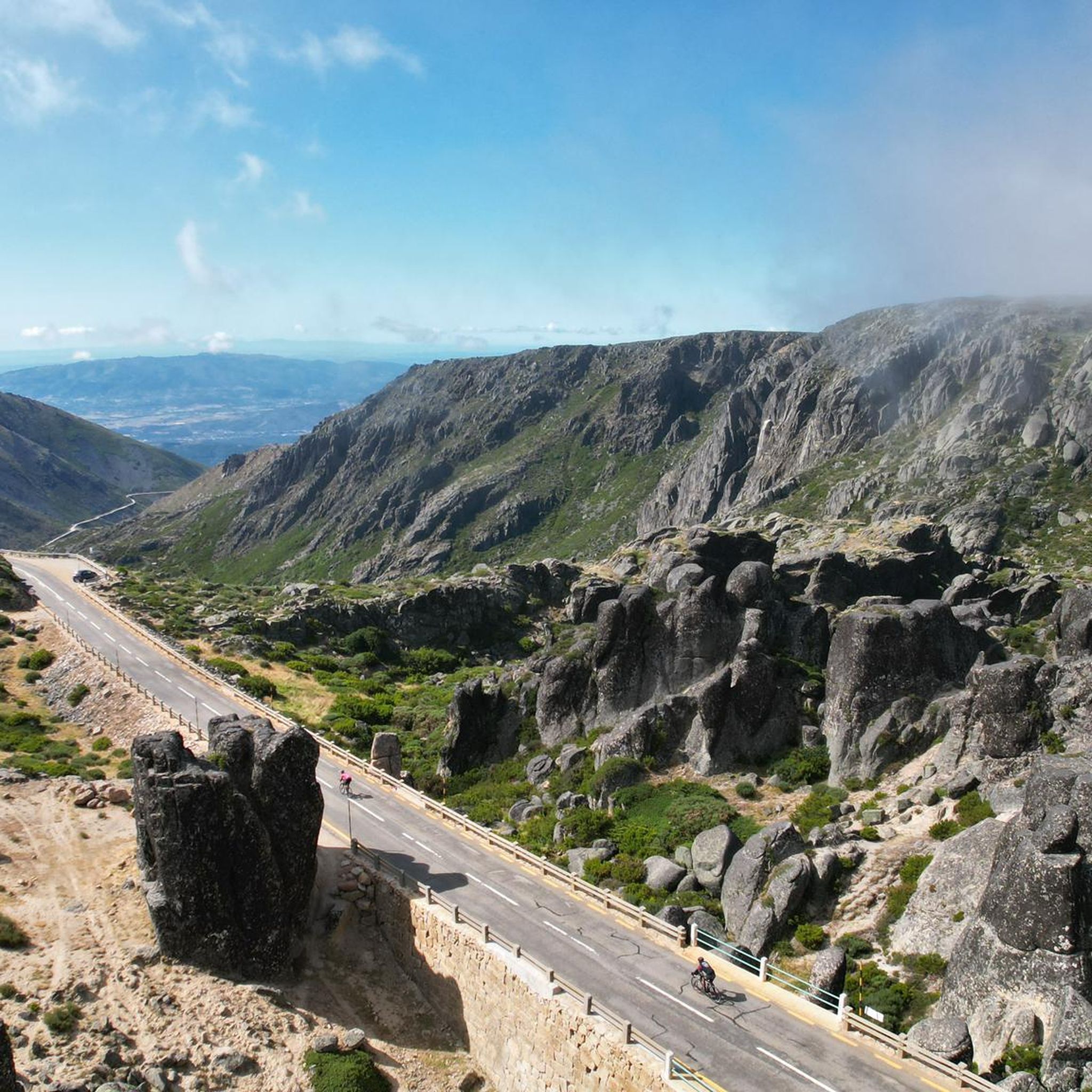
Centrally located in the park and easily accessible via a beautiful, paved road is the Torre. This is the highest point of the Serra da Estrela mountain range; nowhere in continental Portugal can you go higher. Actually, the highest point is at 1,993 meters. A small tower of 7 meters on top of the mountain completes the 2,000 meters.
7
0

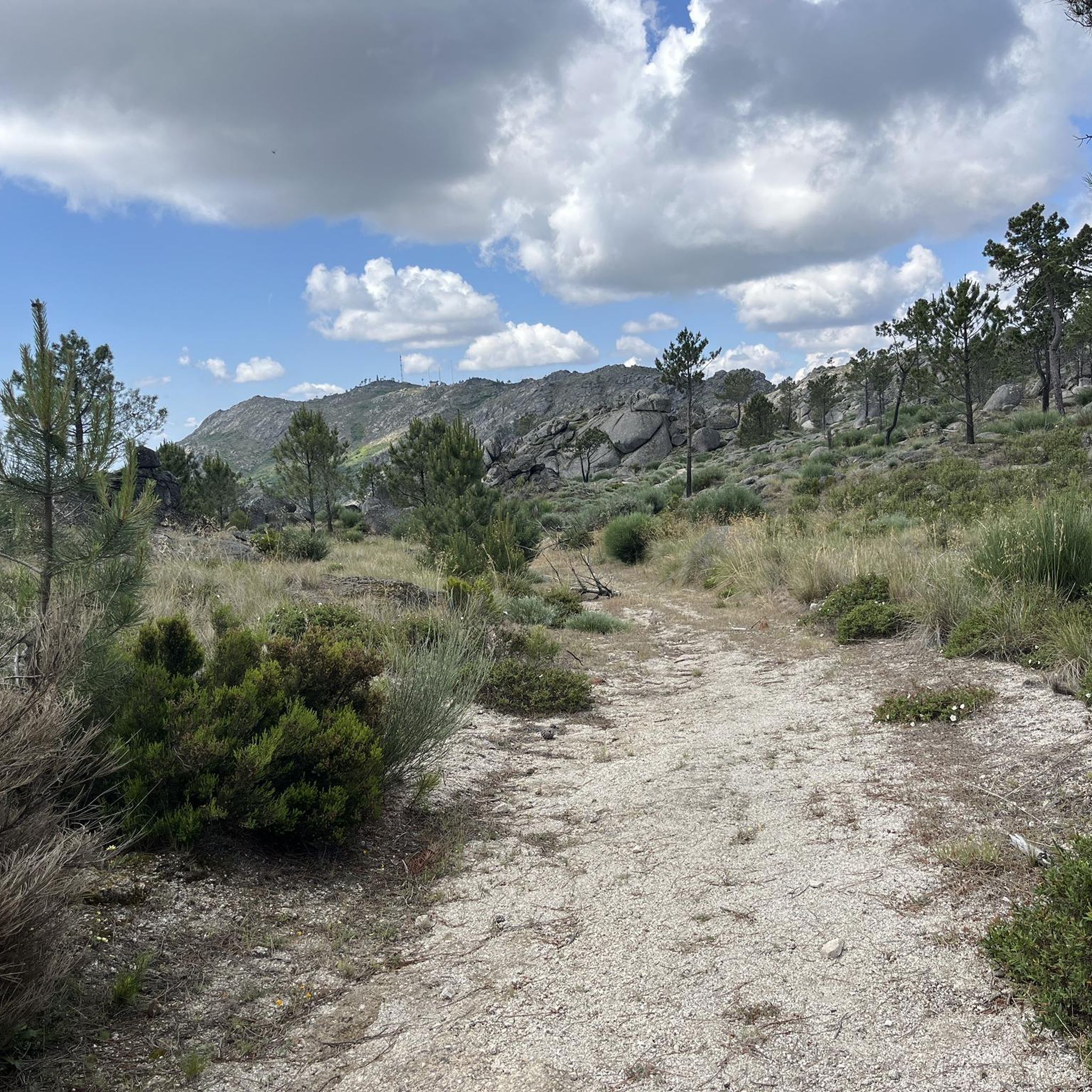
The Serra da Gardunha is a mountain range in central Portugal (Castelo Branco district). Its main peak, Pico da Gardunha, rises to an altitude of approximately 1,223 meters. The area is renowned for its scenic trails and for the archaeological and historical sites at high altitudes.
0
0

The Torre is the highest point of Continental Portugal, at 1,993 meters above sea level. It is located in the heart of the Serra da Estrela Natural Park and serves as the dividing line between the municipalities of Seia, Manteigas, and Covilhã. To reach the round 2,000 meters, King D. João VI had a stone monument built at the top of the plateau in the early 19th century.👍🥾
0
0

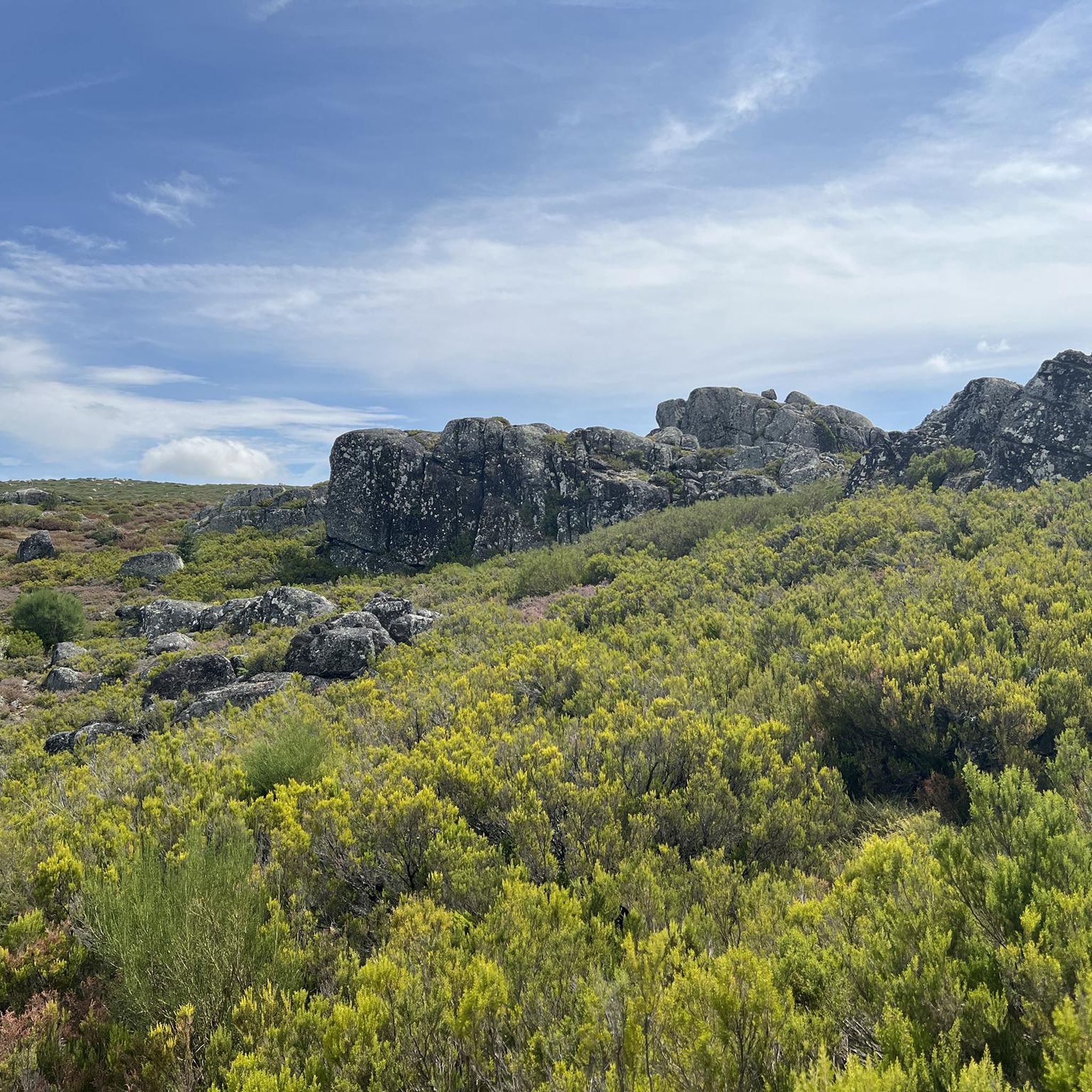
Here at Picoto Cebola, the landscape is more than just scenery: it sends shivers down your spine. At 1,418 meters above sea level, it rises like the roof of the Coimbra district and is the fifth highest point in mainland Portugal.
1
0

The Serra da Estrela Natural Park is something truly special. This 1,000-square-kilometer park, spread across six municipalities, was the first and currently the largest protected natural park in Portugal. It is home to the highest point on the Portuguese mainland, the country's only ski slope, the source of two important rivers, and a fascinating, alpine-like landscape formed by glaciers.
5
1
At exactly 1993 meters above sea level, Torre is the highest point in mainland Portugal, where the only ski resort is located. The landscape on the upper plateau of the Serra da Estrela is like a sprinkling of granite rocks over low scrub and patches of snow and ice, which the sun threatens to melt soon in the summer and which always returns the following winter. In winter, it sometimes becomes inaccessible.
6
0

Beautiful panoramic views from the highest point in Portugal. You can ski here in winter, and there is sometimes snow even in summer.
4
0
We were lucky with the weather, bright sunshine. There was still a lot of snow in May, children were able to borrow a bobsleigh and play in the snow. At a cool 8°C!!
10
3
Frequently Asked Questions
Which mountain peaks in Castelo Branco are easily accessible by car?
The highest point in mainland Portugal, Torre (Serra da Estrela Summit), is uniquely accessible by a paved road (Regional Road 339). You can drive almost directly to the summit, making it very convenient for all visitors.
What kind of wildlife can I expect to see in the Castelo Branco mountains?
The mountains in Castelo Branco are rich in biodiversity. Serra da Gardunha, for example, is home to otters, Iberian-Emerald lizards, Gold-Striped salamanders, and various protected bird species like the Montagu's harrier and the Booted eagle. Serra da Estrela also boasts a unique ecosystem with high-altitude fauna.
Are there any mountain peaks in Castelo Branco known for their historical or cultural significance?
Yes, the Serra do Açor region is renowned for its picturesque schist villages, where houses are built from local rock. Piódão is a particularly famous example with its unique blue-painted houses. Additionally, the historic village of Monsanto, built into giant boulders, offers magnificent views from its castle at the top.
What is the best time of year to visit the mountain peaks in Castelo Branco?
The best time depends on your interests. For snow activities and winter sports, visit Serra da Estrela between December and February. For hiking and enjoying the cherry orchards in bloom (Serra da Gardunha), spring (April-May) is ideal. Summer offers warmer weather for high-altitude exploration, while autumn brings beautiful foliage.
Are there challenging mountain climbs or hikes in the Castelo Branco area?
Yes, for those seeking a challenge, the higher elevations of Serra da Estrela offer more demanding trails. The Serra do Açor region also provides opportunities for mountain climbing, particularly in areas like Fajão. You can find a variety of challenging routes for cycling and hiking in the region, such as the 'Cântaro Magro – Serra da Estrela loop' for cycling or the 'Torre Summit, Serra da Estrela – View of Cântaro Gordo loop' for hiking, both accessible via the Hiking in Castelo Branco guide.
What natural features, like waterfalls or lakes, can I find near these peaks?
The Serra do Açor is rich in water features, including streams and the source of the Ceira River. Fraga da Pena boasts a impressive 70-meter-high waterfall. In Serra da Estrela, Lagoa Comprida is a notable natural lake at approximately 1,600 meters altitude, serving as the largest water reservoir in the area.
Can I find circular hiking routes around the Castelo Branco mountains?
Yes, there are several circular hiking routes available. For example, the 'Circular do Planalto Superior' in Serra da Estrela offers a moderate 8.9 km loop. Another option is the 'GeoRota do Orvalho (PR 3) — Orvalho Boardwalk circular route', which is about 10.4 km. You can explore these and more in the Hiking in Castelo Branco guide.
What unique geological formations are present in the Castelo Branco mountain ranges?
The Serra da Gardunha is deeply influenced by the abundance of granite, schist, and water, leading to diverse geological formations and granite outcrops. The Serra da Estrela is known for its dramatic glacial formations and high-altitude pastures, while Serra do Açor also features unique geological characteristics, including the schist rock used in its traditional villages.
Are there any specific tips for visiting Torre, the highest point in mainland Portugal?
When visiting Torre, remember it's the highest point at 1,993 meters, with a small tower built to reach a symbolic 2,000 meters. It's easily accessible by car. In winter, it's Portugal's only ski resort, but access can sometimes be restricted due to snow. Don't forget to try the famous Serra da Estrela cheese and local meats from the shops near the summit.
What outdoor activities, besides hiking, can I do near the mountain peaks of Castelo Branco?
Beyond hiking, the region offers excellent opportunities for cycling. You can find various cycling routes, from moderate to difficult, such as the 'Belmonte Green Route' or the challenging 'Serra da Estrela loop from Caria'. Explore these and other options in the Cycling in Castelo Branco guide. During winter, Serra da Estrela is popular for snow activities.
What makes Serra da Gardunha a unique mountain range to visit?
Serra da Gardunha is unique for its high biodiversity, classified as a Protected Landscape area. Its northern slopes feature woodlands of Pyrenean oaks and chestnut groves, while the southern slopes have rockroses and cork oaks. Since the late 20th century, its cherry orchards have become a defining characteristic, offering picturesque views, especially during blooming season.
Are there any 'hidden gem' mountain areas in Castelo Branco worth exploring?
While not entirely hidden, the Serra do Açor region, with its charming schist villages like Piódão and natural wonders such as the Fraga da Pena waterfall, offers a blend of natural beauty and cultural immersion that feels off the beaten path compared to the more frequented Serra da Estrela. It's a place to discover preserved landscapes and traditional architecture.
Most popular routes in Castelo Branco
Most popular attractions in Castelo Branco

Get inspired with the komoot mobile app


Didn’t find what you were looking for?
Discover Castelo Branco’s best peaks and summits by region:
Explore more
See even more amazing summits in Castelo Branco with these guides:
