Top 11 Castles in Coimbra
Best castles in Coimbra offer a glimpse into Portugal's past, with several impressive fortresses located within the region. The area features a diverse landscape, from the Mondego valley to the Serra da Lousã, providing strategic locations for these historical structures. Coimbra itself once had a reinforced castle as part of its defensive system during the Reconquista, with remains still visible. The surrounding region is characterized by its rich history and natural beauty, making it a notable destination for exploring medieval architecture.
Best castles in Coimbra
- The most popular castles is Lousã Castle, a castle that was built in the second half of the 11th century and features shale masonry walls reinforced by three turrets and a quadrangular keep. Its unique location in the Serra da Lousã, on the right bank of the Arouce River, makes it a captivating site.
- Another must-see spot is Montemor-o-Velho Castle, a castle and historical site. This imposing medieval fortress dominates the Mondego valley, with most of its current structure dating back to the 14th century, though its origins trace back to the High Middle Ages.
- Visitors also love Penela Castle, a medieval fortress with walls reaching up to 19 meters high. It stands on a rocky hill, offering views over the Serra da Lousã, and its long military history is evident in the arrow holes and loopholes in its walls.
- Coimbra is known for its medieval fortresses, Romanesque structures, and Gothic architectural styles. The region offers a variety of castles to see and explore, each with its own historical significance and unique features.
- The castles in Coimbra are appreciated by the komoot community, with 118 upvotes and 90 photos shared across the various highlights.
Last updated: August 21, 2026
Lousã Castle
Highlight • Castle
Translated by Google •
Tip by

Montemor-o-Velho Castle
Highlight • Castle
Within the walls are remains of the old Medieval Palace, where the death of Dona Inês de Castro was reportedly decided, as well as the Church of Santa Maria da Alcáçova, founded in 1095 but restored in the 16th century. During the Arab occupation, materials imported from Córdoba arrived at Montemayur Castle, including capitals dating back to the Caliphate period, one of which is now part of the collection of the Machado de Castro National Museum in Coimbra. Later, the castle would play a recognized strategic role during the Christian reconquest of the territory.
(Source: turismodocentro.pt)
Translated by Google •
Tip by

Sign up now to discover places like this
Get recommendations on the best single tracks, peaks, & plenty of other exciting outdoor places.
Sign up for free
Castelo de Montemor-o-Velho
Highlight • Castle
Translated by Google •
Tip by

Penela Castle
Highlight • Castle
From the original fortress arose the castle that later served as a keep. On the walls, facing the Serra da Lousã mountain range, stand out arrow slits and loopholes, marks of its long military life, from arrows to firearms.
Penela preserves three historical entrances: the Porta da Vila (Town Gate), the evocative Porta da Traição (Gate of Treason), with its double opening and Moorish inspiration, and the Porta do Relógio (Clock Gate), a reminder of the old breach where two towers collapsed in the 1755 earthquake.
In short, a castle small in form, but enormous in history.
Translated by Google •
Tip by

Clock Tower - Infante D. Pedro Medieval Fair
Highlight • Historical Site
With a natural setting of enchanting beauty, the Medieval Fair will take place in the Fort of Santa Catarina in Figueira da Foz. Right at the entrance, you can get involved in the medieval environment with historical recreations and many stalls with delicious conventual sweets, liqueurs and other delicacies. The smell of incense populates the entire enclosure and is lost among visitors and extras who are dressed up to take us to a remote time when knights, beggars, wizards, musicians, mountaineers, among other characters, populated the streets and alleys of this location , involving us in a fantasy scenario. See the General Program and have fun with family and friends in this very successful historical recreation of a Medieval Fair.
Translated by Google •
Tip by

Observation Deck Overlooking Castelo da Lousã
Highlight • Viewpoint
With more or less than 1,200 meters, the Passadiço da Senhora da Piedade connects, in a safe and accessible way, the town of Lousã to the Tourist Complex of Senhora da Piedade. The walking trail starts at Cabo do Soito and ends at Castelo de Arouce, better known as Castelo da Lousã.
Translated by Google •
Tip by
Swing with View of Castelo de Germanelo
Highlight • Viewpoint
Translated by Google •
Tip by

Paço dos Duques de Cadaval
Highlight • Historical Site
The name of the object was copied from Google maps. A very interesting place.
Translated by Google •
Tip by

Natural and scenic complex of Sr.ª da Piedade, Lousã
Highlight • Natural Monument
Translated by Google •
Tip by
Start today with a free account
Your next adventure awaits.
Login or Signup
Popular around Coimbra
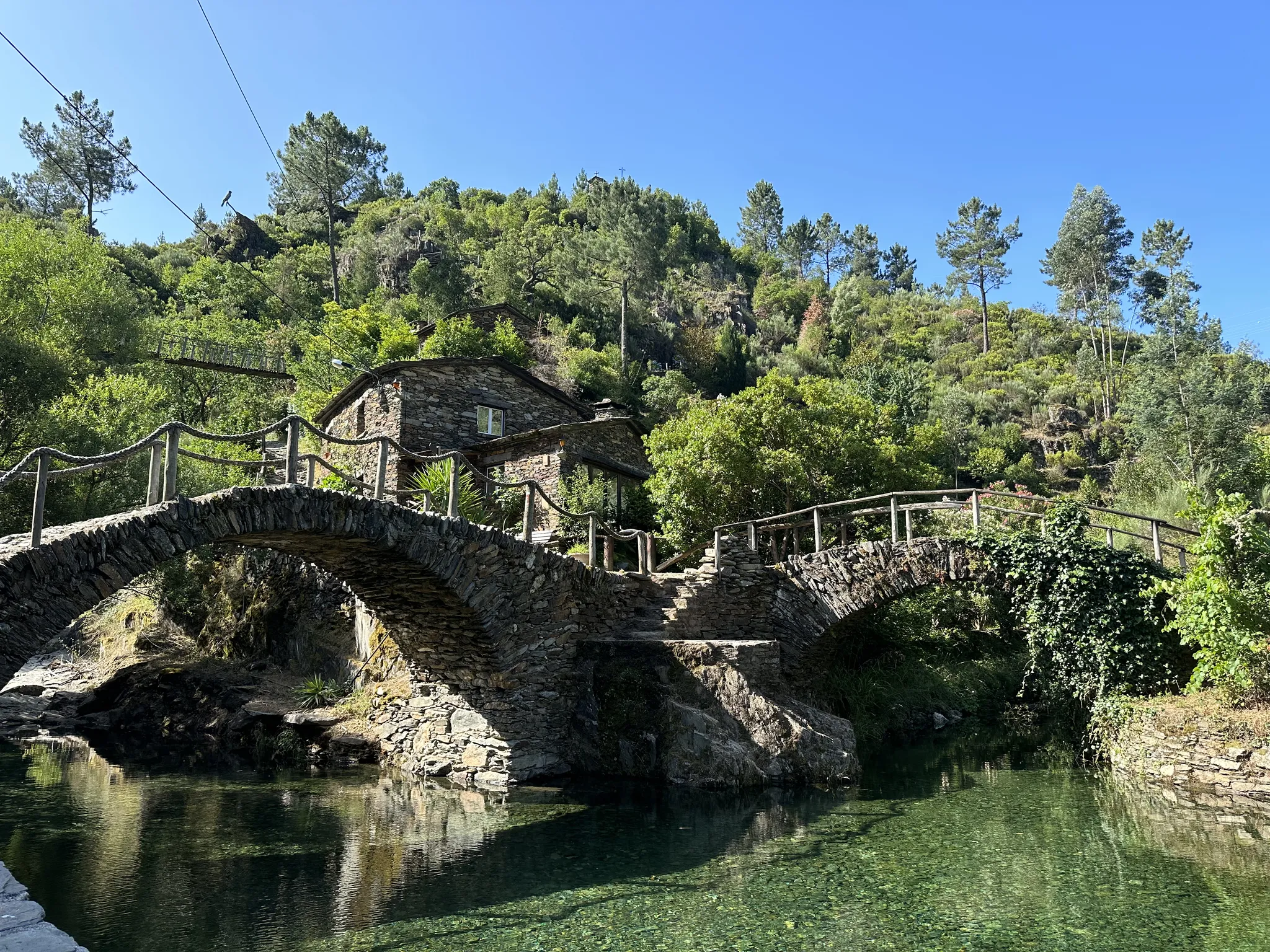
Great Route of Historic Villages (GR 22 south loop) – A nation is born
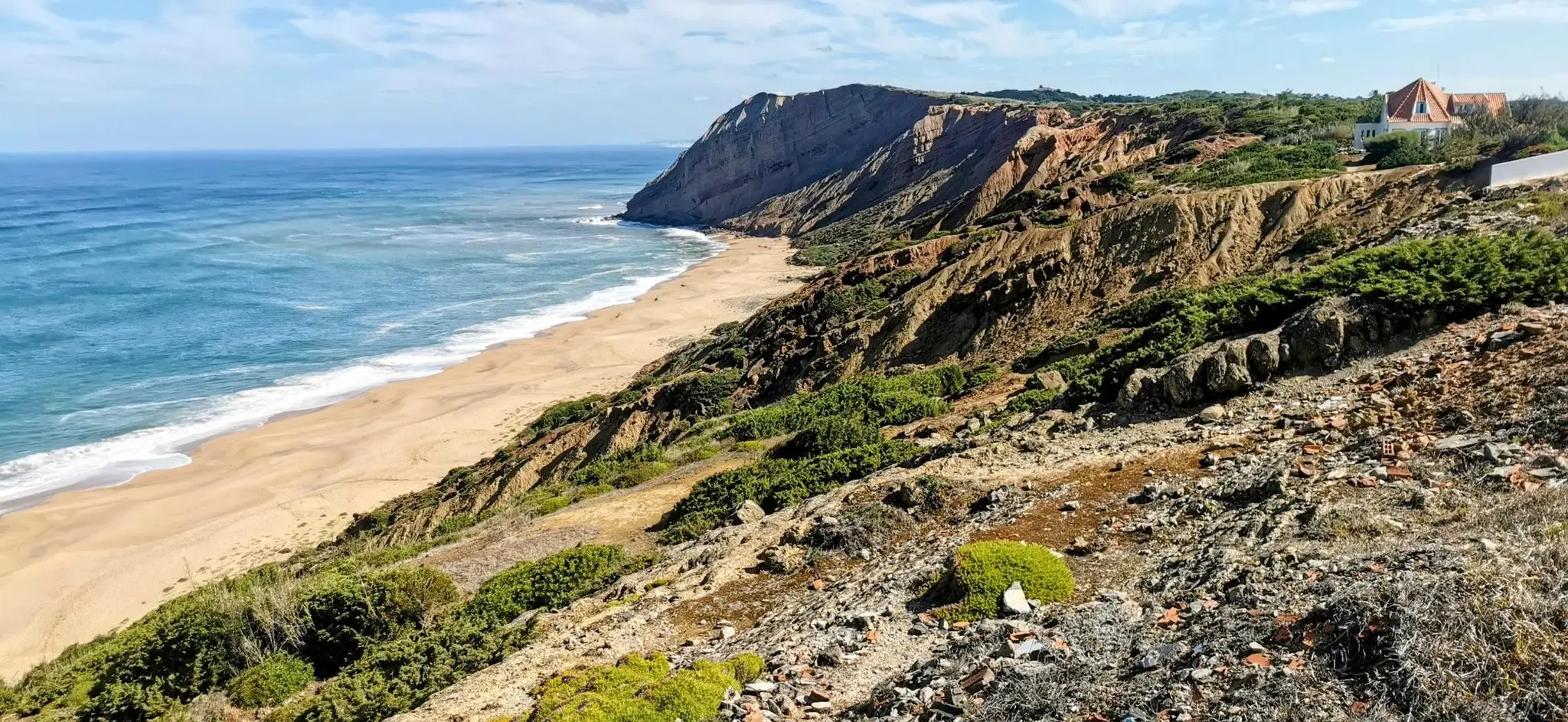
EuroVelo 1 Portugal – Cycle the Atlantic Coast
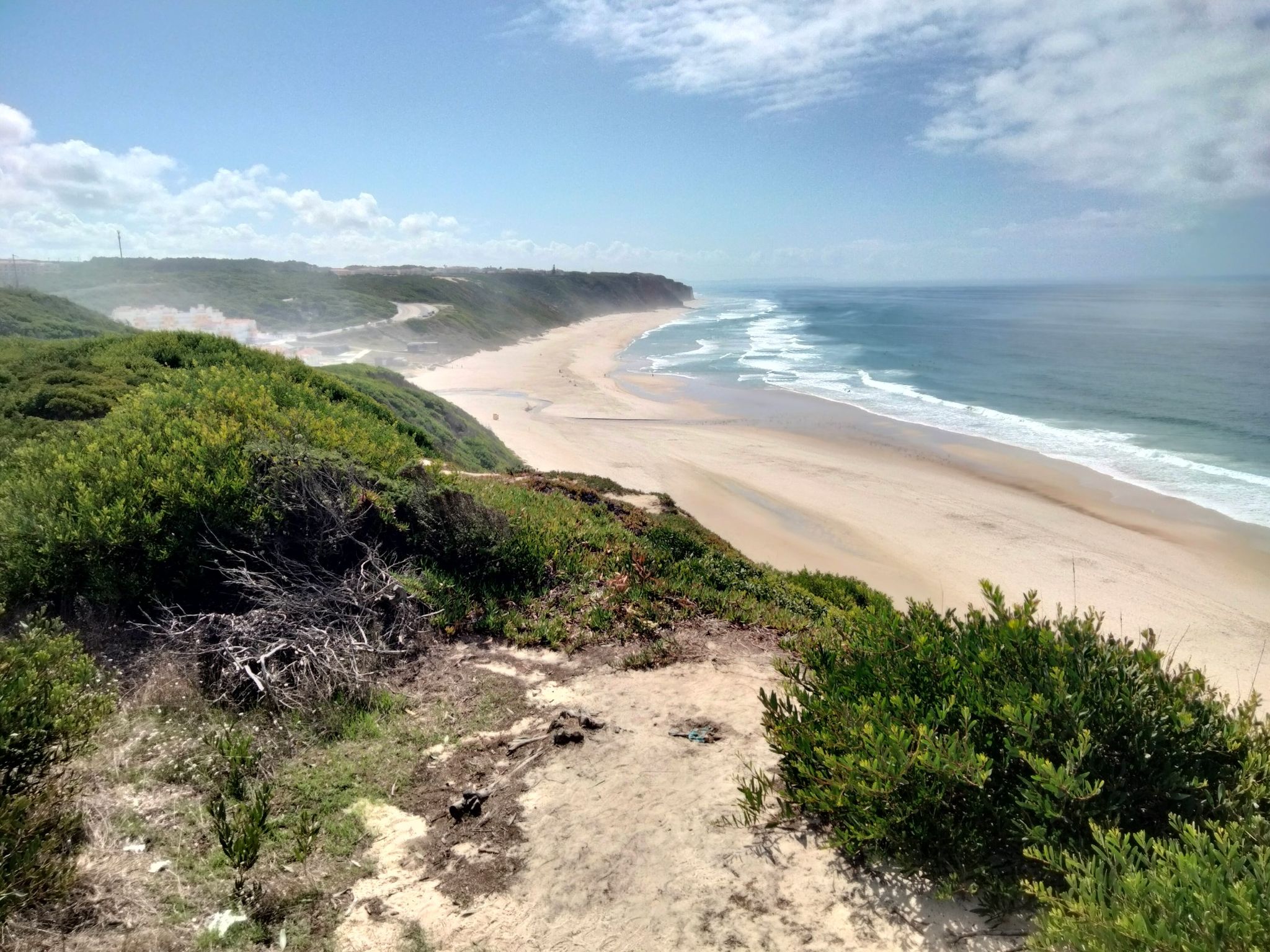
Portugal's Atlantic coast (north) – from Caminha to Lisbon
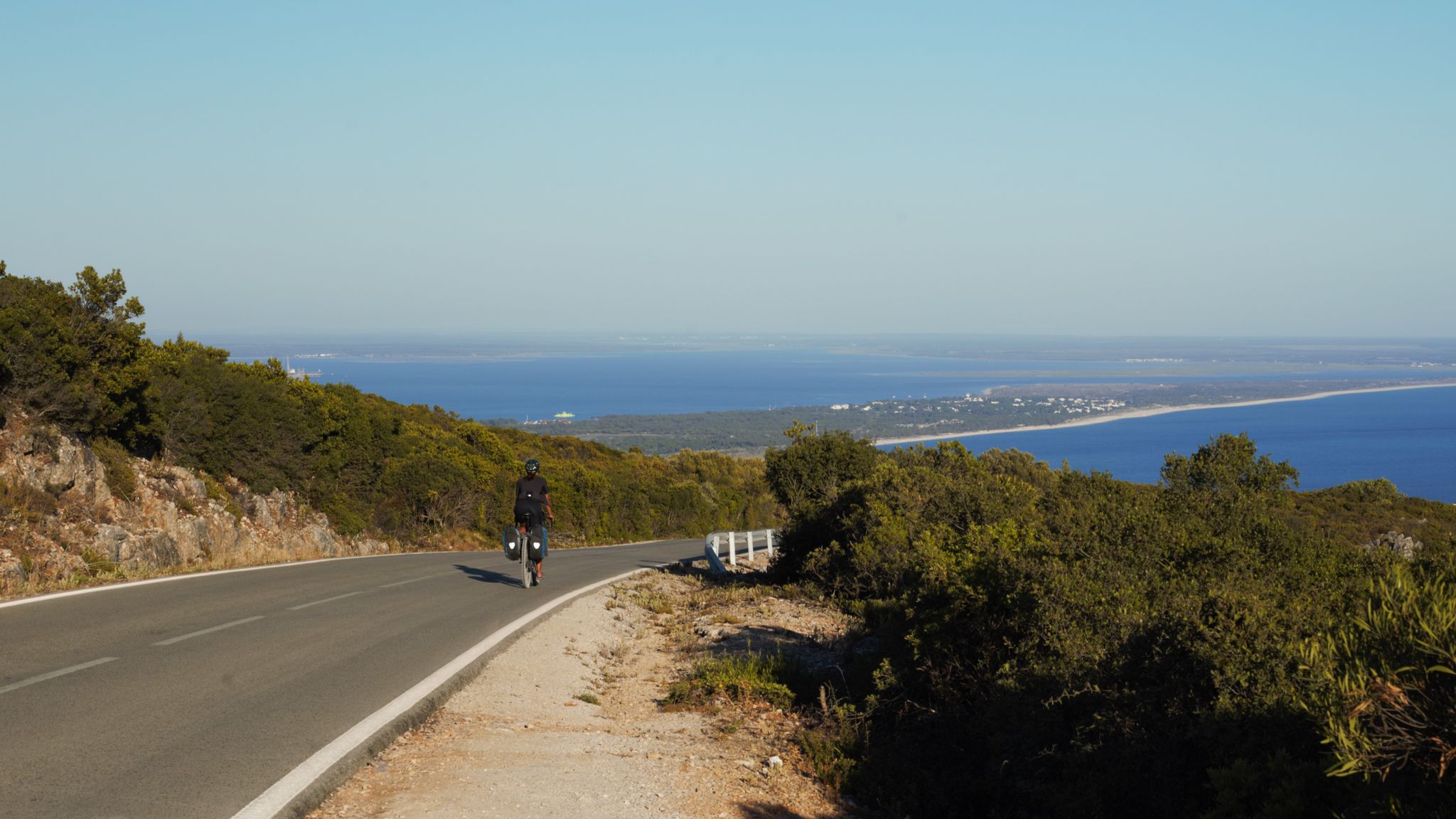
The breaking waves – cycle along the Atlantic coast of Portugal

Bikepacking across the Portuguese mountains
Bike Touring along Portugal's Atlantic Coast from Lisbon to Porto
Road Cycling Routes in Coimbra
Running Trails in Coimbra
Hiking in Coimbra
MTB Trails in Coimbra
Other adventures in Coimbra


Tips from the Community


Penela Castle stands atop the rocky outcrop that gave it its name (peñela, "small stone hill"), dominating the town with imposing walls and towers dating from the 15th and 16th centuries. Founded in the 11th century by D. Sesnando Davides, it formed part of the Mondego defensive line, and its walls still reach 19 meters in height today. From the original fortress arose the castle that later served as a keep. On the walls, facing the Serra da Lousã mountain range, stand out arrow slits and loopholes, marks of its long military life, from arrows to firearms. Penela preserves three historical entrances: the Porta da Vila (Town Gate), the evocative Porta da Traição (Gate of Treason), with its double opening and Moorish inspiration, and the Porta do Relógio (Clock Gate), a reminder of the old breach where two towers collapsed in the 1755 earthquake. In short, a castle small in form, but enormous in history.
1
0

Barely any original contributions, yet a pioneer. Someone has to try and emulate me.
7
3

Free and accessible for people with disabilities via escalator
11
2

Although there are references to its existence as early as the High Middle Ages, what remains today dates from the late 14th century. Within the walls are remains of the old Medieval Palace, where the death of Dona Inês de Castro was reportedly decided, as well as the Church of Santa Maria da Alcáçova, founded in 1095 but restored in the 16th century. During the Arab occupation, materials imported from Córdoba arrived at Montemayur Castle, including capitals dating back to the Caliphate period, one of which is now part of the collection of the Machado de Castro National Museum in Coimbra. Later, the castle would play a recognized strategic role during the Christian reconquest of the territory. (Source: www.turismodocentro.pt)
13
0

Penela Castle is a medieval fortress with an irregular plan and winding outline, stretching from north to south taking advantage of the natural cliff, so that the walls vary in height between 7 and 19 metres. It was part of the Mondego defensive line during the Christian Reconquista.
1
0
Hidden among the dense greenery of the Serra da Lousã, the Castle has stood since the 11th century, guarding the right bank of the Arouce River. Entry is free, as is parking, and the surroundings are pure enchantment. From here, there are trails that wind through schist villages, cross magical forests and reveal breathtaking viewpoints. A perfect starting point for those who enjoy running between history and nature.
2
0

Very well-kept castle ruins and completely free to visit. Parking directly in front of the entrance.
9
0
Frequently Asked Questions
Which castles in the Coimbra region offer the most significant historical insights?
The Coimbra region is rich in history, with several castles playing crucial roles during the Reconquista. Montemor-o-Velho Castle is an imposing medieval fortress that dominated the Mondego valley and was a key stronghold. Penela Castle was an important part of the Mondego defensive line, protecting Coimbra. Lousã Castle, also known as Castelo de Arouce, was part of the first defensive lines protecting access to Coimbra.
Are there any family-friendly castles to visit near Coimbra?
Yes, several castles in the region are suitable for families. Penela Castle is listed as family-friendly and offers a chance to explore medieval fortifications. Castelo de Montemor-o-Velho is also noted as family-friendly, with well-kept ruins that are free to visit. The area around Lousã Castle offers nature walks and a river beach, which can be enjoyable for families.
What are the best castles for scenic views in the Coimbra area?
For superb views, Montemor-o-Velho Castle allows visitors to walk its battlements and take in views of the Mondego River and surrounding landscape. Penela Castle stands on a rocky hill offering excellent views over the Serra da Lousã. Lousã Castle is uniquely located in the Serra da Lousã, providing beautiful viewpoints of the mountain range.
How much does it cost to visit the castles in the Coimbra region?
Many of the notable castles in the Coimbra region offer free entry. Both Lousã Castle and Montemor-o-Velho Castle are free to visit. Information regarding entry fees for other specific castles should be checked locally or on their official websites.
Are there hiking trails or outdoor activities near the castles?
Yes, the region offers excellent opportunities for combining history with nature. Near Lousã Castle, there are great hiking trails, including the PR3 Rota da Levada, and routes that wind through schist villages and magical forests. Penela Castle is also a great starting point for trails through schist villages. For more options, you can explore various Hiking in Coimbra routes, some of which pass near these historical sites.
What are the parking options available at the castles?
Parking is generally convenient at the main castles. For Lousã Castle, there is easy and free parking available directly at the site. Similarly, Montemor-o-Velho Castle also offers free parking directly in front of the entrance.
What is the best time of year to visit the castles in Coimbra?
The Coimbra region's castles can be enjoyed throughout the year. Spring and autumn offer pleasant temperatures for exploring the outdoor sites and surrounding trails. Visiting in winter is also possible, as many castles are open year-round, though checking specific opening hours is always recommended. The views from the castles are impressive in any season.
Are there any castles in the Coimbra region that are accessible for wheelchairs?
While specific accessibility details vary, Castelo de Montemor-o-Velho is noted as being accessible for people with disabilities via an escalator, making it a good option for visitors requiring wheelchair access. It's advisable to confirm specific accessibility features with other sites directly before your visit.
What architectural styles can be observed in the castles of Coimbra?
The castles in the Coimbra region showcase a blend of architectural styles reflecting their long history. Montemor-o-Velho Castle features Romanesque and Gothic styles, with evidence of earlier Roman and Muslim occupation. Lousã Castle displays both Romanesque and Gothic elements. These structures highlight the evolution of fortification techniques from the 11th to 16th centuries.
Beyond the castles, what other historical structures are worth visiting in Coimbra?
Within Coimbra itself, the Old Cathedral (Sé Velha) and New Cathedral (Sé Nova) are significant historical structures. The Old Cathedral, built between 1146 and 1218, is a prime example of Portuguese Romanesque architecture with defensive characteristics. The New Cathedral, originally a Jesuit church, boasts a striking Baroque façade. These offer rich historical and architectural experiences within the city.
Can I find information about the historical context of Coimbra's walled city?
Yes, Coimbra itself once had a reinforced castle as part of its defensive system during the Reconquista, with remains still visible. For more detailed historical context on Coimbra's walled city and its thematic itineraries, you can visit the official tourism website: visitecoimbra.pt.
Most popular routes in Coimbra
Most popular attractions in Coimbra

Get inspired with the komoot mobile app


Didn’t find what you were looking for?
Explore Coimbra’s best castles region by region:
Explore more
Looking for the best castles somewhere else? Discover other guides in Coimbra:
