Top 20 Castles in Avellino
Best castles in Avellino are found in the region of Irpinia, an area rich in history and natural landscapes. This province in Italy features numerous ancient fortresses, many with Lombard and Norman origins. These historical sites offer a glimpse into centuries past, making them significant attractions for those exploring the area's cultural heritage. The castles are often situated on hilltops, providing strategic viewpoints over valleys.
Best castles in Avellino
- The most popular castles is San Pantaleone Sanctuary and the Lombard…
Last updated: July 11, 2026
Monumental Complex of the Mount (Church, Monastery, and Castle of Montella)
Highlight • Historical Site
Translated by Google •
Tip by

Castelletto Parise
Highlight • Castle
Translated by Google •
Tip by
Sign up now to discover places like this
Get recommendations on the best single tracks, peaks, & plenty of other exciting outdoor places.
Sign up for free
San Pantaleone Sanctuary and the Lombard Castle of Montoro
Highlight • Historical Site
Translated by Google •
Tip by

Monteforte Irpino Castle
Highlight • Castle
But the history of Monteforte …
Translated by Google •
Tip by
Castello di Tufo
Highlight • Castle
Translated by Google •
Tip by
Trail 142 – Monastery Trail
Highlight • Trail
Translated by Google •
Tip by
Ruins of Mercogliano Castle
Highlight • Castle
Translated by Google •
Tip by
Ruins of the Castle of Senerchia
Highlight • Castle
Translated by Google •
Tip by

Feudal Castle
Highlight • Castle
Translated by Google •
Tip by
Old Senerchia: the ghost village
Highlight (Segment) • Historical Site
Translated by Google •
Tip by

Sign up for free to discover even more castles in Avellino.
Sign up for free
Already have an account?
Start today with a free account
Your next adventure awaits.
Login or Signup
Popular around Avellino
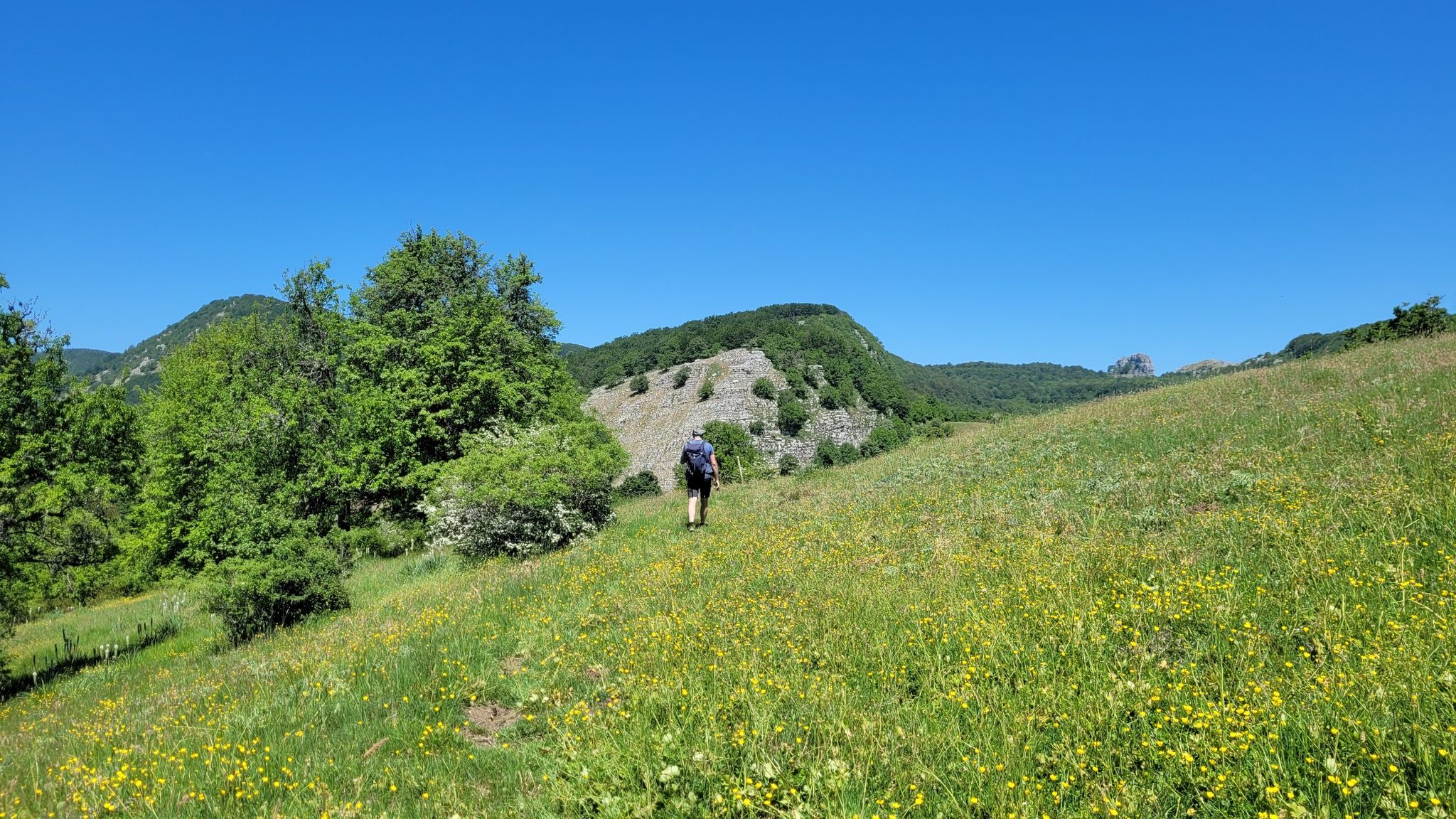
Sentiero Italia – A journey into the heart of Campania
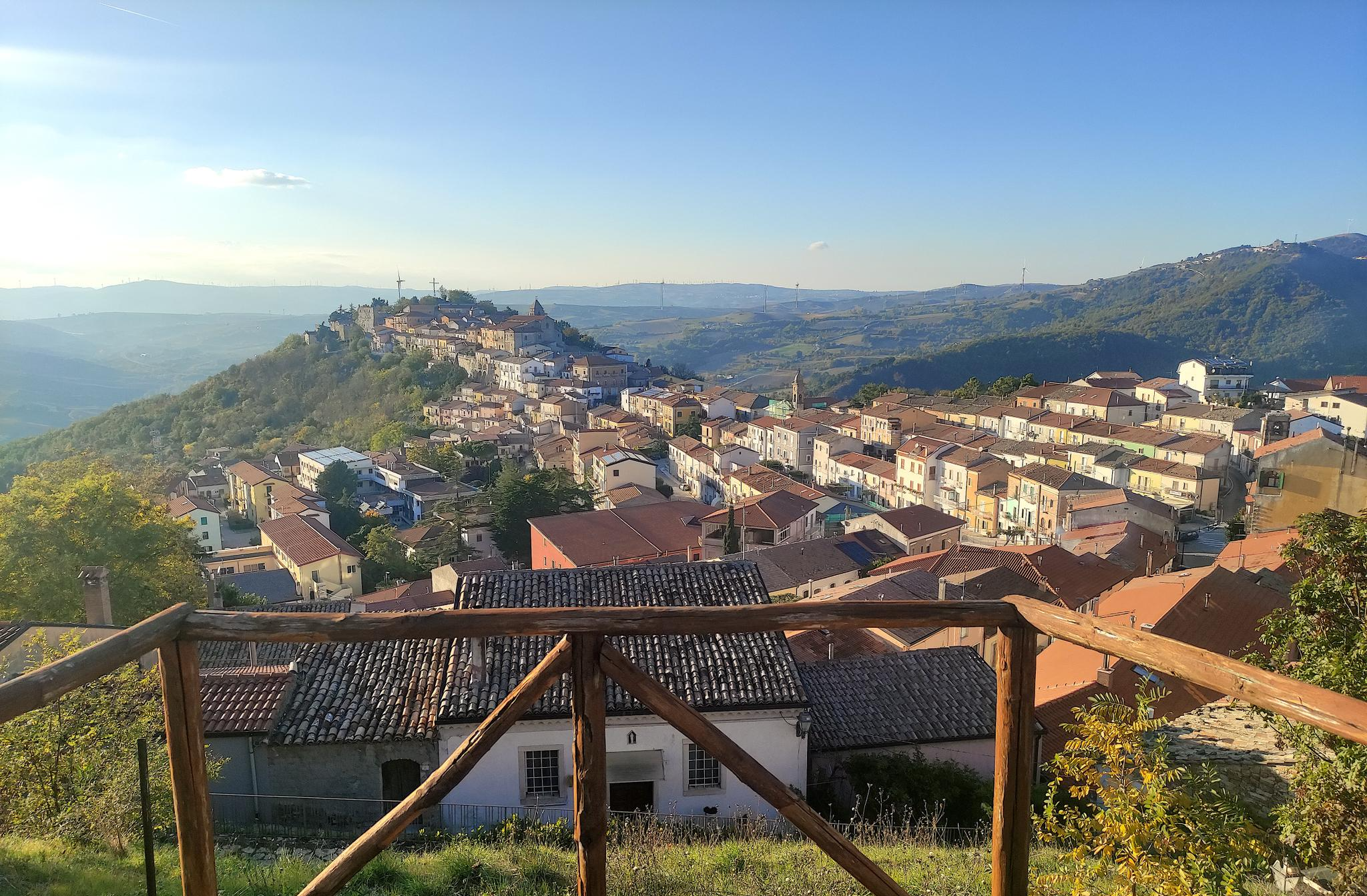
Campania by bike – rides among villages, valleys and water landscapes
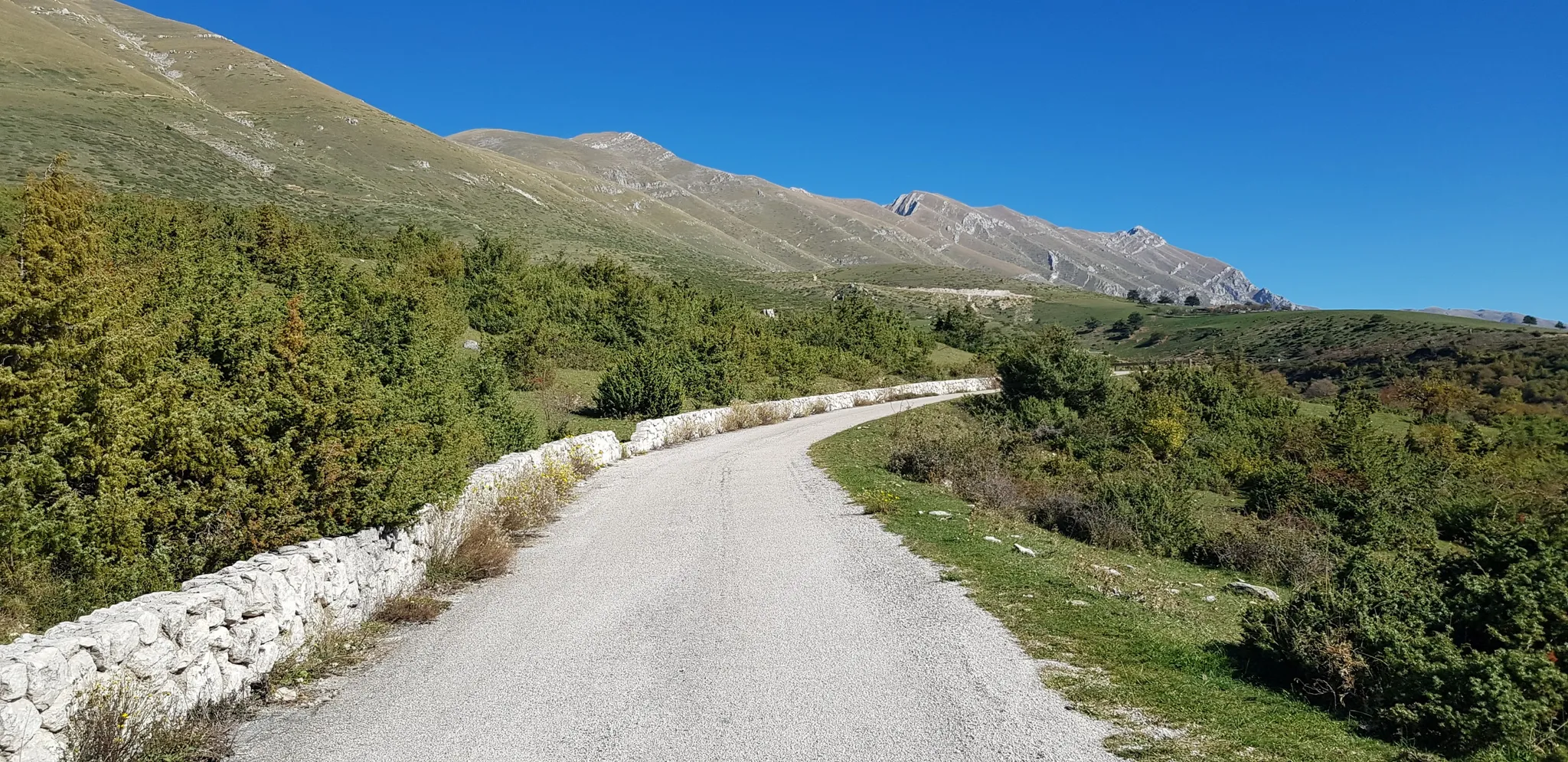
The Apennine Cycleway (Part 2) - From Umbria to Calabria
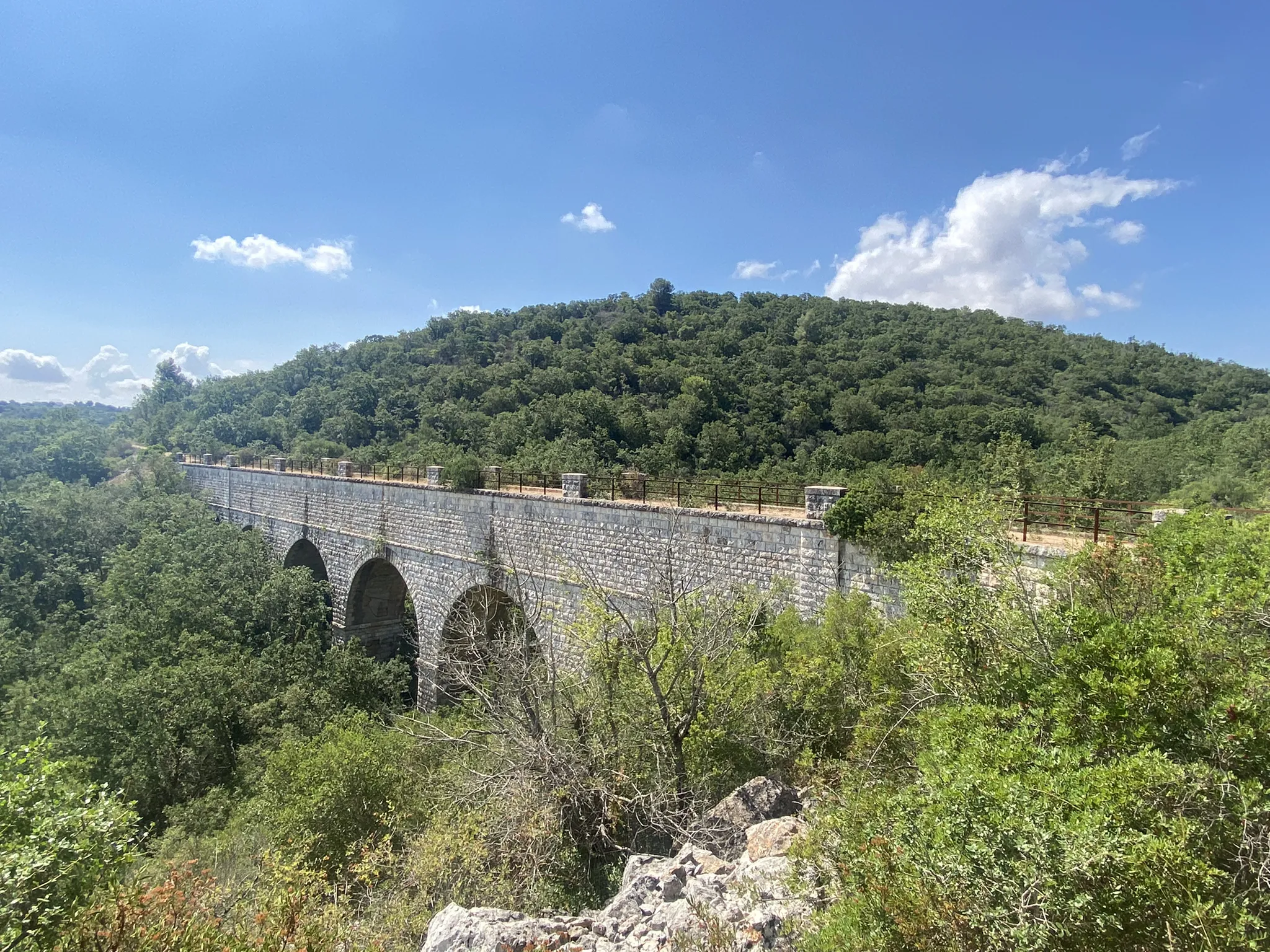
Caposele to Santa Maria di Leuca – Apulian Aqueduct Cycle Route
Pedalling in Italy’s far south – Ciclovia dei Borbone
Hiking in Avellino
Road Cycling Routes in Avellino
Cycling in Avellino
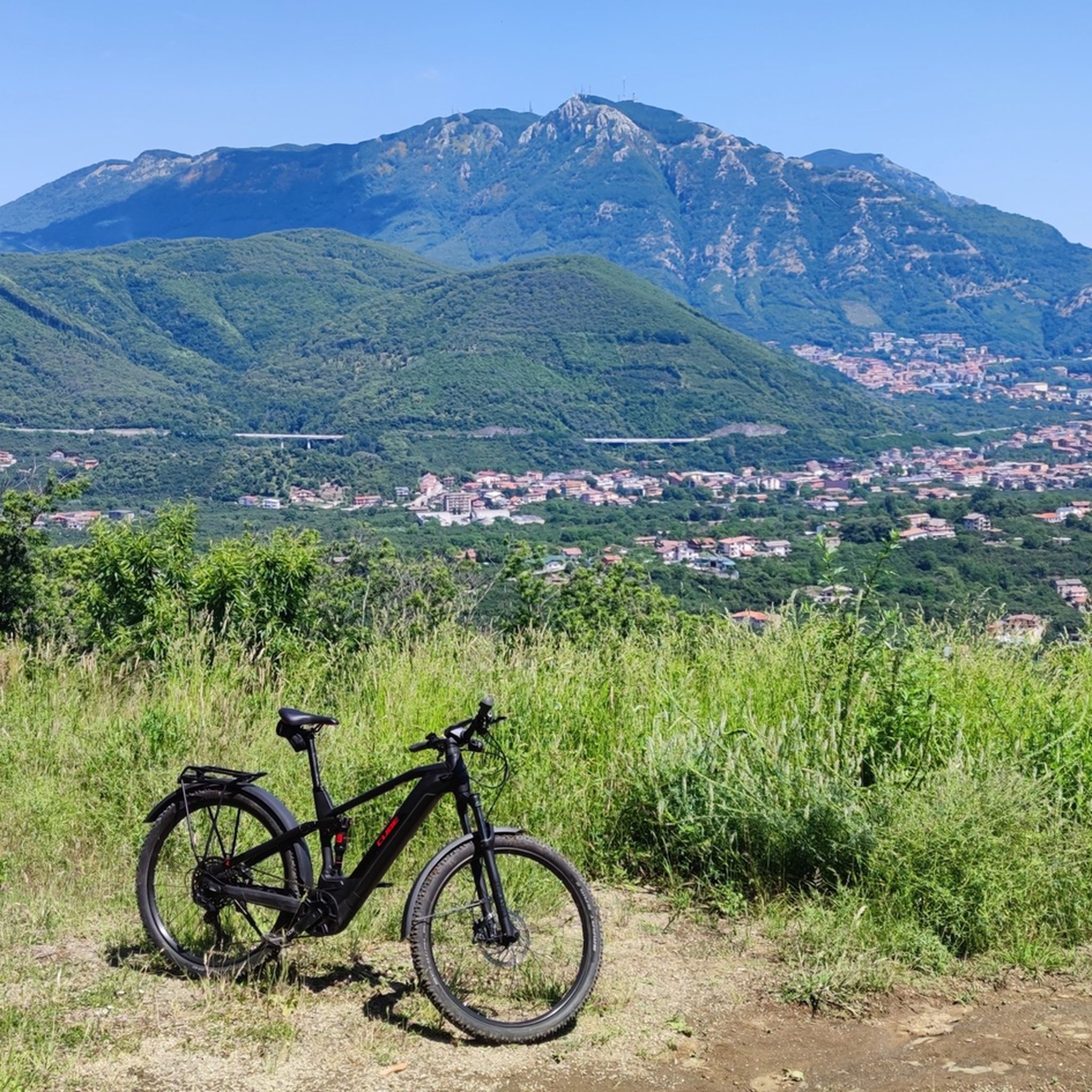
MTB Trails in Avellino
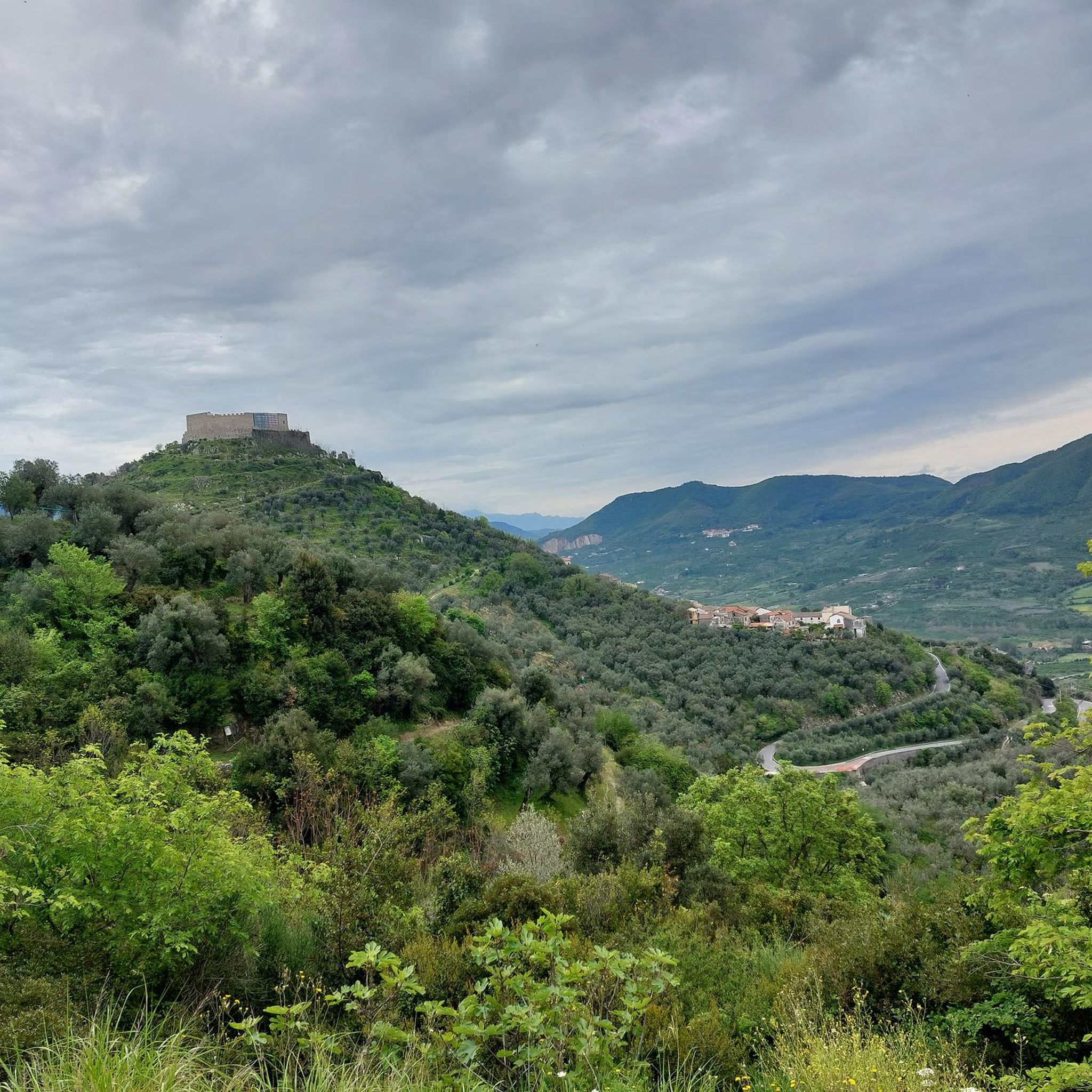
Running Trails in Avellino
Other adventures in Avellino


Tips from the Community


the park/green area is located next to the castle. there is parking, with a picnic area
0
0

The Castle of Monteforte was probably an ancient Roman castrum, on which a real castle was probably built by the Lombards in the 7th-8th century. But the history of Monteforte is very ancient: traces of its existence can be found already during the Second Punic War (fought between Rome and Carthage from 218 BC to 202 BC), when Annibale Barca passed through it on his way back from Capua towards Cannae, where he prepared the historic trap against the Romans. The first certain information we have about the village is contained in a document from 1102 preserved in the Montevergine Archives. In the Angevin period, it passed to the Princes of Montfort and Count Guido de Monfort lived there, who killed Prince Henry of England in 1271 in the cathedral of Viterbo. Having committed the crime, he was deprived of his possessions which passed to the Orsini family, whose lineage they remained in until 1806. The Castle was renovated and transformed into a summer residence by Charles of Anjou who lived there several times from 1271 to 1280. It was abandoned to itself from the 16th century; legend has it that who knows what treasures were buried in it, unfortunately this gave greedy hands the opportunity to complete its destruction.
11
0

Remains of the feudal castle of Serino, complete with boundary walls and access arch. Very suggestive place!
6
0
On the top of a hill full of vegetation, in the locality of Toppola, are the ruins of the Feudal Castle of Serino which, together with the Castle of Orano, constitutes the group of fortifications present in the territory of the municipality. Of the original structure, only the perimeter walls and the ancient chapel, now restored, are visible. According to some sources, the castle was built around 839 AD, as a defensive bulwark for the local inhabitants threatened by the raids of the militias engaged in the dynastic struggles for the succession to the throne of Benevento. However, the current conformation of the castle should date back to 1159, the year in which Costanza Saracena, belonging to the Sanseverino family, elected Serino as the capital of her feud. The structure is accessed through two suggestive arched doors that mark the passage along the three short ramps that once led to the main entrance. After the last door, you come across the Sanctuary dedicated to the Madonna delle Grazie which today includes the private chapel with a bell tower, once located near the residence of the feudal lord. With the loss of its defensive function, the castle suffered the neglect of time and was gradually abandoned. The ruins of the building, with the adjoining restored church, are now well kept, inserted within a highly suggestive natural setting, in which the centuries-old linden tree in front of the church makes a fine show.
18
0

The Feudal Castle is located on top of the Serino hill. It is inserted in a wooded environment, very luxuriant. Unfortunately a large part of the fortress is in a state of abandonment.
1
0
This castle was built by the Lombards and the Normans between the eighth and ninth centuries, although the first written texts attesting to its existence date back to the thirteenth century. Located on top of Monte Croce, it dominates the whole valley.
2
0
Ruins of the Castle of the hamlet of Mercogliano "Capocastello"
1
0
Frequently Asked Questions
What are some of the most historically significant castles in Avellino?
Avellino's castles boast a rich history, many with Lombard and Norman origins. Notable examples include Monumental Complex of the Mount (Church, Monastery, and Castle of Montella), which features a 10th-century Lombard castle and archaeological finds. Castello di Avella, also known as "Saint Michael's Castle," was constructed by the Lombards in the 7th century AD and is known for its monumental cylindrical tower. The Castello Normanno di Ariano Irpino is another significant example of Norman influence, housing the Museum of Norman Civilisation.
Are there any castles in Avellino that are particularly family-friendly or offer unique experiences?
Yes, several castles offer engaging experiences. Castello Lancellotti in Lauro, meticulously rebuilt in 1872, houses an important historical museum with evocative rooms, 18th-century carriages, and an Italian garden, making it a captivating visit for all ages. The Monumental Complex of the Mount (Church, Monastery, and Castle of Montella), while requiring reservations, offers a deep dive into Lombard and early medieval history with visible ruins and a recovered convent garden.
What kind of natural features or viewpoints can I expect to find near Avellino's castles?
Many castles in Avellino are strategically located on hilltops, offering stunning panoramic views. For instance, San Pantaleone Sanctuary and the Lombard Castle of Montoro provides beautiful views of the hamlets Borgo and Piano Preturo. The Castello Normanno di Ariano Irpino dominates the Ufita, Miscano, and Cervaro valleys. The Ruins of the Castle of Senerchia also offer a viewpoint amidst historical ruins.
Are there hiking or cycling routes near the castles in Avellino?
Absolutely! The region around Avellino's castles is excellent for outdoor activities. For hiking, you can explore routes like the 'Valle della Caccia and Grotta Profunnata Loop' or the 'Tuorno Waterfall Trail'. If you prefer mountain biking, consider routes such as 'Lago Laceno – giro ad anello nel Parco Regionale dei Monti Picentini' or 'Monte Sovero Loop from Montella'. You can find more details on these and other routes in the Hiking in Avellino and MTB Trails in Avellino guides.
Which castles are considered well-preserved or offer a good glimpse into medieval architecture?
The Castello della Leonessa in Montemiletto is considered one of the best-preserved medieval complexes in the province, with its high stone walls and crenellated angular round towers. Castello Lancellotti, though rebuilt, incorporates Gothic, Renaissance, and Baroque styles, showcasing diverse architectural elements. The Castello di Avella also retains its monumental cylindrical tower, typical of Angevin architecture.
What are the typical opening hours and ticket information for Avellino castles?
Opening hours and ticket prices vary significantly for each castle. Some, like the Monumental Complex of the Mount (Church, Monastery, and Castle of Montella), require reservations for visits. For others, such as Castello Lancellotti, guided tours are available. It's highly recommended to check the specific castle's official website or contact them directly for the most up-to-date visitor information before planning your trip.
Can I find any 'hidden gem' castles or lesser-known historical sites in the Avellino region?
Beyond the more prominent sites, the region holds several intriguing, perhaps less-visited, historical locations. The Castelletto Parise, built in 1753, is described as a treasure amidst nature, retaining its splendor despite some neglect. The Ruins of the Castle of Senerchia and the nearby 'Old Senerchia: the ghost village' offer a unique, atmospheric experience for those seeking a deeper historical dive.
What is the best time of year to visit the castles in Avellino?
The spring (April-June) and autumn (September-October) months generally offer the most pleasant weather for exploring the castles and their surroundings. Temperatures are mild, and the natural landscapes are vibrant. Summer can be quite hot, while winter might present challenges with colder temperatures and potentially limited access to some sites, especially those in higher elevations or with outdoor components.
Are there any castles in Avellino associated with specific historical figures or events?
Yes, several castles have notable historical connections. Castello di Gesualdo, for example, was the center of power for the Gesualdo family and, under Prince Carlo Gesualdo, became a seat of an enlightened musical court. The Castello Marchionale di Taurasi hosted illustrious figures such as Torquato Tasso and Eleonora d'Este. The Monumental Complex of the Mount (Church, Monastery, and Castle of Montella) saw King Charles II of Anjou contribute to its structure in the 13th century.
What kind of amenities, like restaurants or cafes, can I find near the castles?
Many castles are located within or near towns and villages, where you can typically find local amenities. For instance, Castello Lancellotti is in Lauro, Castello di Gesualdo is in one of Italy's most beautiful villages, and Castello Marchionale di Taurasi is in the heart of the 'Taurasi DOCG' wine region, suggesting opportunities for local food and wine experiences. It's advisable to check for specific establishments in the immediate vicinity of the castle you plan to visit.
Are there any castles that are particularly known for their strategic importance or defensive features?
The Castello di Avella, also known as "Saint Michael's Castle," was strategically located on a hill to dominate access connecting Monteforte Irpino with the Sabato Valley. The Castello Normanno di Ariano Irpino was known for its impenetrability, partly due to a network of underground roads, and features a trapezoidal shape with four truncated cone towers. The Castello della Leonessa in Montemiletto also showcases strong defensive architecture with its high stone walls.
How long should I allocate to explore a castle in Avellino?
The time needed to explore a castle varies greatly depending on its size, preservation, and whether it includes a museum or guided tour. For well-preserved castles like Castello Lancellotti or Castello Normanno di Ariano Irpino with museums, you might want to allocate 2-3 hours. For ruins or smaller sites like Castello di Tufo or Ruins of Mercogliano Castle, an hour or less might suffice. Always check specific castle details for a better estimate.
Most popular routes in Avellino
Most popular attractions in Avellino

Get inspired with the komoot mobile app


Didn’t find what you were looking for?
Explore Avellino’s best castles region by region:
Explore more
Looking for the best castles somewhere else? Discover other guides in Avellino:
