Top 19 Castles in Foggia
Castles in Foggia offer a glimpse into the region's rich history and strategic importance. Located in Puglia, this area features a diverse landscape ranging from coastal areas to the Gargano National Park. The Foggia province is characterized by its historical sites and architectural remnants from various eras. Exploring these structures provides insight into centuries of different dominations and defensive needs.
Best castles in Foggia
- The most popular castles is Manfredonia Castle, a castle that served as a military fortress…
Last updated: August 21, 2026
Monte Sant'Angelo Castle
Highlight • Castle
Translated by Google •
Tip by

Castel Pagano Ruins
Highlight • Castle
Translated by Google •
Tip by

Sign up now to discover places like this
Get recommendations on the best single tracks, peaks, & plenty of other exciting outdoor places.
Sign up for free
Vieste Historic Center and Seafront
Highlight • Historical Site
We also found the historic center interesting, rich in culture and history. …
Translated by Google •
Tip by

Ducal Castle of Torremaggiore
Highlight • Castle
Translated by Google •
Tip by
Castle of Lucera
Highlight • Castle
Translated by Google •
Tip by
Svevo-Angioino Castle of Manfredonia
Highlight • Castle
Today the castle is owned by the state and houses the National Archaeological Museum of Manfredonia.
Translated by Google •
Tip by

Castel Fiorentino
Highlight • Castle
Translated by Google •
Tip by
Manfredonia Castle
Highlight • Castle
Translated by Google •
Tip by
Ascoli Satriano
Highlight • Settlement
Translated by Google •
Tip by

Dragonara Castle
Highlight • Castle
This ancient manor is the last testimony of the Byzantine-Norman-Swabian …
Tip by
Sign up for free to discover even more castles in Foggia.
Sign up for free
Already have an account?
Start today with a free account
Your next adventure awaits.
Login or Signup
Popular around Foggia
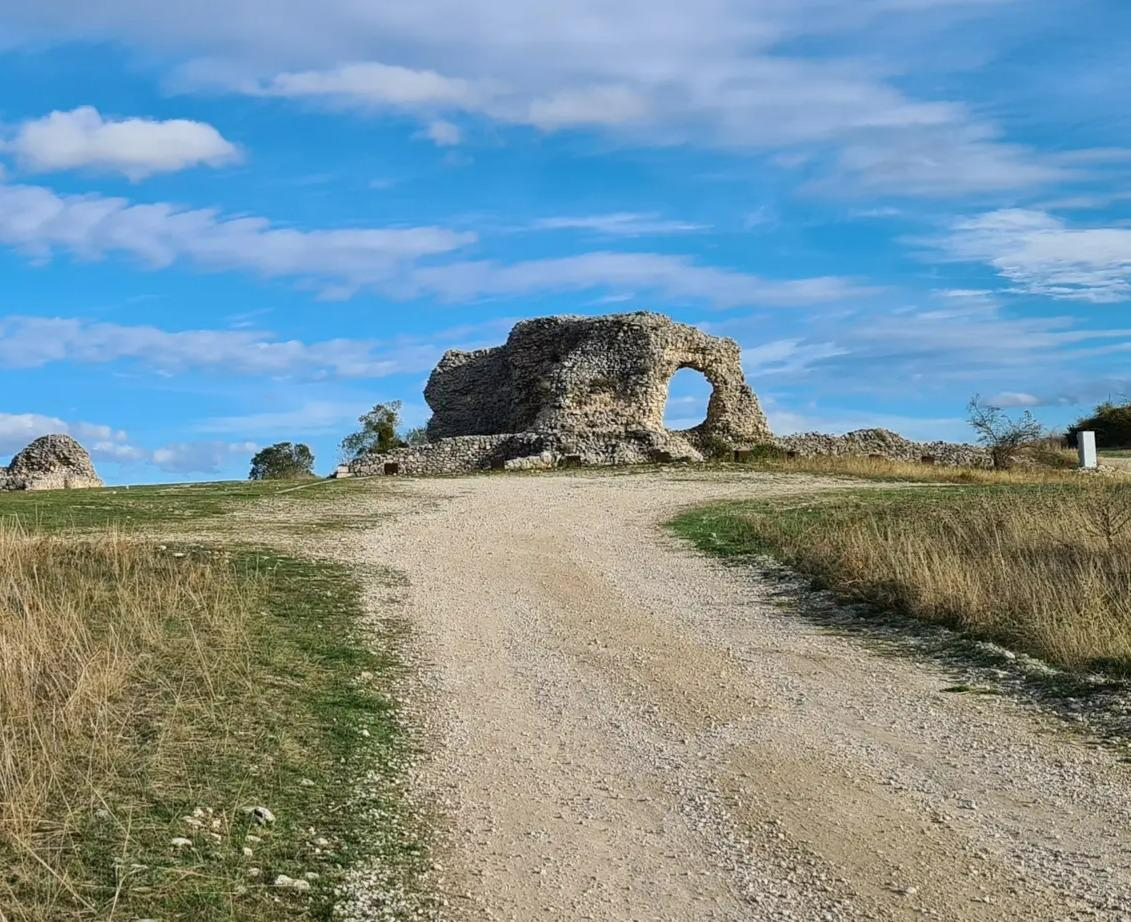
Tratturo Magno – On the roads of transhumance
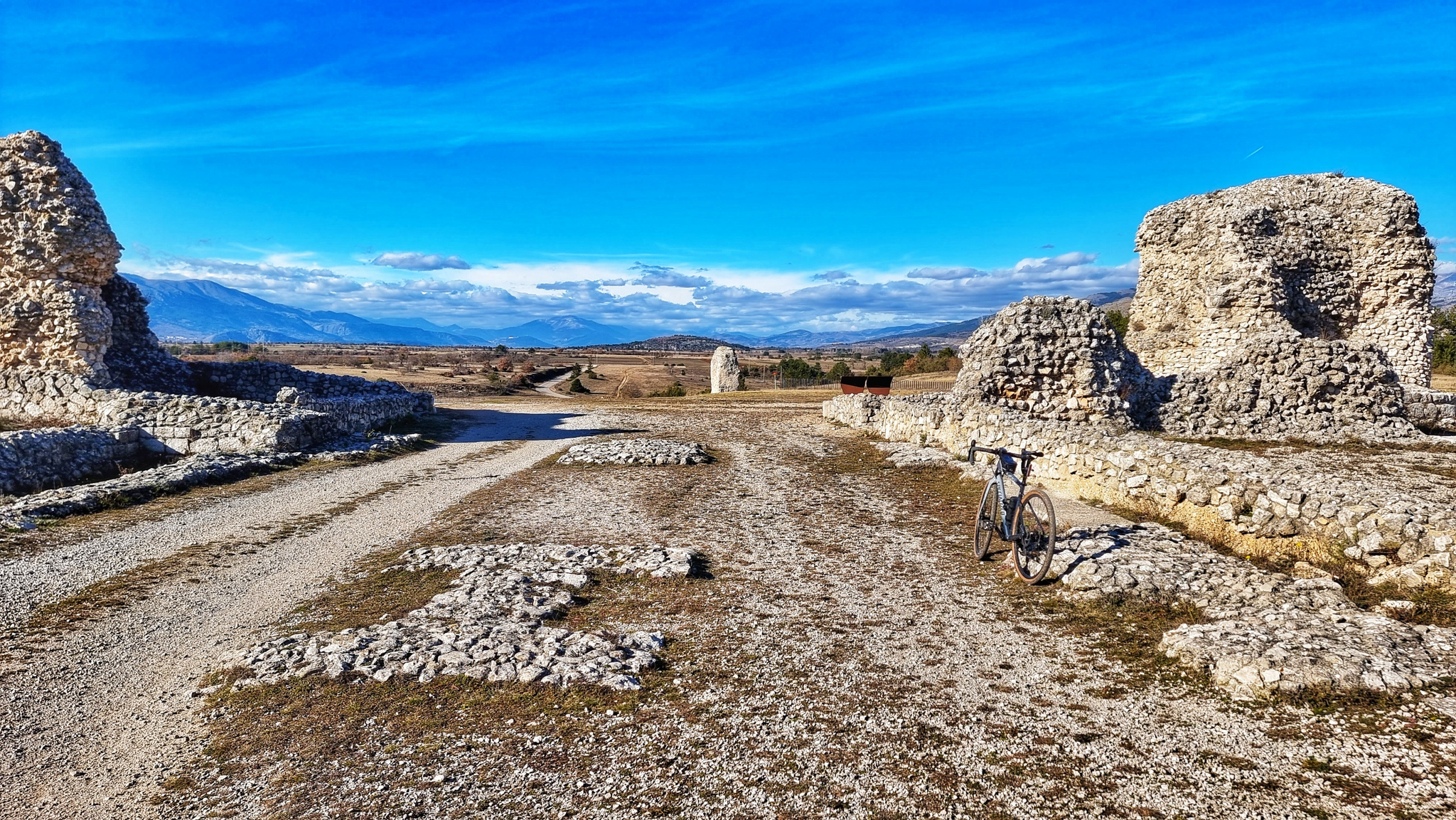
The Tratturo Magno – From the Apennines to the TavoIiere, 300 kilometers
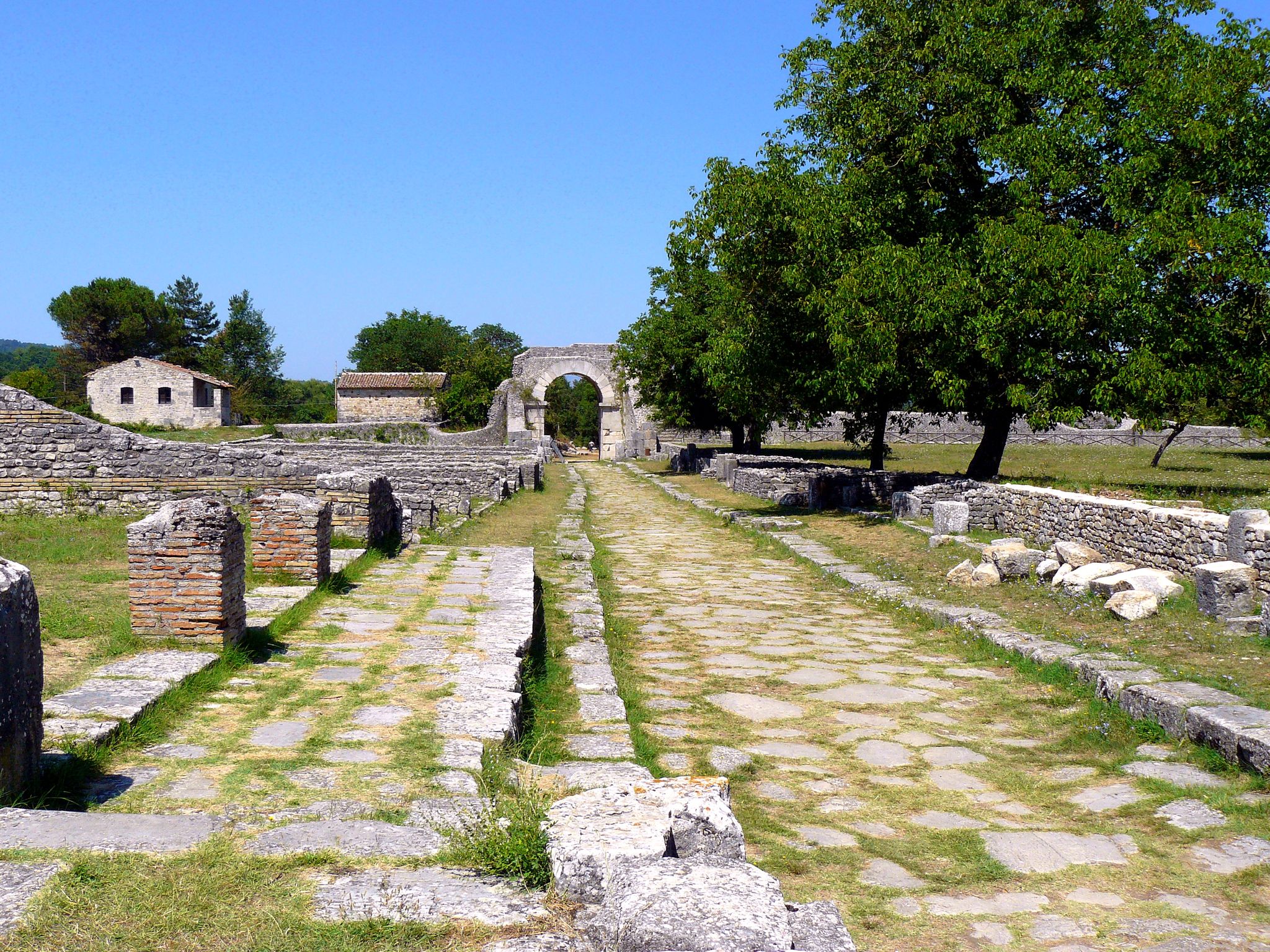
Sentiero Italia – On the tracks of the Samnites and Romans in Molise
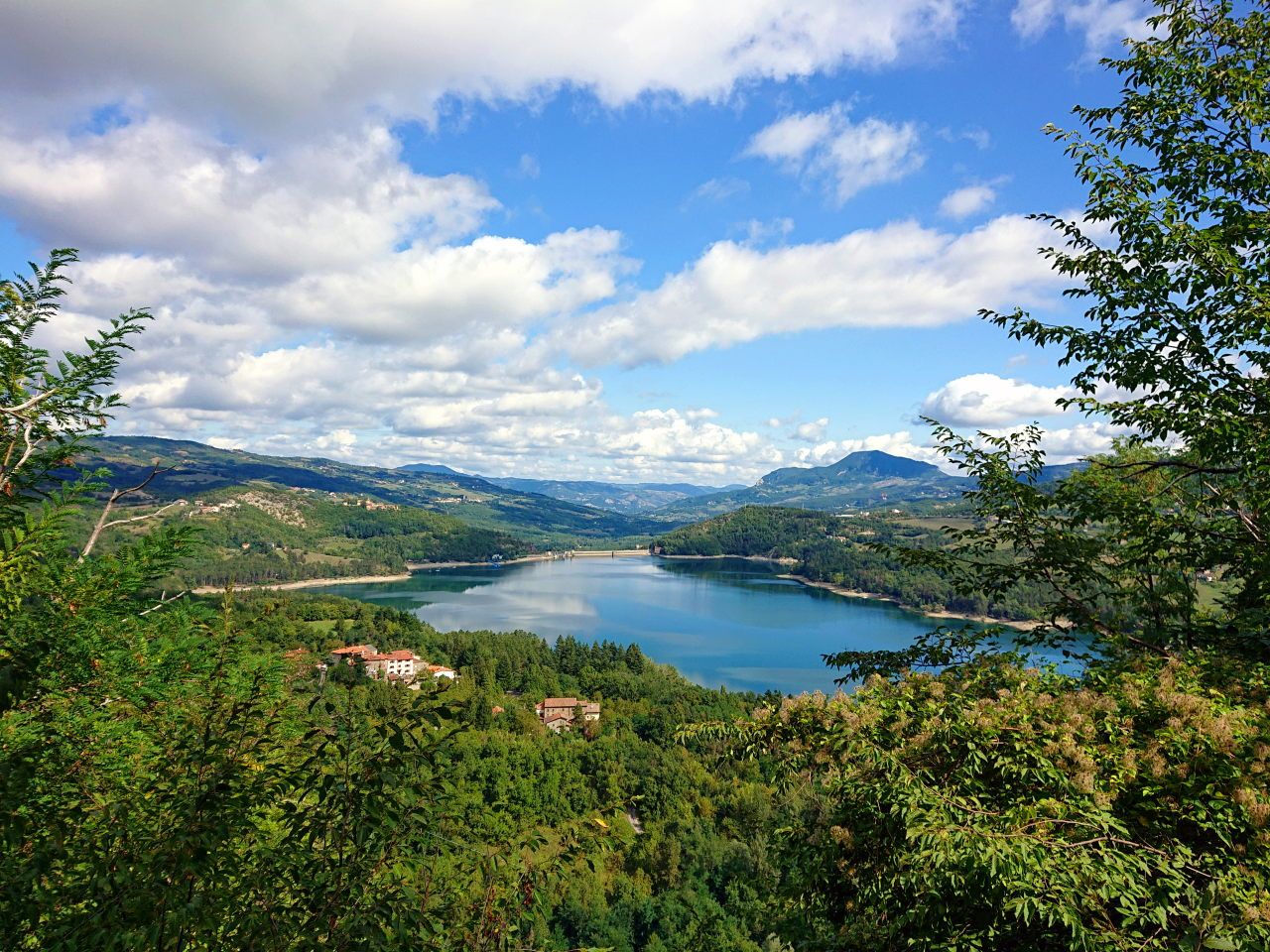
Interiora - A Journey into the Remote Areas of Italy
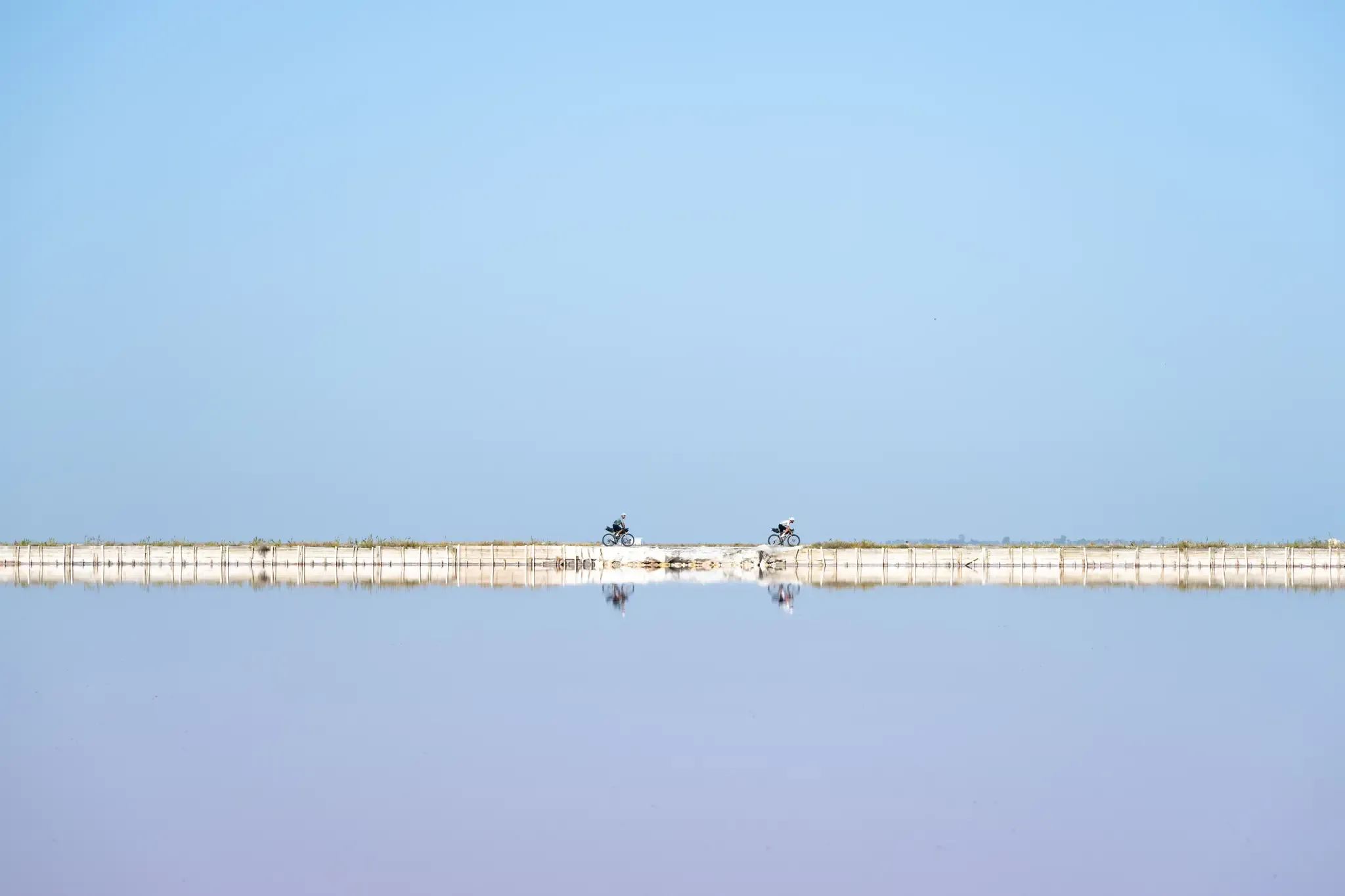
Trieste to Santa Maria di Leuca – the Adriatic Cycle Route
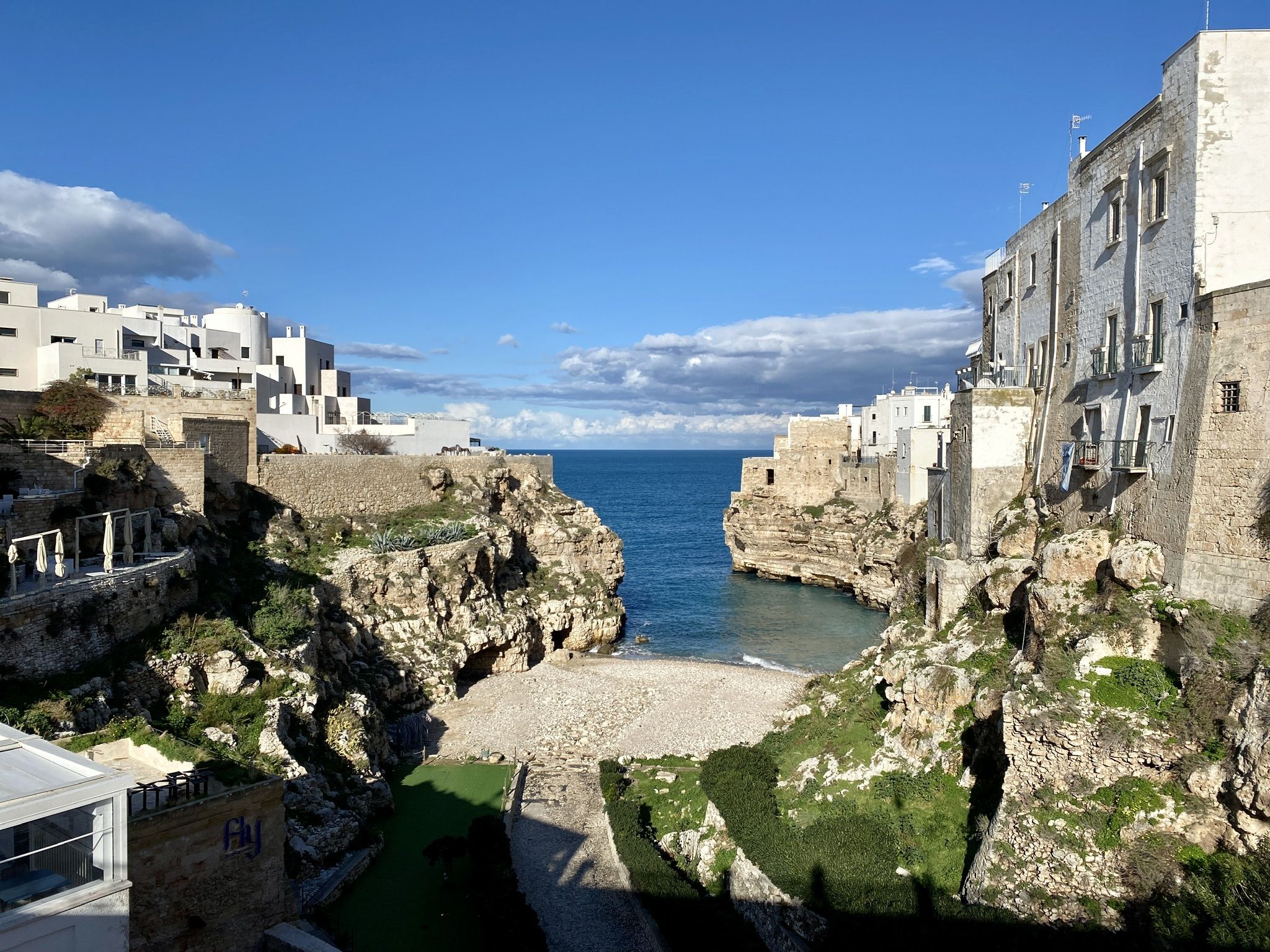
Sea, culture, taste and nature — Italy’s Puglia by bike
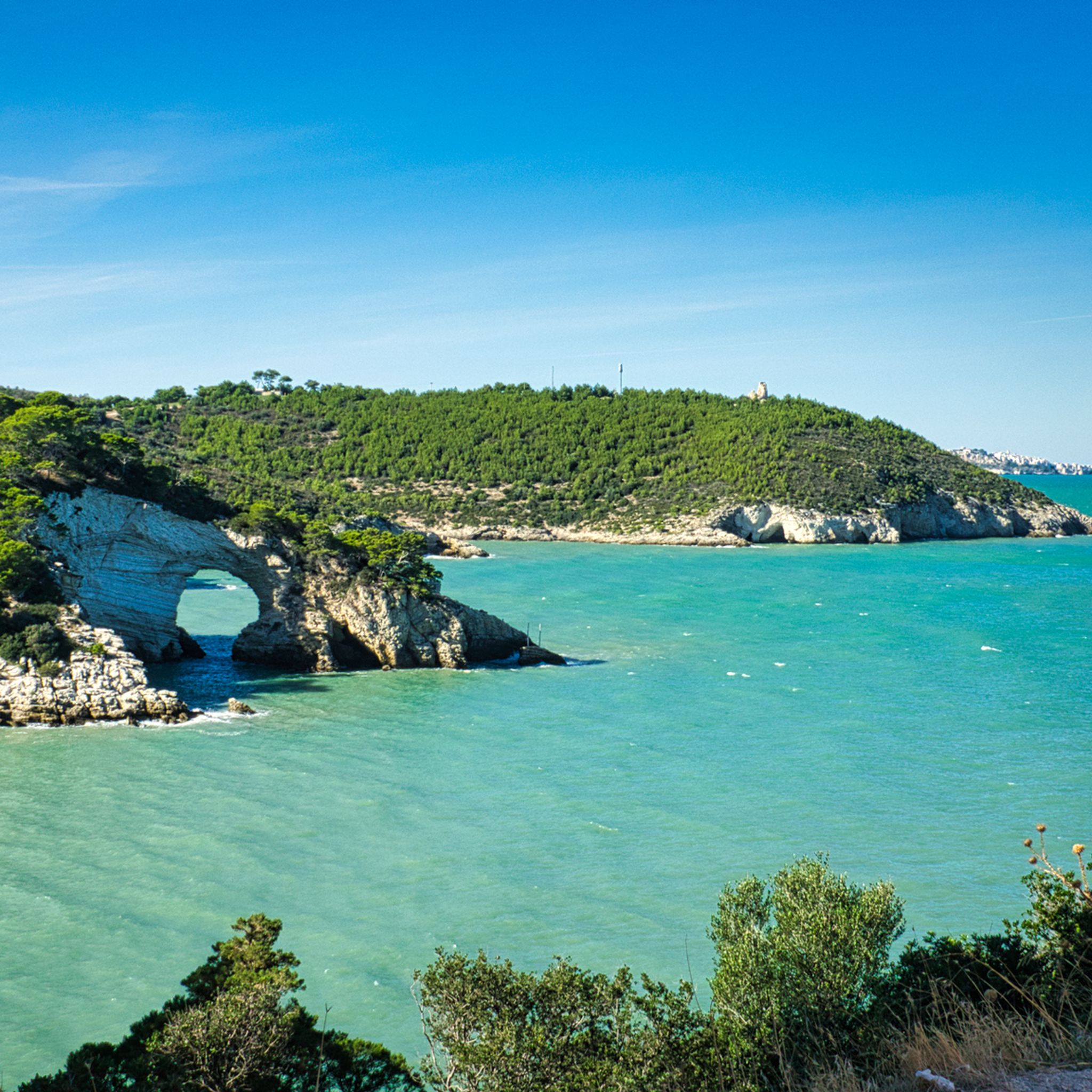
Hiking in Foggia
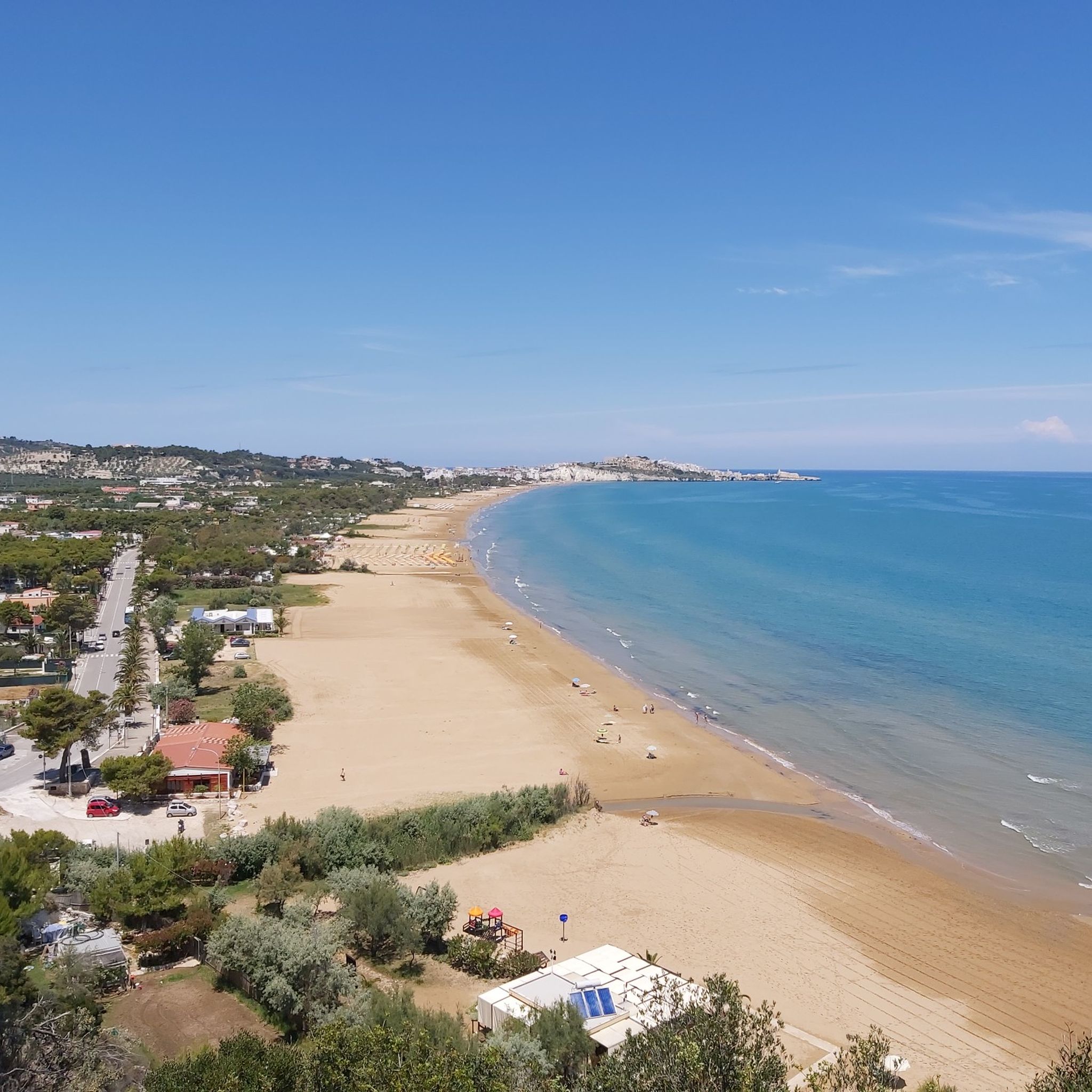
Cycling in Foggia
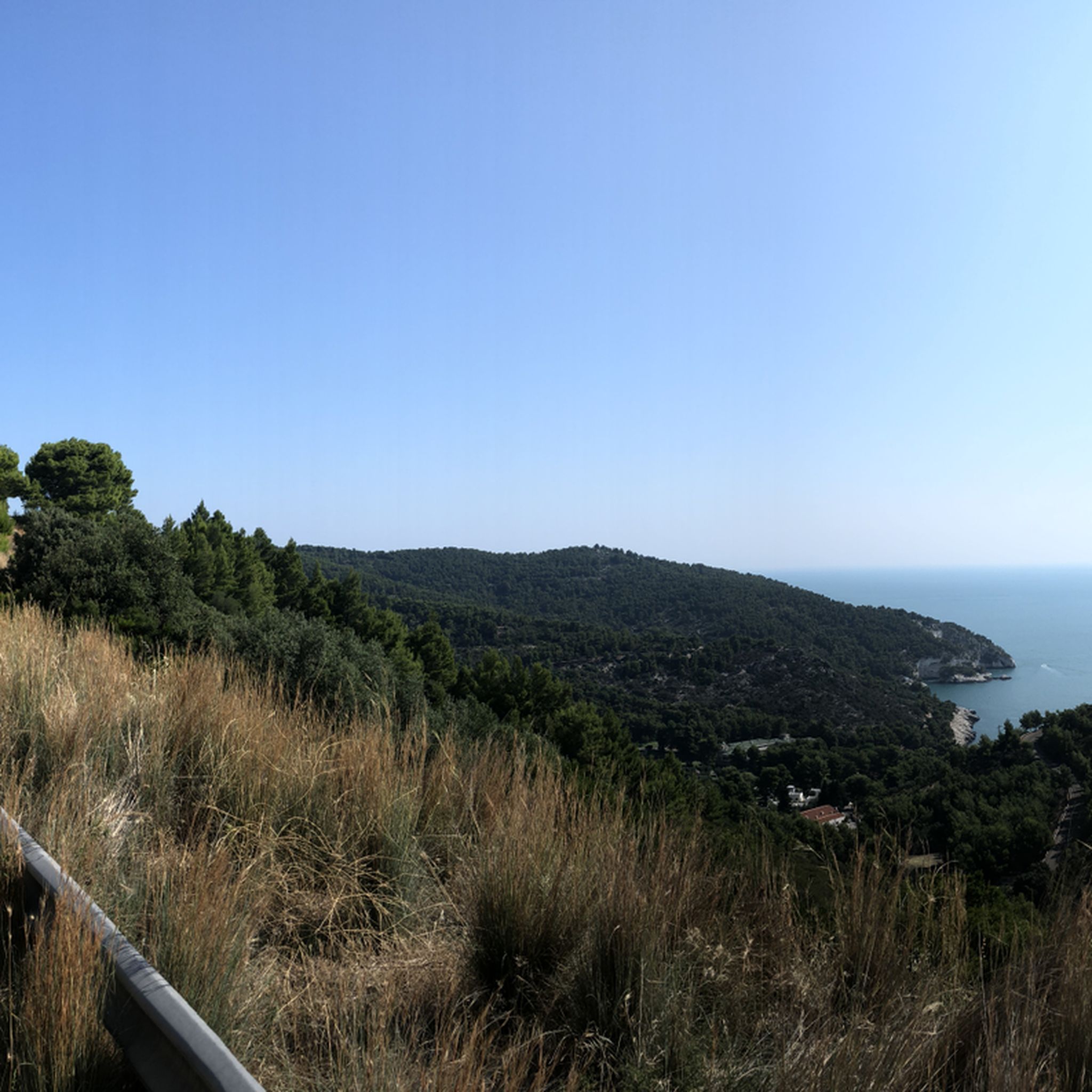
Road Cycling Routes in Foggia
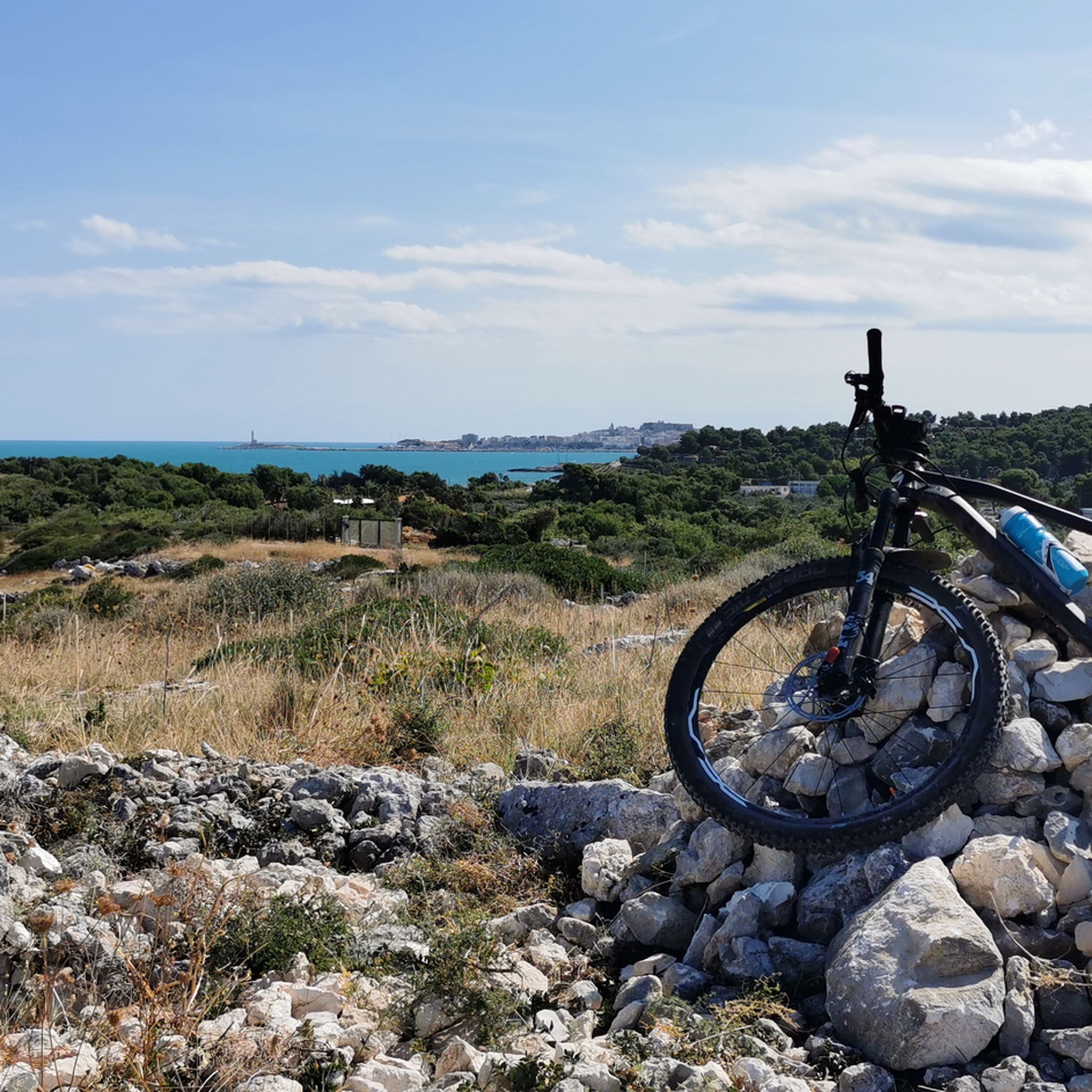
MTB Trails in Foggia
Other adventures in Foggia


Tips from the Community

The imposing Stauferburg was built in the 13th century by Emperor Frederick II on the ruins of a Norman castle. The extensive complex impresses with its 900m long and up to 13m high walls, which were later expanded by the Anjou. The outdoor area and the striking tower can mostly be visited for about €3 entrance fee.
0
0

In 2011, the pilgrimage site of Monte Sant'Angelo was added to the UNESCO World Heritage List as one of the seven components of the Lombard site in Italy, Places of Power (568 to 774 AD). The historic site and its surroundings are also protected by the Gargano National Park. The sights are well described in the following link: https://de.m.wikipedia.org/wiki/Monte_Sant%E2%80%99Angelo
2
0

always nice to reach the old forts with the new steeds
0
0

A village perched on the promontory, Monte Sant'Angelo is a place out of time, with its white houses that seem to blend into each other. Worth a visit.
0
0

Worth seeing old fortress.
0
0

Swabian Castle
0
0

The Castello di Manfredonia is a fortress dating back to 1279, built and expanded during the times of the Hohenstaufen, the House of Anjou and the House of Aragon.
0
0

In May 2024 under restauration. Visited in the past, it#s worth a visit: great views to Foresta Umbra and the sea.
2
0
Frequently Asked Questions
Which castles in Foggia offer significant historical insights into the region's past?
The Foggia region is rich in history, and several castles provide deep insights. The Manfredonia Castle, also known as Castello Svevo-Angioino-Aragonese, showcases centuries of architectural evolution under Swabian, Angevin, and Aragonese rule. The Castle of Lucera, built on Roman foundations, reflects its past as an imperial palace for Frederick II and a formidable Angevin fortress. The Monte Sant'Angelo Castle, with its Norman-Swabian and Aragonese elements, dates back to the 9th century and has served various roles from a defensive stronghold to a prison.
Are there family-friendly castles to visit in the Foggia region?
Yes, several castles in Foggia are suitable for families. The Manfredonia Castle (also listed as Svevo-Angioino Castle of Manfredonia) is noted as family-friendly and houses the National Archaeological Museum, which can be engaging for children. The Ducal Castle of Torremaggiore is also categorized as family-friendly, offering a glimpse into history in a more accessible setting.
What kind of architectural styles can I expect to see in Foggia's castles?
Foggia's castles display a fascinating blend of architectural styles, reflecting the various dominations throughout history. You'll find strong Swabian influences, particularly in the foundations and early structures, alongside Angevin additions characterized by robust defensive walls. Aragonese modifications, often including cylindrical towers and bastions, are also prominent. For example, Manfredonia Castle clearly shows Swabian, Angevin, and Aragonese elements.
Are there any castles in Foggia that offer panoramic views?
Absolutely. The Castle of Lucera, perched on Colle Albano, offers commanding views of the Tavoliere delle Puglie. Similarly, the Monte Sant'Angelo Castle provides a spectacular panorama of the Gargano promontory, the Gulf of Manfredonia, and much of the regional coast. Even the ruins of Castel Pagano, located on a spur of the Gargano, offer wonderful views towards the Gargano, Molise mountains, and the Tavoliere.
What outdoor activities can I do near the castles in Foggia?
The Foggia region, particularly around its castles, offers various outdoor activities. For instance, the Monte Sant'Angelo Castle is located within the Gargano National Park, which is ideal for hiking. You can explore numerous trails, including easy hikes like the Lago d'Umbra - Falascone Loop or more challenging routes like the Monte Saraceno Archaeological Nature Trail. For cycling enthusiasts, there are gravel biking routes in Foggia, such as the Lake Varano loop. You can find more details on hiking in Foggia and gravel biking in Foggia.
What is the best time of year to visit the castles in Foggia?
The Foggia region experiences hot summers, so visiting during the spring (April-June) or autumn (September-October) is generally recommended. During these seasons, the weather is milder and more pleasant for exploring outdoor sites like castles and their surrounding areas, allowing for comfortable walks and better enjoyment of the panoramic views without the intense heat of July and August.
Are there any archaeological museums located within the castles?
Yes, the Manfredonia Castle houses the Museo Archeologico Nazionale di Manfredonia. This museum displays significant archaeological artifacts discovered in the Gargano area, including a notable collection of Daunian stelae, offering a deeper understanding of the region's ancient history.
Can I find any less crowded or 'hidden gem' castles in the Foggia province?
While the main castles like Manfredonia, Lucera, and Monte Sant'Angelo are popular, you might find a more tranquil experience at places like Dragonara Castle or Castel Fiorentino. The Castel Pagano Ruins also offer a unique, less-trafficked historical site with impressive views, though only ruins remain.
How long should I plan for a visit to a Foggia castle?
The duration of your visit can vary depending on the castle. For major sites like Manfredonia Castle, especially if you plan to explore the archaeological museum, allow for 2-3 hours. For Lucera Castle or Monte Sant'Angelo Castle, which involve extensive grounds and panoramic viewpoints, 1.5 to 2.5 hours is a good estimate. Smaller castles or ruins might only require 30 minutes to an hour.
Are there options for visitors with limited mobility or accessibility needs at Foggia castles?
Accessibility can vary significantly between historical sites. Many older castles, due to their ancient construction and defensive purposes, may have uneven terrain, stairs, and limited facilities for visitors with limited mobility. It's advisable to check the specific accessibility information for each castle directly before your visit. For example, the Castello di Manfredonia is a state-owned museum, which may offer better accessibility than some ruins.
Are dogs allowed in any of the castles or their grounds in the Foggia region?
Policies regarding pets, especially dogs, can differ for each castle and museum. Generally, dogs are often not permitted inside historical buildings or museums for preservation reasons. However, some outdoor castle grounds or ruins might be dog-friendly. It's best to verify the specific pet policy with each castle's management or official website prior to your visit to avoid any inconvenience.
Where can I find cafes or restaurants near the castles in Foggia?
Most of the notable castles in Foggia are located either within or very close to towns and cities, meaning you'll find amenities nearby. For instance, Manfredonia Castle is in the town of Manfredonia, and Monte Sant'Angelo Castle is in the city of Monte Sant'Angelo, both of which offer various cafes, restaurants, and other services within walking distance. Lucera Castle is also situated near the town of Lucera, providing convenient access to dining options.
Most popular routes in Foggia
Most popular attractions in Foggia

Get inspired with the komoot mobile app


Didn’t find what you were looking for?
Explore Foggia’s best castles region by region:
Explore more
Looking for the best castles somewhere else? Discover other guides in Foggia:
