Top 20 Caves in Grosseto
Best caves in Grosseto, a province in the Maremma region of Tuscany, include a range of underground attractions. The area features ancient man-made pathways and natural karst formations. These sites provide insights into Etruscan history, geological features, and ancient living structures carved into the landscape. Grosseto offers diverse underground exploration opportunities.
Best caves in Grosseto
- The most popular caves is Via Cava di San Giuseppe, a historical site that is an ancient Etruscan road carved into tuff rock. It…
Last updated: August 21, 2026
Via Cava di San Giuseppe
Highlight (Segment) • Trail
Translated by Google •
Tip by

Via Cava di San Rocco
Highlight (Segment) • Gorge
Translated by Google •
Tip by
Sign up now to discover places like this
Get recommendations on the best single tracks, peaks, & plenty of other exciting outdoor places.
Sign up for free
Tomba Ildebranda
Highlight • Historical Site
Translated by Google •
Tip by

Etruscan Necropolis of Sovana
Highlight • Historical Site
Translated by Google •
Tip by
Rupestrian Oratory of San Sebastiano
Highlight • Cave
Translated by Google •
Tip by

Vitozza
Highlight • Historical Site
Translated by Google •
Tip by
Caves and Ancient City of Vitozza
Highlight • Historical Site
Translated by Google •
Tip by

Tomb of the Siren (Tomba della Sirena), Sovana
Highlight • Historical Site
Translated by Google •
Tip by
Along the rock-cut caves
Highlight (Segment) • Cave
Translated by Google •
Tip by
Avamposto delle Rocchette
Highlight • Cave
Translated by Google •
Tip by
Sign up for free to discover even more caves in Grosseto.
Sign up for free
Already have an account?
Start today with a free account
Your next adventure awaits.
Login or Signup
Popular around Grosseto
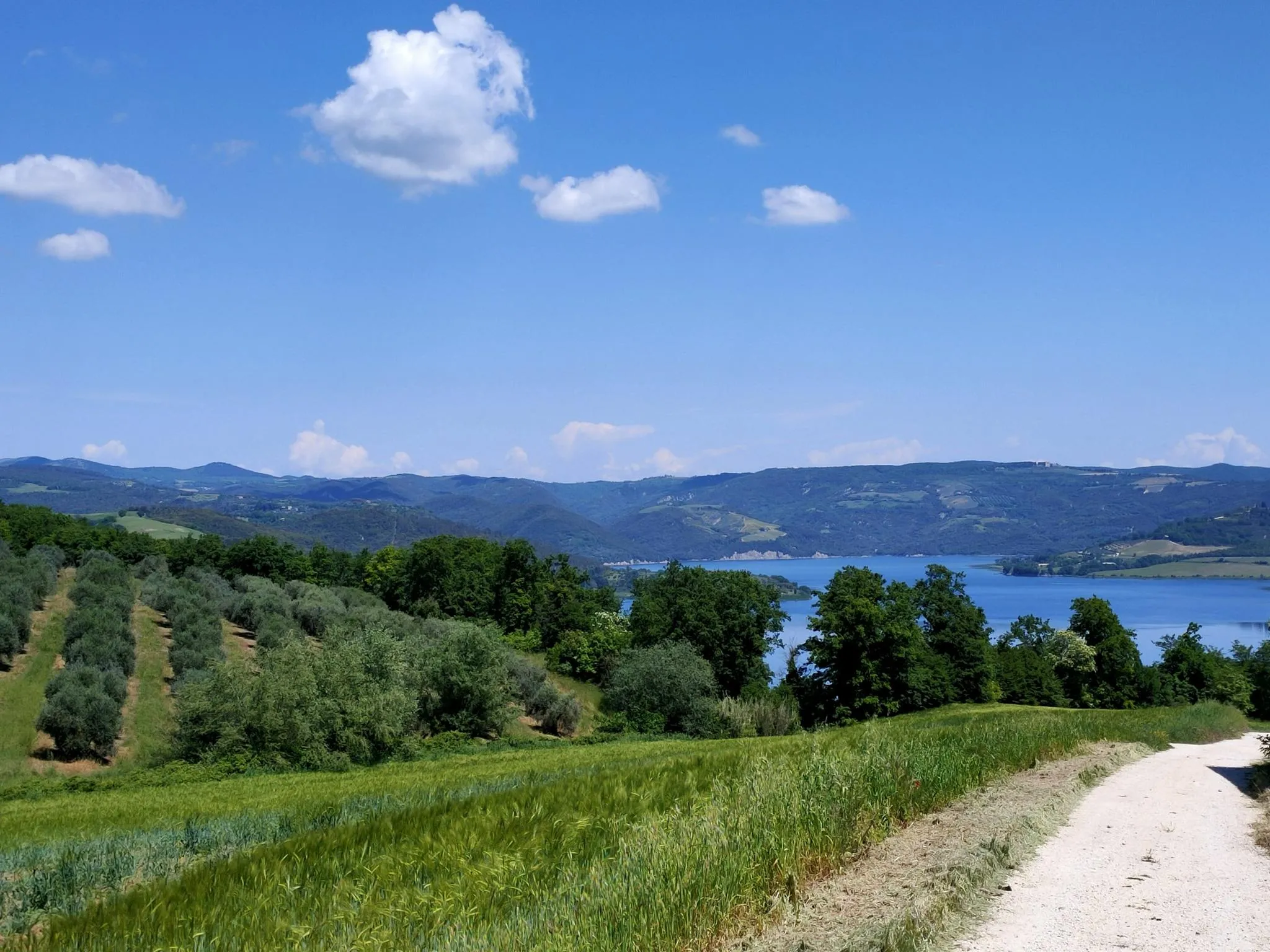
Italian Coast2Coast – From Portonovo to Orbetello
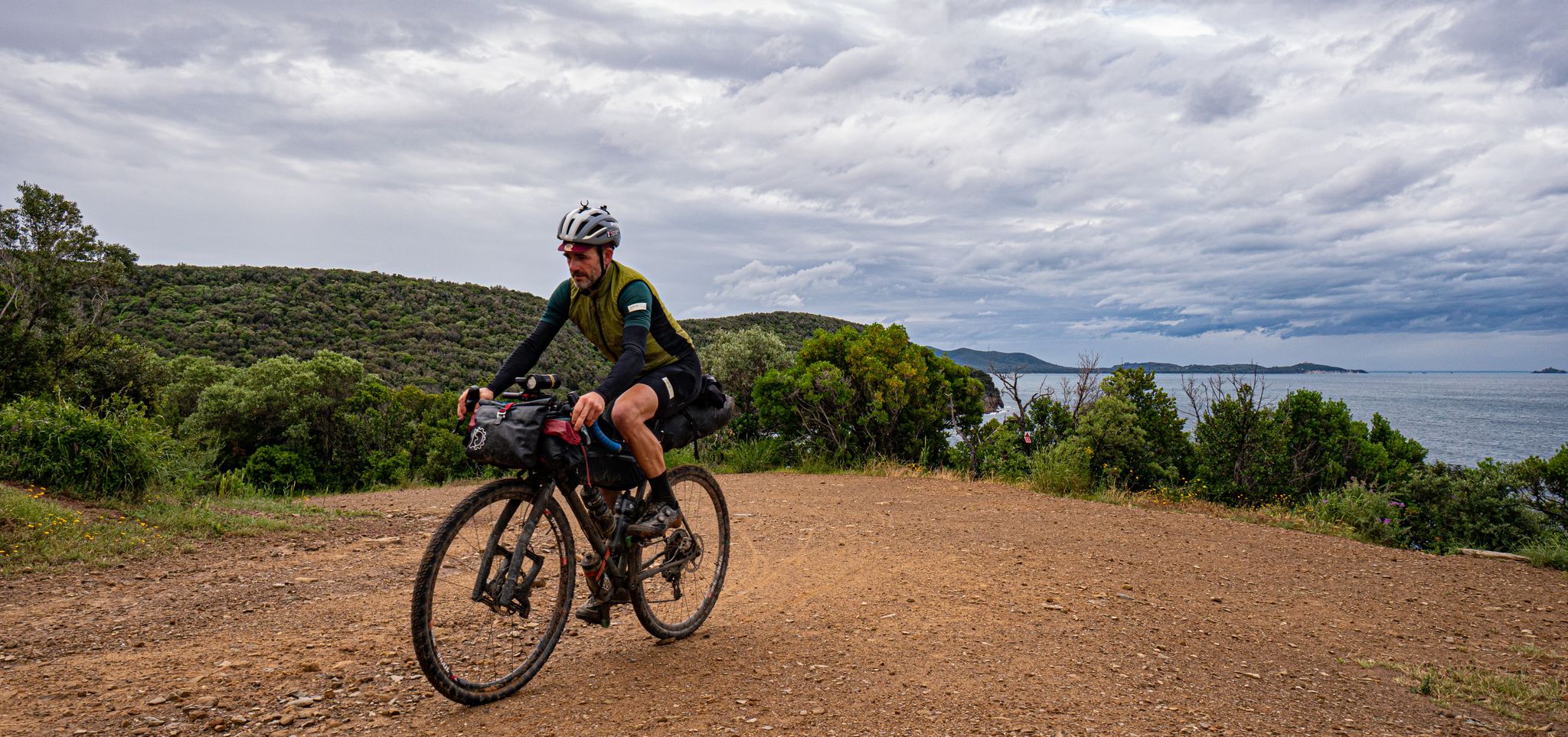
Maremma Challenge — A Tuscan, mixed terrain bikepacking loop
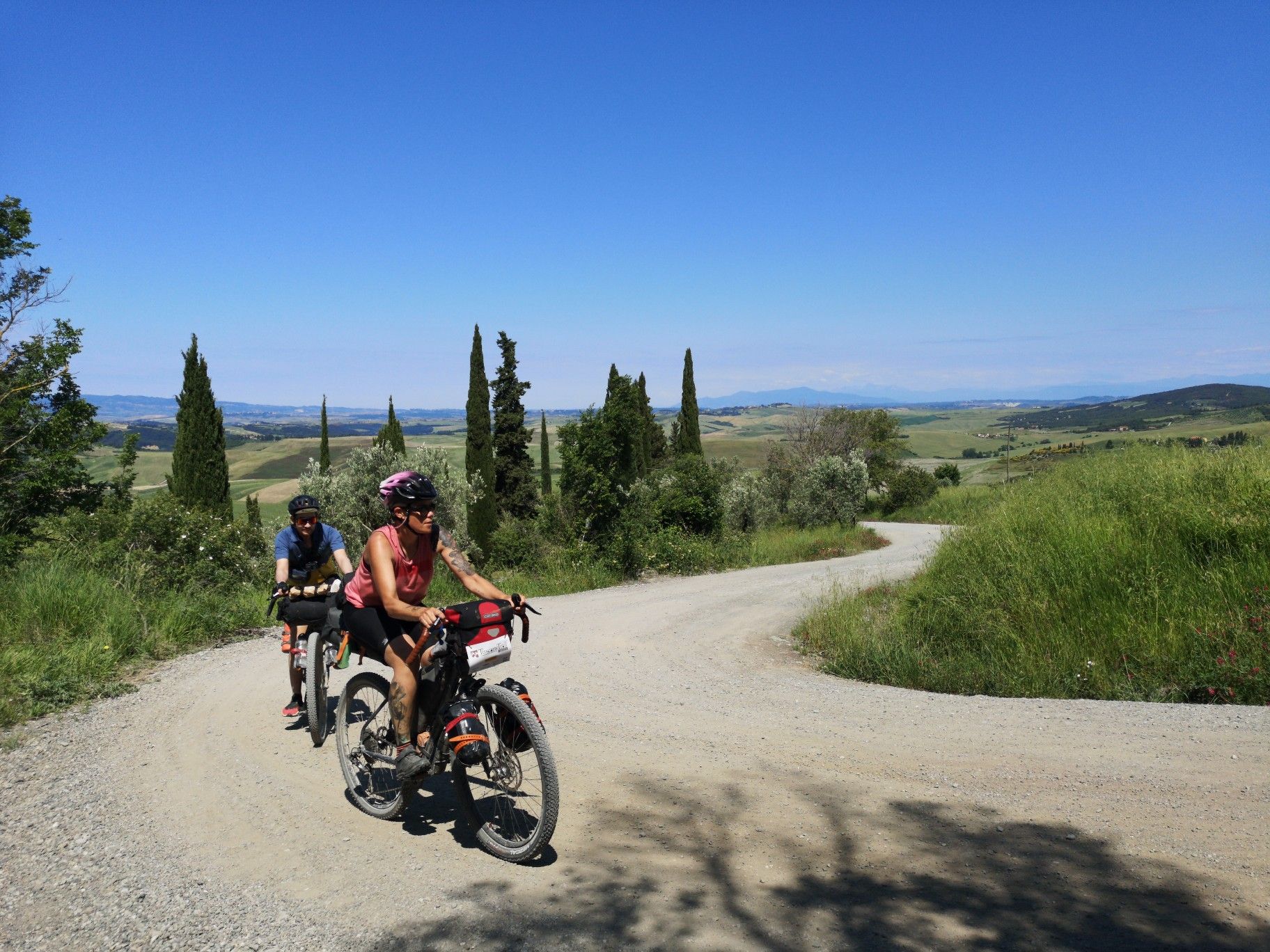
The Tuscany Trail – bikepacking in the heart of Italy
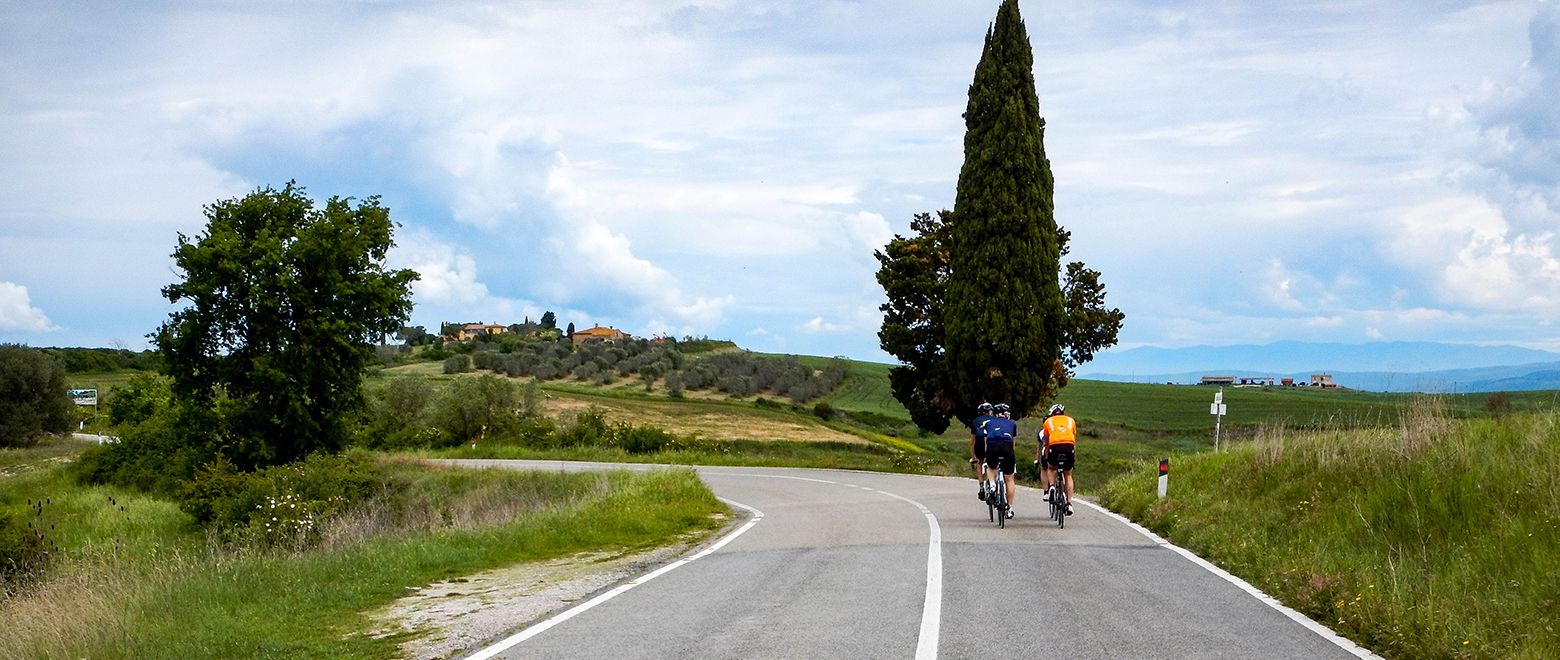
A heavenly week cycling in Tuscany
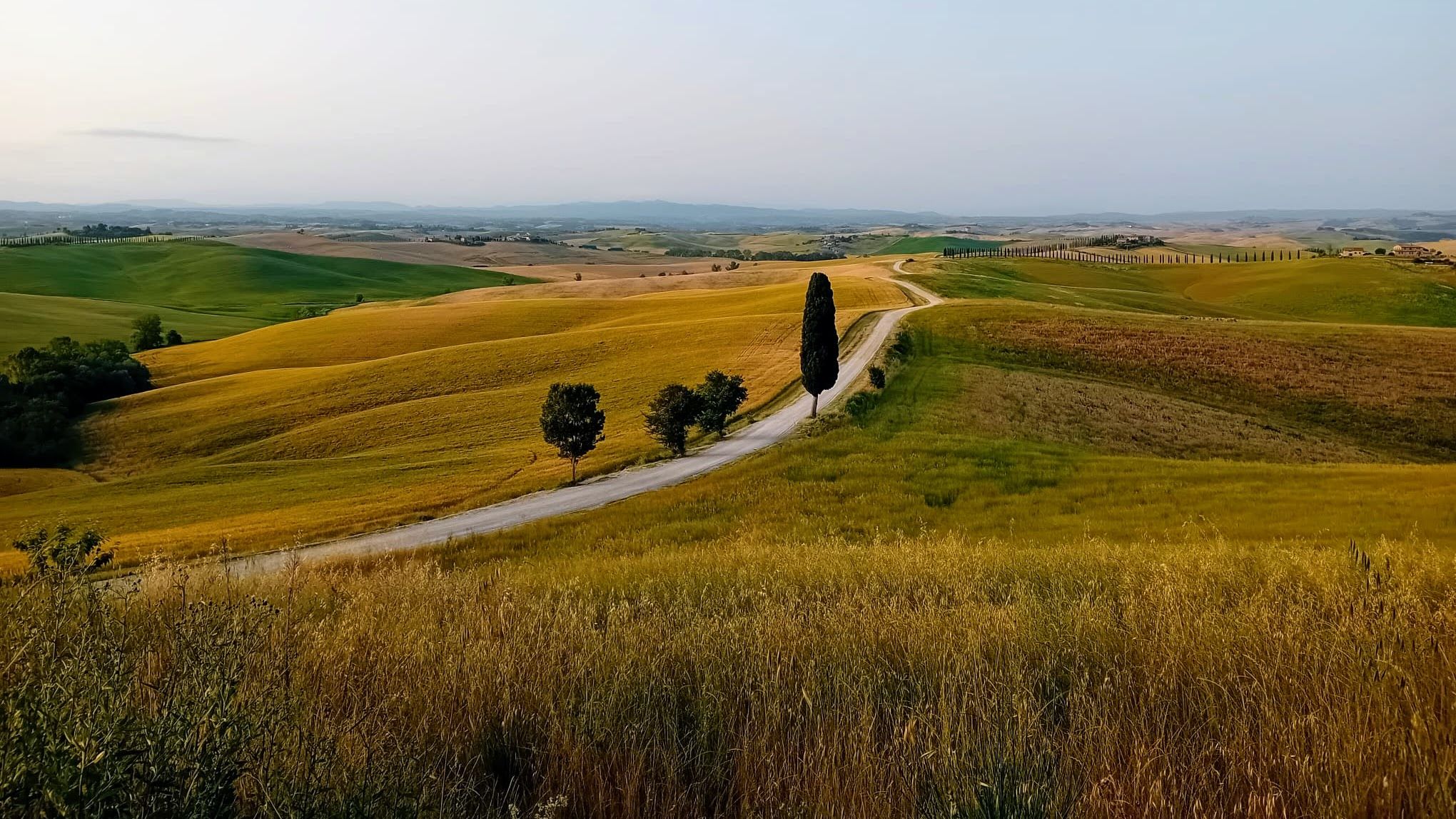
Tuscany by bike – history, cypresses and the Strade Bianche
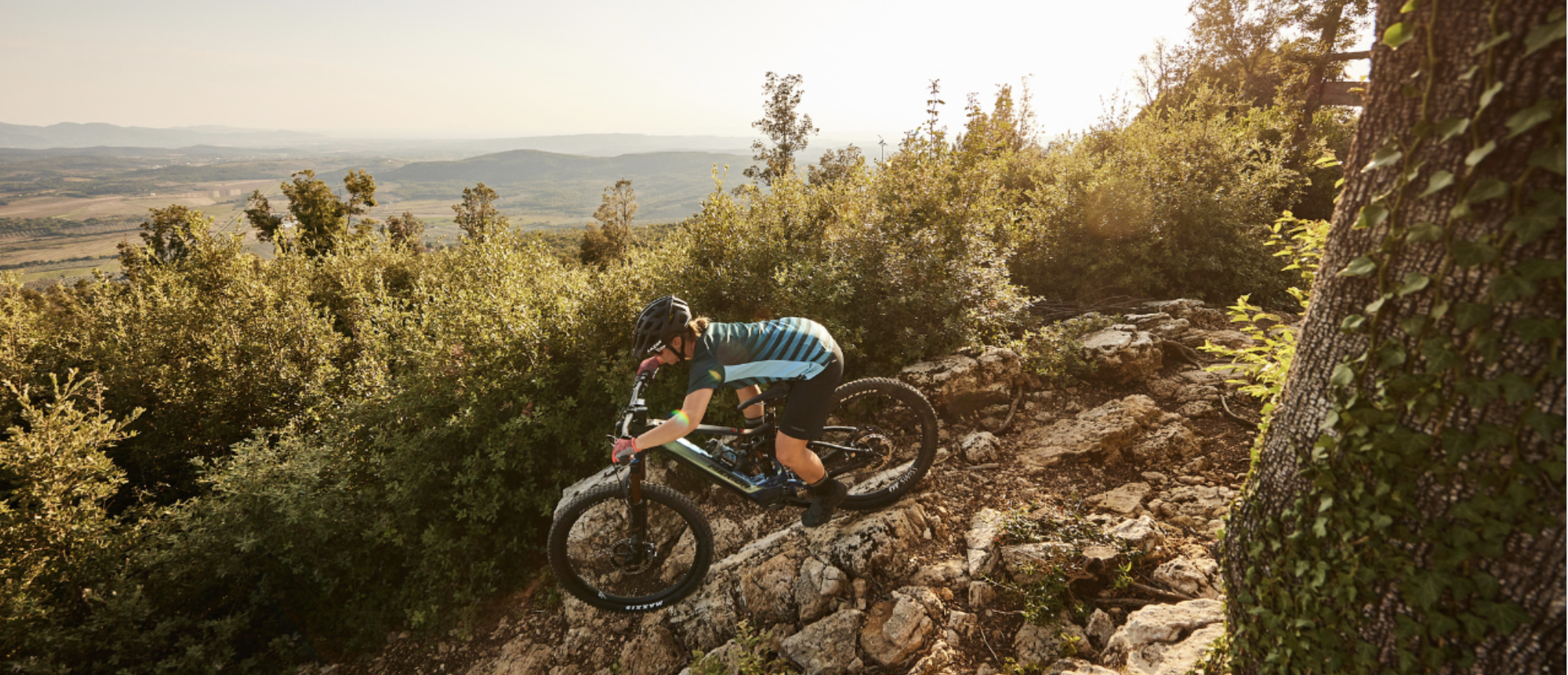
Cycling adventures in Tuscany from Pian dei Mucini Bike Resort
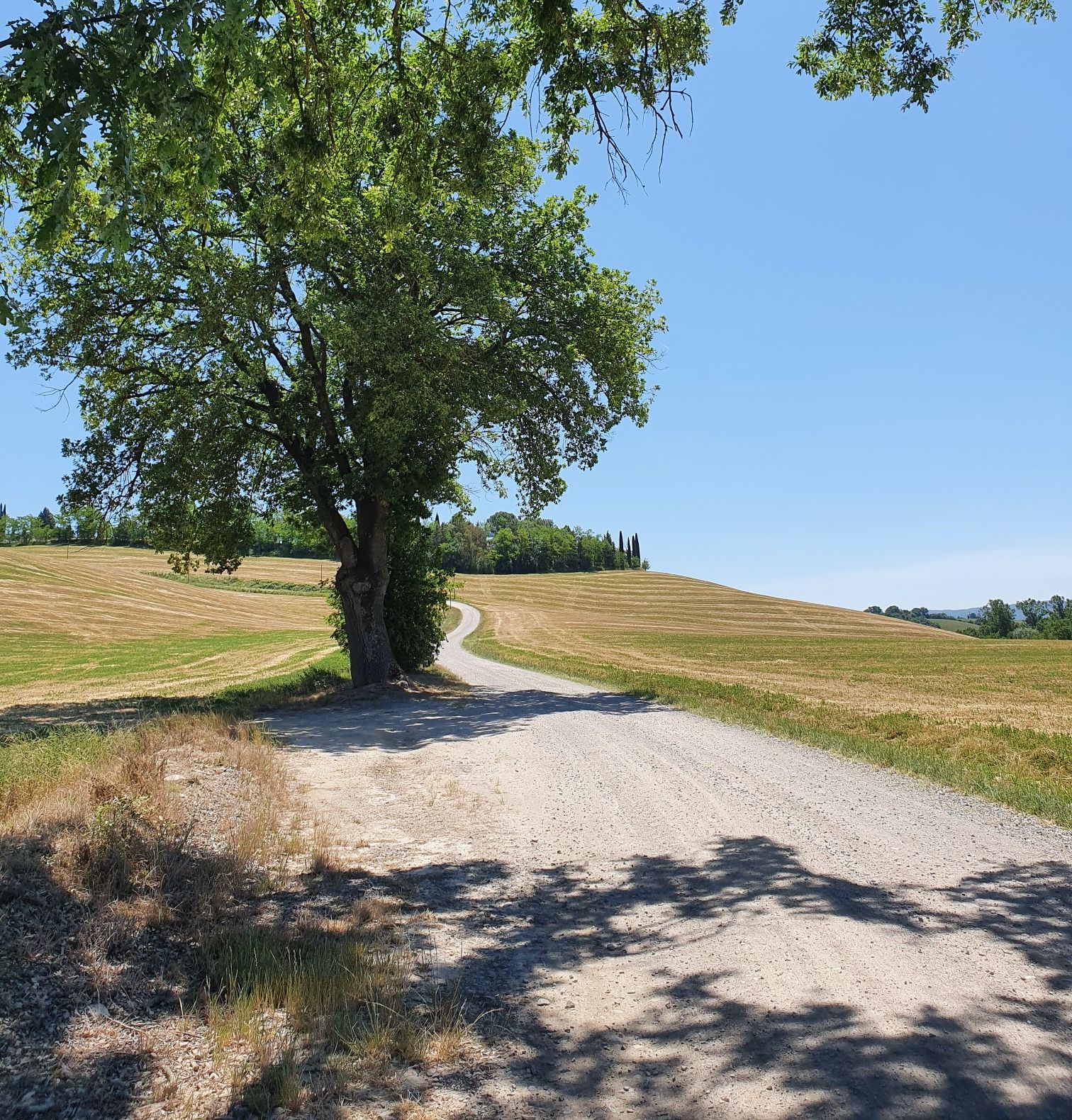
Ciclovia dei due mari - By bike from the Tyrrhenian Sea to the Adria
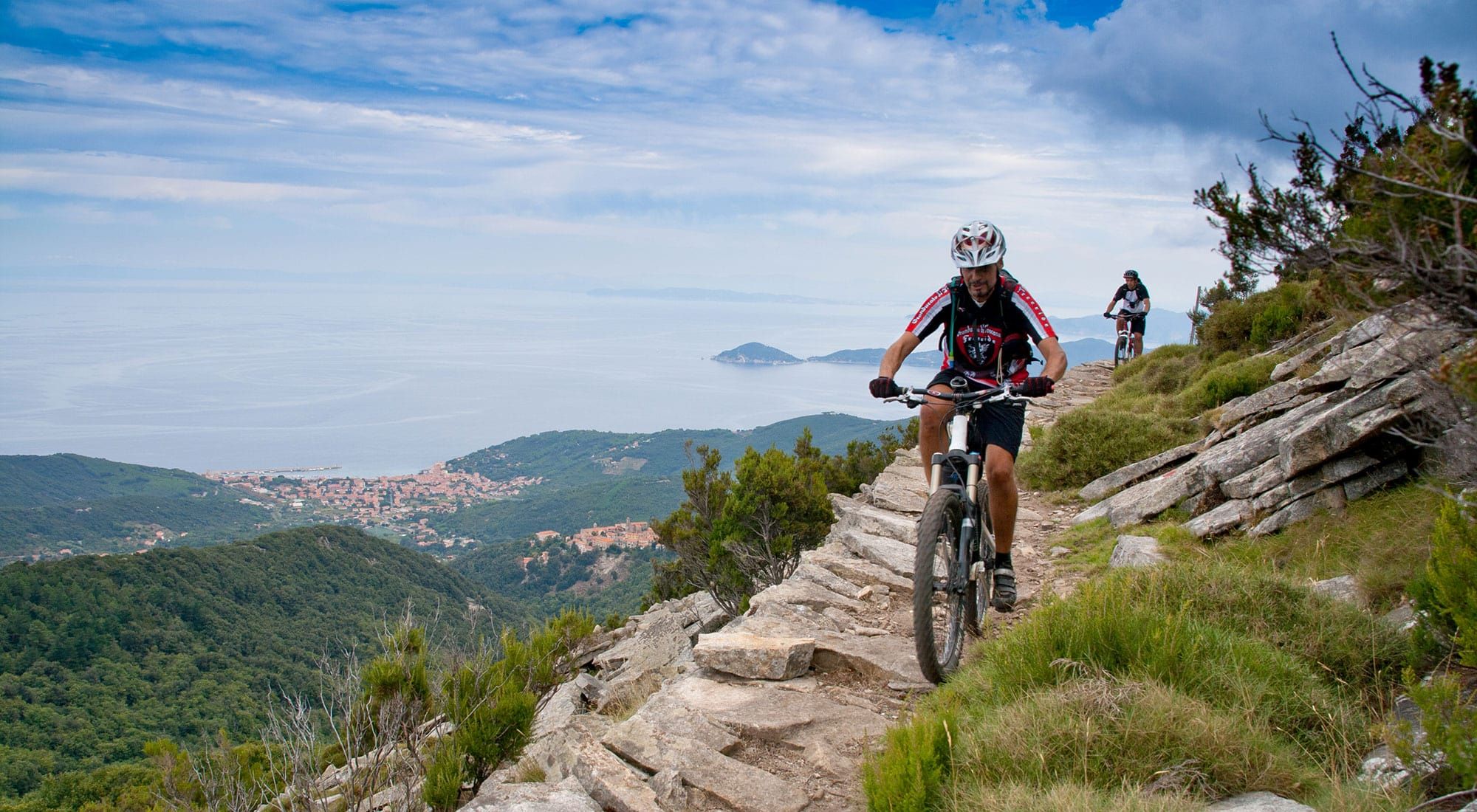
MTB on Elba and in Tuscany – trails between sea and mountains
Italy coast to coast by bike – Orbetello to Senigallia
Quarries, Etruscan cuts and hanging villages – the Tufa area by bicycle
Other adventures in Grosseto


Tips from the Community

The Via Cava di San Rocco is one of the most impressive Etruscan paths in the area. The trail is entirely dug into the tuff, with vertical walls reaching up to 20 meters high, hosting lush vegetation of ferns and mosses. The route connects the Lente river valley with the plateau above. Along the ascent, you will encounter ancient water channeling systems and stairs carved into the rock. Once you reach the upper end, you arrive at the panoramic area of San Rocco, from which you can enjoy the most iconic view of the settlement of Sorano and the Orsini Fortress. The ground can be damp and slippery due to the cool microclimate of the walls.
0
0

Through a very narrow, high gorge (can be damp in spring), you finally reach this oratory via steps.
1
0
The exhibition grounds are definitely worth a visit and can be easily combined with a circular hike from Sovana.
1
0
You can also visit the excavations on a circular hike from Sorana. The €7.00 is definitely worth it for this very interesting site.
1
1

Along the Vie Cave of Vitozza we can admire the caves that have been divided into three types: mixed-use caves (as a dwelling and stable); stables (recognizable by the presence of mangers, troughs and fences); caves for residential use (present especially on the south-west side, more sheltered and better exposed to the sun). The latter are characterized by jars for grain, wells for collecting water and chimneys. The first evidence dates back to the 11th century, when numerous castles were built throughout the area. At that time Vitozza must have been part of a large fiefdom that included 15 castles among which we remember Sorano, Pitigliano, Farnese, Mezzano, etc. (Guiniccesca land). The fiefdom must have had considerable strategic importance since thanks to the fortifications it was possible to control the natural access routes to the sea.
0
0

The area of Vitozza, near San Quirico, is one of the most important medieval rock settlements in Italy that developed on a tuff spur above the Lente valley. The settlement, already existing in the 12th century, was definitively abandoned around the 15th century due to wars and depredations. Traveling along the main dirt road you can admire the remains of fortifications, churches and also numerous caves (more than two hundred) that were used as stables, homes and places of work.
1
0

The rupestrian (cave) oratory is located at the top of the San Sebastiano via cava and consists of two irregular rooms, the walls of the chambers were engraved with many Latin crosses, including one on a small mountain that probably represents Golgotha. The oratory was almost certainly realized by using one of the many existing archaic tombs in the upper part of the via Cava, many of which are still visible. In fact, it was common for the monks and Christian hermits of the Middle Ages to take advantage of the remote location of these environments to reach the small places of worship suitable for prayer and meditation. From the various openings in the oratory you can see the wall of the via Cava and the remains of some Etruscan tombs looted in ancient times.
1
0
The Tomb of the Mermaid, one of the first monuments in the Etruscan necropolis of Sovana to be subjected to detailed scientific analysis, was discovered by the Englishman S. J. Ainsley and his fellow traveller George Dennis in 1843. The recess, decorated with a blind arcade, would have housed an effigy of the deceased in a half-reclined position, as if attending a banquet in the underworld, while outside stood two demons guarding the entrance to Hades, a man and a woman. The eardrum above the lintel is filled with another of the many monsters that populated the Etruscan underworld, a Scilla - and not a Siren or a Mermaid, as was first thought - holding up the droppings of a shipwreck (on which the soul of the deceased travelled from this place), the coils of her forked tail intertwined around two winged figures. The burial chamber below is very small and probably only housed the burial vault containing the ashes of Vel Nulina, (son of) Vel, as inscribed in the niche. This carved tomb dates to the late 3rd and early 2C BC. At the time of its discovery, the tomb was described as having a large vertical crack running down the left side, which became progressively worse until 1999 when the corner section fell away. This has now been repaired. In fixing the bedrock to prevent further fractures and sorting the broken fragments in 2003, archaeologists have discovered two new sculpted tombs. One is of the "semi-dado" type, of which only the lower section survives, while the other - although in a poor state of repair - has two chambers consisting of a square base section with a cylindrical one above. To this second tomb belongs the fragment with the sculpted female figure currently placed to the left of the Siren. This tomb dates from the late 3rd century AD.
0
0
Frequently Asked Questions
What historical significance do the caves in Grosseto hold?
The Grosseto area is rich in historical underground sites. The most prominent are the Vie Cave, ancient sunken roads carved by the Etruscans, dating back to the sixth century BC. These paths, like Via Cava di San Giuseppe and Via Cava di San Rocco, served as connections between settlements and necropolises. Additionally, the Vitozza Caves represent Italy's largest rock settlement, with dwellings used until the 17th century.
Can I see Etruscan artifacts or structures in Grosseto's caves?
Yes, the region offers several opportunities to explore Etruscan heritage. The Vie Cave themselves are Etruscan creations, often featuring tombs and engravings carved directly into the rock. A notable example is the Tomba Ildebranda, an impressive Etruscan temple tomb carved from a large tuff boulder near Sovana, which is part of the Etruscan Necropolis of Sovana.
What are the Etruscan sunken roads (Vie Cave) and where can I find them?
The Vie Cave are unique, narrow paths carved deep into the soft volcanic tuff rock by the Etruscans. They are predominantly found around the 'tuff villages' of Pitigliano, Sovana, and Sorano. These ancient routes can be up to 25 meters high and over a kilometer long, creating imposing corridors. Examples include Via Cava di San Giuseppe in Pitigliano and Via Cava di San Rocco near Sorano.
Are there natural caves with geological formations in Grosseto?
Yes, the Grotta degli Stretti, located in the municipality of Monte Argentario, is a natural karst cave system. It stretches approximately 930 meters horizontally and is characterized by fascinating stalactites, stalagmites, small corridors with flooded sections, and three small lakes, including the 'Egyptian Lake'.
What unique natural features can be found in the Vie Cave?
Beyond their historical significance, the Vie Cave possess a unique microclimate. Their deep, vertical walls create an environment that fosters diverse vegetation, including moss, ivy, and lianas, even in warmer months. This creates a mystical atmosphere with an interplay of light and shadow.
Are the caves in Grosseto family-friendly?
Many of the sites, particularly the Vie Cave and the Etruscan Necropolis of Sovana, are suitable for families. Walking through these ancient paths offers an engaging historical and natural experience for all ages. For example, Via Cava di San Rocco is specifically noted as family-friendly.
What is the best time of year to visit the caves in Grosseto?
The unique microclimate of the Vie Cave makes them pleasant to visit even during warmer months, as the deep cuts in the rock provide natural shade and cooler temperatures. Generally, spring and autumn offer the most comfortable weather for exploring the outdoor sites in the Grosseto region.
What should I wear when visiting the caves?
For exploring the Vie Cave and other historical rock settlements like Vitozza, sturdy footwear is highly recommended due to uneven terrain and potentially damp surfaces. If you plan to visit natural caves like Grotta degli Stretti, be prepared for cooler temperatures and potentially wet conditions inside.
Are there any caves that require special permits or expert guidance?
The Grotta degli Stretti is best visited with speleology experts or environmental guides. Its unique features, including flooded sections and delicate ecosystems, make guided exploration advisable for safety and to fully appreciate its natural and archaeological significance. For other sites like the Vie Cave, general access is permitted, though guided tours can enhance the experience.
What outdoor activities can I do near the caves in Grosseto?
The Grosseto region offers a variety of outdoor activities. You can find numerous running trails, including routes like 'The Viewpoints of Punta Ala' or 'Giglio Castello - Punta Fenaio Loop'. For cyclists, there are options for gravel biking, such as the 'Diaccia Botrona Nature Reserve' loop, and cycling tours like the 'Orbetello Lagoon Loop'. You can explore these and more on the respective guides for Running Trails in Grosseto, Gravel biking in Grosseto, and Cycling in Grosseto.
What is the Vitozza rock settlement?
The Vitozza Caves near Sorano form an extensive rock settlement, considered Italy's largest. It features approximately 200 caves that were primarily used as dwellings by residents until the 17th century. Some caves were also utilized by the Romans as 'colombari' for breeding pigeons, offering a unique glimpse into ancient living structures and human ingenuity.
What do visitors enjoy most about exploring the Vie Cave?
Visitors frequently highlight the immersive historical experience of walking through the Vie Cave. It's described as stepping back in time, with the impressive scale of the carved paths and the unique atmosphere. Many appreciate the blend of history and nature, making it a picturesque trekking destination.
Most popular routes in Grosseto
Most popular attractions in Grosseto

Get inspired with the komoot mobile app


Didn’t find what you were looking for?
Discover more caves in Grosseto region by region:
Explore more
Extend your search for the best caves by checking out these guides of the top ones in Grosseto:
