Routes

Planner

Features

Updates

App

Login or Signup

Get the App

Login or Signup

Login or Signup

Routes
Places to see
Castles
Italy
Tuscany

Arezzo

Top 20 Castles in Arezzo

Best castles in Arezzo offer a journey through history in Tuscany, Italy. This province is known for its medieval architecture and strategic fortresses, many of which provide panoramic views of the surrounding landscape. The area features a variety of historical sites, from well-preserved castles to fortified hamlets, reflecting its rich past.

Best castles in Arezzo

  • The most popular castles is Montecchio Vesponi Castle, a castle that dominates the Val di Chio from a hill. It is known for its intact architecture, including crenellated walls and a 30-meter tower.
  • Another must-see spot is Montozzi Castle, a castle standing at about 450 m above sea level. This facility, surrounded by olive trees, offers wine and olive oil directly from producers.
  • Visitors also love Historic Centre of Anghiari, a historical site that features an ancient medieval settlement. This village is recognized as one of the most beautiful in Italy and hosts various cultural events.
  • Arezzo is known for its medieval castles, fortified hamlets, and defensive structures. Visitors can explore a variety of historical sites, from imposing fortresses to ancient village remains.
  • The castles in Arezzo are appreciated by the komoot community, with 75 upvotes and 117 photos shared across various highlights.

Last updated: April 29, 2026

Historic Centre of Anghiari

Highlight • Historical Site

Anghiari is a small village immersed in the splendid Tuscan countryside. It was the Battle of Anghiari on 29 June 1440 that established the borders of Tuscany with the victory of the Florentines over the Milanese; later Leonardo da Vinci made it famous with a work painted in Palazzo Vecchio and Florence, unfortunately now lost.

Anghiari, one of the most beautiful villages in Italy and Orange Flag of the Italian Touring Club, develops along the steep and characteristic "wrinkle" that crosses it, making it unique.

Arriving in the town from the plain, the first thing that appears before the visitor's eyes is the Borghetto, that is to say the oldest medieval settlement then surrounded by mighty sixteenth-century walls. An element capable of capturing the attention of every visitor is the imposing medieval tower of Campano, which with its majestic bulk orients travelers almost like a lighthouse. Also in the historic center, the ancient rock church of the Badia, founded by the Camaldolese monks around the year 1000, is worth a stop.

In the historic center is Palazzo Taglieschi, seat of the State Museum where valuable works are kept (among which a Madonna in polychrome wood by Jacopo della Quercia, some Della Robbia terracottas and a 16th century positive table organ still in working order stand out). Among others, the Museum of the Battle and of Anghiari, which housed in Palazzo Marzocco offers the opportunity to know and deepen the history of the clash and the artistic story that linked Leonardo to this place. Then the Museum of Mercy, which traces the history of the Confraternity of Mercy of Anghiari, thanks to very particular documents and objects.

Throughout the year, the town is full of vitality, thanks to the many initiatives including fairs, exhibitions, demonstrations and unique events that combine arts, historical and folkloric traditions and superb local cuisine. In fact, a good opportunity to visit Anghiari can be represented by the traditional Tuscan Valtiberina Handicraft Market, which in spring lights up the alleys and shops of the village, in those days literally teeming with enthusiasts and onlookers.

In addition to craftsmanship, Anghiari is closely linked to the tradition of woodworking which has its roots in very distant times and tries to keep history alive through its artisan shops and the Anghiari School of Art.

In the immediate vicinity of the town, nature lovers will have the opportunity to discover the unique geological conformation of the Monti Rognosi Nature Reserve; while those who prefer medieval scenarios will not disdain a visit to the ancient Castle of Sorci.

FROM: visittuscany.com

Translated by Google •

Tip by

See rides here

Send to Phone

Save

Montecchio Vesponi Castle

Highlight • Castle

Montecchio Vesponi Castle dominates the Val di Chio from a hill over 360 meters above sea level. With its crenellated walls, towers, and an imposing 30-meter-high square tower, it is one of the best-preserved medieval castles in Tuscany and can be recognized from afar throughout the valley.

Contested for centuries by Arezzo and Florence for its strategic position on the road to Cortona, it became a Florentine stronghold after the Battle of Campaldino in 1289. In the 14th century, it was also home to the famous mercenary captain John Hawkwood.

Today, the castle comes back to life with guided tours, events, and reenactments that evoke the atmosphere of the Middle Ages.

Translated by Google •

Tip by

Save

Sign up now to discover places like this

Get recommendations on the best single tracks, peaks, & plenty of other exciting outdoor places.

Sign up for free

Montozzi Castle

Highlight • Castle

The castle of Montozzi stands at about 450 m above sea level, on a hill overlooking the upper Valdarno and Valdambra. Located in the municipality of Laterina Pergine Valdarno, in the province of Arezzo, it has been traced back to the 13th century. The castle fell into ruin at the end of the 14th century, but the village that was born around it was maintained. In the seventeenth century the remains of the castle were incorporated into the palace of the Bartolini Baldelli family.

for those who want to learn more:
it.wikipedia.org/wiki/Castello_di_Montozzi

Translated by Google •

Tip by

Save

Fortezza del Girifalco

Highlight • Castle

Located at 651m above sea level, the Medicea or Girifalco fortress is located at the top of the hill overlooking Cortona (AR), a little higher than the basilica of Santa Margherita.

It was built in 1556 by Gabrio Serbelloni and Francesco Laparelli from Cortona at the behest of the Grand Duke of Tuscany Cosimo I de 'Medici. The fortress stands on the ruins of a previous one from the 12th century which was built on the remains of Etruscan walls.

Translated by Google •

Tip by

Save

Castello di Romena

Highlight • Castle

The Castle of Romena is a historic fortification located on top of a hill overlooking the Arno River valley. The construction of the castle dates back to the 10th century, although it has undergone many modifications and renovations over the following centuries. The castle was originally built as a defensive fortification, but over time it has also been used as a stately home and as a prison.

The castle is surrounded by a wall that protects it from three sides, while the downstream side has been opened to enjoy the panoramic view. Within the castle are a number of buildings, including a church, keep and loggia. Most of the structure has been restored and reopened to the public as a museum, housing a collection of objets d'art and contemporary art.

Today the Castello di Romena is a popular tourist attraction and is often used as a location for weddings and other events. Its breathtaking landscape and fascinating history attract tourists from all over the world. If you are interested in the history and art of Tuscany, the Castello di Romena is definitely a place worth visiting.

Translated by Google •

Tip by

Save

The origin of the Montemignaio castle is linked to the passage through the area of the ancient Roman road which, from Florence ... led to Arezzo. The ancient route was still widely used during the Middle Ages and this generated the development of the Castle, located in a dominant position, at the top of a buttress overlooking the Fiana torrent valley.

The first written document proving the existence of the settlement dates back to 1103, it is a papal bull in which the authority over the Pieve di Montemignaio was confirmed to the Bishop of Fiesole. Already in the following years and throughout the 12th century the area was remembered among the dominions of the Guidi counts...

It was the Guidi family who built the castle on site, also known as 'Castel Leone' or simply 'Castiglione', which remained in their possession until the revolt of Castel S. Niccolò with whose inhabitants the Montemignanesi made common cause against the abuses of the last descendant of the feudal family, Count Galeoto. In 1440 the same inhabitants submitted to the Municipality of Florence and were aggregated to the Podesteria of the Montagna Fiorentina.

The remains of the castle walls still partially surround the town. To the right of the main access door the mighty tower still stands out, which also served as a bell tower, to the left a second tower, probably originally the twin of the other, is today significantly reduced in height. The two towers are joined by a mighty curtain wall in which opens the beautiful round arched door that leads into the heart of the castle. Once through the entrance on the left, the majestic remains of the palace rise, first the residence of the counts and then of the Florentine Podestà, and of the square-shaped keep. In the curtain walls you can still see the walled shape of what was once the door that led into the courtyard of the Palagio. Today, to access the splendid courtyard, with a beautiful well in the centre, you need to go around the outside of the walls from the right of the main door. The original small church of the castle still stands immediately behind the bulk of the keep. The whole, rather well maintained, is one of the best examples of a fortified medieval Tuscan mountain village.

(Source: castellitoscani.com/castel-leone-montemignaio )

Translated by Google •

Tip by

Save

Palagio Fiorentino

Highlight • Castle

The Palagio Fiorentino belonged to the Guidi Counts, like other castles in the area. Built around 1230 by Count Bandino, the branch of the counts of Palagio originated from this castle, to whom it belonged for many years

The last exponent of the branch of the counts of Palagio was Count Antonio, who, in 1381, freed all his subjects from all bonds of servitude and vassalage.

In 1398 Count Antonio allied himself with Florence, Bologna, Venice, Padua, Ferrara and Mantua against the Visconti of Milan, even if he later switched to the side of the Visconti.

In 1402 Count Antonio had to cede the territories to the Republic of Florence, to avoid the consequences of some livestock raids against the Republic in the lands of Count Piero di Porciano.

After this capitulation, Montemezzano, Lonnano, Papiano and Stia also spontaneously submitted to Florence, all subsequently reunited in the Community of Palagio Fiorentino.

In 1440, during the clashes between Florence and Milan, the Milanese army commanded by Niccolò Piccinino burned and destroyed the castle.

The current building of the Palagio Fiorentino was built at the beginning of the twentieth century by the lawyer Carlo Beni, mayor of Stia and author of a famous Guide to the Casentino. During the reconstruction work, medieval artefacts were found, including coins and a seal with the Guidi coat of arms

The appearance of the structure, rather than respecting the original architectural layout, recalls the neo-Gothic taste in vogue in the years of the renovation.

(Source: casentino.it/palagio-fiorentino )

Translated by Google •

Tip by

Save

Caprese Michelangelo owes its notoriety, and part of its name, to the fact that it is the birthplace of Michelangelo Buonarroti, born here in 1475. The first evidence of a settlement in the area dates back to the year 1000 and speaks of a fortification or castle. After Buonarroti's birth, the castle was gradually abandoned and ended up in ruins. Only after the discovery of the famous artist's birth certificate in the 19th century did interest in this small village reignite, giving rise to numerous redevelopment and restoration projects.

Translated by Google •

Tip by

Save

The climb to reach the castle will initially make you regret not staying in the valley, but the square, the gardens, and the view over the Arno valley and the mountains of the Casentinesi Forests will repay the effort. The castle has a square tower and can also be visited inside, where it houses a library, a chapel and a historical museum.

Translated by Google •

Tip by

Save

Rocca di Pierle

Highlight • Castle

The fortress of Pierle is a fortified building, now in a state of ruin, located near the town of Mercatale, in the municipality of Cortona, in the province of Arezzo. Built in the 11th century and remodeled in 1371 in order to protect Cortona from the aggressiveness of Perugia, it is known for the massacre of a group of conspirators, commissioned by Uguccio Casali, of which it was the theater in 1387. It was consciously gutted in the parts internal in 1576 by order of the Grand Duke of Tuscany Francesco I de 'Medici, since it constituted a potential shelter for his enemies.

Translated by Google •

Tip by

Save

Sign up for free to discover even more castles in Arezzo.

Sign up for free

Already have an account?

Start today with a free account

Your next adventure awaits.

Login or Signup

Popular around Arezzo
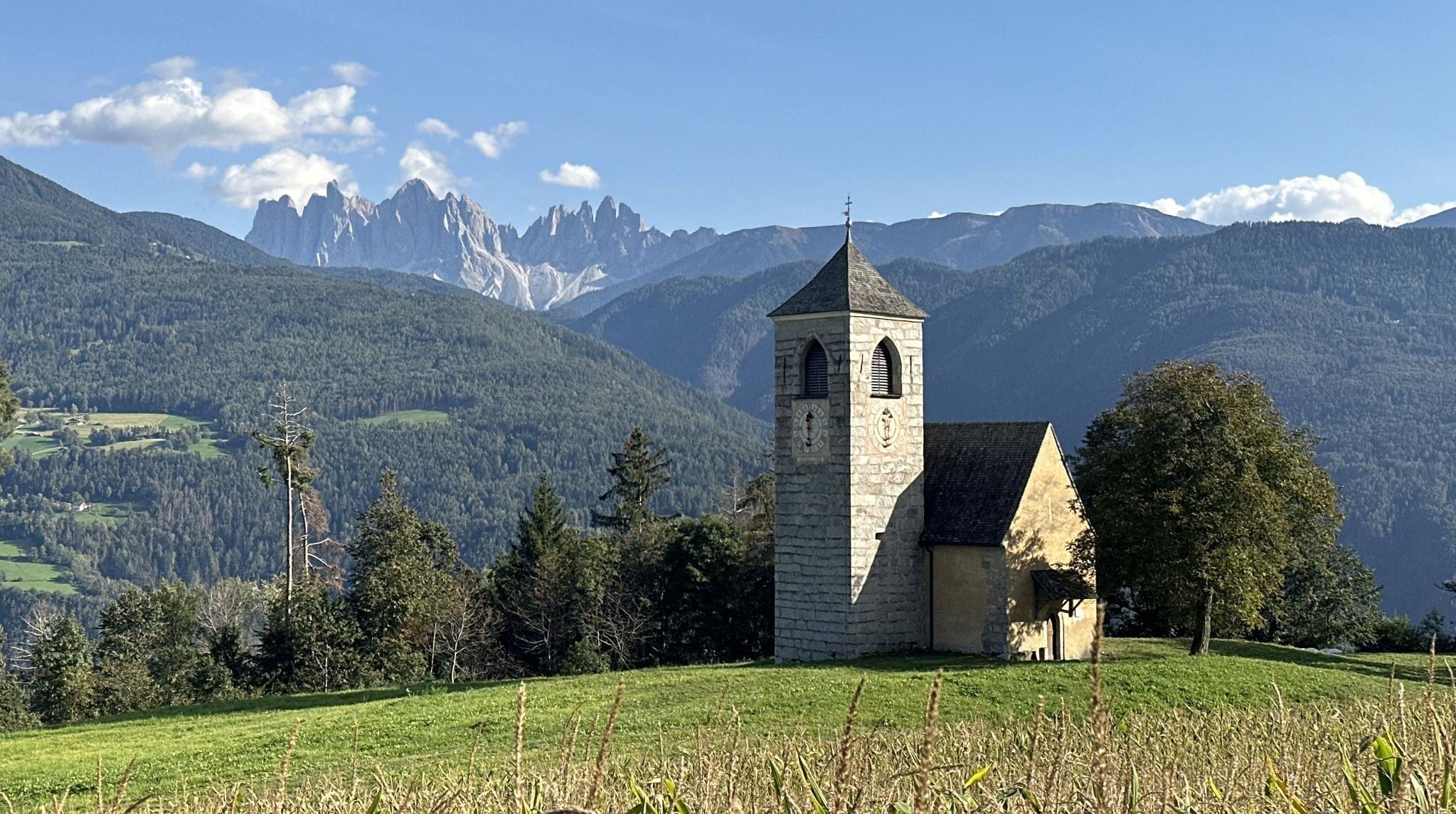
Via Romea Germanica – History, nature and spirituality
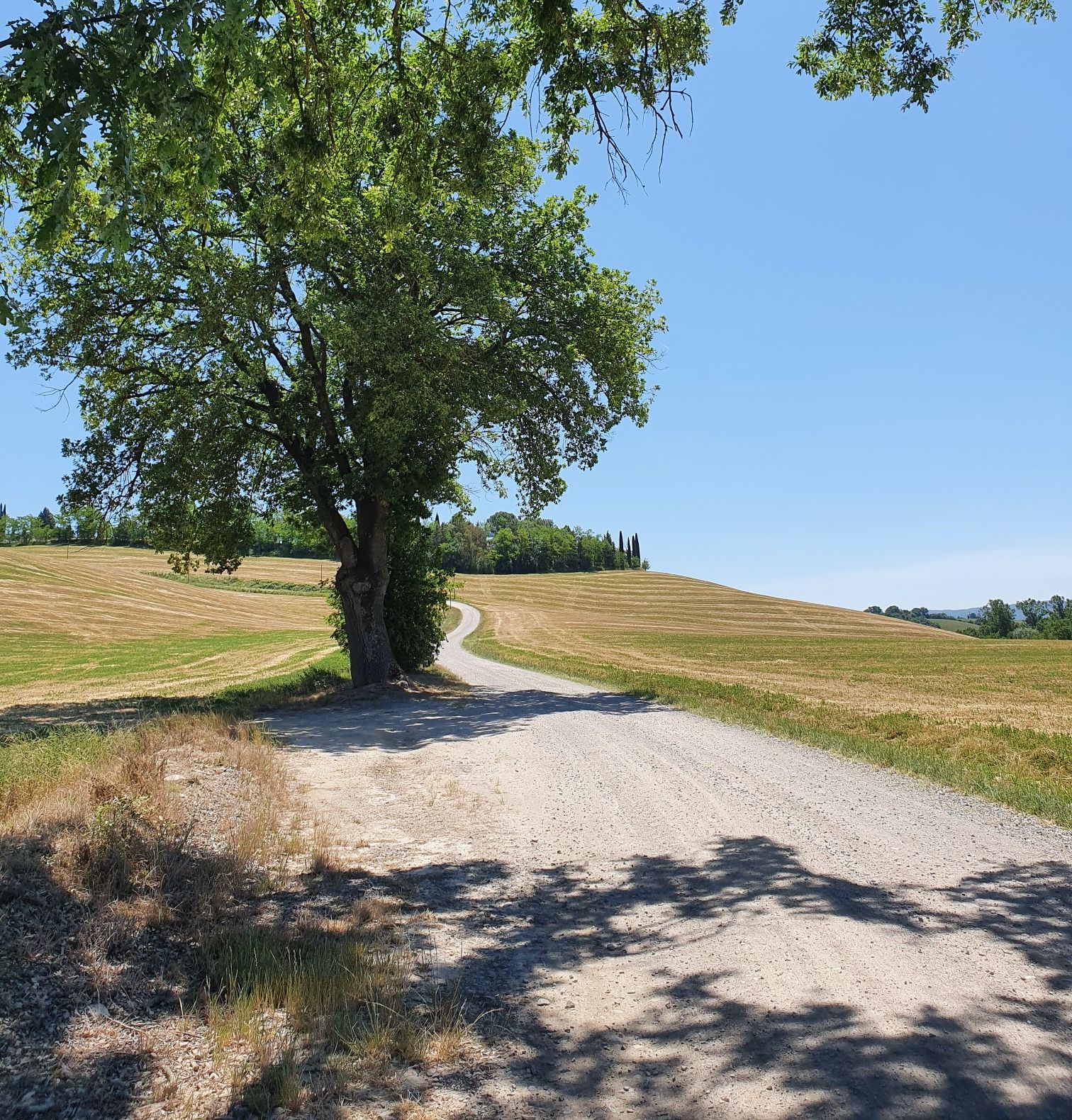
Ciclovia dei due mari - By bike from the Tyrrhenian Sea to the Adria
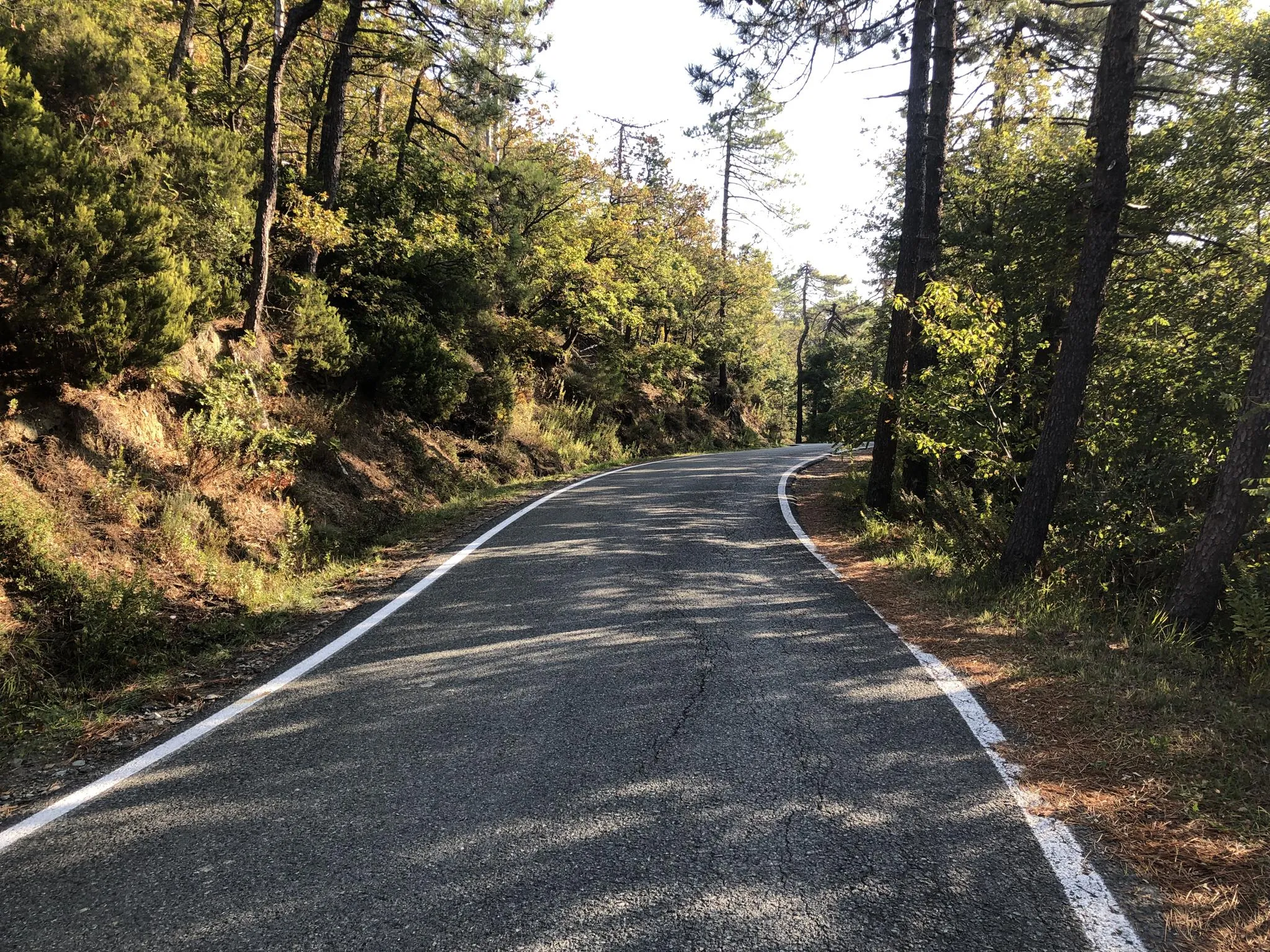
Apennine Cycle Route (Part 1) - From Liguria to Umbria
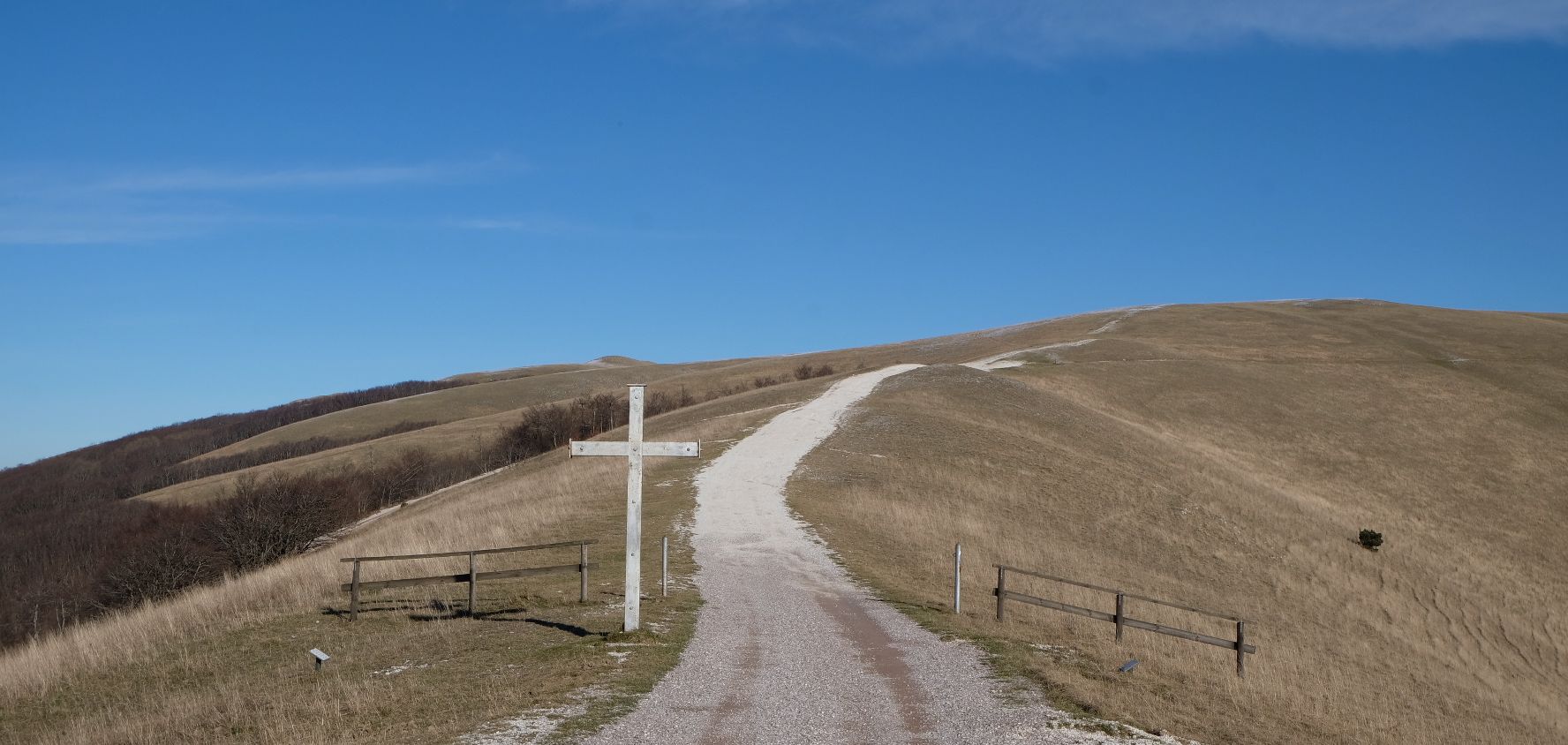
In the footsteps of St. Francis - Cammino di Assisi
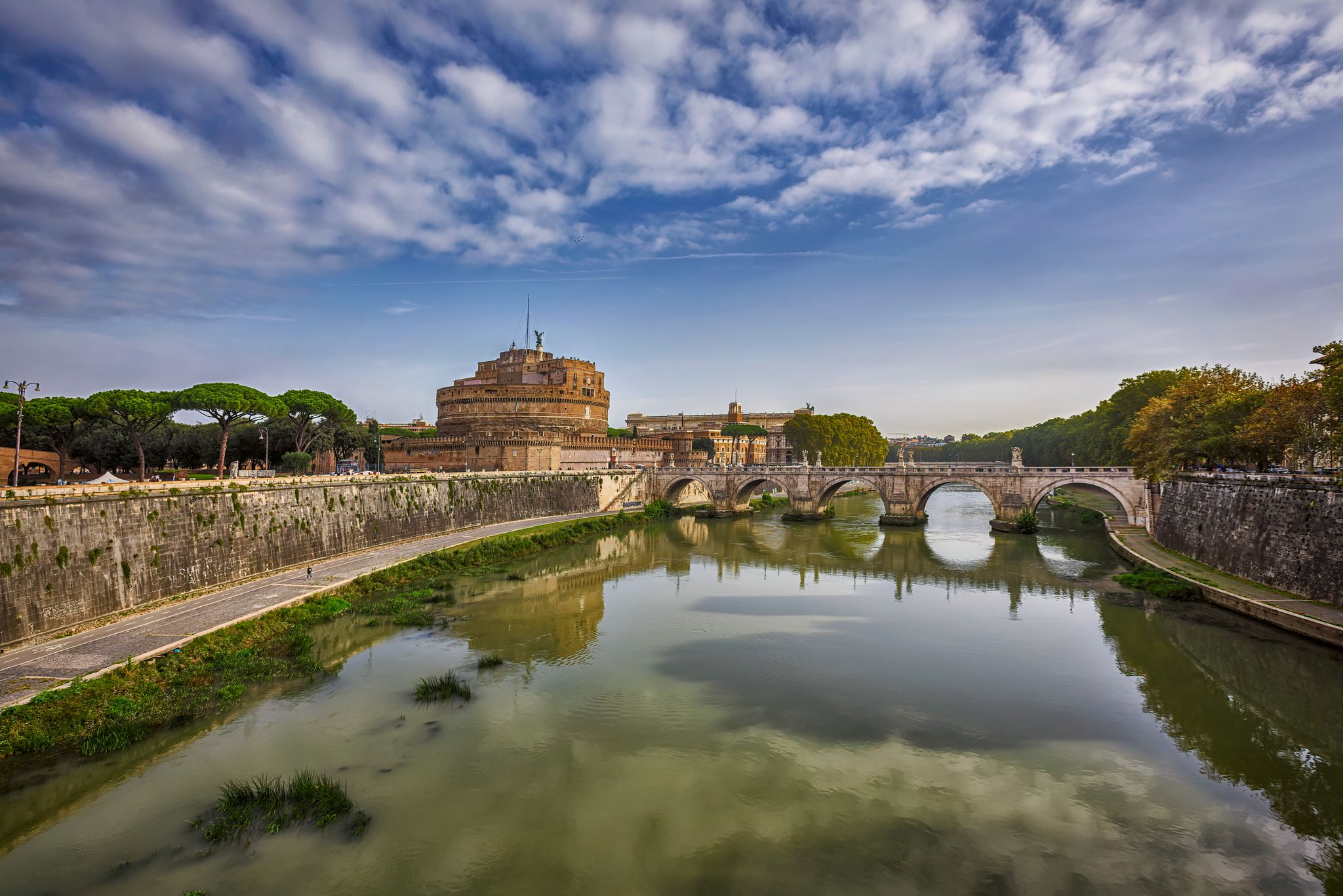
All roads lead to Rome – Romea Tiberina Cycleway
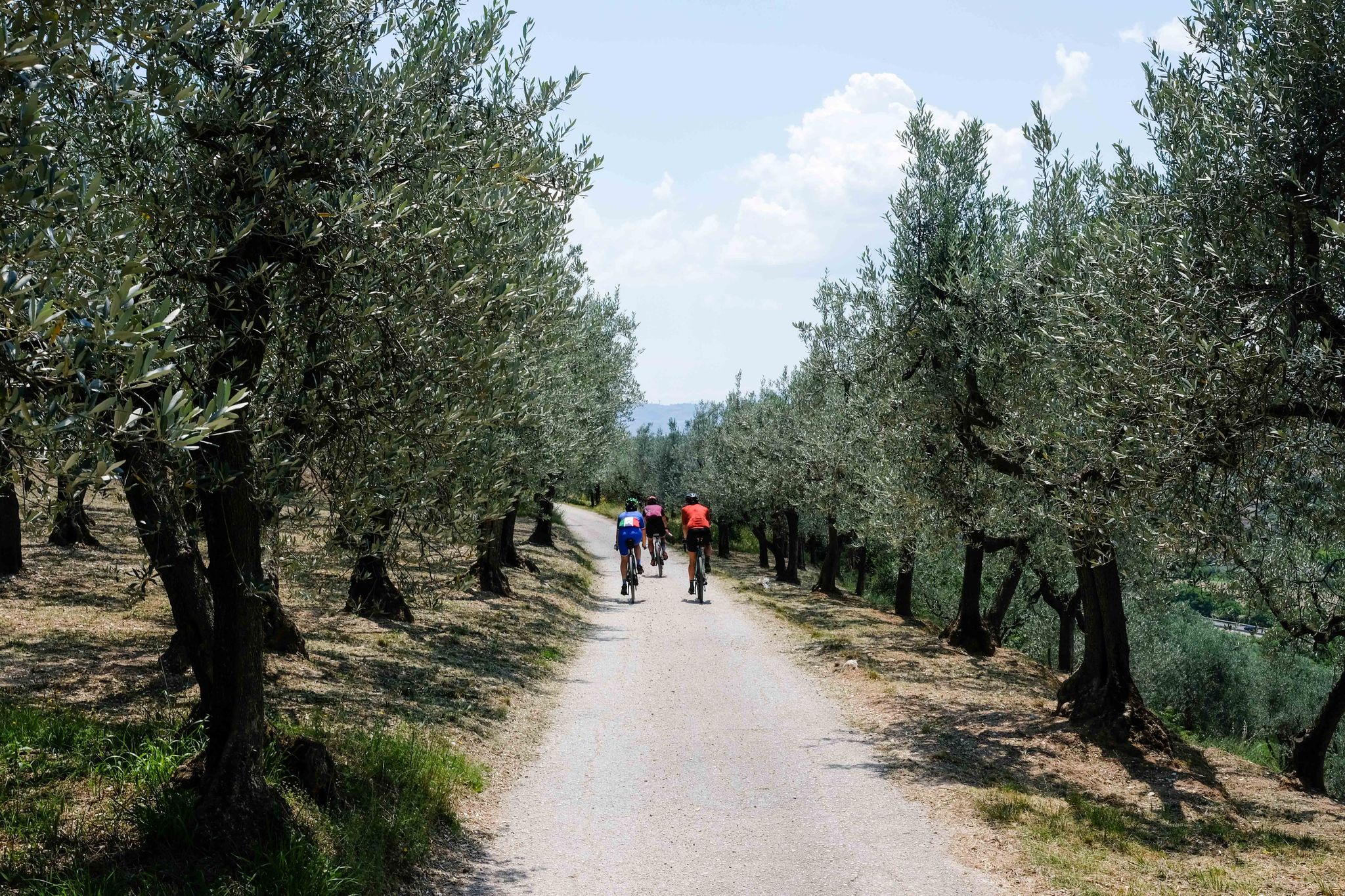
Cycle the St. Francis Way in Italy – Via del Nord
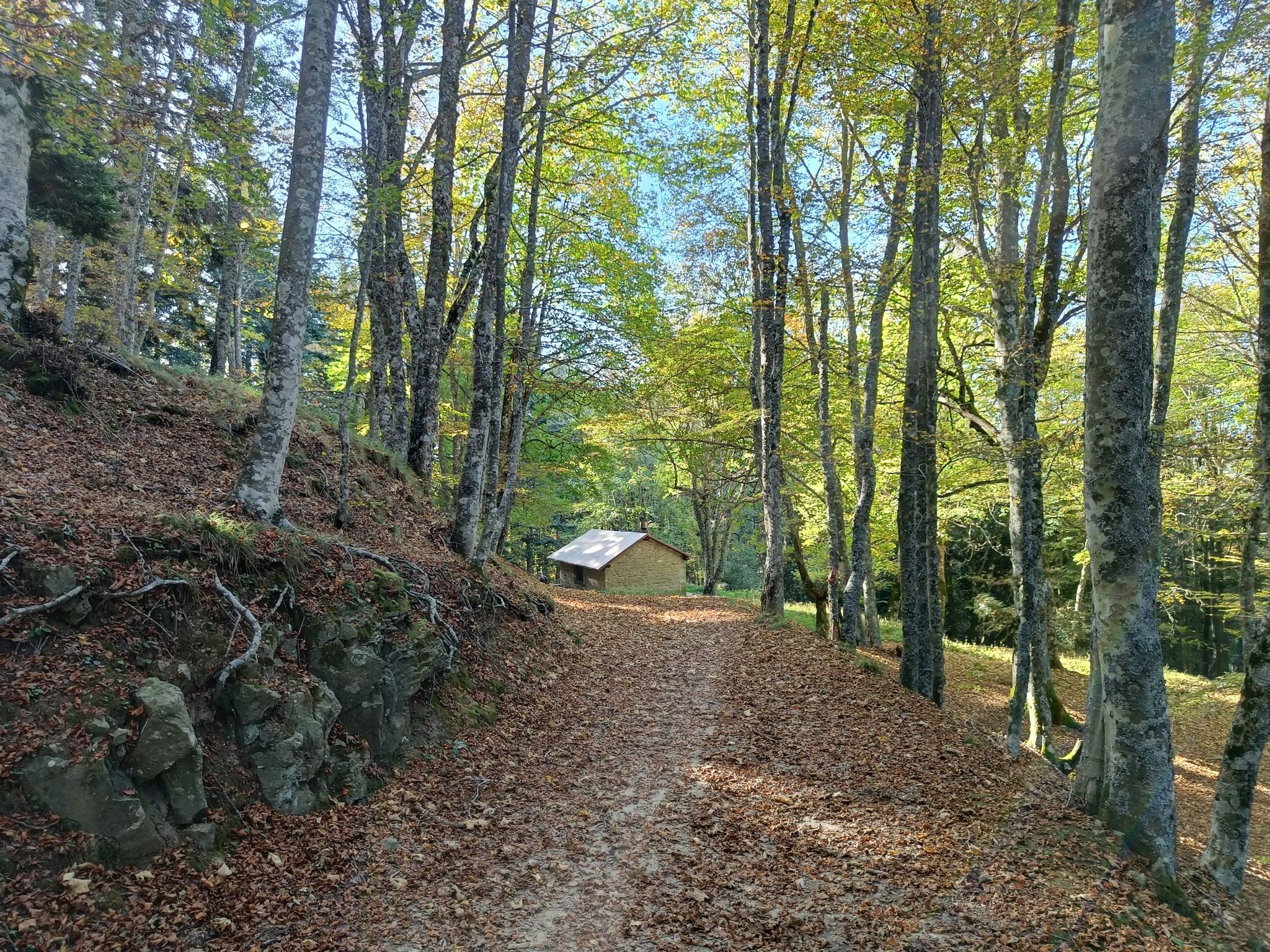
Camaldoli to Carpegna – Alta Via dei Parchi (part 5)
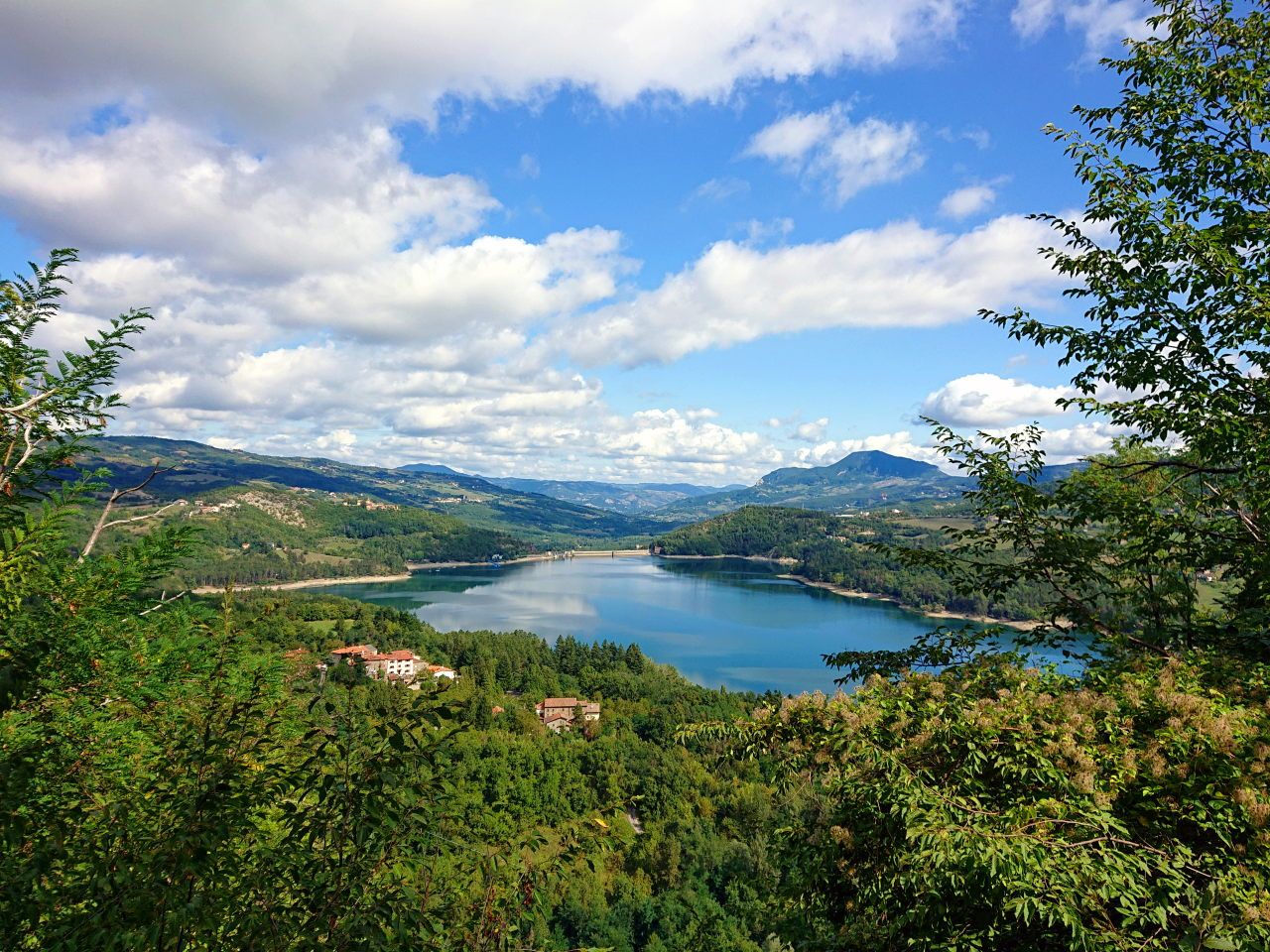
Interiora - A Journey into the Remote Areas of Italy
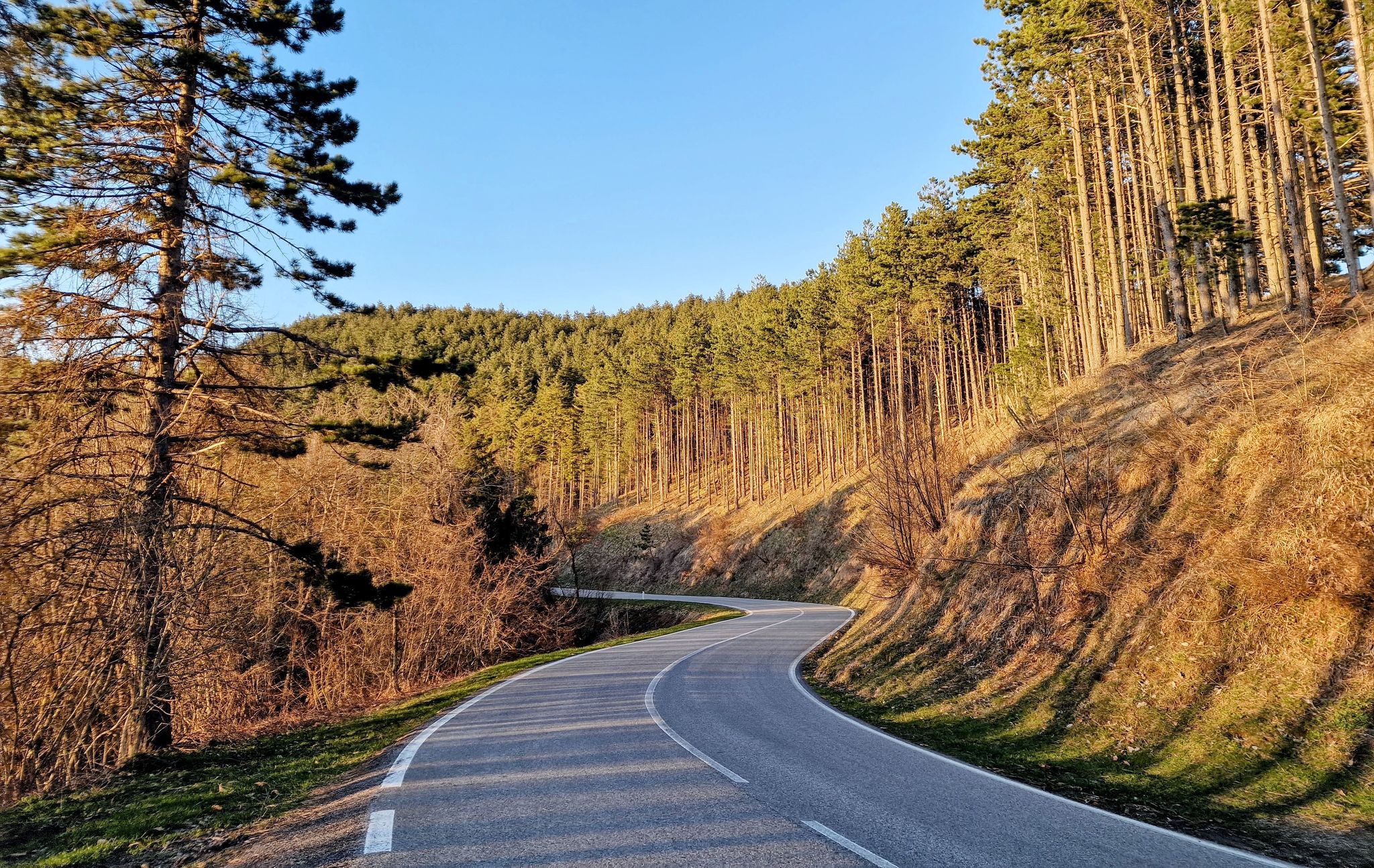
Centuries-old woods and lost roads – in the heart of the Casentinesi Forests
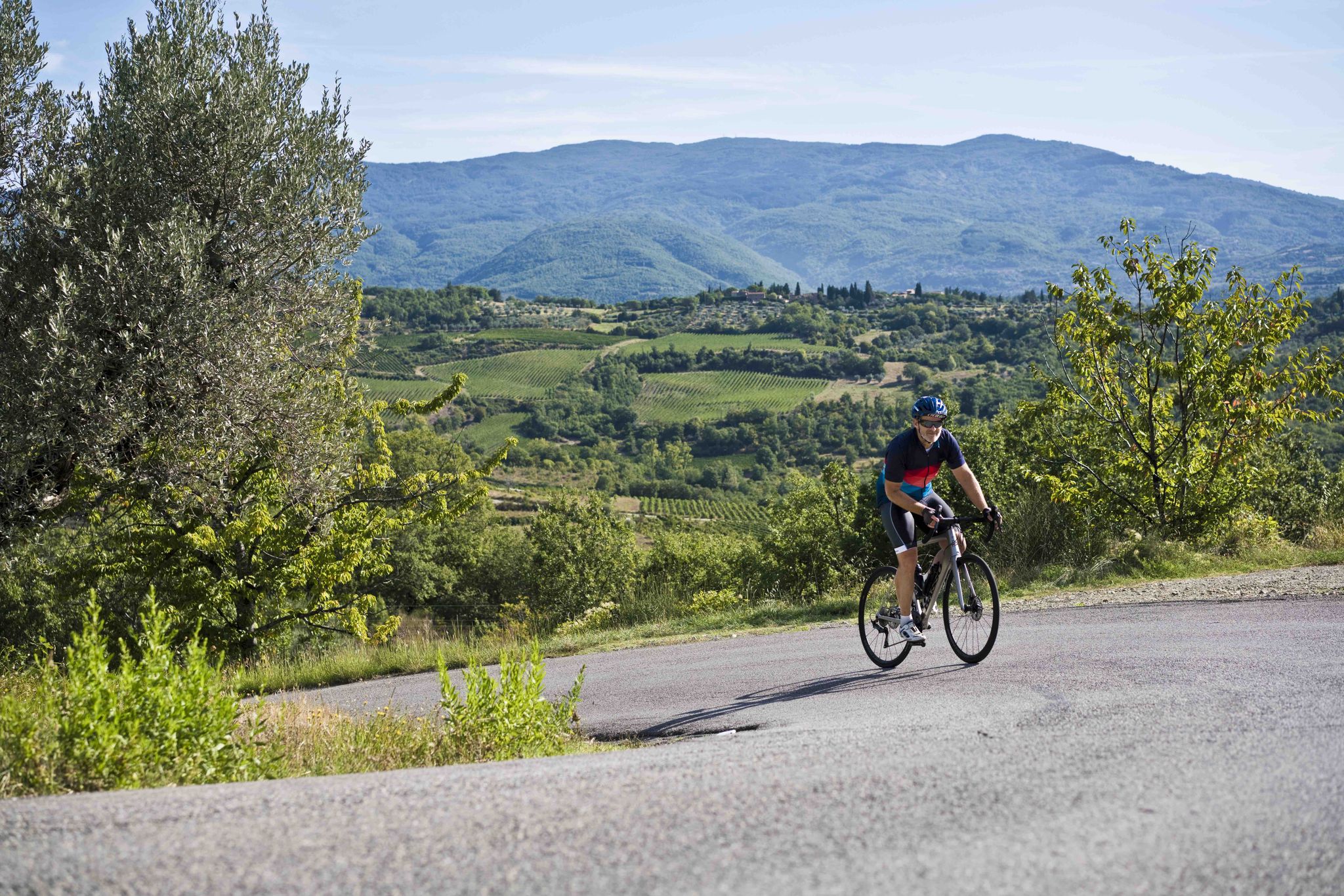
Eastern Tuscany: Four road bike tours around Arezzo

Other adventures in Arezzo

Via Romea Germanica – History, nature and spirituality

Hiking Collection by

BeCycling

Tips from the Community

Bryan | Exploro Ergo Sum
March 5, 2026, Castello di Montecchio Vesponi

Montecchio Vesponi Castle dominates the Val di Chio from a hill over 360 meters above sea level. With its crenellated walls, towers, and an imposing 30-meter-high square tower, it is one of the best-preserved medieval castles in Tuscany and can be recognized from afar throughout the valley. Contested for centuries by Arezzo and Florence for its strategic position on the road to Cortona, it became a Florentine stronghold after the Battle of Campaldino in 1289. In the 14th century, it was also home to the famous mercenary captain John Hawkwood. Today, the castle comes back to life with guided tours, events, and reenactments that evoke the atmosphere of the Middle Ages.

Translated by Google

1

0

Piazza Baldaccio, the start and finish of the Intrepida, a historic cycling event held in Anghiari in October.

Translated by Google

0

0

Great views and resting areas all around the castle.

0

0

I recommend a stop with a visit to understand the battle of Campaldino

Translated by Google

0

0

short path, you reach the parish church from the fields, ..rather suggestive. ..

Translated by Google

0

1

A small place but lots to see and the birthplace of Francis

Translated by Google

0

1

Castello dei Conti Guidi, beautiful stone village. Wonderful view.

Translated by Google

0

0

In Setteponti, shortly after Poggio Bagnoli coming from Arezzo, there is a fork on the left and immediately a dirt road, but in excellent condition. Climb of just under 3 km, gentle with only a few steeper points. At the top, views of both sides, Valdambra and Valdarno.

Translated by Google

0

0

Frequently Asked Questions

Which castles in Arezzo offer the most impressive historical architecture?

For impressive historical architecture, Montecchio Vesponi Castle is a must-see, known for its intact crenellated walls and a soaring 30-meter tower. Another excellent example is Castle of the Guidi Counts in Poppi, which features an imposing square tower and is considered a prototype for Florence's Palazzo Vecchio.

Are there any castles in Arezzo that offer a unique overnight stay experience?

Yes,

Castello di Gargonza, a fortified medieval hamlet, functions as a historic hotel, allowing guests to stay in authentic medieval and Renaissance buildings. Similarly, Castello di Valenzano offers romantic rooms full of historical charm and also houses a restaurant.

What kind of natural features or viewpoints can I find near Arezzo's castles?

Many castles in the Arezzo region offer stunning panoramic views. For instance, Montecchio Vesponi Castle dominates the Val di Chio, providing expansive vistas. Castle of the Guidi Counts in Poppi also boasts magnificent views of the Casentino valley from its strategic position.

Are there family-friendly castles to visit in the Arezzo area?

Yes, several castles and historical sites are suitable for families. The Historic Centre of Anghiari is recognized as one of Italy's most beautiful villages and hosts various cultural events that can be engaging for all ages. Castle of the Guidi Counts in Poppi is also listed as family-friendly.

What outdoor activities can I do near the castles in Arezzo?

The region around Arezzo's castles offers numerous outdoor activities. You can find various hiking trails, including easy ring tours like 'The Balze and the sulphurous water spring' or more challenging routes such as 'Tour of Monte Penna'. There are also running trails and cycling routes that allow you to explore the scenic landscapes surrounding these historical sites.

What is the best time of year to visit the castles in Arezzo?

The spring and autumn months are generally ideal for visiting the castles in Arezzo. The weather is pleasant for exploring, and the landscapes are particularly beautiful. Many castles also host cultural events during these seasons. While some castles may have limited winter hours, the region's mild climate often allows for year-round visits.

Are there any castles near Arezzo that are less known but worth visiting?

For a less known but historically significant site, consider the Fortress of Civitella in Valdichiana. This Lombard-origin fortress, built between the 6th and 7th centuries, offers a chance to explore ancient architecture and a well-preserved medieval village that once controlled surrounding valleys.

Can I find local food and wine experiences near the castles?

Yes, several castles offer local culinary experiences. Montozzi Castle, surrounded by olive trees, allows visitors to get wine and olive oil directly from producers. Castello di Valenzano also has a restaurant praised for its delicious local dishes and produces its own wine and olive oil.

What historical significance do the castles in Arezzo hold?

The castles in Arezzo are deeply rooted in history, often serving strategic military purposes due to their commanding positions. Many, like Montecchio Vesponi Castle, were contested between Arezzo and Florence. Others, such as the Historic Centre of Anghiari, mark significant historical events like the Battle of Anghiari.

Are there any castles in Arezzo that are particularly well-preserved?

Castello di Poppi is an exceptionally well-preserved example of medieval architecture, often considered the symbol of the Casentino valley. Montecchio Vesponi Castle is also noted for its excellent state of conservation, making it one of the most evocative forts in Tuscany.

What do visitors enjoy most about the castles in Arezzo?

Visitors frequently appreciate the rich history and stunning architecture of the castles, as well as the panoramic views they offer of the Tuscan landscape. The opportunity to step back in time, explore medieval villages, and enjoy local culture and cuisine are also highly valued experiences.

Are there any castles in the Arezzo region that are known for their libraries or art collections?

Yes, the Castle of the Guidi Counts in Poppi houses the Rilliana Library, which contains over 25,000 volumes and 800 manuscripts. It also features a chapel adorned with 14th-century frescoes by Taddeo Gaddi, a pupil of Giotto.

Most popular routes in Arezzo

Hiking in Arezzo

Most popular attractions in Arezzo

Places to see

Store rating

Get inspired with the komoot mobile app

With a free komoot account, you can easily find, customize, and navigate endless outdoor adventures.

or

Join komoot Now

Store rating

Didn’t find what you were looking for?

Explore Arezzo’s best castles region by region:

MontemignaioBelforte All'IsauroMonterchiCastiglion FiorentinoPergine ValdarnoPieve Santo StefanoBadia TedaldaMarciano Della ChianaAnghiariSubbianoFoiano Della ChianaLucignanoLoro CiuffennaTerranuova BraccioliniTallaPratovecchio StiaSan Giovanni ValdarnoMontevarchiCavrigliaSansepolcroCortonaChiusi Della VernaBucineOrtignano RaggioloCastel San NiccolòCastelfranco PiandiscòCapolonaCaprese MichelangeloBibbienaSestinoPoppiCivitella In Val Di ChianaMonte San SavinoCastel FocognanoChitignano

Explore more

Looking for the best castles somewhere else? Discover other guides in Arezzo:

Other places to explore

Nearby adventure guides

Things to Do around Capolona

background

Get ready to conquer new peaks

Sign up for Free

Explore
RoutesRoute plannerFeaturesHikesMTB TrailsRoad cycling routesBikepackingSitemap
Download the app
Follow Us on Socials

© komoot GmbH

Privacy Policy
