Top 4 Caves in Fermo
Best caves in Fermo offers a diverse range of underground experiences, from natural cavities to historical engineering marvels. The region, while known for its historical towns, also features intriguing natural formations shaped by water erosion. Visitors can explore various geological features, including caves, gorges, and natural springs. These sites provide insights into both the natural history and the ancient human ingenuity of the area.
Best caves in Fermo
- The most popular caves is Lovers' Cave, a cave that is…
Last updated: June 27, 2026
Lovers' Cave
Highlight • Cave
Translated by Google •
Tip by

Bosco del Cugnolo
Highlight • Forest
Translated by Google •
Tip by

Sign up now to discover places like this
Get recommendations on the best single tracks, peaks, & plenty of other exciting outdoor places.
Sign up for free
Translated by Google •
Tip by
Ambro Spring
Highlight • Natural Monument
Translated by Google •
Tip by
Fessa di Smerillo
Highlight • Gorge
Showing Translation
Tip by

Start today with a free account
Your next adventure awaits.
Login or Signup
Popular around Fermo
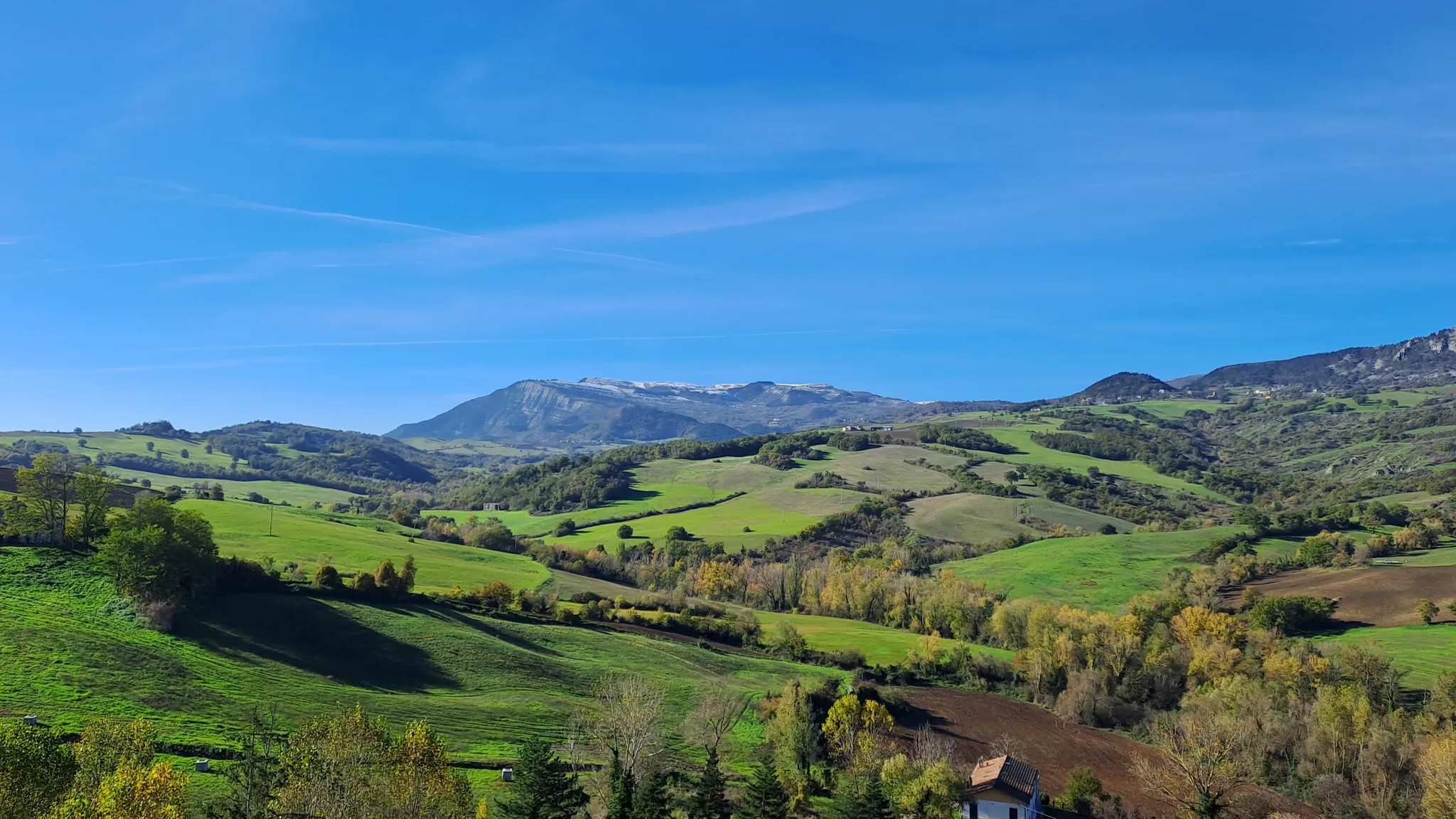
Cycling the Marche – sea to the mountains, among villages and hills
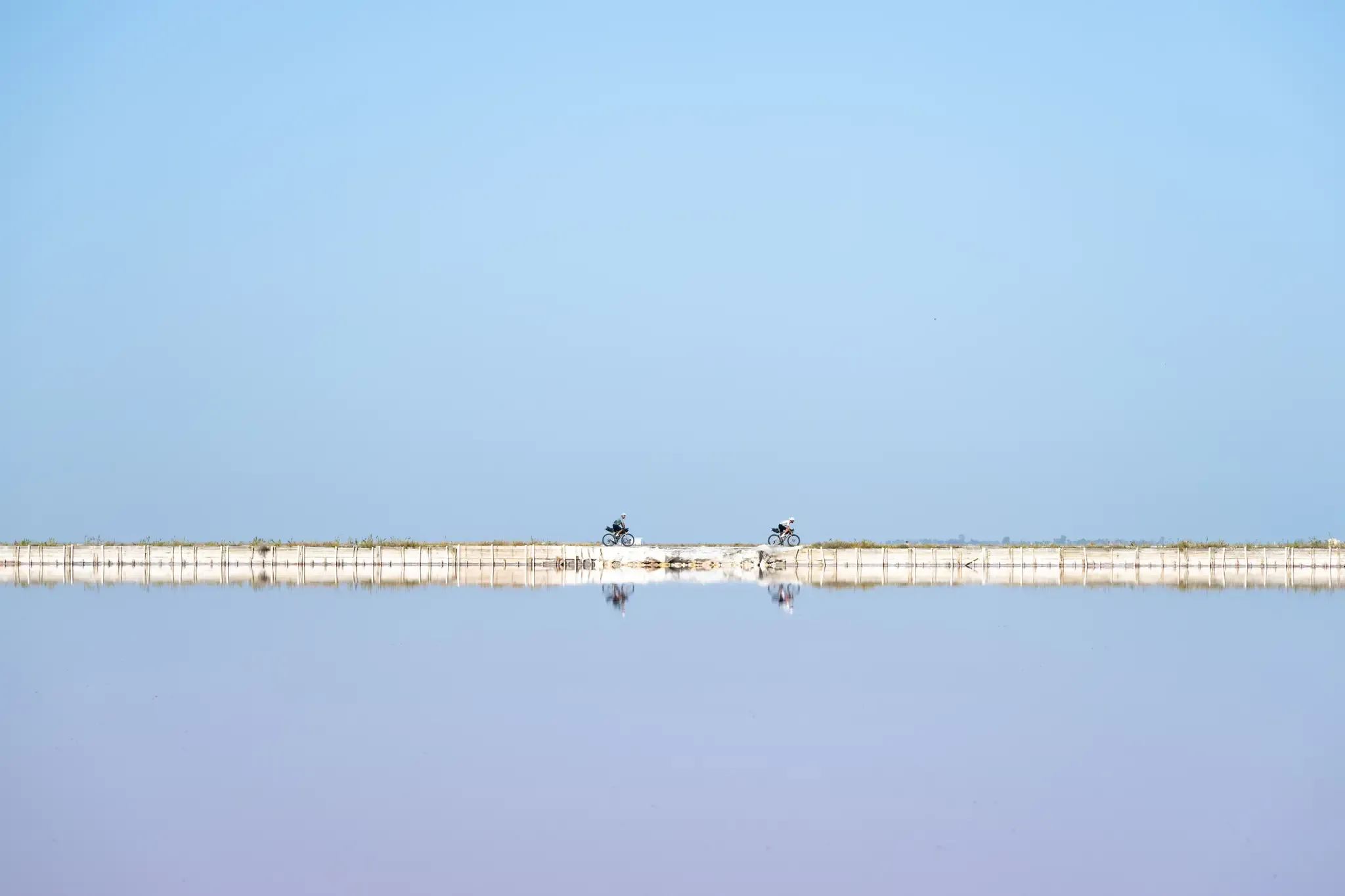
Trieste to Santa Maria di Leuca – the Adriatic Cycle Route
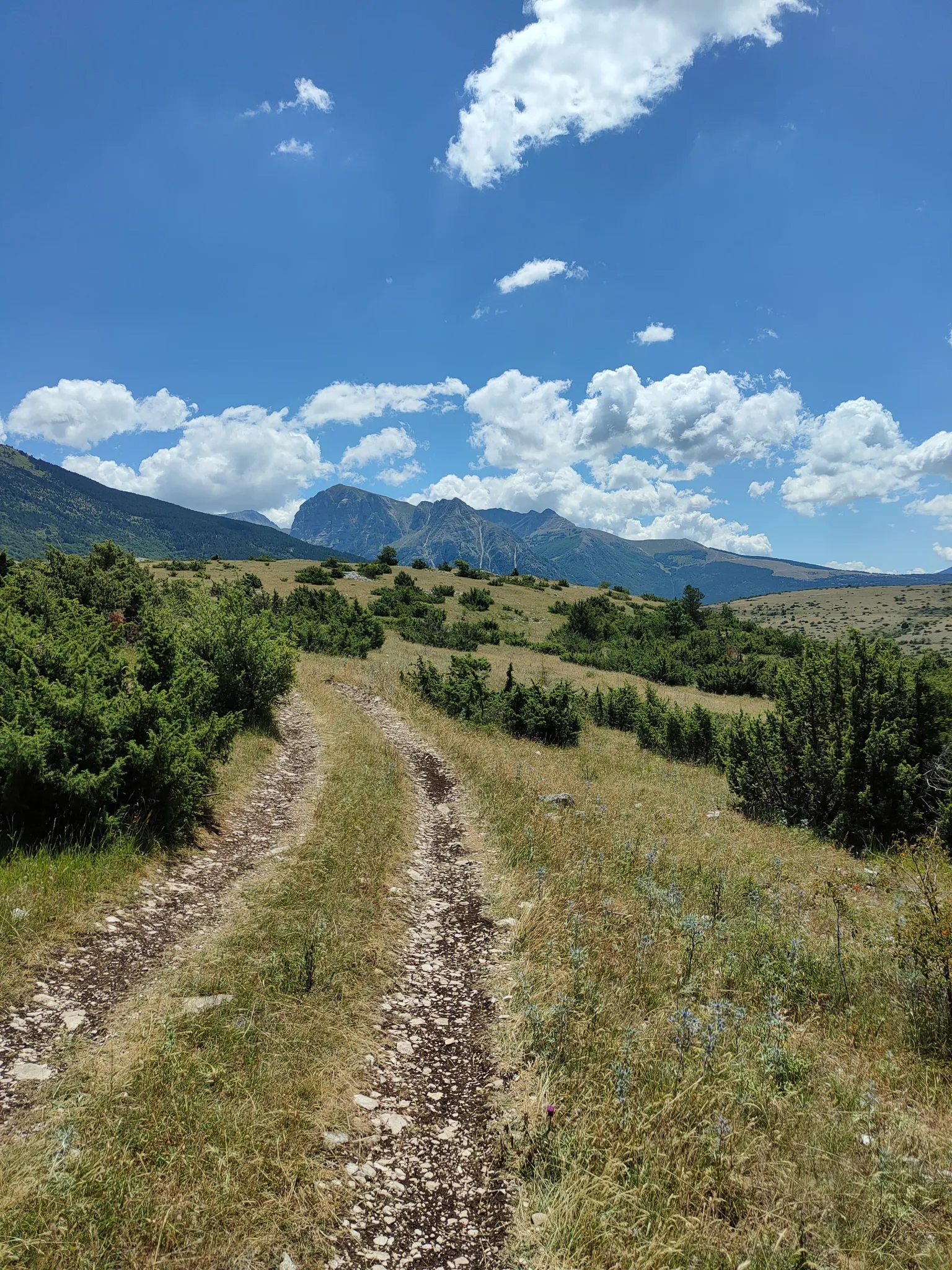
On the trail of the Queen of the Fairies – Grande Anello dei Sibillini
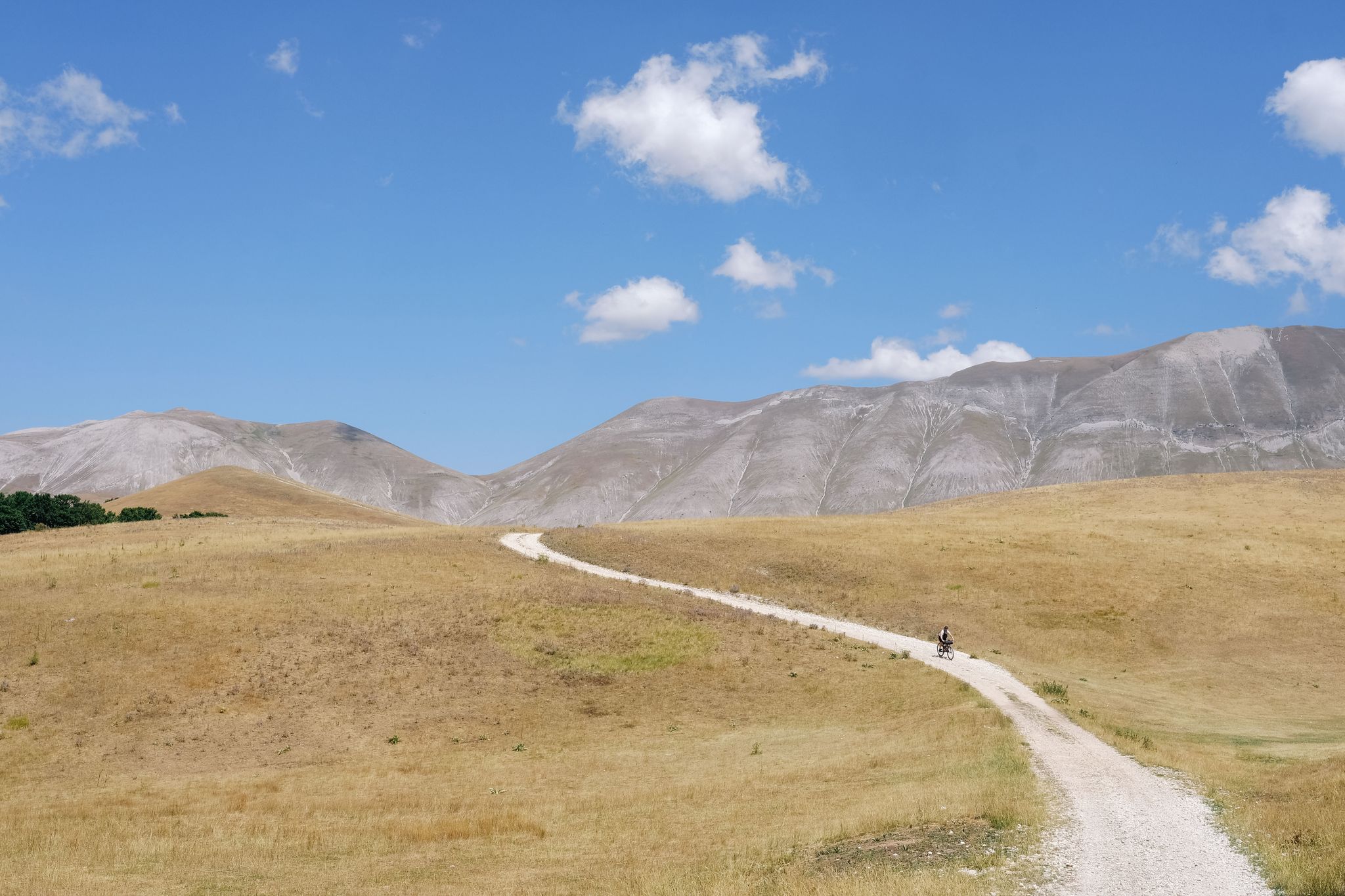
A journey through nature and legend – Great Sibillini Mountain Ring
Between mountains and sea — road cycling in Italy’s Marche
Hiking in Fermo
Cycling in Fermo
Road Cycling Routes in Fermo
Running Trails in Fermo
MTB Trails in Fermo
Other adventures in Fermo


Tips from the Community

La Fessa is a canyon of landslide origin that opened up on the western flank of Monte Falcone. The local rock is sandstone and it is located near the village of Smerillo. The "fissure" can be traversed on foot by crossing it in the narrow passage where only one person can pass at a time, and it is reached by a path that starts from the Belvedere of the village.
2
0


Located in the heart of the Alta Valle dell'Ambro, it can be reached either starting from the Santuario dell'Ambro or starting from the Rifugio Città di Amandola. Once you arrive, the source is easily accessible via a path that leads directly to the source
0
0

The Bosco di Cugnolo is a strip of Mediterranean scrub that has remained intact: it is located on the Marche coast, near Torre di Palme.
0
0
Attractive and touristic point located in Torre di Palme with a romantic love story
1
0

Beautiful hike and final piece to the really interesting hidden waterfall
0
0

The Cugnolo forest is located immediately above the village of Torre di Palme
0
0

The Ambro Source is one of the naturalistic attractions of the Sibillini Mountains. It is a cave from which a stream flows and forms a waterfall. Here the Ambro river comes to life, which will then flow into the Tenna to flow into the Adriatic Sea at Porto Sant'Elpidio.
0
0
Frequently Asked Questions
What are the most notable caves and underground sites in the Fermo area?
The Fermo region offers a mix of natural caves and historical underground structures. Key natural sites include the romantic Lovers' Cave (Grotta degli Amanti) in Ponzano di Fermo and the Ambro Spring, a cave from which a stream flows in the Sibillini Mountains. For a historical experience, the Roman Cisterns in Fermo are an impressive ancient hydraulic engineering marvel. While not directly in Fermo, the world-renowned Grotte di Frasassi are also a significant attraction in the wider Marche region.
Are there any natural caves directly within Fermo or its immediate surroundings?
Yes, the most prominent natural cave in the immediate vicinity is the Lovers' Cave (Grotta degli Amanti) in Ponzano di Fermo. This natural cavity is known for its unique formation and a local legend of two lovers. It's often accessed via the Bosco del Cugnolo, a protected area with a circular path offering sea views.
What is the significance of the Roman Cisterns in Fermo?
The Roman Cisterns in Fermo are a major historical attraction, built between the 1st century BC and 1st century AD. This complex consists of over 30 interconnected rooms, showcasing advanced Augustan-era hydraulic engineering used for collecting and distributing water. They are considered one of the oldest and best-preserved complexes of cisterns in the world, offering a fascinating glimpse into Fermo's rich Roman past.
Can I visit the famous Grotte di Frasassi from Fermo?
Yes, while not in Fermo itself, the Grotte di Frasassi are Italy's most famous cave network and are accessible from the Fermo area, located approximately 100-122 km away in Genga. These immense karst caves offer an otherworldly experience with stunning stalactites and stalagmites, vast chambers, and guided tours. They are considered a must-see in the Marche region.
Are there family-friendly options for exploring caves in the Fermo region?
Yes, the Bosco del Cugnolo, which provides access to the Lovers' Cave, is listed as family-friendly. The circular path through the Mediterranean scrub is suitable for families. The Roman Cisterns are also generally accessible and engaging for all ages interested in history. For the Grotte di Frasassi, guided tours are available on well-lit and accessible pathways, making them suitable for families.
What kind of geological formations can I expect to see in the caves near Fermo?
In natural caves like the Lovers' Cave, you'll find formations shaped by water erosion. The Grotte di Frasassi, a major regional highlight, boast an impressive array of stalactites and stalagmites, along with large chambers and water pools, all formed over millions of years from limestone. The Fessa di Smerillo is a unique canyon of landslide origin in sandstone rock.
Are there hiking trails that lead to or pass by caves in Fermo?
Absolutely. The Lovers' Cave is often reached via a circular path through the Bosco del Cugnolo. You can find easy hikes in the area, such as the "Bosco del Cugnolo Loop" or the "Bosco del Cugnolo – Lovers' Cave loop from Marina Palmense." For more options, explore easy hikes in Fermo. The Ambro Spring is also accessible via paths from the Santuario dell'Ambro or Rifugio Città di Amandola.
What is the difficulty level of exploring caves and their surrounding trails in Fermo?
Most trails leading to natural caves like the Lovers' Cave and through the Bosco del Cugnolo are considered easy to intermediate. The Fessa di Smerillo involves traversing a narrow passage where only one person can pass at a time. For the Grotte di Frasassi, standard guided tours are on accessible, well-lit paths, while speleo-adventure trails offer more challenging options for the adventurous.
Is it possible to visit caves with dogs in the Fermo area?
While specific regulations for each cave may vary, generally, natural outdoor trails like those around the Lovers' Cave and in the Bosco del Cugnolo might be dog-friendly, especially if dogs are kept on a leash. However, indoor attractions like the Roman Cisterns or the Grotte di Frasassi typically do not permit dogs, with the exception of service animals. Always check specific site rules before visiting with your pet.
What is the best time of year to visit caves in the Fermo region?
The best time to visit natural caves and their surrounding trails in the Fermo region is typically during spring (April-June) and autumn (September-October) when the weather is mild and pleasant for outdoor activities. Summer months can also be suitable, especially for the cooler temperatures inside caves. For the Roman Cisterns, as an indoor attraction, they can be visited year-round. The Grotte di Frasassi are also open year-round, but booking in advance is recommended during peak seasons.
How can I access the Grotta degli Amanti and what facilities are nearby?
The Grotta degli Amanti is located in Ponzano di Fermo, near the village of Torre di Palme. It can be accessed via a path from the Bosco del Cugnolo. Torre di Palme is a picturesque village that offers parking, and you can find cafes and restaurants there. Public transport options to Torre di Palme may be limited, so driving is often the most convenient way to reach the area.
Are there other natural cave-like features or gorges worth exploring near Fermo?
Beyond the main caves, the Fermo region also features interesting gorges and natural monuments. The Fessa di Smerillo is a unique canyon of landslide origin near the village of Smerillo, traversable on foot. Additionally, the View of the Tenna River Valley and Buco del Frassino offers a glimpse of a cave entrance across the river, and the Ambro Spring is a cave from which a stream flows, forming a waterfall in the Sibillini Mountains.
Most popular routes in Fermo
Most popular attractions in Fermo

Get inspired with the komoot mobile app


Explore more
Extend your search for the best caves by checking out these guides of the top ones in Fermo:
