Top 4 Gorges in Donegal
Best canyons in Donegal are characterized by a rugged coastline featuring sea caves, arches, and dramatic geological formations. The region's landscape is shaped by the Atlantic Ocean, creating unique natural wonders. These features provide diverse exploration opportunities for visitors. Donegal's terrain includes significant cliffs, deep caverns, and scenic mountain passes.
Best canyons in Donegal
- The most popular canyons is Horn Head Cliffs, a gorge that rises to a height of about 180 m on the ocean side of the peninsula. They are an internationally important colony for breeding seabirds.
- Another must-see spot is Hell's Hole, a cave. This huge cavern thunders with noise as waves crash into it. Visitors can follow a path to a ledge for viewing the spectacle and spotting seals.
- Visitors also love Glengesh Valley, a high mountain pass that links Ardara and Glencolumbkille. It offers views of the valley and is known for its winding road.
- Donegal is known for its sea caves, dramatic cliffs, and mountain passes. These geological formations offer varied exploration opportunities along the coastline and inland.
- The canyons in Donegal are appreciated by the komoot community. The guide features 4 highlights, with 46 upvotes and 39 photos contributed by users.
Last updated: October 1, 2026
Horn Head Cliffs
Highlight • Gorge
(en.wikipedia.org/wiki/Horn_Head)
Tip by

Hell's Hole
Highlight • Cave
Hell's Hole is a huge cavern which thunders with noise as the waves crash into it. You can follow a path to a ledge which is a great place for both seeing the spectacle as well as spotting seals.
Tip by

Sign up now to discover places like this
Get recommendations on the best single tracks, peaks, & plenty of other exciting outdoor places.
Glengesh Valley
Highlight • Mountain Pass
Showing Translation
Tip by

Glenveagh Valley
Highlight • Gorge
Tip by

Views of Errigal and the Poisoned Glen
Highlight • Viewpoint
Showing Translation
Tip by
Fort Dunree Viewpoint
Highlight • Viewpoint
Showing Translation
Tip by
Start today with a free account
Your next adventure awaits.
Popular around Donegal
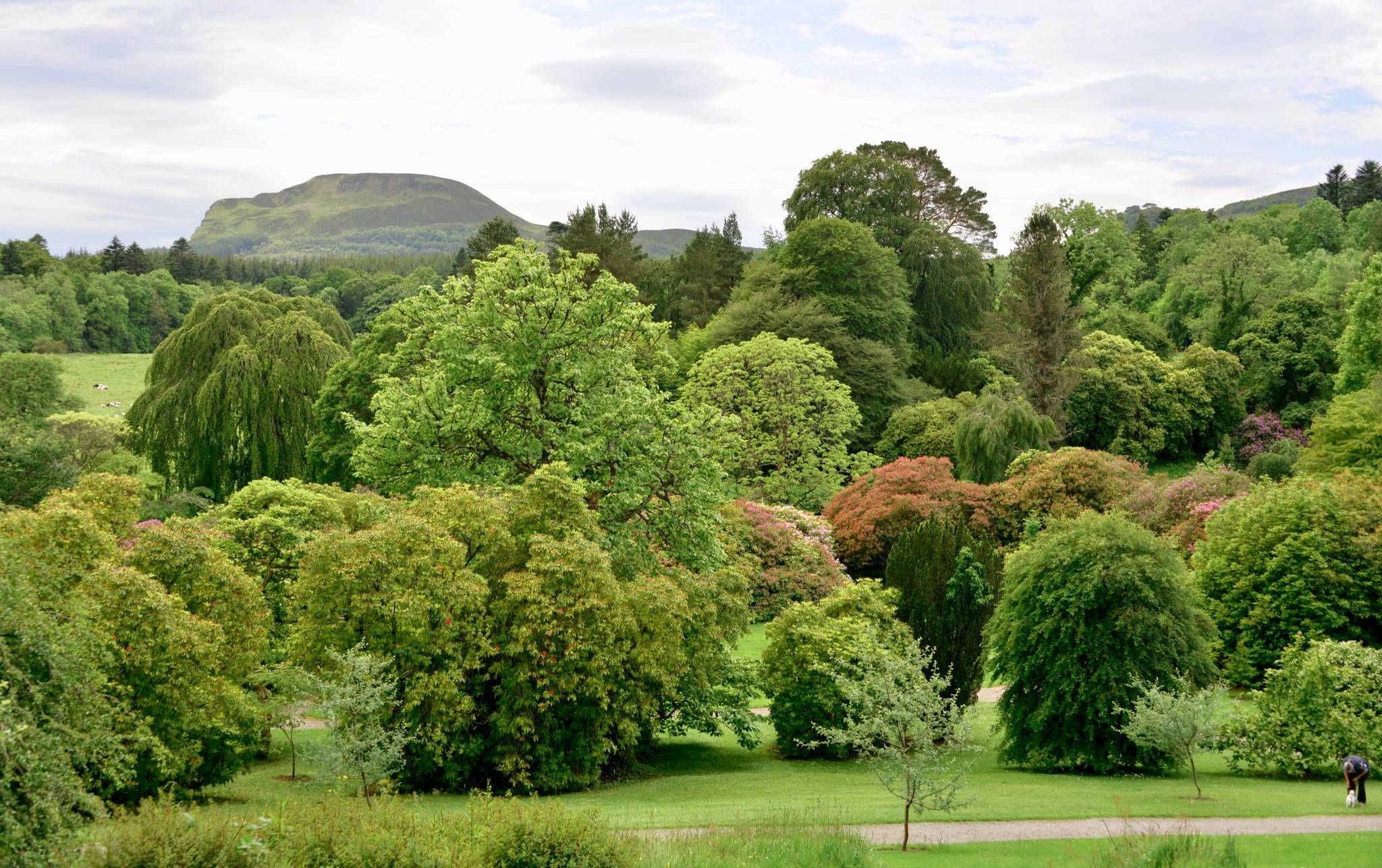
Slí An Earagail – An adventure between the Atlantic and Errigal
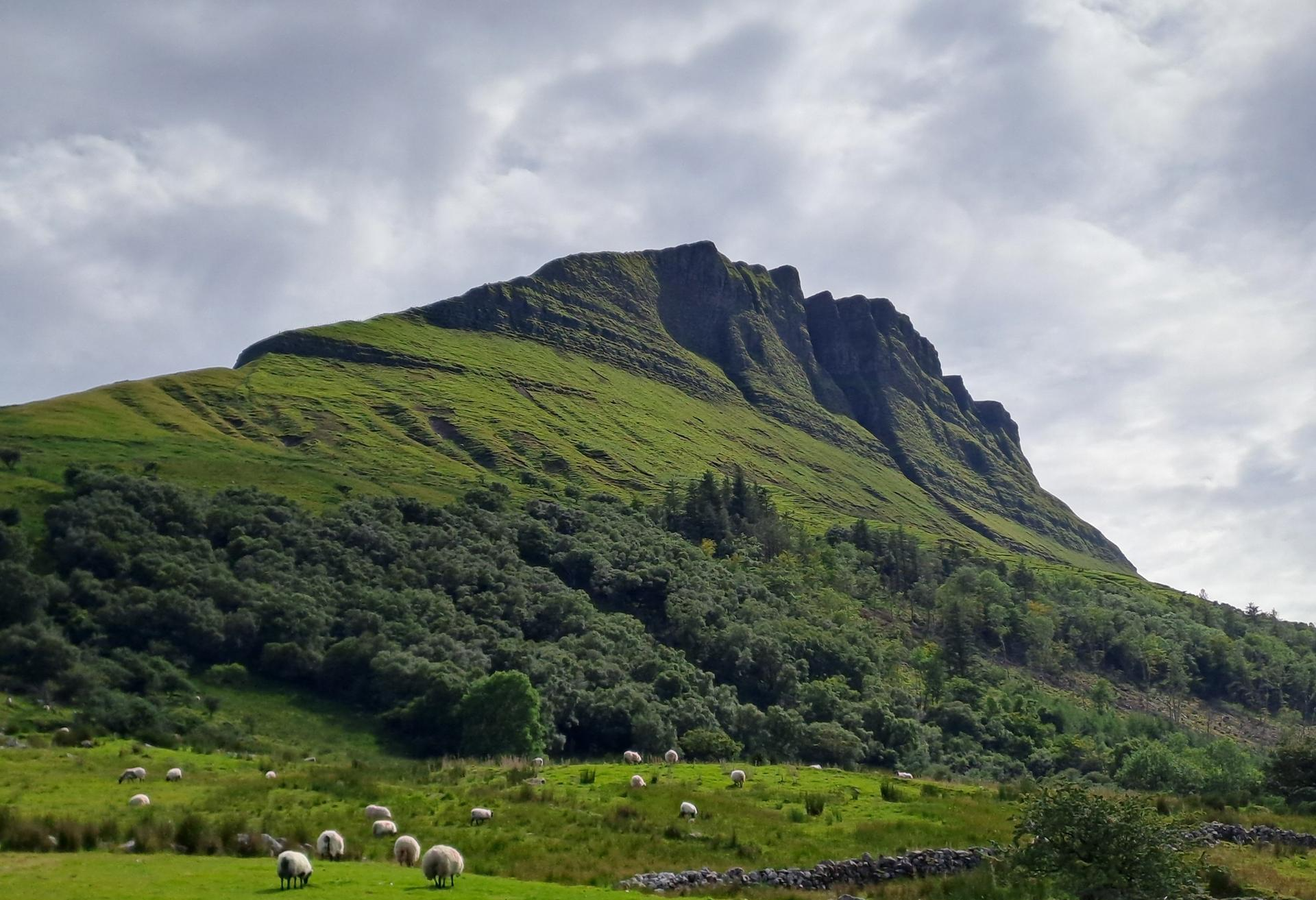
Kingfisher Trail – Explore Ireland's diverse history and nature by bike
Cycling across the border on the North West Trail
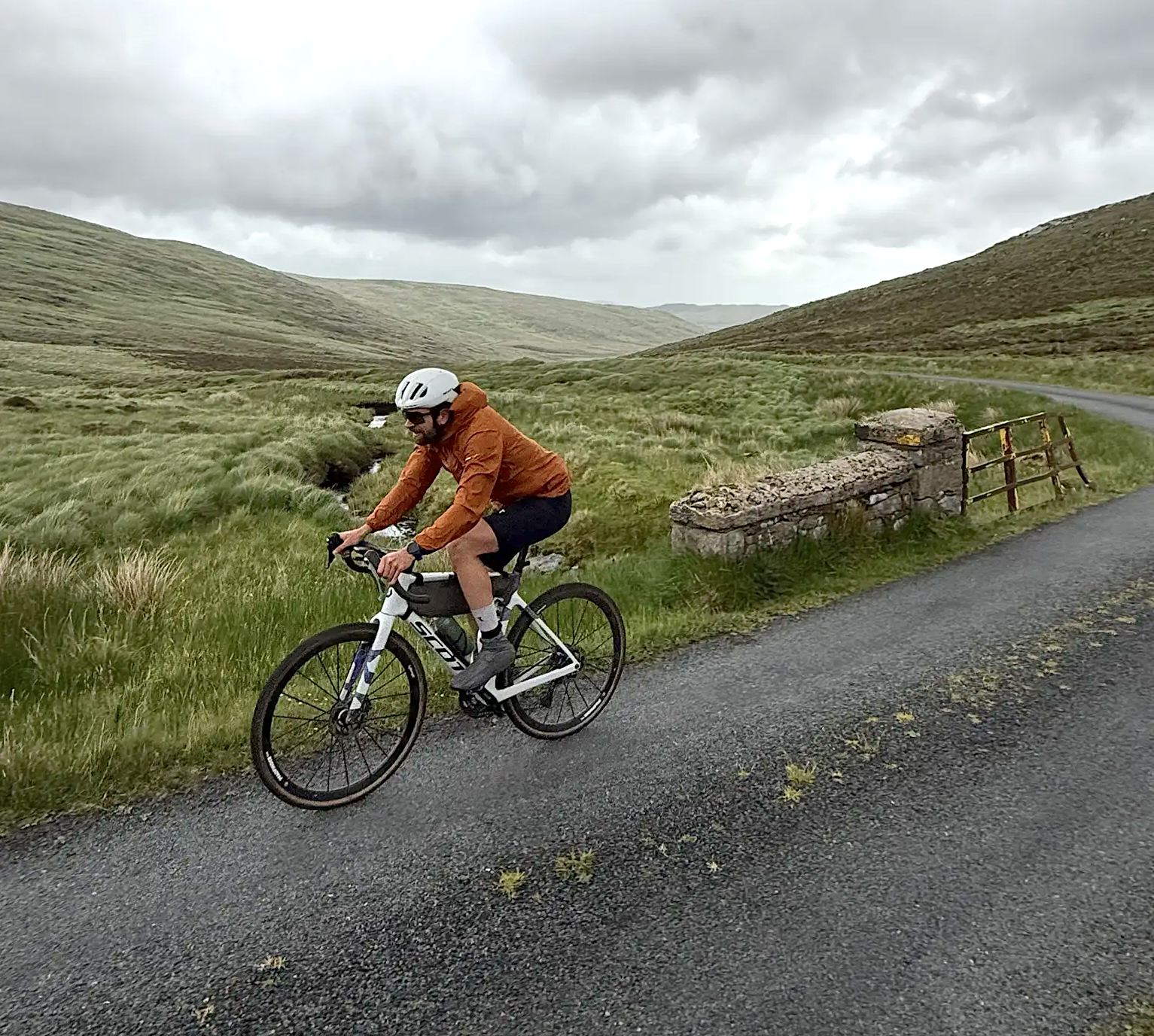
Cycling in County Donegal with Jonas Deichmann
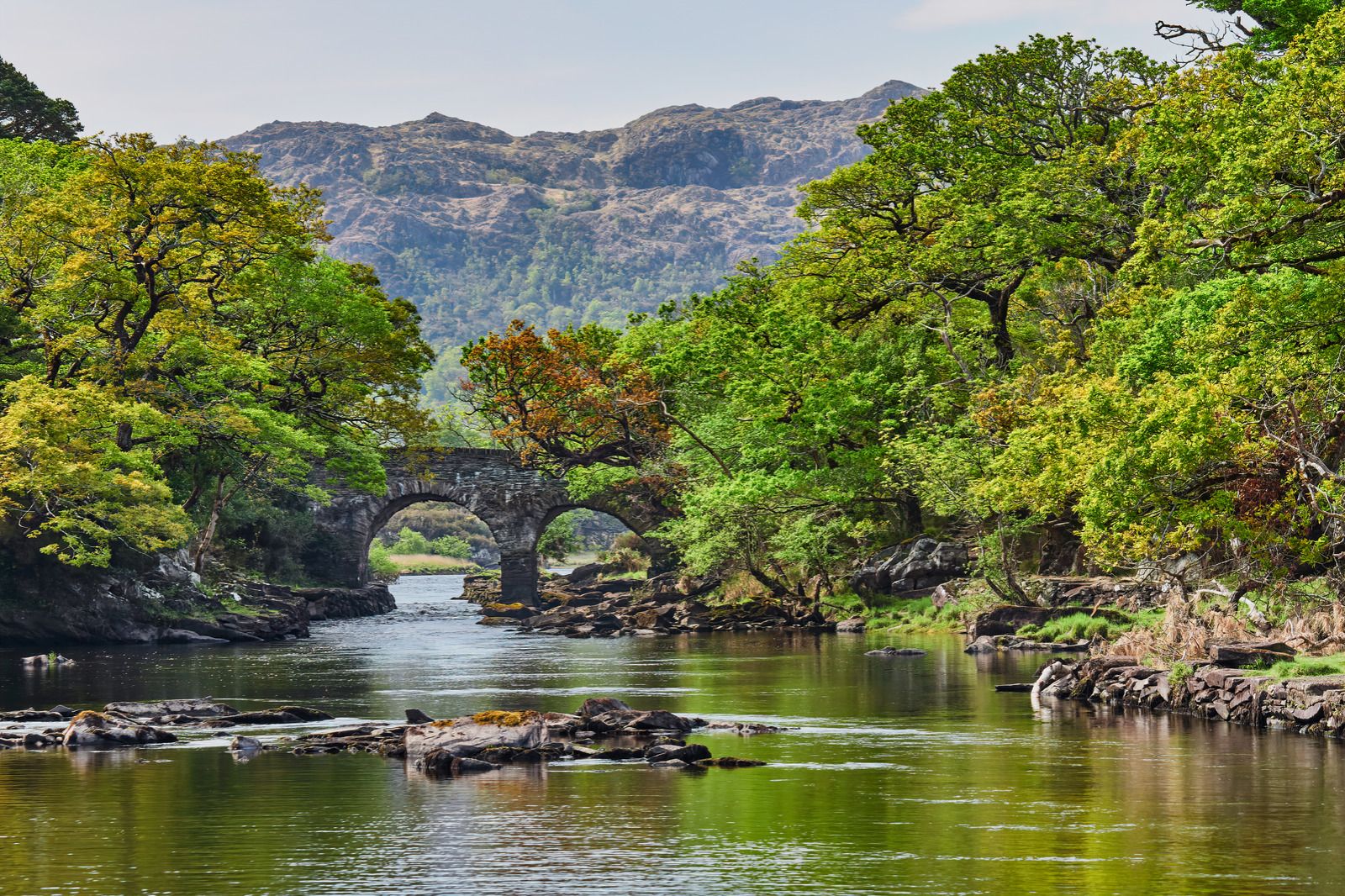
Follow the water - Along Ireland's rivers and lakes
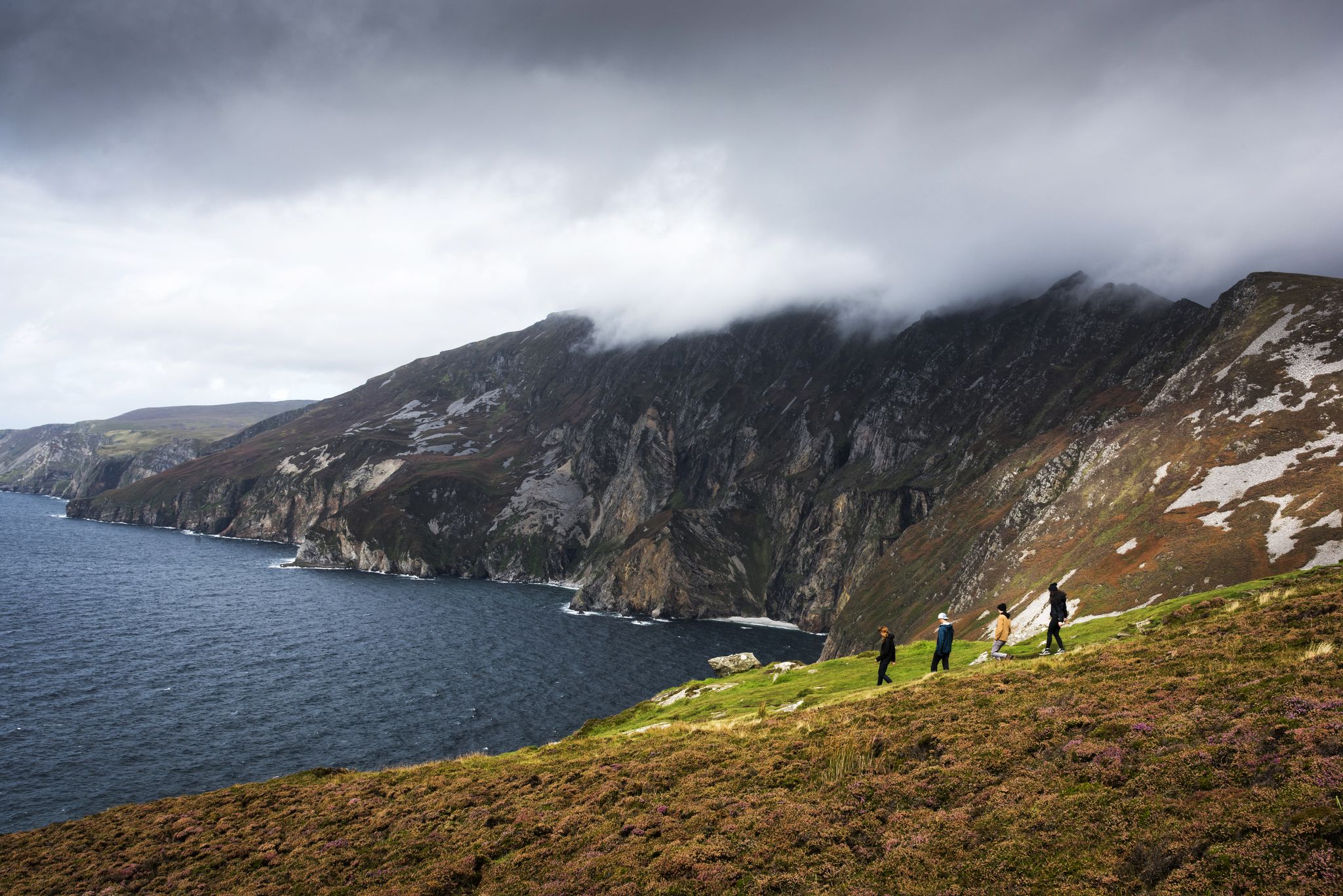
Hike Ireland's coast: cliffs, waves and wonderful wide beaches
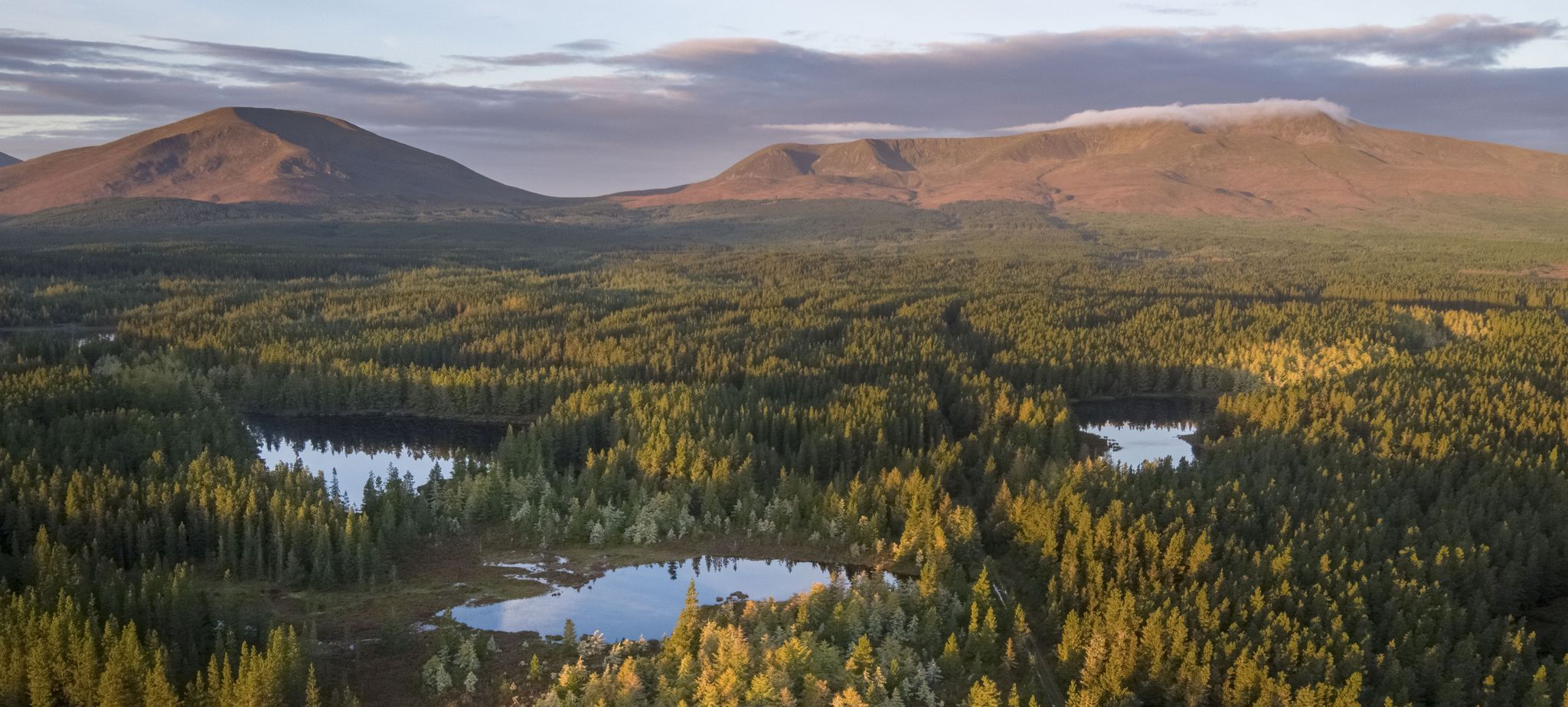
Discover Ireland's unspoilt nature in its national parks
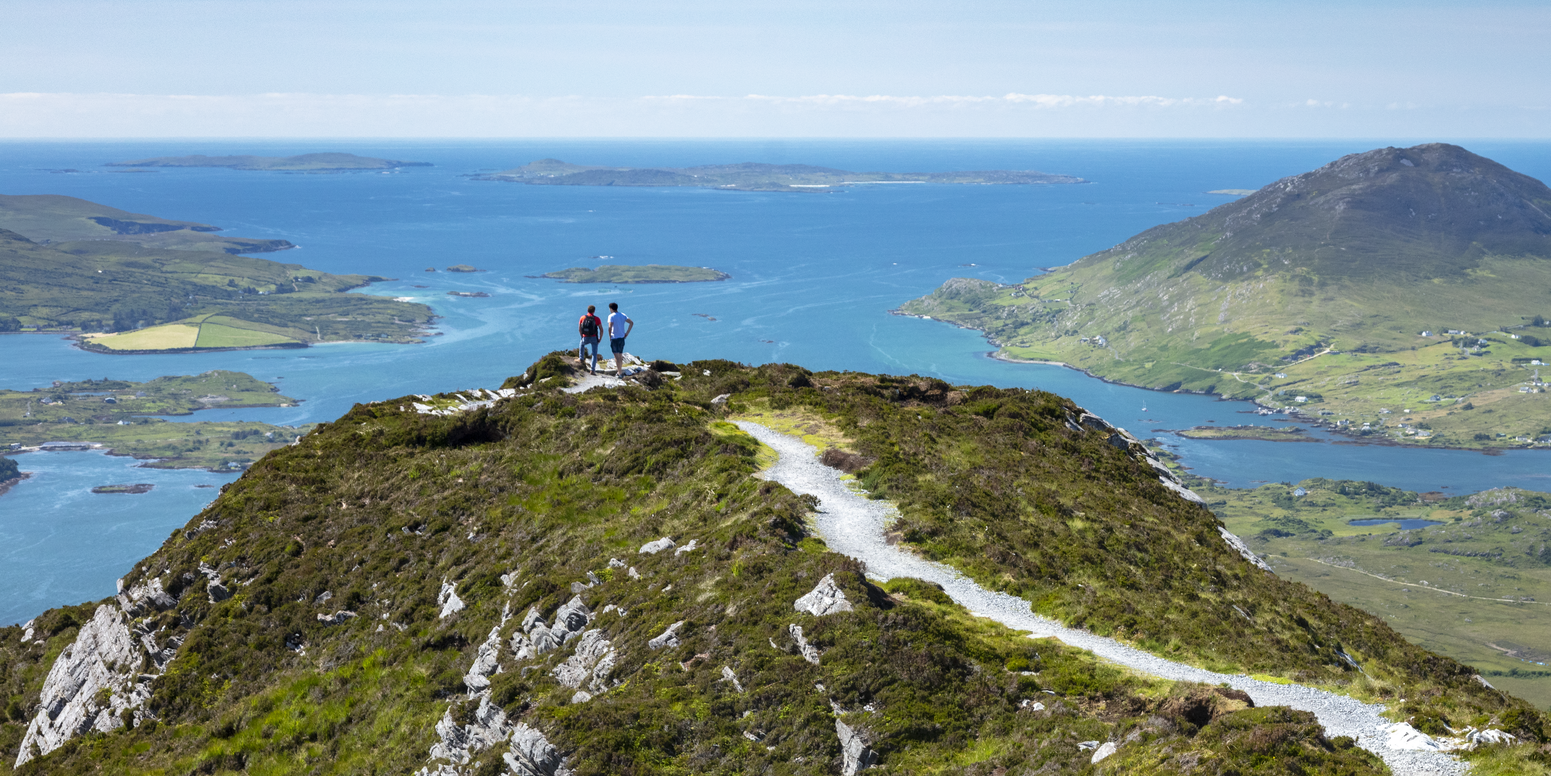
Between waves and peaks — to the best views in Ireland
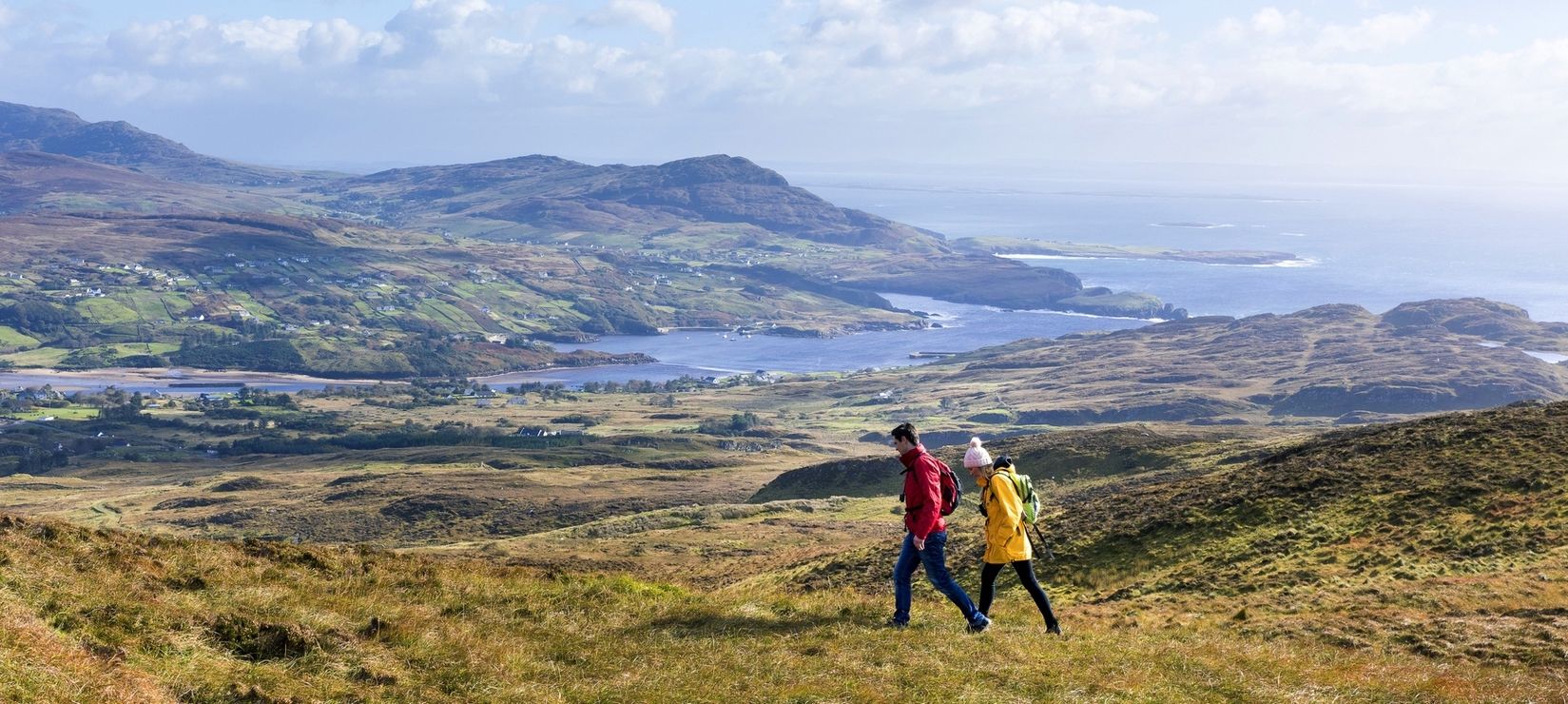
Wild Atlantic Way — day hikes for your road trip along Ireland's coastline
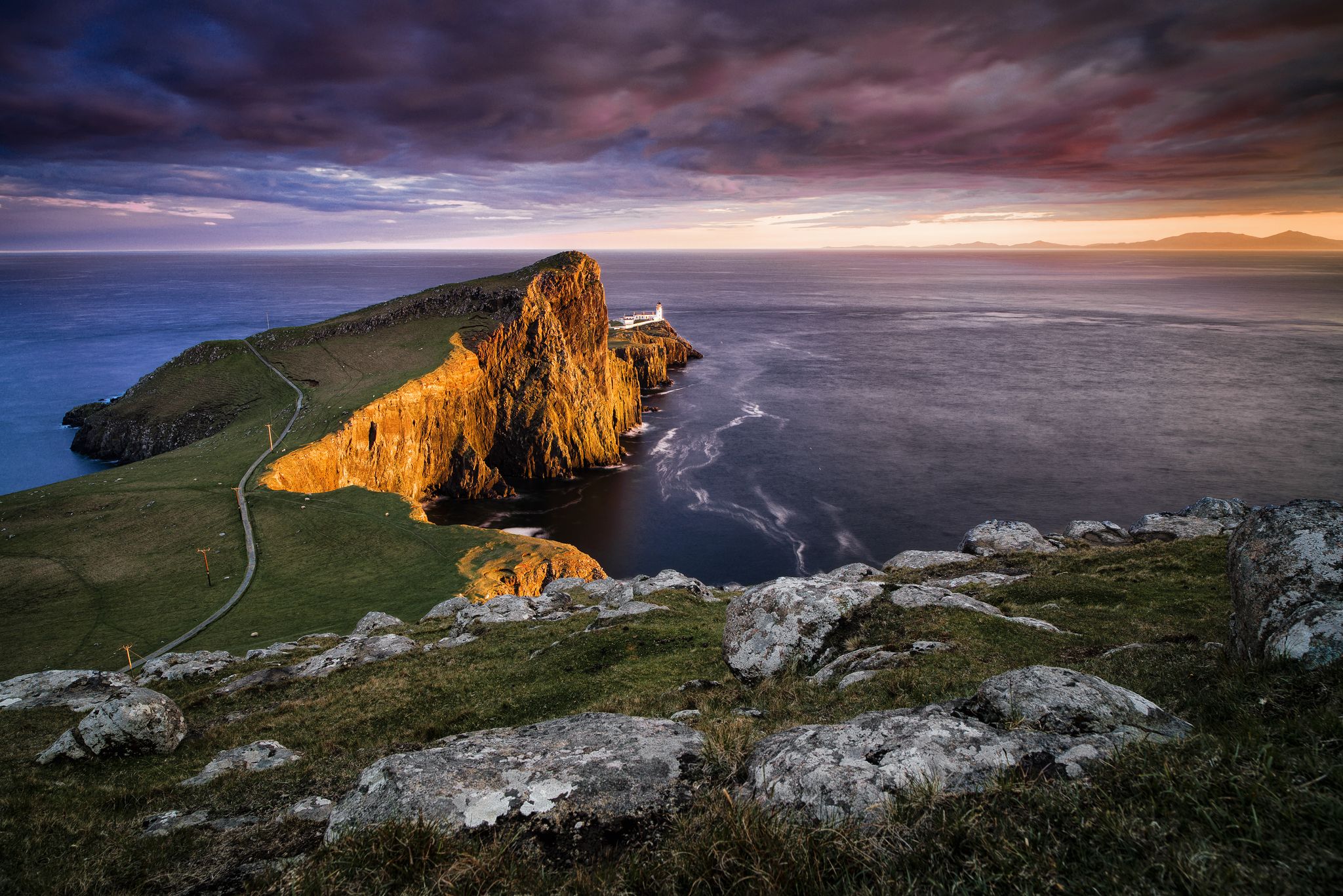
Epic sunset spots in Western Europe
Other adventures in Donegal


Tips from the Community

You also have an interesting gorge here in the landscape.
3
0
Above the western shore of Lough Swilly lies this high viewpoint with an open panorama over the fjord bay. Directly opposite, you can see Fort Dunree, built on a rocky cape that guarded the entrance to the bay. Below you lies the coastline of Knockalla, with steep slopes descending into the water. The combination of height, water, and military history makes this a striking point along the route between Rathmullan and Portsalon.
3
0
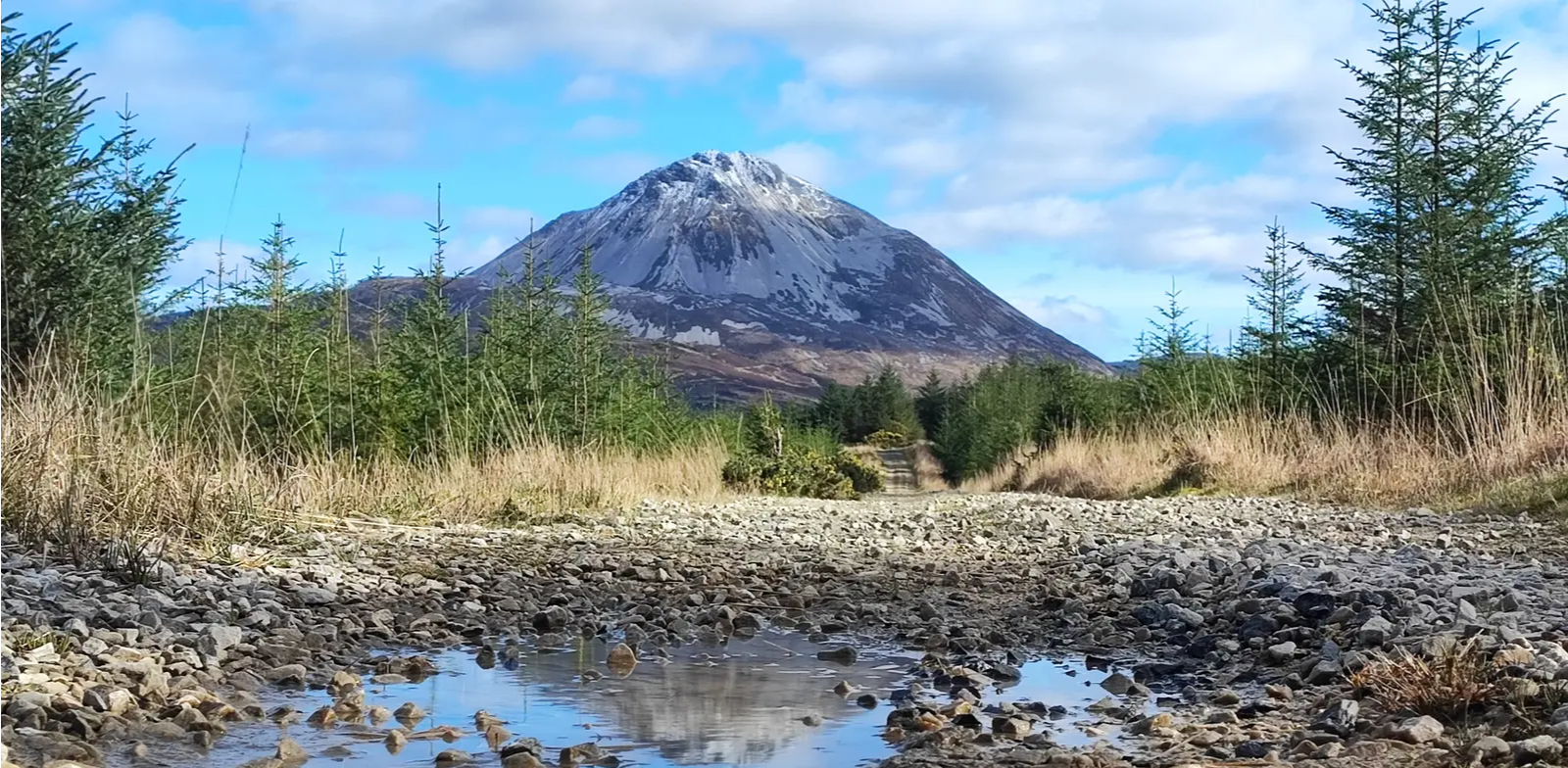
From this point on the R251 you have the most impressive and unobstructed view of the southwestern flank of Mount Errigal. The mountain rises here almost vertically from the peatland landscape, with the glittering white quartzite scree slopes often mistaken for snow. It is at this moment that you truly realise the immense scale of the mountain; the conical shape dominates the entire horizon here, forming a sharp contrast with the dark, surrounding "boglands".
8
0
A deep, V-shaped valley stretching between Ardara and Glencolumbkille, carved by ancient glaciers and surrounded by steep, green-grass slopes. The road winds down in wide hairpin bends, offering ever-new views of the quiet, remote landscape along the way. The valley is one of Donegal's most recognizable mountain passes, forming an impressive transition between coast and inland.
5
0

If starting from Dunlewy and heading clockwise, this represents the very last section of the Slí An Earagail long-distance trail. Fittingly, it ends beneath the hulking presence of Errigal, the trail's namesake peak and highest mountain in the county. On this stretch, you're also rewarded with great views of the Poisoned Glen, a spectacular valley associated with legends.
1
0

The highlights of the walking route are very beautiful, but the smallest part of the walking route is actually a coastal walking route, with views of the coast. The main path is on small country roads within Malin Head, which is relatively uninteresting and unspectacular. In addition, most of the coastal sections a long way from the coast are fenced off and marked as private property.
0
0

Amazing views all around Malin head best seen when there is a bit of sunshine and a good breeze coming off the sea
0
0

Frequently Asked Questions
What kind of 'canyons' can I expect to find in Donegal?
Donegal is renowned for its rugged coastline, which features spectacular sea caves, arches, and dramatic geological formations rather than traditional inland canyons. These coastal wonders, carved by the Atlantic Ocean, offer a similar sense of awe and natural beauty. You'll find immense sea caves, collapsed caverns, and natural arches that provide breathtaking experiences.
What are some of the most notable sea caves and arches to explore in Donegal?
Among the most impressive are the numerous sea caves at Maghera Beach, which are accessible at low tide. The islands off the coast, such as Owey and Arranmore, also boast significant formations. Owey Island is known for its 'Blue Lagoon effect' in some caves, while Arranmore Island features the remarkable Poll an Reithe, a massive collapsed sea cave. You can also find dramatic arches at Crohy Head and near Loughros Point.
Are there any specific viewpoints or natural landmarks related to these formations?
Absolutely. The Horn Head Cliffs rise dramatically to about 180 meters on the ocean side, offering stunning views and serving as an important colony for seabirds. Another must-see is Hell's Hole, a huge cavern where waves crash in, and you can often spot seals. For inland views, the Glengesh Valley offers panoramic vistas from its winding mountain pass.
What outdoor activities can I do near Donegal's coastal formations and valleys?
Donegal offers a wide range of outdoor activities. You can explore many sea caves and arches by kayak, with guided tours available, for example, at Portsalon Caves. For land-based adventures, there are numerous hiking opportunities, including trails around the Horn Head Cliffs. You can find more detailed information on various routes in the Hiking in Donegal guide, the MTB Trails in Donegal guide, and the Cycling in Donegal guide.
Are there family-friendly options for exploring Donegal's geological features?
Many of Donegal's coastal areas and viewpoints are suitable for families. Exploring Maghera Beach and its accessible sea caves at low tide can be a fun adventure for all ages. Gentle walks around areas like Horn Head Cliffs offer stunning views without extreme difficulty. Always check local conditions, especially tide times for beach caves, and ensure children are supervised near cliffs and water.
What is the best time to visit Donegal to experience its coastal features?
The best time to visit is generally during the warmer, drier months from late spring to early autumn (May to September). This period offers more stable weather conditions, which are ideal for exploring coastal paths, sea caves, and enjoying outdoor activities like kayaking. However, the dramatic scenery is impressive year-round, with winter storms offering a powerful display of nature's force.
Can I go wild swimming near these geological formations?
While specific wild swimming spots near the most dramatic 'canyon-like' features are not explicitly detailed, Donegal's coastline offers many opportunities for swimming. Always exercise caution, be aware of strong currents, tides, and water temperatures, and only swim in designated or safe areas. Local advice should always be sought before entering the water.
What makes Donegal's coastal formations unique for photography?
Donegal's coastal features provide exceptional photographic opportunities due to their dramatic scenery, vibrant water colors, and the interplay of light. The 'Blue Lagoon effect' in Owey Island's caves, the powerful waves crashing into Hell's Hole, and the sweeping vistas from Horn Head Cliffs all offer unique and striking subjects. The rugged textures of the rock formations and the wild Atlantic backdrop create stunning compositions.
Are there any legends or historical facts associated with Donegal's valleys or geological sites?
Yes, the Poisoned Glen, visible from the Slí An Earagail trail, is a spectacular valley associated with local legends. While the name might sound ominous, it refers to a local tale rather than actual danger. The region's history is also deeply intertwined with its geology, with many formations having Gaelic names reflecting their characteristics or local folklore.
What kind of wildlife can be observed near Donegal's coastal cliffs and caves?
The Horn Head Cliffs are an internationally important colony for breeding seabirds, including species like the European shag and the razorbill. These cliffs are designated as a refuge for fauna, specifically seabirds. Seals are also frequently spotted near coastal features like Hell's Hole and in the sea caves.
Where can I find information about guided tours for exploring sea caves?
For guided coastal tours, particularly for exploring sea caves by kayak, you can find information through local adventure providers. For example, Eco Atlantic Adventures offers such experiences. You can check their offerings and book tours via their website: govisitdonegal.com.
Most popular routes in Donegal
Most popular attractions in Donegal

Get inspired with the komoot mobile app


Explore more
Already discovered everything in this region? See additional gorges in Donegal for your next adventure:
