Top 5 Castles in Győr-Moson-Sopron
Best castles in Győr-Moson-Sopron County offer a journey through Hungary's rich historical and architectural heritage. This region features impressive castles and palaces that showcase various architectural styles and significant historical events. Visitors can explore sites that played pivotal roles in Hungarian history and culture. The area provides insights into centuries of development, from medieval fortresses to opulent Baroque residences.
Best castles in Győr-Moson-Sopron
- The most popular castles is Esterházy Palace (Fertőd), a castle known as the "Hungarian Versailles." This 126-room palace features Baroque and Rococo architecture, extensive gardens, and was home to composer Joseph Haydn.
- Another must-see spot is Mosonmagyaróvár Castle, a historical site that dates back to the early 11th century. It served as a border defense and later became an educational institution, enduring numerous attacks and reconstructions.
- Visitors also love Hédervár Castle (Schloss Hédervár), a castle rebuilt in Renaissance and later Baroque styles. It is surrounded by an English park and represents the transformation of fortresses into castles.
- Győr-Moson-Sopron is known for its diverse range of castles, including Baroque palaces, medieval fortresses, and Renaissance-style structures. These sites offer a variety of architectural styles and historical narratives to explore.
- The castles in Győr-Moson-Sopron are appreciated by the komoot community, with more than 60 upvotes and over 50 photos shared by visitors.
Last updated: October 14, 2026
Mosonmagyaróvár Castle
Highlight • Castle
Béla IV, King of Hungary at the time, did not consider it worthwhile to try and rebuild the castle at Moson. After the fall of Győr to the Ottoman army in 1594, the castle was modernized to withstand a possible future attack by Italian engineers.
In 1683, the new castle was helpless against the retreating Turkish army, which had been repulsed again at Vienna. Both Moson and Magyaróvár were set ablaze. Though the town archives were now completely destroyed, the damage was repaired more quickly this time around, at least quickly enough to allow Rákóczi to use the castle as a base during his war for independence from the Habsburgs. In 1721, after the revolution was crushed, the castle at Magyaróvár lost its strategic importance, and all military materiel was transferred to Bratislava.
Tip by

Sopron-Várhely Hallstatt-Era Burial Mounds
Highlight • Historical Site
Translated by Google •
Tip by

Sign up now to discover places like this
Get recommendations on the best single tracks, peaks, & plenty of other exciting outdoor places.
Esterházy Palace (Fertőd)
Highlight • Castle
Translated by Google •
Tip by

Bishop's Palace, Káptalandomb (Chapter Hill)
Highlight • Historical Site
Showing Translation
Tip by

Hédervár Castle (Schloss Hédervár)
Highlight • Castle
The castle was renovated from 2002 to 2004. In the spring of 2004, the four-star Hédervár Castle Hotel opened, which has been closed since 2012. In 2025, the castle stands seemingly empty and unused.
Translated by Google •
Tip by

View of the Old City Wall and Church in Pápa
Highlight • Historical Site
Translated by Google •
Tip by
Start today with a free account
Your next adventure awaits.
Popular around Győr-Moson-Sopron
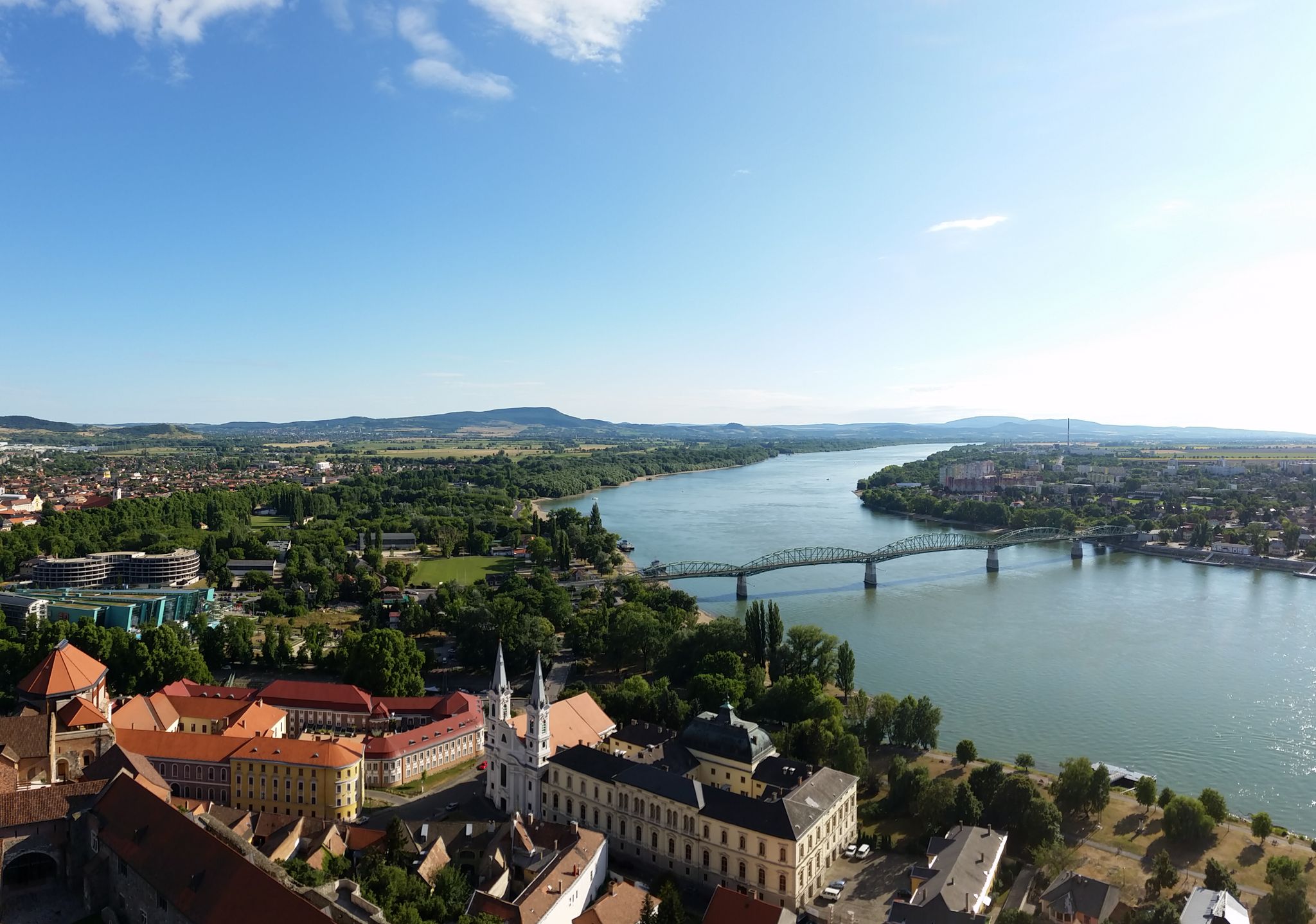
The Danube Cycle Path – From Donaueschingen to Budapest
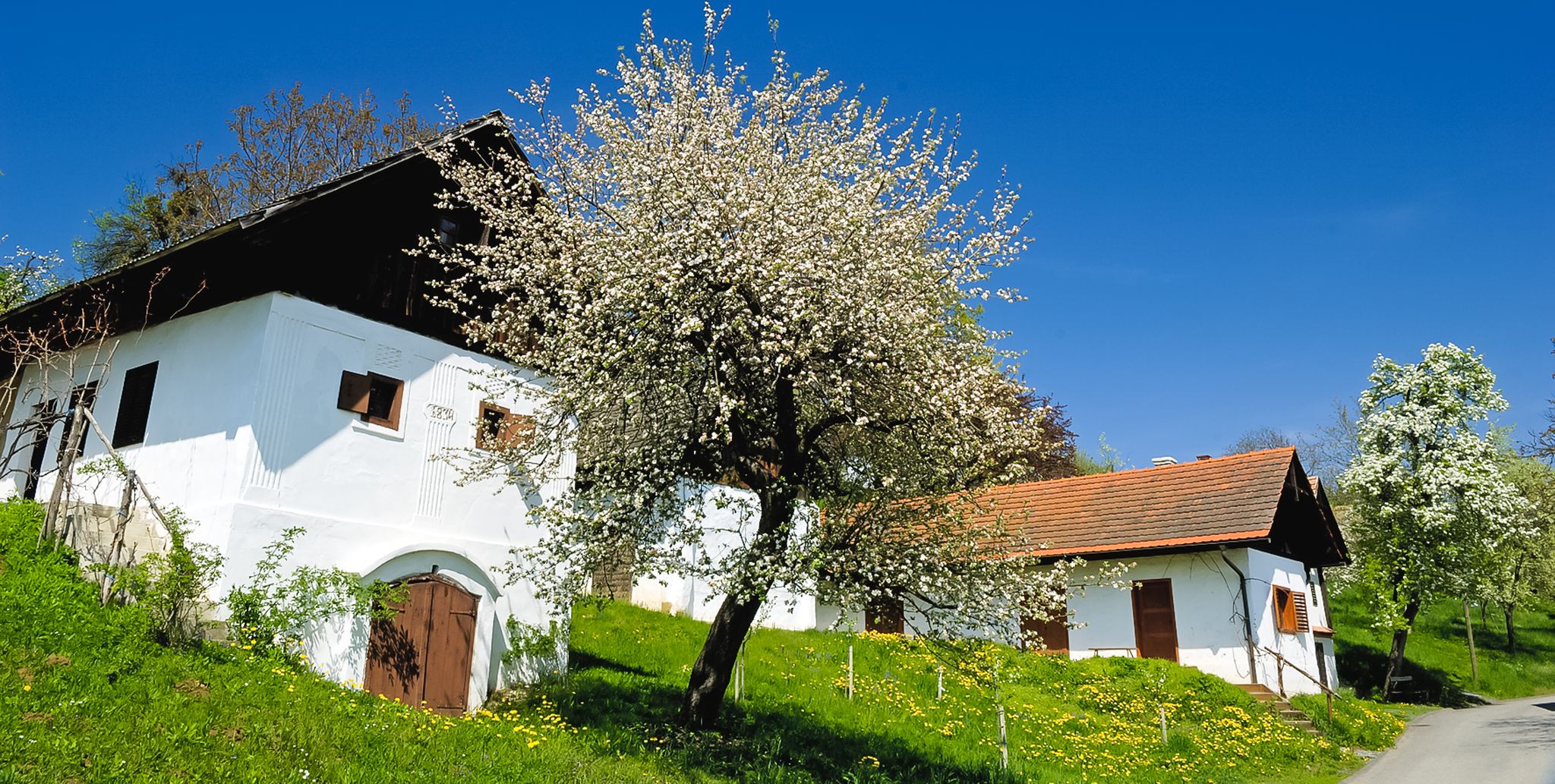
Roman paths in the Burgenland – Amber Trail East Route
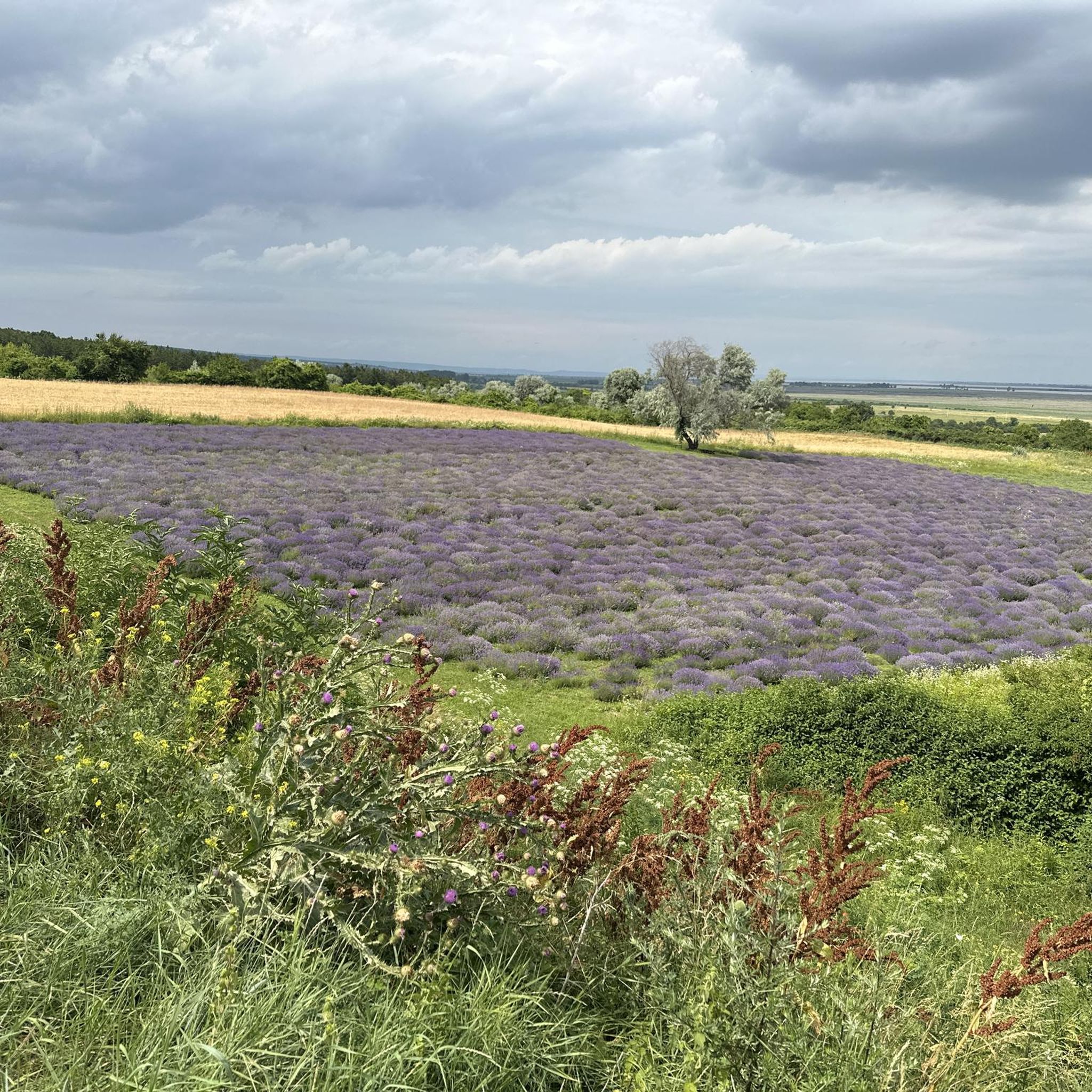
Cycling in Győr-Moson-Sopron
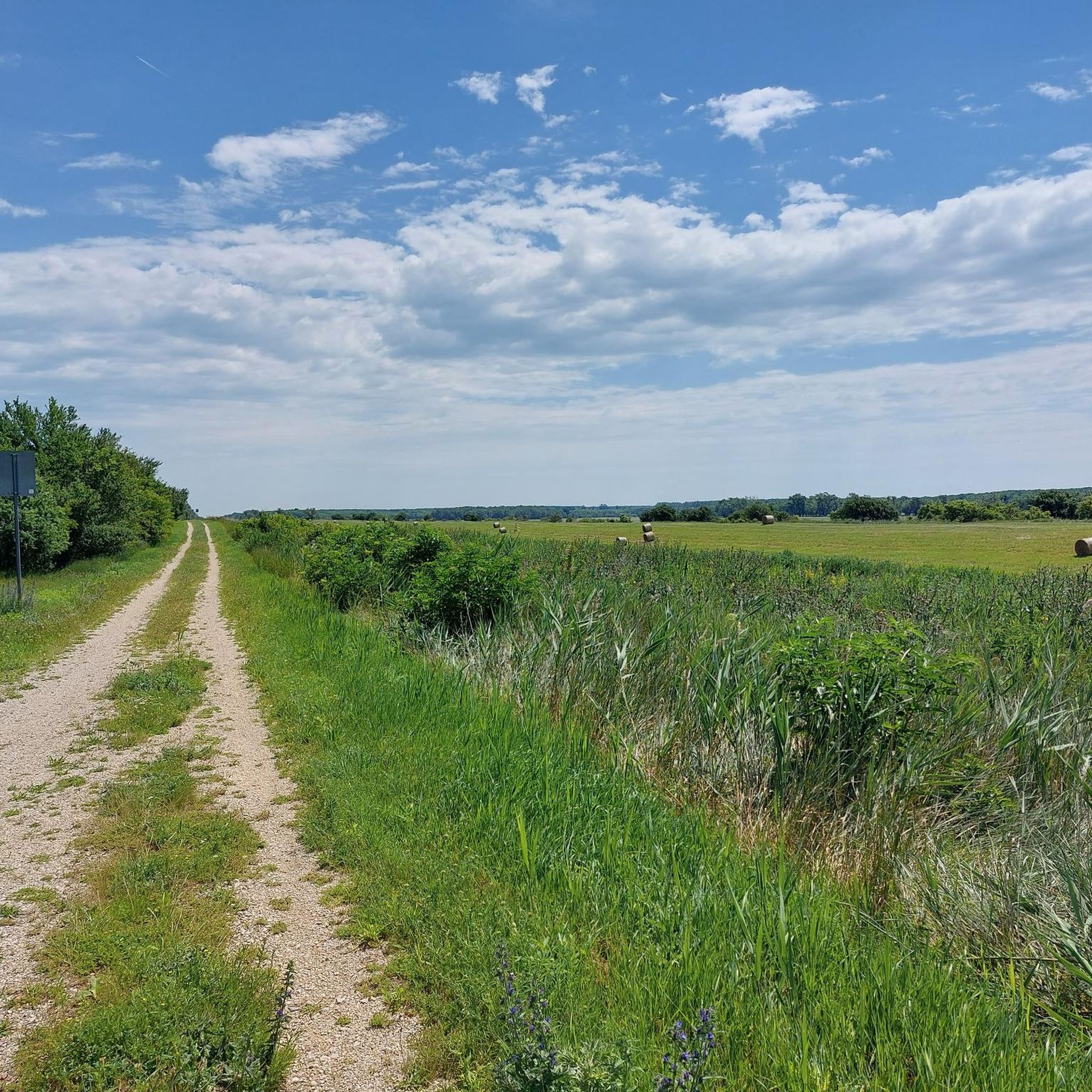
Road Cycling Routes in Győr-Moson-Sopron
Running Trails in Győr-Moson-Sopron
MTB Trails in Győr-Moson-Sopron
Hiking in Győr-Moson-Sopron

Gravel biking in Győr-Moson-Sopron


Tips from the Community


Already in the late 19th century, Lajos Bella researched all the hilltop settlements around Sopron. He discovered 136 large and 60 smaller burial mounds on Burgstallberg. Around 1970, Gyula Szádeczky-Kardos found only a total of 159 of them during renewed surveying and mapping work. Systematic excavations took place from 1971 to 1978 under the direction of Erzsébet Patek.
0
0
Here stands not only the significant basilica, but also the over 1000-year-old bishop's castle and the bishop's palace.
1
0
A beautifully designed urban oasis on the Rába River, perfect for quiet walks and picturesque views of Győr.
2
0

Fertőd Castle is the second largest and most magnificent castle in Hungary.
5
0

After the original wooden building was destroyed during the Tatar invasion, the castle was rebuilt in the Renaissance style by János Héderváry. The castle acquired its current Baroque form in the second half of the 18th century. Károly Khuen-Héderváry had the castle rebuilt between 1906 and 1907, based on the plans of architect István Möller. The gate opening on the Baroque facade is guarded by two sphinxes. The castle is surrounded by an English park. The castle was renovated from 2002 to 2004. In the spring of 2004, the four-star Hédervár Castle Hotel opened, which has been closed since 2012. In 2025, the castle stands seemingly empty and unused.
1
0

Discover Esterházy Palace and Enjoy Attractive Drink Offers Located in Eisenstadt, Austria, Esterházy Palace is a Baroque architectural gem, a testament to the glorious history of the Esterházy family. This iconic site attracts history and culture lovers, particularly due to its close connection with the famous composer Joseph Haydn, who served as Kapellmeister there for a long time. Beyond its cultural heritage, the surrounding region also offers a unique opportunity for visitors wishing to enjoy local drinks at attractive prices. Numerous bars and wine cellars offer Austrian specialties, including Burgenland wines and artisanal schnapps, often at more competitive prices than elsewhere. Whether you're a history buff or simply looking for an authentic experience combining culture and conviviality, a visit to Esterházy Palace combined with a local tasting is an excellent
0
0

A really nice place for a cyclist's snack.
1
0
Frequently Asked Questions
What are some of the most historically significant castles in Győr-Moson-Sopron?
Győr-Moson-Sopron County is rich in history. The Mosonmagyaróvár Castle, for instance, dates back to the early 11th century and played a crucial role in border defense. The Pannonhalma Archabbey, a UNESCO World Heritage site, has a thousand years of history and was pivotal in spreading Christianity and culture. Széchenyi Castle in Nagycenk is a national memorial dedicated to István Széchenyi, a key figure in Hungarian history.
Which castles in Győr-Moson-Sopron offer impressive architectural styles?
The region boasts diverse architecture. Esterházy Palace in Fertőd, known as the 'Hungarian Versailles,' showcases magnificent Baroque and Rococo styles. Hédervár Castle displays a blend of Renaissance and Baroque, while Nádasdy Castle in Nádasdladány is a unique neo-Gothic, Tudor-style mansion.
Are there family-friendly castles to visit in Győr-Moson-Sopron?
Yes, several castles are suitable for families. Esterházy Palace (Fertőd) is listed as family-friendly and offers extensive gardens for children to explore. The Pannonhalma Archabbey also has an arboretum and herb garden that can be interesting for all ages. When planning your visit, check individual castle websites for specific family programs or events.
What is the best time of year to visit the castles in Győr-Moson-Sopron?
The best time to visit is generally during the spring (April-May) and autumn (September-October) when the weather is pleasant for exploring the castle grounds and gardens. Summer (June-August) is also popular, but can be warmer. Many castles, like Esterházy Palace, have beautiful gardens that are particularly vibrant in spring and summer. Winter visits might offer a different, quieter experience, but some outdoor areas or specific attractions might have reduced hours or be closed.
Can I find outdoor activities or hiking trails near the castles?
Yes, the region offers various outdoor activities. For hiking, you can explore routes like the 'Csesznek Castle – Cuha Valley loop' or the 'Lila-hegy Lookout Tower loop'. There are also easy hikes such as the 'Bridge over the Rába – Győr Theological Seminary loop'. You can find more details on these and other hiking options in the Hiking in Győr-Moson-Sopron guide.
Are there cycling routes that pass by or near the castles?
Absolutely. The region is suitable for cycling, including mountain biking. You can find routes like the 'View of Lake Neusiedl – Podersdorf Lighthouse and Pier loop' or the 'Nature Park – Herrentisch Historic Rest Area loop' which offer scenic rides. Explore more cycling options in the MTB Trails in Győr-Moson-Sopron guide.
What natural features can I expect to see around the castles?
Many castles are set within beautiful natural surroundings. Esterházy Palace is surrounded by a vast 200-hectare park with French, English, Rose, Lavender, and Herb gardens. The Pannonhalma Archabbey features an arboretum with over 400 tree and bush species. Széchenyi Castle in Nagycenk has an extensive English park and a 2.6 km long linden avenue. Hédervár Castle also boasts an English park, and Nádasdy Castle is set within a 24-hectare English landscape garden with an artificial pond and waterfall.
Are the castles in Győr-Moson-Sopron accessible by public transport?
While some castles are more easily reached than others, public transport options exist. For example, Pannonhalma Archabbey is accessible from Győr. For specific routes like Fertőd to Nagycenk or Sopron to Fertőd, it's advisable to check local bus or train schedules. Planning your journey in advance is recommended.
What kind of amenities, like cafes or restaurants, are available near the castles?
Many castle towns and nearby villages offer dining options. Near Esterházy Palace in Fertőd, you can find cafes and restaurants. Similarly, the areas around Széchenyi Castle in Nagycenk and Pannonhalma Archabbey also provide places to eat and drink. It's always a good idea to check local listings for current operating hours and availability.
Are there any UNESCO World Heritage sites among the castles in this region?
Yes, the Pannonhalma Archabbey is a prominent UNESCO World Heritage site since 1996. It's recognized for its thousand years of history, architectural evolution, and its significant role as a cultural and educational hub.
What unique features does Nádasdy Castle in Nádasdladány offer?
Nádasdy Castle is unique for its neo-Gothic, Tudor-style architecture, resembling a Scottish castle. It was remarkably advanced for its time, featuring air heating, gas and electric lighting, a communication tube network, and even an underground food transportation system. Its 'Hall of Ancestors' with full-length family portraits and its romantic English landscape garden are also notable.
Can I visit the Pannonhalma Archabbey and its library?
Yes, the Pannonhalma Archabbey is open to visitors. Its monumental library, housing 400,000 volumes and significant historical documents, is one of the richest monastery libraries in Europe and a key highlight of a visit. You can also explore the 13th-century Basilica and the Gothic cloister. For detailed visitor information, including opening hours and any required permits, it's best to check their official website: Pannonhalma Archabbey on Wikipedia or UNESCO World Heritage Centre.
What makes Esterházy Palace a significant cultural site?
Esterházy Palace in Fertőd is culturally significant as it was home to the renowned composer Joseph Haydn for over 30 years (1766-1790), where many of his pieces were first performed. It also features a reconstructed Marionette Theatre that hosts concerts and performances, connecting visitors to its rich musical heritage. You can find more information on visitsopron.com.
Most popular routes in Győr-Moson-Sopron
Most popular attractions in Győr-Moson-Sopron

Get inspired with the komoot mobile app


Explore more
Looking for the best castles somewhere else? Discover other guides in Győr-Moson-Sopron:
