Top 6 Castles around Thessaloniki
Best castles around Thessaloniki are primarily a complex of ancient fortifications, rather than traditional castles, reflecting the city's long and strategic history. Thessaloniki is situated on the Thermaic Gulf, with its defensive structures extending from the city center up to the Ano Poli. These structures, including the Byzantine Walls, have played a crucial role in the city's survival and offer panoramic views of the city and the sea.
Best castles around Thessaloniki
- The most popular castles is View of Thessaloniki…
Last updated: July 11, 2026
The White Tower, Thessaloniki
Highlight • Historical Site
Tip by

Vardari Fortress 🏰 (Top Hane, Arsenal) across the Western Wall
Highlight • Castle
Tip by

Sign up now to discover places like this
Get recommendations on the best single tracks, peaks, & plenty of other exciting outdoor places.
Sign up for free
Northern Wall 🏰 Acropolis Thessaloniki
Highlight • Historical Site
Tip by
Eastern Walls — Thessaloniki 🏰
Highlight • Historical Site
Tip by
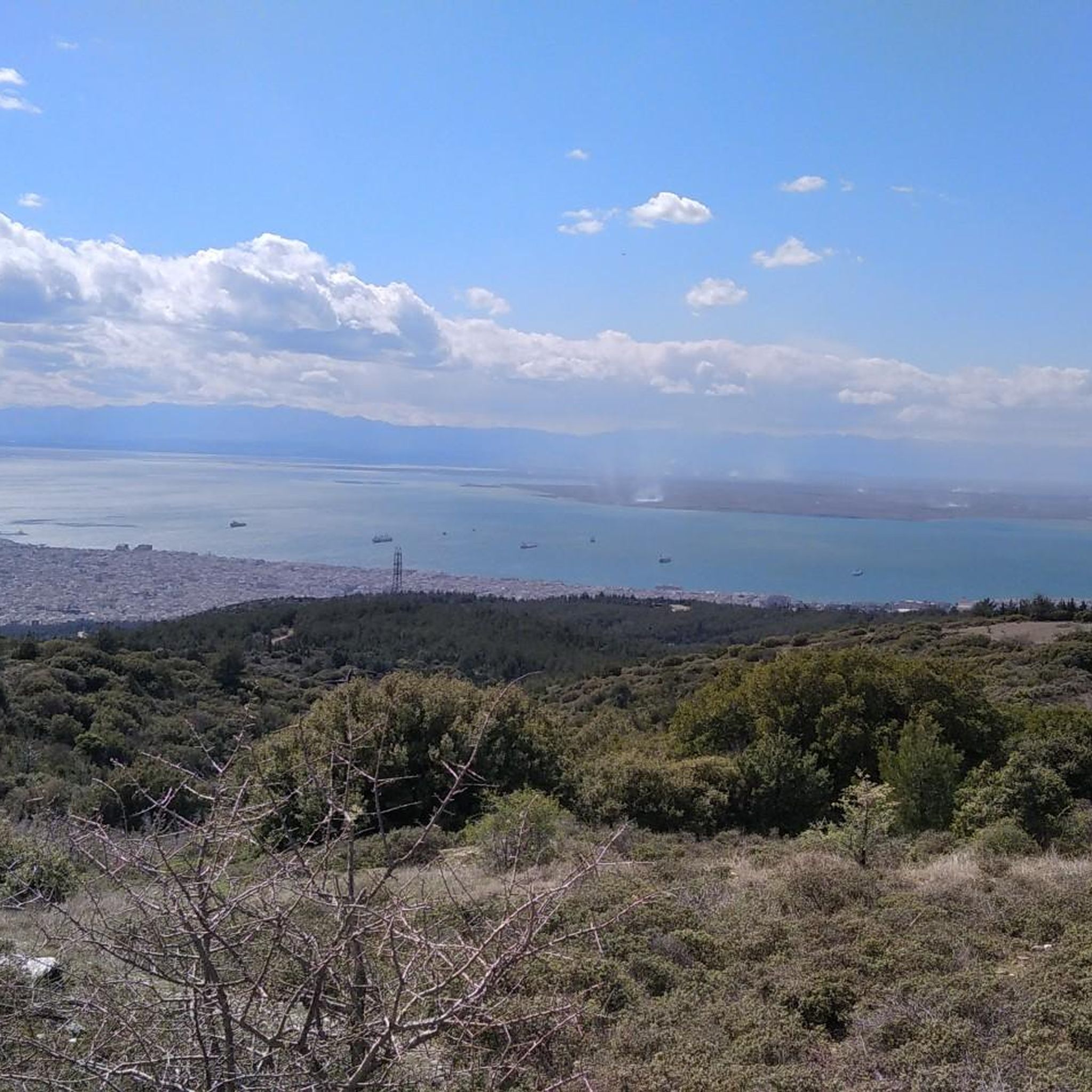
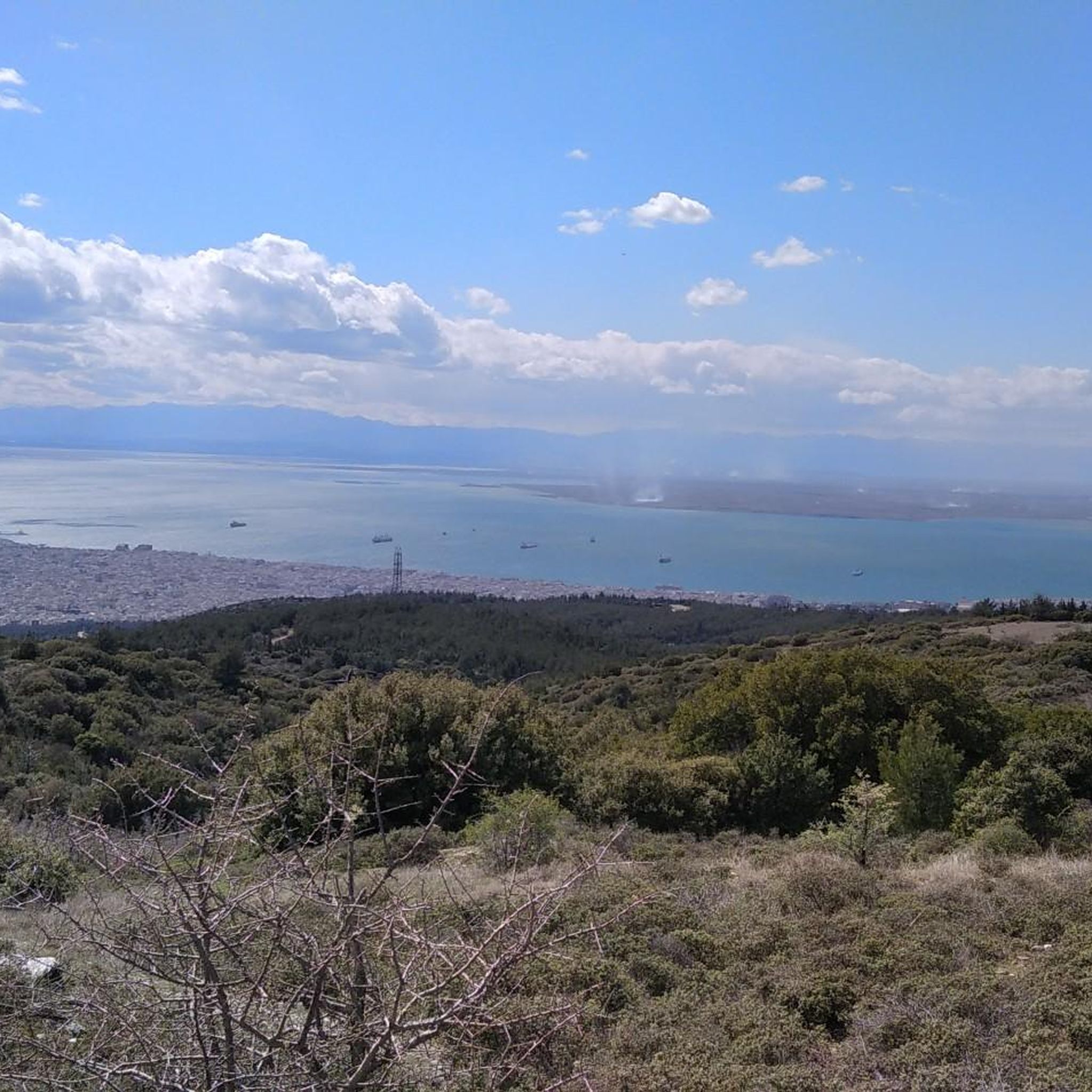
View of Thessaloniki from Heptapyrgion Fortress
Highlight • Viewpoint
Tip by

Sign up for free to discover even more castles around Thessaloniki.
Sign up for free
Already have an account?
Start today with a free account
Your next adventure awaits.
Login or Signup
Tips from the Community


The street is called Egnatia and is the most central in Thessaloniki. It has many attractions such as: - Aristotle University - International Trade Fair Exhibition (ΔΕΘ - HELEXPO) - Kamara - Platia Aristotelous and of course it is also full of various shops.
0
0

One of the sights in the city. You can also go up the tower and enjoy the view. If you are traveling by car, you should leave the car somewhere and then walk because there is a lot of traffic there.
4
0

Please keep the area clean ✌🏻
0
2

The White Tower is an architectural monument and museum in the city of Thessaloniki. Since its construction in the 15th and 16th centuries by the Ottoman architect Sinan, the White Tower has served as a fortification, garrison, prison and museum. The White Tower stands immediately south of the port of Thessaloniki on the shores of the Thermaic Gulf. From northwest to southeast, Thessaloniki's waterfront passes Leoforos Nikis, the White Tower. The White Tower consists of two cylindrical components that are placed one on top of the other in steps and have a total height of 31 m. The first component has a diameter of 23 m and a height of 27 m above ground. The second component that sits on top of this and ends at the top, which could also be called a drum, has a diameter of 12 m and a height of 6 m. The White Tower and its predecessors originally served to close and guard the eastern and southeastern end of the sea walls of the city of Thessaloniki. Today the tower has a grayish color - it has retained its name “White Tower” unchanged since 1912. The tower houses an exhibition of the Museum of Byzantine Culture on the history of Thessaloniki and is one of the city's tourist attractions. https://de.wikipedia.org/wiki/Wei%C3%9Fer_Turm_(Thessaloniki)
4
0

The city walls of Thessaloniki were built by Kassandros shortly after the city was founded and were later reinforced by the Romans. However, according to my internet research, the walls that still exist today mostly date from the Byzantine period.
0
1
Defensive tower as part of the Ottoman fortifications around the medieval city with a view of the old town. From here you have a great view of the city.
0
0

The White Tower is a distinctive feature on the city's seafront. Over the centuries, it's transformed from a fortress to a prison to a symbol of the city. The tower has breathtakinhg views of the Aegean Sea and is as a popular meeting point for both locals and tourists. Inside the tower, you can visit a museum which showcases Roman, Byzantine, Ottoman artefacts.
3
1
Frequently Asked Questions
What is the historical significance of the fortifications in Thessaloniki?
The fortifications of Thessaloniki, including the Byzantine Walls and the Eptapyrgio, are a testament to the city's strategic importance and long history. They underwent continuous maintenance and rebuilding from Hellenistic origins through Roman, Byzantine, and Ottoman periods, defending Thessaloniki against numerous sieges. These structures are part of the Paleochristian and Byzantine Monuments of Thessaloniki, a UNESCO World Heritage Site.
Where can I find the best panoramic views of Thessaloniki from its fortifications?
For breathtaking panoramic views of Thessaloniki, the Thermaic Gulf, and Mount Olympus, visit the View of Thessaloniki from Heptapyrgion Fortress. Walking along the surviving portions of the Byzantine Walls, especially in the Ano Poli (Upper City), also offers stunning vistas.
What is the Eptapyrgio and what makes it unique?
The Eptapyrgio, also known as Heptapyrgion or Yedi Kule, is a formidable Byzantine and Ottoman-era fortress located at the highest point of the city's Acropolis. It's unique for its layered history, serving as a citadel and later a notorious prison until 1989. Visitors can explore its ancient walls and former prison cells, experiencing centuries of history and enjoying magnificent views of the city and the Aegean Sea.
Are there family-friendly historical sites among Thessaloniki's fortifications?
Yes, several parts of Thessaloniki's fortifications are considered family-friendly. The White Tower, Thessaloniki, which houses a museum on the city's history, is an excellent starting point for families. The Heptapyrgion Fortress and sections of the Eastern Walls — Thessaloniki 🏰 are also suitable for family visits.
What outdoor activities can I do near the castles and fortifications of Thessaloniki?
You can enjoy various outdoor activities near Thessaloniki's fortifications. For instance, there are numerous easy hikes around Thessaloniki that incorporate historical sites. You can also find running trails and road cycling routes that pass by or offer views of these ancient structures.
How can I get to the Ano Poli (Upper City) and its walls using public transport?
The Ano Poli, where significant sections of the Byzantine Walls and the Eptapyrgio are located, is accessible by public transport. Several bus lines serve the Upper City, making it convenient to reach these historical sites without a car. Check local bus schedules for the most up-to-date routes.
Is there parking available near the Heptapyrgion Fortress or the Ano Poli walls?
Parking in the Ano Poli area, especially near the Heptapyrgion Fortress and the Byzantine Walls, can be limited due to the narrow, historic streets. It is often recommended to use public transport or park further down in the city and walk up, or take a taxi.
What is the best season to visit the Byzantine castles and walls of Thessaloniki?
The best seasons to visit the Byzantine castles and walls of Thessaloniki are spring (April-May) and autumn (September-October). During these months, the weather is mild and pleasant for walking and exploring outdoors, avoiding the intense heat of summer and the cooler, wetter days of winter.
Are there any dog-friendly historical sites among Thessaloniki's fortifications?
While specific indoor areas or museums within the fortifications might have restrictions, many outdoor sections of the Byzantine Walls and the surrounding areas in Ano Poli are generally dog-friendly for walks, provided dogs are kept on a leash. Always check for specific signage at individual sites.
What can I expect to see at the Western Wall and Top Hane?
The Western Wall🏰 Top Hane, Arsenal 🏛️ Thessaloniki courthouse showcases significant remains of Thessaloniki's ancient western fortifications. Here, you can see parts of the Byzantine walls, including the 'Top Hane' built by the Ottomans, and the 'Arsenal Tower'. These sections highlight the city's continuous defensive efforts from its founding in 316 BC through various empires.
What is the significance of the Northern Wall of the Acropolis in Thessaloniki?
The Northern Wall 🏰 Acropolis Thessaloniki is a well-preserved section of the ancient city walls. These fortifications covered the uppermost northern side of the city, providing crucial defense. They offer insight into the construction techniques and strategic planning of Thessaloniki's Byzantine-era defenses, with parts dating back to the 4th century AD.
Are there any circular walking routes that incorporate the castles and walls of Thessaloniki?
Yes, the Ano Poli area lends itself well to circular walking routes that explore the Byzantine Walls and the Eptapyrgio. These routes allow you to experience the historical atmosphere, enjoy panoramic views, and discover hidden corners of the old city. Many easy hikes around Thessaloniki can be adapted to include these historical sites.
Most popular routes around Thessaloniki
Most popular attractions around Thessaloniki

Get inspired with the komoot mobile app


