Top 12 Castles in Achaea
Best castles in Achaea are found in the Peloponnese region of Greece, offering a historical perspective on its diverse past. The area features a landscape with hills, coastal plains, and views of the Ionian Sea and Gulf of Corinth. These fortifications reflect various periods, from ancient acropolises to Crusader and Ottoman constructions. Achaea's castles provide insight into the region's strategic importance and architectural evolution.
Best castles in Achaea
- The most popular castles is Water moat 🏰 Rhion Fortress, a…
Last updated: June 27, 2026
Water moat 🏰 Rhion Fortress
Highlight • Castle
Tip by

Teichos Dymaion Fortress 🏰 Kalogria (1300 BC)
Highlight • Historical Site
Tip by
Sign up now to discover places like this
Get recommendations on the best single tracks, peaks, & plenty of other exciting outdoor places.
Sign up for free
Patras Castle Viewpoint
Highlight • Castle
Tip by

View of the Rio–Antirrio Bridge and the Venetian Fortress
Highlight (Segment) • Viewpoint
Tip by
Ancient church excavation ⛪🏛️ Patras Fortress panorama
Highlight • Historical Site
Tip by
Ottoman Baths ♨️ Rion Fortress
Highlight • Historical Site
Tip by
Petimezas Tower House
Highlight • Castle
Showing Translation
Tip by

Rion Fortress
Highlight • Castle
Translated by Google •
Tip by

Salmeniko Gorge and Castle Rock
Highlight (Segment) • Gorge
Translated by Google •
Tip by

Kastro Listrina Ruins
Highlight • Castle
Translated by Google •
Tip by
Sign up for free to discover even more castles in Achaea.
Sign up for free
Already have an account?
Start today with a free account
Your next adventure awaits.
Login or Signup
Other adventures in Achaea

Tips from the Community

The Petimezaioi Tower (also called Petmezaion Tower) in the village of Kato Lousoi. This impressive 17th-century tower house is one of the oldest preserved monuments of its kind in the mountainous part of the Peloponnese. It served as the fortified residence of the Petimezas family, who originally came from Epirus and had fled here from Ottoman persecution. During the Greek Revolution of 1821, the tower was an important stronghold for the independence fighters. The tower was built from local grey stone in a severe, defensive style. It features defensive elements such as embrasures and a watchtower.
0
0
During World War II, Italian occupation forces used the site as a military camp and caused severe, irreparable damage to the prehistoric walls by building bunkers and shelters.
1
0
The ruins of Teichos Dymaion (also known as the "Dymaean Walls" or Kastro tis Kalogrias) are a significant archaeological site in the Achaia prefecture of Greece. The main fortress was built during the Mycenaean period, around 1300 BC. It is the only fortified Mycenaean acropolis in western Greece. Cyclopean Walls: The fortifications were constructed using the so-called "cyclopean" style, with massive limestone blocks. The walls were originally about 200-250 meters long, up to 10 meters high, and about 5 meters thick. The site was almost continuously inhabited for about 5,500 years, from the Neolithic period (around 3500 BC) until the Venetian period in the 18th century. According to legend, the Wall of Heracles was built during his war against the Eleans under King Augeas.
2
0
Within the fortress grounds are the remains of an Ottoman hammam (Turkish bath). These baths are a fascinating testament to the Ottoman presence in the region. Typical features of these baths are the small, stone vaults and the characteristic skylights in the ceilings, through which daylight once filtered into the steam-filled rooms. They served not only for hygiene but were also important social gathering places within the garrison. Today, they survive as ruins, which can be visited during a tour of the extensive complex. They are often somewhat hidden between the massive fortress walls and the Venetian additions.
0
0
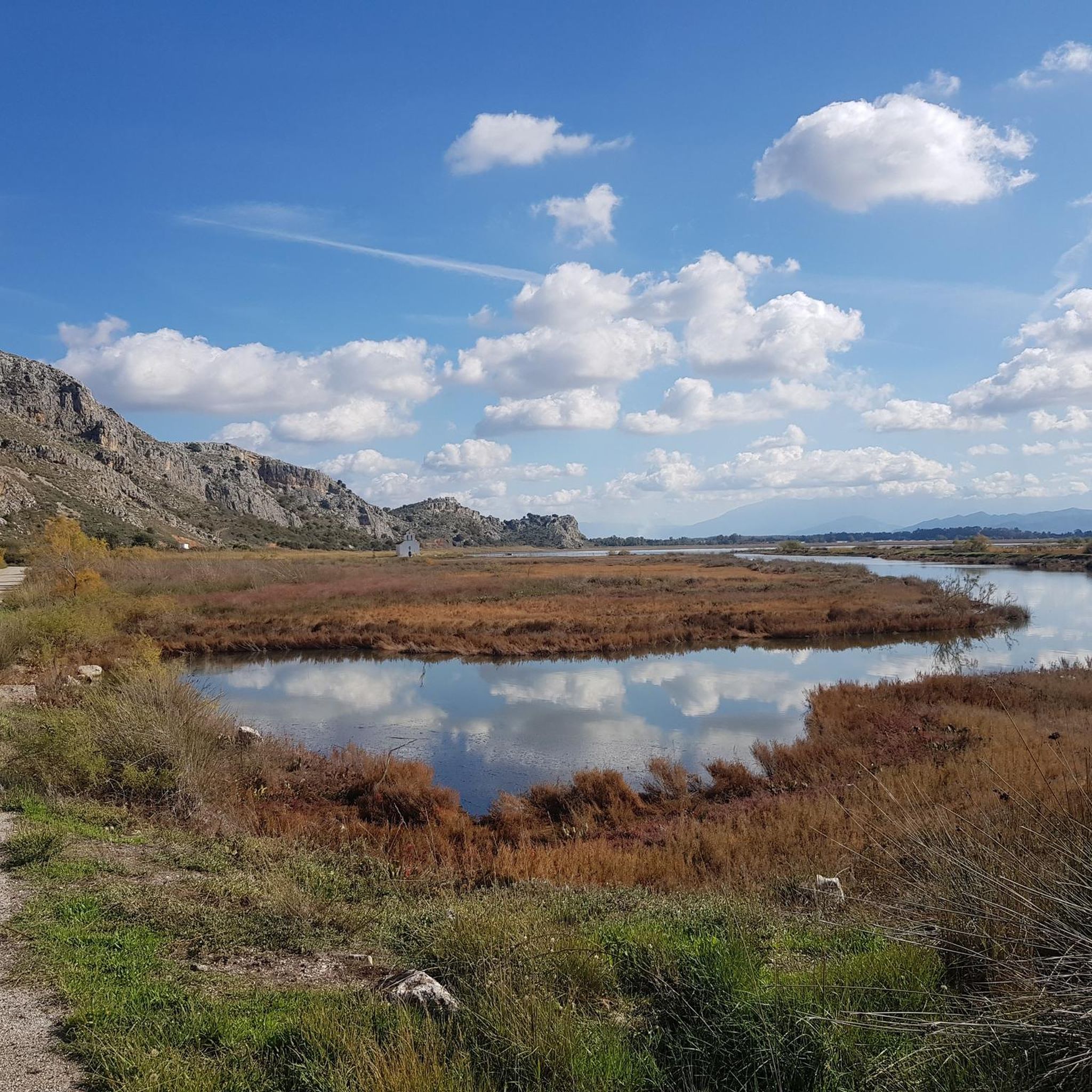
The water area is part of the wide, seawater-filled moat that protected the landward side of the fortress.
2
0
The Kastro offers an excellent view of the mountain ranges of the hinterland, as well as over the city that is creeping up the hillside and the strait.
2
0
High above the city lies the ancient acropolis. This imposing structure, dating from the Turkish and Venetian periods, offers a stunning view of the Angel Islands and the surrounding mountain ranges. Particularly noteworthy are the massive tower on the west side and the bastion at the northeast corner.
2
0
The entrance fee has increased to €5 (2025). Since there are no tickets and no price list, I doubt that this is an official charge. A visit is worthwhile in any case.
3
0
Frequently Asked Questions
What historical periods do the castles in Achaea represent?
The castles in Achaea showcase a rich history, spanning from the Mycenaean period to Byzantine, Crusader, and Ottoman eras. For example, Teichos Dymaion Fortress dates back to 1300 BC, while Chlemoutsi Castle is a well-preserved Crusader fortress from the 13th century, and Rion Fortress was built by the Ottomans in 1499.
Which castles offer insights into Frankish rule in Greece?
Chlemoutsi Castle, also known as Clermont Castle, is an excellent example of Frankish rule. Built by French Crusaders between 1220 and 1230, it is considered one of the largest and best-preserved castles in Greece, maintaining its strong Frankish character. It even houses Greece's only museum dedicated to Frankish rule from the 13th to 15th centuries.
Are there any ancient fortifications in Achaea?
Yes, Teichos Dymaion Fortress near Kalogria is a significant Mycenaean-era fortification, built around 1300 BC. It features impressive cyclopean walls and shows continuous human activity through various historical eras, including later Byzantine alterations.
Which castles have Ottoman influences?
Rion Fortress was built by the Ottoman Sultan Bayezid II in 1499. It features well-preserved Ottoman baths within its grounds, offering a glimpse into the Ottoman presence in the region. Patras Castle also bears architectural interventions from various conquerors, including the Ottomans.
Are there family-friendly castles to visit in Achaea?
Many castles in Achaea are suitable for families. Rion Fortress and Patras Castle Viewpoint are both categorized as family-friendly. Their expansive grounds and historical significance can be engaging for visitors of all ages.
What is the best season to visit the castles in Achaea?
The summer months are popular for visiting the castles, as many sites like Chlemoutsi Castle and Rion Fortress host cultural events and concerts. The weather is generally warm and sunny, ideal for exploring. However, spring and autumn offer milder temperatures, which can be more comfortable for extensive walking and sightseeing.
How long should I plan for a visit to a castle in Achaea?
The duration of a visit can vary. For larger sites like Chlemoutsi Castle, which includes a museum and extensive grounds, you might want to allocate 2-3 hours. For Patras Castle or Rion Fortress, 1-2 hours might be sufficient to explore the main features and enjoy the views.
Is parking available at the castles in Achaea?
While specific parking details vary by castle, most major sites like Patras Castle and Rion Fortress have parking options nearby or within reasonable walking distance. It's advisable to check local signage upon arrival.
What outdoor activities can I do near the castles in Achaea?
Achaea offers various outdoor activities. You can find numerous road cycling routes, such as the 'Camping Tsolis – View of Rio–Antirrio Bridge loop from Ρίο', and hiking trails, including 'Strofylia Wetlands loop from Beach Bar'. For more details on routes, you can explore the Road Cycling Routes in Achaea or Hiking in Achaea guides.
Which castles offer the best panoramic views?
Chlemoutsi Castle provides magnificent panoramic views of the coast, the Ionian Sea, and the surrounding countryside, including the coastal plain of Ilia and extending to the Ionian Islands. Patras Castle Viewpoint also offers breathtaking views across the region and the city of Patras to the sea.
What unique features can I find at Rion Fortress?
Rion Fortress is notable for its strategic location at the entrance to the Gulf of Corinth and its well-preserved Ottoman (Turkish) baths. It also features a water-filled moat that protected its land side. Today, it serves as a vibrant venue for cultural events, especially concerts during the summer.
What do visitors enjoy most about Patras Castle?
Visitors frequently highlight the breathtaking views of Patras and the surrounding area from Patras Castle Viewpoint. The castle offers a journey through the city's extensive history, allowing visitors to wander its impressive walls and grounds.
Are there any cultural events held at the castles?
Yes, several castles in Achaea host cultural events. Chlemoutsi Castle organizes concerts and medieval festivals during the summer months, and Rion Fortress is a popular venue for concerts, particularly in the summer, making them vibrant historical sites.
Most popular attractions in Achaea

Get inspired with the komoot mobile app


Explore more
Looking for the best castles somewhere else? Discover other guides in Achaea:
