Top 7 Caves in Antwerp
Best caves in Antwerp include a range of underground attractions that offer insights into the region's history and cultural practices. While natural caves are not a feature, the city provides historical underground passages, grottoes, and repurposed cellars. These sites reveal aspects of Antwerp's past, from medieval infrastructure to religious landmarks. The area's unique underground spaces provide diverse experiences for exploration.
Best caves in Antwerp
- The most popular caves is Grotto of Our Lady of Lourdes, a religious building that…
Last updated: August 21, 2026
Grotto of Our Lady of Lourdes
Highlight • Religious Site
Everywhere in Belgium people build and build Lourdes caves. Some are beautiful constructions and very similar to the original. Each of …
Translated by Google •
Tip by

Steenbakkerstunnel (Rave Cave - TML)
Highlight • Cave
Translated by Google •
Tip by

Sign up now to discover places like this
Get recommendations on the best single tracks, peaks, & plenty of other exciting outdoor places.
Sign up for free
The Ruien in Antwerp
Highlight • Historical Site
Translated by Google •
Tip by

Lourdes Grotto Tisselt
Highlight • Religious Site
Translated by Google •
Tip by
Lourdes Grotto
Highlight • Religious Site
Translated by Google •
Tip by

Old Lourdes Grotto of Gooreind
Highlight • Religious Site
Translated by Google •
Tip by
Our Lady’s Grotto of Bouwel
Highlight • Religious Site
Translated by Google •
Tip by

Lourdes Grotto
Highlight • Religious Site
This cave is unique in itself because it has a floor.
In the past, on this floor the word …
Translated by Google •
Tip by
Mysterious little cave
Highlight • Cave
Translated by Google •
Tip by

Weg der Ringenpan Grotto
Highlight • Cave
Translated by Google •
Tip by

Start today with a free account
Your next adventure awaits.
Login or Signup
Popular around Antwerp
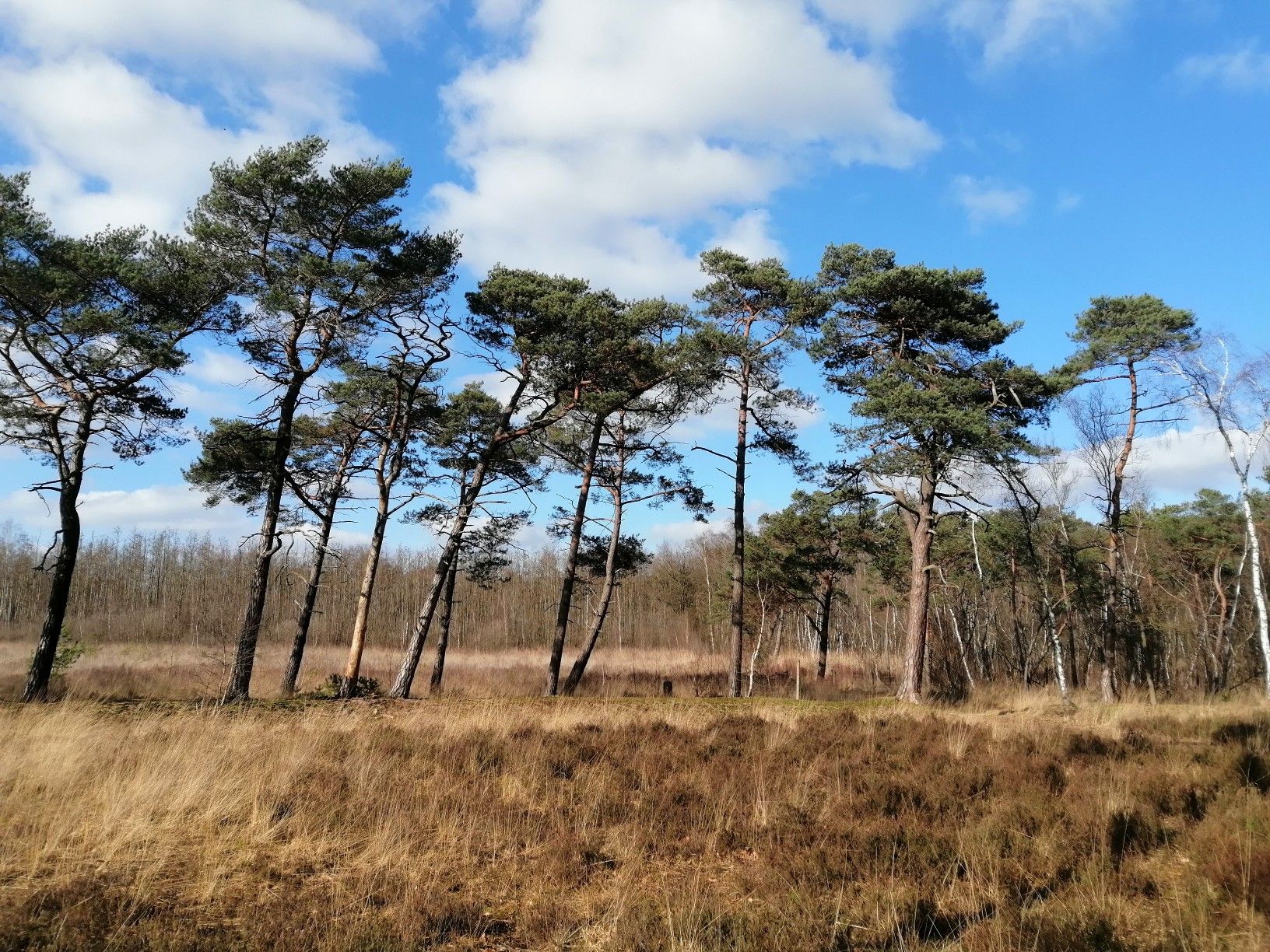
From Flanders to the Ardennes — GR 5 in Belgium
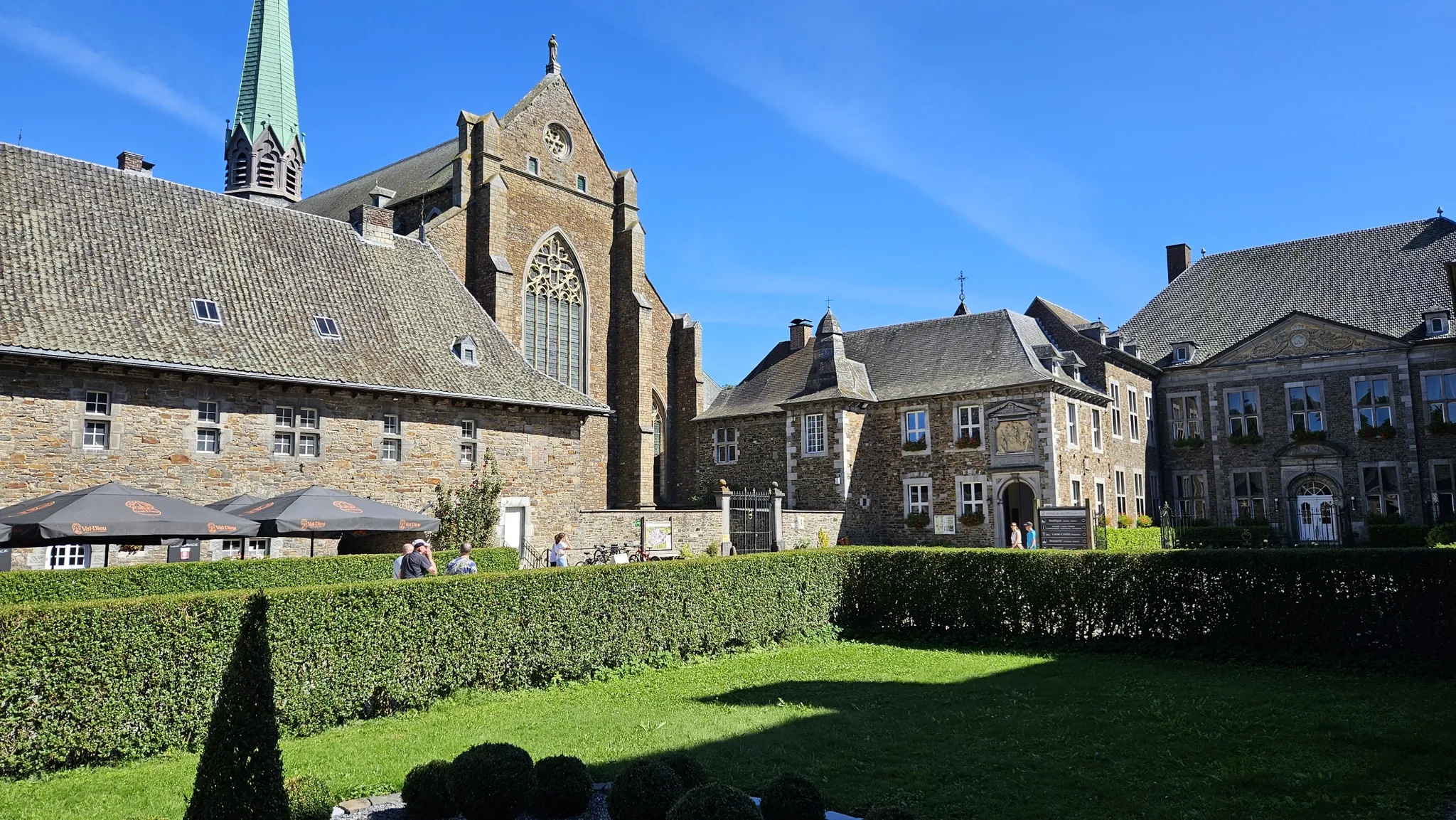
Trappist abbeys cycle route – Between beers and heritage
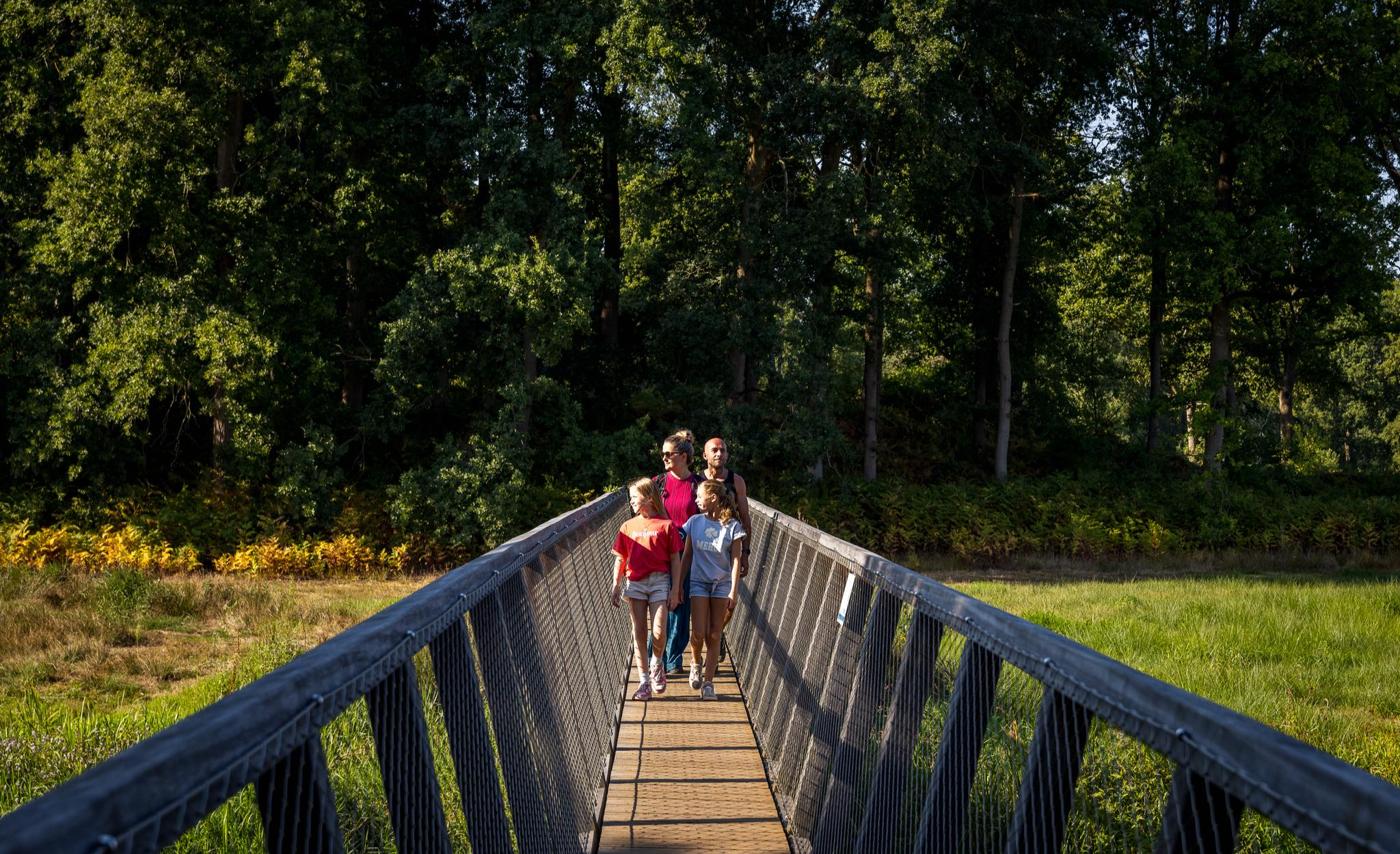
Flanders’ Finest Hiking Routes
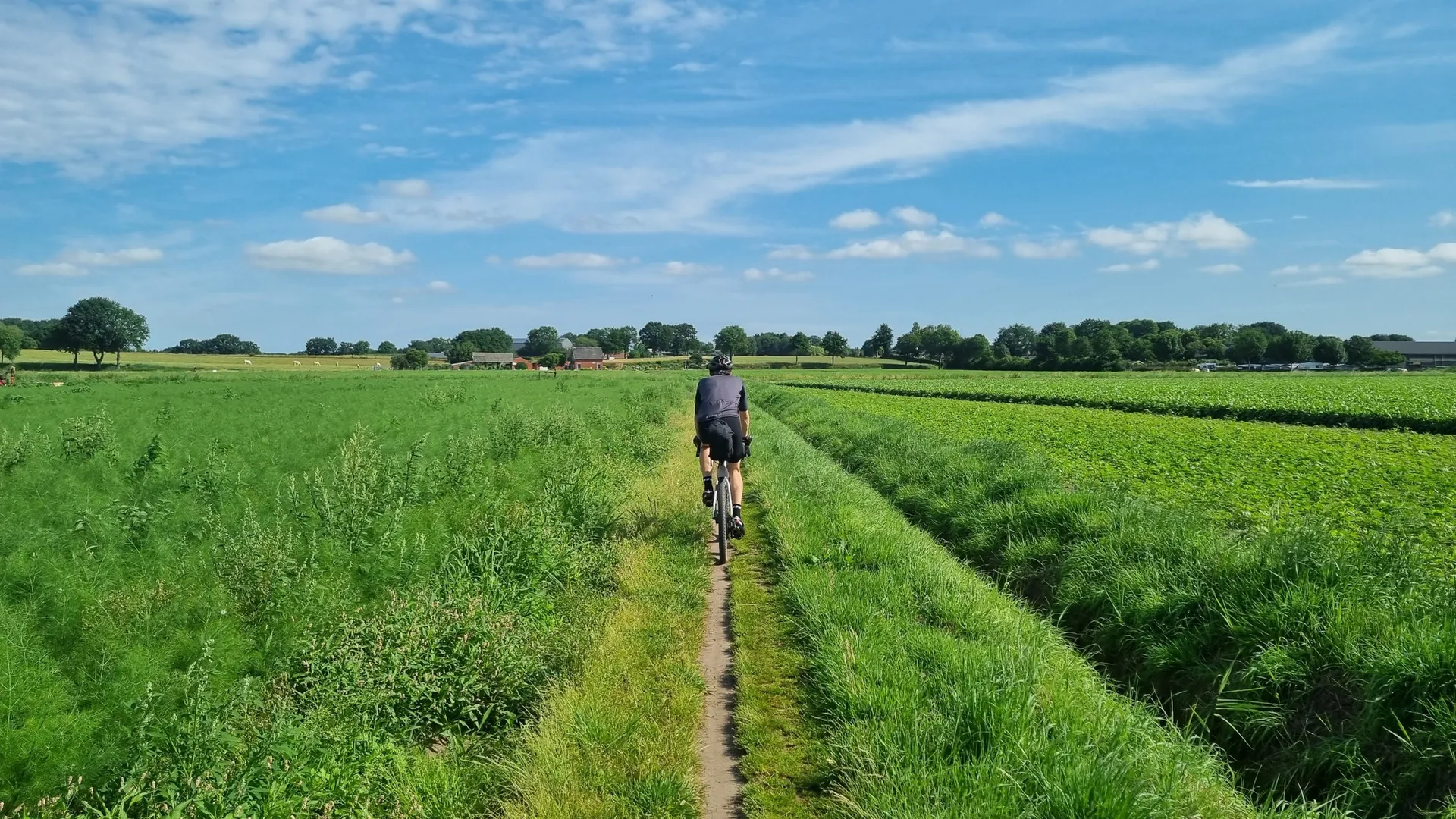
Weekend adventure over the border – A-Cross the 2
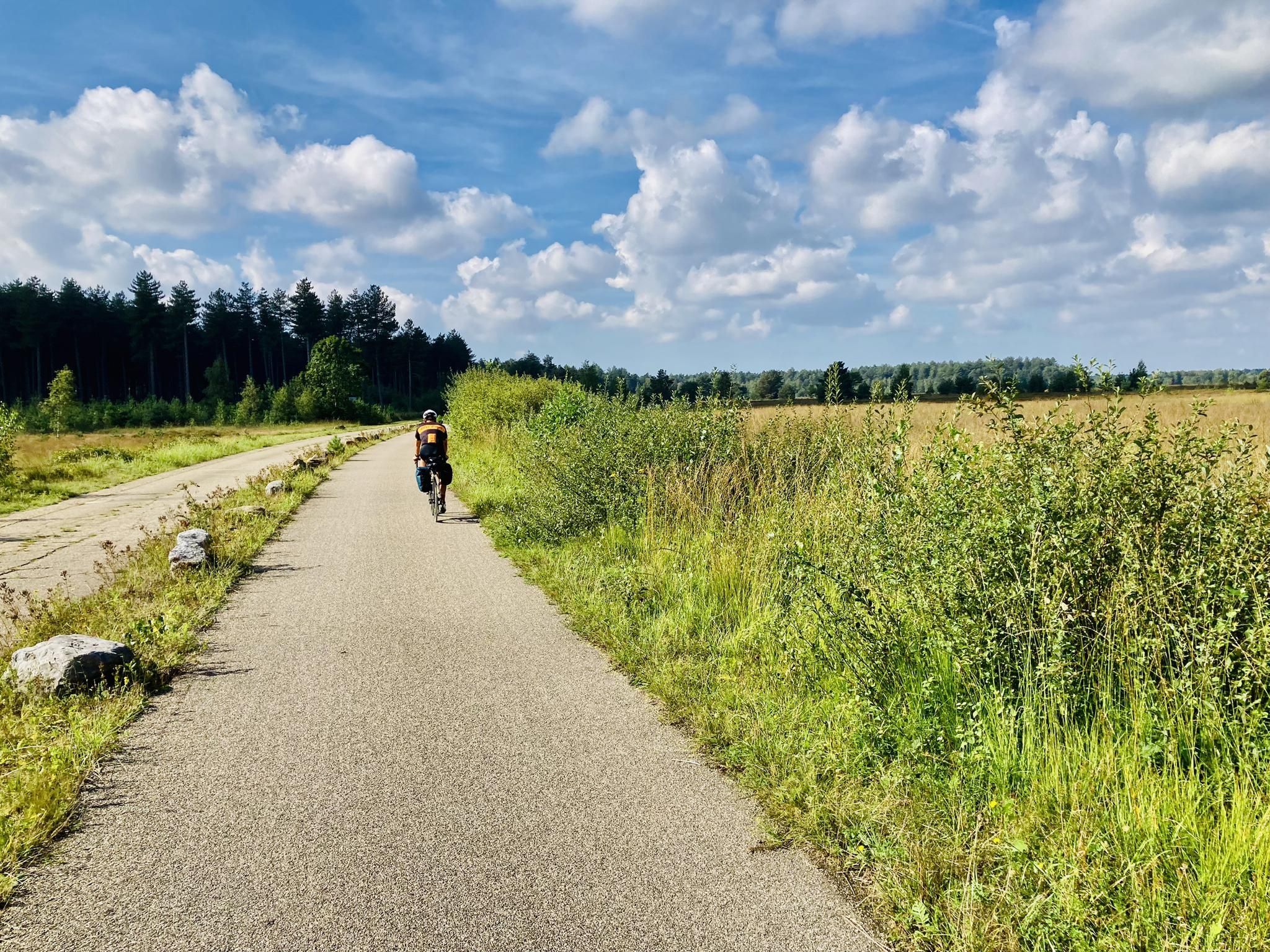
Explore the Kempen – a three-day cycling adventure on the Kempen Route
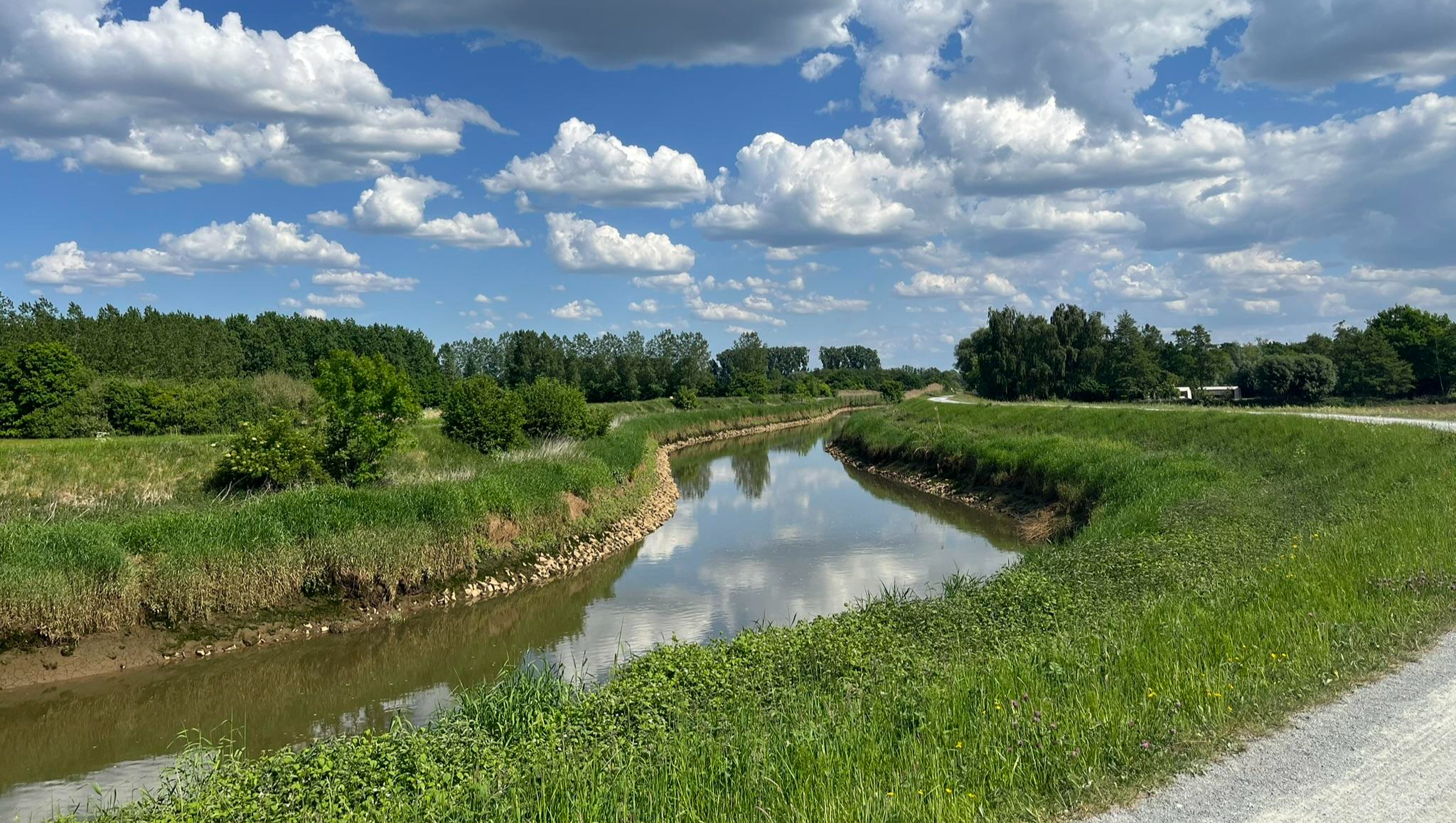
Through the valley of the Dijle – Streek-GR Dijleland
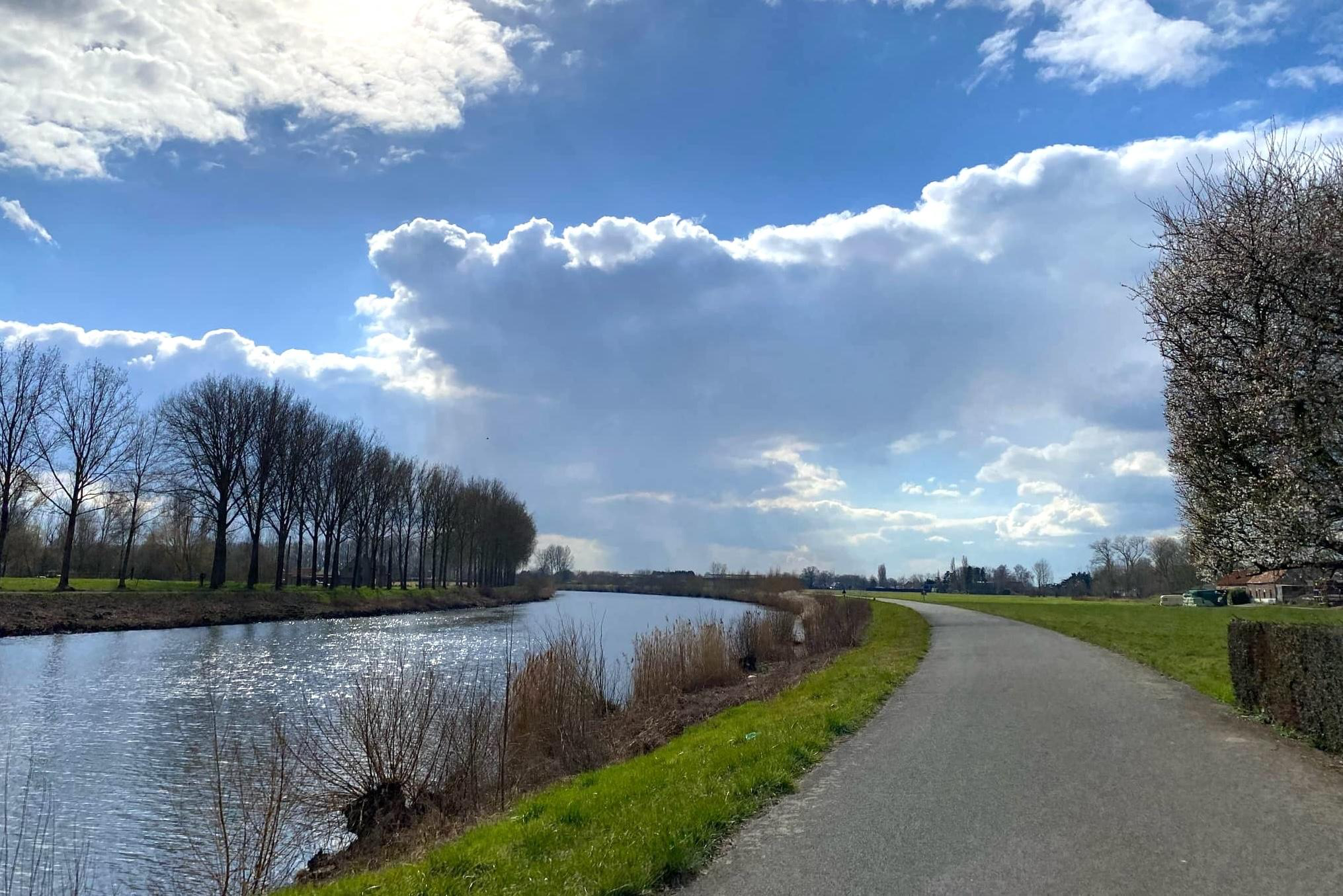
Three days of pure cycling pleasure from Spiere to Zandvliet – Schelderoute
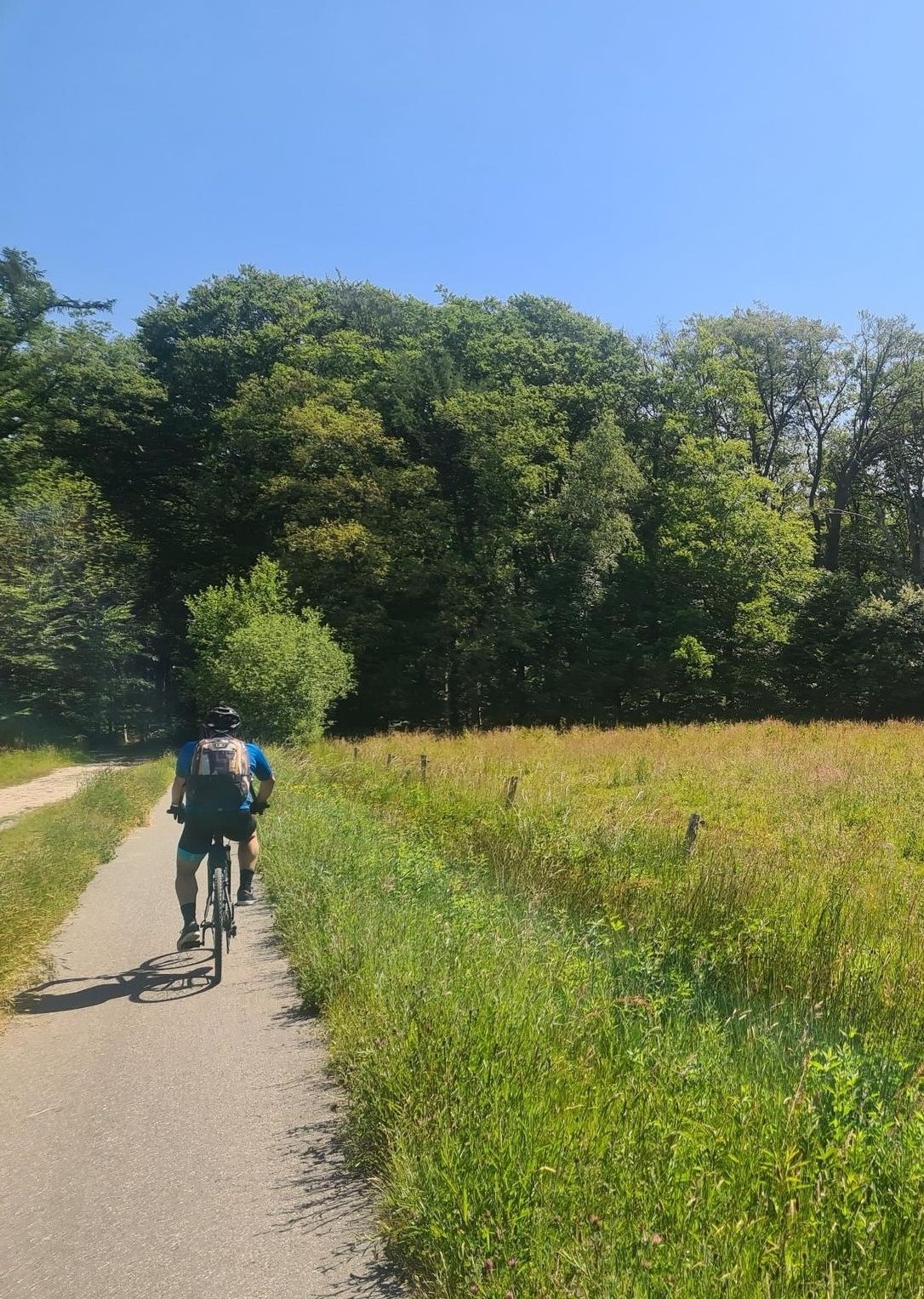
Through the south of the Netherlands – LF13 Schelde-Rheinroute
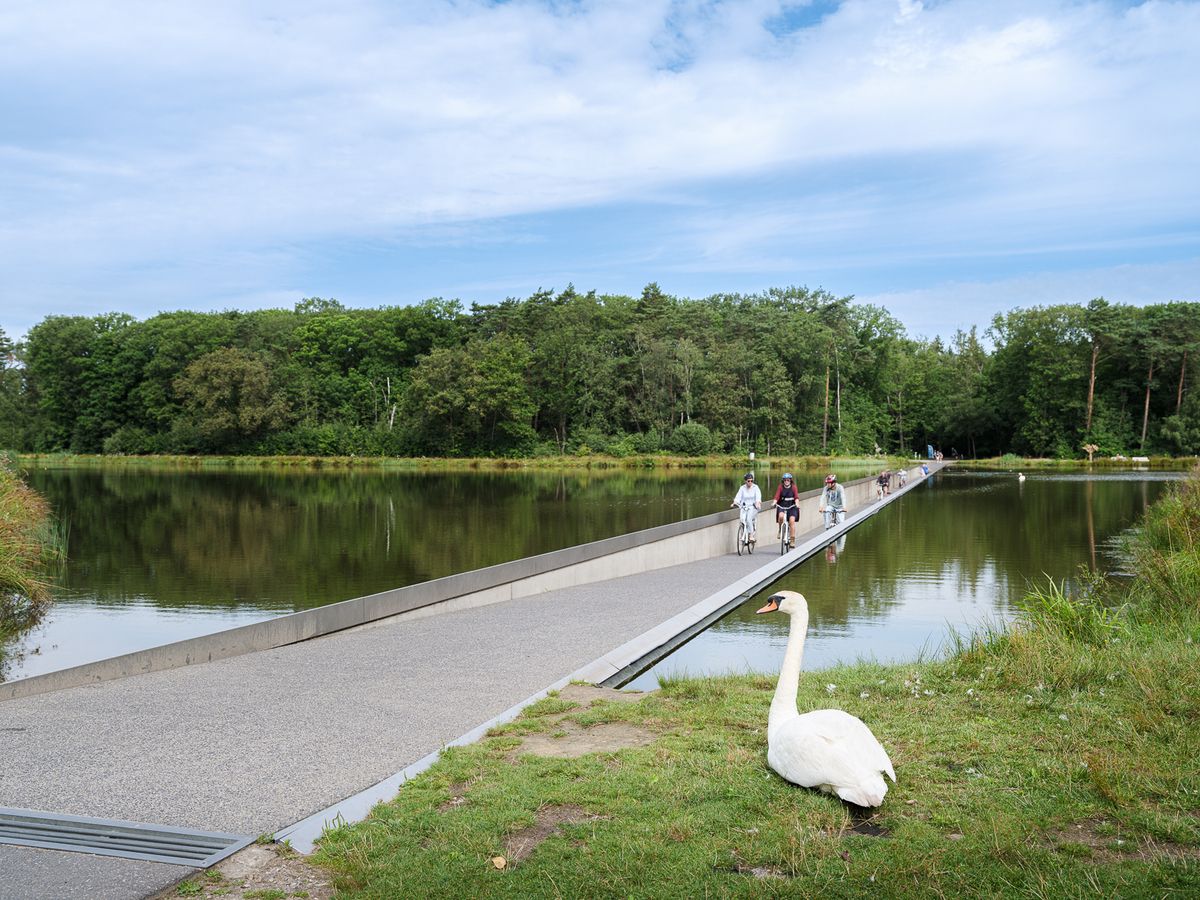
Flanders' Finest Cycle Routes: routes to discover Flemish nature and heritage
Treinstappers – from station to station in Flanders
Other adventures in Antwerp


Tips from the Community

When a prayer can only come...
5
0


The cave is overgrown with ivy and surrounded by dense greenery, creating a mysterious and idyllic atmosphere. You can also take shelter here if you're caught in a sudden rain shower.
7
0

Centennial Lourdes grotto in Wuustwezel to be demolished for new steel artwork: "But the symbolism of the place will be preserved" In Gooreind near Wuustwezel, the municipality has started the demolition of the Lourdes grotto. The grotto is already 100 years old and its stability is at risk due to concrete rot. The municipality therefore decided to demolish the grotto and replace it with a new artwork: "It will be really beautiful", says alderman Katrin Kempenaers (CD&V).
2
0
The outdoor pulpit with concrete canopy, which is overgrown with a canopy of ivy, is beautifully enthroned along the right side of the grotto. According to an old postcard, a large cross with a figure of Christ originally hung here. After the last major restoration, a Lorraine cross in neo-Gothic style was hung, but it has since been stolen. A tree trunk railing takes the preacher to the elevated spot. The concrete canopy that serves as a sounding board is apparently supported by concrete mast wood that is beautifully grained with high relief grooves. Here and there the bark has been removed. The space between two trunks seems to have been covered with clay. By far one of the most beautiful of its kind in Flanders!
2
0

Not really a highlight for me. But it is in the middle of the forest and in front of it there is a bench to rest on.
2
0

A Lourdes Grotto was inaugurated on August 15, 2013 at Brielen, within walking distance of the church, along the canal in Tisselt. It is located on the private property of priest professor Paul Cooreman and is always accessible to the public. Also easy to reach for wheelchair users. Year of construction unknown. Frequently visited. A pleasant place to relax among the trees.
6
0
A Lourdes Grotto was inaugurated on August 15, 2013 at Brielen, within walking distance of the church, along the canal in Tisselt. The cave is located on the private property of priest professor Paul Cooreman and is always accessible to the public. Also easy to reach for wheelchair users. Year of construction unknown. Frequently visited. A pleasant place to relax or reflect among the trees.
8
0
Frequently Asked Questions
What kind of underground attractions can I explore in Antwerp?
Antwerp offers a variety of unique underground attractions, including historical passages, religious grottoes, and repurposed cellars. These sites provide insights into the city's rich history and cultural practices, rather than natural caves. For example, you can explore The Ruien in Antwerp, which are ancient underground canals and sewers.
Are there any family-friendly underground sites in the Antwerp region?
Yes, several sites are suitable for families. The various Lourdes Grottoes, such as the Grotto of Our Lady of Lourdes, are often considered family-friendly and offer tranquil places for contemplation. The Mysterious little cave is also listed as family-friendly.
What historical insights can I gain from visiting Antwerp's underground passages?
Visiting sites like The Ruien in Antwerp offers a deep dive into the city's medieval infrastructure. These underground canals and sewers reveal how Antwerp developed and managed its waterways, providing a glimpse into its early urban planning and daily life. The Sint-Anna Tunnel also showcases early 20th-century engineering.
Are there any accessible underground attractions for wheelchair users in Antwerp?
Yes, the Lourdes Grotto Tisselt is noted as being wheelchair accessible. This grotto offers a pleasant and accessible place for relaxation or reflection.
What outdoor activities can I do near these underground sites in Antwerp?
The Antwerp region offers various outdoor activities. You can find numerous running trails, including routes like 'Running through the Rivierenhof' or the 'Stads-GR Around Antwerp Trail'. For cycling enthusiasts, there are gravel biking routes such as the 'Scheldt and Rupel Brick Route'. Explore more options on the Running Trails in Antwerp guide or the Gravel biking in Antwerp guide.
Where can I find unique cultural or religious grottoes in the Antwerp area?
Antwerp and its surroundings are home to several man-made grottoes inspired by the Lourdes shrine. Beyond the Grotto of Our Lady of Lourdes, you can visit the Lourdes Grotto which features a unique outdoor pulpit. Another notable one is the Lourdes Grotto at Begijnhof Turnhout, built in 1876.
Are there any underground sites related to local industry or festivals?
Yes, the Steenbakkerstunnel (Rave Cave - TML) is a historical passage that was crucial for transporting clay during the region's brick-making industry. Today, it gains a different kind of fame as the 'Rave Cave,' one of the smallest stages at the annual Tomorrowland festival.
Can I find any easy hiking trails near Antwerp's underground attractions?
Yes, there are several easy hiking trails in the Antwerp region. You can explore routes like the 'Dune Trail' or 'Ter Linden Path,' which are suitable for a relaxed walk. For more options, refer to the Easy hikes in Antwerp guide.
What is the Sint-Anna Tunnel and why is it significant?
The Sint-Anna Tunnel, also known as the Pedestrian Tunnel, is a remarkable piece of engineering that opened in 1933. It connects the left and right banks of the Scheldt River, allowing pedestrians and cyclists to cross beneath the river. Its iconic wooden escalators, preserved in their original 1930s style, are a nostalgic attraction and a testament to the city's historical authenticity.
Are there any underground spaces in Antwerp with culinary or cultural significance?
Yes, Antwerp features historical underground cellars that have been repurposed. Some establishments, like the site of the restaurant Estro Armonico, were once hidden pubs. Others, such as the award-winning wine bar Het Archief, are located in unique cellar settings. De Kulminator, a legendary beer bar, is known for its cellars housing a vast collection of vintage Belgian beers, offering a blend of history and local culture.
What do visitors appreciate most about the underground sites in Antwerp?
Visitors often appreciate the unique blend of history and culture offered by Antwerp's underground sites. The opportunity to explore medieval infrastructure, find peaceful contemplation in religious grottoes, or discover repurposed historical cellars provides diverse and engaging experiences. The community has shown its appreciation with over 70 upvotes and 40 photos shared for these attractions.
Most popular routes in Antwerp
Most popular attractions in Antwerp

Get inspired with the komoot mobile app


Explore more
Extend your search for the best caves by checking out these guides of the top ones in Antwerp:
