Top 5 Waterfalls in South Limburg
Waterfalls in South Limburg are primarily smaller water features that contribute to the region's idyllic charm. South Limburg is characterized by rolling hills, picturesque landscapes, and a network of babbling brooks and streams. While not home to large natural waterfalls, the area offers peaceful water-related experiences. These features are often integrated into beautiful natural and cultural landscapes, including scenic stream valleys and historic sites.
Best waterfalls in South Limburg
- The most popular waterfall is Japanese Garden, an other man-made…
Last updated: May 15, 2026
Motmolen Waterfall on the River Demer
Highlight • Waterfall
Translated by Google •
Tip by

Watermill and waterfall on the Jeker River
Highlight • Waterfall
Showing Translation
Tip by

Sign up now to discover places like this
Get recommendations on the best single tracks, peaks, & plenty of other exciting outdoor places.
Sign up for free
Japanese Garden
Highlight (Segment) • Structure
Translated by Google •
Tip by

Dragon Gate Waterfall
Highlight • Waterfall
Translated by Google •
Tip by
Weir on the Laambeek
Highlight • Monument
Translated by Google •
Tip by

Start today with a free account
Your next adventure awaits.
Login or Signup
Popular around South Limburg
Belgium’s Hoge Kempen and Meuse Valley – Bram Tankink’s best rides
From Flanders to the Ardennes — GR 5 in Belgium
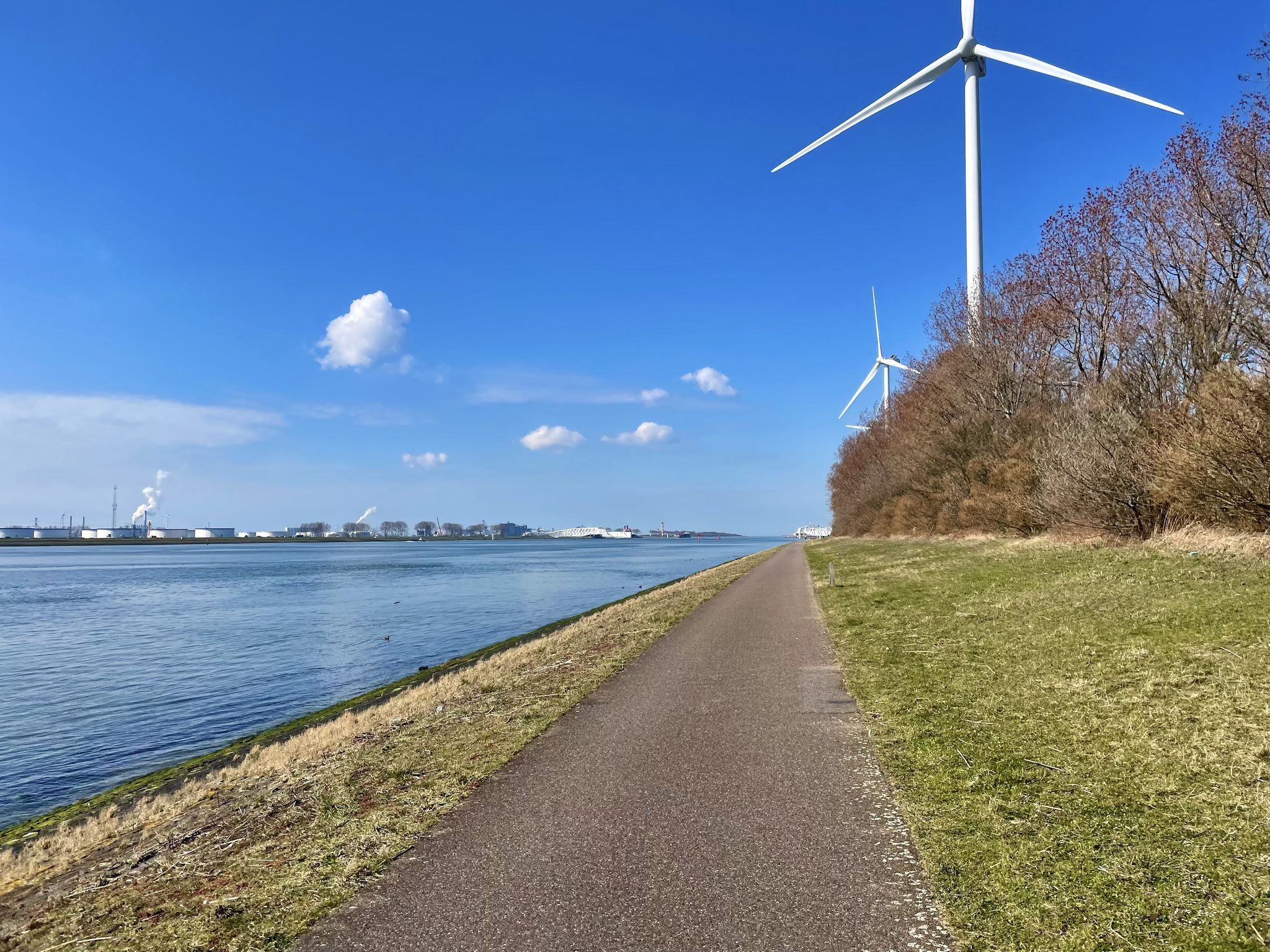
The Meuse Cycle Route - Follow the Meuse from the hills to the harbor
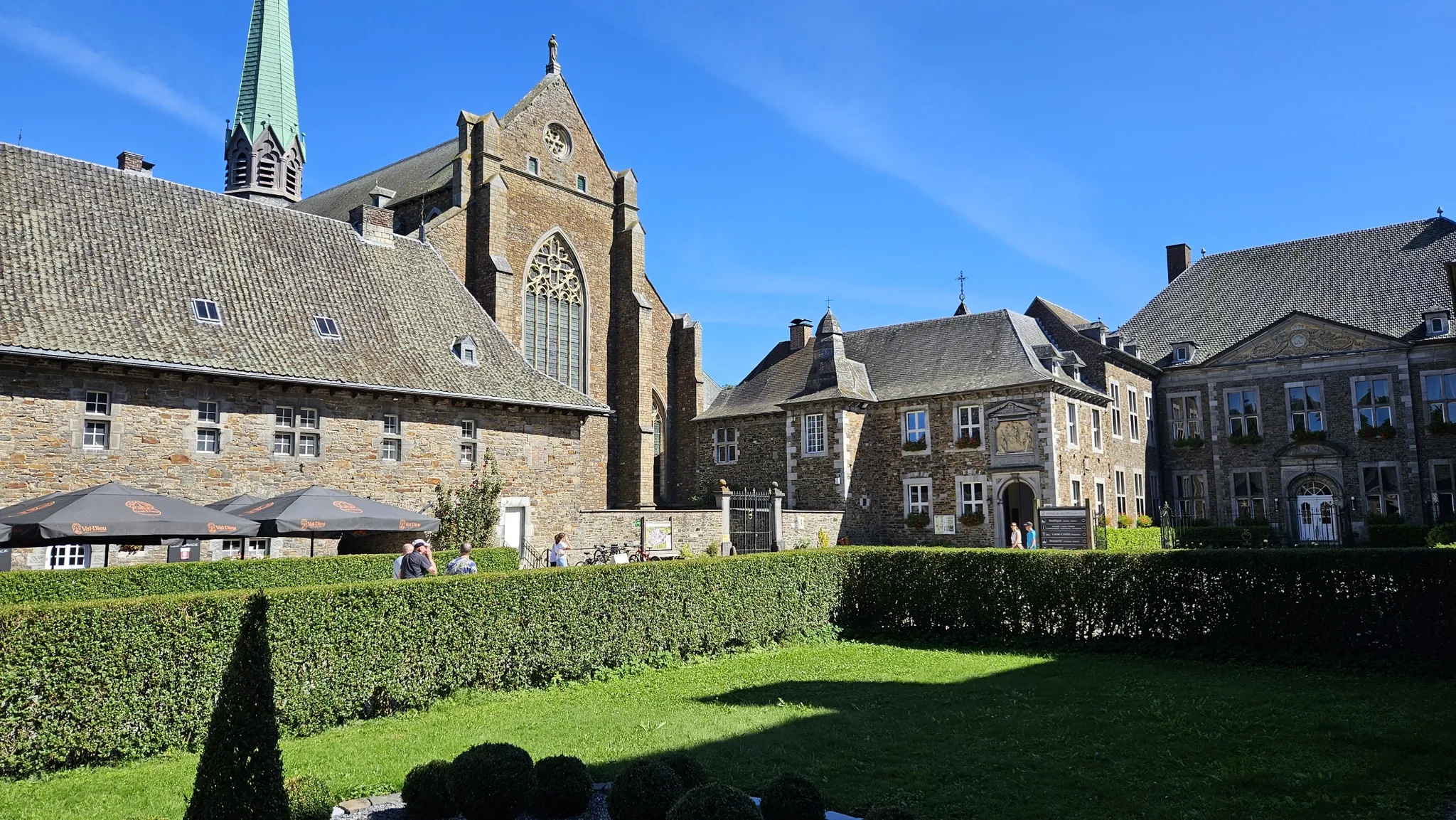
Trappist abbeys cycle route – Between beers and heritage
Flanders Divide - Across Flanders

Around the World in 80 Days
The Meuse Cycle Route - Follow the Meuse from the hills to the harbor
Flanders’ Finest Hiking Routes
Hiking in Brabant – in Van Gogh’s footsteps in Southern Netherlands
Seven-day Cycling tour through the South-Flemish hills – Hilly Route
Other adventures in South Limburg


Tips from the Community

This place used to be the location of the Motmolen, the nature reserve is named after it: https://youtu.be/dvlbNrtk4W0?feature=shared
3
0

De Smokkelmolen, an old gristmill on the Jeker. The mill is mentioned as existing before 1640 and was rebuilt in 1650, making the entire structure largely 17th-century. The year 1650 is still visible in iron S-shaped wall anchors on the facade. The building is constructed of white marlstone, has two superimposed mill dwellings, and a characteristic undershot wheel. The small bridge over the Jeker makes it a popular spot for hikers.
4
0

The Hasselt waterfall is inspired by the 14th-century garden of the Tenryūji temple in Kyoto. Characteristic is the interplay of horizontal and vertical lines in the rocks used. reinforced by the rock formations in the water, which serve as a foreground. Striking is the large rock of approximately 14 tons at the front right of the waterfall. The rock under the water curtain symbolizes the Japanese carp or Koi jumping up the waterfall. After a hundred years, the Koi finally reaches the top, where as a reward from the gods, it is transformed into a dragon.
0
0
The Jeker (French: Geer or Jaer; Walloon: Djer; Latin: Jecora; Maastrichts: Eker) originates in the Belgian Lens-Saint-Servais near Borgworm, flows through a large part of Haspengouw and flows into the Maas near the Dutch city of Maastricht. The Jeker is approximately 55 km long. The Jeker valley has been carved out by the stream over thousands of years. Especially near the mouth in the Maas, the Jekerdal has quite steep slopes, in some cases covered with slope forests. The greatest height difference (near Bassenge) is 75 meters. At the height of Kanne, between Wonck and Maastricht, the Plateau of Caestert is located on the east side of the valley, with the Sint-Pietersberg among other things. On the west side of the Jekerdal, between Kanne and Maastricht, lies the Cannerberg, the southern part of which is also called Muizenberg.
4
0
There's a weir here on the Laambeek stream to regulate the water level. This is also how the small waterfall is created.
3
0

Near the entrance gate to a playground and sports field, in a beautiful spot where the Laambeek stream makes a sharp bend before flowing straight ahead after a second bend, all the way to the church parking lot and then under Kerkstraat. Lots of dragonflies in the summer.
7
0

The fall of water, small and large, still has a great attraction. Here you can enjoy it. Take your time and sit down at the water's edge.
12
0

The jacket in the Tongeren dialect.
2
2
Frequently Asked Questions
What kind of waterfalls can I expect to find in South Limburg?
South Limburg is characterized by its rolling hills and picturesque landscapes, featuring smaller water features like babbling brooks, weirs, and cascades rather than large, natural waterfalls. These contribute to the region's idyllic charm and offer peaceful water-related experiences, often integrated into beautiful natural and cultural settings.
Are there any notable water features or streams to visit?
Yes, the Watervalderbeek (Waterfall Stream) is a significant feature. Originating in the hamlet of Waterval, it flows as a beautiful babbling brook through meadows. While the valley doesn't have a traditional waterfall, its charm lies in the idyllic scenery, the sound of flowing water, and the surrounding natural beauty, including a sloping spring forest.
Where can I find a weir that creates a waterfall effect?
The Weir on the Laambeek is a pleasant spot where a man-made structure regulates water levels, creating a small cascade. It's located near a playground and sports field, and is particularly noted for dragonflies in the summer.
Are there family-friendly spots to enjoy water features?
Many of the water features in South Limburg, such as the Weir on the Laambeek, are family-friendly. The idyllic valleys and babbling brooks provide gentle environments for walks and enjoying nature. Additionally, the Japanese Garden and Dragon Gate Waterfall, though located in nearby Belgium, are popular family destinations with engaging water elements.
What historical sites are associated with water features in the region?
The Motmolen Waterfall on the River Demer, located in nearby Belgium, is part of a historical site. It serves as a reminder of a disappeared water mill, with its foundations still visible. This spot offers a place to enjoy the sound of flowing water and reflect on the past.
What outdoor activities can I do near these water features?
The region around these water features offers various outdoor activities. You can explore Mountain Hikes in South Limburg, enjoy Gravel biking, or take on Road Cycling Routes. These guides provide routes that often pass through scenic areas with streams and other natural attractions.
Are there hiking trails that incorporate these water features?
Yes, many hiking trails in South Limburg wind through valleys and along streams. While specific 'waterfall hikes' are less common due to the nature of the water features, you can find numerous routes that follow babbling brooks and offer peaceful natural experiences. For example, the idyllic valley of the Watervalderbeek is perfect for leisurely walks.
What is the best time of year to visit the water features in South Limburg?
The water features in South Limburg can be enjoyed year-round. Spring brings lush greenery and blooming flora, while summer offers pleasant weather for walks and enjoying dragonflies near weirs. Autumn showcases beautiful fall colors, and even in winter, the serene landscapes around the streams offer a peaceful escape.
Are there any unique garden experiences with water features nearby?
The Japanese Garden in Hasselt, Belgium, is the largest authentic Japanese garden in Europe. It features waterfalls, bridges over winding rivers, and stepping stones, offering a tranquil space for meditation and contemplation. It's a popular destination often associated with the broader region's attractions.
Can I find adventurous paths near any of the water features?
The Dragon Gate Waterfall, located in Hasselt, Belgium, offers an adventurous path. Its design is inspired by the 14th-century garden of the Tenryuji temple in Kyoto, and visitors can navigate over large rocks along the waterfall, providing a unique and engaging experience.
What makes the Watervalderbeek valley special?
The Watervalderbeek valley is special for its idyllic charm, fed by numerous springs that create a beautiful babbling brook. It features a sloping spring forest, abundant flora and fauna, monumental half-timbered farms, and views of the Wijngaardsberg, home to the oldest vineyard in the Netherlands. It's a place where the sound of flowing water enhances the natural beauty.
What do visitors enjoy most about the water features in South Limburg?
Visitors appreciate the peaceful and idyllic atmosphere created by the babbling brooks, weirs, and cascades. The sound of flowing water is often highlighted as calming and a natural part of the landscape. The integration of these features into beautiful natural and cultural settings, like the Watervalderbeek valley, adds to their appeal.
Most popular routes in South Limburg
Most popular attractions in South Limburg

Get inspired with the komoot mobile app


