Top 7 Caves in the Central Mexican Plateau
Best caves in the Central Mexican Plateau offer a diverse range of subterranean experiences. This high-altitude region features unique geological formations, from ancient lava tubes to natural thermal grottoes. The landscape provides a glimpse into both the natural and cultural heritage of Mexico. Visitors can explore various cave types, including those with historical significance and impressive natural features.
Best caves in the Central Mexican Plateau
- The most popular caves is Aztec Cave, a cave that is theorized to be…
Last updated: May 15, 2026
Aztec Cave
Highlight • Cave
Tip by

Tin Mines
Highlight • Cave
Tip by
Sign up now to discover places like this
Get recommendations on the best single tracks, peaks, & plenty of other exciting outdoor places.
Sign up for free
Tin Mine
Highlight • Cave
Not sure how far. Dangerous fall spots seemed very well protected
Tip by

Entrance to the García Caves
Highlight • Cave
There is also a well-maintained hiking trail leading up to the cave.
Translated by Google •
Tip by

View of the Entrance to Cueva Roja
Highlight • Viewpoint
Tip by

Start today with a free account
Your next adventure awaits.
Login or Signup
Other adventures in the Central Mexican Plateau

Tips from the Community

Here at the entrance, there is an inscribed wall and small remnants of the old cable car that leads up to the cave. There is also a well-maintained hiking trail leading up to the cave.
0
0

If you look carefully from this point at the rocky elevation to the east, you'll be able to see the entrance to the well-known Cueva Roja (Red Cave in Spanish). The cave gets its name from the red clay mineral inside, which you can notice even as you approach. However, if you want to climb up to see the entrance, you'll need to do it dismounted from the bike.
1
0

The caves are pretty cool, and you can even scramble up above them and hop onto other trails in the park. There are sweeping views back behind you the entire climb up.
0
0
The El Paso Tin Mines Trail is pretty easy to follow and gets a lot of attention in the park. The Mines, themselves, are cool structures, and you can actually go caving inside of them if you want. A real flashlight or headlamp works better than a phone light if you decide to go inside.
0
0

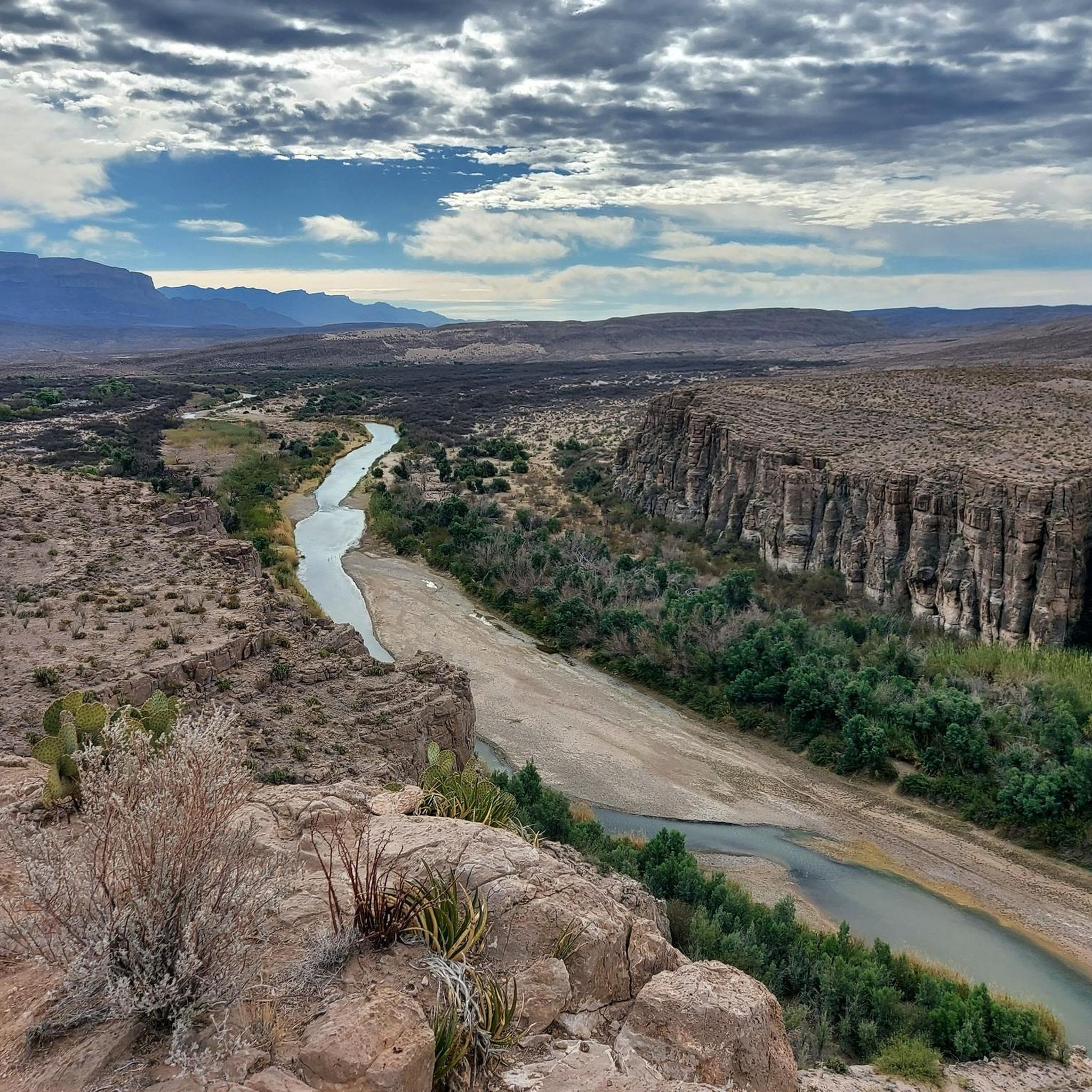
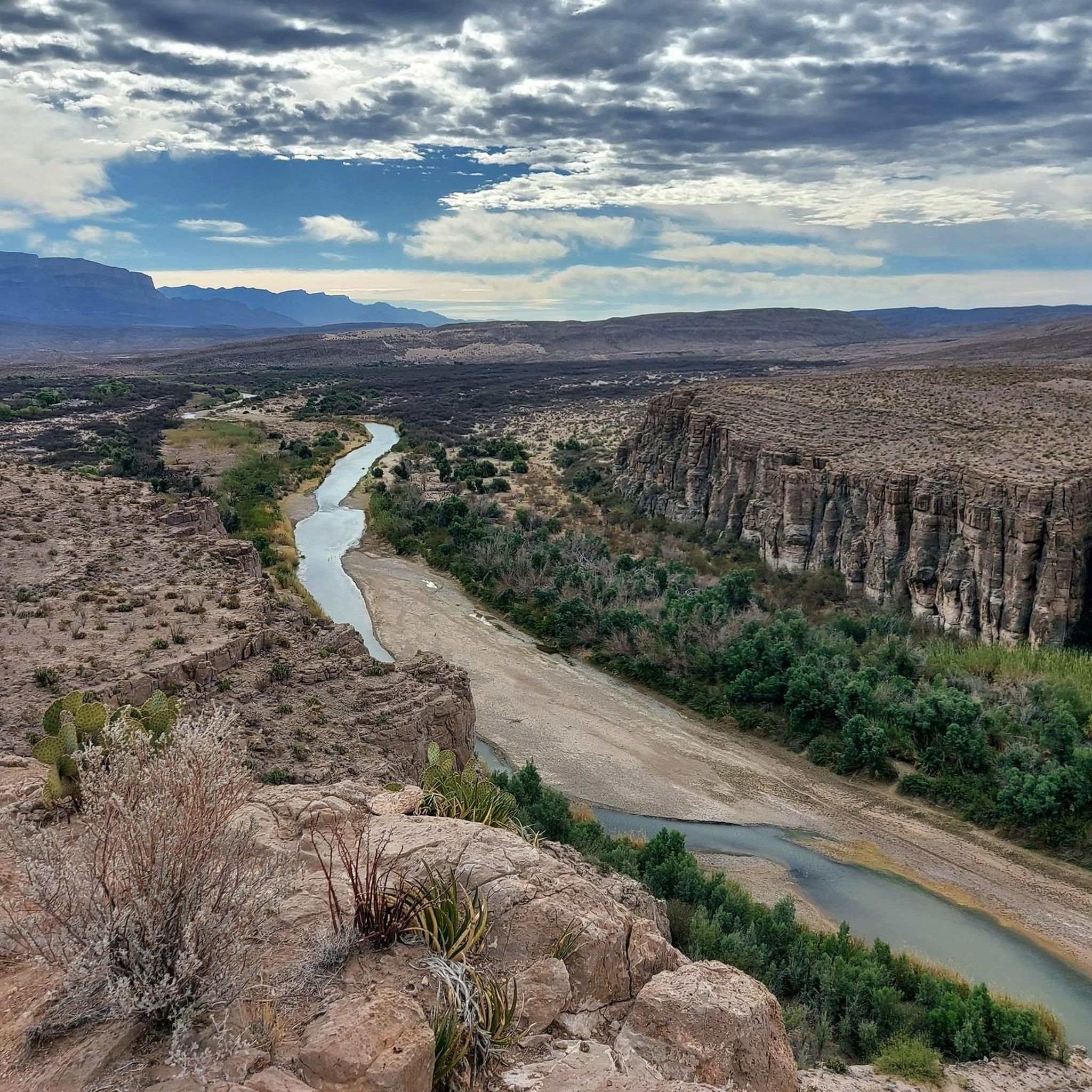
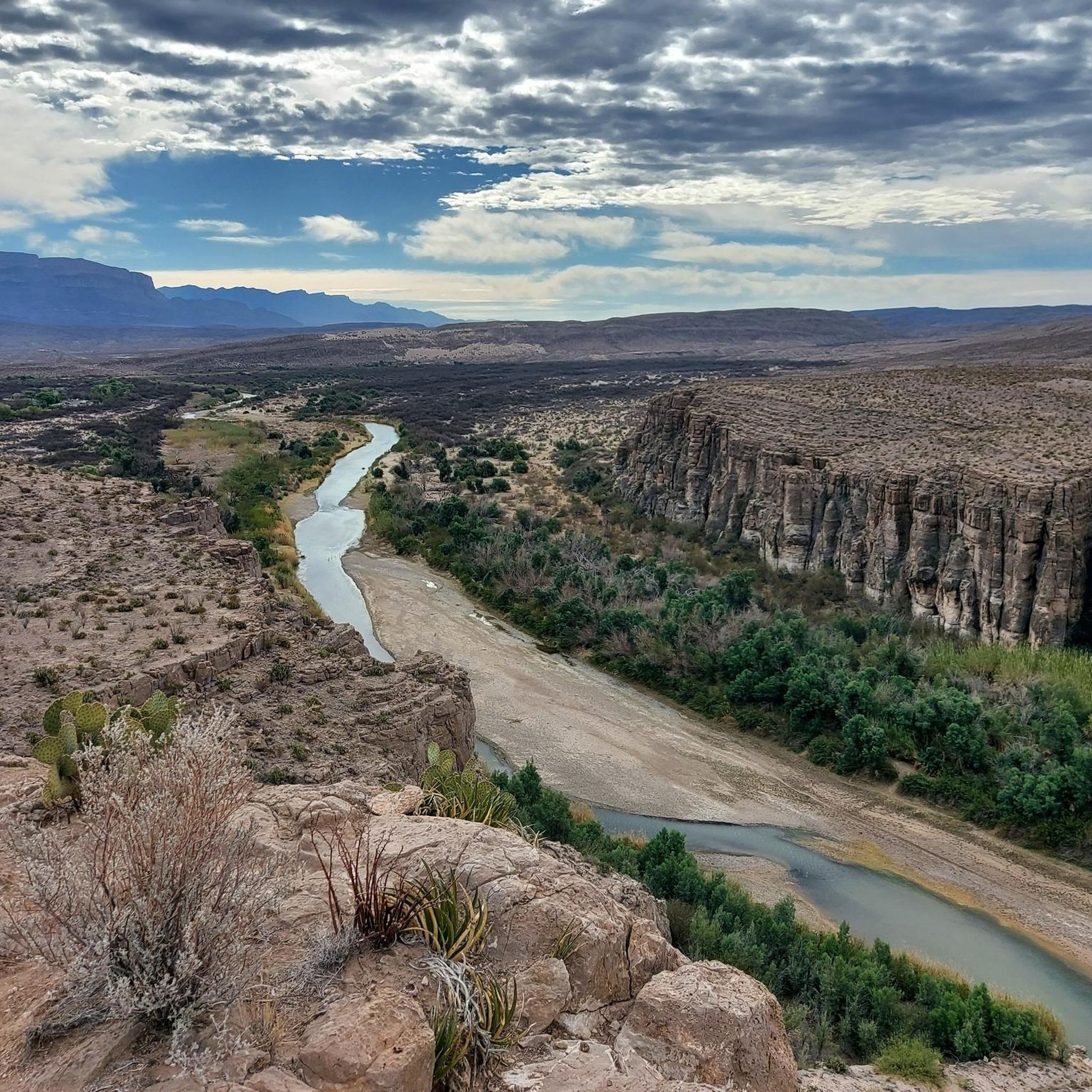
Cool off in the Aztec Cave, the main highlight of the Aztec Cave trail. The most widely-accepted theory about the cave's formation is that it is a result of massive air pockets in ancient lava. Enjoy spectacular panoramic views of the Rio Grande Valley from this point.
0
0

Bring a real flashlight. The tunnel goes back into the mountain. I’m Not sure how far. Dangerous fall spots seemed very well protected
0
0
The abandoned mining structure is a unique destination for a pleasant and relatively easy hike. For a more claustrophobic hiker, the site is wonderful to experience from the outside, as it is a relic of Texas's rich tin mining history of the early 1900s. For those seeking a deeper journey, the entrance of the mine remains accessible, and exploring the inside is allowed. Headlamps and flashlights are recommended for visibility.
3
2
Frequently Asked Questions
What are some of the most popular caves to visit in the Central Mexican Plateau?
The Central Mexican Plateau offers a variety of captivating caves. Among the most popular are Aztec Cave, known for its theorized formation from ancient lava air pockets and panoramic views of the Rio Grande Valley. Another highly regarded spot is Grutas Tolantongo, famous for its thermal waters and natural hot springs. Grutas de Cacahuamilpa also draws many visitors with its vast chambers and impressive geological formations.
Are there any caves in the Central Mexican Plateau with historical or archaeological significance?
Yes, the region is rich in historical and archaeological cave sites. Juxtlahuaca Cave in Guerrero is renowned for containing some of the earliest sophisticated painted art in Mesoamerica, featuring Olmec-style murals over 2,700 years old. Similarly, Oxtotitlán Cave, also in Guerrero, is a significant rock shelter with impressive Olmec-style polychrome paintings.
What kind of natural features can I expect to see in the caves of the Central Mexican Plateau?
You can expect to see diverse natural features. Grutas de Cacahuamilpa boasts vast chambers filled with intricate stalactites, stalagmites, and columnar formations, along with subterranean rivers. Grutas Tolantongo features striking turquoise thermal rivers and naturally heated pools. At View of the Entrance to Cueva Roja, you can observe the distinctive red clay mineral that gives the cave its name.
Are there family-friendly caves in the Central Mexican Plateau?
Grutas Tolantongo is an excellent family-friendly destination, offering a natural thermal water park with hot springs, pools, and a thermal river suitable for all ages. Grutas de García is also very accessible, with visitors able to reach the entrance via a scenic cable car, and the interior features well-lit paths and guided tours, making it comfortable for families.
What is the best time to visit the caves in the Central Mexican Plateau?
The Central Mexican Plateau generally has a temperate climate. The dry season, typically from November to April, is often considered ideal for visiting caves as it offers more stable weather conditions for exploration and outdoor activities around the cave sites. However, thermal caves like Grutas Tolantongo can be enjoyed year-round.
What outdoor activities can I do near the caves in the Central Mexican Plateau?
Many caves are situated near areas with excellent outdoor activity opportunities. For instance, Grutas Tolantongo offers hiking trails and ziplining. Near Grutas de Cacahuamilpa, you can find options for rappelling and rock climbing in Limontitla Canyon. The wider region also provides numerous hiking and mountain biking trails. You can find more details on hiking and MTB trails in the Central Mexican Plateau.
Are there any caves in the region that offer unique wildlife viewing experiences?
Yes, Sótano de las Golondrinas (Cave of Swallows) in San Luis Potosí offers a spectacular wildlife experience. Thousands of white-collared swifts and green parakeets emerge from the massive pit cave at dawn and return at dusk, creating a mesmerizing natural spectacle that attracts many nature enthusiasts.
What should I bring or wear when exploring caves in the Central Mexican Plateau?
When exploring caves, it's generally advisable to wear comfortable clothing and sturdy shoes with good grip. For deeper or less developed caves, a reliable flashlight or headlamp is essential, as highlighted by visitors to the Tin Mines. Some caves, like Grutas Tolantongo, involve water, so swimwear and towels would be necessary.
Are there any caves that are particularly accessible or have unique access methods?
Grutas de García stands out for its accessibility, as visitors can reach the cave entrance via a scenic cable car ride, offering panoramic views. The Entrance to the García Caves also features a well-maintained hiking trail leading up to it, with remnants of an old cable car at the base.
Can I explore historical mining sites in the Central Mexican Plateau?
Yes, the region has historical mining sites that offer unique exploration opportunities. The Tin Mines are an example of an abandoned mining structure that allows for exploration. Visitors can experience the site from the outside or, for those seeking a deeper journey, the mine entrance remains accessible. A strong flashlight or headlamp is recommended for interior exploration.
What do visitors enjoy most about the caves in the Central Mexican Plateau?
Visitors particularly enjoy the diverse experiences offered by the caves. Many appreciate the unique geological formations, from the lava-formed Aztec Cave to the intricate stalactites of Grutas de Cacahuamilpa. The therapeutic thermal waters of Grutas Tolantongo are a major draw for relaxation, while the historical significance of sites like Juxtlahuaca Cave provides a profound cultural experience. The sheer scale and natural spectacles, such as the bird exodus at Sótano de las Golondrinas, also leave a lasting impression.
Are there any specific safety considerations for exploring caves in this region?
Safety considerations vary by cave. For deep or less developed caves, bringing a real flashlight or headlamp is crucial for visibility, as noted by visitors to the Tin Mine. Some sites, like Sótano de las Golondrinas, are popular for professional rappelling and base jumping, indicating the need for specialized equipment and expertise for such activities. Always follow local guidelines and consider guided tours for complex cave systems.
Most popular routes in the Central Mexican Plateau
Most popular attractions in the Central Mexican Plateau

Get inspired with the komoot mobile app


Explore more
Extend your search for the best caves by checking out these guides of the top ones in the Central Mexican Plateau:
