Top 5 Gorges in the San Jacinto Mountains
Canyons in the San Jacinto Mountains are notable for their dramatic landscapes and diverse natural features, rising from the desert floor. This region offers unique geological formations and recreational opportunities within its canyons. Many of these areas hold significant cultural heritage as ancestral lands of the Agua Caliente Band of Cahuilla Indians. Visitors can explore a variety of canyon environments, from lush palm oases to rugged desert terrain.
Best canyons in the San Jacinto Mountains
- The most popular canyons is Palm Canyon, a canyon that features dozens of tall palm trees forming a contrast to the desert landscape. To hike here, a fee is required, which includes access to Andreas Canyon and Murray Canyon.
- Another must-see spot is Andreas Canyon Oasis, a canyon and desert oasis. This area is home to 150 species of plants within a half-mile radius, with a trail passing interesting rock formations and following the perennial Andreas Creek.
- Visitors also love Carrizo Canyon Trail, a canyon trail. This trail leads through the canyon of the same name, offering fascinating rock formations, palm trees, and a (mostly dry) fall at its end.
- San Jacinto Mountains is known for its palm oases, desert washes, and mountain-fed stream canyons. The region offers a variety of canyon experiences, from lush, shaded groves to more arid, rugged landscapes.
- The canyons in the San Jacinto Mountains are appreciated by the komoot community, with more than 25 upvotes and 30 photos shared across its highlights.
Last updated: July 11, 2026
Palm Canyon
Highlight • Canyon
Tip by

Andreas Canyon Oasis
Highlight • Canyon
Tip by

Sign up now to discover places like this
Get recommendations on the best single tracks, peaks, & plenty of other exciting outdoor places.
Sign up for free
Palm Canyon Trail — Wild Horse Trail Section
Highlight (Segment) • Trail
Tip by

Murray Creek
Highlight • River
Tip by
Carrizo Canyon Trail
Highlight (Segment) • Canyon
Tip by

Start today with a free account
Your next adventure awaits.
Login or Signup
Popular around San Jacinto Mountains

Pacific Crest Trail from Mexico to Canada – 4,200 kilometres of wilderness
The tour of your life – music trails on the Pacific coast
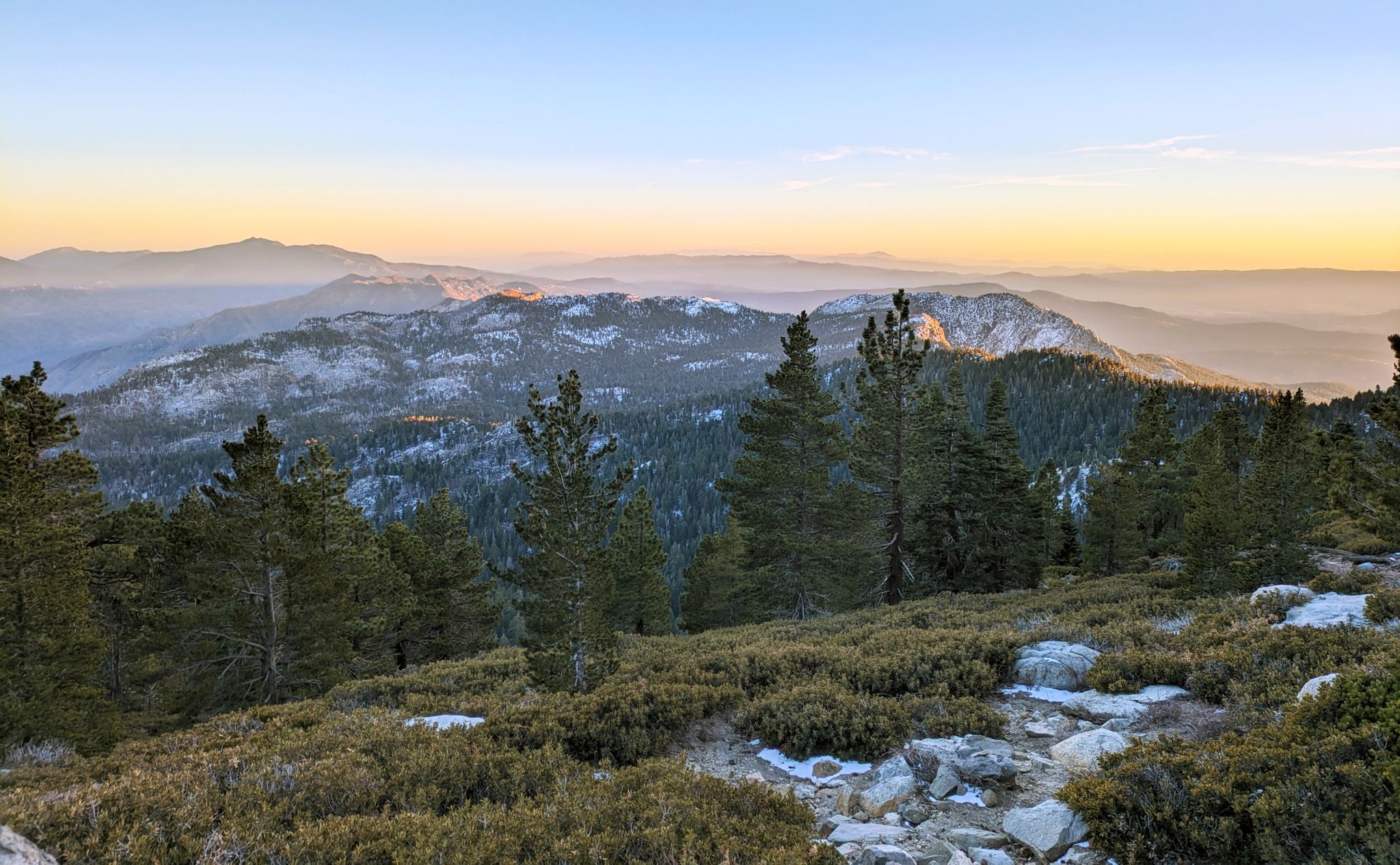
Climbing Mount San Jacinto on the Deer Springs Trail
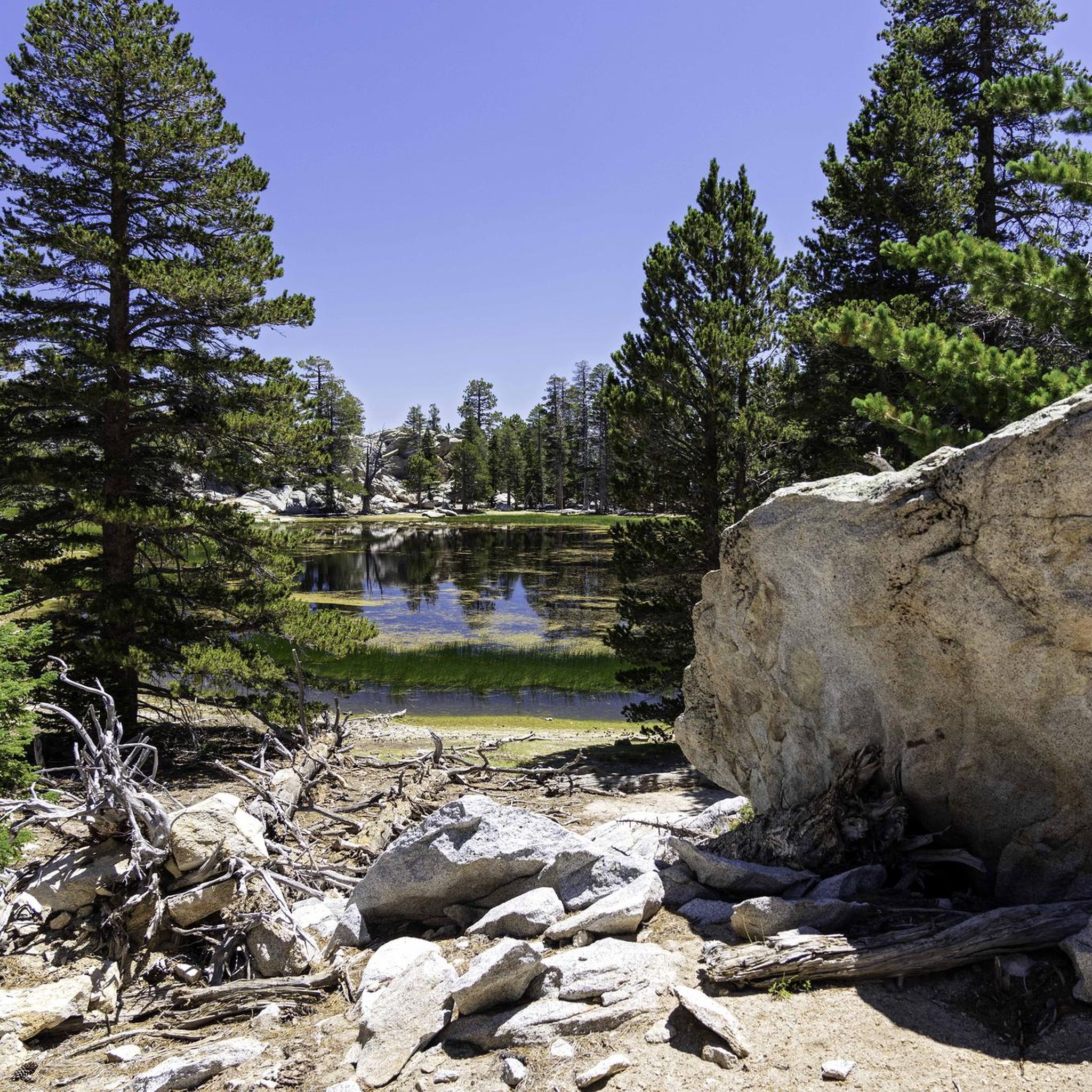
Hiking in the San Jacinto Mountains
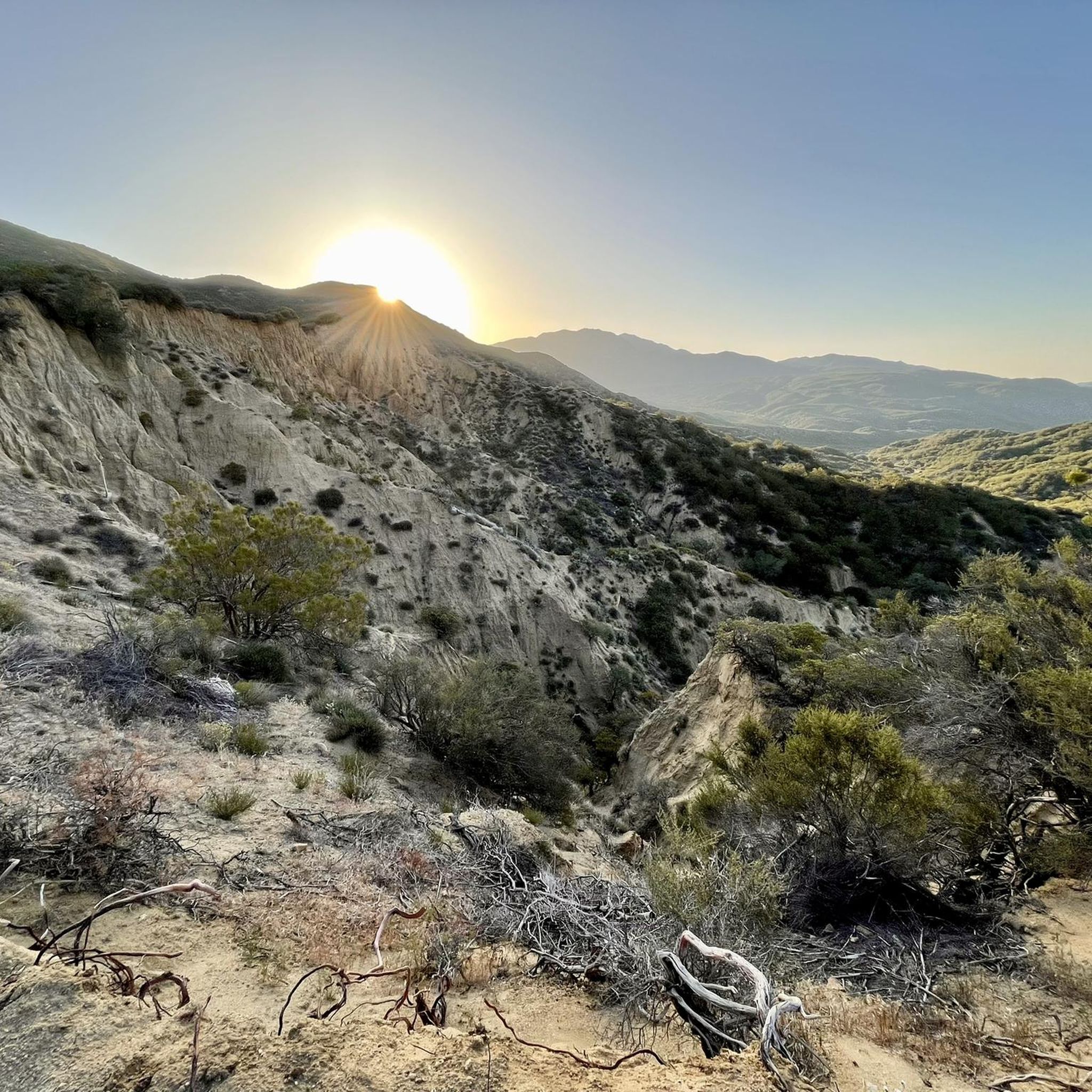
Running Trails in the San Jacinto Mountains
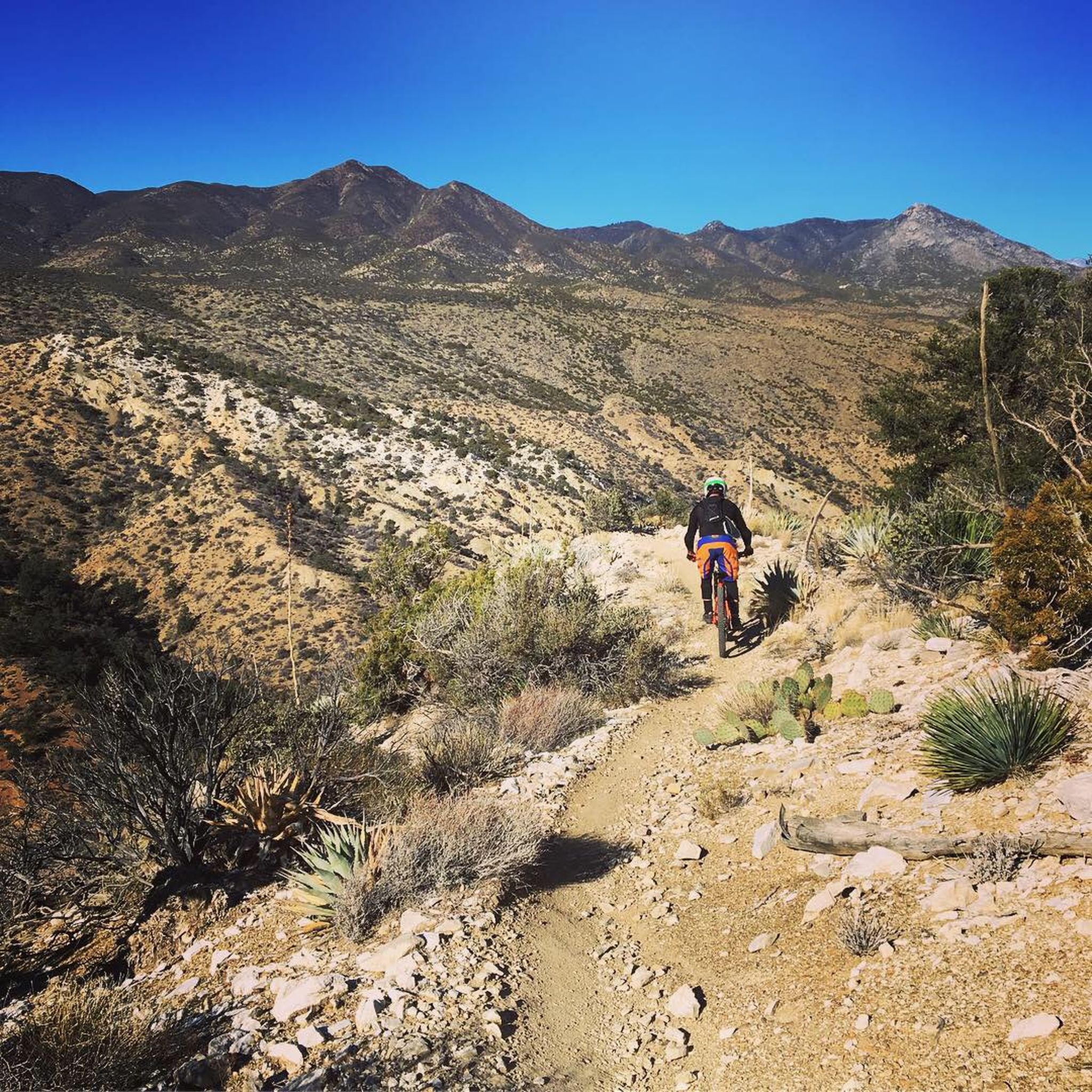
MTB Trails in the San Jacinto Mountains
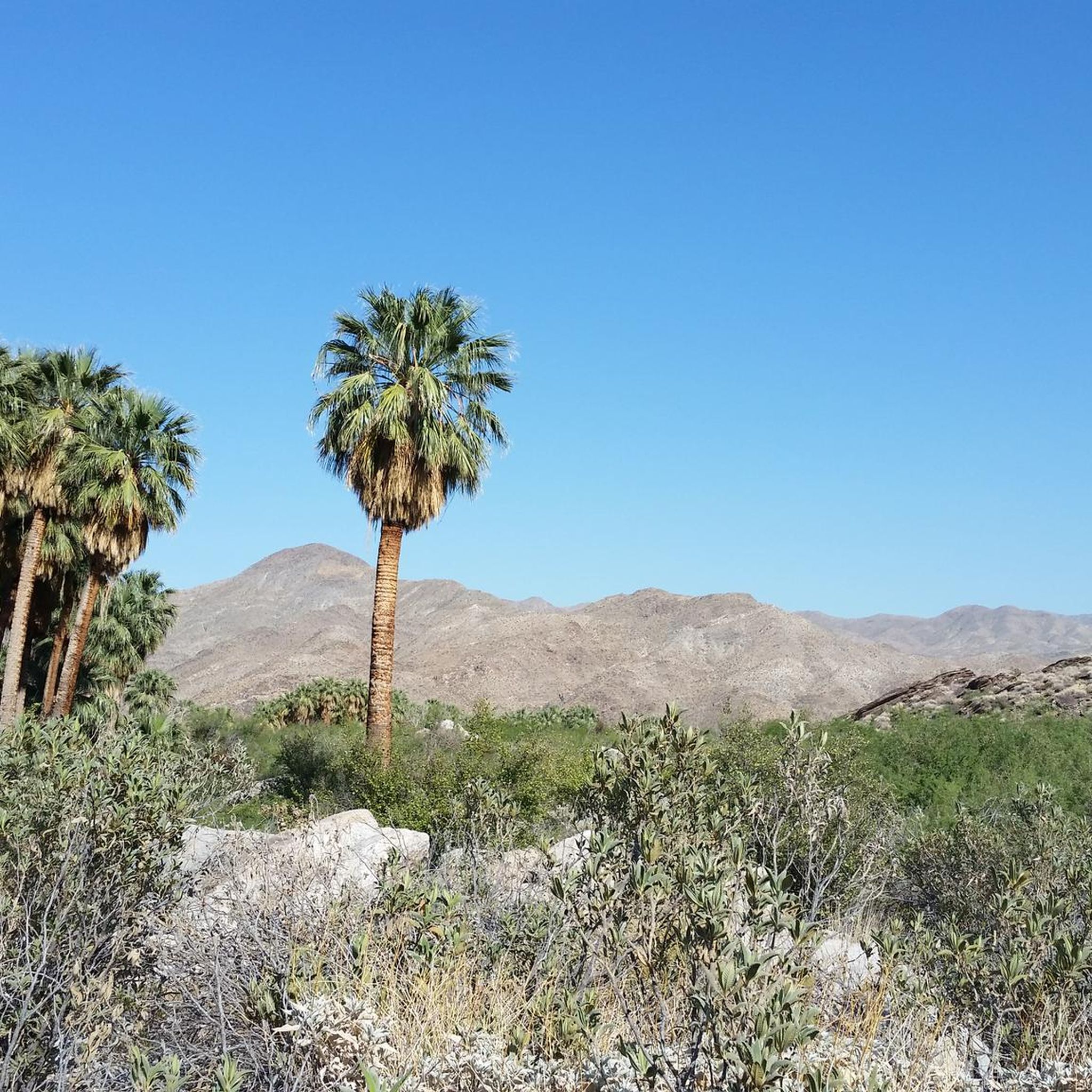
Cycling in the San Jacinto Mountains
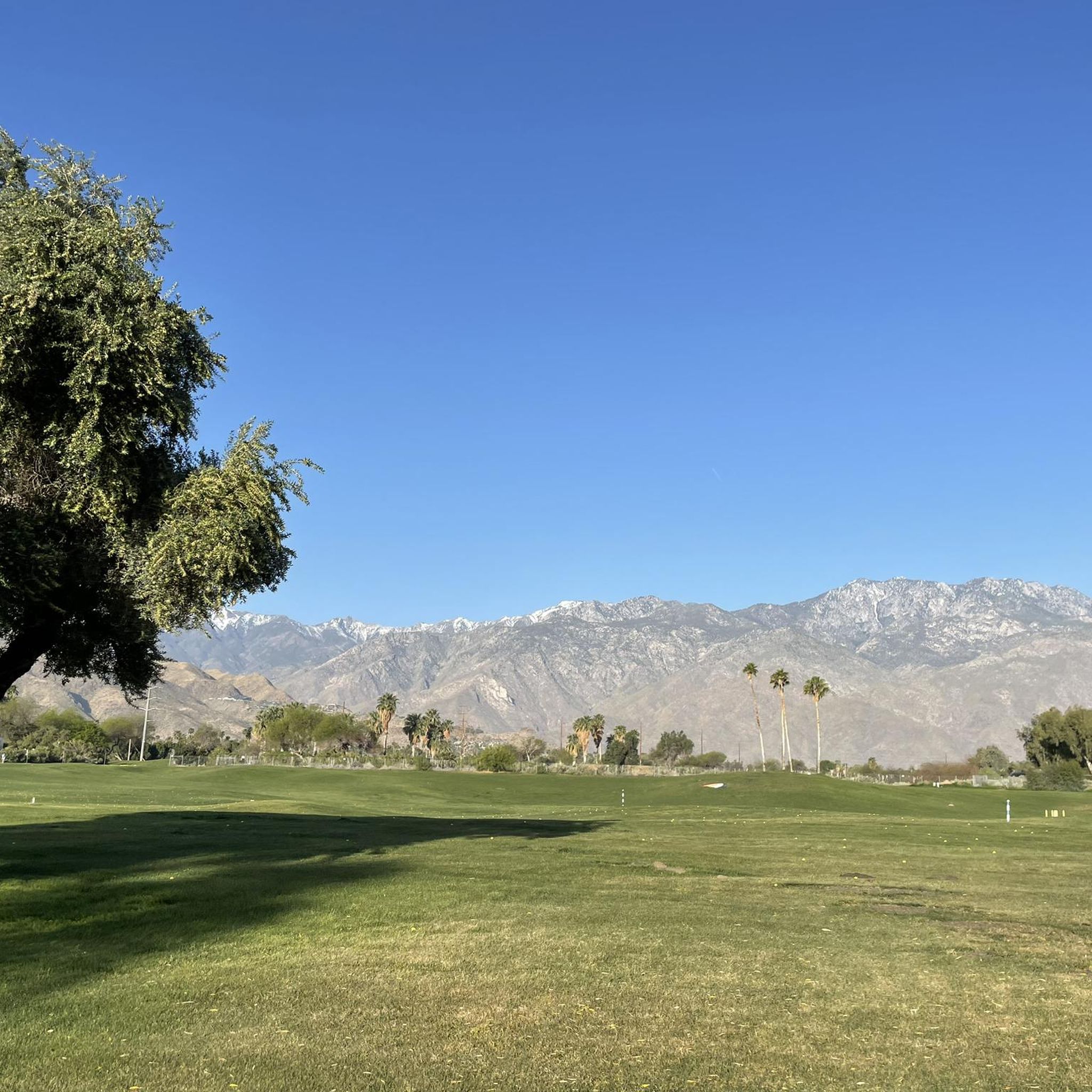
Road Cycling Routes in the San Jacinto Mountains
Other adventures in the San Jacinto Mountains


Tips from the Community

Since 2020, Palm Canyon Trail—a multi-use trail—has seen a significant increase in users: hikers, equestrian and mountain bikers, including eBikes. Most of the trail crosses BLM and US Forest Service land. The Trail crosses private land as well as land owned by Agua Caliente. The properties the Tribe recently received as ancestral land back donations were offered to the Tribe. As a property owner with the right to regulate access to its land, the Agua Caliente chose to improve a portion of Palm Canyon Trail that is on its land—not federal land. The Tribe conducted trail maintenance work within its own property in the Indian Canyons for emergency access, security and safety for our hikers and other lawful users of the Trail. Why did it do this? Because it values its lands and prioritizes proper management of it. Unfortunately, one entitled business owner, [Dave Wood, owner of Bikes and Brews -tgk] who is unhappy over the fact that mountain biking and e-mountain biking is not allowed in this area is acting out by spreading false information, which is unnecessarily causing confusion in the community. His false narrative insultingly prioritizes his desire to financially profit from trespassing on Tribal lands, over the Tribe’s right to protect its property and its cultural resources. Tribal employees are now receiving “anonymous” threats promising more property destruction if tribal staff attempts to interfere with this illegal activity, which generates profits by organizing trail rides for groups of bikers who (unknowingly) trespass on a trail where that activity is not permitted. The Tribe has never permitted mountain biking on its land. The land acquired as land back donations is now Tribal land and consistent with our policy, mountain biking and eBikes are prohibited. Anyone on a mountain or eBike accessing the land is in trespass of Tribal lands. Trespassing on, and damaging, the property of another is never ok. We ask this business owner to ride his bicycle somewhere else where this activity is permitted.
0
0
The Palm Canyon Epic Trail is now closed to mountain biking. In April and June 2024 several landowners of wilderness areas donated their land to the Agua Caliente Band of Cahuilla Indicans (ACBCI). The donated lands included important parts of the Palm Canyon Epic Trail. As part of ACBCI policy on land use, mountain bike travel is prohibited on these lands. Recently Margaret Park-Robinson, Chief Planning Officer of ACBCI released a statement concerning the closure of the PCE. She can be reached at 760-883-1326 or email: mpark@aguacaliente-nsn.gov I append the full statement to this comment. Tom Kohn ACBCI Statement on the PCE closure Since time immemorial, Agua Caliente and other Cahuilla have lived within the lands of the National Monument, including Palm Canyon. Since time immemorial, the Palm Canyon Trail has been a significant cultural and historical pathway for Cahuilla people. Since 2000, the National Monument was established despite concerns by Agua Caliente. The legislation directs the federal agencies (BLM & USFS) to consult with Agua Caliente. Since 2008, Palm Canyon and the portion of the trail was designated as a federal Wild & Scenic River by the US Forest Service despite concerns by Agua Caliente. continues in a following post...
0
0

This desert oasis is home to 150 species of plants, all growing within a half-mile radius. The Andreas Canyon Trail goes through this canyon, passing interesting rock formations, and follows the perennial Andreas Creek.
0
0

Carrizo Canyon Trail leads through the canyon of the same name in Palm Desert, California. As you walk up the wash, you can enjoy fascinating rock formations, palm trees and a (mostly dry) fall at the end of the trail.
0
0
Murray Canyon trail crosses this mountain-fed stream many times eventually leads to the Seven Sisters waterfall.
0
0
This desert oasis is home to 150 species of plants all growing within a half-mile radius. The Andreas Canyon Trail trail goes through this canyon passing with interesting rock formations and follows the perennial Andreas Creek.
0
0

Beautiful view of a palm tree, Andreas Canyon and the rock formation behind
1
0

This trail is suberb! Palm Canyon Trail is a true backcountry experience for experienced mountain bike riders. I recommend riding this trail between November and March when temperatures are still a bit cooler. Bring lots of water and don't forget to pack spare tubes.
1
0
Frequently Asked Questions
What are the most popular canyons for hiking in the San Jacinto Mountains?
The Indian Canyons, including Palm Canyon and Andreas Canyon Oasis, are among the most popular. Palm Canyon is known for its extensive palm groves, while Andreas Canyon offers a serene loop trail with diverse plant life. Another appreciated option is Carrizo Canyon Trail, which features fascinating rock formations and palm trees.
Are there family-friendly canyon hikes in the San Jacinto Mountains?
Yes, Andreas Canyon Oasis is particularly suitable for families. It offers an easy, 1-mile loop trail that follows a mountain-fed stream, making it accessible for various ages. The lush environment and historical bedrock mortars add to the experience.
What is the best time of year to visit the canyons in the San Jacinto Mountains?
The best time to visit is typically between November and March when temperatures are cooler and more comfortable for hiking. During these months, the desert environment is more pleasant, and the natural beauty of the palm oases and streams can be fully enjoyed. Summer months can be extremely hot.
What unique natural features can I expect to see in the San Jacinto Mountains canyons?
You can expect to see California Fan Palm oases, such as those in Palm Canyon and Andreas Canyon Oasis, which create verdant contrasts in the desert. Many canyons feature perennial or seasonal streams, unique rock formations, and diverse desert flora like barrel cactus and ocotillo. Murray Canyon is known for its seasonal Seven Sisters Waterfall.
Are there any cultural or historical sites within the canyons?
Yes, the Indian Canyons (Palm, Andreas, and Murray) are the ancestral lands of the Agua Caliente Band of Cahuilla Indians and hold deep cultural significance. In Andreas Canyon Oasis, you can still see centuries-old bedrock mortars used by the Agua Caliente Indians for preparing food.
What are the parking arrangements and costs for visiting the Indian Canyons?
There is a fee required to access the Indian Canyons, which typically includes entry to Palm Canyon, Andreas Canyon, and Murray Canyon. Parking is available at the entrance to the Indian Canyons. For current admission fees and operating hours, it's advisable to check official sources like Visit Greater Palm Springs or Visit California.
What other outdoor activities can I do near the canyons in the San Jacinto Mountains?
Beyond canyon hiking, the region offers a variety of outdoor activities. You can find numerous running trails, including challenging routes like San Jacinto Peak via Round Valley Trail, as detailed in the Running Trails in the San Jacinto Mountains guide. Cycling enthusiasts can explore routes like the Desert Hot Springs loop, found in the Cycling in the San Jacinto Mountains guide. Mountain biking is also popular, with trails like The Hub loop, accessible via the MTB Trails in the San Jacinto Mountains guide.
Are there any lesser-known or 'hidden gem' canyons worth exploring?
Dead Indian Canyon, located within the Santa Rosa and San Jacinto National Monument, offers a more remote and rugged experience. It features secluded palm tree oases and is a good spot for those interested in spotting elusive bighorn sheep, though parts are seasonally closed for their protection. Bee Canyon, near Hemet, is another option, popular for off-road driving and hiking, with a seasonal waterfall and connections to trails in the Idyllwild area.
What kind of wildlife might I encounter in the San Jacinto Mountains canyons?
The canyons are home to diverse wildlife. In Murray Canyon, you might spot bighorn sheep. The lush environments of the Indian Canyons are excellent for birdwatching, with over 150 species of plants supporting various bird species. Other desert wildlife, such as lizards and various insects, are also common.
Are dogs allowed on canyon trails in the San Jacinto Mountains?
Policies regarding dogs vary by specific canyon and land management. For instance, the Indian Canyons generally have restrictions on dogs on trails to protect the natural environment and wildlife. It's crucial to check the specific regulations for each canyon or trail you plan to visit before bringing your dog.
What are the difficulty levels of hiking trails in the San Jacinto Mountains canyons?
Hiking difficulty levels range from easy to challenging. Andreas Canyon Oasis offers an easy, family-friendly loop. Palm Canyon and Carrizo Canyon Trail are generally considered intermediate. More challenging routes, like sections of the Palm Canyon Trail, offer a true backcountry experience for experienced hikers.
Do I need permits to hike in the San Jacinto Mountains canyons?
While many trails are accessible without specific permits, some areas, particularly those on tribal lands like the Indian Canyons, require an entrance fee. For certain wilderness areas or overnight trips, permits might be necessary. Always check with the relevant land management agency or the specific canyon's visitor center for the most up-to-date permit requirements.
Most popular routes in the San Jacinto Mountains
Most popular attractions in the San Jacinto Mountains

Get inspired with the komoot mobile app


Explore more
Already discovered everything in this region? See additional gorges in the San Jacinto Mountains for your next adventure:
