Top 9 Castles in the Serra da Estrela Mountains
Castles in the Serra da Estrela Mountains are situated in a region known for its rugged terrain and historical significance in Portugal. This area features a landscape of granite mountains and river valleys, providing strategic locations for ancient fortifications. The castles here offer insights into centuries of Portuguese history, from early defensive needs to the Age of Discoveries. Many are integrated into historic villages, preserving medieval urban characteristics and cultural heritage.
Best castles in the Serra da Estrela Mountains
- The…
Last updated: July 11, 2026
Lousã Castle
Highlight • Castle
Translated by Google •
Tip by

Castelo Novo Castle Ruins
Highlight • Castle
Translated by Google •
Tip by

Sign up now to discover places like this
Get recommendations on the best single tracks, peaks, & plenty of other exciting outdoor places.
Sign up for free
Aldeia Histórica de Linhares da Beira
Highlight • Settlement
Translated by Google •
Tip by

Keep Tower of Guarda Castle
Highlight • Castle
Translated by Google •
Tip by

Observation Deck Overlooking Castelo da Lousã
Highlight • Viewpoint
With more or less than 1,200 meters, the Passadiço da Senhora da Piedade connects, in a safe and …
Translated by Google •
Tip by
Natural and scenic complex of Sr.ª da Piedade, Lousã
Highlight • Natural Monument
Translated by Google •
Tip by
View of Linhares da Beira and Castle
Highlight (Segment) • Viewpoint
Translated by Google •
Tip by

Start today with a free account
Your next adventure awaits.
Login or Signup
Popular around Serra da Estrela Mountains
Great Route of Historic Villages (GR 22 south loop) – A nation is born
Great Route of Historic Villages (GR 22 north loop) - castles and valleys

Bikepacking across the Portuguese mountains
Hiking in the Serra da Estrela Mountains
MTB Trails in the Serra da Estrela Mountains
Road Cycling Routes in the Serra da Estrela Mountains
Running Trails in the Serra da Estrela Mountains
Cycling in the Serra da Estrela Mountains
Gravel biking in the Serra da Estrela Mountains
Other adventures in the Serra da Estrela Mountains


Tips from the Community


Nestled on a hill overlooking the cliffs of the Serra da Gardunha, the village of Castelo Novo is linked to the early history of the nation. It was in 1208, during the reign of Sancho I, that Pedro Guterres donated the land—of which he was a grantee—in his will to the Knights Templar, and it is believed that at this time the castle was already under construction. Decades later, King Dinis ordered its structure to be renovated, and it was this campaign of works that gave the Castelo Novo fortress the Gothic characteristics it still displays today. Like many other villages along the Beira border, Castelo Novo grew in the shadow of and around its walls, with narrow streets winding up the hillside to the keep. In the center stands the Town Hall, with its arcades beneath the terrace of the main floor. In the center, integrated into the town hall's façade, stands the monumental and imposing King João V fountain, commissioned by King Magnanimous. Opposite, the Manueline pillory marks the center of the square, and further on, the main church dedicated to Our Lady of Grace rises, its white walls contrasting with the Baroque forms of the granite windows and portals. Throughout the village, as you wander the winding streets, you can discover architectural details, small traces that tell the story of its inhabitants. In Castelo Novo, be sure to visit: The castle; The Bica and King João V fountains; The main church and the Misericórdia church; The manor houses; The old gallows. The Castelo Novo Museum Center Alardo Park
1
0

A historic village of undeniable beauty. Thank you for sharing the photos.👍🥾🚲
0
0

The imposing castle of Guarda was built in 1199 by King D. Sancho I. The only remaining parts are fragments of the city walls, known as the Gothic-style Torre dos Ferreiros, and the Torre de Menagem (Homage Tower), which houses Guarda's local history museum.
1
0

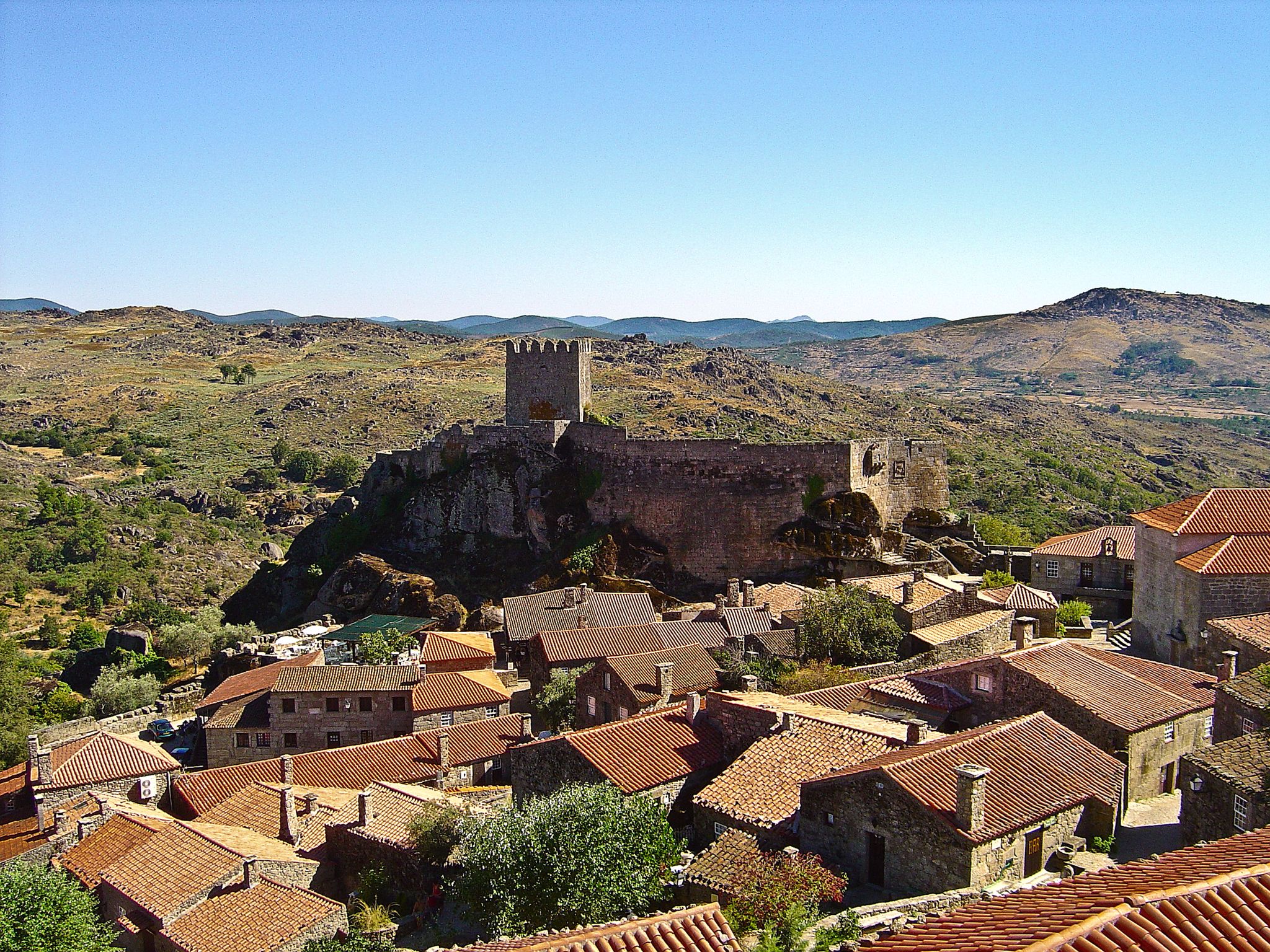
Linhares da Beira is steeped in centuries of history. Founded, apparently, in the 6th century BC by the Turduli, it saw the passage of the Lusitanians, Romans, and Visigoths, who made it the seat of their diocese. It was the scene of Moorish legends, recovered by the kings of León and later by Afonso Henriques, who granted it a charter in 1169 and integrated it into the region's defensive line. Over time, it welcomed Jews, resisted invasions, and lost its municipality in 1842, but never its soul. Today, it is proud to be one of the 12 Historic Villages of Portugal, where every stone tells a piece of the past.
3
0
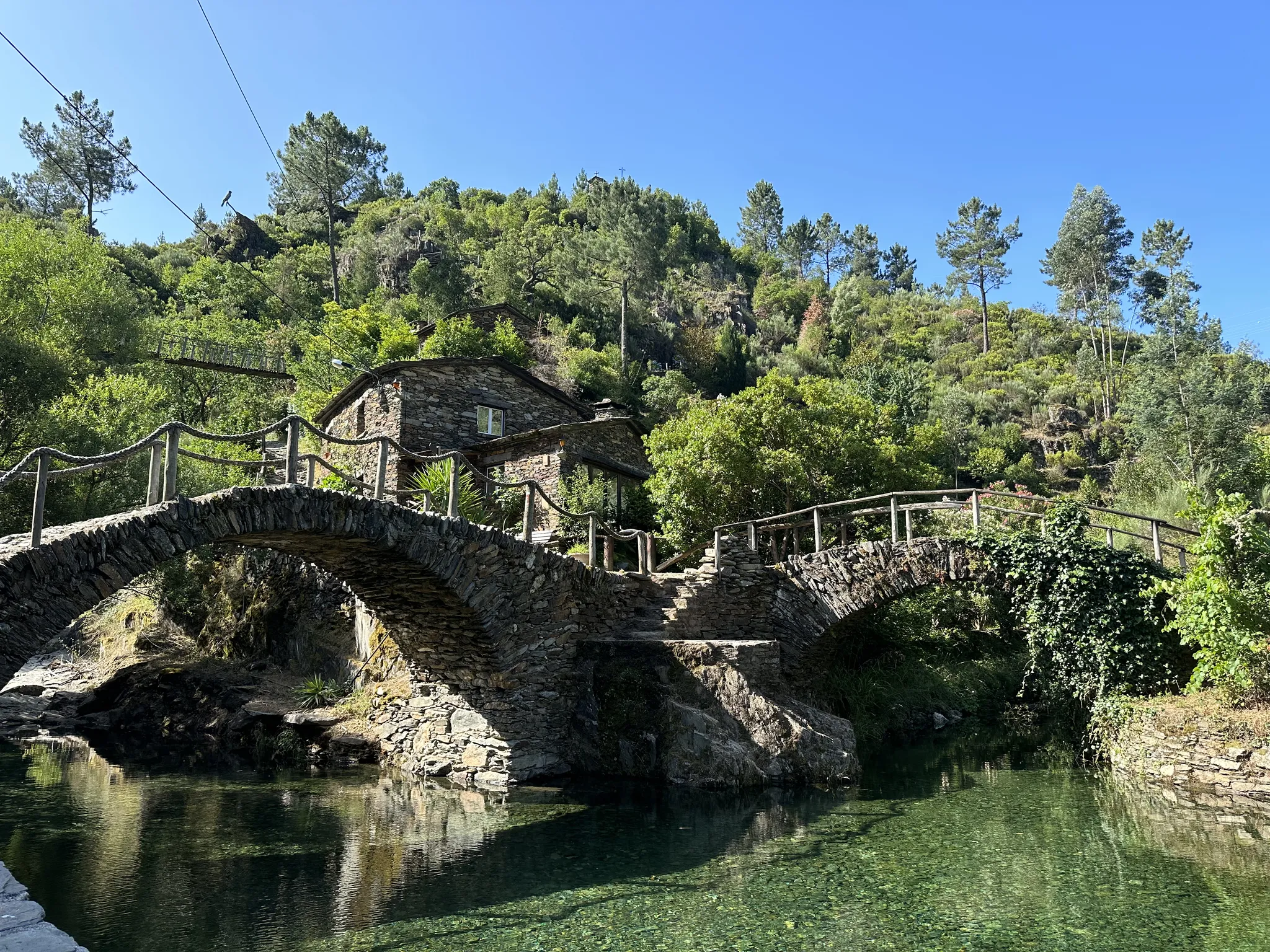
Hidden among the dense greenery of the Serra da Lousã, the Castle has stood since the 11th century, guarding the right bank of the Arouce River. Entry is free, as is parking, and the surroundings are pure enchantment. From here, there are trails that wind through schist villages, cross magical forests and reveal breathtaking viewpoints. A perfect starting point for those who enjoy running between history and nature.
2
0

The historic village is a surprise with its unique manor houses, once owned by noble families. The 12th-century castle, severely damaged during the earthquake of 1755, was given the name "novo," or "new," because another castle had already existed in its immediate vicinity, which had been abandoned due to its insufficient defensive capabilities.
4
0

In the middle of the Serra da Gardunha, the Historic Village of Castelo Novo rises in shades of green and gray. Built on granite, Castelo Novo preserves a unique architectural heritage over time. For gastronomy visit the restaurant "Le Lagarto".
4
0
Frequently Asked Questions
What are some notable castles to visit in the Serra da Estrela Mountains?
The region offers several historically significant castles. You can explore the well-preserved walls of Aldeia Histórica de Linhares da Beira, known for its Romano-Gothic architecture and commanding views. Another prominent site is Lousã Castle, an 11th-century fortress guarding the Arouce River. While much of the original structure is gone, the Keep Tower of Guarda Castle remains a significant landmark offering panoramic views.
Which castles have significant historical importance in the region?
Many castles in the Serra da Estrela Mountains are deeply rooted in Portuguese history. Castelo de Belmonte is notable for its connections to the Age of Discoveries and the family of Pedro Álvares Cabral, featuring a unique Manueline style window. Castelo de Celorico da Beira played a vital role in border defense, with its robust Romanesque-Gothic architecture. Aldeia Histórica de Linhares da Beira has origins possibly dating back to the 6th century BC, having seen the passage of Lusitanians, Romans, and Visigoths.
Are there castles integrated into Portugal's 'Historic Villages'?
Yes, several castles are part of Portugal's designated 'Historic Villages'. Aldeia Histórica de Linhares da Beira is one such example, where the castle is central to a village known for its granite houses and cobbled streets. The Castelo Novo Castle Ruins are also located at the highest point of one of these historic villages, offering a glimpse into medieval urban features.
Can I find good viewpoints from these castles?
Absolutely. Many castles in the region were strategically built on high ground, offering spectacular vistas. The castle in Aldeia Histórica de Linhares da Beira provides commanding views of the surrounding landscape. Similarly, the Keep Tower of Guarda Castle, situated at 1056m, offers panoramic views that can extend as far as Spain and the Serra da Estrela mountains.
What kind of architecture can I expect to see at the castles?
The castles in the Serra da Estrela Mountains showcase a range of architectural styles reflecting their long history. You'll find Romano-Gothic castles like the one in Aldeia Histórica de Linhares da Beira, and Romanesque-Gothic structures such as Castelo de Celorico da Beira. Castelo de Belmonte features an irregular oval plan with a notable Manueline style window, indicating its adaptation from a military fortress to a residence.
Are there family-friendly castles to visit in the Serra da Estrela Mountains?
While specific family-friendly activities vary by castle, many offer accessible grounds and historical insights that can engage families. Lousã Castle offers free entry and parking, making it an easy stop for families. The general appeal of exploring ancient fortifications and enjoying the views can be a rewarding experience for all ages. The Observation Deck Overlooking Castelo da Lousã is also noted as family-friendly.
What outdoor activities can I do near the castles?
The Serra da Estrela Mountains offer a variety of outdoor activities. Near the castles, you can find numerous hiking and running trails. For example, near Lousã Castle, there are excellent hiking trails like the PR3 Rota da Levada. You can explore easy hikes such as the Faias Trail (PR 13) or the Senhora da Piedade River Pool – Lousã Castle loop. For more challenging options, consider running trails like the Estrela Taurus or cycling routes like the Circular Route 13 de Manteigas.
Are there hiking opportunities around the castles?
Yes, the region provides ample hiking opportunities. Many castles are situated within or near areas with established trails. For instance, the surroundings of Lousã Castle are described as an 'enchantment' with trails winding through schist villages and magical forests. You can find various routes, from easy to difficult, in the Serra da Estrela Mountains, many of which pass by or offer views of historical sites.
What do visitors enjoy most about the castles in the Serra da Estrela Mountains?
Visitors frequently appreciate the historical depth and the stunning natural settings of these castles. The panoramic views from locations like Aldeia Histórica de Linhares da Beira and the Keep Tower of Guarda Castle are highly praised. The integration of castles within 'Historic Villages' also allows visitors to immerse themselves in medieval urban features and a rich cultural heritage, often combined with opportunities for hiking and exploring the beautiful landscape.
What is the best time to visit the castles in the Serra da Estrela Mountains?
The Serra da Estrela region experiences distinct seasons. Spring and autumn generally offer pleasant weather for exploring the castles and their surroundings, with milder temperatures and beautiful landscapes. Summer can be warm but is ideal for combining castle visits with other outdoor activities. While winter brings snow to the higher elevations of Serra da Estrela, making some areas challenging, the castles themselves can offer a unique, atmospheric experience, though it's advisable to check accessibility and opening hours during this season.
Are there any hidden gems among the castles or historical sites?
While not a 'hidden' gem in the traditional sense, the village of Folgosinho, with its medieval castle, granite houses, and cobbled streets, offers a charming and less-traveled experience. Legend says it was founded by Lusone, grandson of Noah, adding a mystical touch to its history. The Castelo Novo Castle Ruins, nestled in one of Portugal's 12 Historic Villages, also provides a unique blend of history and picturesque village life.
What natural features can be found near the castles?
The castles are set within a region known for its rugged terrain, granite mountains, and river valleys. Near Lousã Castle, you'll find the Arouce River and dense greenery of the Serra da Lousã. The town of Celorico da Beira, home to its castle, is nestled between the northern slope of the Serra da Estrela and the Mondego River. The region is rich in natural beauty, offering a scenic backdrop to these historical fortifications.
Most popular routes in the Serra da Estrela Mountains
Most popular attractions in the Serra da Estrela Mountains

Get inspired with the komoot mobile app


