Top 10 Caves in the Peloponnese Mountains
Best caves in the Peloponnese Mountains offer a diverse range of subterranean experiences, from ancient archaeological sites to unique geological formations. The region is characterized by its rugged mountains, deep gorges, and extensive cave systems, shaped by millennia of natural processes. These natural features provide insights into both geological history and early human habitation. The Peloponnese is a significant area for exploring various types of caves, including those with historical and paleontological importance.
Best caves in the Peloponnese Mountains
- The most popular caves is Franchthi Cave, a cave that was in use from the Upper Palaeolithic to about 4000 BC. This historical site is known for its archaeological significance and offers a short, accessible walk from Foyrnon Beach.
- Another must-see spot is Volcanic Cave, a cave with a good view. Visitors can expect a short tour with scenic surroundings, requiring sturdy shoes and water.
- Visitors also love Didyma Sinkhole and Chapel, a natural monument that can be entered through a tunnel. This site is special for its unique geological formation and the religious building located within.
- Peloponnese Mountains is known for historical caves, natural sinkholes, and volcanic caves. The region offers a variety of caves to see and explore, each with distinct geological features and historical contexts.
- The caves in the Peloponnese Mountains are appreciated by the komoot community, with 13 highlights, 72 photos, and 134 upvotes from other users.
Last updated: May 15, 2026
New Monastery of the Philosopher
Highlight • Religious Site
During the Revolutionary War it played an important role as a hiding place. The Ottomans gouged out the eyes of many images in the chapel in revenge.
Translated by Google •
Tip by

Treasury of Atreus (Tomb of Agamemnon)
Highlight • Historical Site
With an interior height of 13.5m and a diameter of 14.5m, it was the tallest and widest dome in the world for over a thousand years until construction of the Temple of Hermes in Baiae and the Pantheon in Rome. It had always been visible. 1879 when the German archeologist Heinrich Schliemann discovered the shaft graves under the 'agora' in the Acropolis at Mycenae he named the tomb incorrectly, as Atreus or Agamemnon lived much later.
en.wikipedia.org/wiki/Treasury_of_Atreus
Tip by

Sign up now to discover places like this
Get recommendations on the best single tracks, peaks, & plenty of other exciting outdoor places.
Sign up for free
Monastery of the Egg – Moni Avgou Agios Dimitrios
Highlight • Religious Site
In a small cave in the eastern part of the rock, preserved Christian murals, according to Georgios, date back to the 11th century. It has spectacular views down the ravine leading to Iria, in good visibility to the sea. There is much speculation about the origin of the common name ‘Moni Avgou’, translated as ‘Abbey of the egg’. The most popular, yet romantic explanation lies in the tradition which tells the tale of the deeply felt faith for the unbreakable egg.
Tip by
Kayafa Thermal Springs ♨️🏊 Spa
Highlight • Natural Monument
Tip by
Franchthi Cave
Highlight • Cave
Translated by Google •
Tip by

Citadel of Mycenae
Highlight • Historical Site
Tip by
Great Waterfall
Highlight (Segment) • Waterfall
Translated by Google •
Tip by

Volcanic Cave
Highlight • Cave
Translated by Google •
Tip by

Didyma Sinkhole and Chapel
Highlight • Natural Monument
Translated by Google •
Tip by
Hermes Cave
Highlight • Cave
Tip by

Sign up for free to discover even more caves in the Peloponnese Mountains.
Sign up for free
Already have an account?
Start today with a free account
Your next adventure awaits.
Login or Signup
Popular around Peloponnese Mountains
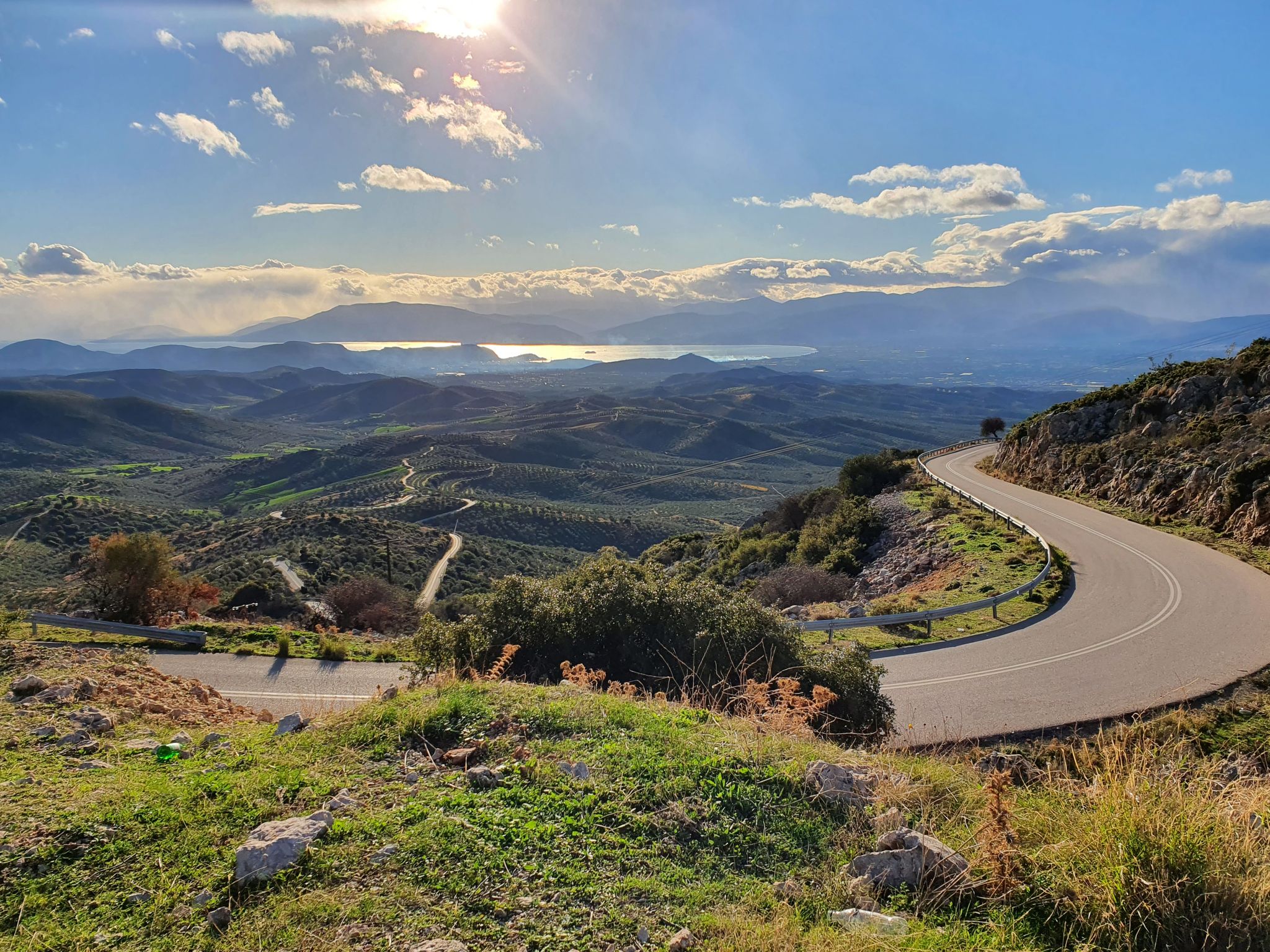

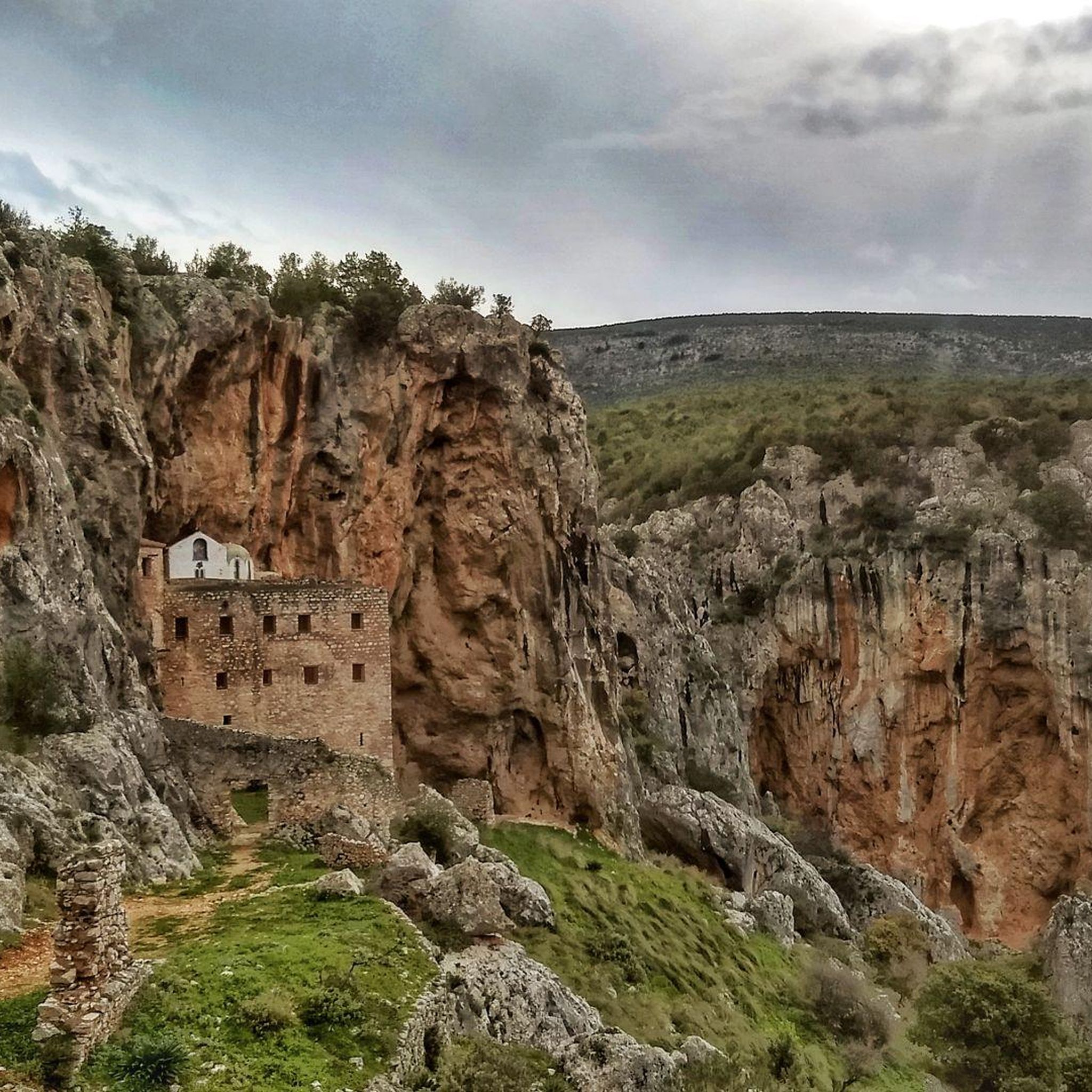
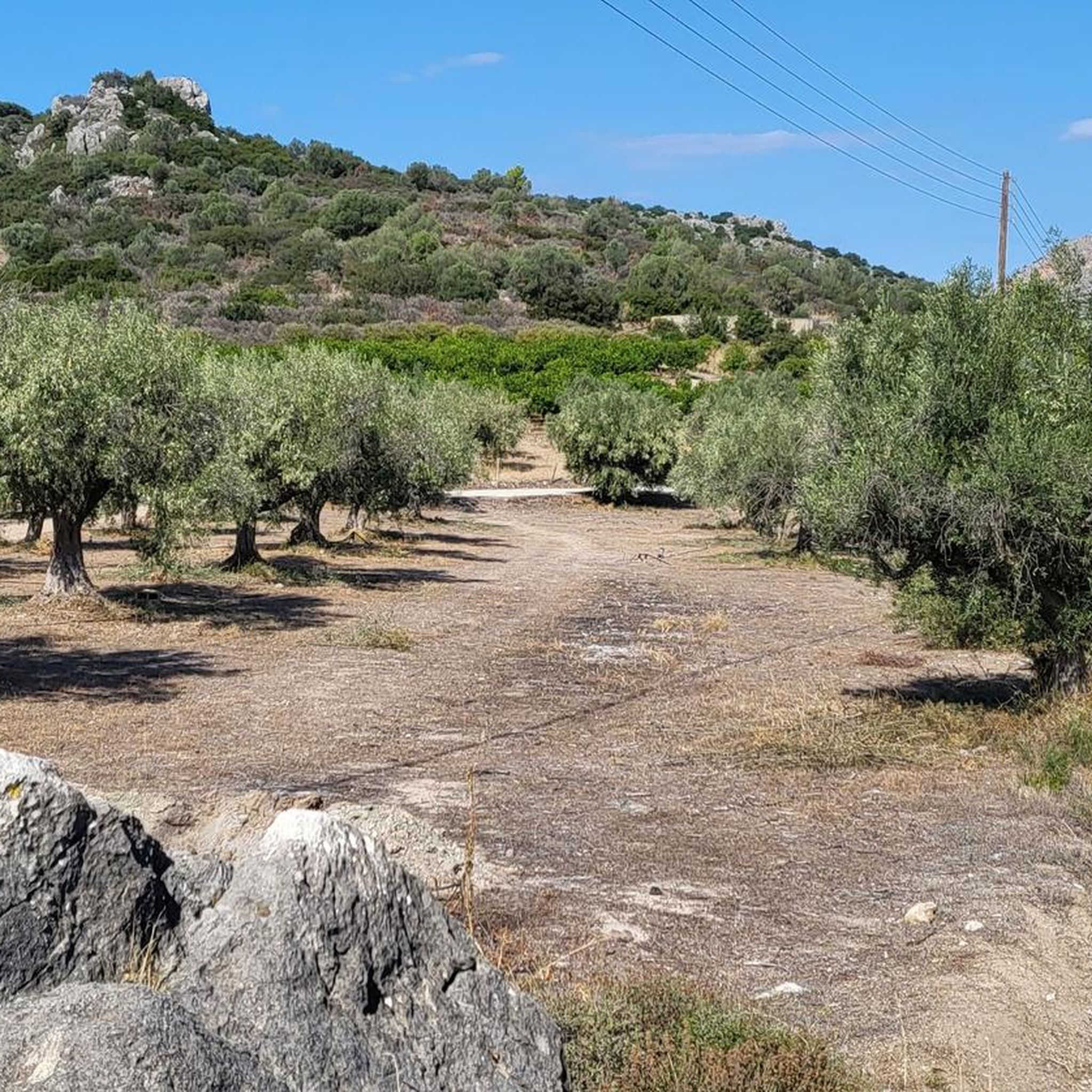
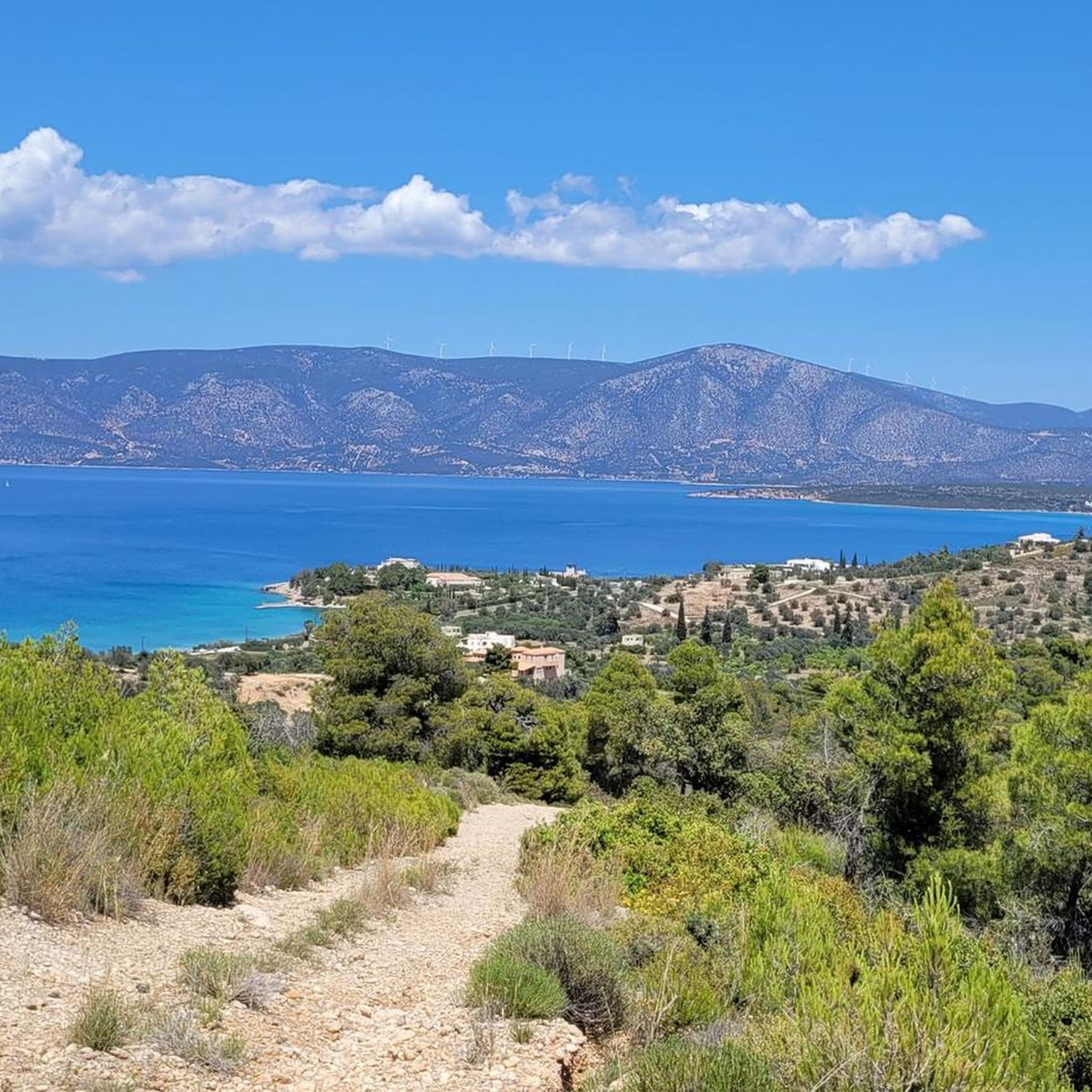
Other adventures in the Peloponnese Mountains


Tips from the Community

Flower-filled monastery and friendly monks.
0
0

The trail leads directly through the monastery grounds
0
0

Both monasteries are closed from 1 p.m. to 5 p.m. The grounds of this monastery are also closed. You can only take a look through the gate. There is a branch with an alternative route about 50 m downhill.
0
0

The monastery is the “new building” (but also several hundred years old) of the old monastery 400 m further down the valley (worth seeing!). During the Revolutionary War it played an important role as a hiding place. The Ottomans gouged out the eyes of many images in the chapel in revenge.
6
0

The New Monastery of the Philosopher, near the Lousios River in Greece, was founded in the 7th century, and the building you see today was constructed in the 17th century. The monastery, set amongst wonderful landscapes, has remarkable frescoes. It's a really peaceful place to spend a few hours. You can borrow a scarf to cover your legs (compulsory for both men and women).
1
0

This place and the view are truly spectacular. The way there is on a simple gravel path. You have to cross the river over a bridge. When we hiked in mid-October, the riverbed was completely dry, so that wasn't a problem. May be different in spring. The monastery was freely accessible, but there was no one there.
1
0

As it is outside of Mycenae, it is overlooked by many visitors. impressive architectural achievement.
1
0

The first thing that strikes you when you visit is that the tomb was dug into the mound. So one of the semi-circular rooms is semi-underground. It has a mock arch with a pointed elevation and a height of 13.5 meters inside. Its diameter is 14.5 meters.
5
0
Frequently Asked Questions
What are the most unique cave experiences in the Peloponnese Mountains?
For a truly unique experience, visit the Diros Caves, particularly the Vlychada Cave, where you can take a boat tour through an underground river system filled with stunning stalactites and stalagmites. Another distinctive site is the Cave of Lakes near Kastria, known for its series of tiered underground lakes. You can also explore the Didyma Sinkhole and Chapel, a natural monument with a religious building inside.
Are there family-friendly caves to visit in the Peloponnese Mountains?
Yes, several caves are suitable for families. The Kapsia Cave near Levidi offers guided tours that highlight its unique colorful formations and history, making it engaging for all ages. The Treasury of Atreus (Tomb of Agamemnon) is also considered family-friendly, offering a historical cave experience. Additionally, the walk to Franchthi Cave from Foyrnon Beach is short and accessible, perfect for families.
What historical or archaeological significance do the caves in the Peloponnese Mountains hold?
Many caves in the Peloponnese have rich historical and archaeological importance. Franchthi Cave was in use from the Upper Palaeolithic to about 4000 BC, with significant archaeological findings. The Diros Caves have yielded Paleolithic and Neolithic artifacts, along with fossilized bones of various animals, indicating early human habitation. Kapsia Cave also shows evidence of Neolithic human presence, and the Cave of Lakes contains paleontological discoveries, including hippopotamus bones.
What geological features can I expect to see in the Peloponnese caves?
The caves in the Peloponnese Mountains showcase diverse geological wonders. The Diros Caves are famous for their intricate stalactites and stalagmites, formed over millennia. Kapsia Cave is renowned for its rare and vibrant coloration of lithic material, displaying fire red, yellow, and greenish-blue hues. The Cave of Lakes is unique for its series of tiered underground lakes, which transform with seasonal water flow. You can also find natural sinkholes like the Didyma Sinkhole and Chapel, and volcanic formations at the Volcanic Cave.
What is the best time of year to visit the caves in the Peloponnese Mountains?
The interior of many caves, such as the Diros Caves, maintains a comfortable temperature of around 16-18°C (61-64°F) year-round, making them a pleasant escape during hotter months. Generally, spring and autumn offer mild weather for exploring the surrounding areas and accessing the caves. During winter, the Cave of Lakes transforms into a flowing river with waterfalls due to snowmelt, offering a different spectacle.
Are there any caves with religious significance in the Peloponnese Mountains?
Yes, the region features caves intertwined with religious history. The New Monastery of the Philosopher and the Monastery of the Egg – Moni Avgou Agios Dimitrios are both religious buildings associated with caves. The Didyma Sinkhole and Chapel also houses a chapel within its unique geological formation.
What should I wear when exploring caves in the Peloponnese Mountains?
When exploring caves, it's advisable to wear sturdy shoes, as paths can be uneven or slippery, especially in places like the Didyma Sinkhole and Chapel. Even in summer, cave interiors are cool, so bringing a light jacket or sweater is recommended. For boat tours like those in the Diros Caves, comfortable clothing is best.
Are there any challenging cave experiences for experienced adventurers?
For those seeking a more challenging experience, the Great Waterfall area includes small caves that require climbing. Hermes Cave is also categorized as challenging, offering a more rugged exploration. Katafygi Cave near Kastri provides an off-the-beaten-path adventure for those looking for untouched natural beauty.
What outdoor activities can I do near the caves in the Peloponnese Mountains?
The Peloponnese Mountains offer a variety of outdoor activities near its caves. You can find numerous running trails, including routes near Nafplio and Sparta. There are also excellent waterfall hikes, such as those around the Neda Waterfall. For cyclists, the region provides diverse cycling routes, from coastal views to challenging mountain rides.
Are there thermal springs associated with caves in the Peloponnese Mountains?
Yes, you can find thermal springs in the region. The Kayafa Thermal Springs ♨️🏊 Spa is a natural monument that includes cave formations, offering a unique combination of caving and relaxation.
What are some lesser-known or hidden caves worth exploring in the Peloponnese?
Beyond the more famous sites, Kastania Cave in Lakonia is a hidden gem celebrated for its dense concentration of delicate stalactites and stalagmites, offering a more intimate experience. Katafygi Cave near Kastri provides an off-the-beaten-path adventure with impressive formations and untouched natural beauty. Nestor's Cave, located along the hike to Navarino Old Castle, is another less-visited option that combines caving with a scenic hike.
How long does it take to visit the Diros Caves?
A visit to the Diros Caves typically involves a boat tour lasting around 30 minutes, covering approximately 1,200 meters of the cave system, followed by a 300-meter walking section. Allow additional time for waiting, entry, and exploring the nearby area.
Most popular routes in the Peloponnese Mountains
Most popular attractions in the Peloponnese Mountains

Get inspired with the komoot mobile app


Explore more
Extend your search for the best caves by checking out these guides of the top ones in the Peloponnese Mountains:
