Top 20 Caves in the Serra de Tramuntana Mountains
Best caves in the Serra de Tramuntana Mountains are found within a UNESCO World Heritage site known for its dramatic limestone formations and diverse landscapes. This mountain range on Mallorca's northwest coast offers a variety of subterranean experiences, from accessible show caves to challenging speleological sites. The region's geology has created numerous caves, some with historical significance and others showcasing impressive natural formations. These caves provide insight into the island's geological past and offer unique exploration opportunities.
Best caves in the Serra de Tramuntana Mountains
- The most popular caves is Via Ferrata to Schmugglers' Cave, a cave that involves some climbing to access. The cave has multiple levels and requires sturdy shoes and a lamp for exploration.
- Another must-see spot is Camí de les Coves Blanques, a trail leading to historical cave emplacements. This path was built between 1937 and 1940 and offers views of the surrounding area.
- Visitors also love Guillem Hermitage Cave, a partly inhabited and partly freely accessible cave. It offers a unique experience of darkness and silence at night for those who choose to stay.
- Serra de Tramuntana Mountains is known for natural caves, historical sites, and challenging caving experiences. The region offers a variety of caves to see and explore, from those with ancient archaeological finds to those requiring advanced caving techniques.
- The caves in the Serra de Tramuntana Mountains are appreciated by the komoot community, with more than 240 upvotes and over 120 photos shared by users.
Last updated: May 15, 2026
Sa Calobra Tunnels
Highlight (Segment) • Structure
Be careful: the floor of the tunnels is slippery, wear suitable footwear!
Translated by Google •
Tip by

Old Bunkers and Gun Emplacements at Coves Blanques
Highlight • Cave
Translated by Google •
Tip by

Sign up now to discover places like this
Get recommendations on the best single tracks, peaks, & plenty of other exciting outdoor places.
Sign up for free
Camí de les Coves Blanques
Highlight • Trail
Translated by Google •
Tip by
Guillem Hermitage Cave
Highlight • Cave
Translated by Google •
Tip by

Sant Martí Cave
Highlight • Cave
1. Sant Jordi (1632) and 2. Sant Marti. The cave was closed in 1827 due to poor condition, restored in 1886 and open to the public, meanwhile it is in danger of collapsing and may no longer be entered... actually ;) I went down anyway, over the fence.
Translated by Google •
Tip by

Via Ferrata to Schmugglers' Cave
Highlight (Segment) • Cave
Nevertheless, the path seems a bit adventurous and always tempts you to stop and look.
Translated by Google •
Tip by
Campanet Caves
Highlight • Cave
In the past, people were allowed to take photos here, but today (as of 08.2017) you can't even do it without a flash. However, the watchdogs are not as "sharp" as in Porto Christo.
Our guide didn't speak German but almost perfect English.
To the website:
covesdecampanet.com/de
Translated by Google •
Tip by
Cova des Migdia
Highlight • Cave
Translated by Google •
Tip by

Cova de sa Cometa des Morts
Highlight • Cave
Translated by Google •
Tip by
Bed Mine
Highlight • Cave
THE CAVITIES OF THE SERRA DE NA BURGUESA. ZONE 6: MINING IN THE SERRA D’EN MARILL (Palma, Mallorca). By Pere BOVER, Antelm GINARD, Damià CRESPÍ, Damià VICENS,
Mateu VADELL, Jaume SERRA, Gabriel SANTANDREU and Miquel Àngel BARCELÓ
Translated by Google •
Tip by

Sign up for free to discover even more caves in the Serra de Tramuntana Mountains.
Sign up for free
Already have an account?
Start today with a free account
Your next adventure awaits.
Login or Signup
Popular around Serra de Tramuntana Mountains
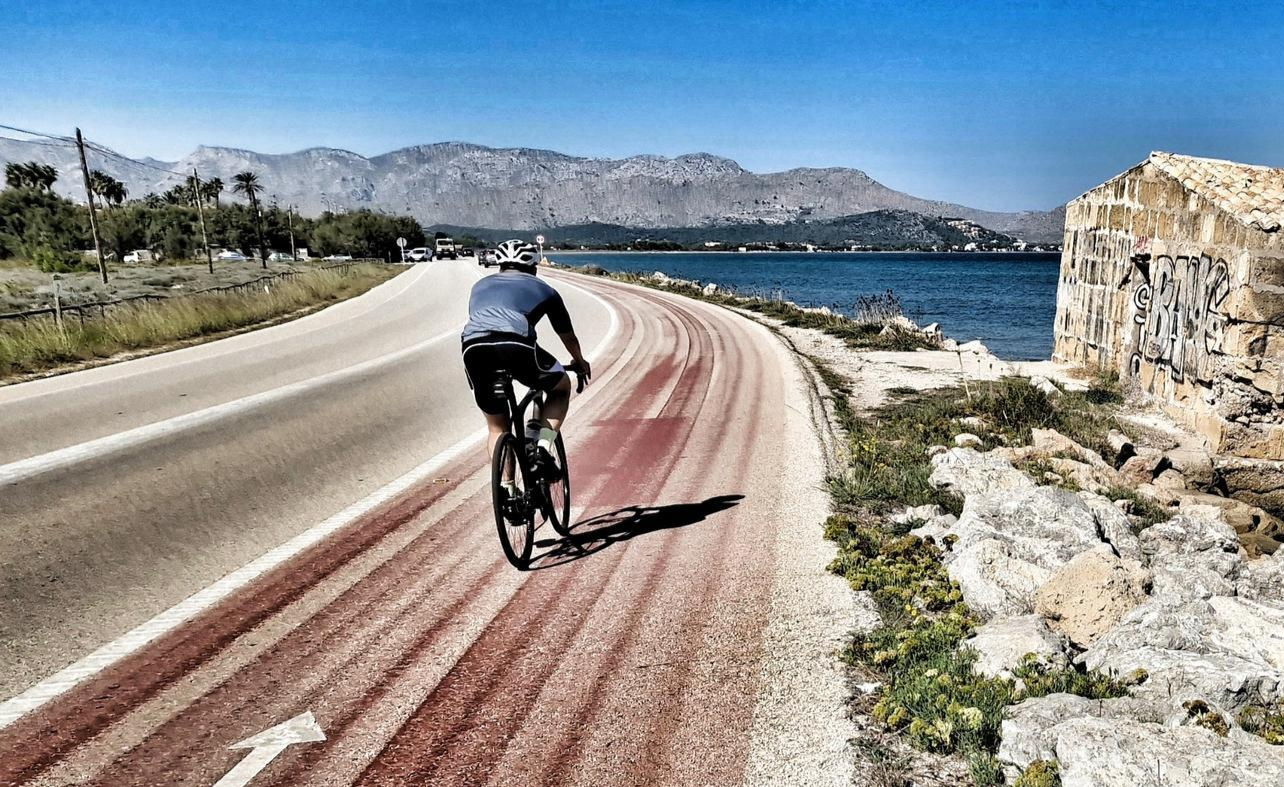
Cycling in the heart of the island - Mallorca 167
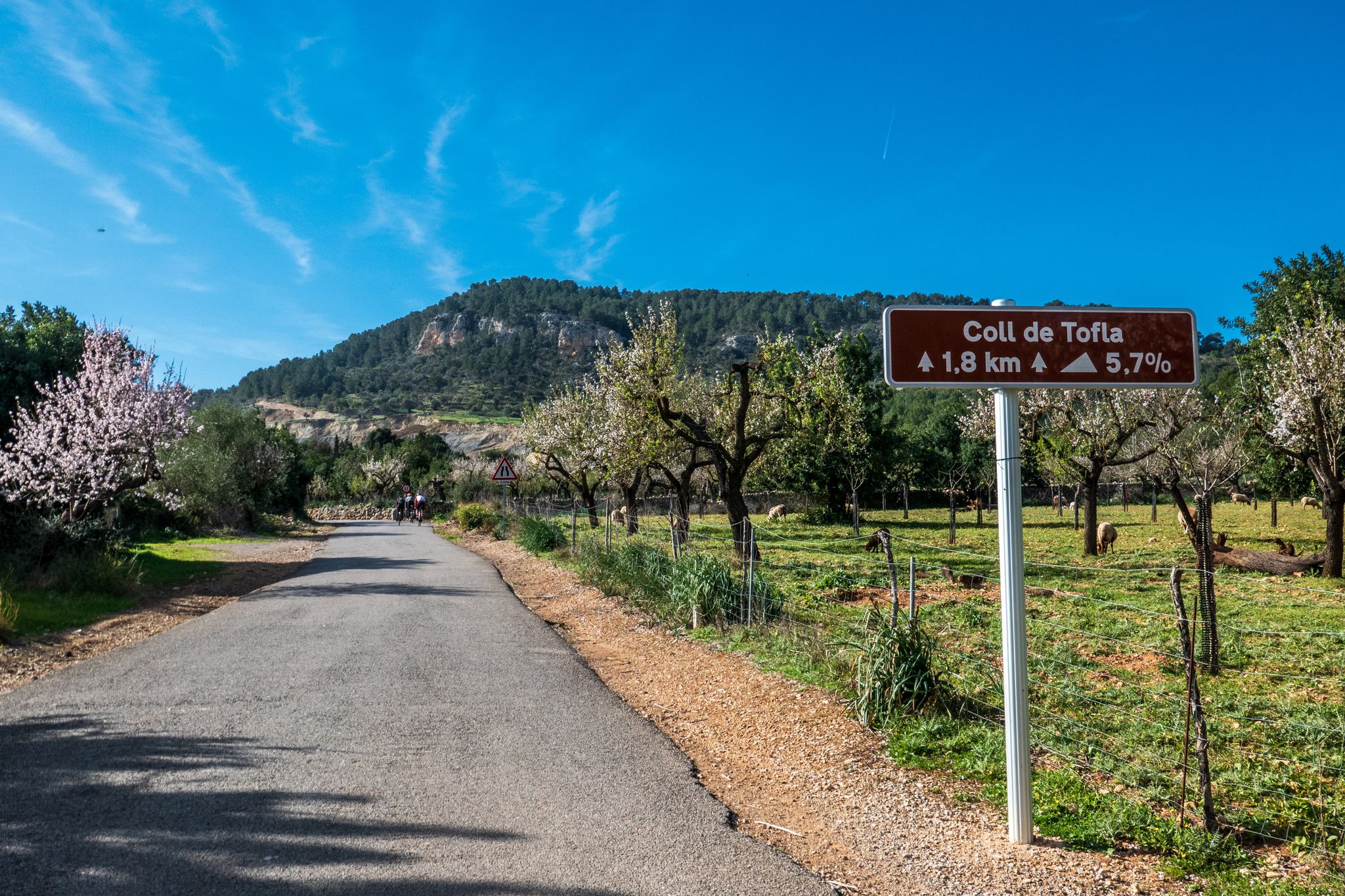
Between sea and Serra de Tramuntana - Mallorca 225
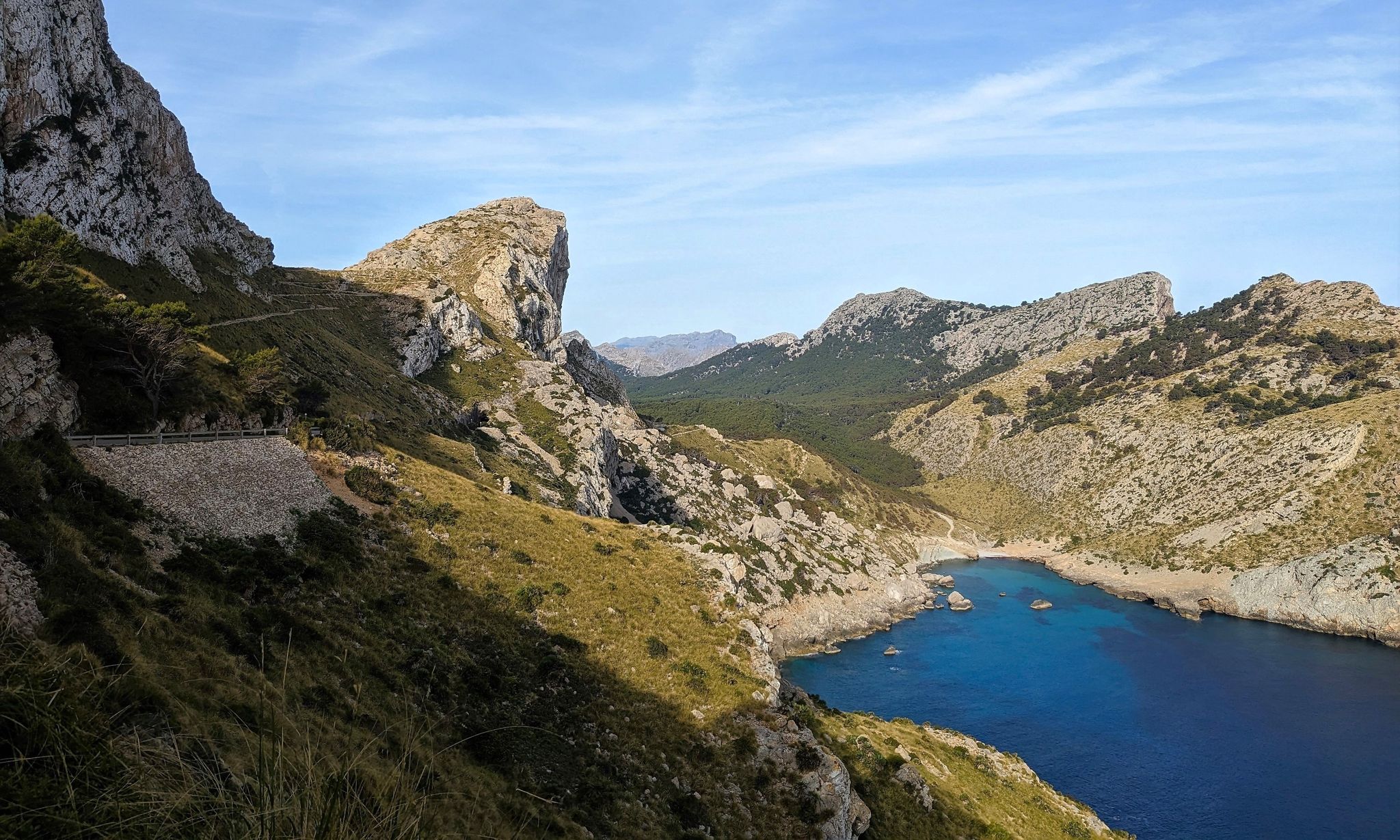
The island of calm – a week in Majorca
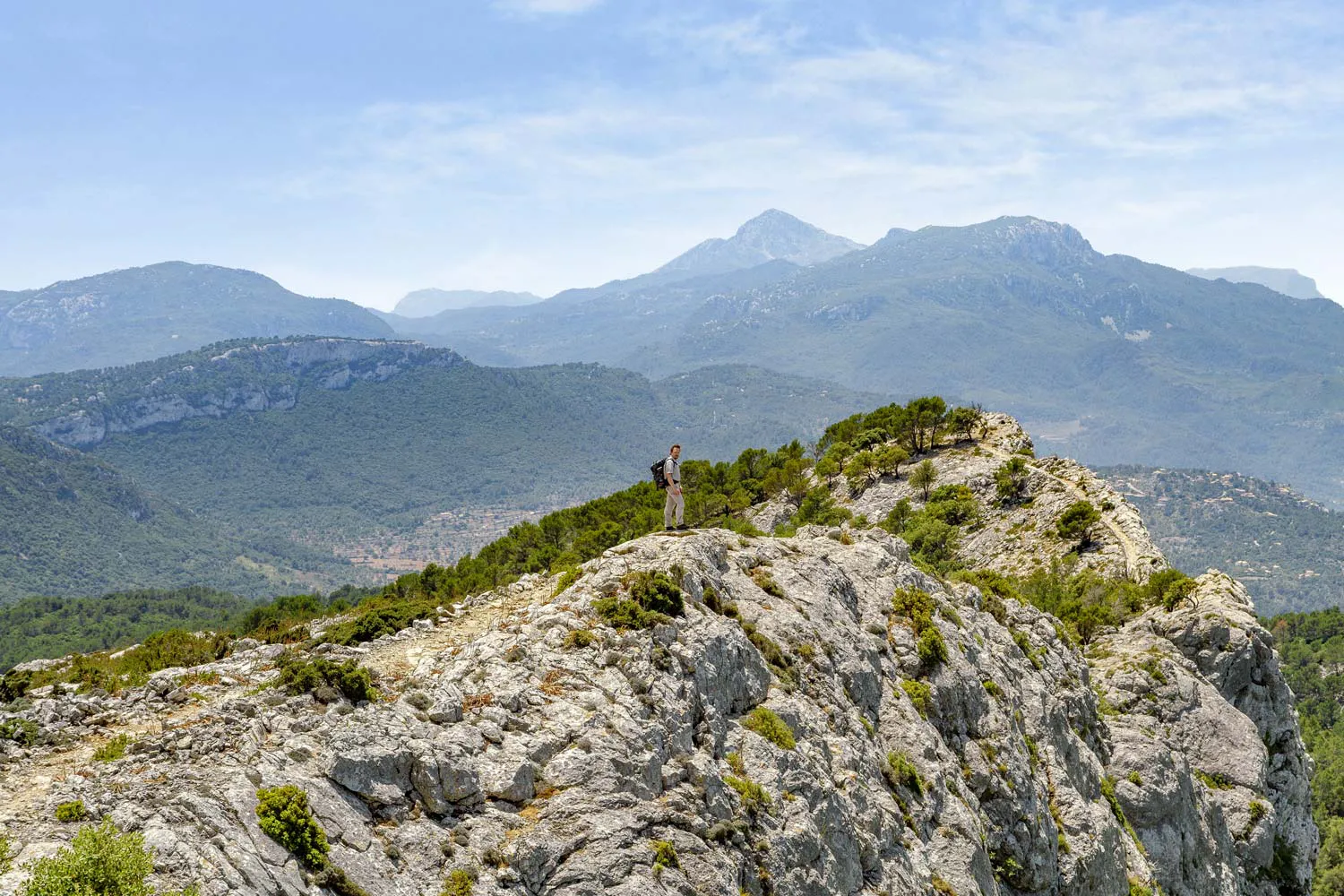
Stoney paths through the Tramuntana Mountains – Ruta de Pedra en Sec (GR221)
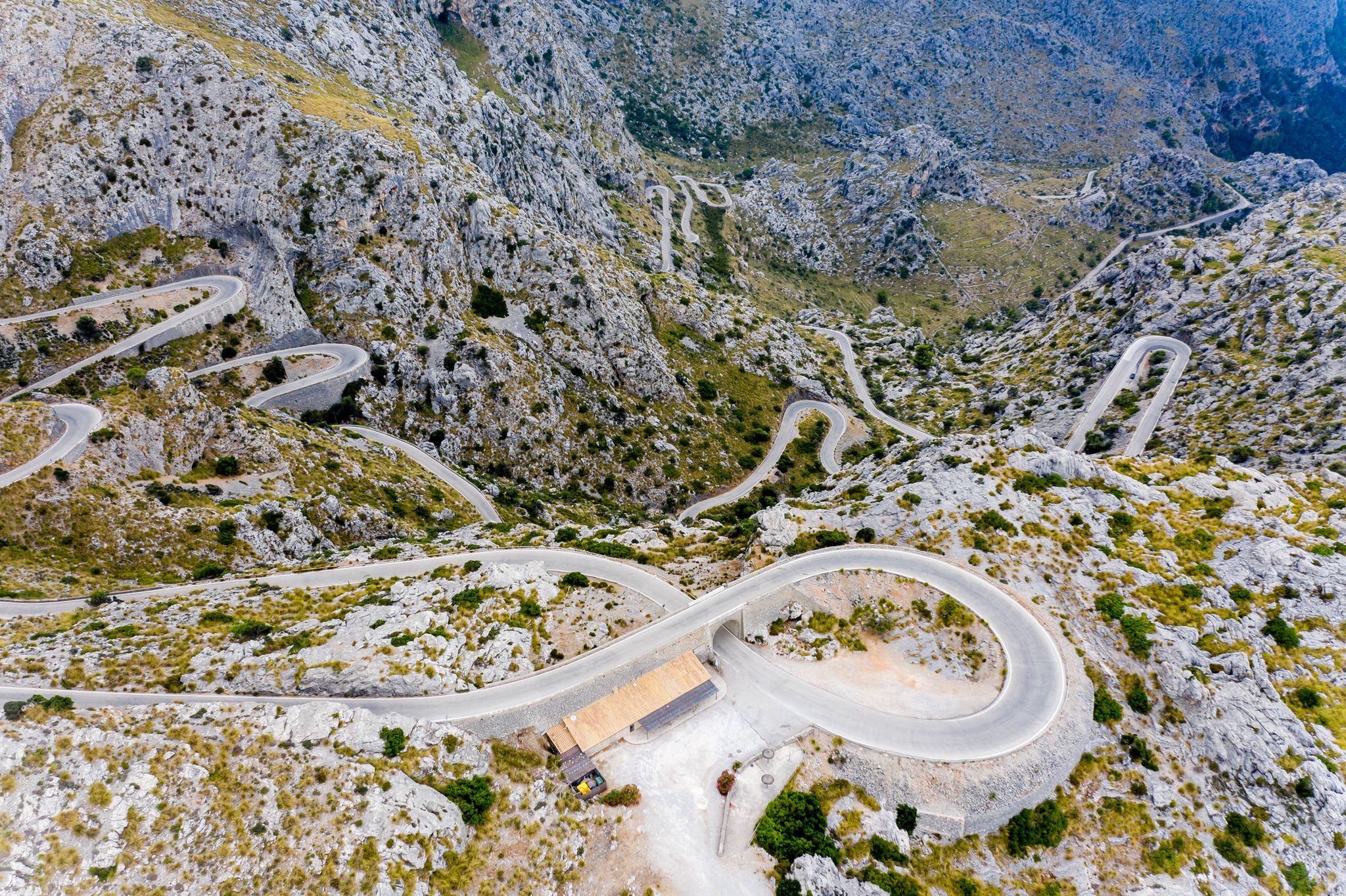
The island from above – the best climbs in Majorca
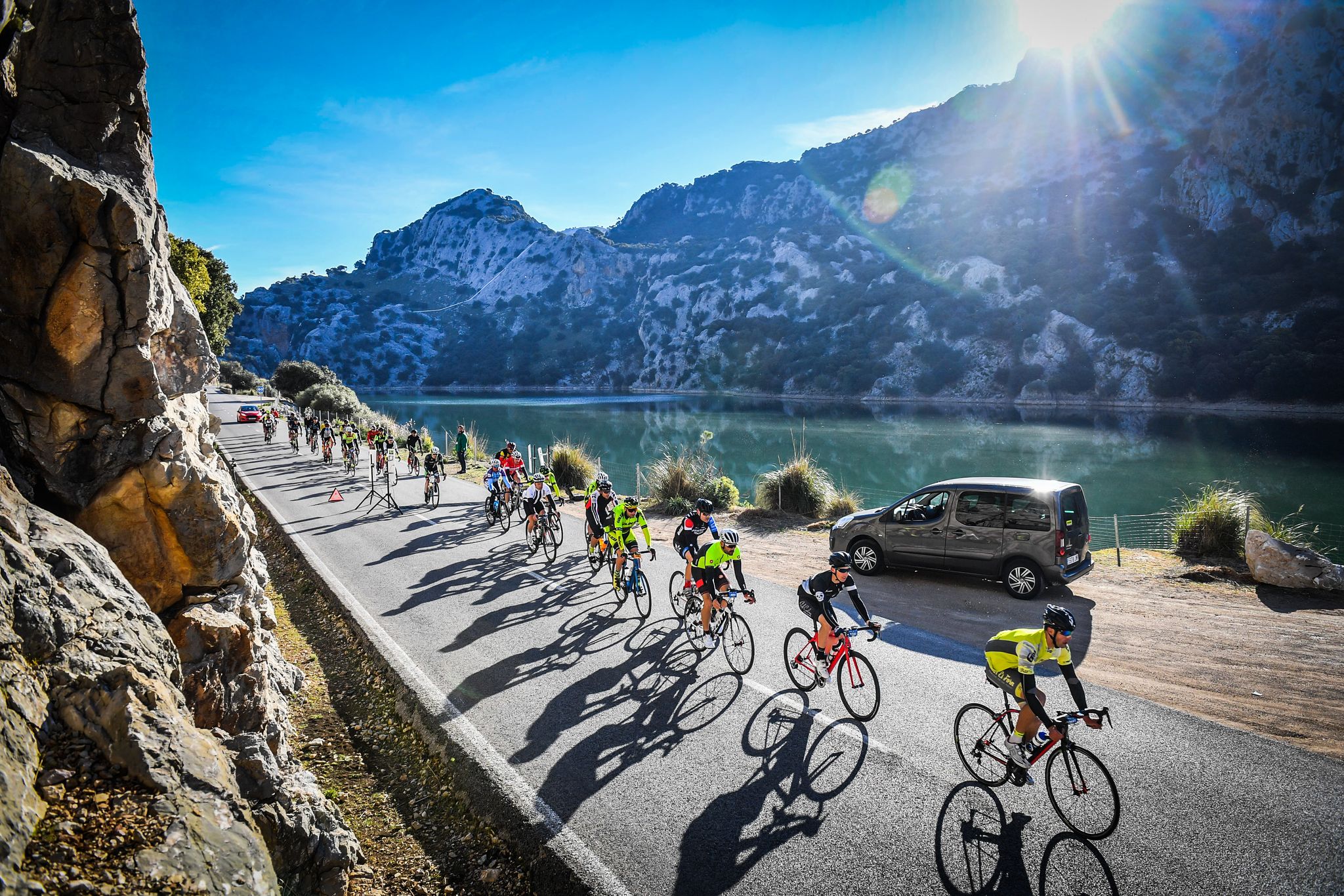
Road rides to beaches and summits – Mallorca 312
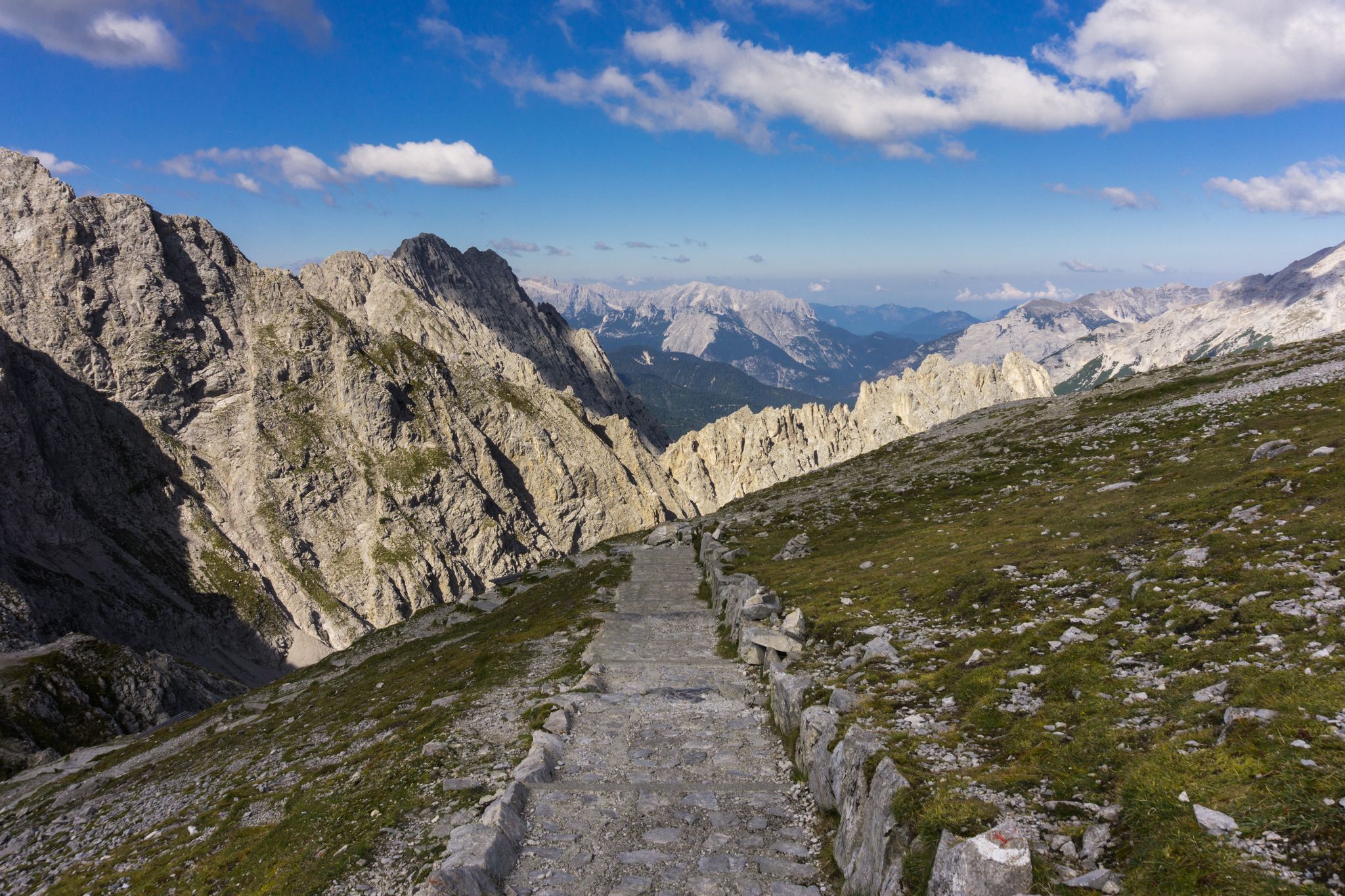
Las Cumbres Reinas de España — Spanish mountain trail races
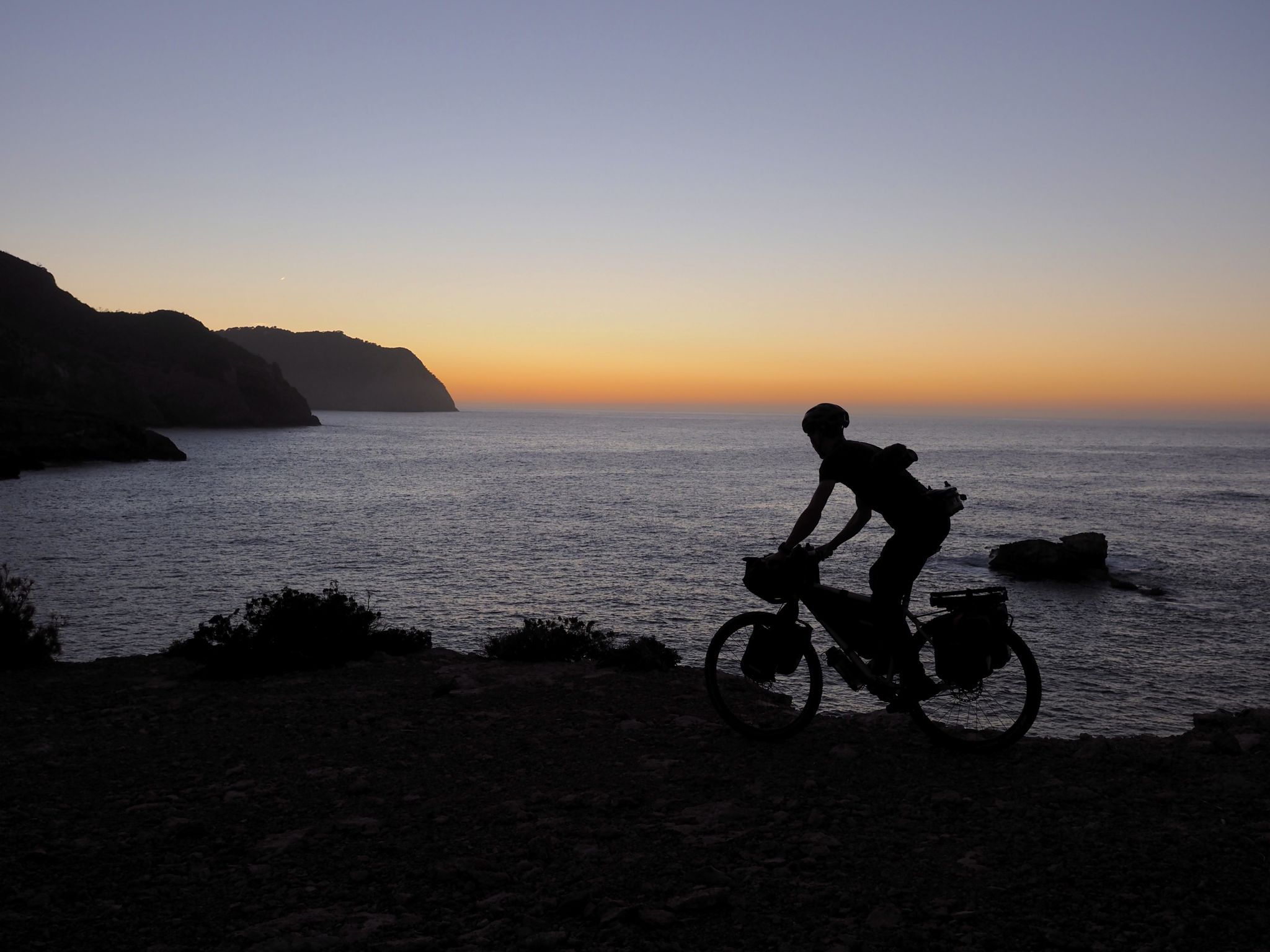
Island hopping in the Spanish Balearic Islands — the TransBaleares
Mallorca with a difference — rocky peaks and lonely coastal paths
Shredding trails on the island of Mallorca
Other adventures in the Serra de Tramuntana Mountains


Tips from the Community

The caves are definitely worth a visit! Beautiful stalactites and stalagmites! Afterwards, you can have something to eat or drink on the terrace!
2
0

If you want, you can spend the whole day there.
2
0

The path to the Coves Blanques, also known as the Camí dels Presos (Path of the Prisoners), was built between 1937 and 1940 by Republican prisoners of the Spanish Civil War. It served as the access road for the expansion of the Coves Blanques into an artillery emplacement. Personally, I find the path a bit monotonous, but if you come from the Cornavaques (https://www.komoot.com/de-de/tour/1417540171), it's quite relaxing.
1
0

You should have a flashlight app with you
0
0
You should have a smartphone flashlight app with you
0
0

Unfortunately too… But no problem, since I am here often, I will come back and see more… In my opinion, absolutely recommendable
1
0

You can explore a little inside the cave. It's a dead end but there are cool light shafts down. Torch would be nice, but it was fine to see using two phone torches.
0
0

Because of the loose stones, you need good shoes and because of the lack of shade, you need a hat and plenty to drink. You will be rewarded with a magnificent view. The hidden cave at the summit is very exciting for children, but be careful not to fall into the hole at the summit.
0
2
Frequently Asked Questions
Which caves in the Serra de Tramuntana Mountains are suitable for families?
The Campanet Caves are an excellent choice for families. They offer an accessible route through impressive geological formations, including stalactites and stalagmites, and are known for their family-friendly atmosphere. The visit typically lasts about 40 minutes and can be self-guided with an audio guide.
What kind of historical sites can be found within the caves of Serra de Tramuntana?
The Serra de Tramuntana region features several caves with significant historical elements. You can explore the Camí de les Coves Blanques, a trail leading to historical cave emplacements built between 1937 and 1940. The Guillem Hermitage Cave is a partly inhabited historical site, offering a unique glimpse into past uses. Additionally, Cova de sa Cometa des Morts, or 'The Cave of the Dead,' has yielded archaeological finds from the 4th century BC.
Are there any challenging caving experiences in the Serra de Tramuntana Mountains for experienced adventurers?
Yes, for those seeking a challenge, the Serra de Tramuntana offers advanced caving experiences. The Cova de Sa Campana, located in Escorca, is considered the largest and deepest cave in Mallorca, reaching nearly 400 meters in depth. It features majestic galleries and requires expertise in caving techniques, including rope ascent and descent, typically lasting 4 to 8 hours. Another challenging option is the Via Ferrata to Schmugglers' Cave, which involves climbing to access its multiple levels.
What natural geological formations can I expect to see in the caves of Serra de Tramuntana?
The caves in the Serra de Tramuntana are renowned for their diverse and delicate geological formations. For instance, the Coves de Campanet are celebrated for their intricate stalactites and stalagmites, as well as small underground lakes. Cova de Sa Campana also boasts a wide variety of speleothems, flows, and gourds. These formations are a result of millions of years of geological processes within the limestone mountains.
What outdoor activities can I do near the caves in the Serra de Tramuntana Mountains?
The Serra de Tramuntana Mountains offer a wide range of outdoor activities near its caves. You can find numerous running trails, including challenging routes like the Talaia d'Alcudia and Penya des Migdia loop. For cyclists, there are many cycling routes, such as the Aqueduct of Sa Calobra. Mountain biking enthusiasts can explore MTB trails like the Lluc Sanctuary - Pollença Loop. Many of these routes offer impressive views of the surrounding mountain range and coastline.
What should I wear for caving in the Serra de Tramuntana Mountains?
For caving in the Serra de Tramuntana, sturdy shoes are a must, especially for more adventurous or challenging caves. Some caves, like the Via Ferrata to Schmugglers' Cave, may involve climbing, so appropriate footwear with good grip is essential. A lamp or headlamp is also recommended for exploring deeper sections, as some caves can be very dark and slippery.
Are there any caves in the Serra de Tramuntana that are currently inaccessible or have restricted access?
Yes, some caves may have restricted access. For example, Cova des Migdia (Midday Cave) has been reported as inaccessible due to a locked gate, put in place after instances of vandalism. It's always advisable to check the latest access information before planning your visit to any cave.
What is the best time of year to visit the caves in the Serra de Tramuntana Mountains?
The caves in the Serra de Tramuntana can generally be visited year-round. However, for caves that require an approach hike or are part of a longer outdoor activity, spring (April-May) and autumn (September-October) offer the most pleasant weather conditions, avoiding the intense heat of summer and potential heavy rains in winter. The stable temperatures inside the caves make them a good option even on hotter days.
Can I find food and drink options near the caves in the Serra de Tramuntana?
Yes, some caves have amenities nearby. For instance, the Campanet Caves include a café on-site. For other caves, especially those in more remote areas, it's recommended to bring your own provisions. Many towns and villages within the Serra de Tramuntana, such as Campanet or Escorca, offer restaurants and cafes.
What makes the caves in the Serra de Tramuntana Mountains unique compared to other caves in Mallorca?
The caves within the Serra de Tramuntana Mountains, a UNESCO World Heritage site, are unique due to their integration into the dramatic limestone landscape. They offer a range of experiences from accessible show caves like Coves de Campanet, known for their delicate formations and intimacy, to challenging speleological sites like Cova de Sa Campana, which is Mallorca's deepest. Many also hold historical or archaeological significance, providing a blend of natural wonder and cultural insight specific to this mountainous region.
Are there any caves in the Serra de Tramuntana that are less known or considered 'hidden gems'?
While some caves are well-known, others offer a more secluded experience. The Sant Martí Cave and Bed Mine are examples of less frequented sites that offer a glimpse into the region's natural and historical underground features, often requiring a bit more effort to reach but rewarding with unique exploration opportunities.
Most popular routes in the Serra de Tramuntana Mountains
Most popular attractions in the Serra de Tramuntana Mountains

Get inspired with the komoot mobile app


Explore more
Extend your search for the best caves by checking out these guides of the top ones in the Serra de Tramuntana Mountains:
