Top 20 Gorges in the Serra de Tramuntana Mountains
Best canyons in the Serra de Tramuntana Mountains, a UNESCO World Heritage site, are characterized by dramatic limestone cliffs and deep gorges. This region offers a diverse range of experiences, from technical descents to scenic routes through natural landscapes. The unique geology, shaped by centuries of natural processes, creates varied routes for exploration. These natural features make the Serra de Tramuntana a notable destination for those interested in its canyons and gorges.
Best canyons in the Serra de Tramuntana Mountains
…Last updated: May 15, 2026
Barranc de Biniaraix Stone Path
Highlight (Segment) • Trail
Translated by Google •
Tip by

Rock Gateway on Sa Calobra Road
Highlight • Gorge
Translated by Google •
Tip by

Sign up now to discover places like this
Get recommendations on the best single tracks, peaks, & plenty of other exciting outdoor places.
Sign up for free
Portell de Sementer
Highlight • Gorge
Translated by Google •
Tip by
Torrent de Pareis Gorge and Sa Calobra Bay
Highlight • Gorge
Translated by Google •
Tip by

Chain-secured section of the Puig de Tossals Verds circuit
Highlight (Segment) • Climb
Translated by Google •
Tip by

Torrent de Pareis Gorge
Highlight • Gorge
Translated by Google •
Tip by

Rocky Path Through Stone Formations
Highlight (Segment) • Trail
Translated by Google •
Tip by

Torrent de Pareis Gorge Crossing
Highlight • Gorge
Translated by Google •
Tip by

Mirador de s'Entreforc
Highlight • Viewpoint
Translated by Google •
Tip by

Serpentine Path of Biniaraix Gorge
Highlight (Segment) • Gorge
Translated by Google •
Tip by

Sign up for free to discover even more gorges in the Serra de Tramuntana Mountains.
Sign up for free
Already have an account?
Start today with a free account
Your next adventure awaits.
Login or Signup
Popular around Serra de Tramuntana Mountains
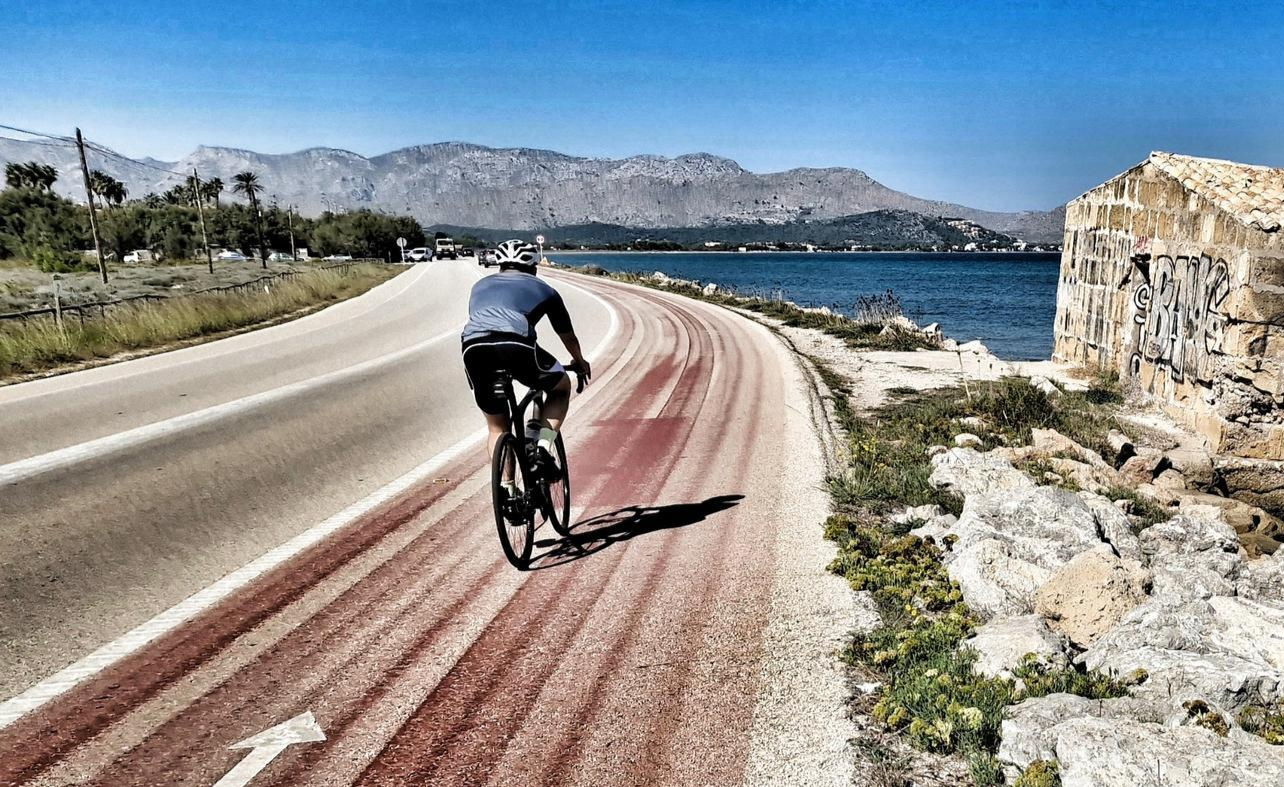
Cycling in the heart of the island - Mallorca 167
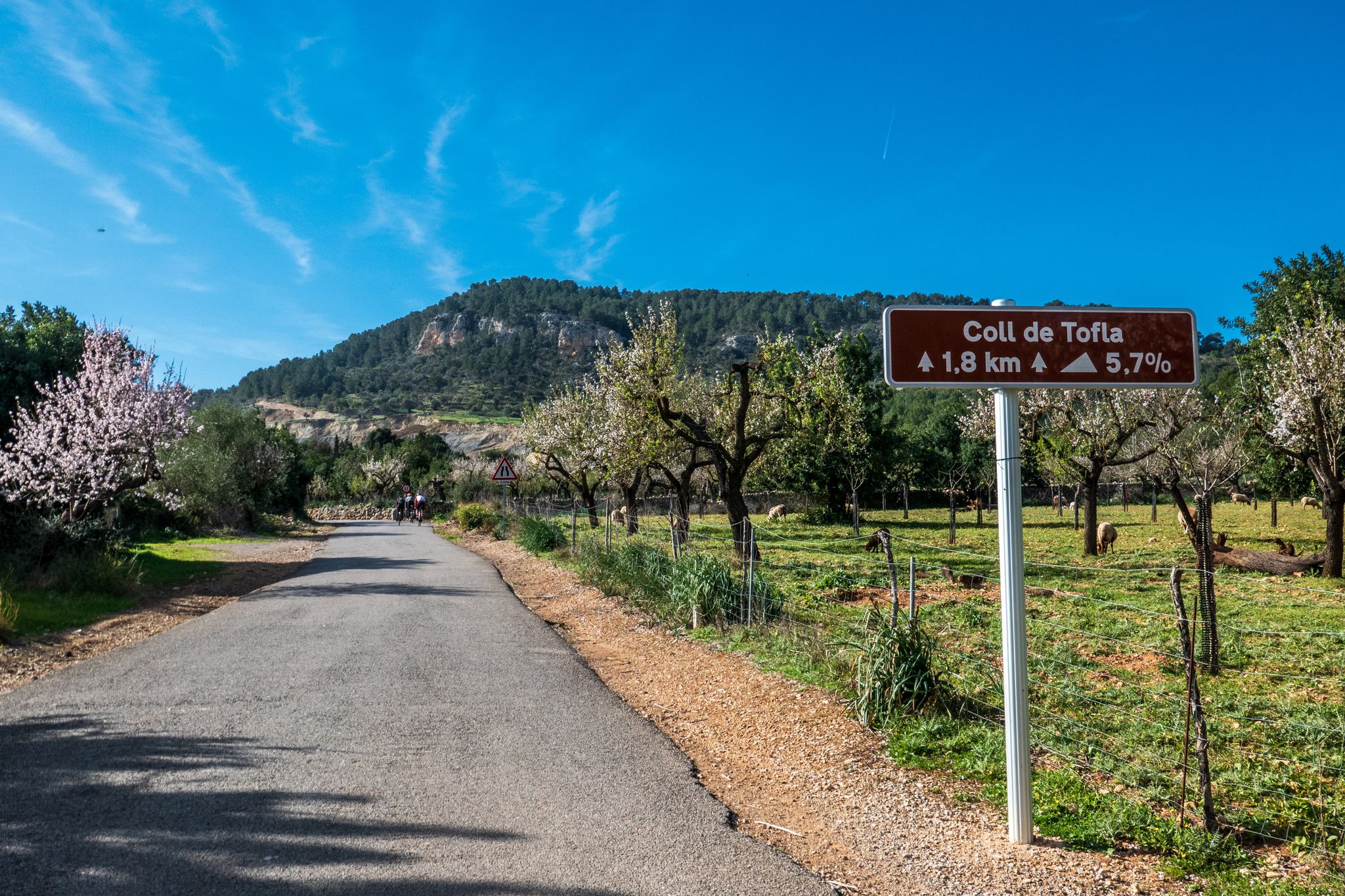
Between sea and Serra de Tramuntana - Mallorca 225
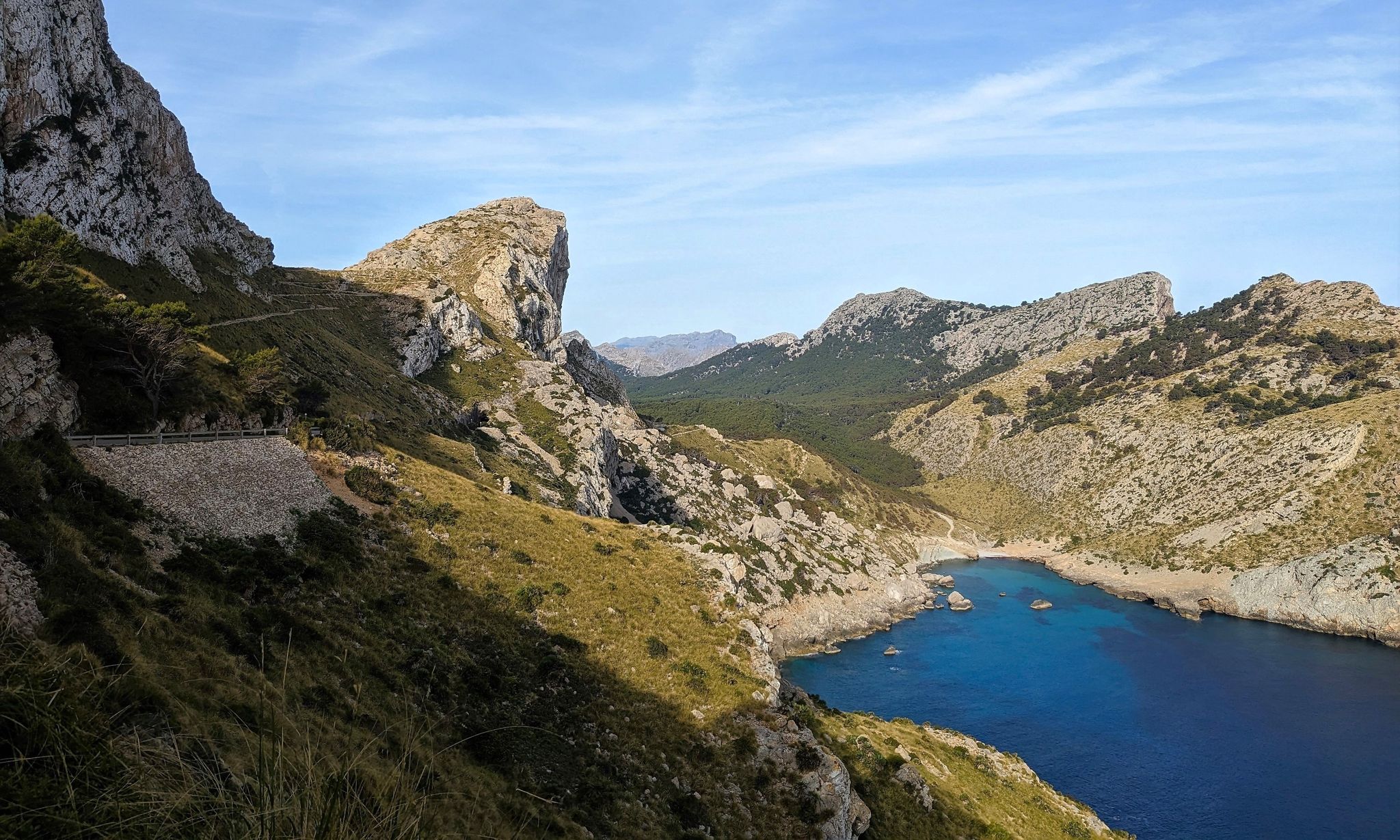
The island of calm – a week in Majorca
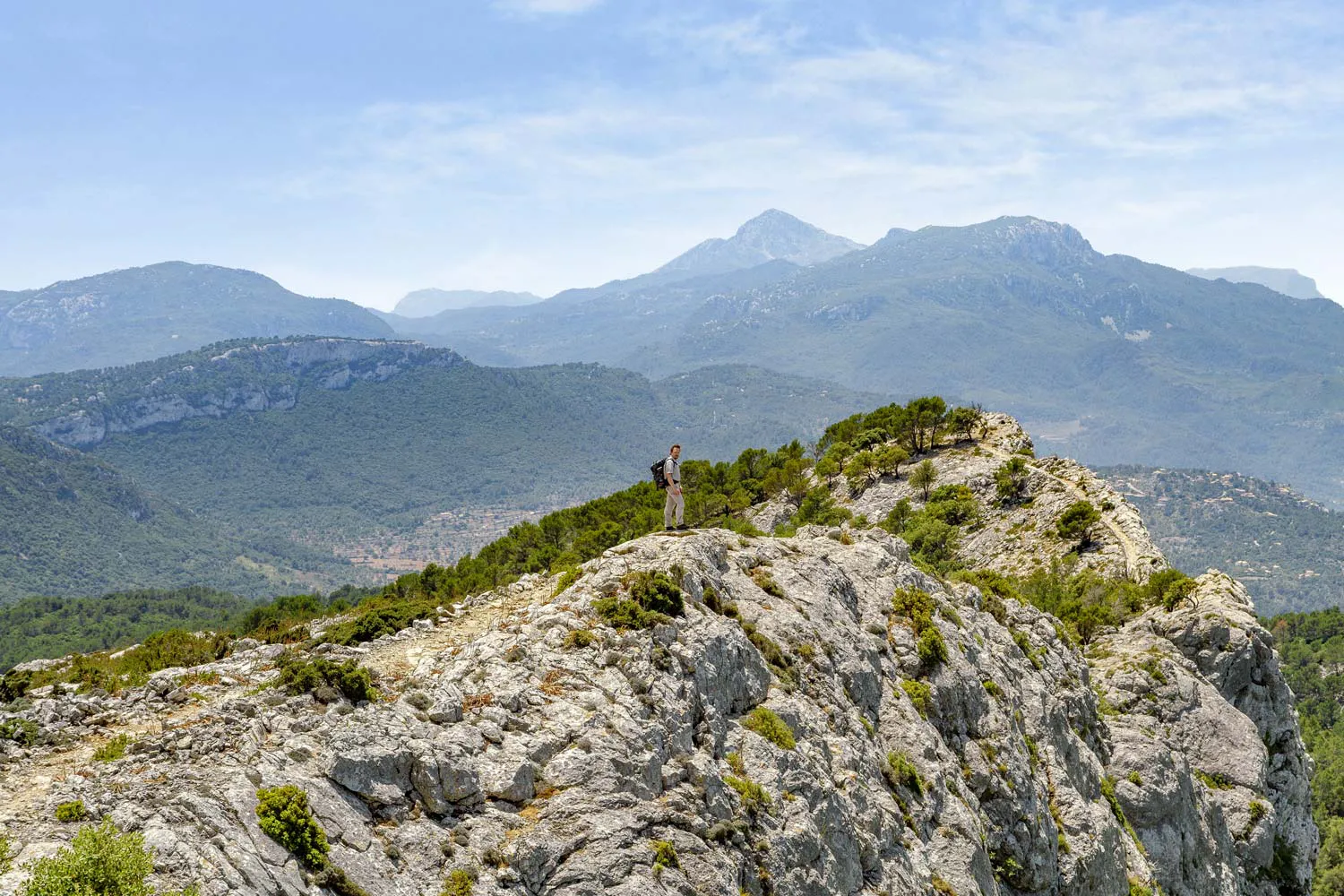
Stoney paths through the Tramuntana Mountains – Ruta de Pedra en Sec (GR221)
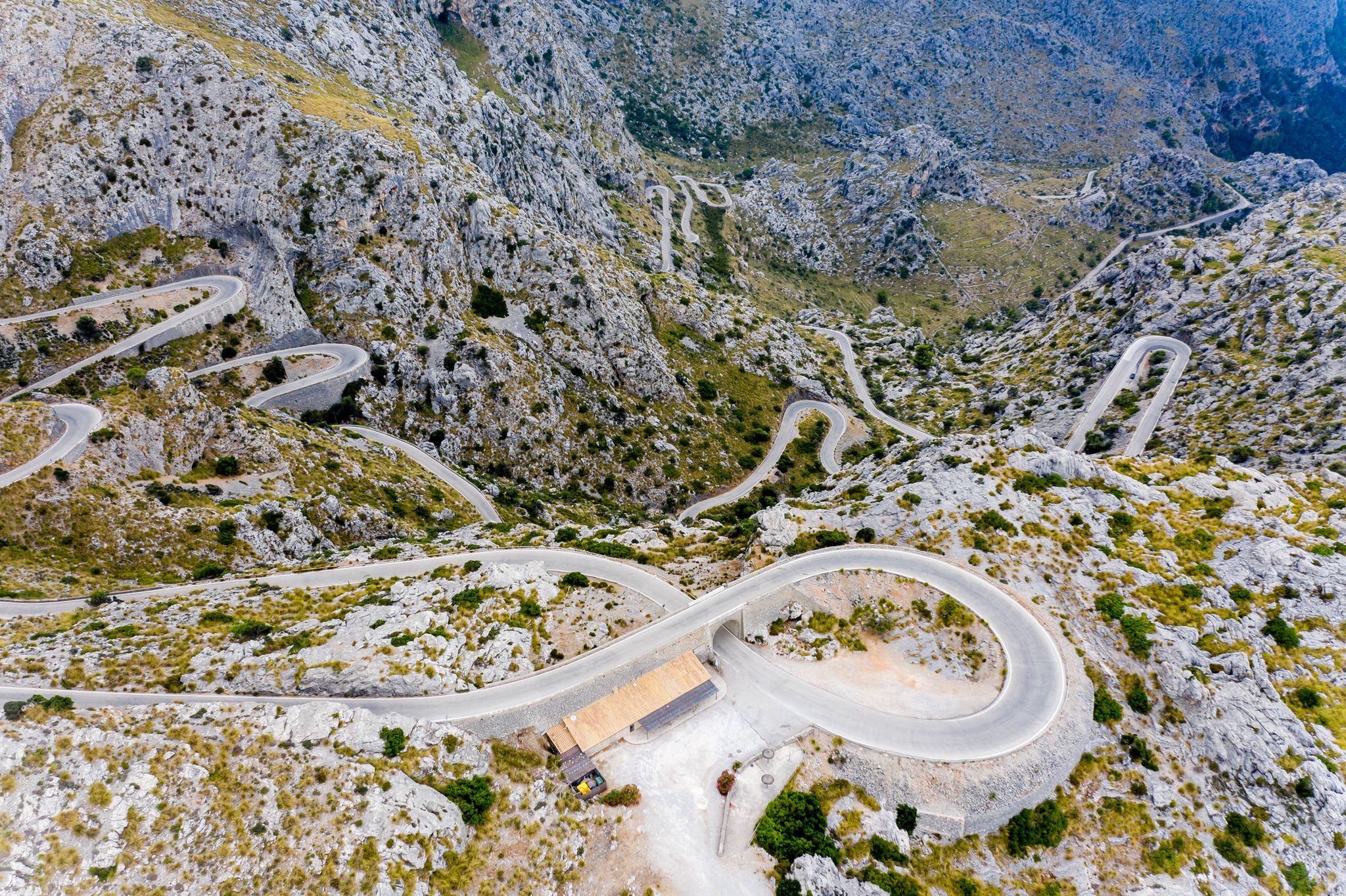
The island from above – the best climbs in Majorca
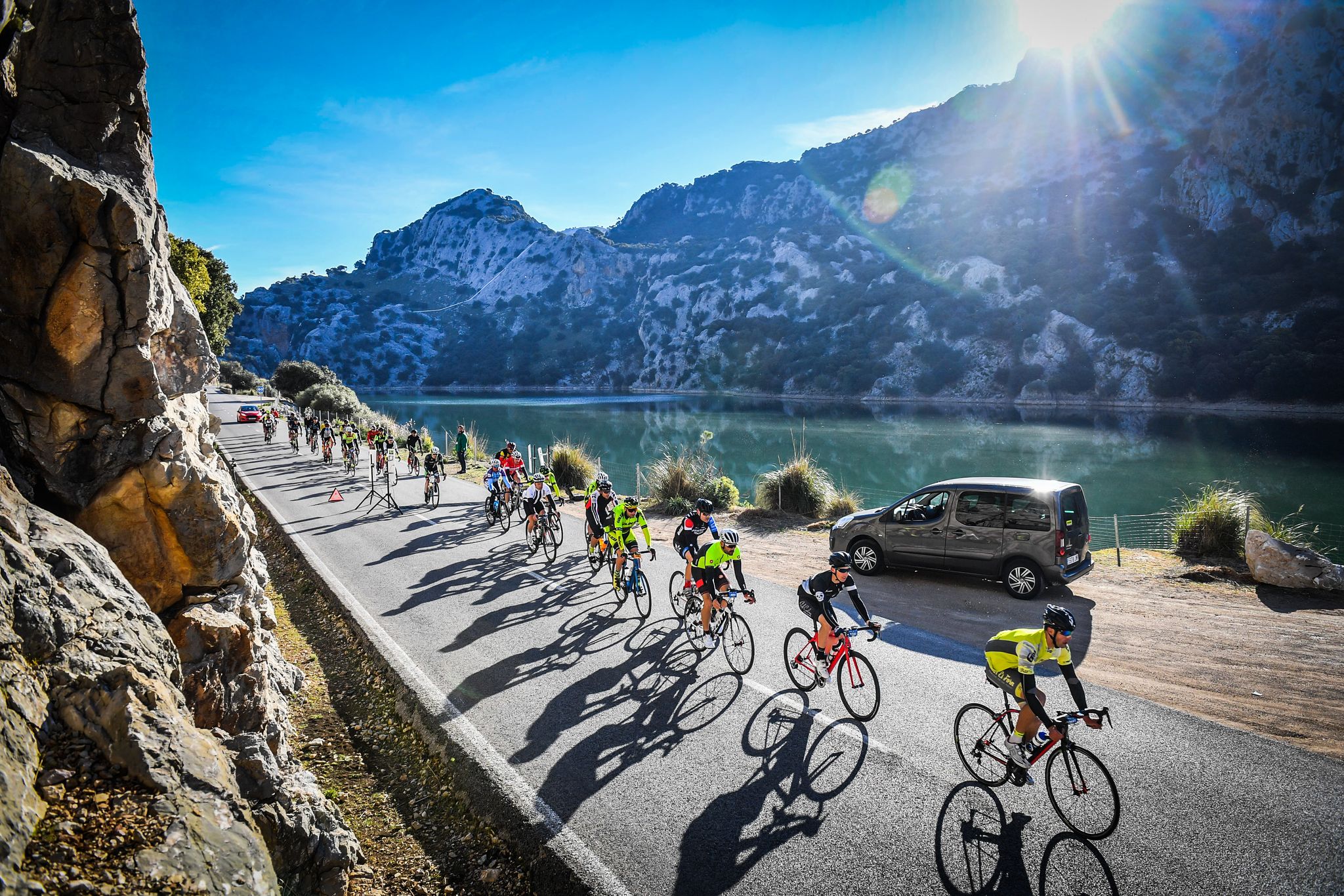
Road rides to beaches and summits – Mallorca 312
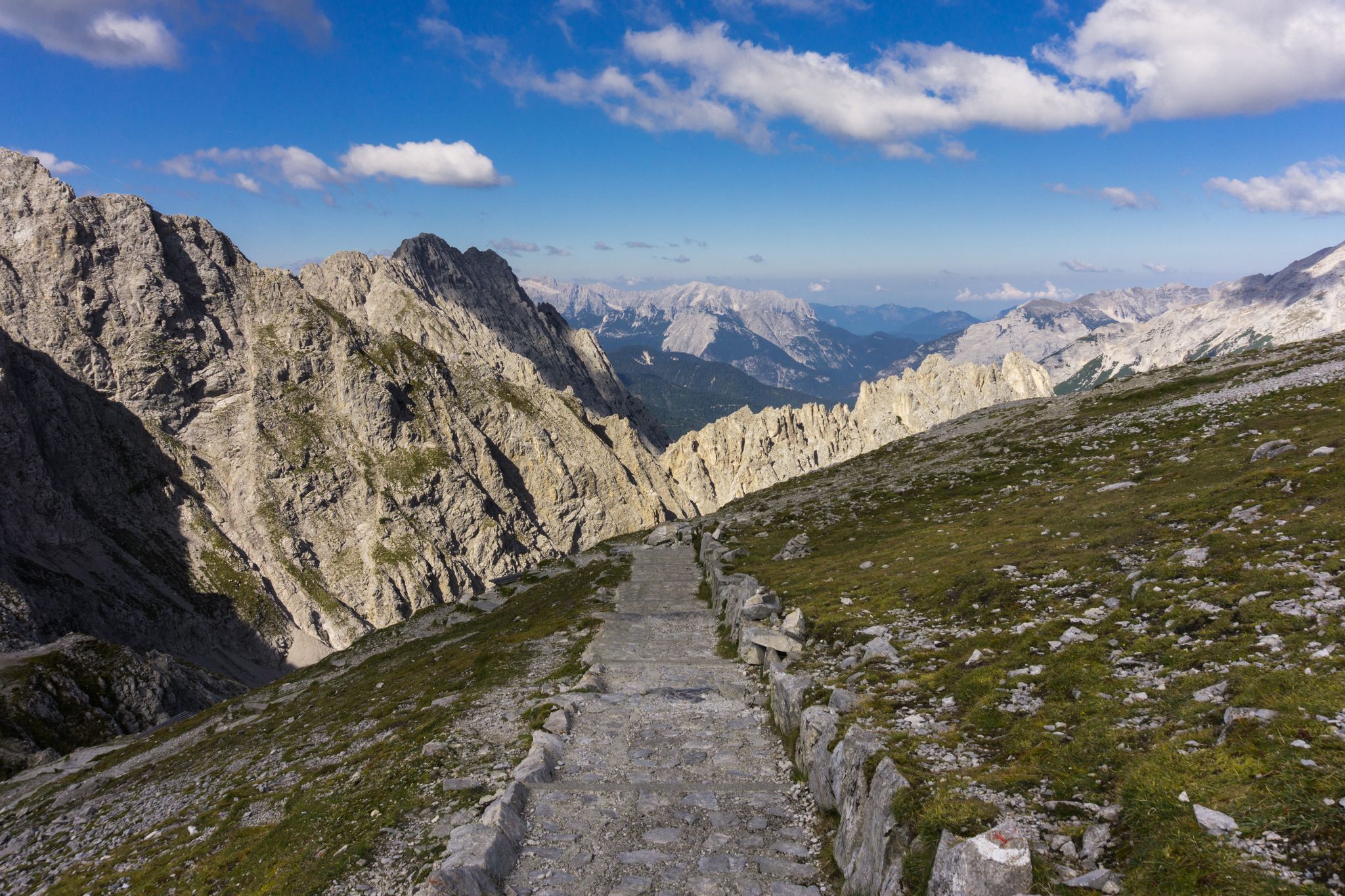
Las Cumbres Reinas de España — Spanish mountain trail races
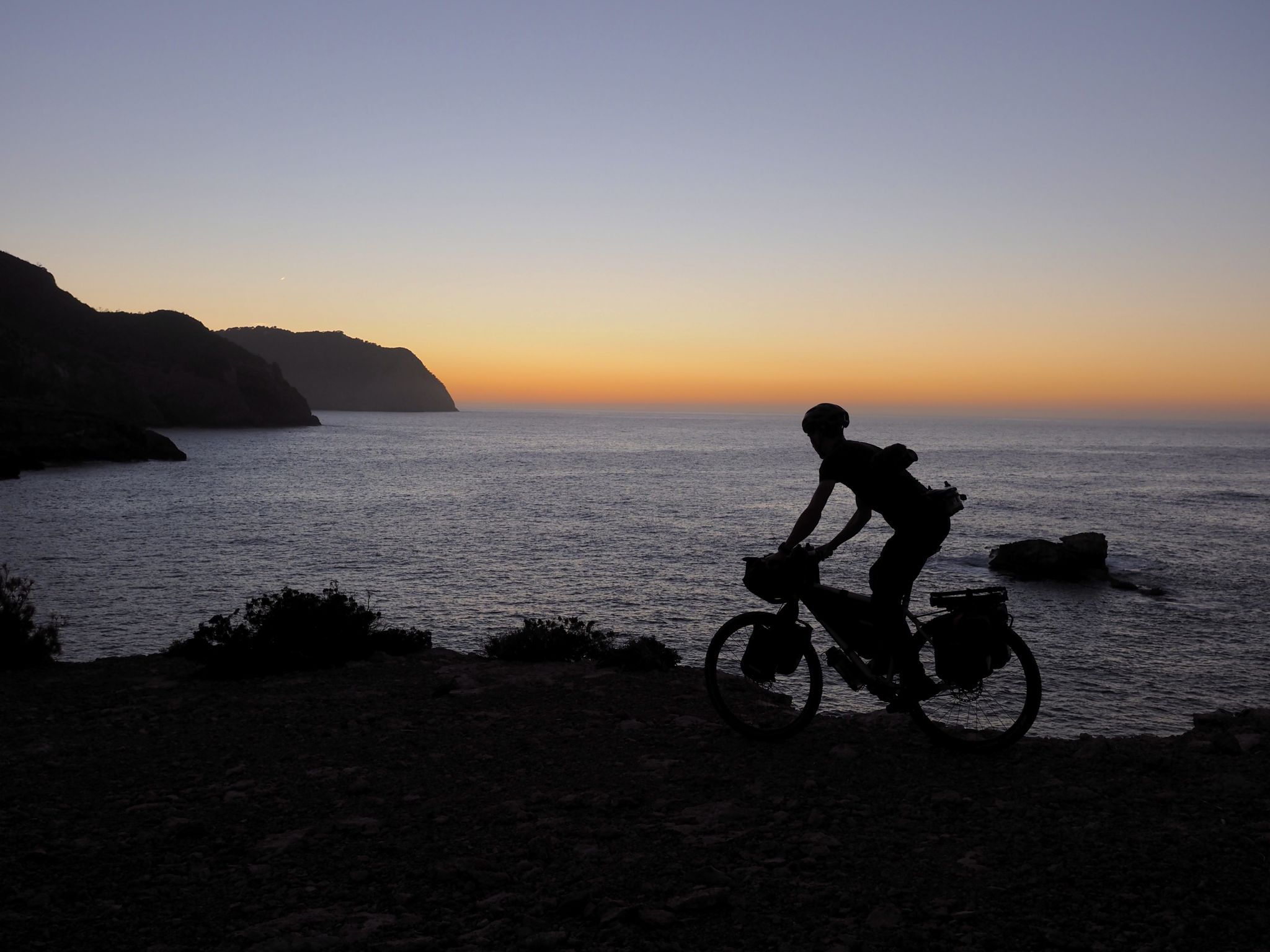
Island hopping in the Spanish Balearic Islands — the TransBaleares
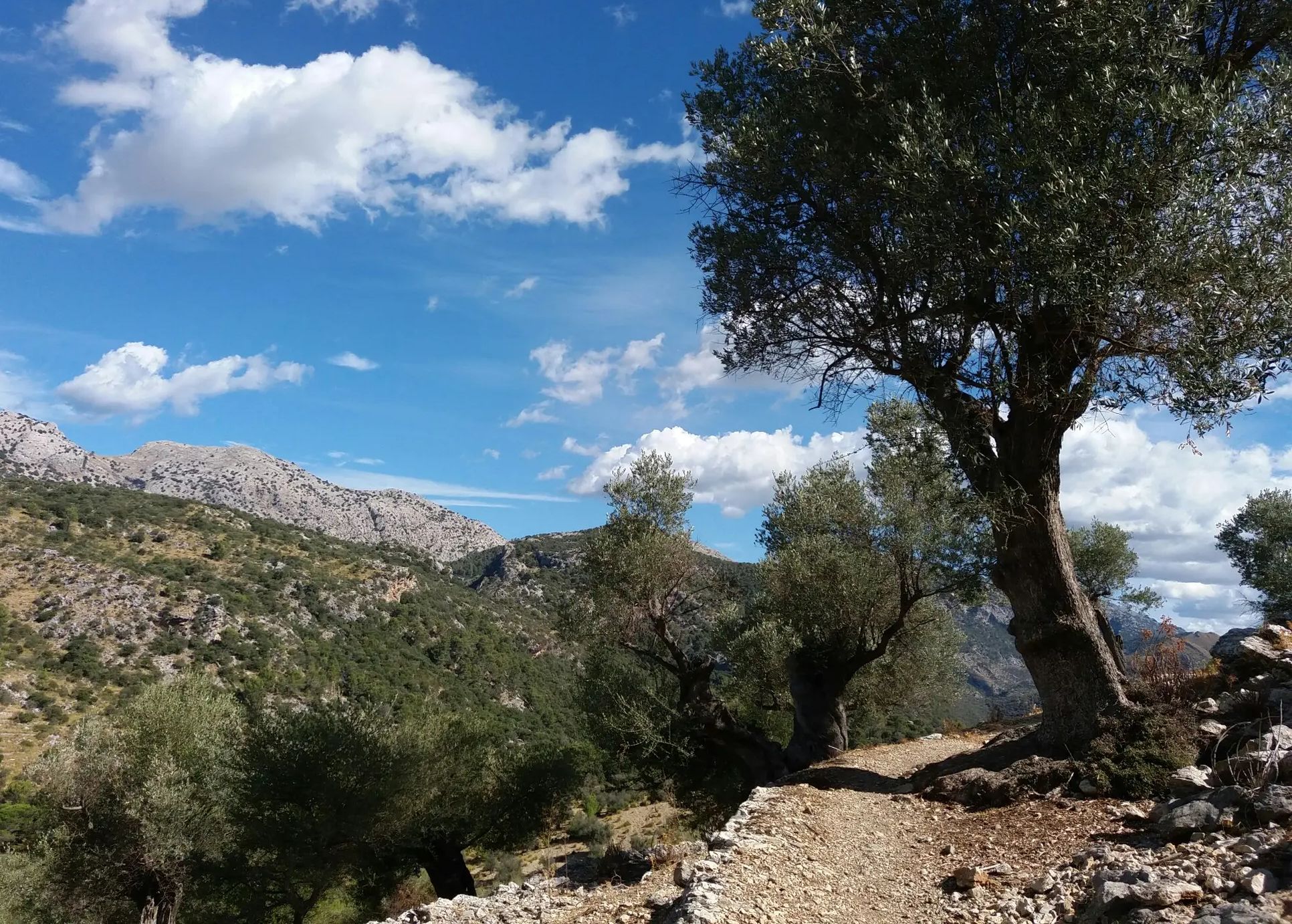
Mallorca with a difference — rocky peaks and lonely coastal paths
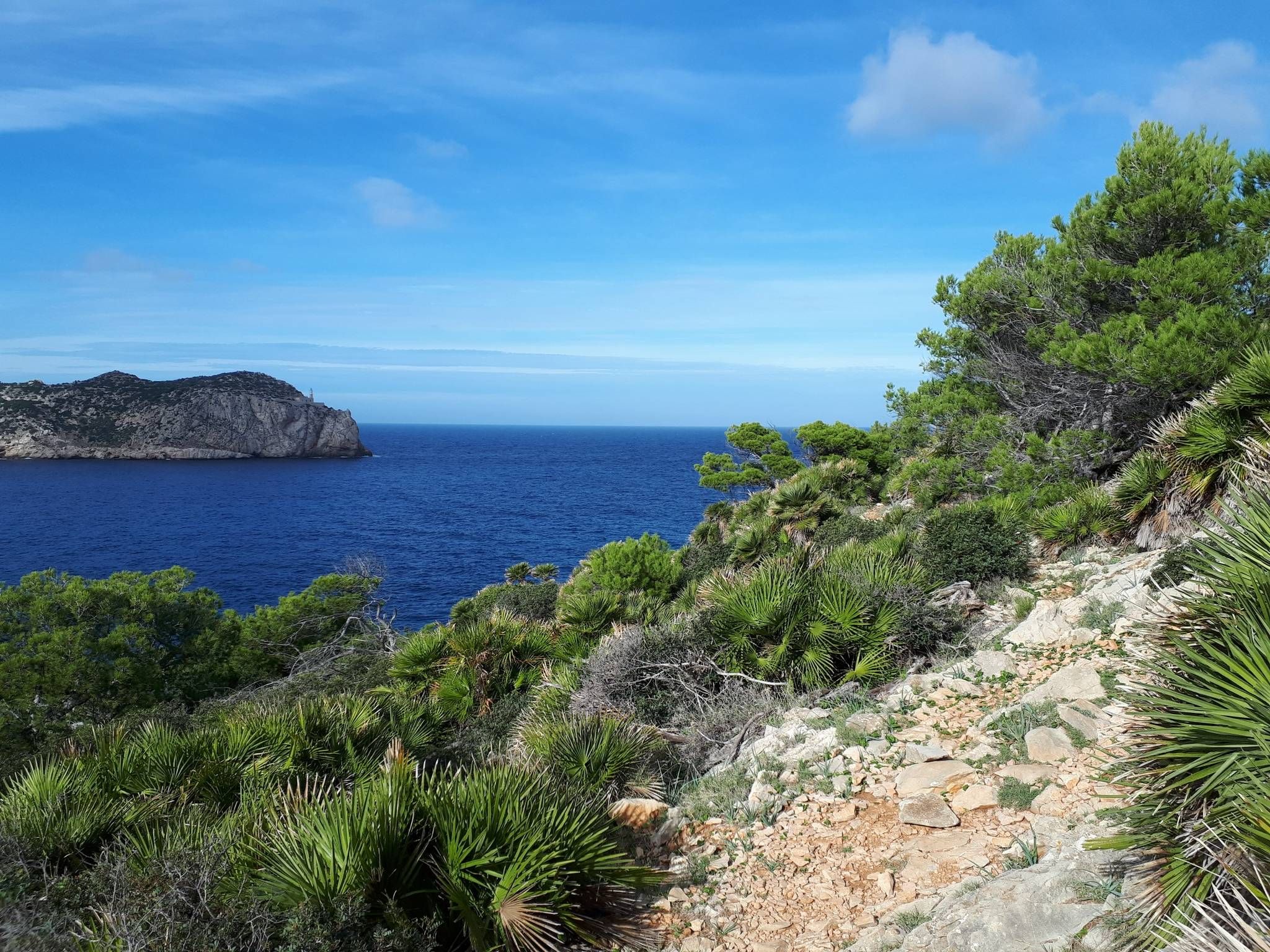
Shredding trails on the island of Mallorca
Other adventures in the Serra de Tramuntana Mountains


Tips from the Community

A rocky path through impressive rock formations in the Serra de Tramuntana leads over uneven limestone and between bizarre rock structures. The varied terrain gives the trail an original, almost alpine character. An exciting route for all who want to experience nature, vastness, and the special geology of Mallorca.
4
0
The Portell de Sementer is a striking pass in the Vall de Bóquer near Port de Pollença. Between rocky slopes, the view opens up further into the valley and towards the coast. A beautiful landmark on the way to Cala Bóquer, which impressively showcases the wild landscape.
2
0

Here the hiking trail leads us between two large rocks. A pretty photo opportunity.
1
0

The descent is probably secured here over a short distance. This always looks adventurous in a rock formation, but those who are worried can be reassured. This passage is quite good and can be mastered without a fear of heights.
0
0

A brilliant path through the holm oak forest and the karst rocks
3
0

Many small paths lead to the bay, some are easy to find, some make you stumble through the bushes
4
0

A very beautiful gorge. Unfortunately, you can't get far enough in. Wear water shoes with good soles, as you have to walk through the water.
0
0

Beautiful bathing bay. Accessible via two tunnels carved into the rock. 🥰
7
1
Frequently Asked Questions
What are some of the most notable canyons in the Serra de Tramuntana Mountains?
The Serra de Tramuntana Mountains offer a variety of impressive canyons. Highly regarded options include Torrent de Pareis Gorge and Sa Calobra Bay, known for its challenging access via tunnels and clear waters. Another popular spot is the Barranc de Biniaraix Stone Path, which offers varied landscapes and views of Sóller. For a unique drive, the Rock Gateway on Sa Calobra Road provides a spectacular passage between large rock formations.
Are there canyons suitable for beginners or families in the Serra de Tramuntana Mountains?
Yes, for beginners and families, Na Mora canyon in the Sóller Valley is often recommended. It features natural slides, short abseils (up to 8 meters), and optional jumps into deep pools, offering a beautiful blend of thrills and scenic beauty. The Barranc de Biniaraix Stone Path is also a scenic option, though the ascent can be exhausting.
Which canyons are considered more challenging or technical in the Serra de Tramuntana Mountains?
For those seeking a more technical and challenging experience, Sa Fosca (part of the Torrent de Pareis system) is often hailed as one of Europe's best, requiring abseiling and swimming through narrow, dark sections. Mortitx Canyon is also highly regarded for its technical diversity, featuring jumps, slides, and overhangs. L'Ofre Canyon, near Palma, is another challenging option with rappels up to 40 meters.
What natural features can I expect to see in the canyons of the Serra de Tramuntana Mountains?
The canyons are characterized by dramatic limestone cliffs, deep gorges, and crystal-clear pools. You'll encounter spectacular karst formations, narrow passages, and often lush vegetation. Many canyons, like Torrent de Pareis Gorge, meet the sea, offering stunning coastal views. Waterfalls, such as Gorg de Can Catí Waterfall, are also present, especially after rainfall.
What is the best time of year to visit the canyons in the Serra de Tramuntana Mountains?
The canyoning season in the Serra de Tramuntana typically runs from spring through autumn. Spring offers lush landscapes and good water flow, while summer provides warmer temperatures for swimming. It's always advisable to check weather conditions, especially for water levels, before planning a visit, as heavy rains can significantly impact canyon conditions.
Are there any specific viewpoints or scenic spots related to the canyons?
Absolutely. The Rock Gateway on Sa Calobra Road offers a unique perspective of the rock formations. Mirador de s'Entreforc provides panoramic views of the converging gorges. Additionally, the end of the Torrent de Pareis Gorge at Sa Calobra Bay is a breathtaking spot where the canyon meets the sea.
What outdoor activities can I do near the canyons in the Serra de Tramuntana Mountains?
Beyond canyoning, the region offers diverse outdoor activities. You can find numerous mountain hikes, including challenging routes like the Puig de Tossals Verds circuit, or easier options around the Cúber Reservoir. Gravel biking is also popular, with routes like the Ascent to Galilea. For more details on these activities, you can explore the Mountain Hikes, Gravel Biking, and Easy Hikes guides for the Serra de Tramuntana Mountains.
What do visitors enjoy most about the canyons in the Serra de Tramuntana Mountains?
Visitors frequently praise the dramatic scenery, the sense of adventure, and the clear, refreshing waters. The unique geology, shaped by centuries of natural processes, creates varied and engaging routes. Many appreciate the opportunity to connect with nature, with the scent of pine and wild herbs adding to the immersive experience. The stunning views, especially where canyons meet the sea, are also a highlight.
Are there any historical or cultural sites near the canyons?
While the canyons themselves are natural wonders, the Barranc de Biniaraix Stone Path is a historical site, being a paved pilgrim way that ascends alongside a river via a stone staircase. The broader Serra de Tramuntana region, a UNESCO World Heritage site, is rich in cultural landscapes, including ancient olive groves and traditional villages like Fornalutx, which are often accessible from canyoning areas.
Is it possible to do self-guided canyoning, or are guided tours recommended?
While some canyons might be accessible for experienced individuals, many of the more technical canyons in the Serra de Tramuntana, such as Sa Fosca or Mortitx, are highly recommended to be explored with a certified guide. Guides provide essential safety equipment, local knowledge, and ensure a safe and enjoyable experience, especially for those unfamiliar with the terrain or specific techniques like abseiling.
What should I wear or bring for canyoning in the Serra de Tramuntana Mountains?
For canyoning, you should typically wear a wetsuit (often provided by tour operators), sturdy shoes with good grip that can get wet, and a helmet. It's also advisable to bring a waterproof bag for essentials, water, and snacks. Depending on the canyon, you might need a harness and ropes. Always check with your guide or research specific canyon requirements beforehand.
Are there any hidden gem canyons in the Serra de Tramuntana Mountains?
While many canyons are well-known, the region has numerous smaller gorges and ravines that offer a full connection with nature. Coanegra Canyon is one such spot, offering breathtaking landscapes and a popular choice for adventure companies. Exploring less-frequented areas often reveals unique natural beauty away from the crowds.
Most popular routes in the Serra de Tramuntana Mountains
Most popular attractions in the Serra de Tramuntana Mountains

Get inspired with the komoot mobile app


Explore more
Already discovered everything in this region? See additional gorges in the Serra de Tramuntana Mountains for your next adventure:
