Top 20 Lakes in the Iceland Mountains
Lakes in the Iceland Mountains are often formed by volcanic activity or glacial retreat, showcasing the raw beauty of the Icelandic highlands. These regions feature unique geological formations, including calderas and rift valleys. The landscape is characterized by volcanic terrain, lava fields, and mountainous ridges. Many lakes are situated within national parks or nature reserves, offering diverse natural environments.
Best lakes in the Iceland Mountains
- The most popular lakes is Thingvellir National Park, a natural monument that is geologically significant as one of the largest faults in the region. It holds historical importance as the former meeting place of the Icelandic Parliament.
- Another must-see spot is Stórurð Glacier Lake, a lake surrounded by glacier cliffs. This small glacier lake is noted for its unique water color and is located within a large lava field.
- Visitors also love Sólheimajökull Glacier, an outlet glacier where a glacier lagoon has formed. This site offers views of a glacier lake that has been steadily growing due to glacial retreat.
- Iceland Mountains is known for volcanic lakes, glacial lakes, and crater lakes. These include deep caldera lakes, long narrow natural lakes, and colorful crater lakes.
- The lakes in the Iceland Mountains are appreciated by the komoot community, with 36 highlights, over 480 photos, and more than 750 upvotes.
Last updated: July 11, 2026
Thingvellir National Park
Highlight • Natural Monument
Translated by Google •
Tip by

Silfra Fissure
Highlight • Gorge
Translated by Google •
Tip by

Sign up now to discover places like this
Get recommendations on the best single tracks, peaks, & plenty of other exciting outdoor places.
Sign up for free
Sólheimajökull Glacier
Highlight • Natural
Sólheimajökull is an 11 km long outlet glacier that originates from the southwestern part of Mýrdalsjökull Glacier. Sólheimajökull has undergone large-scale changes over the last century, mainly due to climate change, with measurements of its glacier snout having been recorded annually since the year 1930.
Between 1930 and 1969, the glacier retreated 977 m but after 1969, the climate cooled, causing the glacier to advance by 495 m until 1995. Ever since, the glacier has been receding continuously or by 1312 m as measured in 2019. The first recorded measurement in 1930 indicates that the snout of the glacier was located 1794 m further from its point today.
In 2011, a glacier lagoon started to form in front of the glacier and has been growing steadily as the glacier continues to melt and retreat. The elementary school Hvolsskóli in Hvolsvöllur, Geoschool of Katla Geopark, visits the site every year to measure both the depth of the lagoon (-60 m) as well as the retreating śnout.
Outlet glaciers
Glaciers in Iceland are normally temperate glaciers meaning that the temperature of the ice is at freezing point and liquid water is found both under and within the ice. Glaciers move forward due to their own weight and gravity. The rate of movement depends on how much water is underneath the glacier, the temperature of the ice and the incline of the landscape.
Glacier crevasses are common and form when glaciers move over uneven grounds or along a mountain side. High quantity of rock fragments and debris in glaciers is known as glacial till. The till collects on the glaciers because of erosion into adjacent surroundings, rock fall from higher landscapes and plucking of the bedrock below the glaciers. In volcanic eruptions ashfall can occur on glaciers as well. The glaciers carry the material before depositing it near the glacial margins. These sediments and landforms are of high importance in understanding the glacial and environmental history of the area. It is therefore very important that visitors behave responsibly to help preserve these formations.
Mýrdalsjökull Glacier and Katla Volcano
Mýrdalsjökull Glacier is the fourth largest glacier in Iceland. It covers an area of 535 km² and has an estimated volume of 140 km³. The glacier has an uneven thickness which measures most in the northern part of the Katla Caldera, about 740 m. The highest points of Mýrdalsjökull Glacier are Hábunga (1497m), Goðabunga (1510 m), Austmannsbunga (1377 m) and Kötlukollar (1320 m), which form the outer line of the caldera of Katla Volcano. Many cauldrons, up to 50 m deep and a few hundred meters in diameter, are visible on the glacier. They are formed due to melting from geothermal areas underneath the glacier.
Katla Volcano is one of the largest and most active volcanic systems in Iceland and its central. Sólheimajökull Glacier 2015 volcano, the 100 km² Katla Caldera, lies below Mýrdalsjökull Glacier. The volcanic system of Katla is much larger, it reaches NE about 70 km towards Síðujökull Glacier. The last volcanic eruption in Katla to break through the ice was in 1918, but there are at least 21 known eruptions since settlement (c. 874 AD) and many of them have caused large glacial outburst floods (jökulhlaup) and heavy ash fall.
Source: Local signage
Tip by

Þingvallavatn
Highlight • Lake
The lake is estimated to be about 12,000 years old, making it the first glacial lake to have formed at the end of the last ice age. It was initially a glacial lake. At the end of the last ice age, the glacier blocked the water's outflow. Eventually, the glaciers retreated, the land beneath the Hengill volcano rose, and the lake deepened.
Translated by Google •
Tip by

Fjarðarávatn
Highlight • Lake
Translated by Google •
Tip by

Stórurð Glacier Lake
Highlight • Lake
Translated by Google •
Tip by

Hoffellsjökull Glacier
Highlight • Natural Monument
Translated by Google •
Tip by

Birch Forest in Vatnsfjörður
Highlight • Forest
Translated by Google •
Tip by

Hoffellslón
Highlight • Lake
Translated by Google •
Tip by
Viewpoint with bench
Highlight • Viewpoint
Translated by Google •
Tip by
Sign up for free to discover even more lakes in the Iceland Mountains.
Sign up for free
Already have an account?
Start today with a free account
Your next adventure awaits.
Login or Signup
Popular around Iceland Mountains
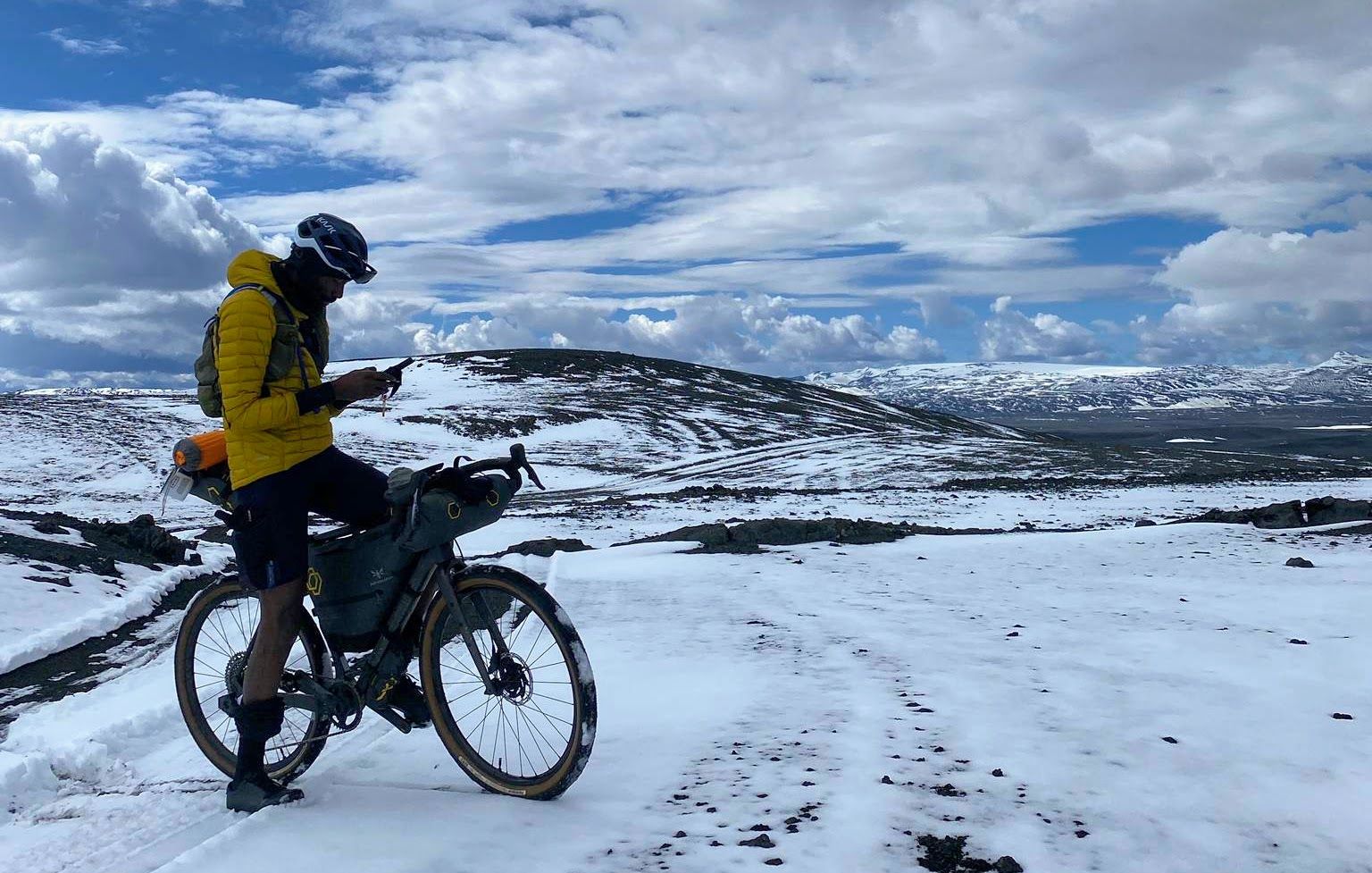
Iceland Divide – Lava fields, icy glaciers and river crossings
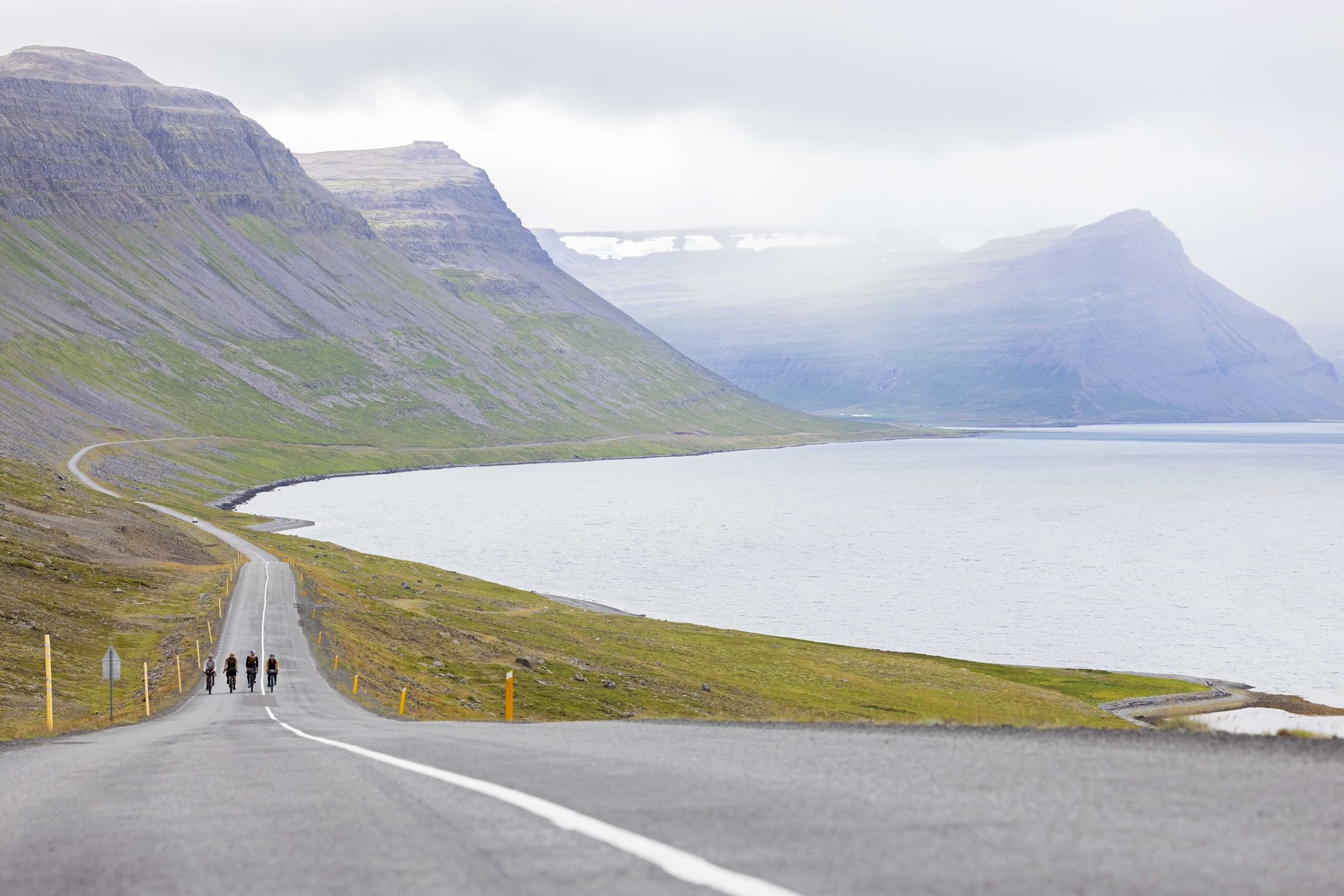
The Westfjords Way — Bikepacking Iceland's most remote coastline
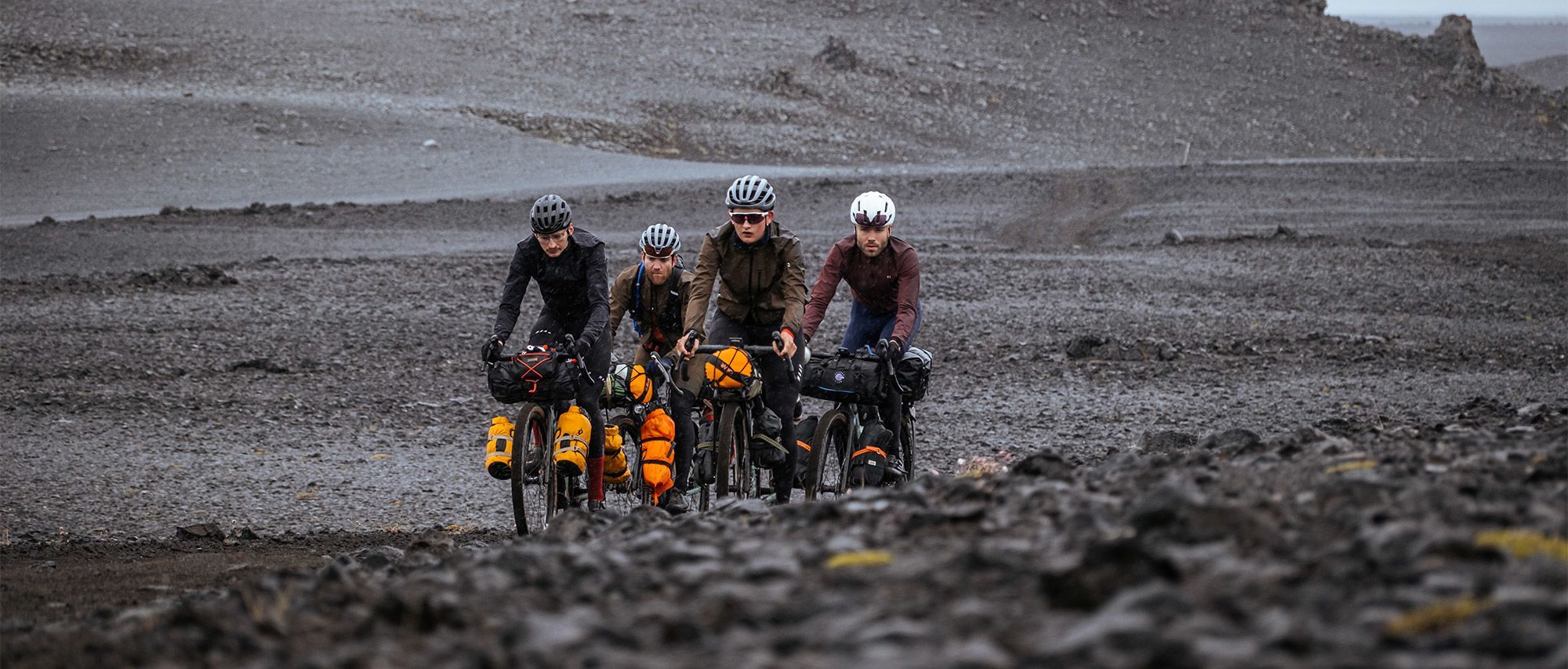
Iceland Divide — Ride Beyond Crew: between fire and ice
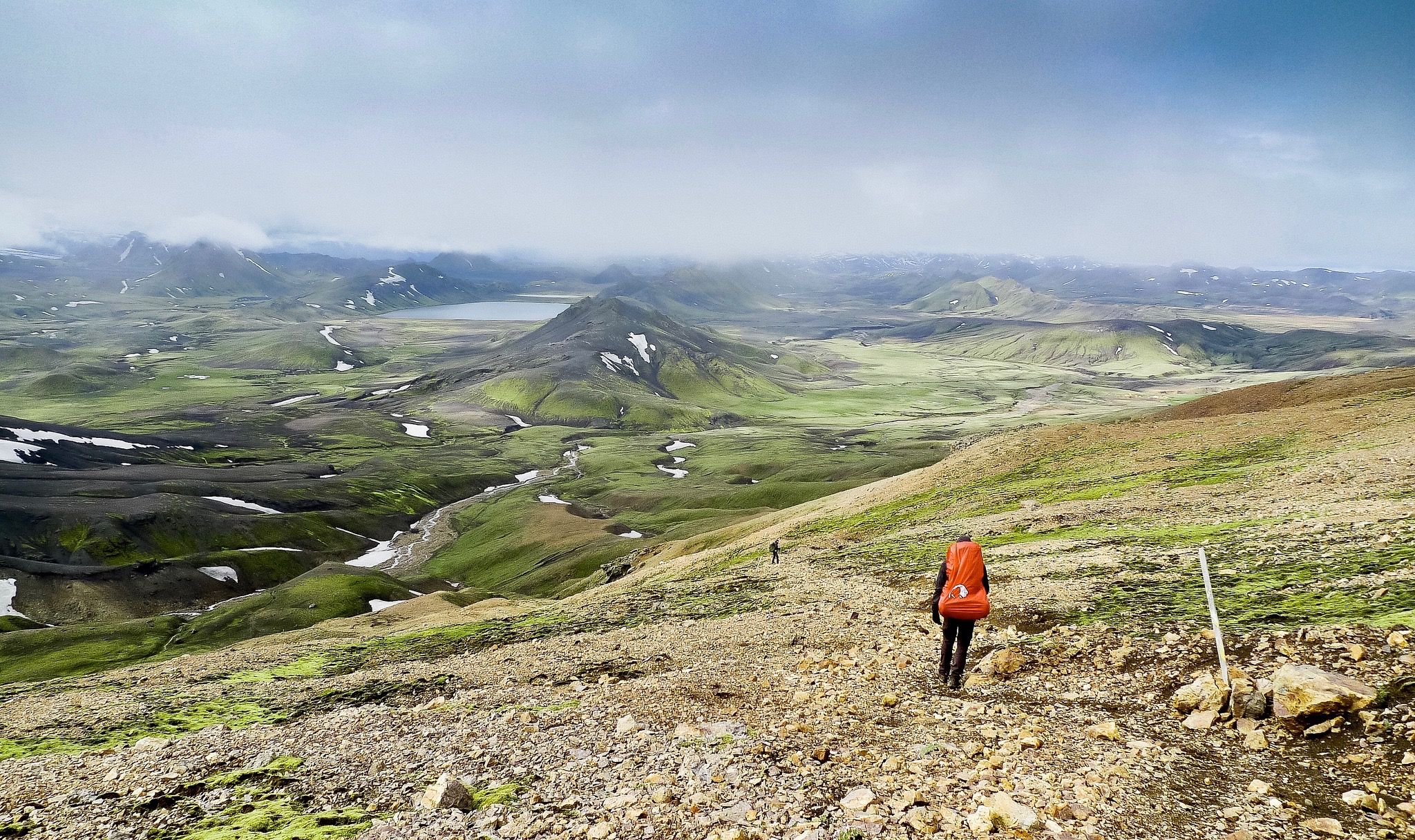
Laugavegur — 6 days trekking through Iceland
Glamping Adventures on Foot
Solitude in the saddle – Iceland Divide
Icelandic Highlands – Kjölur and the northwest fjords
Gravel: Islands Westfjorde
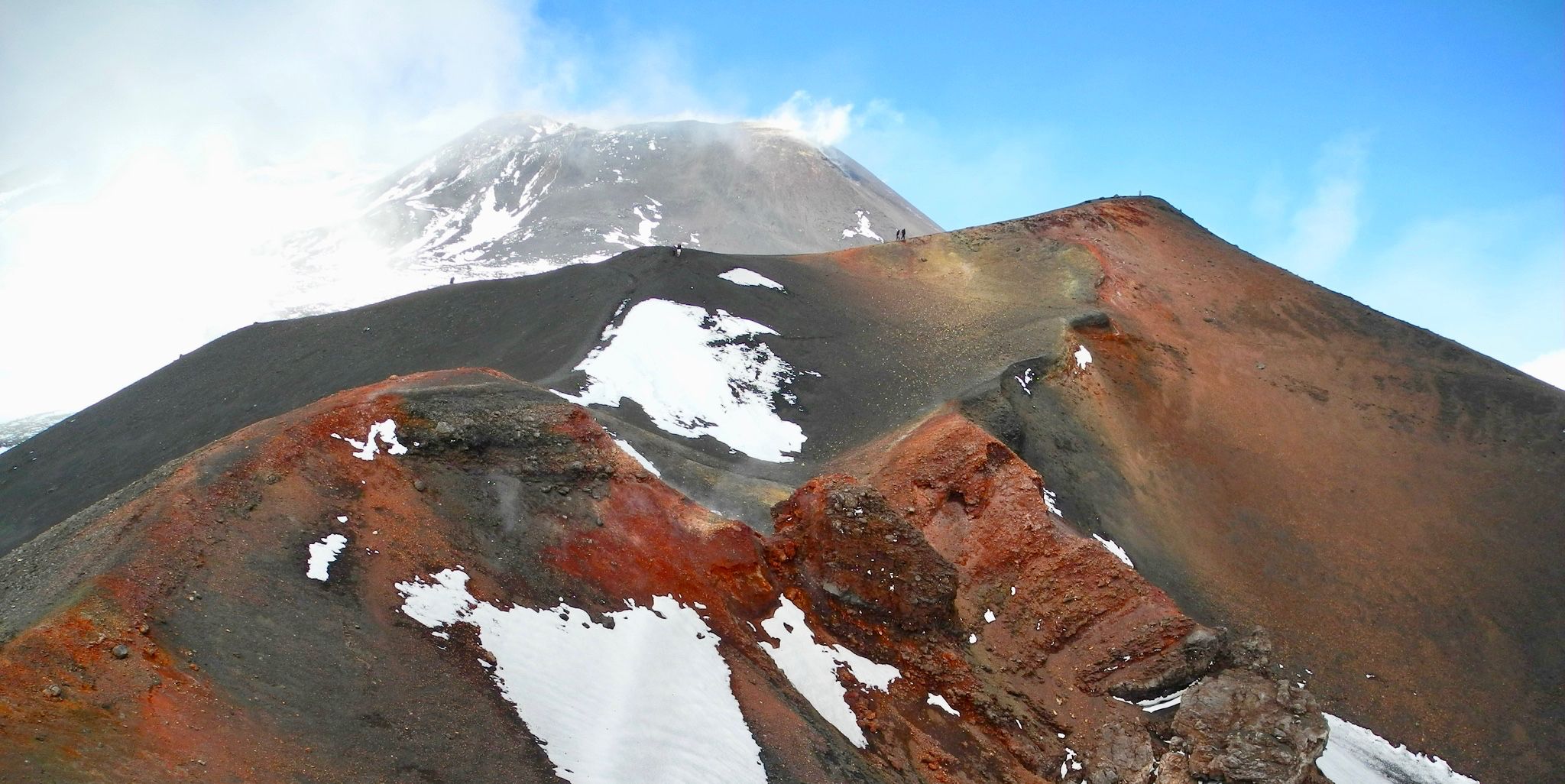
Holy mountains and their stories
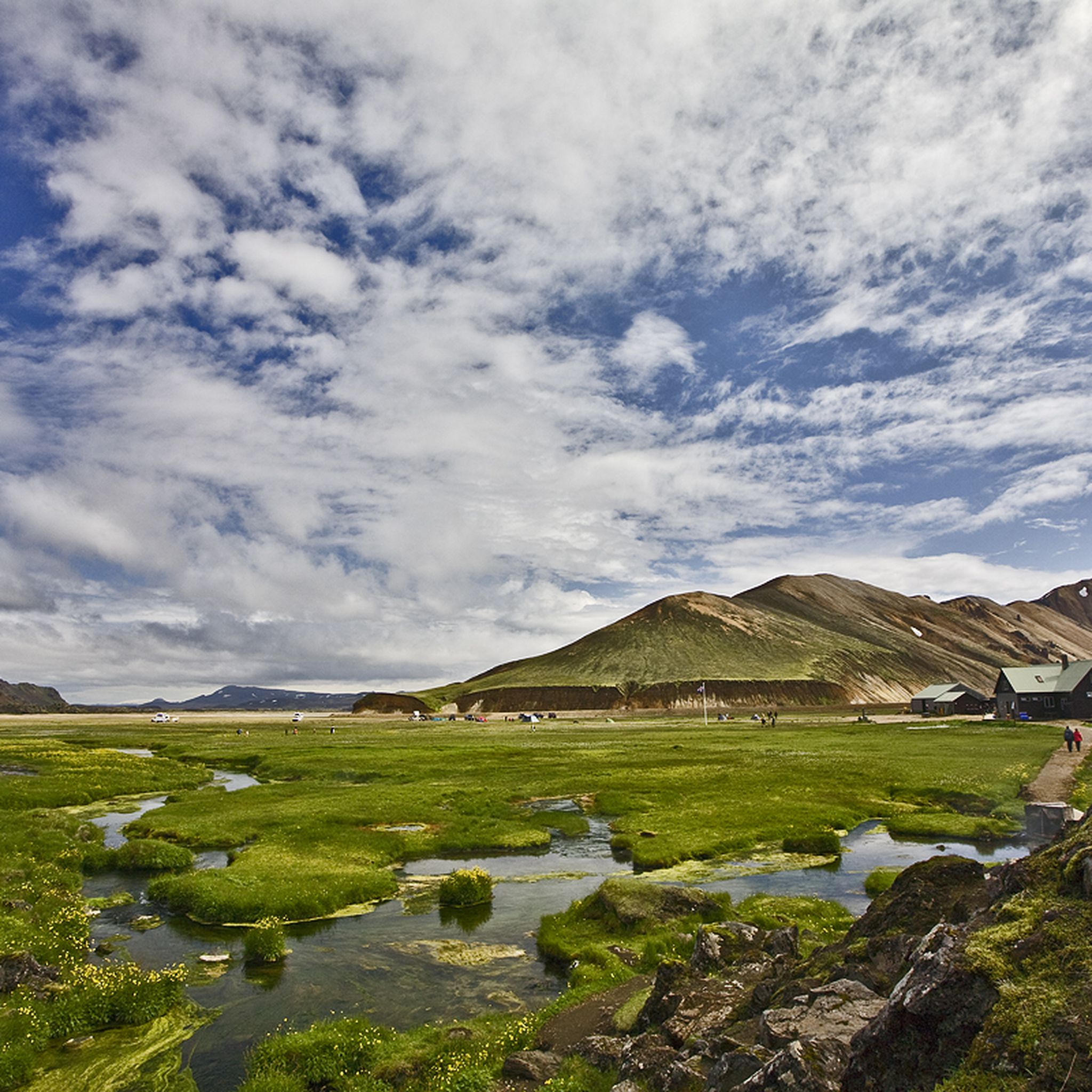
Hiking in the Iceland Mountains
Other adventures in the Iceland Mountains


Tips from the Community

It's much quieter here by the lake than near the parking lots. It's also a lovely spot for a break with a beautiful view.
1
0

Lake Fjardara, or "Fjaðrará" in Icelandic, is surrounded by lush landscapes and towering peaks. The charming town of Seydisfjörður lies on its shores. With its crystal-clear waters reflecting the beauty of its surroundings, Lake Fjardara provides a stunning backdrop for strolls or quiet moments of contemplation along its shores. This beautiful lake offers great photo opportunities and is a beautiful sight in East Iceland.
0
0

A very nice place to rest during the climb to the waterfall. There's also a good view of the lake.
0
0
The lake lies in the so-called Þingvellir Rift and is surrounded by four active volcanic systems: Prestahnúkur and Hrafnabjörg in the northeast, and Hengill and Hrómundartindur in the southwest. The lake is estimated to be about 12,000 years old, making it the first glacial lake to have formed at the end of the last ice age. It was initially a glacial lake. At the end of the last ice age, the glacier blocked the water's outflow. Eventually, the glaciers retreated, the land beneath the Hengill volcano rose, and the lake deepened.
1
0
It's really busy with groups of people snorkeling in unison - it spoils the otherwise beautiful view of the crystal-clear water a bit, but it's entertaining.
1
0


Unfortunately, you can only get there with a 4x4 car or on foot. 4 km one way in a gravel desert
0
0
Unfortunately, you can only get here by 4x4 car or train. It is best to come in the morning, as in the evening there is too much backlight to see the glacier.
0
0
Frequently Asked Questions
What unique geological features can be found among the lakes in the Iceland Mountains?
The lakes in the Iceland Mountains are often formed by volcanic activity or glacial retreat, showcasing diverse geological formations. You can find deep caldera lakes like Öskjuvatn, which formed during a massive volcanic eruption, and colorful crater lakes such as Ljótipollur and Bláhylur, known for their vibrant hues. Many are also surrounded by dramatic lava fields and mountainous ridges.
Are there opportunities for hiking around the lakes in the Iceland Mountains?
Yes, the Iceland Mountains offer numerous hiking opportunities around its lakes. For instance, you can find trails with breathtaking viewpoints around Langisjór, or explore the colorful landscapes near Ljótipollur and Frostastaðavatn. For more general hiking options in the region, you can explore routes like the easy 'Öxarárfoss – Flosagjá Fissure loop from Þingvellir' or the more challenging 'View over Landmannalaugar' by visiting the Hiking in the Iceland Mountains guide.
Can I go swimming or kayaking in the mountain lakes of Iceland?
Yes, some mountain lakes offer opportunities for water activities. For example, Bláhylur is popular for kayaking and scuba diving, and Langisjór also allows for kayaking. For a unique experience, you can even go diving or snorkeling in the crystal-clear waters of the Silfra Fissure, where you can swim between tectonic plates.
What is the best time to visit the mountain lakes in Iceland?
The best time to visit many of the remote mountain lakes, especially those in the highlands like Öskjuvatn and Langisjór, is during the summer months, typically from June to September. During this period, access roads (often requiring 4x4 vehicles) are usually open, and the weather conditions are more favorable for exploration and activities.
Are there family-friendly lakes or activities in the Iceland Mountains?
Yes, several lakes and areas are considered family-friendly. Thingvellir National Park and Þingvallavatn are great for families, offering historical significance and easy paths. Fjarðarávatn, near Seydisfjörður, also provides a beautiful backdrop for strolls. Look for highlights tagged as 'family_friendly' for suitable options.
What kind of wildlife can be observed around the lakes in the Iceland Mountains?
The lakes are often rich in fish, particularly trout and Arctic char, making them popular for fishing enthusiasts. Bláhylur, for instance, is known for brown trout and offers opportunities for wildlife observation. While specific large mammals are rare, birdlife can be abundant, especially near larger bodies of water.
Can I see glaciers near the lakes in the Iceland Mountains?
Yes, glaciers are a prominent feature in the Iceland Mountains. You can visit Sólheimajökull Glacier, where a glacier lagoon has formed and is steadily growing. Another notable spot is Stórurð Glacier Lake, which is surrounded by glacier cliffs and features a unique water color within a large lava field. Hoffellsjökull Glacier and the nearby Hoffellslón also offer stunning glacial views.
Are there historical or cultural sites near the mountain lakes?
Absolutely. Thingvellir National Park is a natural monument with immense historical significance, as it was the former meeting place of the Icelandic Parliament. It's also geologically interesting as one of the largest faults in the region. The Snorrabud site within Thingvellir is considered the founding location of Iceland.
What other outdoor activities are available in the Iceland Mountains besides hiking?
Beyond hiking, the Iceland Mountains offer a variety of outdoor activities. You can find numerous cycling routes, such as the 'View of Ísafjörður Fjord – Búðará Waterfall loop' or the 'Heart-Shaped Traffic Light – View of Akureyri loop.' For runners, there are trails like the 'Magnúsarfoss – Svartifoss loop from Skaftafell.' Explore more options in the Cycling in the Iceland Mountains guide or the Running Trails in the Iceland Mountains guide.
What makes Öskjuvatn lake unique among Iceland's mountain lakes?
Öskjuvatn, located in the remote Askja caldera, is Iceland's second-deepest lake, formed by a massive volcanic eruption in 1875. Its high elevation means it can be partially ice-covered even in summer. The area is known for its otherworldly, lunar-like volcanic landscape, which was even used by NASA astronauts for Apollo moon mission training. Adjacent to it is the warm, milky-blue geothermal lake Víti, offering a striking contrast.
Where can I find a lake with vibrant red and turquoise colors?
You should visit Ljótipollur, a volcanic crater lake within the Fjallabak Nature Reserve. Despite its name meaning 'Ugly Puddle,' it's remarkably beautiful, featuring vibrant red and vegetated slopes that contrast dramatically with its deep turquoise-blue water. It's particularly photogenic at sunrise and sunset.
Is there a lake in the Iceland Mountains known for its crystal-clear, azure waters and untouched wilderness?
Yes, Langisjór is often considered one of Iceland's most beautiful lakes. Stretching 20 kilometers within the vast Fjallabak area of the Icelandic Highlands, its crystal-clear, azure waters reflect the surrounding Fögrufjöll and Tungnaárfjöll mountain ridges, offering a profound sense of untouched wilderness and solitude.
Most popular routes in the Iceland Mountains
Most popular attractions in the Iceland Mountains

Get inspired with the komoot mobile app


Explore more
Still not found your perfect lake in the Iceland Mountains? Check out the guides of these regions to see even more beautiful places.
