Top 4 Caves around Lüterswil-Gächliwil
Caves around Lüterswil-Gächliwil are primarily historical sandstone quarries and man-made subterranean structures, reflecting the region's past industrial activities. The area, now part of Buchegg, features a rural landscape with meadows and forests, offering views of the Jura mountain range. These sites provide unique insights into historical quarrying practices and serve as distinctive locations for recreation. Exploring these interesting geological features is a popular activity among things to do in Lüterswil-Gächliwil.
Best caves around Lüterswil-Gächliwil
- The most popular caves is Sandstone…
Last updated: July 11, 2026
Sandstone Quarry Ober Bockstein
Highlight • Cave
There is also a barbecue area in the pit.
Translated by Google •
Tip by

Steigrüebli, Schnottwil
Highlight • Cave
Translated by Google •
Tip by

Sign up now to discover places like this
Get recommendations on the best single tracks, peaks, & plenty of other exciting outdoor places.
Sign up for free
Wildmannsgraben Trail
Highlight (Segment) • Trail
Translated by Google •
Tip by
Sandstone caves Wildmannsgraben, with barbecue area
Highlight • Cave
Translated by Google •
Tip by

Brüel Sandstone Cave: Former Beer Cellar
Highlight • Cave
Translated by Google •
Tip by
Start today with a free account
Your next adventure awaits.
Login or Signup
Tips from the Community

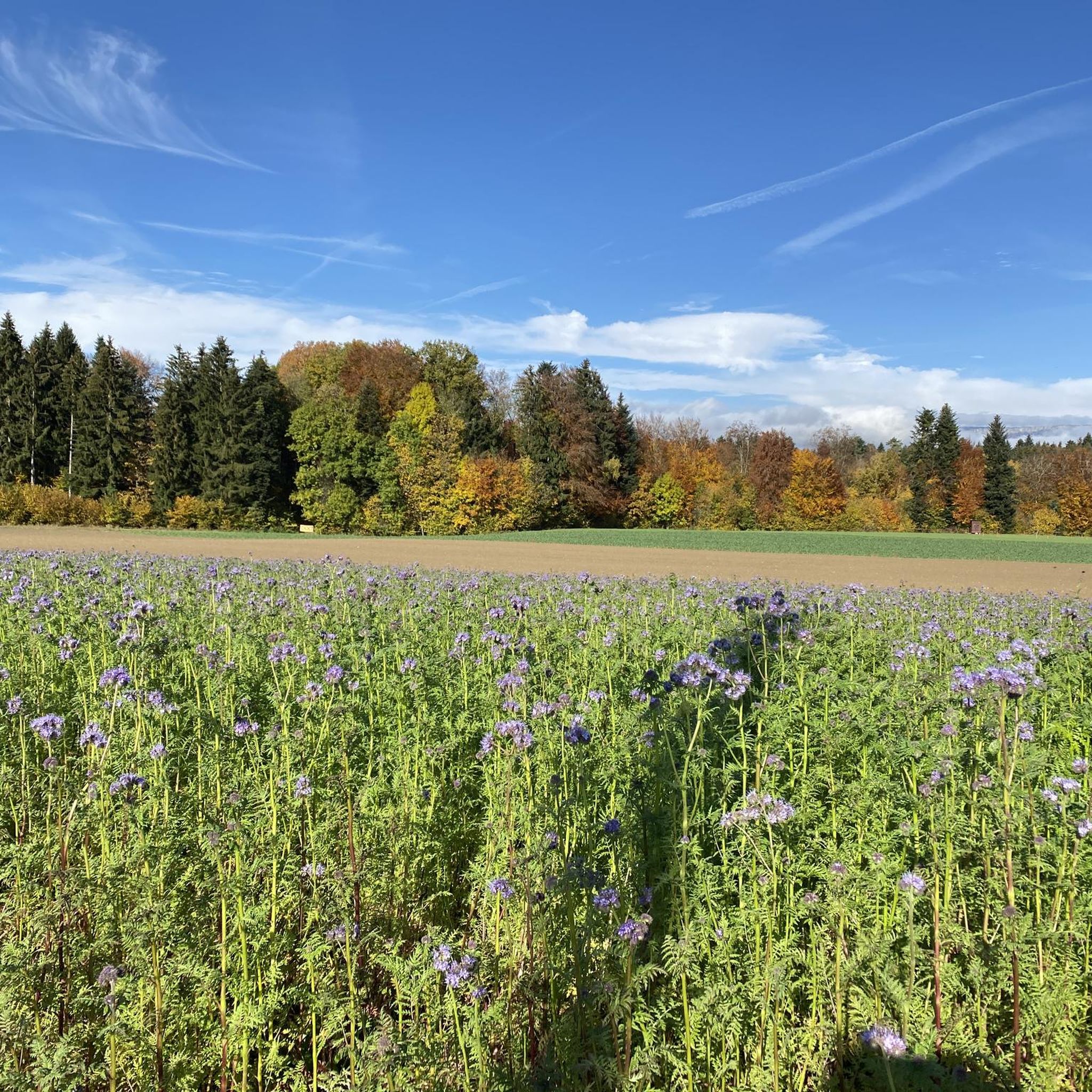
A peaceful place where you can take shelter from the sun in summer. There are benches and the possibility to have a barbecue. A beautiful spot, not only historically important, but also a great place to relax and recharge.
1
0

At this point there is a sandstone pit, which can be accessed from the back through a tunnel. In the pit there is a fireplace and various wooden chairs made from tree trunks. In the summer a shady place to grill. "You enter the pit through a tunnel that the users once excavated. Mining began in the 16th century. At that time, a lot of millstones were needed, a pit near Oberramsern could no longer meet the demand. This was the decision of the Great Council of Solothurn In 1527 a local miller was commissioned to quarry stone near Ober Bockstein on its land. After a few years, however, the miller gave up, as it turned out that his sandstone was too soft for millstones. In 1777, operations resumed in the Upper Bockstein Bockstein-Grube. Above all stove plates were now made from the sandstone. The last stone carver, the "Grubendurs", lived with his wife, the "Grubenänni" until 1890 on site, where the two had set up makeshift in a cave-like niche, as stated on the information board." Source: web.
0
0
The sandstone cave in the Brüel Forest was previously used for celebrations and village festivals. As a beer cellar or storage facility. Today it is no longer cultivated and in poor condition. Often the ground is flooded with water. It is a "souvenir object" for people who grew up here.
0
0
The best single trail in the Busleten and Leuzigen Forest. It's fun and unfortunately it's way too short
0
0
There are two sandstone caves at this point. There is a paved barbecue area with benches and tables. In the hot summer you can cool off here. The caves are accessible. The locals also call them beer caves or ice caves because beer was probably stored in them in the past. The story is said to go back to the Middle Ages. But I have not found any precise information. What a shame, an exciting thing.
0
0

In the 16th century, millstones were broken in "Ober Bockstein" for a few years. However, these rather soft sandstones were not particularly suitable as grinding stones. The grounds have not been exploited in the Fogle for centuries. Only in 1977 stones were broken again and from 1847 these beautiful stones were only hewn as stove plates. The last Steinhauser, the "Grubendurs", lived with his wife, the "Grubenänni" until his death in 1890 in the pit, which was poorly furnished.
1
0

The high, Europe-wide demand for millstones in the 16th century evidently had a major impact on this region. There are some quarries in the area, which were of importance for the economic development. For example, the stone pit in Schnottwil (www.komoot.de/highlight/1096515)
1
0

Frequently Asked Questions
What kind of caves can I explore around Lüterswil-Gächliwil?
The region around Lüterswil-Gächliwil is known for its unique sandstone quarries, which often function like caves. These are not natural limestone caves but rather historical sites where sandstone was extracted. They offer a glimpse into past quarrying practices and provide atmospheric, often cool, spaces to explore.
Are there any historical caves or quarries in the area?
Yes, several sites have significant historical value. The Sandstone Quarry Ober Bockstein, for example, dates back to the 16th century when it was used for millstones. Similarly, the Steigrüebli, Schnottwil was economically important as early as the 15th century, with its millstones even sold to Holland. The sandstone caves in Wildmannsgraben were historically used as 'beer caves' or 'ice caves' for storage.
Are the caves around Lüterswil-Gächliwil suitable for families?
Many of the sandstone quarries and caves in the area are family-friendly. Highlights like the Sandstone Quarry Ober Bockstein, Steigrüebli, Schnottwil, and the Sandstone caves Wildmannsgraben often feature barbecue areas and benches, making them great spots for a family outing and a picnic.
Can I find barbecue areas or facilities near these caves?
Yes, several locations offer facilities for visitors. The Sandstone Quarry Ober Bockstein has a fireplace and seating. At Steigrüebli, Schnottwil, you'll find a brick fire pit with a grill, table, and benches, along with running water and waste containers. The Sandstone caves Wildmannsgraben also feature a paved barbecue area with benches and tables.
What outdoor activities can I do near the caves?
The region around Lüterswil-Gächliwil is excellent for cycling. You can find various routes for touring bicycles and racebikes. For example, explore routes from the Traffic-free bike rides around Lüterswil-Gächliwil guide, or discover more options in the Cycling around Lüterswil-Gächliwil guide. Some caves, like those along the Wildmannsgraben Trail, are directly integrated into hiking paths.
Are there any challenging cave experiences in the area?
While most accessible sites are former quarries, the Brüel Sandstone Cave: Former Beer Cellar is noted as 'challenging' due to its current condition, often being flooded. It's more of a historical curiosity for those who grew up in the area rather than a typical caving experience.
What is the best time of year to visit these sites?
The sandstone quarries and caves can be visited year-round. In summer, they offer a cool refuge from the heat, making them ideal for picnics and relaxation. In winter, while some areas might be damp or flooded, the historical atmosphere remains. Always check local conditions before your visit.
Are there any specific trails that lead to these caves?
Yes, the Wildmannsgraben Trail is a single trail through the forest that leads directly to two sandstone caves, often referred to as former 'beer caves' or 'ice caves'. This trail offers a direct route to these unique historical spots.
What should I wear when visiting the caves?
Given that these are mostly sandstone quarries and some can be damp or have uneven ground, sturdy footwear is recommended. Layers of clothing are also advisable, as the interior of the quarries can be cooler than the outside temperature, especially in summer.
Are there any 'hidden gem' caves or lesser-known spots?
The various sandstone quarries, such as Sandstone Quarry Ober Bockstein and Steigrüebli, Schnottwil, are often considered local hidden gems. They are not as widely known as major natural cave systems but offer unique historical insights and peaceful, atmospheric settings for exploration and relaxation.
Most popular routes around Lüterswil-Gächliwil
Most popular attractions around Lüterswil-Gächliwil

Get inspired with the komoot mobile app


Explore more
Extend your search for the best caves by checking out these guides of the top ones around Lüterswil-Gächliwil:
