Top 5 Caves around Trasadingen
Best caves around Trasadingen are found within the wider Schaffhausen canton, offering a range of subterranean attractions. Trasadingen serves as a starting point for exploring these geological features and historical sites. The region features a diverse natural landscape, including rock formations and river views. These natural features provide opportunities for outdoor exploration and discovery.
Best caves around Trasadingen
- The most popular caves is Paradiesgärtli and Heidenhöhle Picnic Area with View of the Rhine, a viewpoint that offers a rest…
Last updated: June 28, 2026
Flühhalde — Neolithic Cave and Picnic Area
Highlight • Cave
Translated by Google •
Tip by

Heidenstube
Highlight • Cave
Translated by Google •
Tip by

Sign up now to discover places like this
Get recommendations on the best single tracks, peaks, & plenty of other exciting outdoor places.
Sign up for free
Kesslerloch Cave
Highlight • Cave
Translated by Google •
Tip by

Bohnerzstollen Entrance
Highlight • Cave
Translated by Google •
Tip by

Paradiesgärtli and Heidenhöhle Picnic Area with View of the Rhine
Highlight • Viewpoint
Translated by Google •
Tip by
Start today with a free account
Your next adventure awaits.
Login or Signup

Tips from the Community

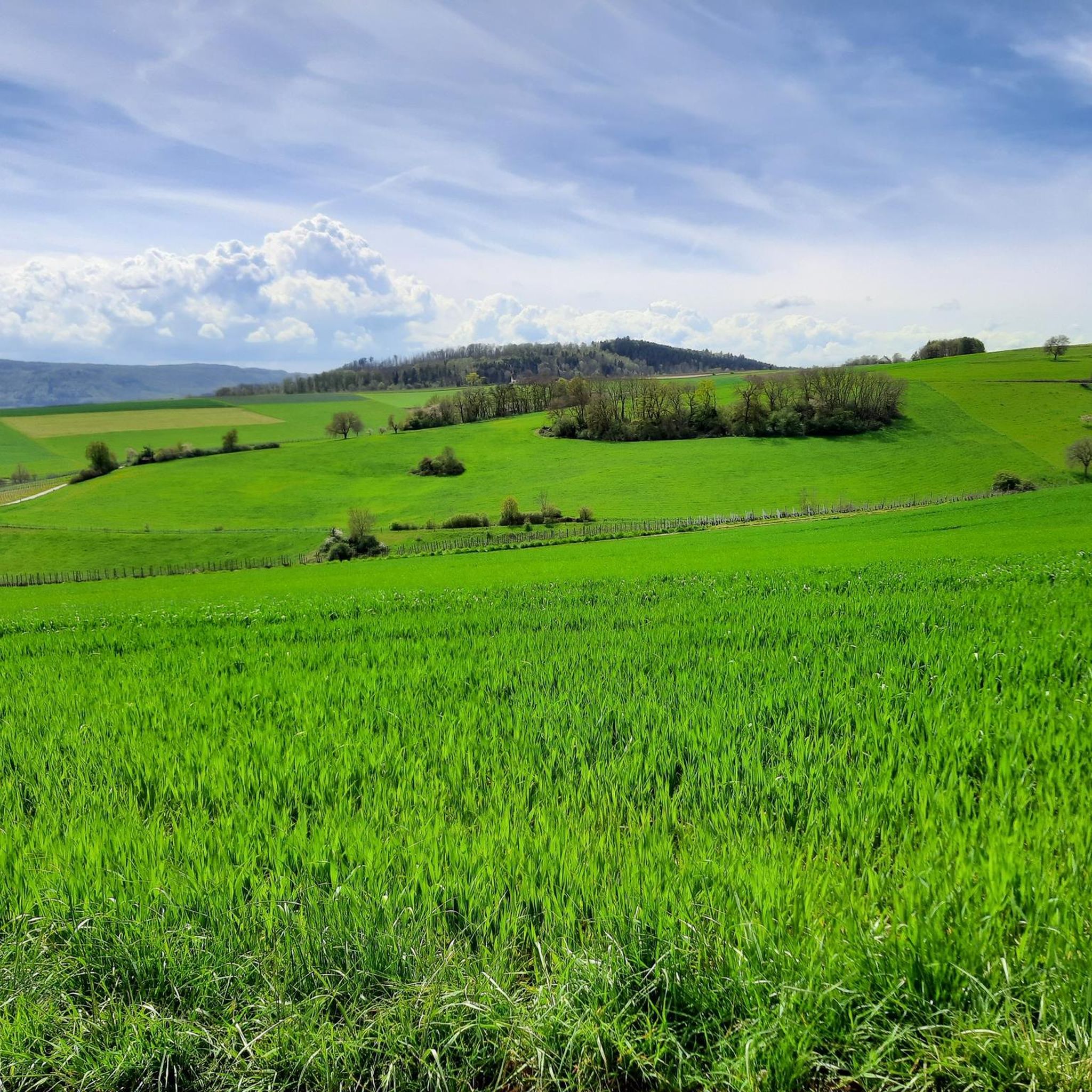
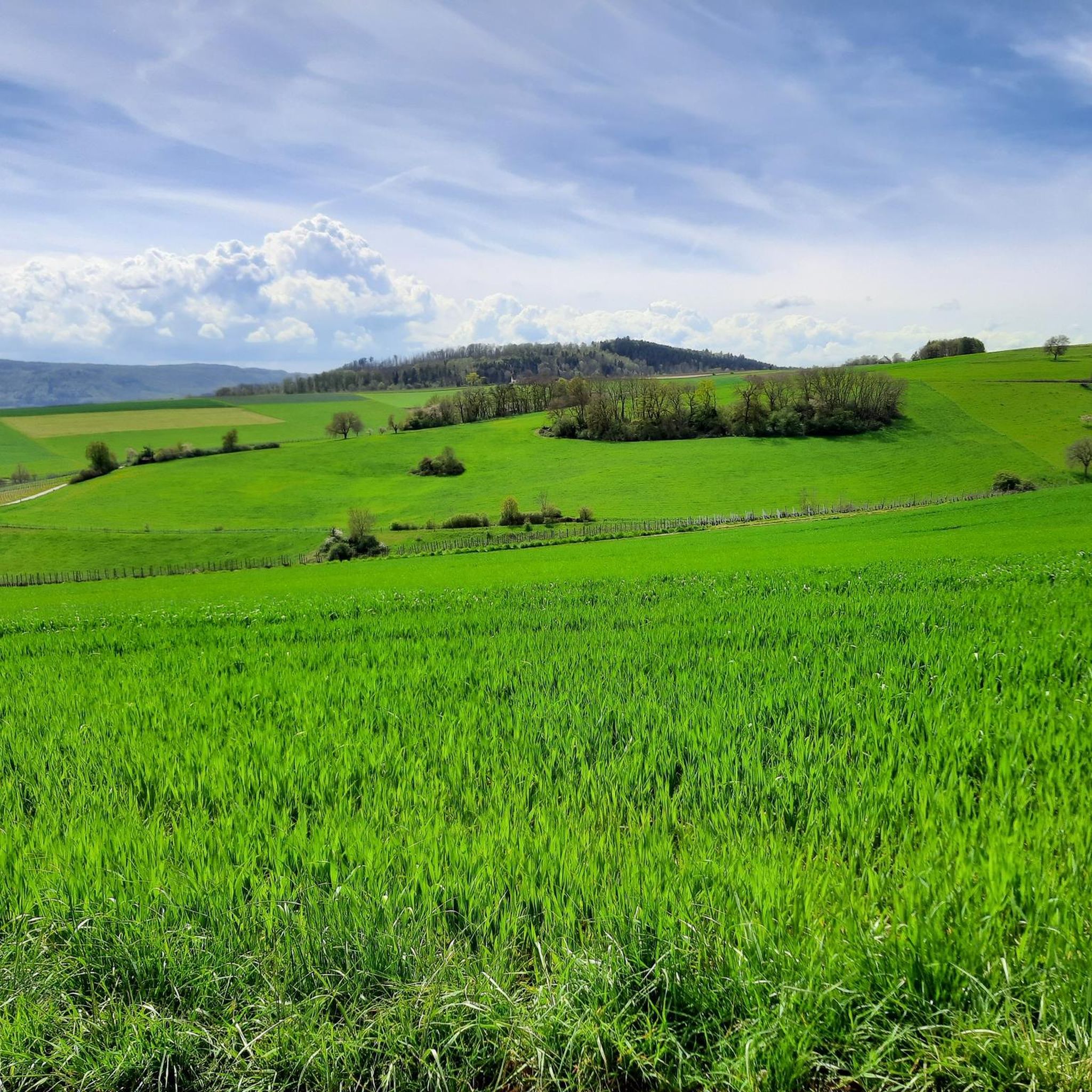
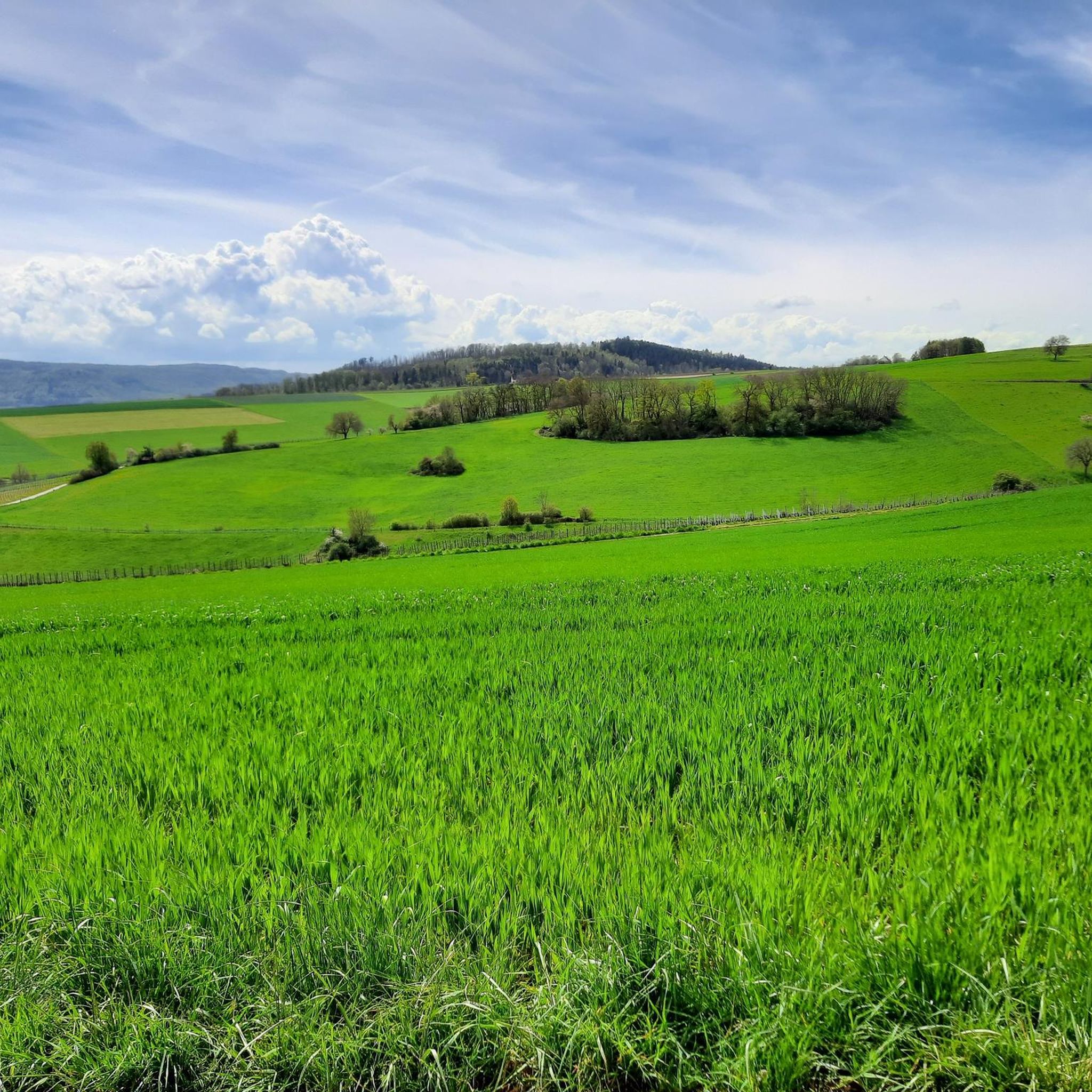
Somewhat hidden in the "Flüe" (a local name for a rock formation), you'll find the Nagelfluh cave, also known as "Winterlislöchli". The area, with benches and a barbecue, offers a fantastic view of the German Klettgau region. According to local legend, a peddler woman named Winterlise once lived here for a time.
0
0

The Neolithic conglomerate cave "Winterlislöchli" was inhabited until about 6,000 years ago. Great view
0
0
This wonderful place was completely unknown to me, only becoming aware of it through "Komootler." The detour is definitely worth it. An idyllic spot with a barbecue area and benches.
0
0

A beautiful place, but it is mainly used commercially. Wood for grilling is only available for a fee.
0
0

Really really super beautiful
0
3

The Flühhalde is a Neolithic hilltop settlement and is one of the cultural assets of the region.
0
0
The Flühhalde is a Neolithic hilltop settlement.
0
0
The Flühhalde was a Neolithic hilltop settlement from primeval times.
0
0
Frequently Asked Questions
What types of caves can I explore around Trasadingen?
The region around Trasadingen offers a mix of historical and geological cave sites. You can find prehistoric dwelling sites like the Kesslerloch Cave, which was inhabited by reindeer hunters, and Nagelfluh caves such as Flühhalde — Neolithic Cave and Picnic Area, also known as "Winterlislöchli." There are also historical sites like the Bohnerzstollen Entrance, which tells an interesting story about old tunnels.
Are there any significant prehistoric cave sites in the Schaffhausen canton?
Yes, the Kesslerloch Cave in Thayngen, within the canton of Schaffhausen, is a significant prehistoric site. It was inhabited by reindeer hunters between 15,000 and 11,000 years ago during the Upper Paleolithic period, serving as a place of protection.
Are there family-friendly caves or picnic areas near Trasadingen?
Yes, Flühhalde — Neolithic Cave and Picnic Area is a great option. This Nagelfluh cave offers a picnic area with benches and a barbecue, providing fantastic views of the German Klettgau region. Another family-friendly spot is the Paradiesgärtli and Heidenhöhle Picnic Area with View of the Rhine, which has a rest area with a fireplace and benches, offering nice views of the Rhine.
What historical stories are associated with the caves in the region?
The Flühhalde — Neolithic Cave and Picnic Area is linked to a local legend about a peddler woman named Winterlise who once resided there. The Heidenstube cave has a rich history, with its 'Sage of the Heidenstube' even finding its way into Gottfried Keller's novel 'The Green Heinrich'.
What do visitors enjoy most about the caves and surrounding areas?
Visitors appreciate the historical significance of sites like the Kesslerloch Cave, often noting the great views from these locations. Picnic areas like Flühhalde are popular for their amenities and scenic outlooks. The interesting stories behind places like the Bohnerzstollen Entrance also captivate visitors.
Are there other notable caves in the wider Switzerland region worth visiting?
Beyond the immediate vicinity of Trasadingen, Switzerland boasts several impressive caves. The St. Beatus Caves near Interlaken are known for waterfalls and legends. The Höllgrotten Caves near Baar feature fascinating stalactites and stalagmites. For extensive exploration, Hölloch in Muotatal is the second largest cave in Europe, offering various tours.
What outdoor activities can I combine with a visit to the caves?
The area around Trasadingen is excellent for various outdoor activities. You can explore MTB Trails around Trasadingen, enjoy Road Cycling Routes, or go for a run on the Running Trails around Trasadingen. Many routes offer scenic views and pass by natural features.
Are there hiking trails that lead to or near these caves?
Yes, many of the caves are accessible via paths and can be incorporated into hikes. For instance, the Heidenstube cave is reached via a narrow path and stairs. You can find various running and walking trails in the region that offer opportunities to explore the natural landscape and reach these sites.
What kind of natural features can I expect to see around the caves?
The caves are often nestled within diverse natural landscapes. You'll encounter rock formations, such as the 'Flüe' where Flühhalde is located, and enjoy views of the Rhine river from spots like Paradiesgärtli. The region also features forests and the unique Nagelfluh rock formations.
What is the best time of year to visit the caves around Trasadingen?
The caves and their surrounding areas can be enjoyed throughout much of the year. Spring and autumn offer pleasant temperatures for exploring the outdoor picnic areas and trails leading to the caves. During summer, the caves can provide a cool respite. Always check local conditions, especially for trails, during winter months.
What should I wear when visiting caves in the Trasadingen area?
For most accessible caves and historical sites, comfortable walking shoes are recommended, especially if you plan to explore surrounding trails. Layers of clothing are advisable as cave interiors can be cooler than the outside temperature. If visiting more extensive cave systems further afield, specialized caving gear might be necessary, but for the local sites, standard outdoor attire is usually sufficient.
Are there any caves that offer great viewpoints?
Yes, several spots combine cave exploration with scenic views. The Kesslerloch Cave offers a great view. Additionally, the Flühhalde — Neolithic Cave and Picnic Area provides fantastic views of the German Klettgau region, and Paradiesgärtli and Heidenhöhle Picnic Area offers beautiful views of the Rhine.
Most popular routes around Trasadingen
Most popular attractions around Trasadingen

Get inspired with the komoot mobile app


Explore more
Extend your search for the best caves by checking out these guides of the top ones around Trasadingen:
