Top 13 Caves around Schlatt-Haslen
Best caves around Schlatt-Haslen are found within the Appenzell Innerrhoden region of Switzerland, an area characterized by karst topography. This geological landscape includes features like caves, sinkholes, and underground drainage systems. The region's natural formations offer opportunities for exploration and discovery. The most notable caves are accessible and provide insights into both natural history and human activity.
Best caves around Schlatt-Haslen
- The most popular caves is Wildkirchli Caves, a cave system comprising three interconnected wide caves. These caves are…
Last updated: June 28, 2026
Wildkirchli Chapel (St. Michael’s Cave Chapel)
Highlight • Religious Site
In 1621, Father Philippus Tanner from Appenzell went to the Wildkirchli to bless the cattle. He was so taken with this cave that …
Translated by Google •
Tip by

Wildkirchli Caves
Highlight • Cave
Translated by Google •
Tip by

Sign up now to discover places like this
Get recommendations on the best single tracks, peaks, & plenty of other exciting outdoor places.
Sign up for free
Kristallhöhle Kobelwald
Highlight • Cave
Translated by Google •
Tip by

Tivoli Cave
Highlight • Cave
Source and further information: stgallen24.ch/articles/281276-st-gallens-letztes-geheimnis-die-tivolihoehle
Translated by Google •
Tip by

Felsenkeller Cave Near Burg Hoch-Altstätten
Highlight • Cave
Translated by Google •
Tip by

Sign up for free to discover even more caves around Schlatt-Haslen.
Sign up for free
Already have an account?
Start today with a free account
Your next adventure awaits.
Login or Signup
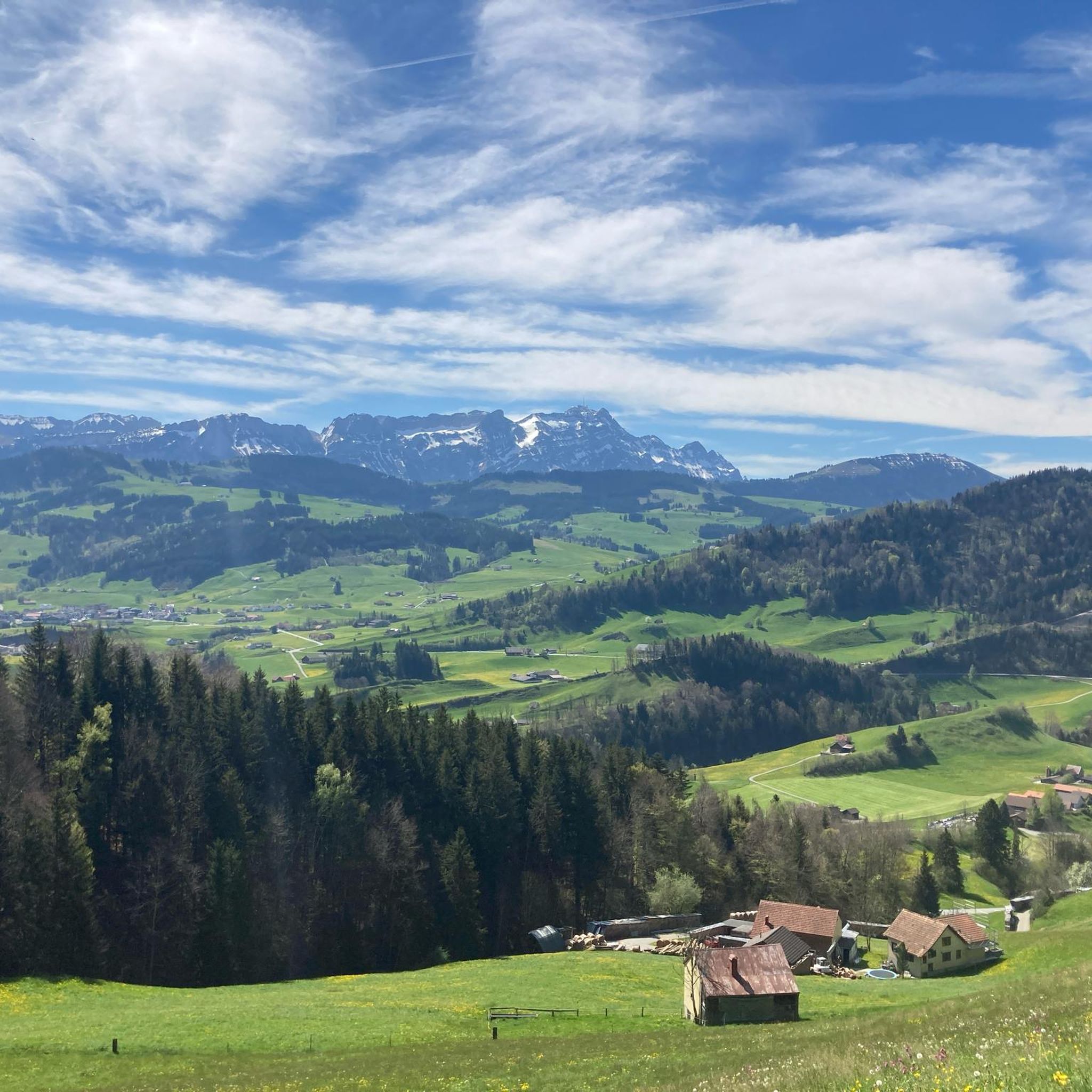
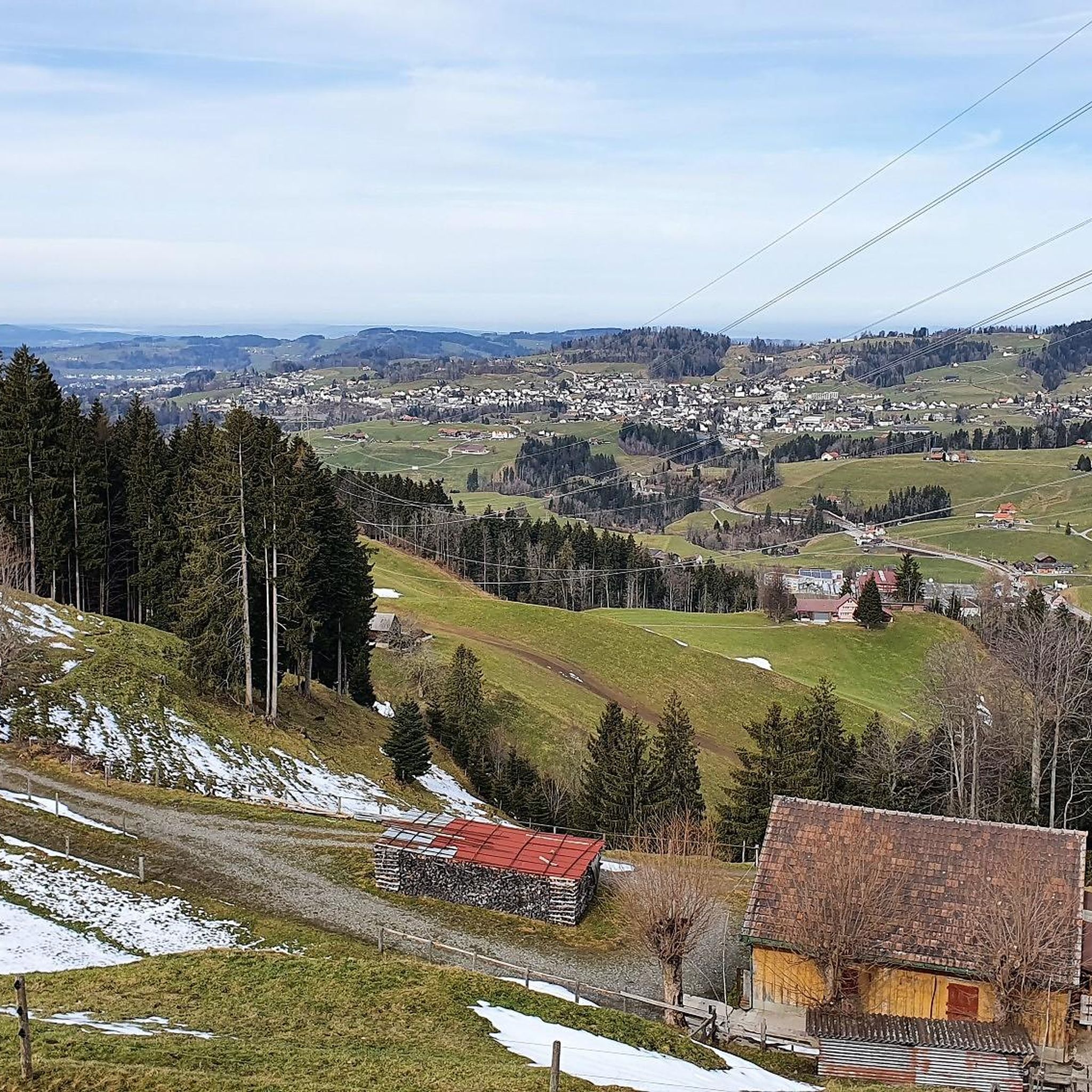
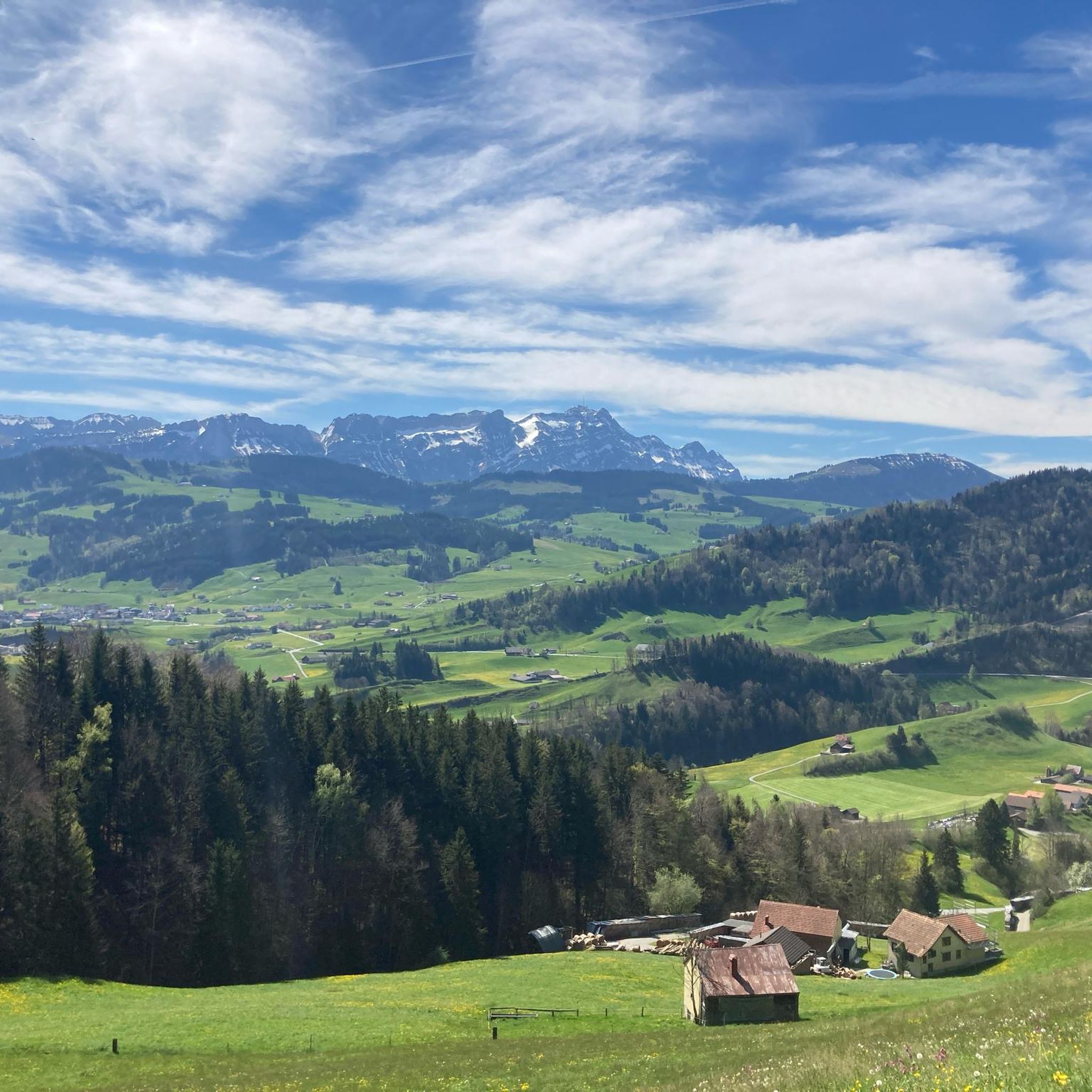

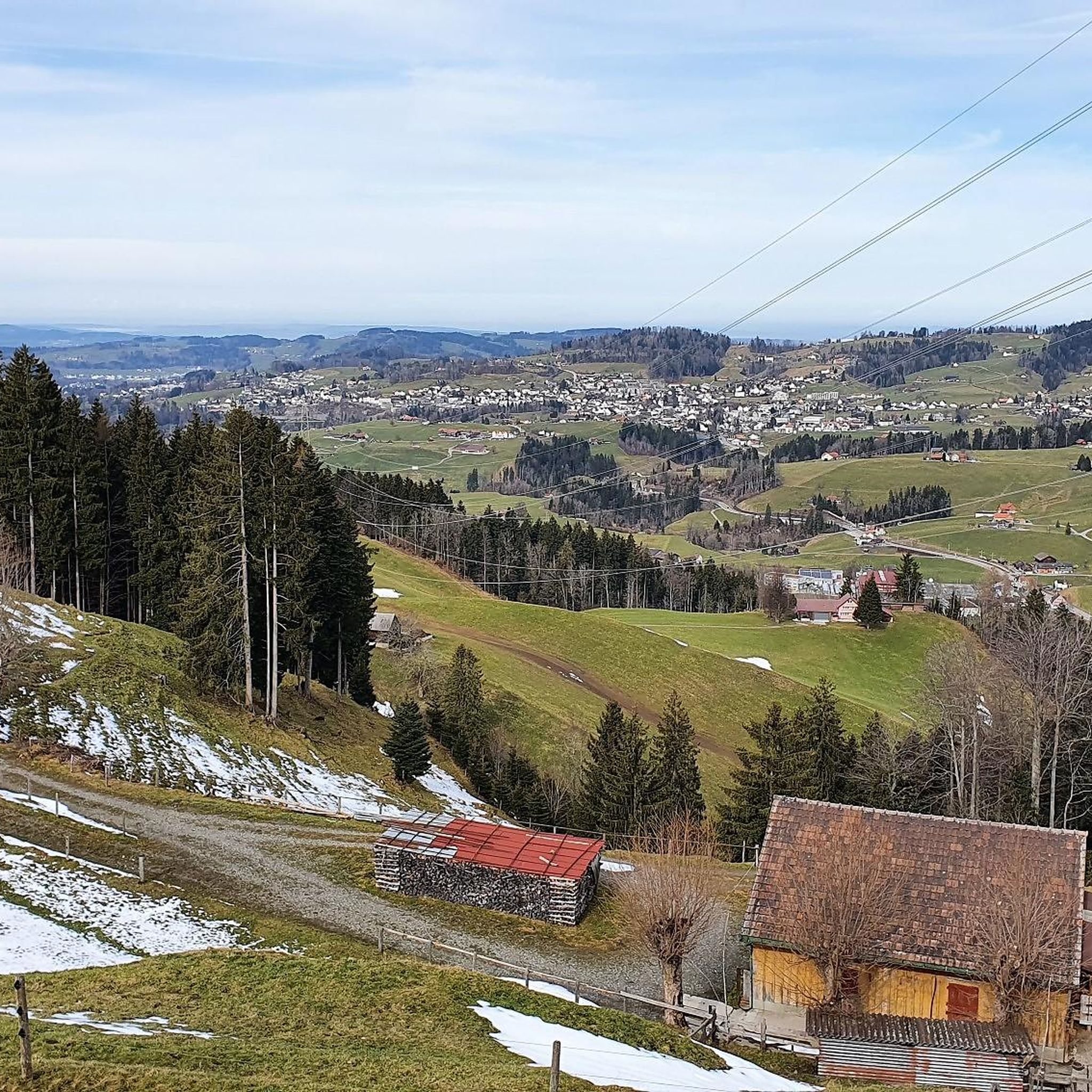
Tips from the Community

Rock cellar in which a chapel was established. :)
0
0

What was built here is simply brilliant.
8
0
Our mountain guesthouse has seen many a proud face after the steep climb. The guesthouse, in its current form, has existed since 1860, making it one of the oldest mountain inns in Switzerland. Pastor Ulmann was the first hermit to live in the hermitage in the Wildkirchli in 1658. More than 20 men followed his example until 1853, shaping the history of the Wildkirchli as hermits and first hosts. Since then, this mystical place has fascinated generations. Stories are told of little wild people who are said to have once lived in the Wildkirchli caves and come to the aid of the herdsmen. The Aescher inspires poets and artists to create new works. Bones of cave bears and stone tools bear witness to the cave's ancient shelter. Source: https://aescher.ch/
7
0
Very impressive, beautiful to look at! Services are also held here.
8
0
A great cave, with very interesting information. The hiking trail leads directly through the cave.
11
0
Great cave, definitely worth a visit.
8
0

The Tivoli Cave in the city of St. Gallen is a small cave in the middle of a beautiful forest. The best way to get there is to take the bus to the "Hagenbuch" stop. Or take the wonderful panoramic path and then descend the Tivoli stairs. Please respect the privacy of the private property there! Continue directly to the right along the small path and DO NOT go left/straight across the small bridge. If you go all the way in (bring a headlamp), you won't get very far. It's almost a bit spooky there. If you look up, you'll see a shaft about 13 meters long that leads straight to the very top. This is where buckets used to be lowered to fetch water. The hole at the top was eventually sealed and covered with earth and no longer exists. Therefore, there was no escape route for the nuns. There used to be a rickety and very rotten wooden ladder here. This has since been removed for safety reasons. It is a man-made cave; clear marks made by tools have been discovered in the rock. The cave is about 17 meters long and between 6 and 7 meters wide. Source: thisismysaintgallen.com/tivolihoehle/
3
0
Frequently Asked Questions
What makes the caves around Schlatt-Haslen unique?
The region around Schlatt-Haslen, part of Appenzell Innerrhoden, is characterized by karst topography, leading to natural caves, sinkholes, and underground drainage systems. This geological landscape offers a mix of natural beauty, historical significance, and impressive mineral deposits, such as those found in Kristallhöhle Kobelwald.
What historical significance do the Wildkirchli Caves hold?
The Wildkirchli Caves are world-renowned for their prehistoric findings. Excavations have uncovered skeletons of cave bears and Stone Age tools, providing evidence of Neanderthal presence in the mountains around 60,000-10,000 years ago. The site also includes the historic Wildkirchli Chapel, which has hosted services since 1621.
Are the caves around Schlatt-Haslen suitable for families?
Yes, several caves are family-friendly. For instance, Kristallhöhle Kobelwald is an interesting excursion destination for visitors with or without kids. The journey to the Wildkirchli Caves via cable car and a short walk is also popular with families, offering a blend of nature and history.
How can I reach the Wildkirchli Caves using public transport?
The Wildkirchli Caves are easily accessible by cable car to Ebenalp. From the Ebenalp mountain station, it's approximately a 20-minute walk to the caves. Public transport options are available to reach the cable car's base station.
What kind of geological features can I expect to see in the caves?
The caves in the region showcase diverse geological formations. Kristallhöhle Kobelwald is particularly famous for one of the largest calcite deposits in Europe. The Wildkirchli Caves, part of a karst landscape, feature interconnected chambers and rock formations shaped over millennia.
What is the best time of year to visit the caves near Schlatt-Haslen?
The best time to visit depends on the specific cave and your preferred activities. The Wildkirchli Caves are part of a popular hiking area, making spring through autumn ideal for combining caving with outdoor trails. For Kristallhöhle Kobelwald, it's important to check opening times, as heavy rains can sometimes cause partial flooding.
Are there hiking trails that incorporate cave visits?
Yes, the Wildkirchli Caves are integrated into a scenic hiking trail on the Ebenalp. This trail also leads to the famous Aescher mountain restaurant and offers impressive panoramic views of Kamor, Hoher Kasten, and Alp Sigel. For more hiking options in the area, explore the Cycling around Schlatt-Haslen guide, which includes routes that pass through scenic areas.
What should I wear when exploring caves in this region?
When exploring caves, it's advisable to wear sturdy, comfortable shoes with good grip, as surfaces can be uneven and damp. Even in summer, cave temperatures are consistently cool, so bring an extra layer of clothing. A headlamp or flashlight is also recommended for better visibility inside darker sections.
Can I explore hidden or less-known caves around Schlatt-Haslen?
While the region has a karst landscape suggesting many formations, most publicly accessible and well-documented caves are those like Wildkirchli Caves and Kristallhöhle Kobelwald. For safety and preservation, it's best to stick to marked and managed cave systems. The Tivoli Cave in St. Gallen is a smaller, more secluded option, though it's a man-made structure.
Are there any cafes or restaurants near the caves?
Near the Wildkirchli Caves, the famous Aescher mountain restaurant is built directly into the rock face, offering a unique dining experience. Other cafes and restaurants can be found in the nearby villages and towns, especially around the cable car stations.
What other outdoor activities can I do near the caves around Schlatt-Haslen?
The region offers a variety of outdoor activities. You can find numerous road cycling routes, such as the 'Schwägalp Ascent from Urnäsch' or 'Teufen in Appenzell – Trogen Town Square loop', detailed in the Road Cycling Routes around Schlatt-Haslen guide. Mountain biking is also popular, with trails like 'Unterer Gäbris – Gäbrisseeli loop' available in the MTB Trails around Schlatt-Haslen guide.
Is there parking available for visitors to the caves?
Parking facilities are typically available at the base stations of cable cars that provide access to cave areas, such as the Ebenalp cable car for the Wildkirchli Caves. For other caves like Kristallhöhle Kobelwald, specific parking information should be checked in advance, as access might be via a steep ascent.
What is the difficulty level for exploring the caves?
The difficulty varies. The path through the Wildkirchli Caves is generally considered intermediate, as it's part of a hiking trail. The ascent to Kristallhöhle Kobelwald can be steep and stony, rated as challenging. Always check specific highlight details for difficulty ratings and tips before your visit.
Most popular routes around Schlatt-Haslen
Most popular attractions around Schlatt-Haslen

Get inspired with the komoot mobile app


Explore more
Extend your search for the best caves by checking out these guides of the top ones around Schlatt-Haslen:
