Top 4 Caves around Lago Maggiore
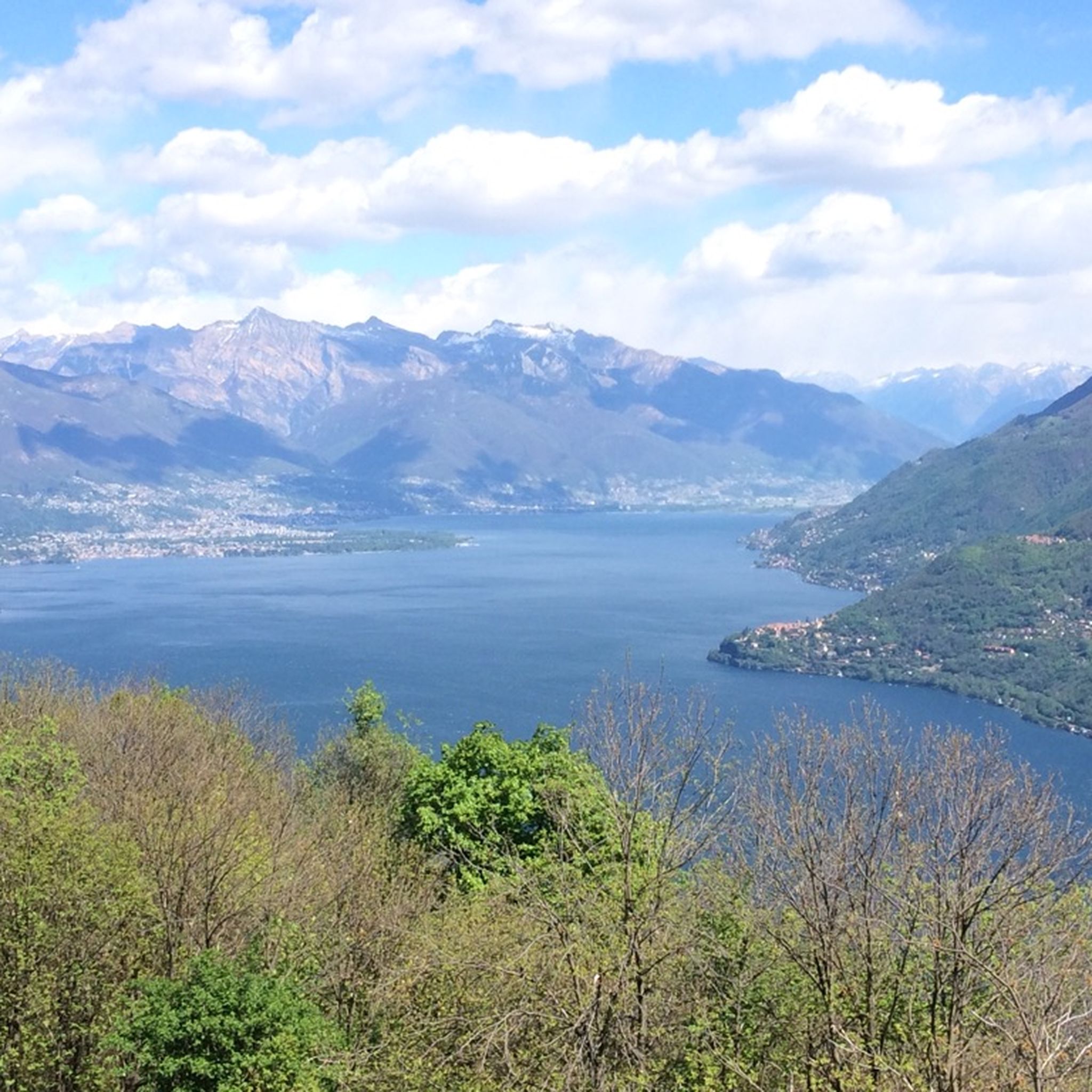
Best caves around Lago Maggiore are found in a region characterized by its large subalpine lake, surrounded by mountains and hills. The area features diverse geological formations, including natural rock shelters and historical sites. Its landscape combines water features with alpine terrain, offering varied outdoor exploration opportunities. The region is known for its blend of natural beauty and historical significance.
Best caves around Lago Maggiore
- The most popular caves is Nevèra di Bordei, a cave that features natural rock…
Last updated: October 1, 2026
Nevèra di Bordei
Highlight • Cave
Translated by Google •
Tip by

Grotta dei Pagani
Highlight • Cave
Valley legends tell that Herman Hesse spent a few days of meditation with his friend Gusto Græser.
Tip by

Sign up now to discover places like this
Get recommendations on the best single tracks, peaks, & plenty of other exciting outdoor places.
Grotta di Caurga
Highlight • Cave
Translated by Google •
Tip by
Start today with a free account
Your next adventure awaits.
Tips from the Community

A clearly visible folding of the rock layers has created a roughly 20 meter deep crevice, which is part of a complex cave system
2
0

Cave located at the foot of the Ruino hill. Valley legends tell that Herman Hesse spent a few days of meditation with his friend Gusto Græser.
1
0
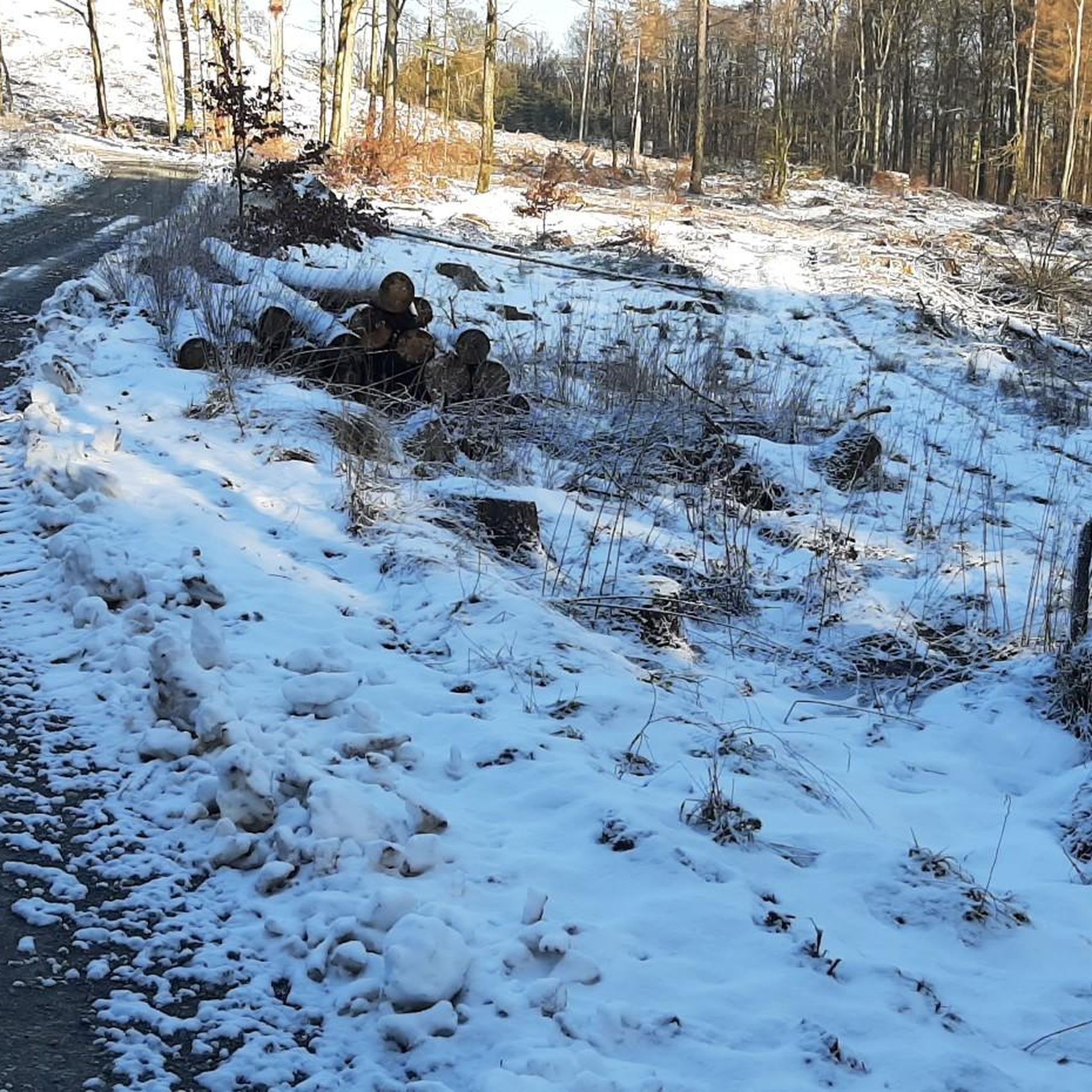
Many years ago, on the north side of the Gridone, huge boulders tumbled to the bottom of a rocky outcrop. This formed natural rock caves and caves, in which always circulated underground cold air. Even during the summer months, the temperature remained constant at about 4 ° C. Our ancestors use these snow-filled caves as natural pantries for meats and dairy products. The Nevèra in the Bordeital was used until about 1963. After that, electric refrigerators took over their function
3
0
Frequently Asked Questions
What are some notable caves or cave-like experiences around Lago Maggiore?
The region offers a mix of natural caves and historical sites. Notable natural caves include Nevèra di Bordei, known for its historical use as a natural pantry, and Grotta Remeron near Varese, which features natural concretions and speleological paths. For a unique historical experience, the Candoglia Quarries, source of the Milan Duomo's marble, offer insight into the region's geological resources.
Are there any historical or cultural sites related to caves in the Lago Maggiore region?
Yes, the region has several. The Sanctuary of the Madonna of the Grotto is a religious building integrated with a cave, offering a peaceful setting. Nevèra di Bordei was historically used as a natural refrigerator until the 1960s. Additionally, the Candoglia Quarries, while not natural caves, are ancient marble quarries with significant historical importance, providing marble for the Milan Duomo since 1387.
What kind of natural features can I expect to see in the caves around Lago Maggiore?
You can expect to see diverse geological formations. Grotta Remeron, for instance, features natural concretions, small stalactites, and wells. Nevèra di Bordei is characterized by natural rock caves where cold air circulated, maintaining a constant cool temperature. Grotta di Caurga showcases a clearly visible folding of rock layers, creating a deep crevice that is part of a complex cave system.
Are there family-friendly caves to visit near Lago Maggiore?
The Sanctuary of the Madonna of the Grotto is considered family-friendly, offering a peaceful setting under plane trees. Grotta Remeron also provides guided tours from April to October, which can be a safe and educational experience for families, though suitable walking shoes are required.
When is the best time to visit caves around Lago Maggiore?
For guided experiences like Grotta Remeron, tours are available from April to October. Generally, the warmer months are ideal for exploring the region's natural sites, as the caves themselves maintain a cool, constant temperature year-round (e.g., 8°C in Remeron Cave).
What should I wear when visiting caves in the Lago Maggiore region?
When visiting caves like Grotta Remeron, it's recommended to wear suitable walking shoes and clothing that can contend with cool, damp environments. Caves typically maintain a low temperature (around 8°C) and high humidity (around 96%), even in summer.
Are there challenging caving experiences around Lago Maggiore?
Yes, for those seeking a more challenging experience, Grotta di Caurga is categorized as challenging, featuring a roughly 20-meter deep crevice that is part of a complex cave system. Grotta Remeron also has speleological paths for more adventurous exploration.
How long does it typically take to explore a cave around Lago Maggiore?
The duration varies by cave. For example, a guided tour of Grotta Remeron, including a 50-minute hike to the entrance, lasts approximately 3 hours in total, with about one hour spent underground.
What outdoor activities can I do near the caves around Lago Maggiore?
The Lago Maggiore region offers a variety of outdoor activities. You can find numerous road cycling routes, MTB trails, and running trails. Options range from moderate to difficult, such as the 'Along the Valle Verzasca from Tenero' for road cycling or the 'Cardada Bike Trail' for mountain biking.
Are there any unique historical uses for caves in the Lago Maggiore area?
Yes, Nevèra di Bordei is a prime example. These natural rock caves, where cold air circulated, were historically used as natural pantries for meats and dairy products until about 1963, maintaining a constant temperature of about 4°C.
What is the significance of Grotta dei Pagani?
Grotta dei Pagani is a cave located at the foot of the Ruino hill. Valley legends suggest that the famous writer Herman Hesse spent time meditating here with his friend Gusto Græser, adding a cultural and literary layer to its natural appeal.
Is it possible to visit the Candoglia Quarries?
While not a traditional cave, the Candoglia Quarries, famous for providing marble for the Milan Duomo, offer a unique historical experience. External visits can be arranged by reservation, providing insight into the centuries-old process of marble extraction.
Most popular routes around Lago Maggiore
Most popular attractions around Lago Maggiore

Get inspired with the komoot mobile app


Explore more
Extend your search for the best caves by checking out these guides of the top ones around Lago Maggiore:
