Top 4 Caves around Massagno
Best caves around Massagno are found within the broader Lugano region, an area defined by its mountainous landscape and proximity to Lake Lugano. This locale offers a variety of natural formations and historical sites, providing diverse exploration opportunities. The region features subterranean attractions, including ancient quarries and natural caves, some with significant paleontological findings.
Best caves around Massagno
- The most popular caves is Cava Ronchetti Quarry, an ancient stone quarry that provided building materials for Lugano's houses. This site…
Last updated: June 28, 2026
Cava Ronchetti Quarry
Highlight • Structure
The stones were …
Tip by

Büs de la Noga (Bear Cave)
Highlight • Cave
It measures about 50 meters in length, the width varies between 5 and 7 meters, for a maximum height of 7 meters.
Translated by Google •
Tip by

Sign up now to discover places like this
Get recommendations on the best single tracks, peaks, & plenty of other exciting outdoor places.
Sign up for free
Grotta di Gai
Highlight • Cave
Translated by Google •
Tip by

Start today with a free account
Your next adventure awaits.
Login or Signup

Tips from the Community

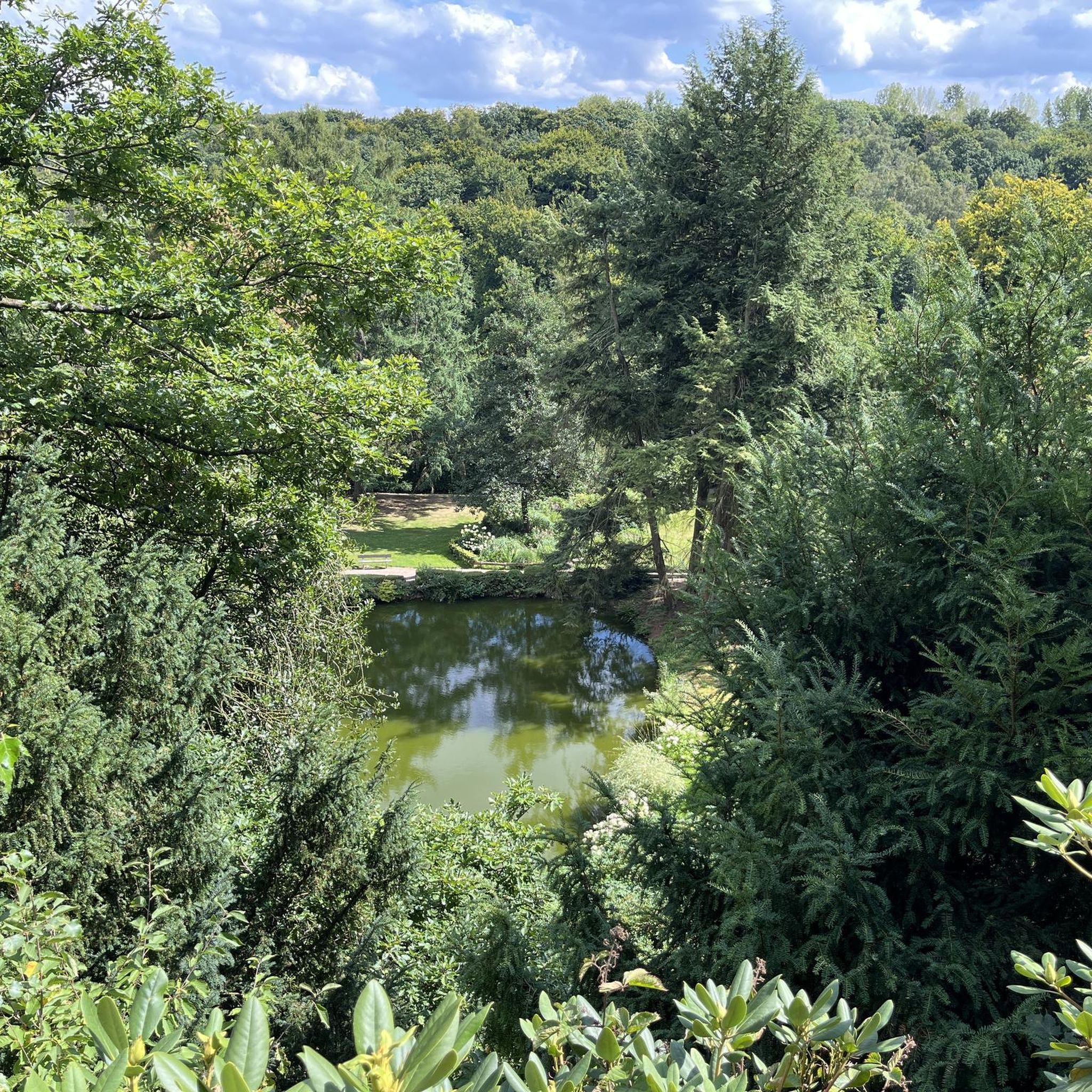
A rather particular place...now difficult to reach due to the nettles and brambles that surround it and fallen trees that block the path
1
0

The Büs de la Noga, also called Grotta dell'Orso, is the largest cave in Valsolda. It measures about 50 meters in length, the width varies between 5 and 7 meters, for a maximum height of 7 meters. In search of traces of prehistoric man, a large quantity of bones of Ursus spelaeus, the cave bear, were found here.
0
0

The Büs de la Noga, also called Grotta dell'Orso, represents the largest cavity in Valsolda. It measures about 50 meters in length, the width varies between 5 and 7 meters, for a maximum height of 7 meters. The bottom, covered with soil, appears to have been moved by the excavations carried out in 1883 by Pompeo Castelfranco. In search of traces of prehistoric man, he instead found a large quantity of bones of the Ursus spelaeus, the cave bear: these finds are now exhibited at the Cantonal Museum of Natural History in Lugano (CH).
0
0

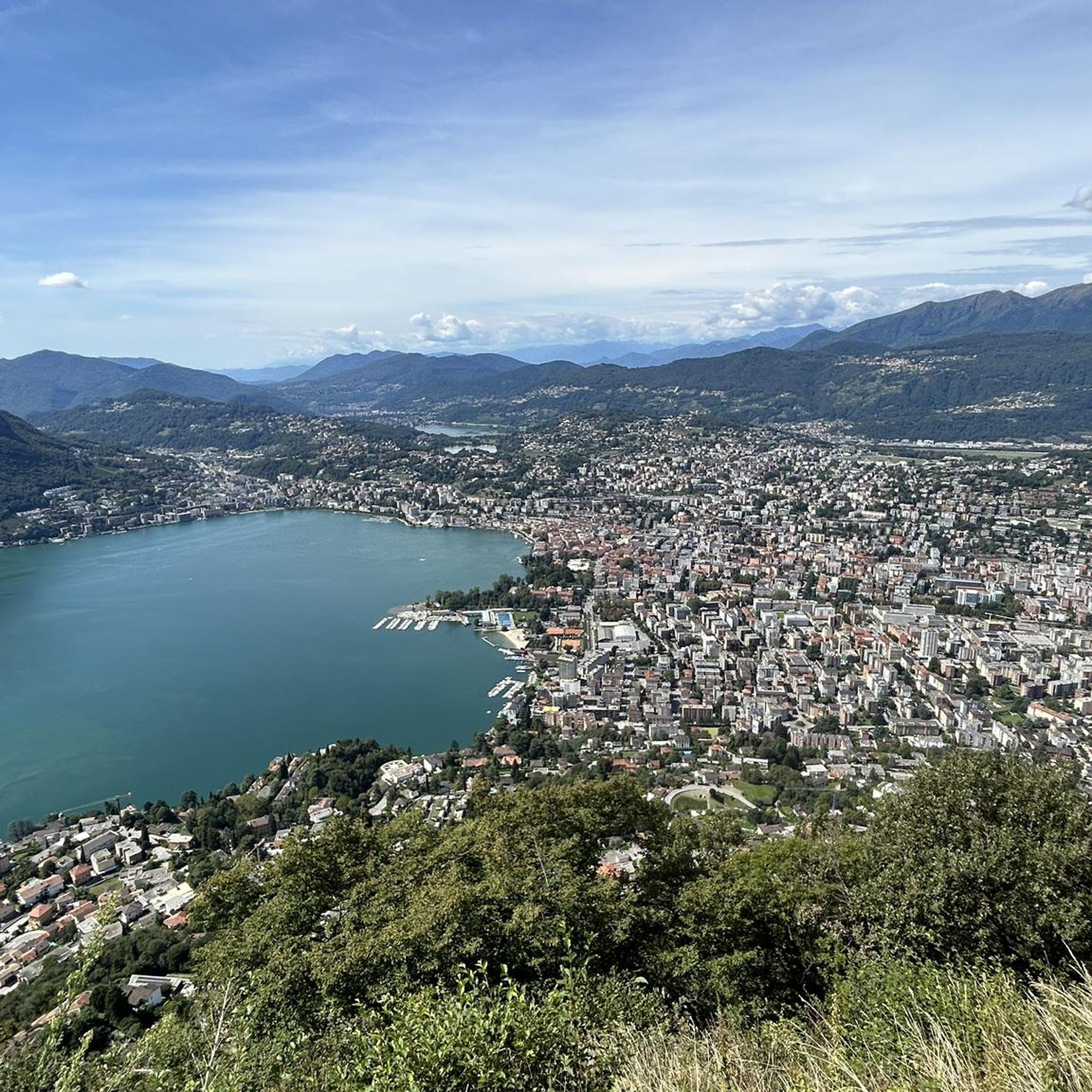
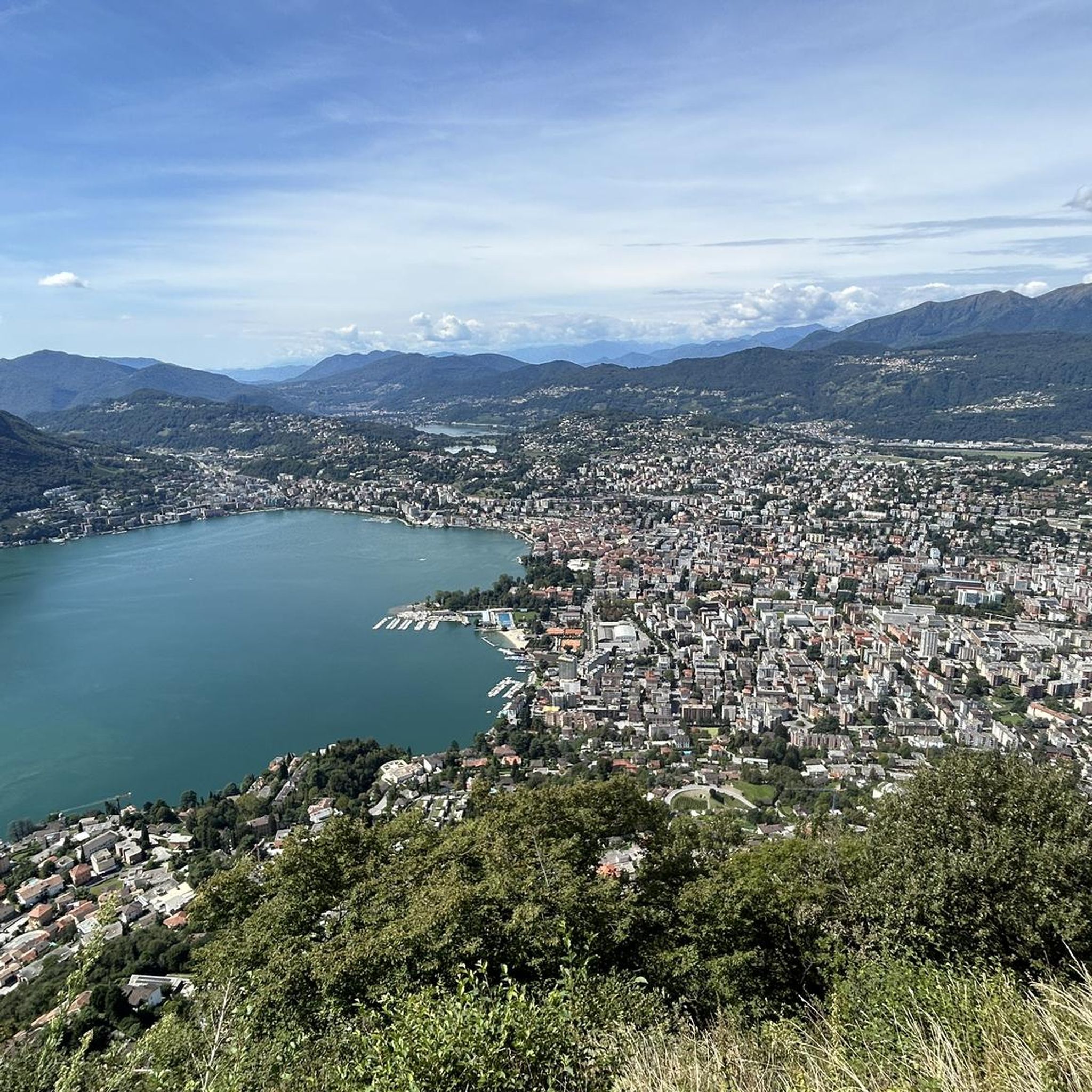
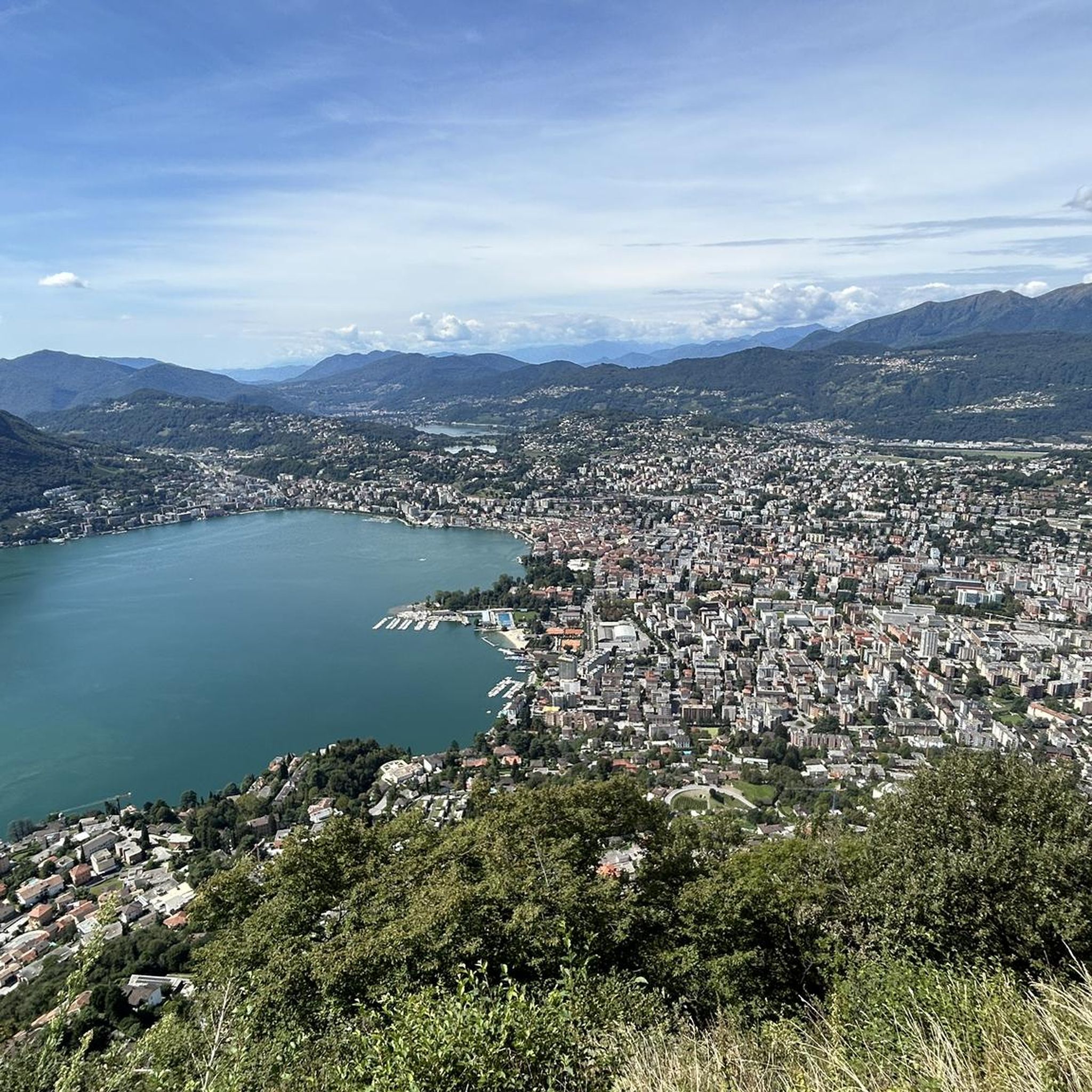
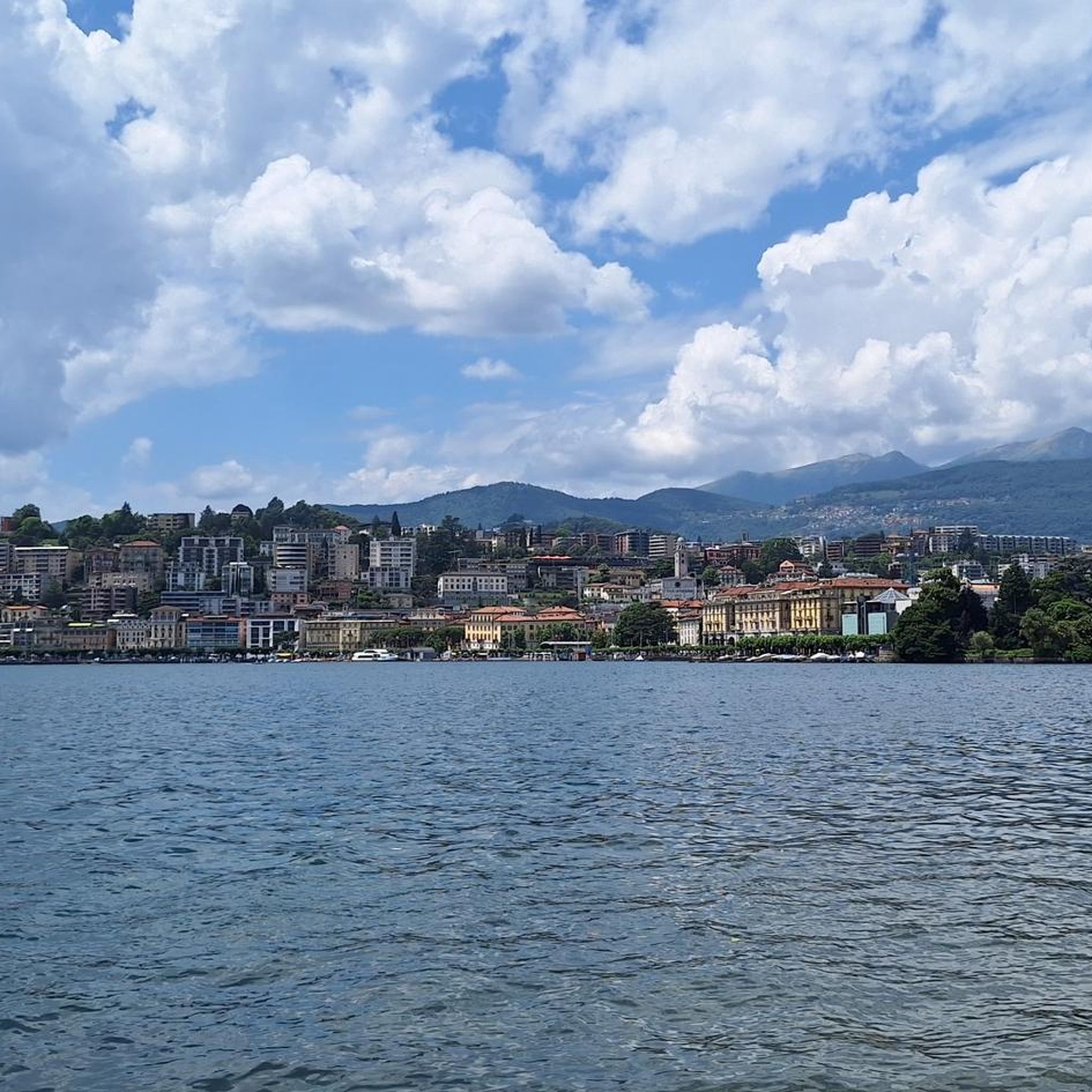
Former quarry with a great view of Lake Lugano.
2
0

This place is an ancient stone quarry. Here the stones of Caprino were extracted, a very hard stone used at that time to build Lugano's houses . The stones were transported with large boats to the river Cassarate on the opposite side of the lake.
1
0
Frequently Asked Questions
What types of caves can I explore around Massagno?
The region around Massagno offers a diverse range of subterranean experiences. You can find ancient stone quarries like Cava Ronchetti Quarry, natural karst caves such as Sovaglia Cave, and historical sites with paleontological significance, including the Büs de la Noga (Bear Cave).
Are there any caves with historical or paleontological importance near Massagno?
Yes, the area is rich in history. The Büs de la Noga (Bear Cave) in Valsolda is notable for the discovery of numerous cave bear bones, which are now exhibited at the Cantonal Museum of Natural History in Lugano. Further afield, the Cave Bear Cave (Grotta dell'Orso) on Monte Generoso is famous for its extensive remains of over 500 cave bears and findings attributed to Neanderthal Man.
What is unique about the Cava Ronchetti Quarry?
The Cava Ronchetti Quarry is an ancient stone quarry where 'Caprino' stone, a very hard material, was extracted to build houses in Lugano. Besides its historical significance, it offers great views of Lake Lugano.
Can I visit a cave with a river exit near Massagno?
Yes, the Sovaglia Cave in the municipality of Rovio is a picturesque karst cave known for its river exit. It has been documented since 1851 and is of significant speleological interest.
Are there family-friendly cave experiences in the broader Lugano region?
While specific family-friendly ratings for all local caves aren't detailed, the Cave Bear Cave (Grotta dell'Orso) on Monte Generoso offers guided tours and an augmented reality experience, which can be engaging for families. For other options, Switzerland has caves like the Höllgrotten Caves with modern LED lighting and the St. Beatus Caves with a cave museum and dragon saga, which are generally popular with families, though they require more travel.
What outdoor activities can I combine with a visit to the caves around Massagno?
The region around Massagno is excellent for outdoor activities. You can find numerous mountain hikes, running trails, and gravel biking routes. Many of these routes offer stunning views of Lake Lugano and the surrounding mountains, making it easy to combine a cave visit with a day of hiking or cycling.
What is the best time of year to visit caves in the Massagno area?
Caves generally maintain a consistent cool temperature year-round, making them a good option in various seasons. However, for comfortable access and to combine with other outdoor activities like hiking, spring and autumn typically offer pleasant weather. Summer can also be a good time to escape the heat inside the cool caves.
Are there any challenging cave explorations near Massagno?
Some caves, like Grotta di Gai, are noted as challenging to reach due to overgrown paths. The Büs de la Noga (Bear Cave) is also categorized as challenging. Always check specific access conditions and be prepared for varying terrain.
What should I wear when exploring caves around Massagno?
Caves are typically cool and damp, even in summer. It's advisable to wear layers of clothing, including a light jacket or sweater. Sturdy, closed-toe shoes with good grip are essential for navigating uneven and potentially slippery surfaces.
Are there other significant cave systems in Switzerland worth visiting if I'm in the Massagno area?
Beyond the immediate Lugano region, Switzerland boasts several impressive cave systems. These include the fairy-tale like Höllgrotten Caves near Baar, the large St. Beatus Caves above Lake Thun with waterfalls, and the extensive Grottes de Réclère in Jura Canton. The Vallorbe Caves also offer a unique experience following the subterranean course of the River Orbe.
What do visitors appreciate most about the caves around Massagno?
Visitors appreciate the blend of natural beauty and historical significance. The ancient quarries offer unique insights into the region's past and stunning views, while the natural caves provide a glimpse into geological formations and paleontological discoveries. The komoot community has shown its appreciation with 13 upvotes and 10 photos shared for the caves in this area.
Most popular routes around Massagno
Most popular attractions around Massagno

Get inspired with the komoot mobile app


Explore more
Extend your search for the best caves by checking out these guides of the top ones around Massagno:
