Top 6 Caves around Alle
Best caves around Alle are found in a region characterized by diverse geological formations, including limestone caves and karst sinkholes. The landscape offers a mix of natural monuments and challenging trails. This area provides opportunities to explore underground networks and unique rock formations.
Best caves around Alle
- The most popular caves is Les Grottes de Soyhières, a cave that constitutes a fascinating network of caves and cavities. Visitors can explore the Truchet, Creux aux bêtes, Silberloch, and Lucelle caves,…
Last updated: June 28, 2026
Les Grottes de Soyhières
Highlight • Cave
Translated by Google •
Tip by

Milandre Caves
Highlight • Cave
Showing Translation
Tip by

Sign up now to discover places like this
Get recommendations on the best single tracks, peaks, & plenty of other exciting outdoor places.
Sign up for free
Échelle de la Mort
Highlight • Gorge
Translated by Google •
Tip by

Mannlefelsen Cave
Highlight • Cave
Translated by Google •
Tip by

Trou du Creugenat Karst Sinkhole
Highlight • Natural Monument
Translated by Google •
Tip by
Sign up for free to discover even more caves around Alle.
Sign up for free
Already have an account?
Start today with a free account
Your next adventure awaits.
Login or Signup
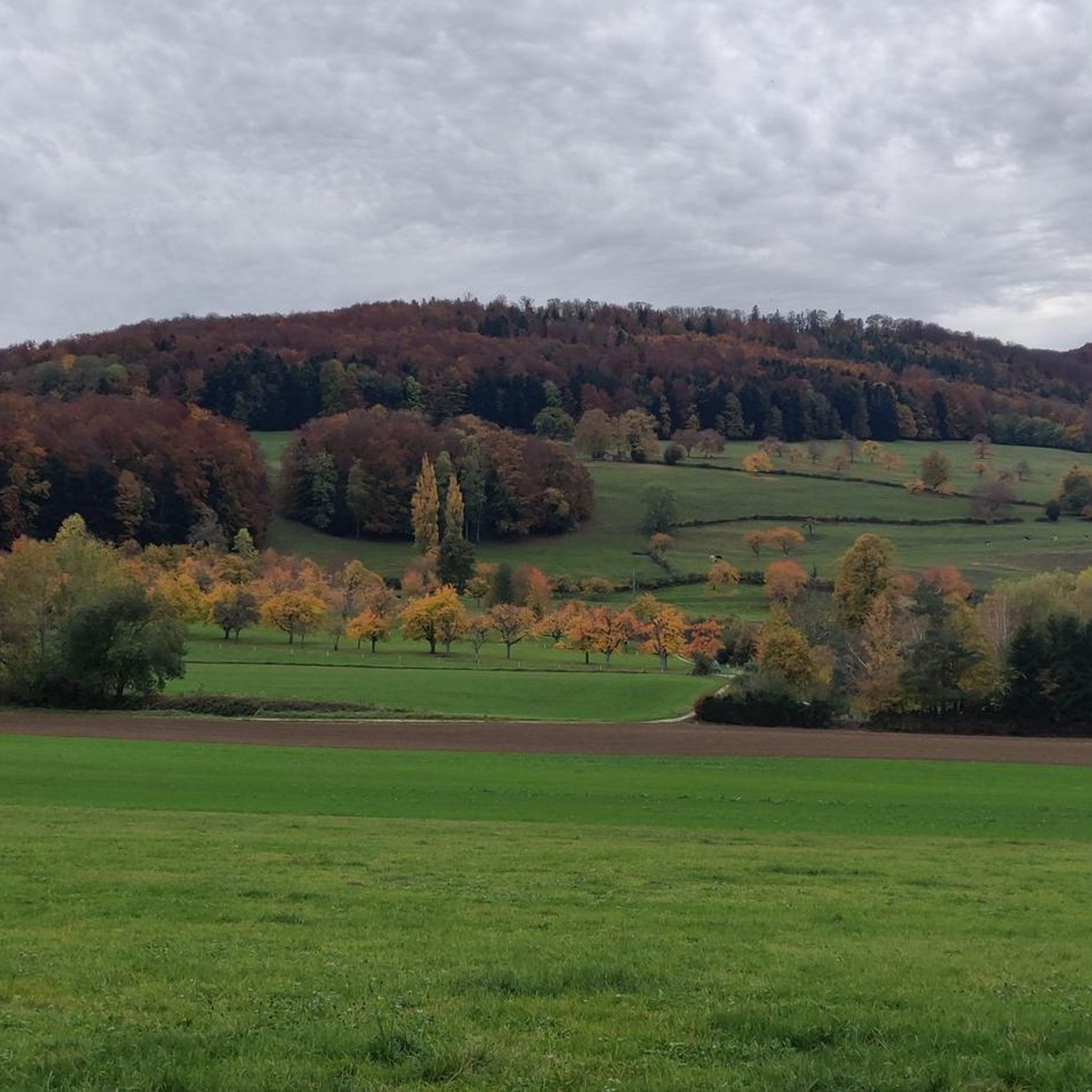
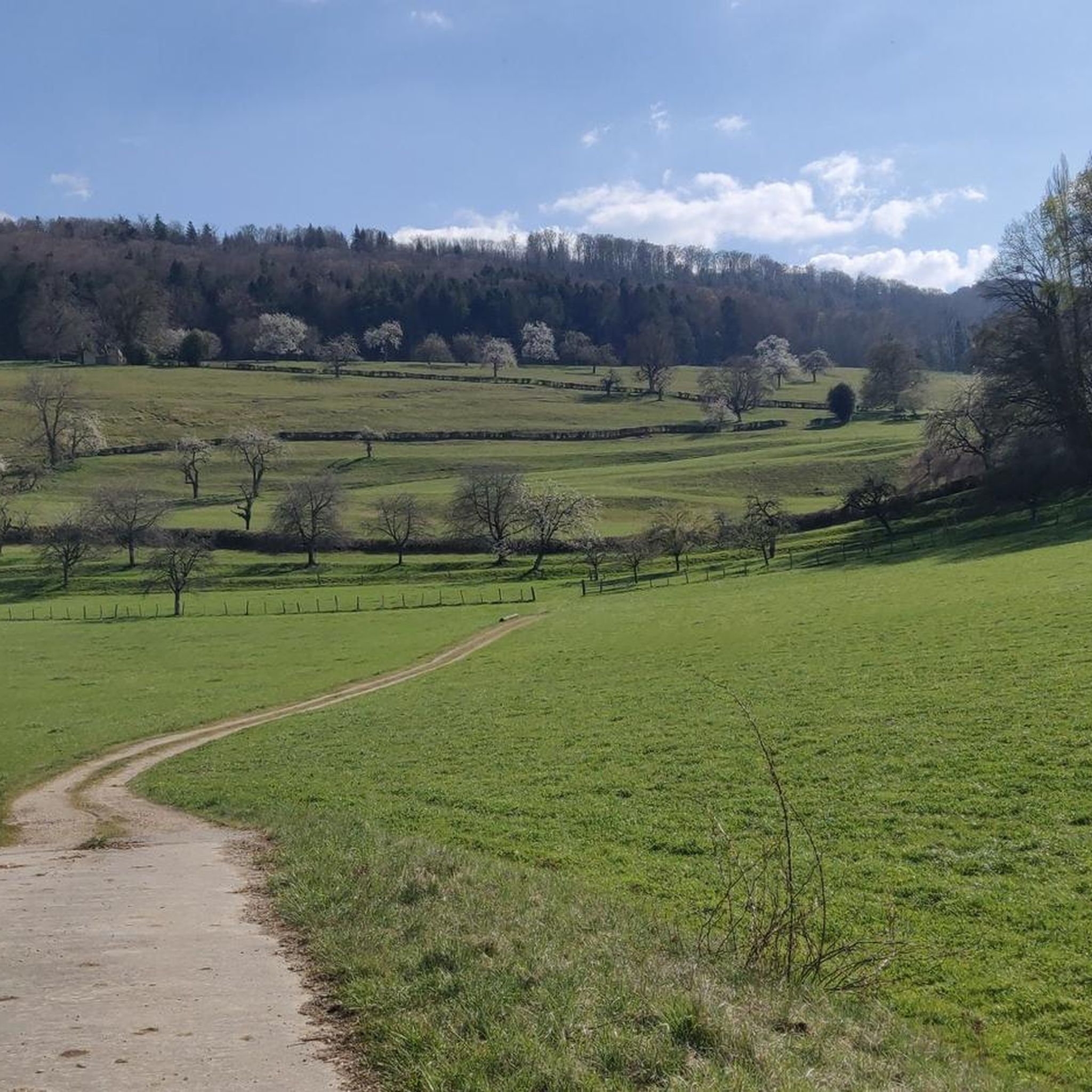
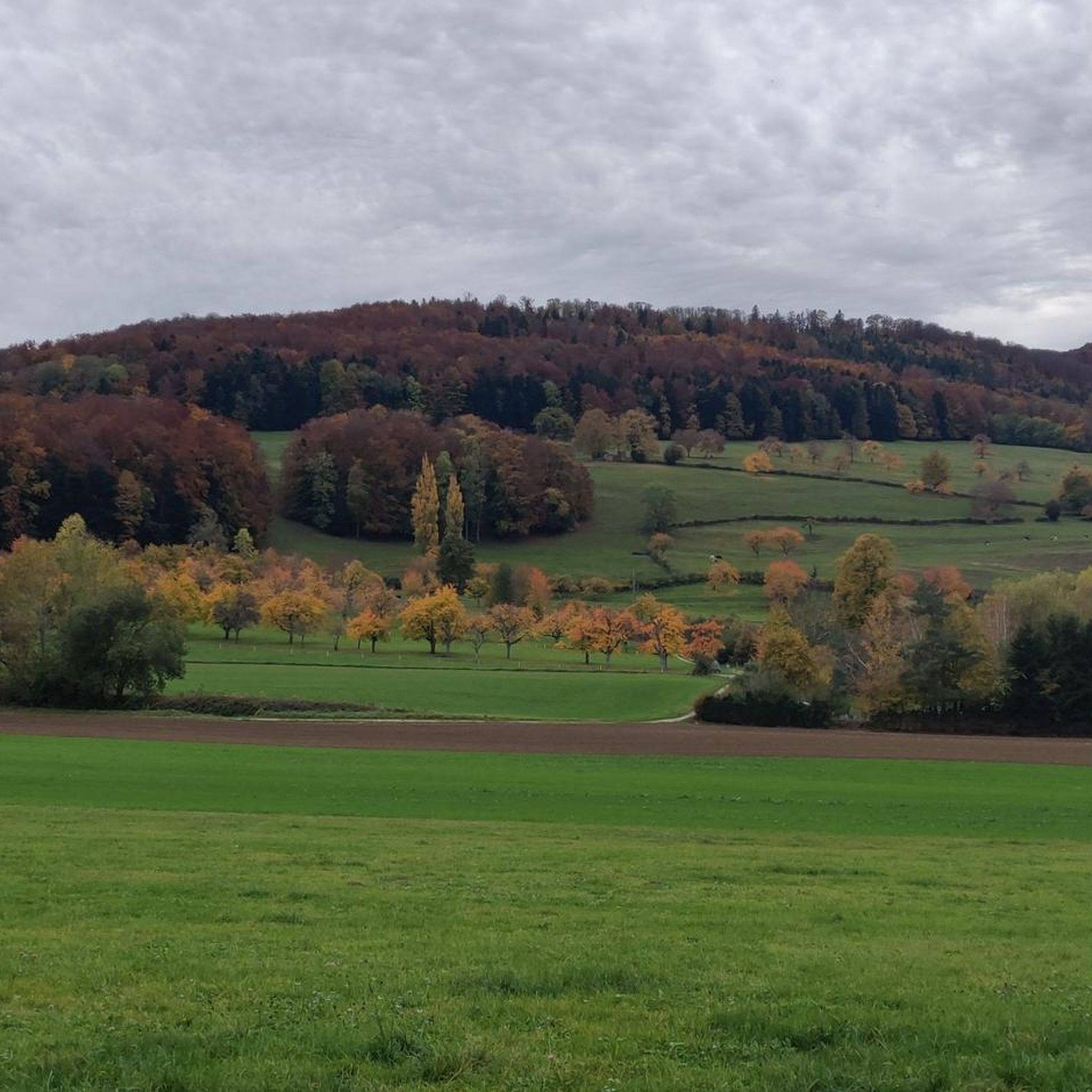
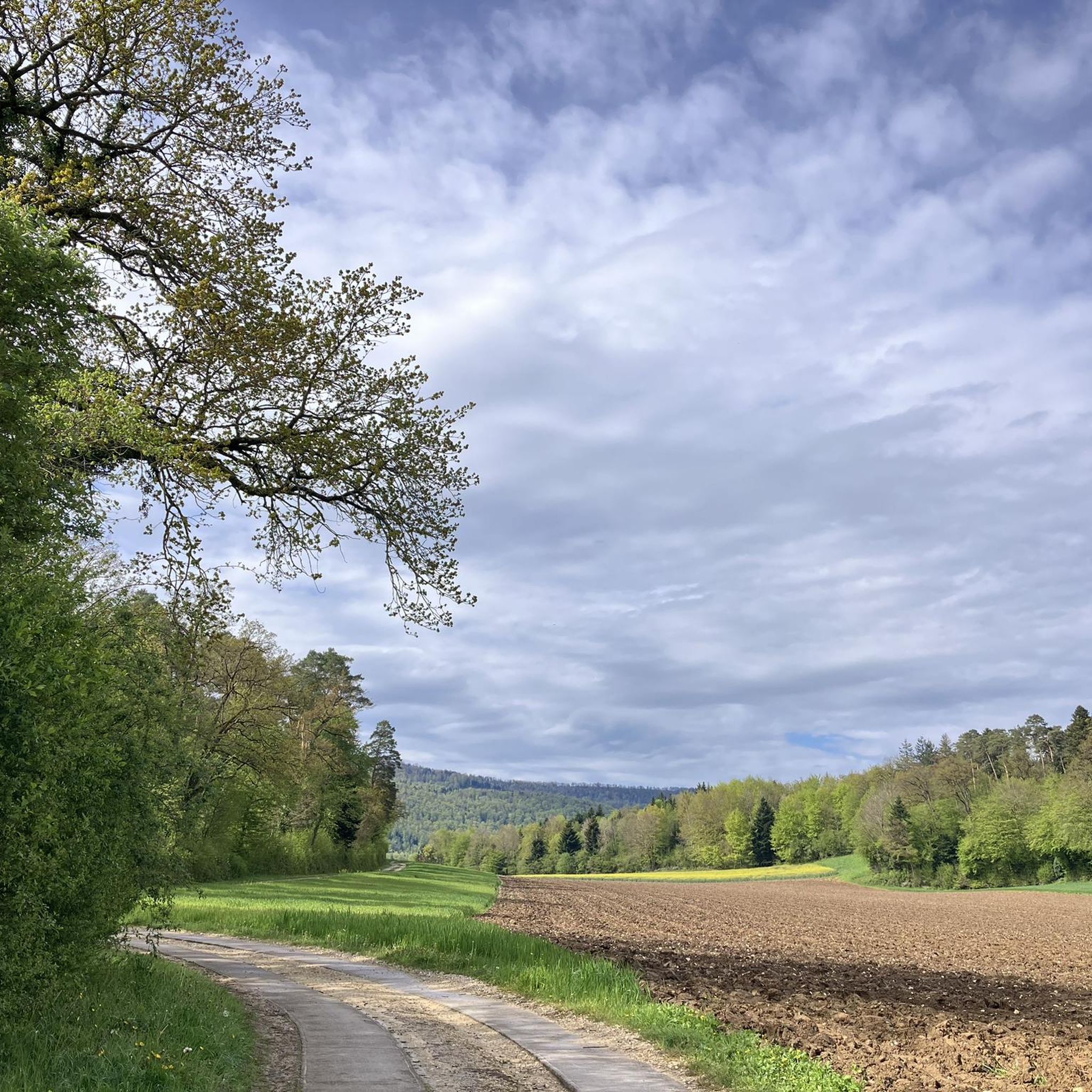
Tips from the Community

Depending on the water level, the lower entrance of the cave can be explored more or less dry.
1
0

Impressive grotto under Millandre The active, vadose cave has been scientifically well studied. It is located in subhorizontal, fossil-bearing limestone. The cave river Milandrine flows through it, has a measured length of 10,520 meters and a vertical extension of 135 meters. https://de.wikipedia.org/wiki/Grotte_de_Milandre
0
2

Enormous cellar whose entrance is 4 m high. It is currently filled. It is one of the rare caves known in Alsace.
0
0

These caves constitute a fascinating network of caves and cavities. You can visit the Truchet, Creux aux bêtes, Silberloch and Lucelle caves, which reveal the geological history of the region. These caves are a great place for photography!
2
0

A beautiful natural spectacle and an experience.
3
0

The Trou du Creugenat is a karst hole in the Ajoie from which water emerges and which creates a temporary river, the Creugenat, during floods. The periodic lake forms between 4 and 10 times per year, the river is sometimes only visible for a few hours, sometimes over a week. The flow can reach 15 to 20 m3/s. The water follows the Courtedoux plain and flows into the Allaine at Porrentruy. When dry, the depth of the hole is clearly visible - simple steps lead to the bottom, and a thick rope helps you climb up or down. There is a water level gauge on the side of the rock walls and you can clearly see the mud traces of the last floods. In the immediate vicinity of the hole there is also a picnic area with a table and benches, as well as an improvised fire pit. A meadow path leads from the bike path to the hole.
0
0
An adventurous path leads through the small gorge. There are several small caves along the way and the highlight is to climb the steep step with the help of three solid wooden ladders. Only feasible for dogs if you can carry them or take them piggyback. The slippery round wood of the ladders gives even very skilful dog paws little support, so the four-legged friend needs support.
2
0
Frequently Asked Questions
What are the most notable underground attractions near Alle-sur-Semois?
While Alle-sur-Semois itself has the fascinating former slate quarries of Ardois'Alle, the wider region offers several impressive caves. These include the natural limestone formations of Grotte de Nichet just across the French border, and further afield, the renowned Caves of Han-sur-Lesse, Caves of Remouchamps, and Caves of Hotton in the Belgian Ardennes.
Are there any family-friendly cave experiences around Alle?
Yes, several options cater to families. The Ardois'Alle slate quarries offer a guided tour that is engaging for all ages, providing insight into the region's industrial past. For natural caves, the Grotte de Nichet offers guided tours with light and sound effects, and delves into local legends, which can be captivating for children. The Caves of Han-sur-Lesse are also very popular with families, featuring a vintage tram ride and immersive sound and light shows.
What unique historical or industrial sites can I explore underground?
The Ardois'Alle (Slate Quarries of Alle-sur-Semois) offers a unique glimpse into the region's industrial heritage. This isn't a natural cave but a network of former slate quarries where work ceased in 1947. Visitors can explore mysterious galleries and learn about the challenging work of slate extraction. You can find more information at visitwallonia.com.
Which caves are known for their natural formations and geological significance?
The Grotte de Nichet, located near the French border, is a natural limestone cave descending up to 50 meters deep with around twenty rooms and 350-million-year-old formations. The Caves of Han-sur-Lesse are considered one of Europe's most famous dripstone caves, featuring gigantic formations and vast chambers. The Caves of Hotton also boast impressive stalactites and an underground river, maintaining an authentic natural charm.
Can I visit caves with my dog near Alle?
Some outdoor areas and specific highlights are dog-friendly. For example, Les Grottes de Soyhières is listed as dog-friendly. However, for more adventurous routes like Échelle de la Mort, dogs may need to be carried over ladders. It's always best to check specific cave regulations regarding pets before your visit, as many commercial cave systems do not allow dogs inside.
Are there any caves with underground rivers or boat trips?
Yes, the Caves of Remouchamps offer a unique experience with a nearly kilometer-long boat trip along the underground Rubicon River on the return journey. The Caves of Han-sur-Lesse also feature an underground river, the Lesse, which disappears underground for over a kilometer before emerging at the cave's exit, and the Milandre Caves are known for the cave river Milandrine flowing through them.
What outdoor activities can I combine with a visit to the caves around Alle?
The region around Alle offers a variety of outdoor activities. You can explore numerous hiking trails, with options ranging from easy to moderate, as detailed in the Hiking around Alle guide. There are also many running trails and road cycling routes available, which you can find in the Running Trails around Alle and Road Cycling Routes around Alle guides.
Which caves are known for their wildlife, particularly bats?
The former slate quarries of Ardois'Alle are now a haven for bats, offering a unique opportunity to see these creatures in their natural habitat. The Grotte de Nichet is also a known habitat for over 10 species of bats, making it an interesting spot for wildlife enthusiasts.
What are some of the more challenging or adventurous underground experiences?
For those seeking a challenge, Échelle de la Mort involves an adventurous path through a small gorge with several small caves, requiring climbing steep steps with the help of wooden ladders. The Milandre Caves are an active cave system with over 10,000 meters of measured length and a vertical extension of 135 meters, offering an intermediate caving experience.
What is the typical temperature inside the caves?
Cave temperatures are generally constant year-round. For instance, the Grotte de Nichet maintains a constant 9 degrees Celsius. The Caves of Han-sur-Lesse are consistently around 10.5°C with high humidity, and the Caves of Hotton range between 12 and 16 degrees Celsius. It's advisable to bring warm clothing regardless of the season.
Are there any karst sinkholes or unique geological features to see?
Yes, the Trou du Creugenat Karst Sinkhole is a notable feature in the Ajoie region. Water emerges from this karst hole, creating a temporary river during floods. When dry, its depth is clearly visible, with simple steps leading to the bottom. It's a fascinating example of the region's diverse geological formations.
What do visitors particularly enjoy about the caves around Alle?
Visitors appreciate the diverse geological formations, including limestone caves and karst sinkholes, and the opportunity to explore underground networks and unique rock formations. Highlights like Les Grottes de Soyhières are noted as a beautiful natural spectacle and a great place for photography. The region's caves have garnered positive feedback, with 56 upvotes and 28 photos shared by the komoot community.
Most popular attractions around Alle

Get inspired with the komoot mobile app


Explore more
Extend your search for the best caves by checking out these guides of the top ones around Alle:
