Top 7 Castles around the Lek
Best castles around the Lek are found along this river, a branch of the Rhine in the Netherlands. The region is known for its riverine landscape and historical fortifications. These sites offer insights into Dutch defense strategies and aristocratic life. The area provides a setting for exploring historical architecture and natural surroundings.
Best castles around the Lek
- The most popular castles include Huys ten Donck, a historical site that is a monumental country house dating from 1746. It is…
Last updated: August 21, 2026
Fort Honswijk
Highlight • Historical Site
Translated by Google •
Tip by

Huys ten Donck
Highlight • Historical Site
Translated by Google •
Tip by

Sign up now to discover places like this
Get recommendations on the best single tracks, peaks, & plenty of other exciting outdoor places.
Sign up for free
Huis te Woude Castle ruins
Highlight • Castle
Construction of …
Translated by Google •
Tip by

Kasteel Duurstede
Highlight • Castle
Translated by Google •
Tip by

Amaliastein
Highlight • Castle
Translated by Google •
Tip by

Statue of Aleida of Holland at Huis te Riviere Ruins
Highlight • Monument
Translated by Google •
Tip by
Kasteel Den Luystenbuyl
Highlight • Structure
Translated by Google •
Tip by
Start today with a free account
Your next adventure awaits.
Login or Signup
Popular around Lek
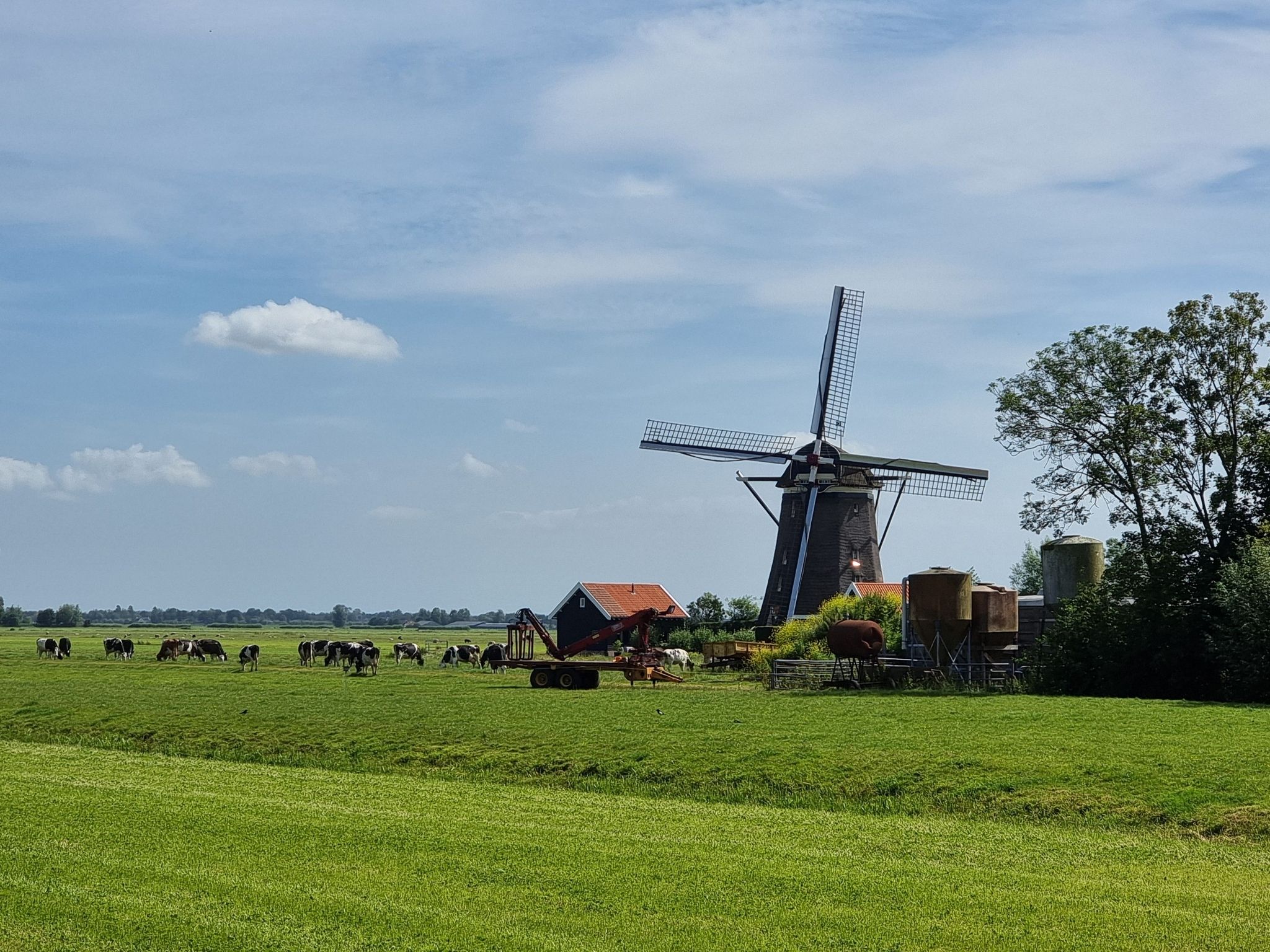
Pilgrim Trail (LAW 7-1) - Through idyllic villages and vast polders
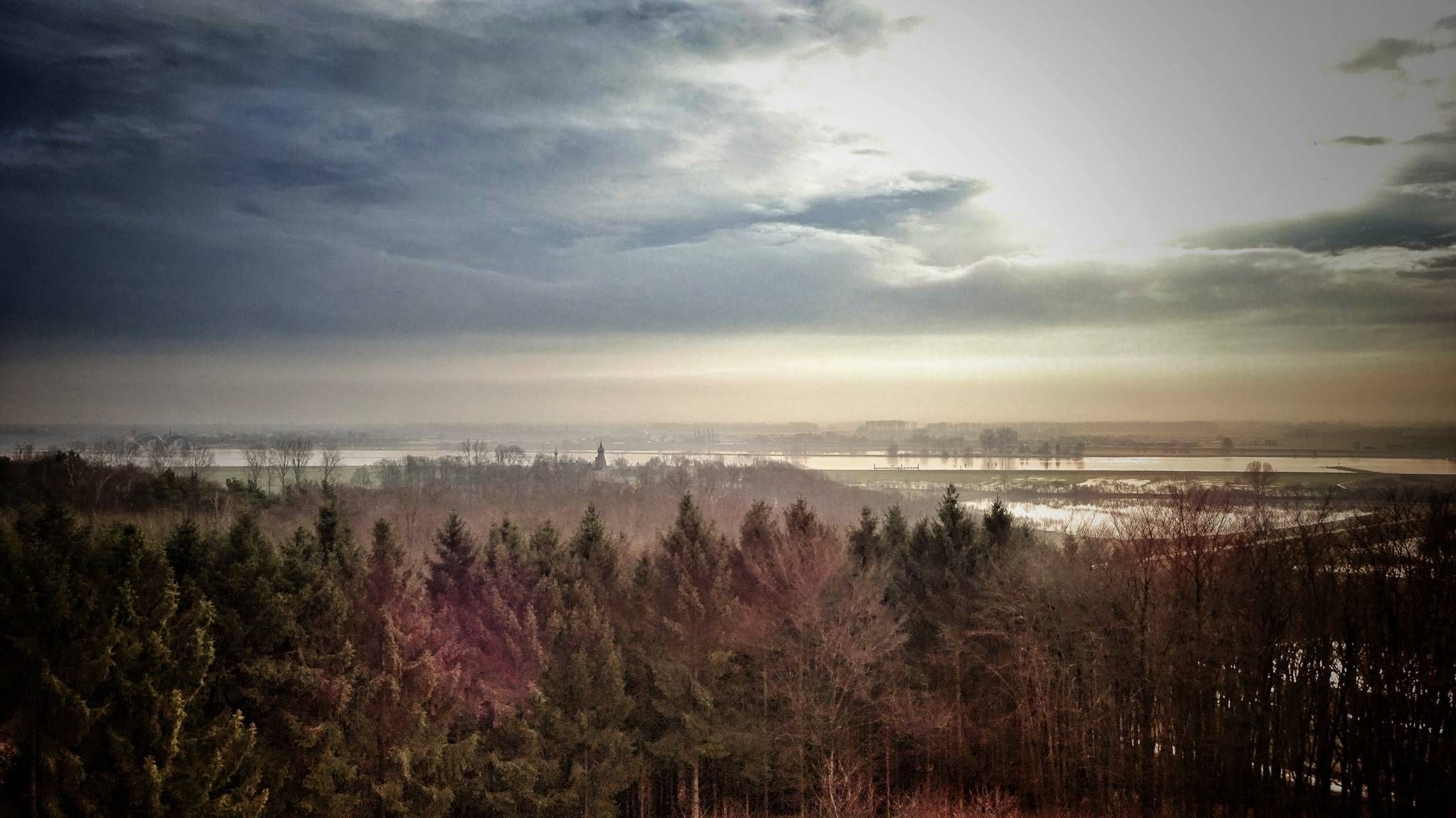
Maarten van Rossumpad – hiking from 's-Hertogenbosch to Steenwijk
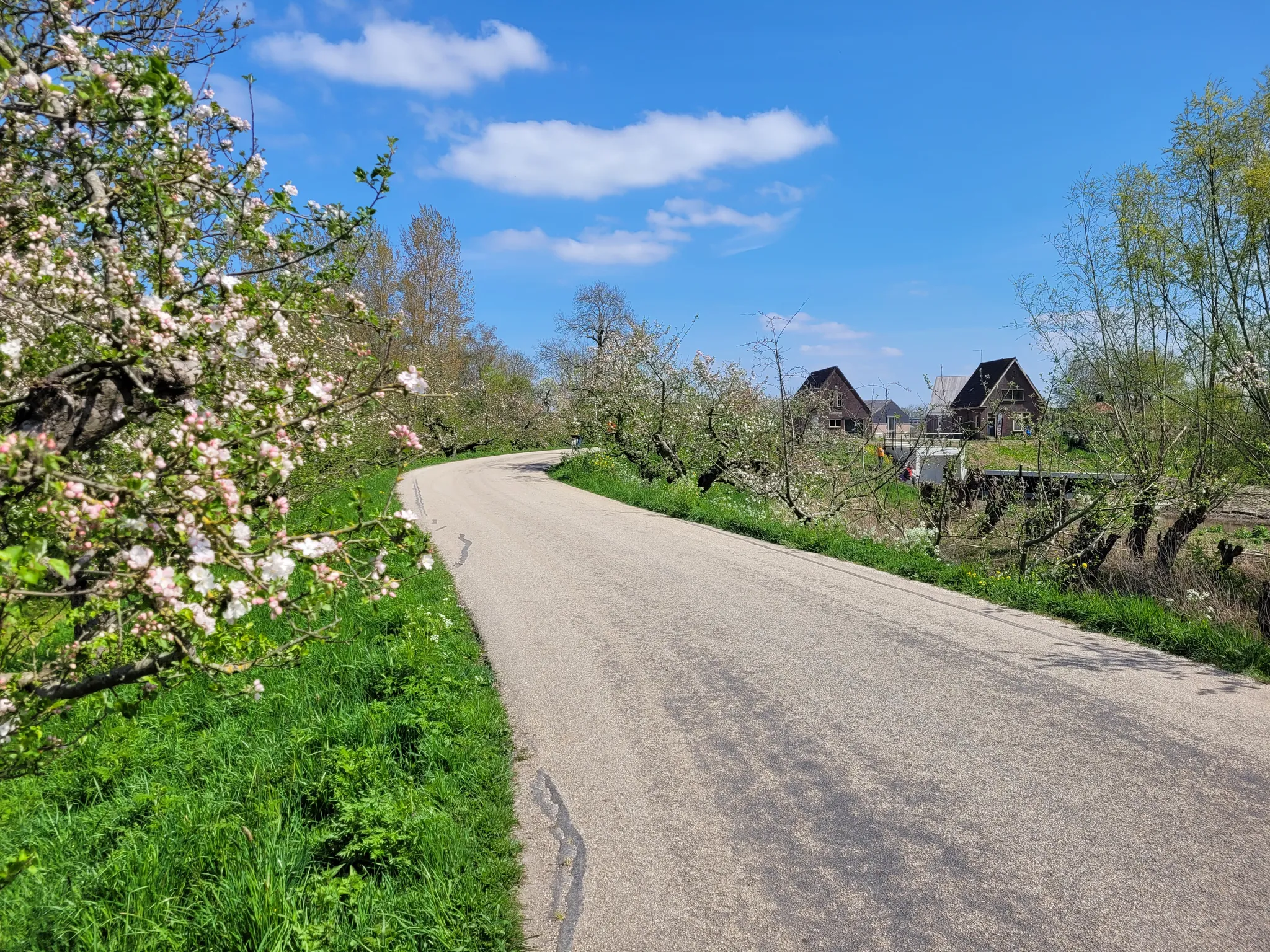
From river to orchard: twelve stages through the Betuwe - The Betuwepad
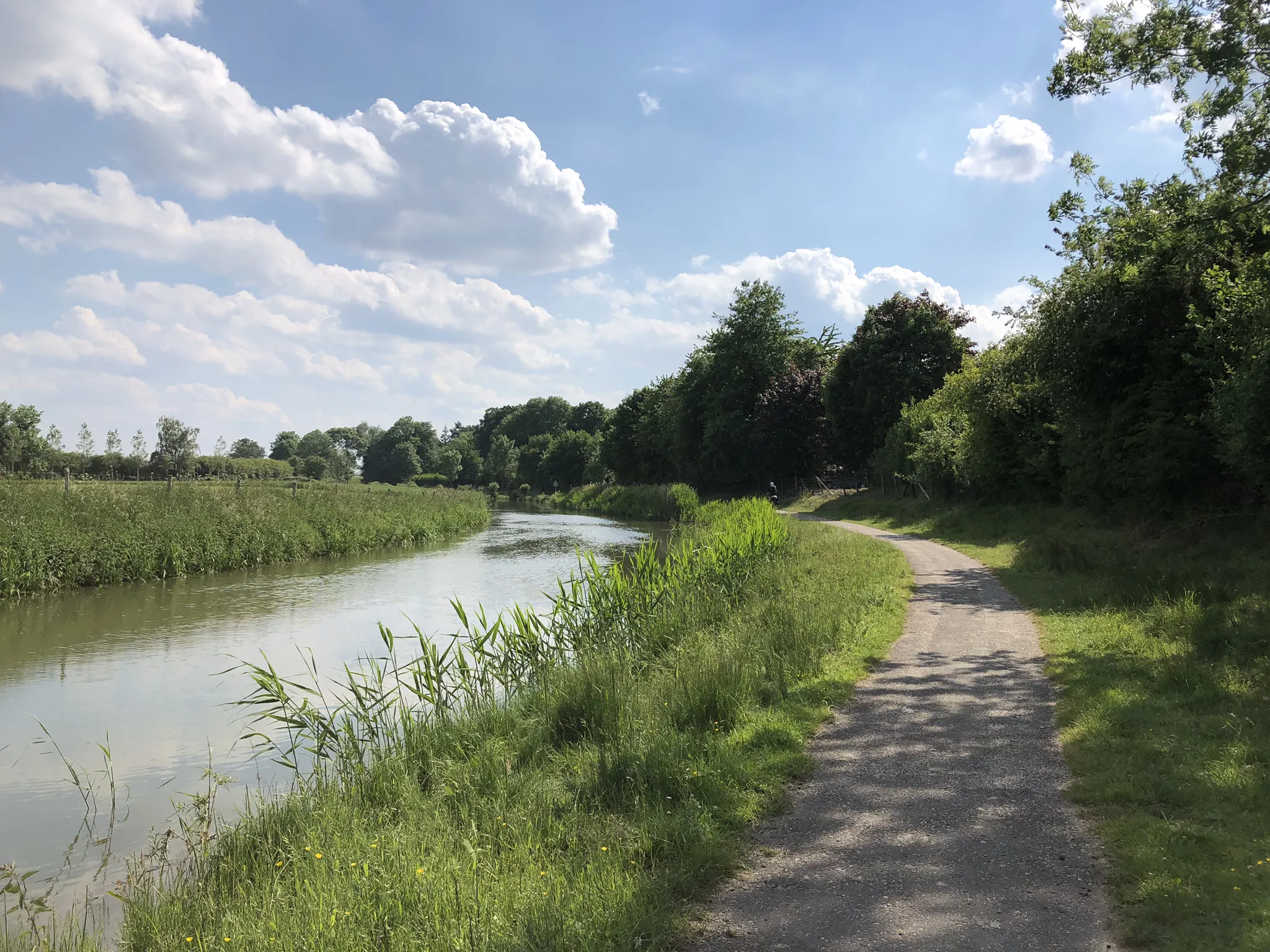
The Rhine Route - From the North Sea to the eastern border in 7 days
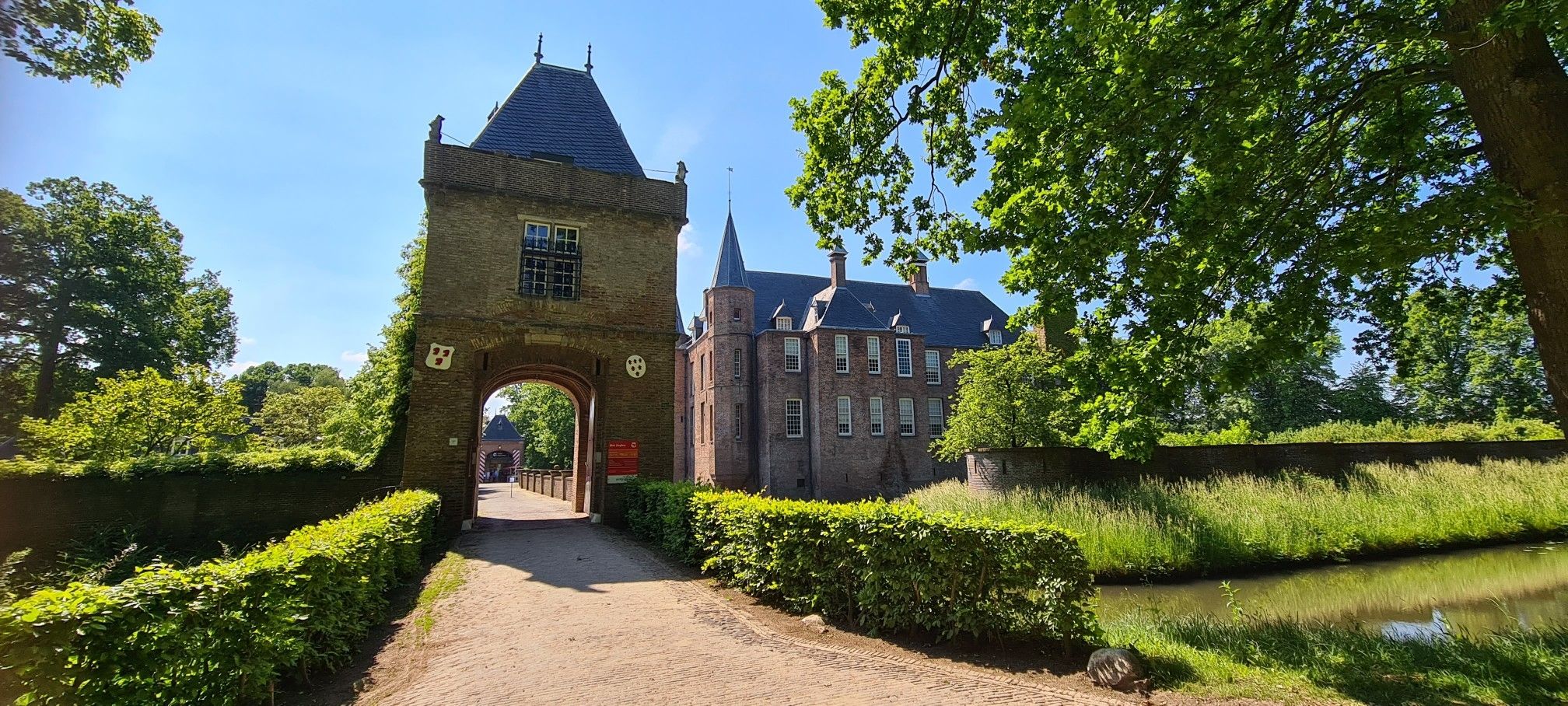
Discover the versatile province of Utrecht on foot – The Utrechtpad
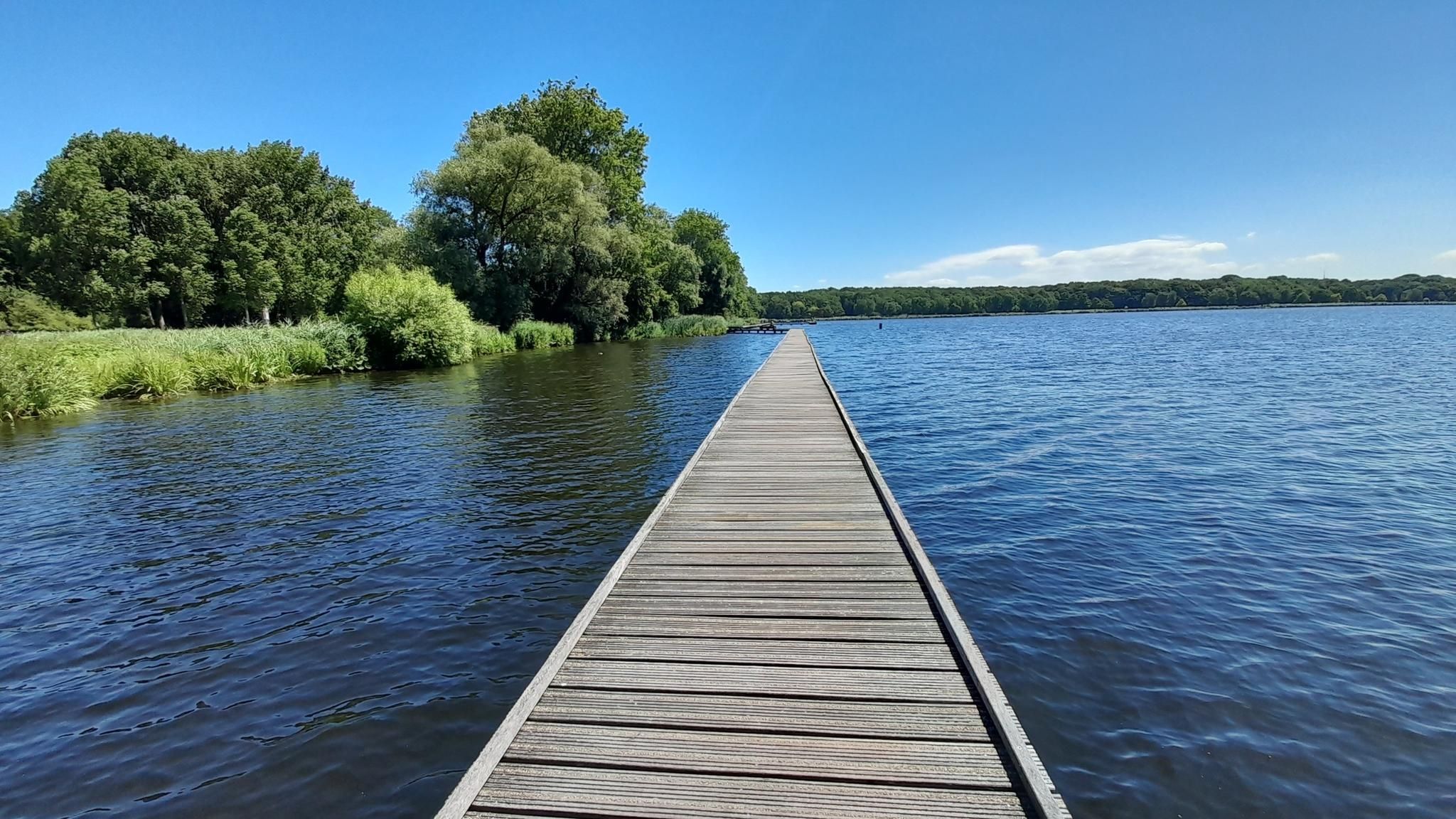
Escape the city - 5x relaxed walking in Rotterdam
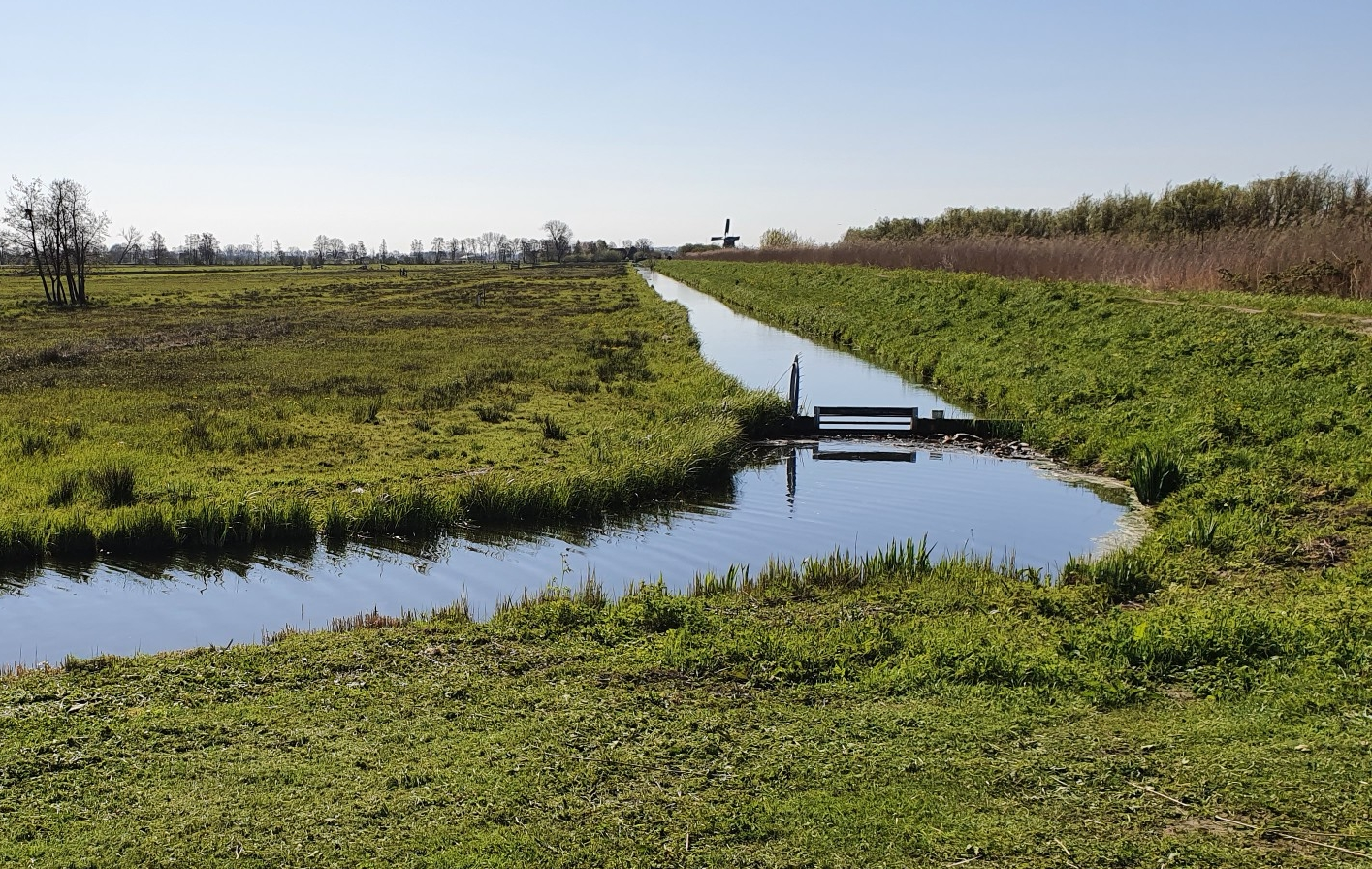
Unique water landscape in the west of the Netherlands - The Oeverloperpad
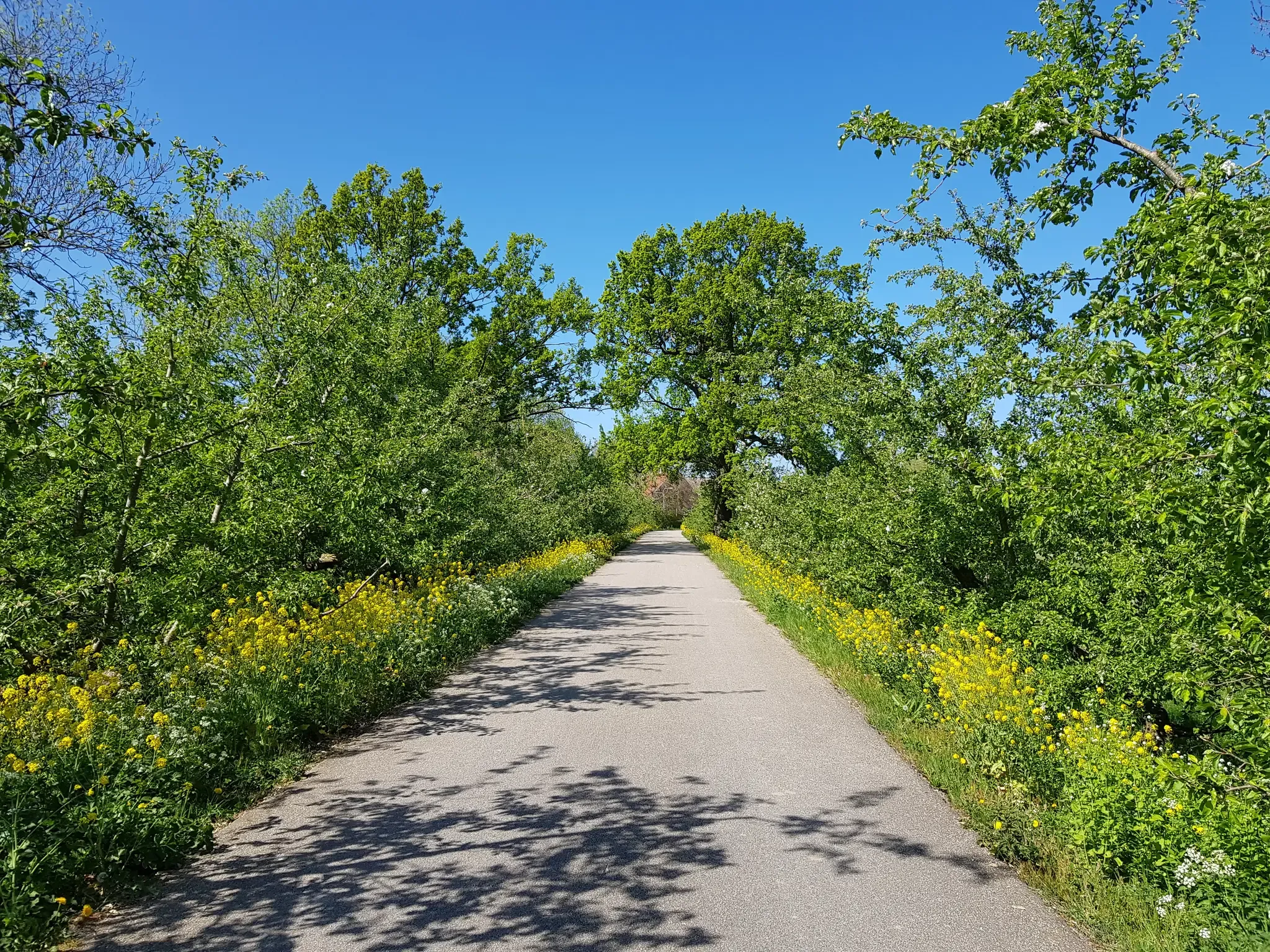
The tastiest fruit routes by bike — four routes through all of the Netherlands
Along the Meuse River – an adventure on EuroVelo 19
Oude Hollandse Waterlinie Wandelpad
Other adventures around the Lek


Tips from the Community

Huys ten Donck is a monumental country house dating from 1746, located in Ridderkerk, South Holland. It is surrounded by a beautiful 18th-century park in the English landscape style. The house is still privately occupied by descendants of the original family and is occasionally open for tours, events, and weddings. The estate is also popular for walking in the green surroundings.
5
0

The castle is still under construction. It began as a sandcastle. According to the "architect/artist," it has evolved over 30 years through many stages of rebuilding and experimentation into what it stands today. It will certainly take another 10 years to complete. He says all the materials are locally sourced. He indicated that he finds a lot of them on the beaches of the floodplains. A life's work that is also sometimes destroyed by both the rising waters at high tide and by vandals. He has therefore pronounced a curse on them. You who harm this castle, you shall weep for your deed. Do not laugh in contempt at this curse. Let your path be dark, the end is lost. You shall burn in the Devil's Evil. During our conversation with him, the architect/artist came across as a remarkable eccentric with a great sense of humor. A remarkable person, so to speak.
0
0
In the municipality of Ridderkerk, in the Riederwaard near Slikkeveer, lies the castle ruin of the noble Van Woude family, which held a fiefdom belonging to the count. Construction of the castle began in 1372 but was never completed because the Riederwaard flooded in 1373. The existing walls withstood the flood, but were torn down during the Hook and Cod Wars. During the St. Elizabeth's Flood in 1421, the remains were covered with a layer of clay. The castle measured approximately fifteen by twenty meters. A wall divided the building lengthwise into two naves. There was at least one floor, which likely housed a representative hall. The ground floor resembled a cellar lit by slit windows. Because the rising walls were only 50 to 65 centimeters thick, Huis te Woude likely served residential purposes rather than defense.
0
0
Lady Aleida is a statue of Aleid van Holland in Schiedam. The artwork dates from 1991 and was made by Theresia van der Pant, who was born in Schiedam. Aleida was the one who built the swamp settlement, Schiedam, into a city with walls and city rights in the thirteenth century. The bronze statue, placed on a marble slab, shows Aleida dressed in a long robe with a headdress that is tied with a band under the chin. The statue has been on the Broersvest in Schiedam since 1998 at the ruins of Huis te Riviere castle that Aleid van Holland founded in 1262. Before that, the statue stood for a long time on the square in front of the Stedelijk Museum.
1
0

Duurstede Castle is one of the oldest castles in the Netherlands and is located on an island in the middle of a park, where you can walk over the moat via a fairytale drawbridge. The castle is mainly rented out for weddings and events. You can therefore only visit it by appointment. The terrace is open every Sunday from 11 a.m. to 5 p.m., if there is no event taking place at that time.
0
0


Dutch and German: --- Dutch🇳🇱: Duurstede is a medieval castle in the town of Wijk bij Duurstede (Dutch province of Utrecht). ----- Castle type: ->Water castle ->Building material ->Brick ->Current function ->Rented for parties and gatherings ->Built in from 13th century ->Monumental status National monument Monument number 454308 --------- The history of the castle goes back to the early 13th century when the count of Bentheim gave a fortified house, located near the place where Dorestad used to be, to the family of Abcoude. In 1270 Zweder I van Abcoude built a heavy brick residential tower (which is still there today). The house remained in the possession of the Abcoude family until 1449, when it was forcibly sold to the bishop of Utrecht and eventually came into the possession of the Sticht. Bishop David of Burgundy, who owned the castle between 1459 and 1496, had the castle thoroughly renovated. The old donjon was completely enclosed by new construction. During this renovation, the still intact Burgundian tower was also built. David's successors, Frederick IV of Baden and Philip of Burgundy, also used the castle as their residence. The last major expansion of the castle took place in 1577. Then an earthen, bastioned wall was built around the castle. Although the castle was still in good condition in 1640, it fell completely into a ruin somewhere in the second half of the 17th century. ruin. A print from 1700 shows that not much was left of the once proud building. This decline was the result of austerity and neglect on the part of the Sticht, and of destruction by French troops during the disaster year of 1672. A common misunderstanding is based on the assumption that the French troops destroyed Duurstede Castle. The Castle, which posed no immediate threat, was left untouched by the French troops. As a result of the heavy destruction of Wijk bij Duurstede, the stones of Duurstede Castle, which was derelict at the time, were reused for the reconstruction of the city. ---- German 🇩🇪: Duurstede ist eine mittelalterliche Burg in der Stadt Wijk bij Duurstede (niederländische Provinz Utrecht). ----- Burg type: -> Wasserburg ->Baumaterial : Ziegel Aktuelle Funktion : Vermietet für Feste und Versammlungen ->Erbaut ab dem 13. Jahrhundert -> Denkmalstatus Nationaldenkmal -> Thinking mold number 454308 ---- Die Geschichte der Burg reicht bis ins frühe 13. Jahrhundert zurück, als der Graf von Bentheim der Familie von Abcoude donated ein befestigtes Haus in der Nähe des Ortes, an dem sich früher Dorestad befand. 1270 baute Zweder I. van Abcoude einen Wohnturm aus schwerem Backstein (der nor heute steht). Das Haus blieb bis 1449 im Besitz der Familie Abcoude, als es zwangsweise an den Bischof von Utrecht verkauft wurde und schließlich in den Besitz der Sticht kam. Bishop David von Burgund, dem die Burg von 1459 bis 1496 gehörte, ließ die Burg gründlich renovieren. Der alte Bergfried wurde komplett von Neubauten umschlossen. Bei dieser Renovierung wurde auch der noch intakte burgundische Turm errichtet. Auch die Nachfolger Davids, Friedrich IV. von Baden und Philipp von Burgund, nutzten die Burg as Residenz. Die letzte größere Erweiterung der Burg erfolgte im Jahr 1577. Dann wurde eine bastionierte Erdmauer um die Burg herum errichtet.Obwohl die Burg 1640 noch in gutem Zustand war, Verfiel sie irgendwann in der zweiten Hälfte des 17. Jahrhunderts vollständig ... ruinieren. Ein Druck aus dem Jahr 1700 zeigt, dass von dem einst stolzen Gebäude nicht mehrviel übrig war. Dieser Verlust war das Ergebnis von Kürzungen und Nachlässigkeiten seitens der Sticht sowie der Zerstörung durch französische Truppen im Katastrophenjahr 1672. Die Burg, die keine unmittelbare Bedrohung darstellte, wurde von den Französischen Truppen unberührt welded. Infolge der schweren Zerstörung von Wijk bij Duurstede wurden die Steine des damals verfallenen Schlosses Duurstede für den Wiederaufbau der Stadt wiederverwendet
2
0

Frequently Asked Questions
What types of historical sites can I explore around the Lek river?
The Lek region offers a diverse range of historical sites. You can visit well-preserved country houses like Huys ten Donck, explore the ruins of medieval castles such as Huis te Woude Castle ruins, or discover military fortifications like Fort Honswijk, which is part of the New Dutch Waterline.
Are there family-friendly castles or historical sites to visit along the Lek?
Yes, several sites are suitable for families. Fort Honswijk offers a permanent photo exhibition and a fun, educational treasure hunt for children. Huys ten Donck, with its extensive English landscape park, is also great for walks with the family. The Huis te Woude Castle ruins provide an interesting historical backdrop for exploration.
What outdoor activities can I do near the castles around the Lek?
The area around the Lek offers various outdoor activities. You can find numerous running trails, easy hikes, and even mountain biking routes. Many of these routes pass by or are close to the historical sites, allowing you to combine nature and history.
Can I go hiking near the castles around the Lek?
Absolutely! There are many hiking opportunities. For easy walks, consider routes like 'Through the playful paths of the Kralingse Bos' or 'The underwater trail – Clogs Trails with children'. You can find more options in the Easy hikes around the Lek guide.
What is special about Fort Honswijk?
Fort Honswijk is a leading fort of the New Dutch Waterline, featuring the oldest and largest tower fortress built between 1841 and 1848. It's known for its special architectural beauty and its historical role in defending the Lekdijk. The fort site is permanently open to the public between sunrise and sunset, offering self-service coffee/tea, toilets, a photo exhibition, and a children's treasure hunt. Guided tours of the buildings are also available.
What kind of views can I expect from the castles in the Lek region?
While not all sites are elevated, many offer scenic perspectives. For instance, Huys ten Donck is surrounded by an 18th-century English landscape park, providing beautiful natural views. The forts along the Lek, like Fort Honswijk, offer views over the river and the surrounding waterline landscape.
Is there a castle ruin that tells a unique story in the Lek area?
Yes, the Huis te Woude Castle ruins have a unique story. Construction began in 1372 but was never completed due to flooding in 1373. The existing walls were later torn down during the Hook and Cod Wars, and the remains were covered by the St. Elizabeth's Flood in 1421. It was primarily intended for residential purposes rather than defense.
What is the historical significance of Amaliastein?
Amaliastein was a summer residence built in 1560 by Hendrik van Brederode for his wife Amalia, Countess van Nieuwenaar. It served as an escape from the noise and waste of 16th-century Dutch cities. Despite its strategic location, the castle was eventually demolished in 1814 after changes in ownership and falling into disrepair.
What do visitors enjoy most about the castles and historical sites around the Lek?
Visitors particularly appreciate the blend of history and nature. They enjoy walking through the historical landscapes, exploring the unique architecture of sites like Fort Honswijk, and experiencing the tranquility of places like the park surrounding Huys ten Donck. The educational aspects, such as the children's treasure hunt at Fort Honswijk, are also highly valued.
Are there any statues or monuments related to historical figures in the region?
Yes, you can find the Statue of Aleida of Holland at Huis te Riviere Ruins in Schiedam. This bronze statue commemorates Aleid van Holland, who founded the Huis te Riviere castle in 1262 and played a crucial role in developing Schiedam into a city.
Can I visit the interior of Huys ten Donck?
Huys ten Donck is still privately occupied by descendants of the original family. However, it is occasionally open for tours, events, and weddings. The surrounding 18th-century English landscape park is generally accessible for walks.
Most popular routes around the Lek
Most popular attractions around the Lek

Get inspired with the komoot mobile app


Explore more
Looking for the best castles somewhere else? Discover other guides around the Lek:
