Top 3 Castles around the Nemunas
Best castles around the Nemunas offers a journey through a historically rich region along the Neman River, known as Nemunas in Lithuania. This area is dotted with numerous fortifications and palaces, showcasing diverse architectural styles from medieval to Renaissance and Baroque. The castles provide insights into the turbulent history of Eastern Europe, spanning across Lithuania, Belarus, and the Kaliningrad Oblast. These landmarks are often set in picturesque locations, many featuring ancient parks and significant historical connections.
Best castles around the…
Last updated: July 11, 2026
Panemunė Castle
Highlight • Castle
Very nicely rebuilt.
More information: de.wikipedia.org/wiki/Schloss_Panemun%C4%97
Translated by Google •
Tip by

Raudonė Castle
Highlight • Castle
Translated by Google •
Tip by

Sign up now to discover places like this
Get recommendations on the best single tracks, peaks, & plenty of other exciting outdoor places.
Sign up for free
Raudondvaris Manor
Highlight • Historical Site
Translated by Google •
Tip by

Veliuona Manor
Highlight • Historical Site
Tip by

Start today with a free account
Your next adventure awaits.
Login or Signup

Tips from the Community

Raudonė is first mentioned in the 16th century as the estate of the Polish King Sigismund II Augustus. He sold the property around 1580 to the Prussian timber merchant Hieronymus Krispin-Kirschenstein. He and his son built the first palace in the Renaissance style. The palace owes its present appearance primarily to the Neo-Gothic reconstructions carried out between 1861 and 1877 under the direction of Count Zubov's daughter, Sofia Kaissarowa. The last noble owners were the granddaughter Sofia Waxell and her Portuguese husband José Carlos de Faria e Castro. Following looting during the First World War, the de Faria e Castro descendant was in debt and auctioned the palace in 1934. Following protests, the Lithuanian National Bank ceded it to the Ministry of Education, which undertook restoration work in 1936. The Wehrmacht blew up the castle's main tower in 1944, but it was later rebuilt and is now open to visitors. The main building has housed a middle school since 1947, which was downgraded to an elementary school in 2003. Source: https://de.wikipedia.org/wiki/Raudone
0
0

This residential castle was built by Kryszpin Kirszensztein at the end of the 16th century. It is a Renaissance building that has been constantly remodeled by different owners. The castle got its current appearance in the middle of the 19th century under the leadership of Sofia von Pirch-Kaisarova. The castle is surrounded by an old, legendary park.
1
0
Panemunė Castle (Gelgaudai, Vytėnai) All these names refer to the same castle, built between 1604 and 1610 by a nobleman of Hungarian origin, Janusz Eperjesz. This is a Renaissance epoch building. This castle is not a fortress to protect against the crusaders, but a typical 17th century mansion. Today's palace complex belongs to the Vilnius Academy of Art. The castle is adorned with an old picturesque park.
2
0

There is a tourist center and a restaurant in the area.
0
0

1291 Veliuona (Junigeda) Castle is mentioned in the chronicle of Peter von Dusburg. Veliuona castle was built by the Grand Duke of Lithuania Vytautas.
0
0

Great hotel, restaurant delicious food but between starter and main course you only have about 5 minutes to eat.
1
0

Well worth seeing Panemunė Castle, when I visited in 2004 it was more of a ruin. Very nicely rebuilt. More information: https://de.wikipedia.org/wiki/Schloss_Panemun%C4%97
4
0

The castle with its outbuildings lies hidden, the local church can be seen from afar
0
0
Frequently Asked Questions
What is the historical significance of castles in the Nemunas region?
The castles along the Nemunas River are deeply rooted in the region's turbulent history, serving as defensive strongholds against invaders like the Teutonic Knights and later as grand residences for influential noble families. They reflect centuries of architectural evolution, from medieval fortifications to Renaissance and Baroque palaces. Sites like Mir Castle and Nesvizh Castle, both UNESCO World Heritage sites, showcase the rich cultural and political heritage of Eastern Europe.
Are there family-friendly castles to visit around the Nemunas?
Yes, several castles in the region offer a great experience for families. Panemunė Castle, Raudonė Castle, and Raudondvaris Manor are all categorized as family-friendly. Panemunė Castle, for example, has been nicely rebuilt and features a restaurant, while Raudondvaris Manor also includes a tourist center and restaurant, making them convenient stops for families.
Which castles are known for their architectural beauty or unique styles?
The Nemunas region boasts a variety of architectural styles. Mir Castle is a spectacular example of Gothic, Renaissance, and Rococo styles. Nesvizh Castle is renowned for its Baroque architecture, particularly its church, which was the first domed basilica with a Baroque facade in Eastern Europe. Panemunė Castle is considered one of Lithuania's most authentic residential castles, showcasing Renaissance and Baroque elements, while Raudonė Castle displays a blend of styles from continuous remodeling over centuries.
What outdoor activities can I do near the Nemunas castles?
The area around the Nemunas castles offers various outdoor activities. You can find numerous routes for running, cycling, and gravel biking. For instance, there are several running trails around the Nemunas, including loops near Kaunas Castle. Cyclists can explore routes like the Nemunas Riverside Cycle Path, and gravel bikers have options such as the Kaunas Town Hall loop. You can find more details on these activities in the Running Trails around the Nemunas, Cycling around the Nemunas, and Gravel biking around the Nemunas guides.
Are there any castles that are UNESCO World Heritage sites in the Nemunas region?
Yes, two prominent castles in the Nemunas region are recognized as UNESCO World Heritage sites: Mir Castle Complex and Nesvizh Castle. Both are located in Belarus and are celebrated for their outstanding architectural and historical significance, offering comprehensive cultural experiences.
Which castles are associated with the influential Radziwill family?
The Radziwill family, a powerful noble dynasty, has strong ties to several castles in the region. Nesvizh Castle was their prominent residence, and its buildings and church served as models for many structures across Central Europe. Lubcha Castle, also located on the Neman River, was another residential castle of the Radziwill family.
Can I visit castle ruins or sites with ongoing restoration efforts?
Yes, the region offers opportunities to see both well-preserved castles and sites with historical ruins. Lubcha Castle, for example, despite suffering devastation over centuries, has seen some of its walls rebuilt by volunteers, representing ongoing restoration efforts. In Kaliningrad Oblast, the atmospheric ruins of Ragnit Castle, including its watchtower, still stand, offering a glimpse into the history of the Teutonic Knights.
What are some of the oldest castles in the Nemunas region?
Kaunas Castle in Lithuania, believed to be the oldest castle in the country, was constructed in the 13th century. Novogrudok Castle is recognized as one of Belarus's oldest, with history dating back to the 11th century. Lida Castle, founded in 1323, is another early stone castle in Belarus, built for defense against Crusaders.
Are there any castles that were primarily residential mansions rather than defensive fortresses?
While many castles in the region began as defensive structures, some evolved or were built primarily as residential mansions. Panemunė Castle, extensively rebuilt in a Renaissance style, functioned more as a 17th-century mansion. Similarly, Raudonė Castle is a residential castle that has undergone continuous remodeling, achieving its current appearance as an elegant estate.
What kind of natural features can I expect to see around the Nemunas castles?
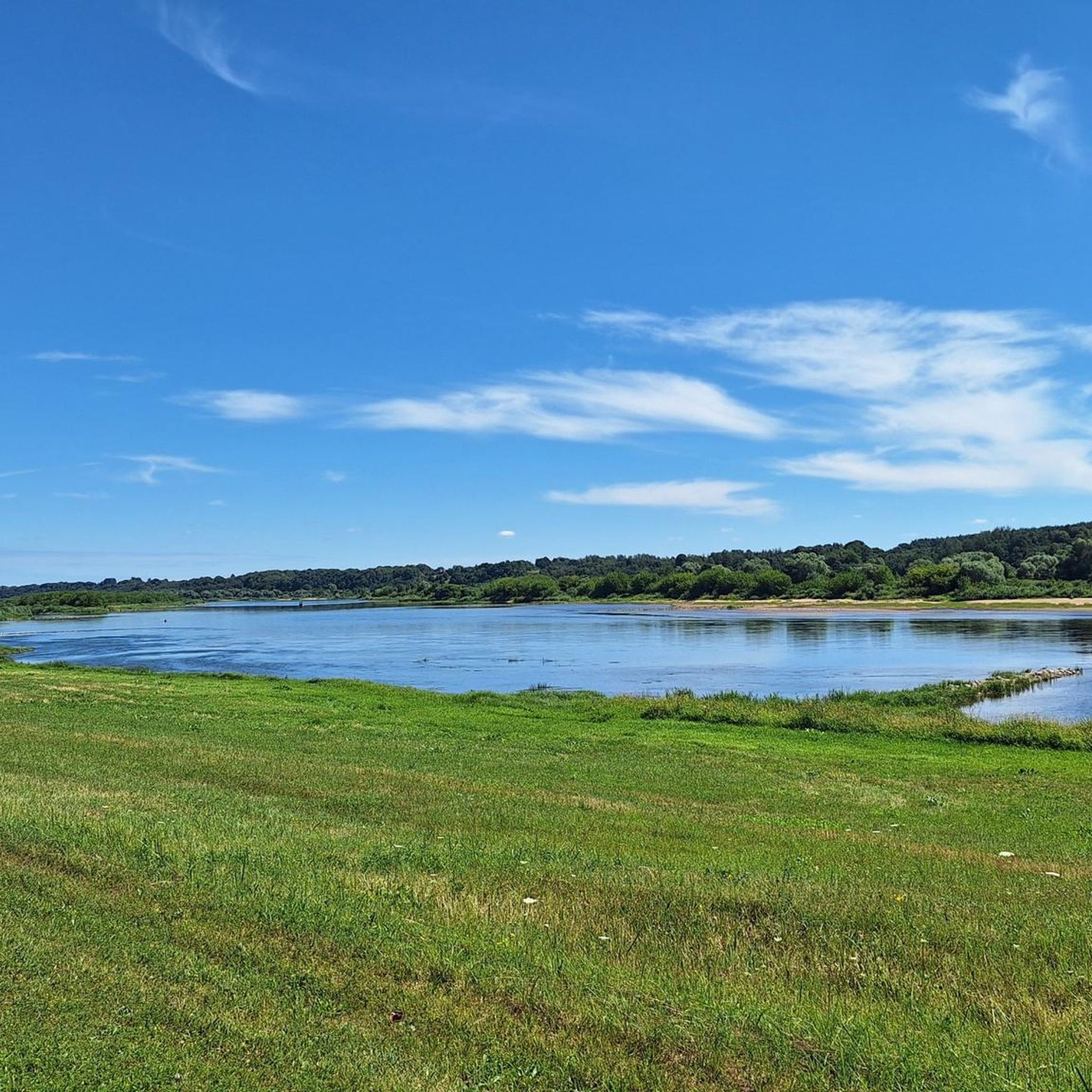
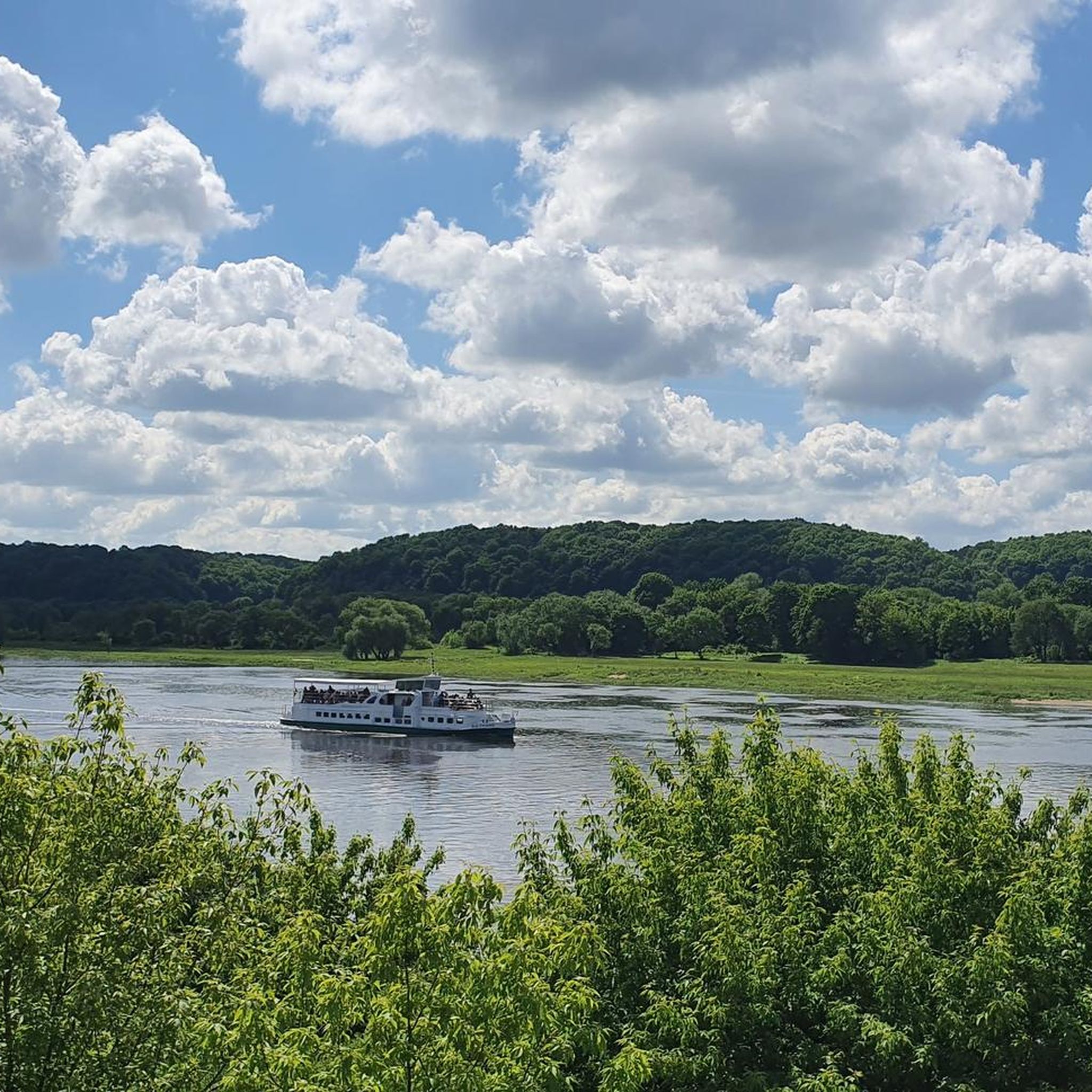
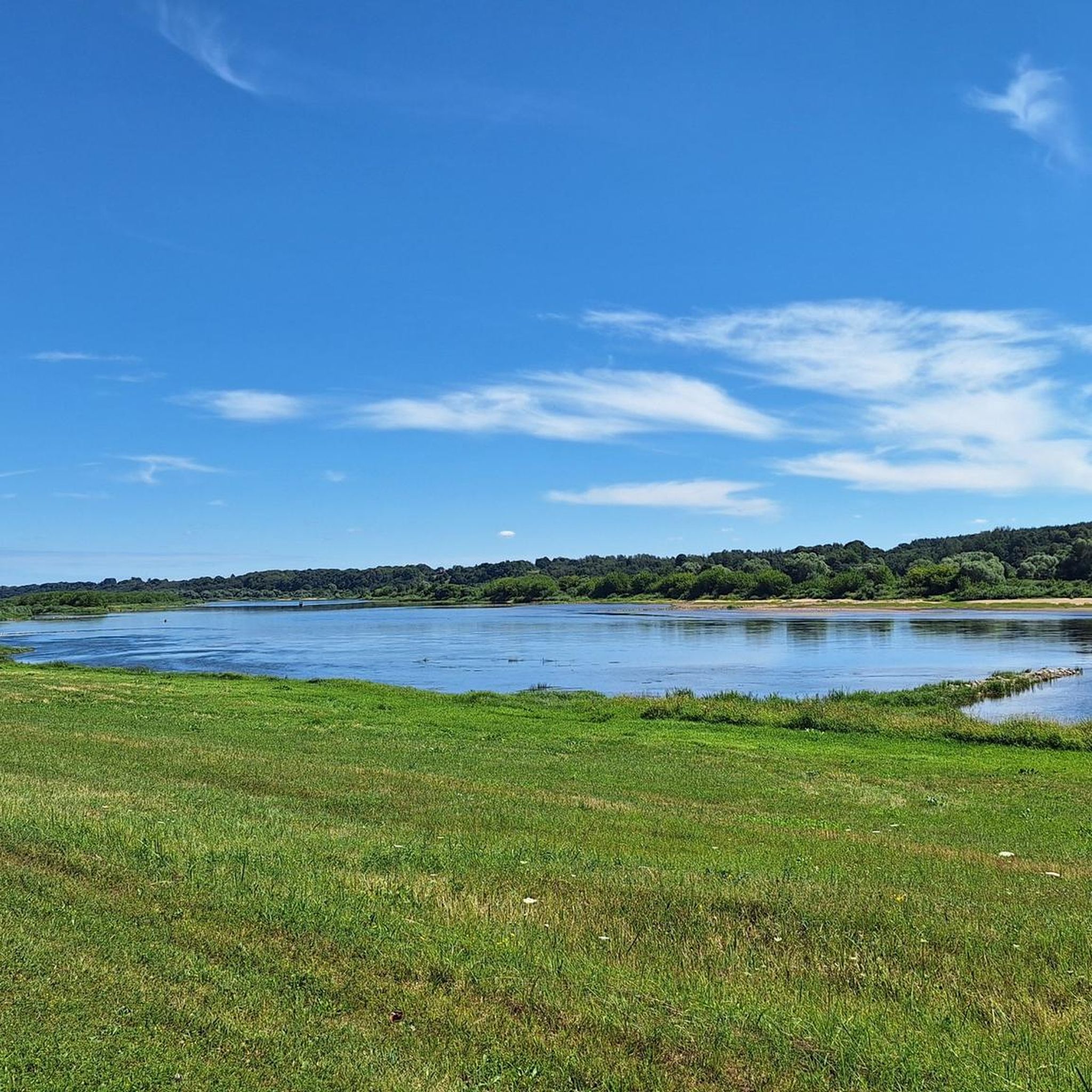
The castles are often set in picturesque natural surroundings. Many are located directly on the banks of the Nemunas River, offering scenic views of the waterway. Castles like Panemunė Castle and Raudonė Castle are adorned with old, scenic parks, providing pleasant natural spaces to explore alongside the historical structures. The confluence of the Neris and Nemunas rivers at Kaunas Castle also highlights the strategic importance and natural beauty of the region.
What do visitors enjoy most about the castles around the Nemunas?
Visitors frequently appreciate the historical depth and architectural beauty of these sites. For instance, Panemunė Castle is noted for its beautiful reconstruction, transforming from a ruin into a well-preserved site. The presence of restaurants and facilities at places like Panemunė and Raudondvaris Manor also enhances the visitor experience, combining history with modern conveniences.
Most popular routes around the Nemunas
Most popular attractions around the Nemunas

Get inspired with the komoot mobile app


