Top 6 Gorges around the Tajo
Best canyons around the Tajo are formed by the Tagus River, the longest river on the Iberian Peninsula, as it carves through Spain. These areas feature diverse landscapes, including extensive karst canyons, narrow valleys, and deep gorges. The river's course creates significant natural formations and habitats, offering opportunities to observe geological features and diverse wildlife. The region is known for its deep gorges, rugged karst formations, and river-carved landscapes.
Best canyons around the Tajo
- The most popular canyons is Enebros…
Last updated: July 11, 2026
Enebros Viewpoint
Highlight • Viewpoint
Translated by Google •
Tip by

Viewpoints of Las Barrancas and Castrejón Reservoir
Highlight (Segment) • Viewpoint
Translated by Google •
Tip by
Sign up now to discover places like this
Get recommendations on the best single tracks, peaks, & plenty of other exciting outdoor places.
Sign up for free
Cave of the Way of the Cross
Highlight • Cave
Translated by Google •
Tip by

Garganta del Fraile
Highlight • Waterfall
Translated by Google •
Tip by

Barrancas de Burujón
Highlight • Natural Monument
Translated by Google •
Tip by
Hundido de Armallones
Highlight • Gorge
Translated by Google •
Tip by
Balcón del Mundo
Highlight • Viewpoint
Translated by Google •
Tip by

La Tormellera Gorge
Highlight • Gorge
Translated by Google •
Tip by
La Puerta Cliffs
Highlight • Gorge
Translated by Google •
Tip by
Start today with a free account
Your next adventure awaits.
Login or Signup
Popular around Tajo
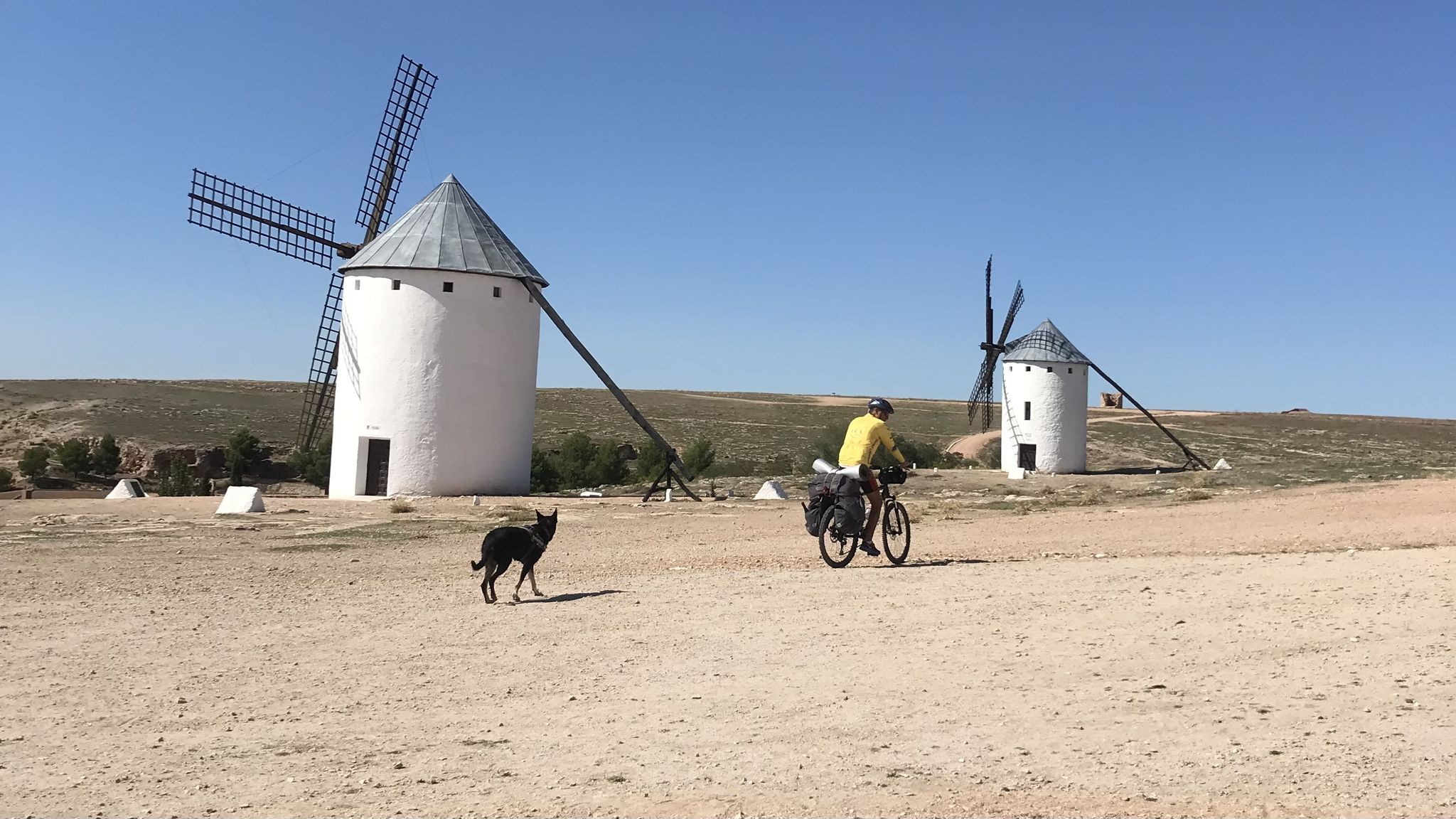
Don Quixote's route – The knight of the sorry face

Around the World in 80 Days
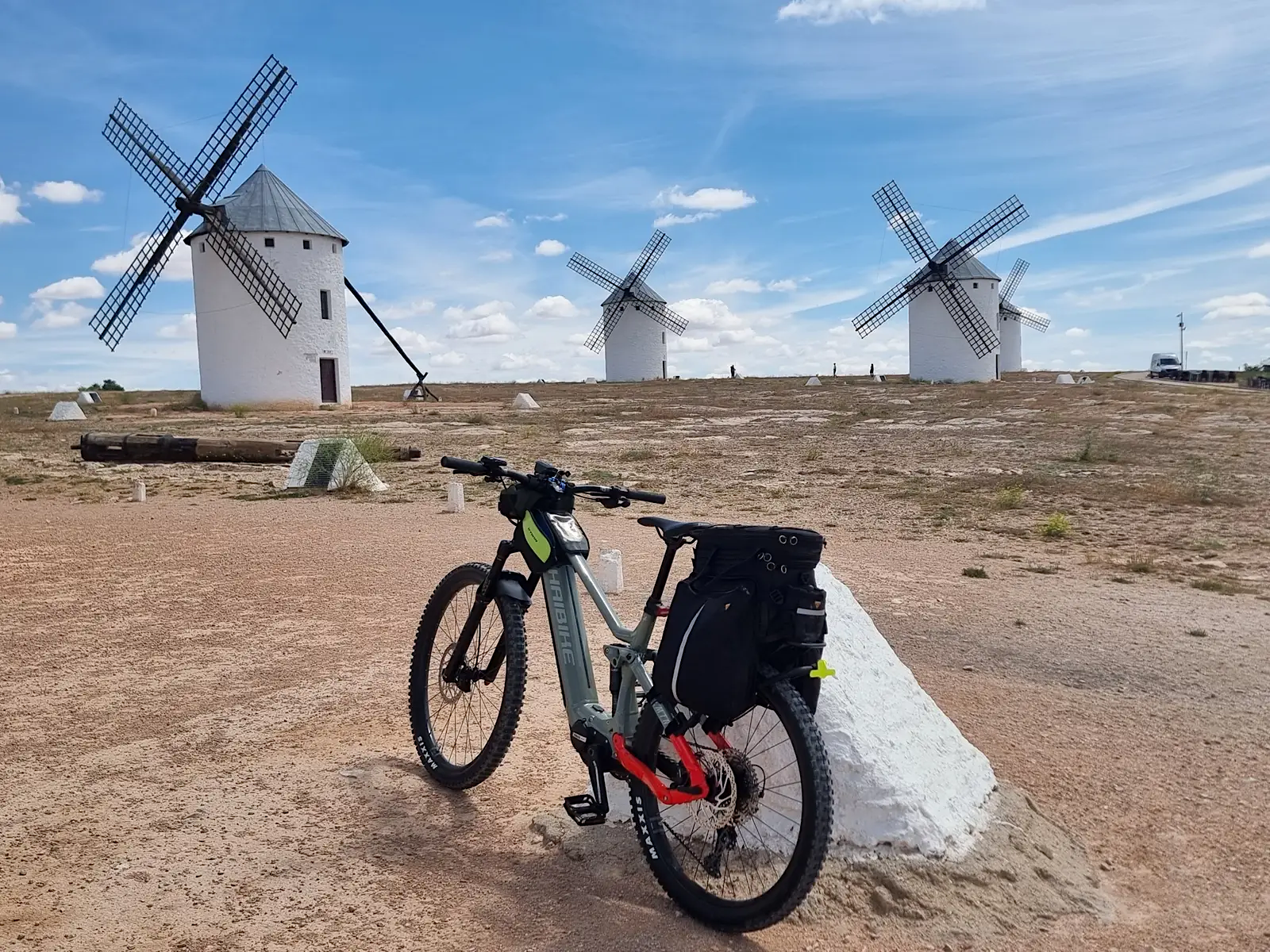
Route of Don Quixote – cycling between rivers, lagoons and hills
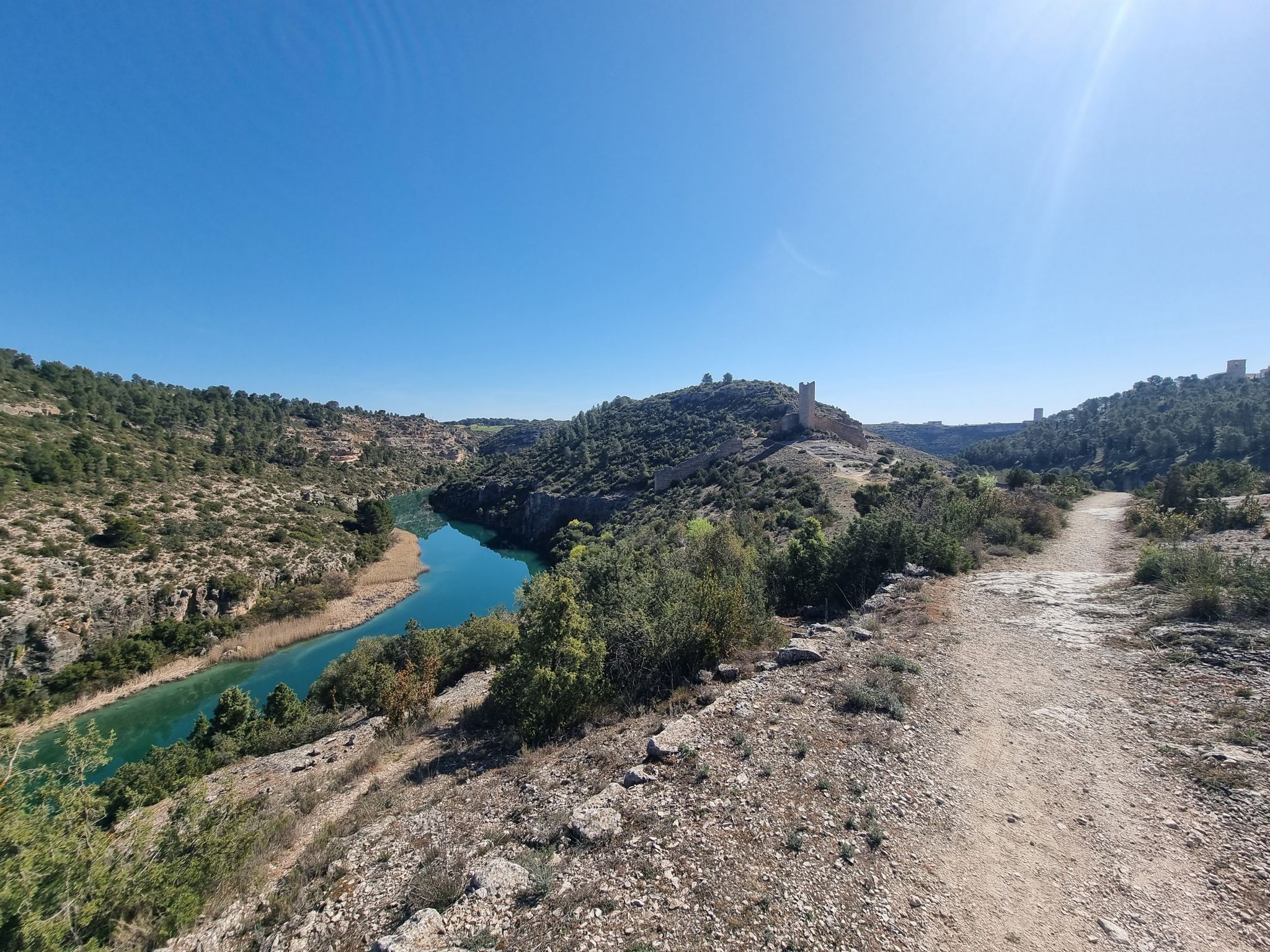
A gravel bike adventure between Madrid and Valencia
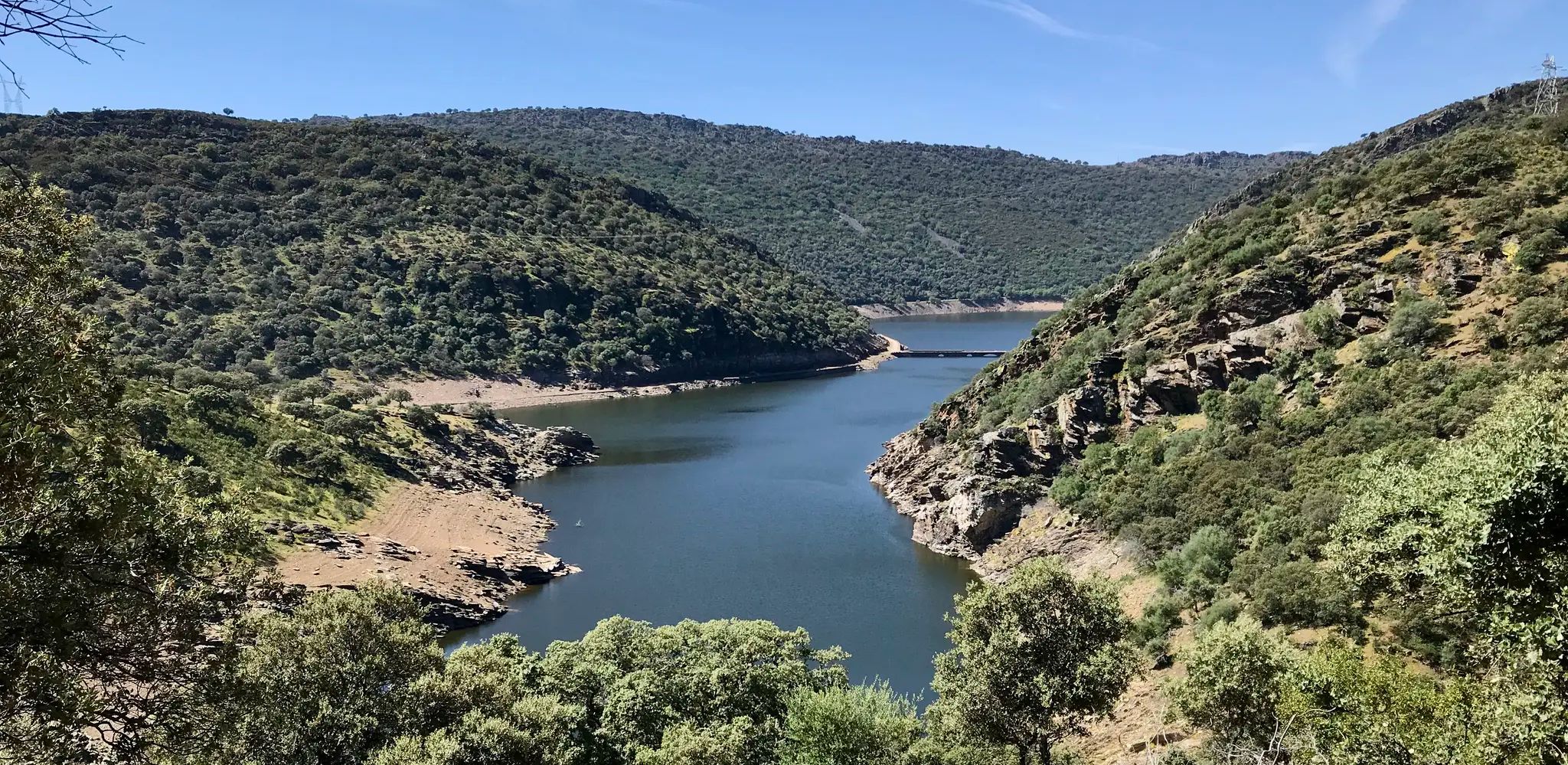
Toledo to Cedillo – Camino Natural del Tajo West

Ports, countryside and rivers – Tour of Madrid by road bike
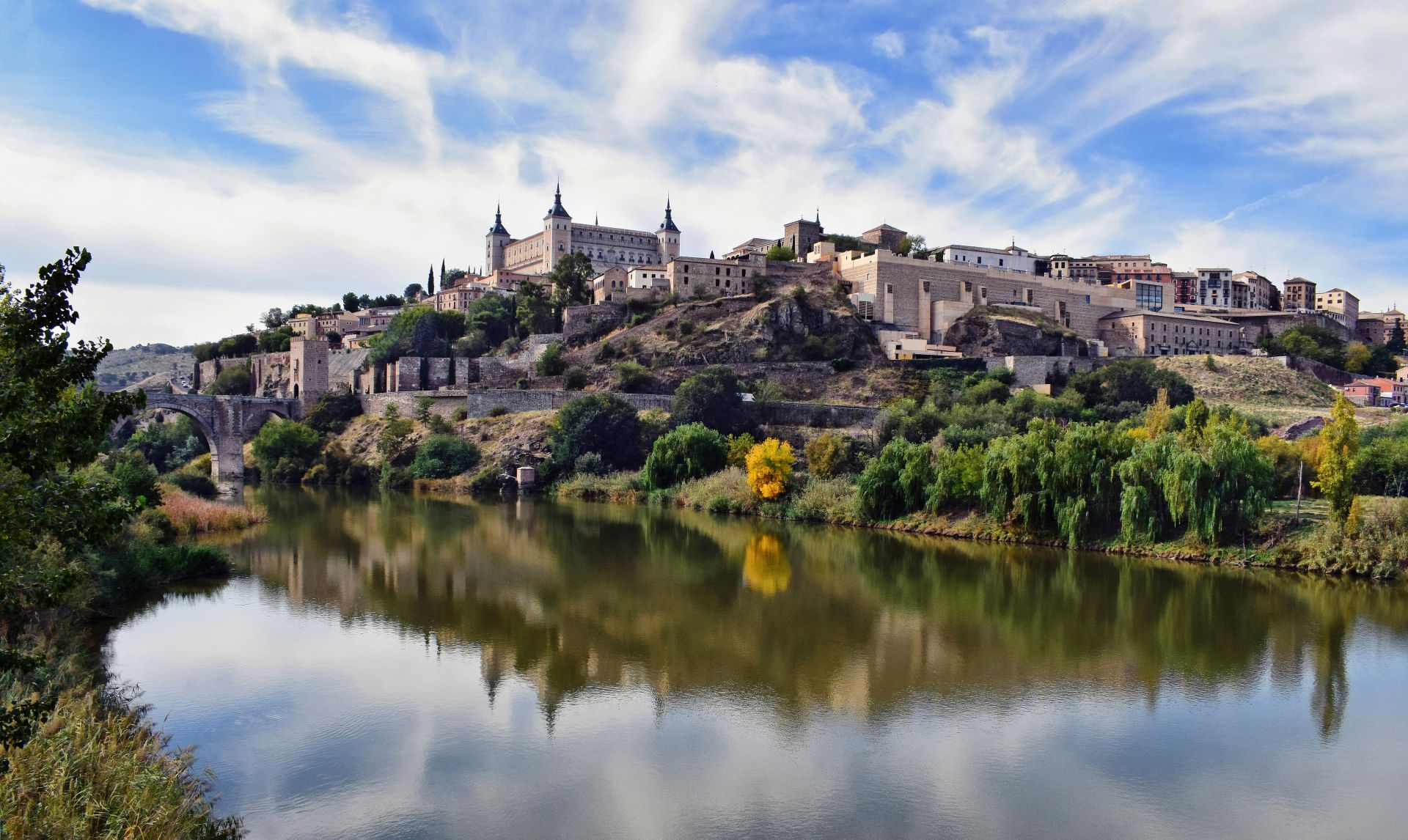
Albarracín to Toledo – Eastern Tagus Nature Trail
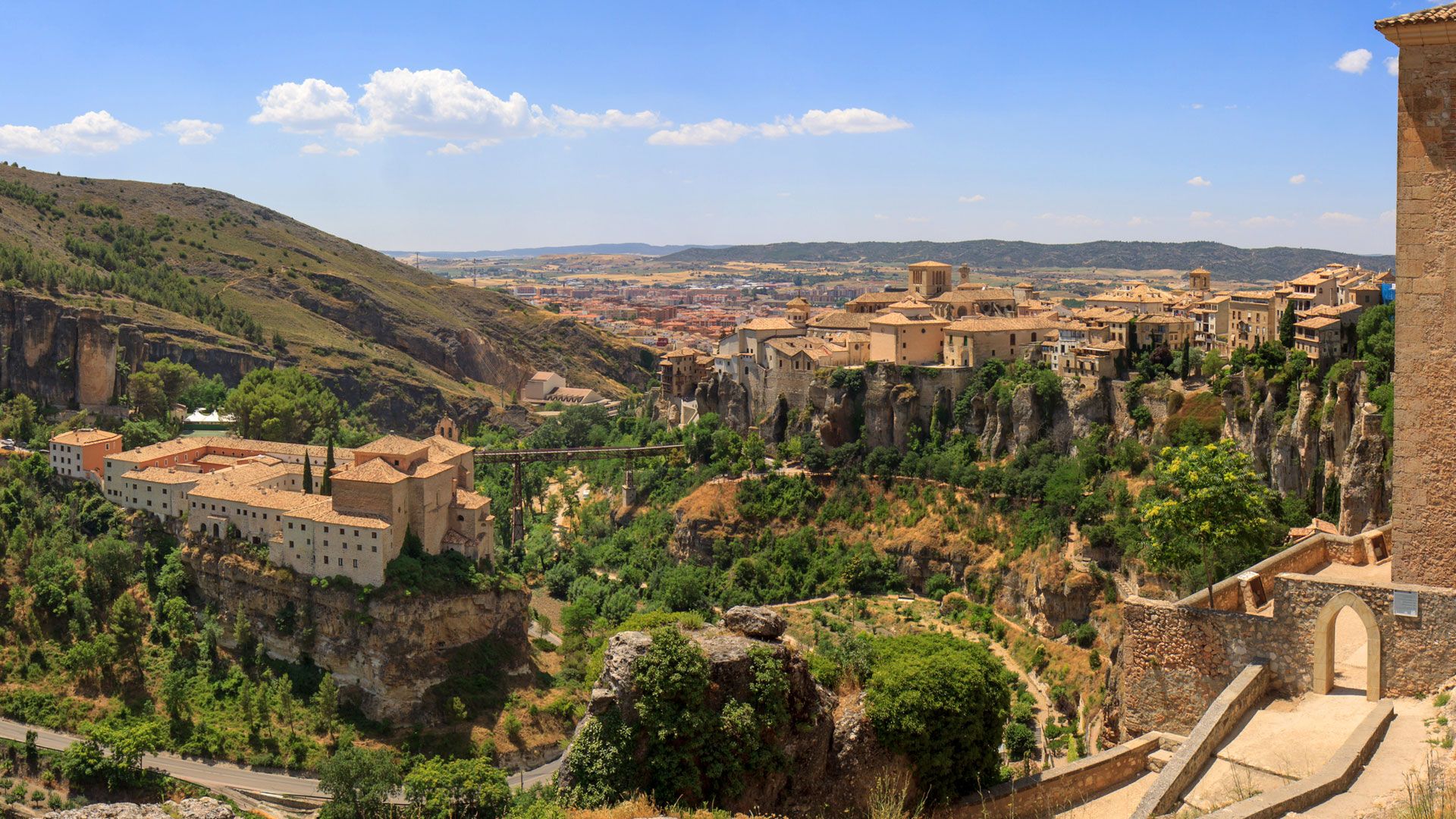
Levante to Castile – Ruta de la Lana Gravel Route
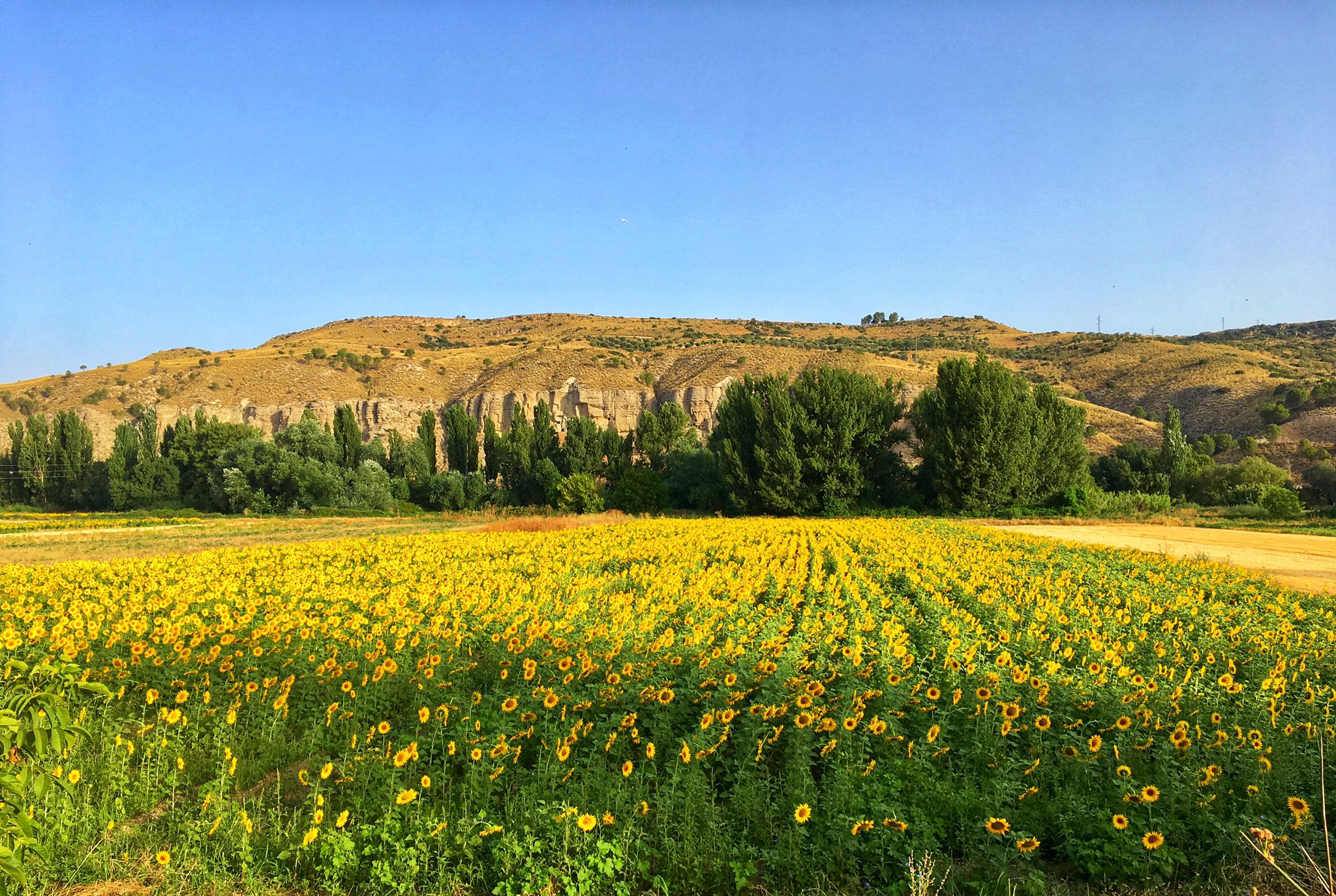
Palaces, rivers and fields — Las Vegas de Madrid gravel tour
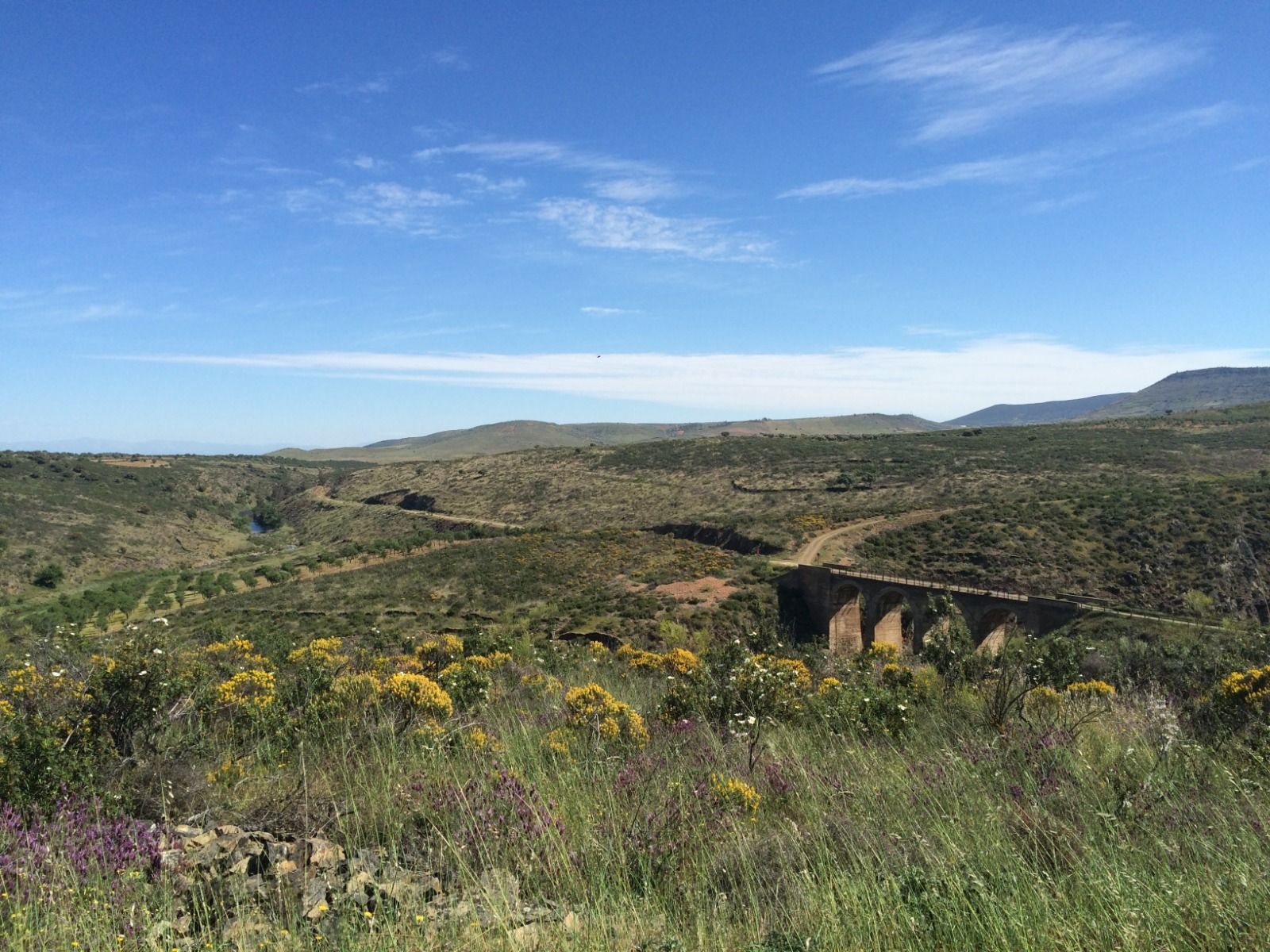
A gravel pilgrimage – Toledo to Guadalupe (GR 166)
Other adventures around the Tajo


Tips from the Community

Beautiful waterfall and vultures circle endlessly in the sky.
0
0

A recommended area for walking.
0
0

On the Arroyo Viejo trail, there are rocky cliffs on both sides, which constitute "The Gateway" to the rest of the route.
0
0
It is a narrowing of the lateral cliffs of the Tagus River. It is also known as the Gate of the Alto Tajo. From this place upwards begins the Alto Tajo Natural Park.
0
0
A curious place where the collapse of the side cliffs, as a consequence of the Lisbon earthquake, closed the Tagus River for several days, interrupting the flow of water. Today, there are still a large number of huge rocks at the bottom of the Tagus. It is worth visiting.
0
0
On the way up to the Barranco de La Hoz viewpoint there are several caves. One of them, La Cueva del Via Crucis is the most famous.
1
0

The Enebros viewpoint is another of the various observation points of the natural space of the Barrancas de Burujón.
1
1

A waterfall of considerable height of 10 m. In the rocks that surround the place we can observe vultures. Near the waterfall we will find a picnic area.
2
0
Frequently Asked Questions
What are some of the most impressive natural features to see in the Tajo canyons?
The Tajo canyons offer a variety of impressive natural features. You can explore extensive karst canyons, narrow valleys, and deep gorges up to 500 meters profound, especially in the Alto Tajo Natural Park. The river itself carves dramatic meanders, such as the one around Toledo. Notable natural monuments include Enebros Viewpoint and Viewpoints of Las Barrancas and Castrejón Reservoir, which offer stunning perspectives of the ravine formations and the Castrejón reservoir. The Garganta del Fraile features a 10-meter waterfall.
Where can I find the best viewpoints to appreciate the Tajo canyons?
The Tajo canyons region boasts several excellent viewpoints. The Enebros Viewpoint and Viewpoints of Las Barrancas and Castrejón Reservoir provide privileged views of the ravine's natural formation and the Castrejón reservoir. For birdwatching and panoramic views, Peña Falcón (Gypsy’s Leap) is a must-visit. Additionally, the Balcón del Mundo offers another unique perspective of the gorges.
Are there family-friendly options for visiting the Tajo canyons?
Yes, several areas within the Tajo canyons region are suitable for families. Viewpoints like Enebros Viewpoint and Peña Falcón (Gypsy’s Leap) are considered family-friendly. The Barrancas de Burujón area, where these viewpoints are located, often has accessible paths linking observation points. Boat trips along 'The Tagus Canyon' near Valdecañas Reservoir also offer a relaxed way to observe nature and wildlife, which can be enjoyable for all ages.
What kind of wildlife can I expect to see in the Tajo canyons?
The Tajo canyons are rich in wildlife, especially birds. The Tagus International Natural Park is critically important for bird conservation, hosting species like Griffon Vultures, Egyptian Vultures, Bonelli's Eagles, Cinereous Vultures, and Black Storks. Peña Falcón (Gypsy’s Leap) is an ideal spot to observe numerous griffon vulture nests. In other sections, such as the Alto Tajo Natural Park, you might spot otters, while boat trips near Valdecañas Reservoir can reveal deer, eagles, and vultures.
What outdoor activities are popular near the Tajo canyons?
The Tajo canyons region offers a wide range of outdoor activities. Whitewater canoeing is popular in the Alto Tajo Natural Park due to its turbulent rapids. Hiking is a major draw, with options ranging from easy walks to more challenging trails. You can find many hiking routes, including those leading to waterfalls, in guides like Easy hikes around the Tajo and Waterfall hikes around the Tajo. Other activities include BTT rides, mountain climbing, birdwatching, and running, with dedicated routes available in guides like Running Trails around the Tajo.
Are there any historical or cultural sites associated with the Tajo canyons?
Yes, the Tajo River has played a significant role in the region's history. The city of Toledo is famously situated within a dramatic meander-gorge of the Tagus, known as the 'Torno del Tajo.' This natural defense historically protected the city, making the views of Toledo perched above the river an iconic blend of natural beauty and rich history. Additionally, within the Tagus International Natural Park, the Peñafiel castle, built on a granite outcrop, offers panoramic views of the Erges river canyon and a glimpse into the region's past.
What is the best time of year to visit the Tajo canyons?
The best time to visit the Tajo canyons depends on your planned activities. Spring and autumn generally offer pleasant temperatures for hiking and exploring. If you plan to engage in water sports like whitewater canoeing, the river levels might be higher in spring after snowmelt. Summer can be very hot, especially in exposed areas, so it's advisable to avoid strenuous activities during the hottest parts of the day. Some visitor tips suggest avoiding summer or very windy days for certain paths like the one connecting Viewpoints of Las Barrancas and Castrejón Reservoir.
Can I go hiking in the Tajo canyons, and what are some popular routes?
Absolutely, hiking is one of the most popular ways to experience the Tajo canyons. There are numerous trails catering to different difficulty levels. For easy walks, consider routes like the Barrancas de Burujón circular trail or the Tajo Natural Trail, detailed in the Easy hikes around the Tajo guide. For those seeking moderate challenges, the Cave of the Way of the Cross area is recommended for walking, and the Waterfall hikes around the Tajo guide features routes like the San Pedro Bridge and Zaorejas Viewpoint Loop.
Are there any specific areas for birdwatching in the Tajo canyons?
Yes, the Tajo canyons are a prime destination for birdwatching. The Tagus International Natural Park, which forms a natural boundary between Spain and Portugal, is a critically important area for bird conservation. It serves as a nesting and resting place for numerous species, especially necrophagous and rupicolous birds. The Peña Falcón (Gypsy’s Leap) is particularly renowned for observing a large number of griffon vulture nests and other birds of prey, making it an ideal and indispensable spot for bird enthusiasts.
What are the difficulty levels for exploring the Tajo canyons?
The difficulty levels for exploring the Tajo canyons vary significantly depending on the specific location and activity. Many viewpoints and short trails, such as those around the Barrancas de Burujón, are considered intermediate and suitable for most visitors. However, the Alto Tajo Natural Park features rugged terrain with deep gorges and turbulent rapids, making it ideal for more adventurous activities like whitewater canoeing. Hiking trails range from easy, well-maintained paths to more challenging routes with significant elevation changes, as indicated in guides like Easy hikes around the Tajo and Running Trails around the Tajo.
Can I find wild swimming spots in the Tajo canyons?
While the Tajo River carves impressive canyons, specific designated wild swimming spots are not widely highlighted in the provided information. The river in the Alto Tajo Natural Park exhibits 'youthful vigor' with turbulent rapids, which might be more suitable for whitewater activities than calm swimming. However, natural river areas and some reservoirs along the Tajo's course may offer opportunities for cooling off, but always exercise caution and check local regulations and safety conditions before entering the water.
What is the Erges River Canyon, and why is it significant?
The Erges River Canyon is a notable feature within the Tagus International Natural Park, forming part of the natural boundary between Spain and Portugal. It is significant because it is the largest rocky outcrop of granitic origin in the International Tagus, characterized by three consecutive gorges. This area is particularly important for its rugged banks and steep slopes, providing critical habitats for various bird species, especially rupicolous birds, making it a key area for bird conservation and observation.
Most popular routes around the Tajo
Most popular attractions around the Tajo

Get inspired with the komoot mobile app


