Top 5 Caves in Gmünd
Caves in Gmünd, located in the Waldviertel region, are characterized by unique granite rock formations and historical hideouts. The area is part of the Blockheide-Gmünd-Eibenstein Nature Park, known for its distinctive geological features. These natural monuments offer insights into both geological processes and local legends.
Best caves in Gmünd
- The most popular caves is Stone cave, a natural monument that features a low, S-shaped passage. It is built from solid Schrems granite and painted inside with Stone Age images. …
Last updated: October 1, 2026
Fleischbank Rock Formation
Highlight • Natural Monument
Translated by Google •
Tip by

Stone cave
Highlight • Cave
Translated by Google •
Tip by

Sign up now to discover places like this
Get recommendations on the best single tracks, peaks, & plenty of other exciting outdoor places.
Grasel Cave in Dachsgraben
Highlight • Cave
Translated by Google •
Tip by

Kaiblstein (Kaiblloch)
Highlight • Cave
Translated by Google •
Tip by

Graselhöhle Natural Monument
Highlight • Natural Monument
Besides, it is definitely an impressive group of rocks.
Translated by Google •
Tip by

Höhlensteinlucke
Highlight • Natural Monument
Translated by Google •
Tip by

Meat Bench at Mandelstein
Highlight • Natural Monument
Showing Translation
Tip by

Start today with a free account
Your next adventure awaits.
Popular around Gmünd
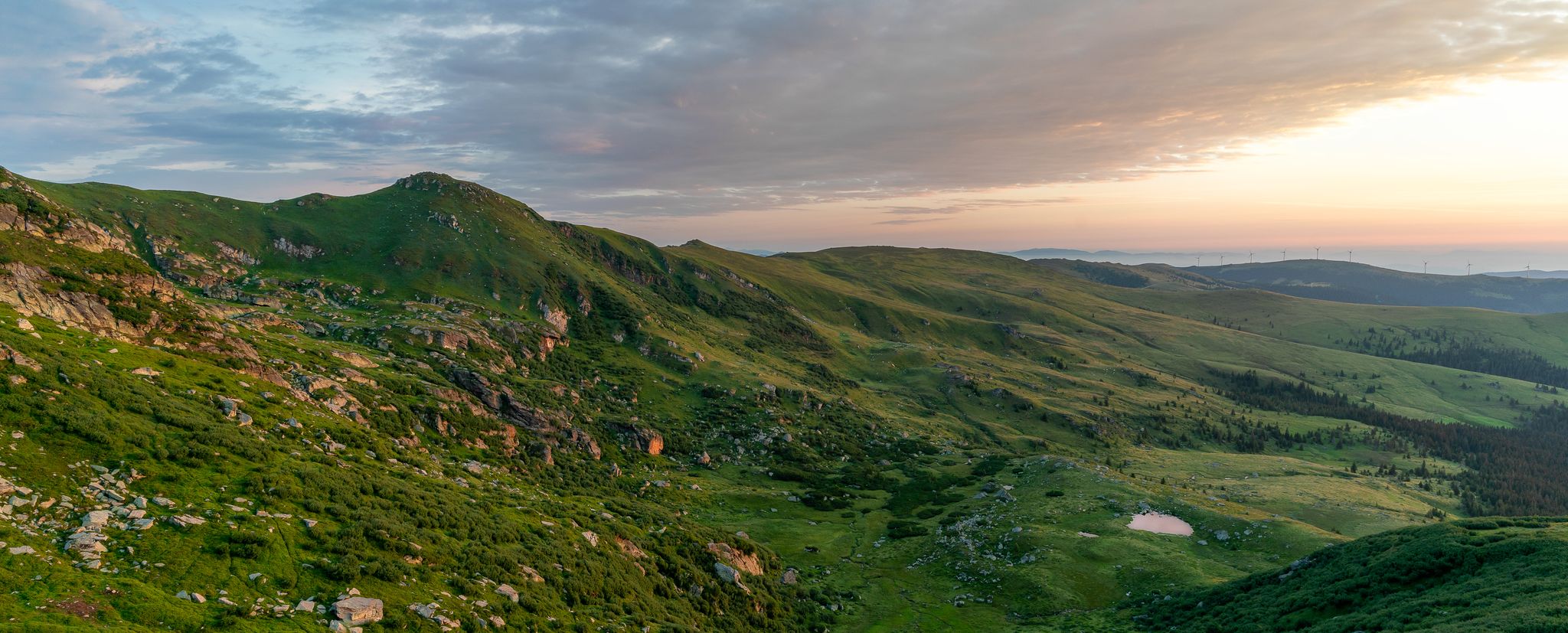
North-South Trail through Austria – Small country, big paths!
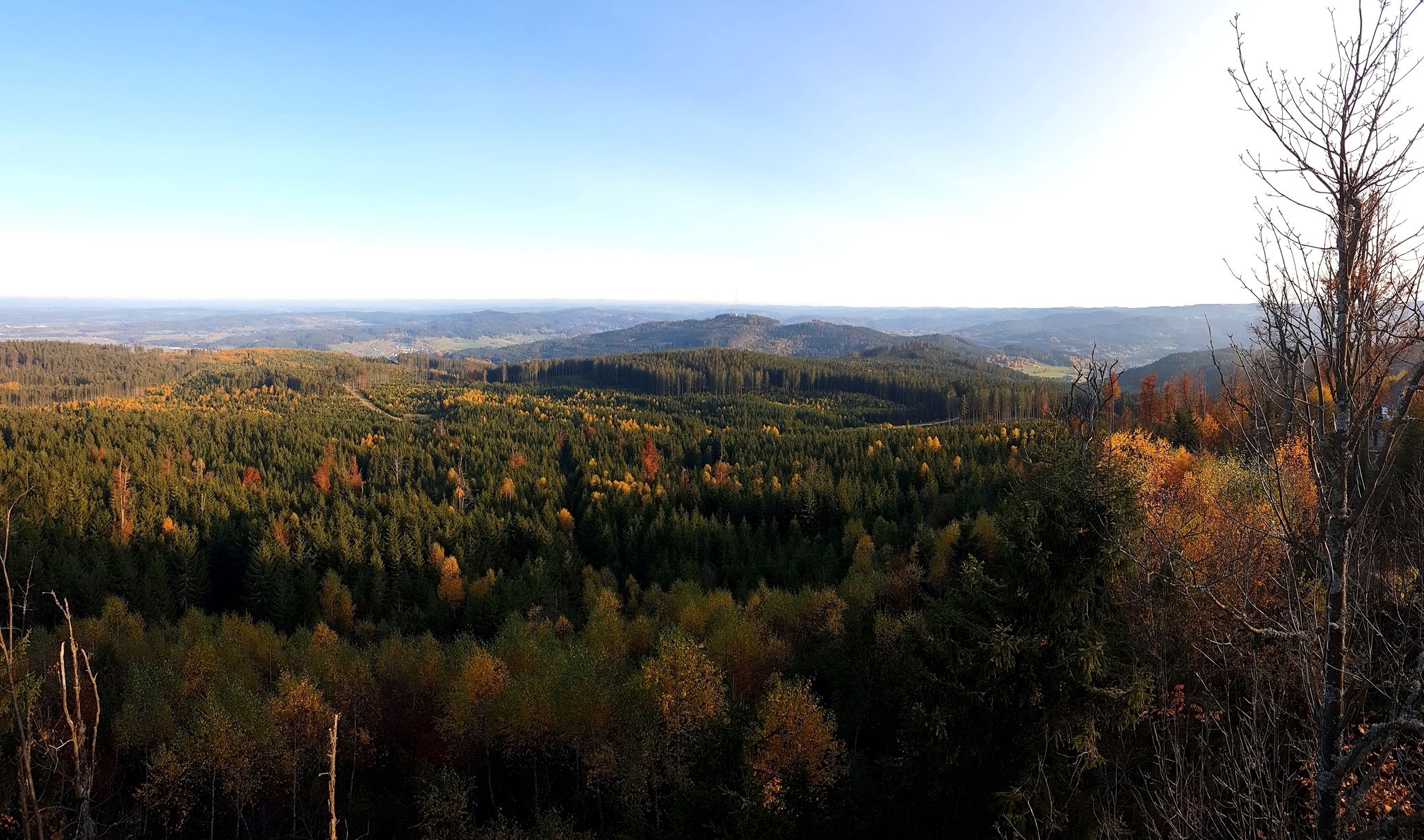
Nordwaldkamm trail – Hiking between the Czech Republic and Austria
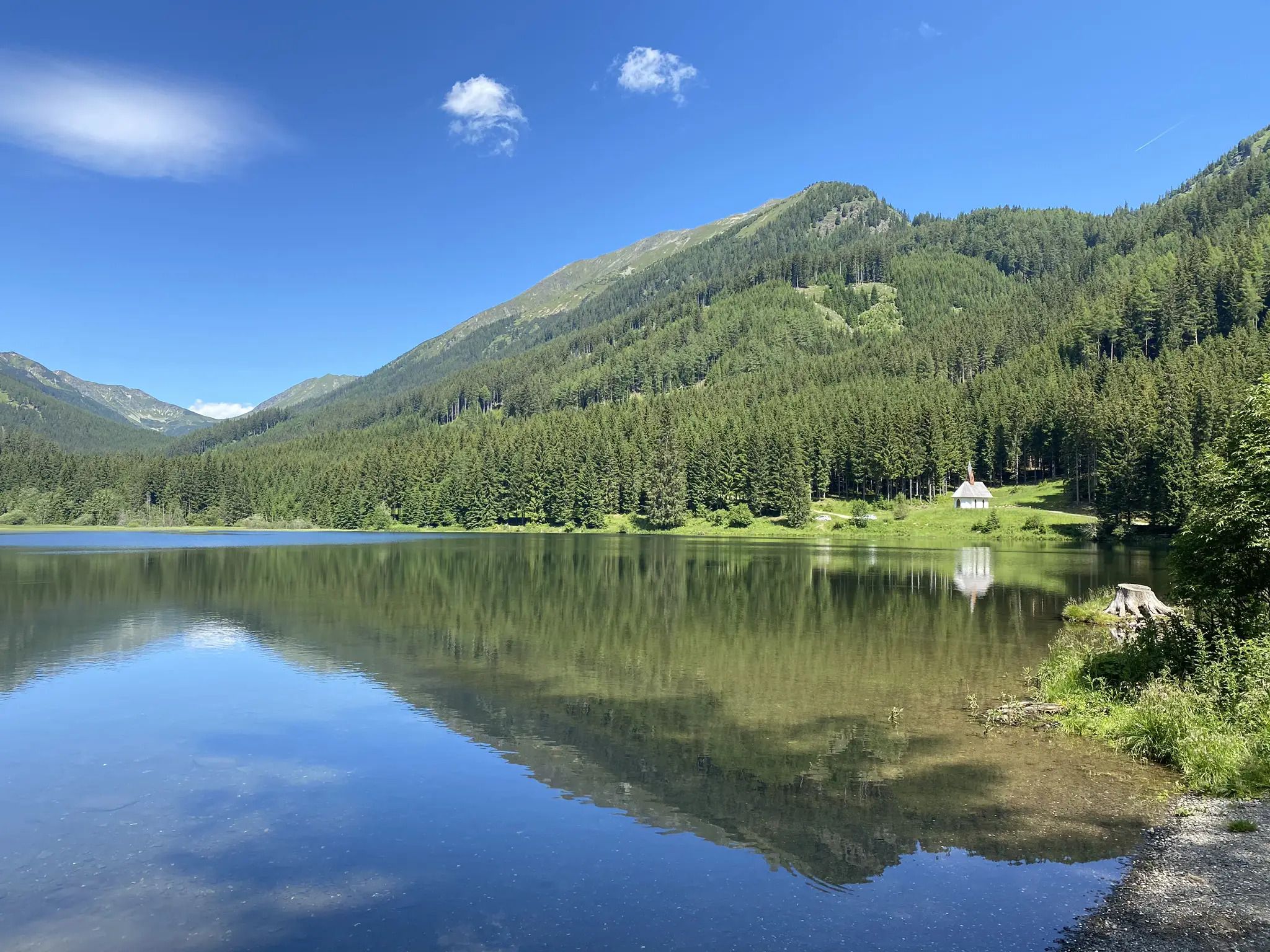
Eisenwurzen Trail – Hiking through Austria from north to south
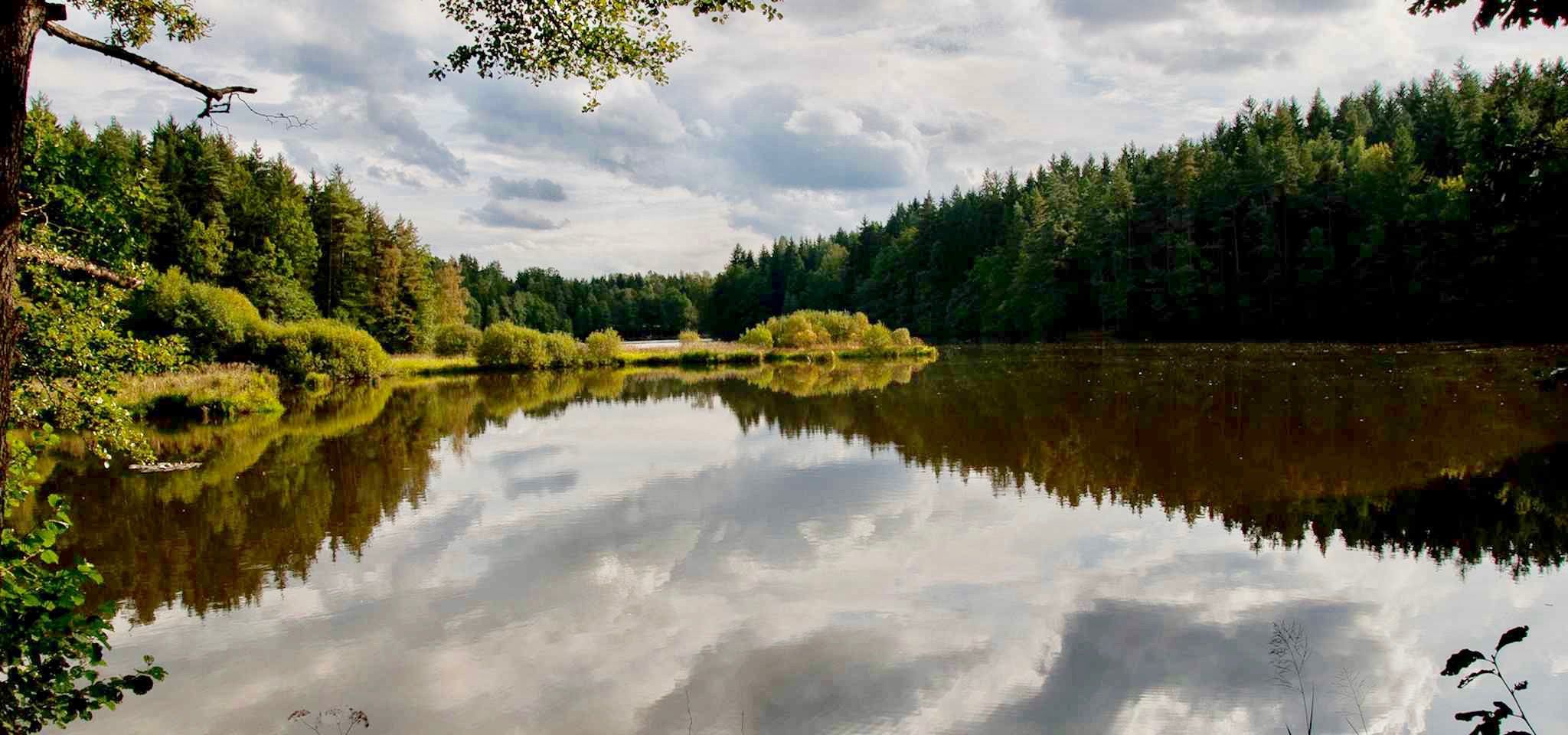
Where history meets nature at its finest – trekking along the river Lainsitz
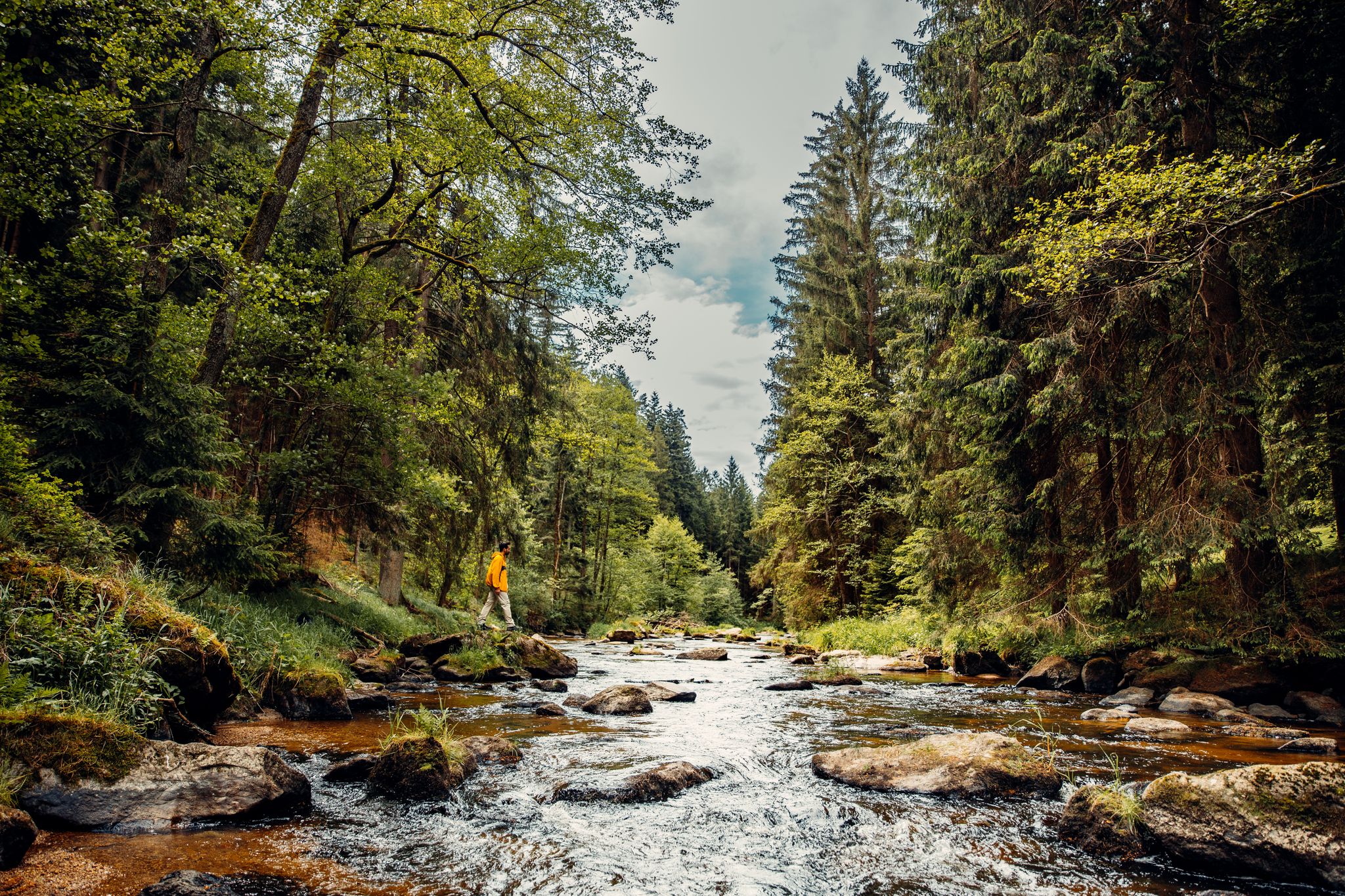
Cliffs, a gorge and vineyards – day hikes in the Waldviertel
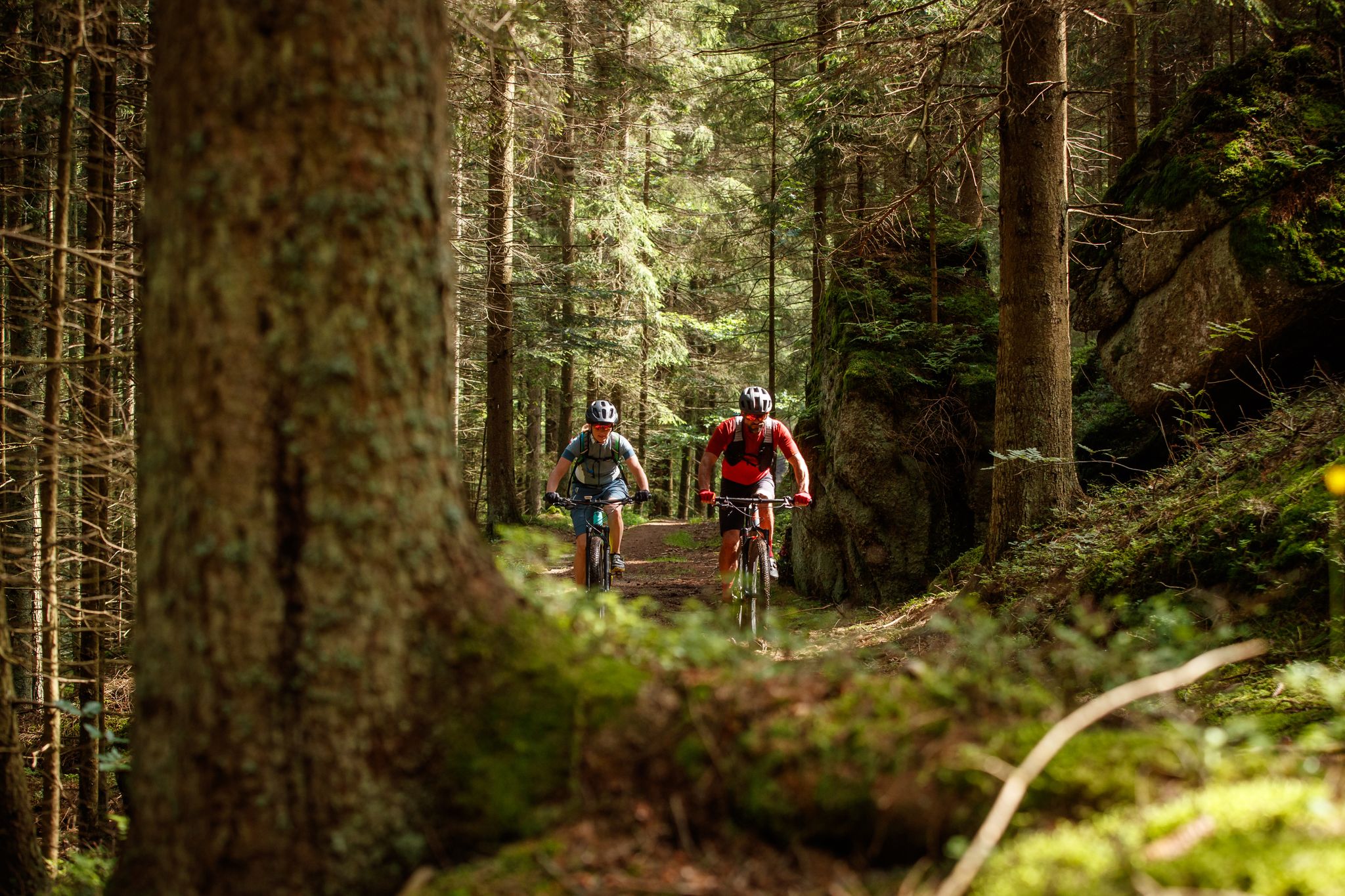
Between bizarre rocks and pristine forests – MTB in the Waldviertel
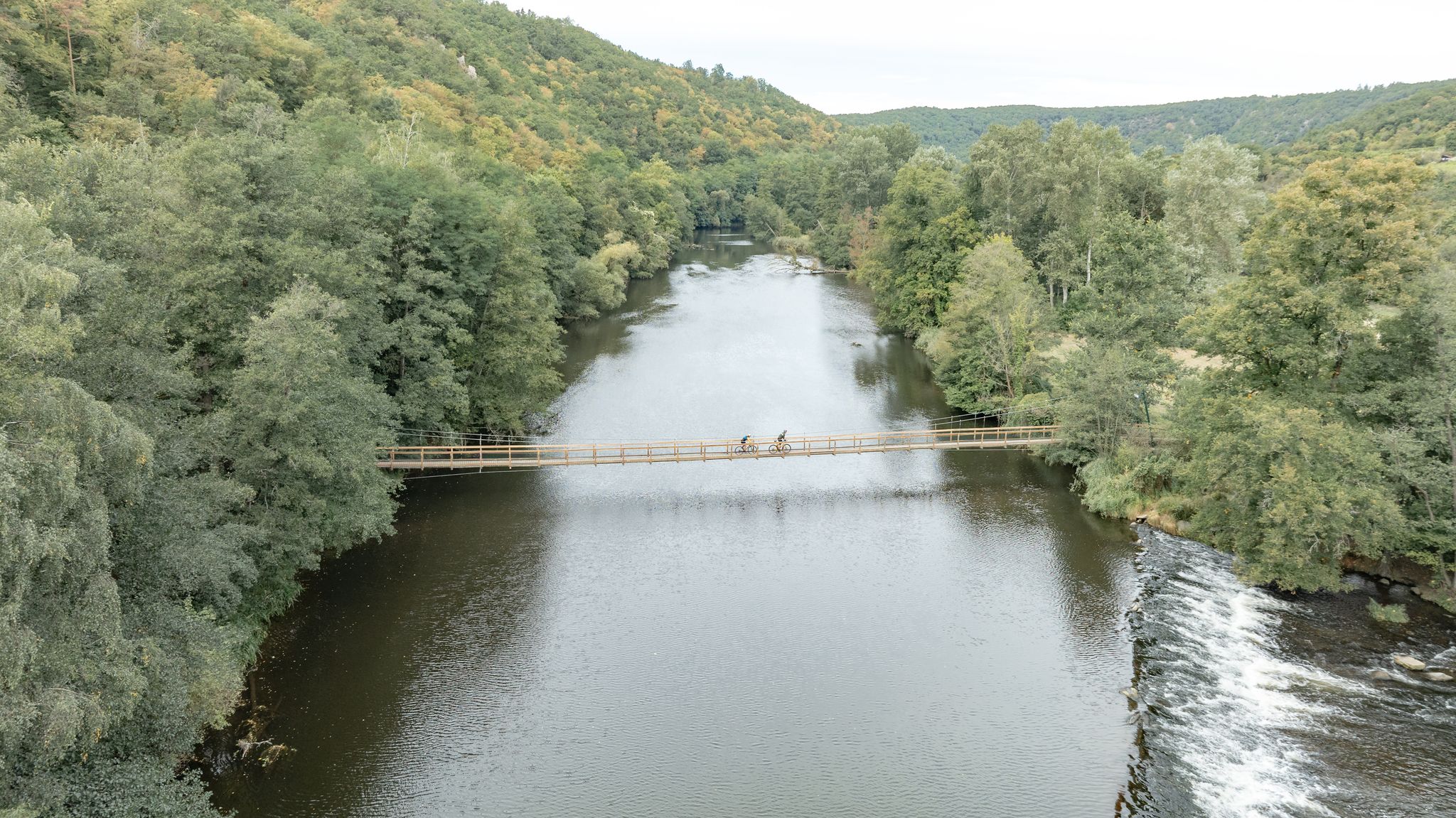
Long and short cycling Tours in the Waldviertel
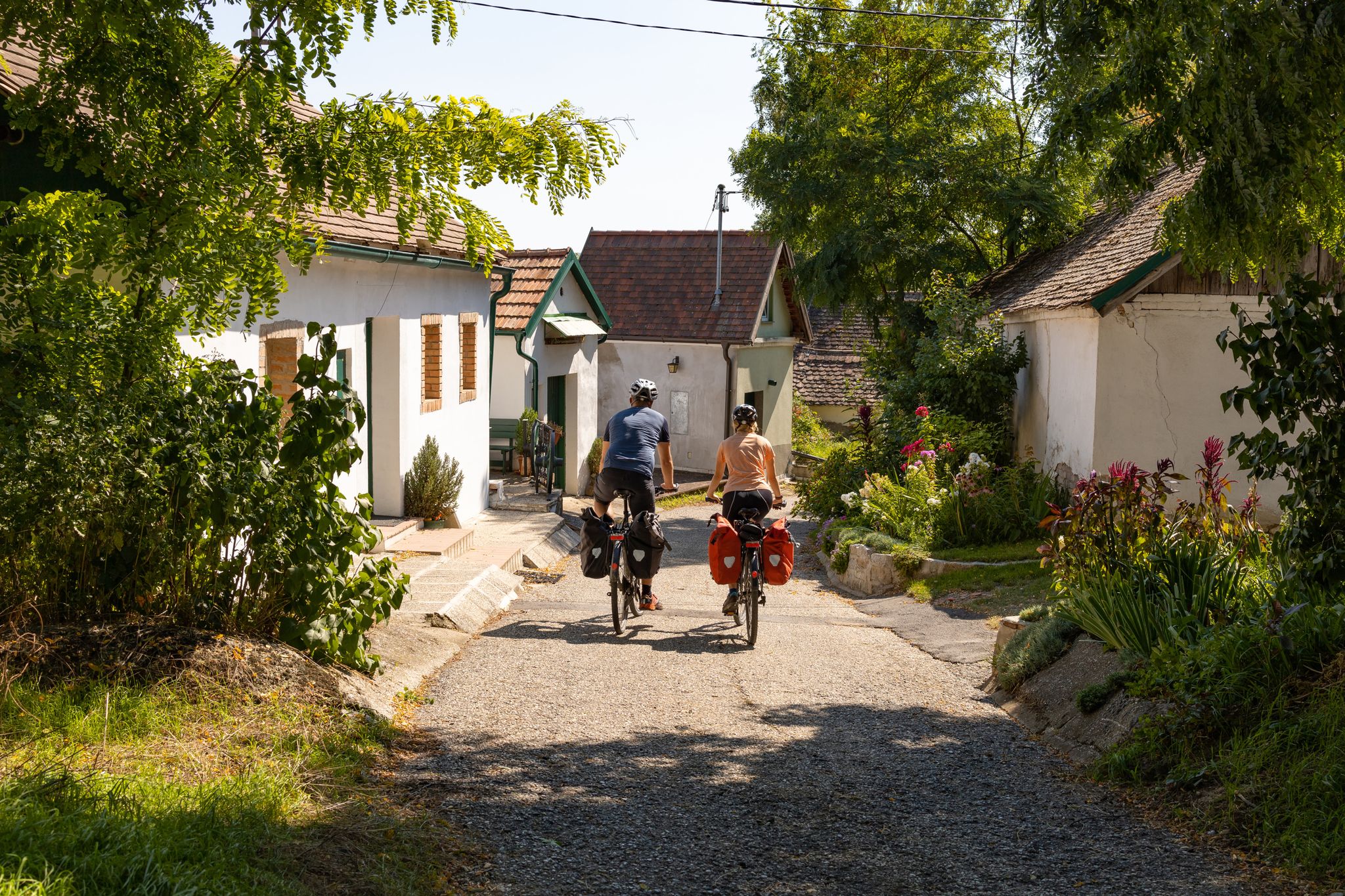
The most beautiful bike discovery Tours in Lower Austria
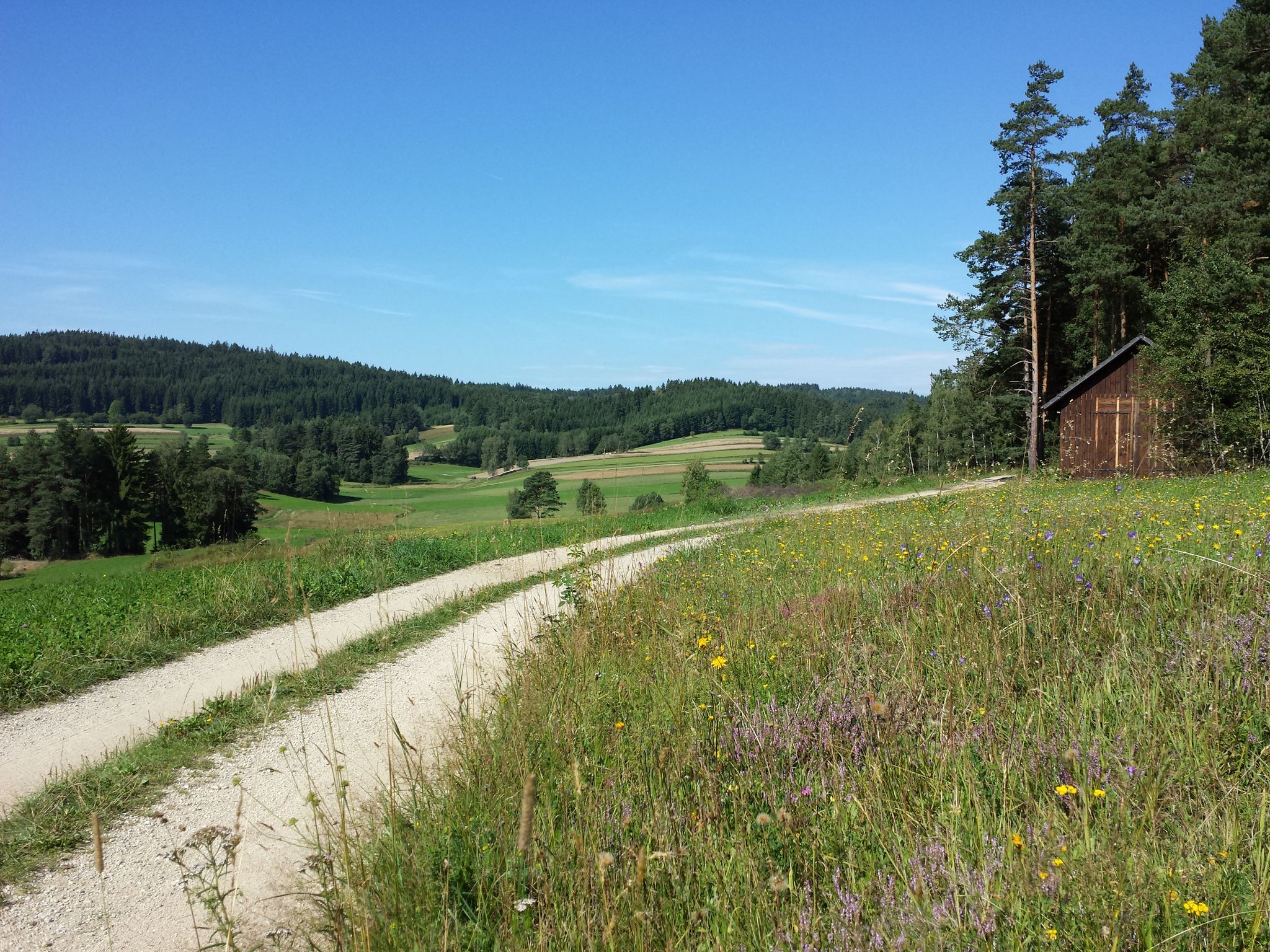
An MTB adventure in Austria's loneliest region – Granite Trail
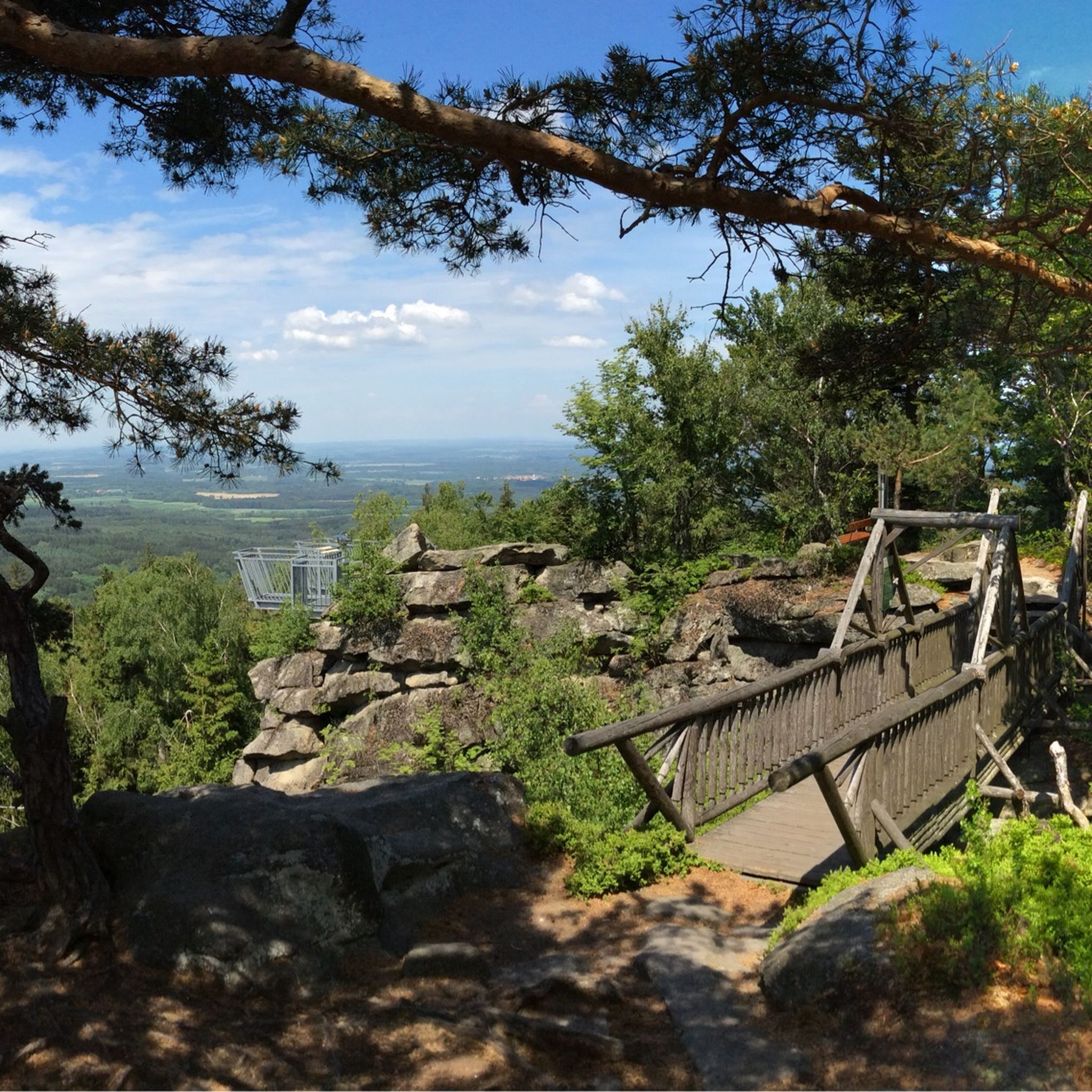
Hiking in Gmünd
Other adventures in Gmünd


Tips from the Community

In the cool Fleischbankhöhle cave, food (meat) was stored in the past
0
0
In the cool cave by the stone slabs, meat was kept cool and stored in earlier times
0
0


Stone caveFun for children. The stone cave on the way to the ladder to heaven is the first project of the Schrems Nature Park Association chairman Martin Speychal. In keeping with the region, it is built from solid Schrems granite and painted inside with Stone Age images. A low, S-shaped passage leads through the cave. [unterwasserreich.at]
2
0

The path leads through a jungle-like area into the wild and romantic Dachsengraben to the bottom of the ditch. According to legend, the notorious robber chief Grasel lived in a cave hidden in a group of granite along the path. He was certainly no noble fellow and no Robin Hood, as he liked to commit his robberies in simpler houses. By the time he died, Grasel had committed around 200 crimes in the Waldviertel. A wooden club path leads through a small swamp to the isolated Richterteich.
2
0

You can walk through this "stone igloo", but don't hit your head!
1
0

Interesting rock formation below the summit of the Mandelstein.
3
1

Meat bench at Mandelstein On the southern slope of the Mandelstein, in the forest, to the left of the road to the Mandelstein, there are large pieces of rock that the locals call “the meat bank”. These rocks form a dark cave with a narrow entrance. A poacher once had the meat of those he killed here. Animals and his rifle kept. He is also said to have hidden his money and jewelry here. Once a woman from nearby Göllitz in Bohemia was on her way to church in Harbach with her child. She had often heard that there was money hidden in the “meat bank”. She decided to go and take a look. When she came to the rock, she placed the child on a stone and crawled into the cave. She actually found the hiding place, took the money and the jewelry and wanted to move on quickly with the child. But, oh horror! The child was lying under a large stone. While she was looking for the money and jewelry, a large stone rolled towards the child and trapped him in a small cave. All attempts to roll the stone away from the child were unsuccessful. The woman ran crying. to the priest and told him everything. He advised her to go home, pray diligently for the child and next year, on the same day, go to the “meat bank” and put back the money and jewelry she had taken. The woman promised and went home sadly. She was already waiting with longing. the day next year. Early in the morning she rushed to the “meat bank” with gold and jewelry, crawled in and put everything back where she had taken everything from. When she came out of the cave, she saw the child's stone lifting itself to the side. Beaming with joy, she ran to her child, who was still alive, and asked him if he was hungry. The child said that a woman dressed in white always brought milk and bread and berries to eat. Overjoyed, the woman went home with her child. (Source: naturpfad.at)
1
0
Frequently Asked Questions
What kind of caves can I explore in Gmünd?
Gmünd, particularly in the Waldviertel region, is known for its unique granite rock formations and historical hideouts rather than traditional underground caverns. These include natural monuments like the Stone cave, which features an S-shaped passage, and the Fleischbank Rock Formation, an interesting geological feature and viewpoint.
Are there any historical caves or hideouts in Gmünd?
Yes, Gmünd has several historical sites. The Grasel Cave in Dachsgraben is a natural monument and historical site, legendary as a hiding place for the notorious robber chief Grasel. Another significant spot is Kaiblstein (Kaiblloch), which has been proven to be a human dwelling from the Neolithic period.
Are the caves in Gmünd suitable for families with children?
Yes, some of the rock formations and 'caves' in Gmünd are family-friendly. For example, the Stone cave is noted as fun for children, with its painted Stone Age images inside a low, S-shaped passage.
What is the difficulty level for exploring these caves and rock formations?
Most of the highlighted rock formations and 'caves' in Gmünd are categorized as intermediate difficulty, often involving short detours from main routes or paths through forest areas. They are generally accessible for those with a moderate fitness level.
What unique geological features can I see in Gmünd?
Gmünd is part of the Blockheide-Gmünd-Eibenstein Nature Park, famous for its distinctive granite rock formations. You'll encounter unique natural monuments like 'wobble stones' (Wackelsteine) and 'Devil's stones' (Teufelssteine), which are impressive natural sculptures formed by erosion.
What outdoor activities can I do near the caves in Gmünd?
The region around Gmünd offers various outdoor activities. You can find numerous mountain hikes, such as the 'Rubner Pond in the Tannermoor' loop, or explore extensive MTB trails like the 'North Forest Route'. Road cycling routes are also popular, including the 'Nagelberg Glass Art – Litschau Castle loop'. For more details, you can check the Mountain Hikes in Gmünd, MTB Trails in Gmünd, and Road Cycling Routes in Gmünd guides.
Are there any guided tours available for the caves or rock formations in Gmünd?
While the local granite formations in Gmünd are generally self-exploratory, the Blockheide-Gmünd-Eibenstein Nature Park often offers guided walks focusing on the unique geology and legends of the area. For specific guided tours of the 'caves' themselves, it's best to inquire locally at the nature park visitor center.
What is the best time of year to visit the rock formations and 'caves' in Gmünd?
The rock formations and 'caves' in Gmünd are primarily outdoor attractions. Spring, summer, and autumn offer the most pleasant weather for exploring the surrounding nature park and trails. Winter visits are possible, but some paths might be icy or less accessible, and the focus would shift to the unique winter landscape.
What should I wear when visiting the rock formations in Gmünd?
Given that most of the attractions are outdoor rock formations and historical hideouts, comfortable hiking shoes with good grip are recommended. Dress in layers suitable for the weather, as you'll be walking through forests and potentially uneven terrain. While not traditional caving, some passages might be narrow or low, so flexible clothing is advisable.
Are there any other impressive cave experiences in Austria, even if not directly in Gmünd?
Yes, Austria is home to several spectacular show caves further afield. These include the Mammut Cave and Dachstein Giant Ice Cave in the Dachstein massif, the Lake Grotto Hinterbrühl with Europe's largest underground lake, the Eisriesenwelt Werfen (world's largest accessible ice cave), and the Ötscher Dripstone Cave in Lower Austria. The Obir Stalactite Caves in Carinthia are also highly recommended for their natural beauty and multimedia enhancements.
What do visitors enjoy most about the caves and rock formations in Gmünd?
Visitors appreciate the unique geological formations and the historical significance of sites like the Grasel Cave in Dachsgraben. The Stone cave is particularly popular for its artistic interior and family-friendly appeal. The overall wild and romantic atmosphere of the Dachsgraben area and the impressive granite groups are frequently highlighted.
Most popular routes in Gmünd
Most popular attractions in Gmünd

Get inspired with the komoot mobile app


Didn’t find what you were looking for?
Discover more caves in Gmünd region by region:
Explore more
Extend your search for the best caves by checking out these guides of the top ones in Gmünd:
