Top 4 Lakes around Murnauer Moos
Best lakes around Murnauer Moos are situated within and around the largest contiguous Alpine fen in Central Europe. This protected area spans approximately 4,200 hectares and is known for its exceptional biodiversity, supporting over 1,000 plant species and an estimated 4,000 animal species. The region's natural landscape offers a variety of lakes, from large bathing lakes to smaller, tranquil ponds, each contributing to the area's appeal for nature exploration.
Best lakes around Murnauer Moos
- The most popular lakes is New…
Last updated: June 28, 2026
New Moosberg Lake
Highlight • Lake
Translated by Google •
Tip by

Observation hut at Am Lindenbach Pond
Highlight • Mountain Hut
Translated by Google •
Tip by

Sign up now to discover places like this
Get recommendations on the best single tracks, peaks, & plenty of other exciting outdoor places.
Sign up for free
Moorsee in Murnauer Moos
Highlight • Lake
Translated by Google •
Tip by

Krebssee
Highlight • Lake
The planks are already very rotten, so tread carefully
Translated by Google •
Tip by

Start today with a free account
Your next adventure awaits.
Login or Signup

Tips from the Community

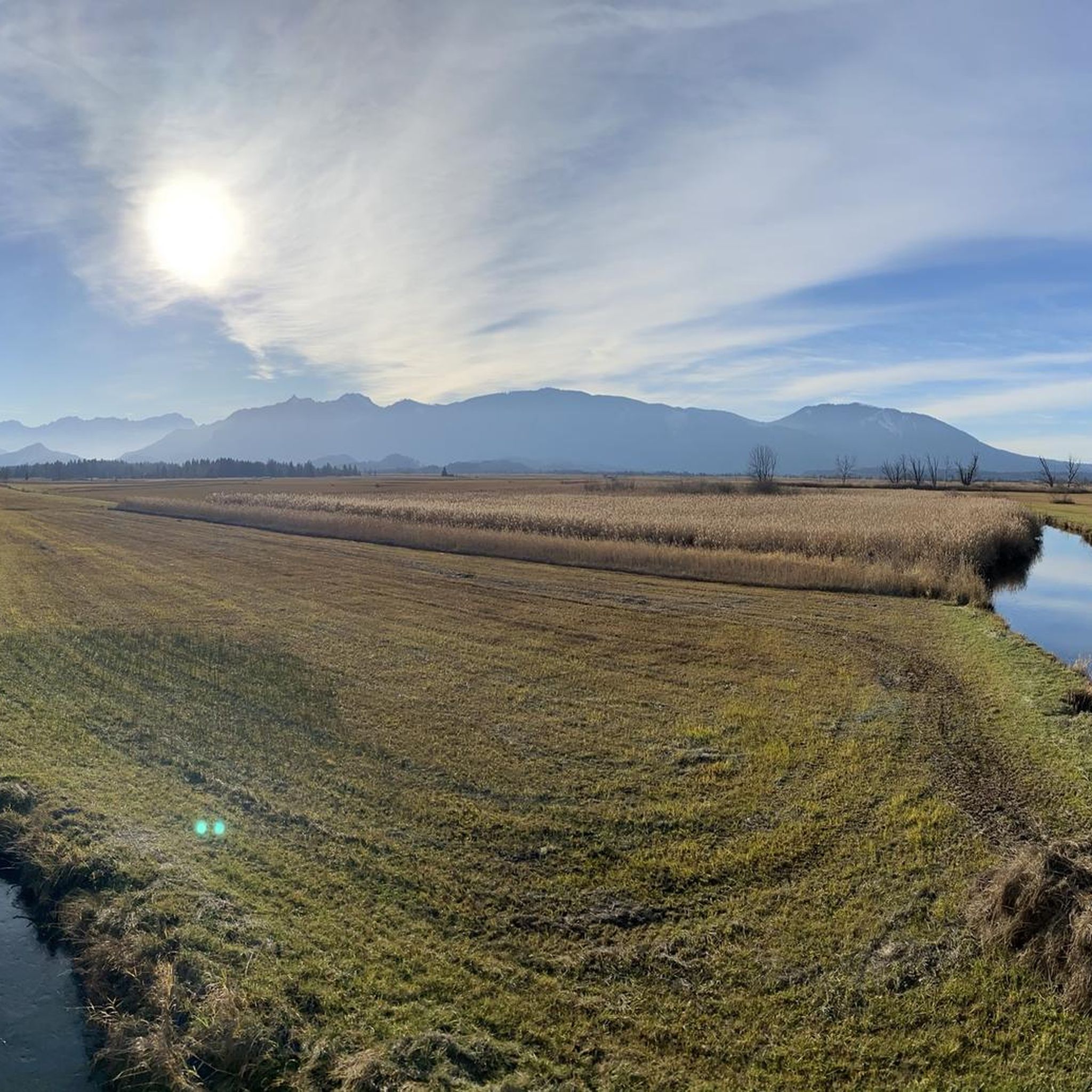
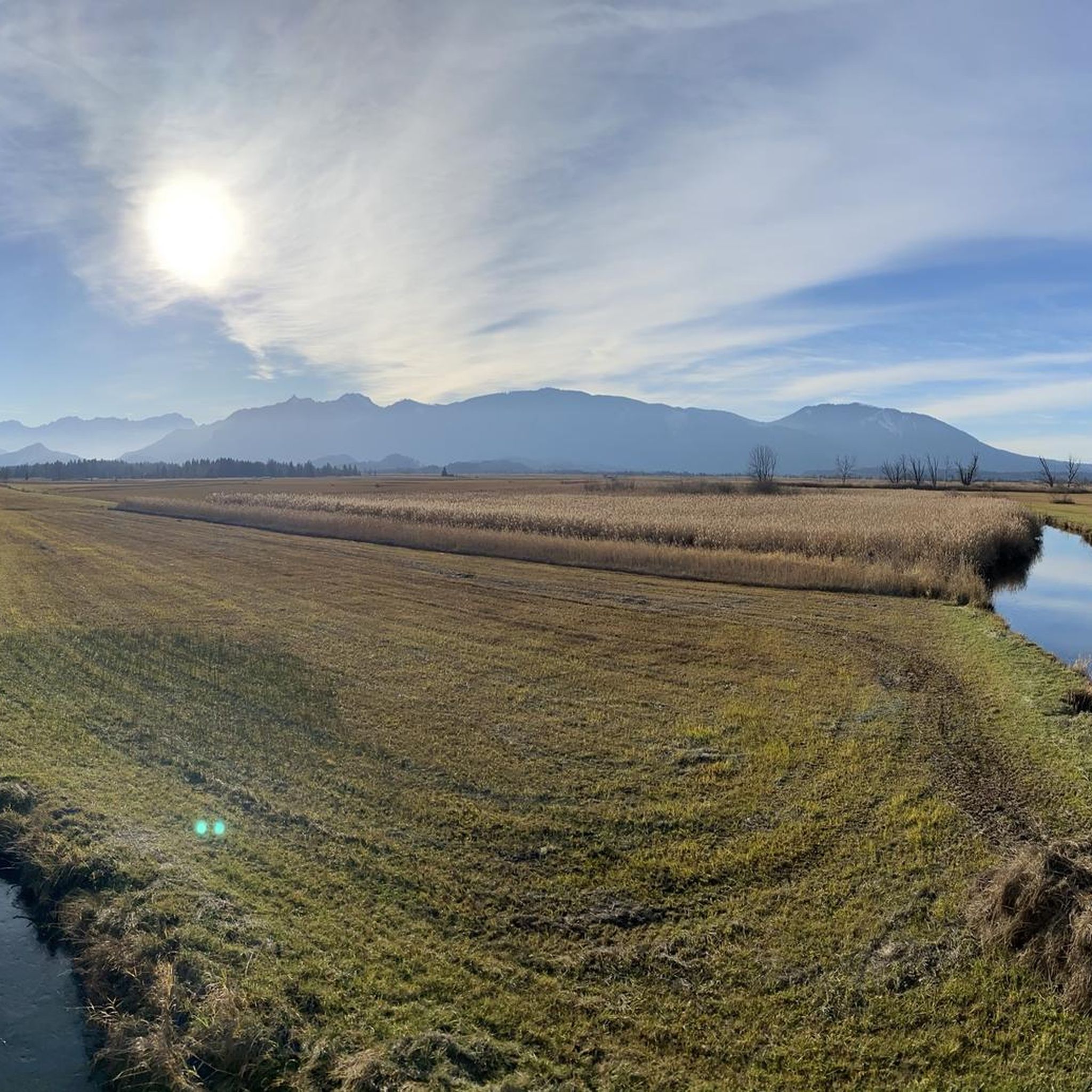
Beautiful view of the lake! The "New Moosbergsee" is an artificial body of water. The former mine, which now contains the lake, was created after surface mining of glaucoquartzite was exhausted and continued below the level of the surrounding Murnau Moor. After mining activities ceased, the mine filled within a few years.
2
0

More beautiful on the new Moosbergsee
2
0
Shelter and observation hut with a view of the biotope "Am Lindenbach"
1
0

you absolutely have to go to the small refuge. Is a quiet place with a wonderful view
0
0

The former Moosberg appears today in the form of a lake. Its very hard rock (glaucoquartzite) was mined to a depth of up to 80m. The Romans already used it as a building material. Mining became actual again when in 1828 the streets of Munich were started to be paved. In 1925 industrial dismantling began. In 2001 the renaturation ended, so today a beautiful lake can be seen.
0
0

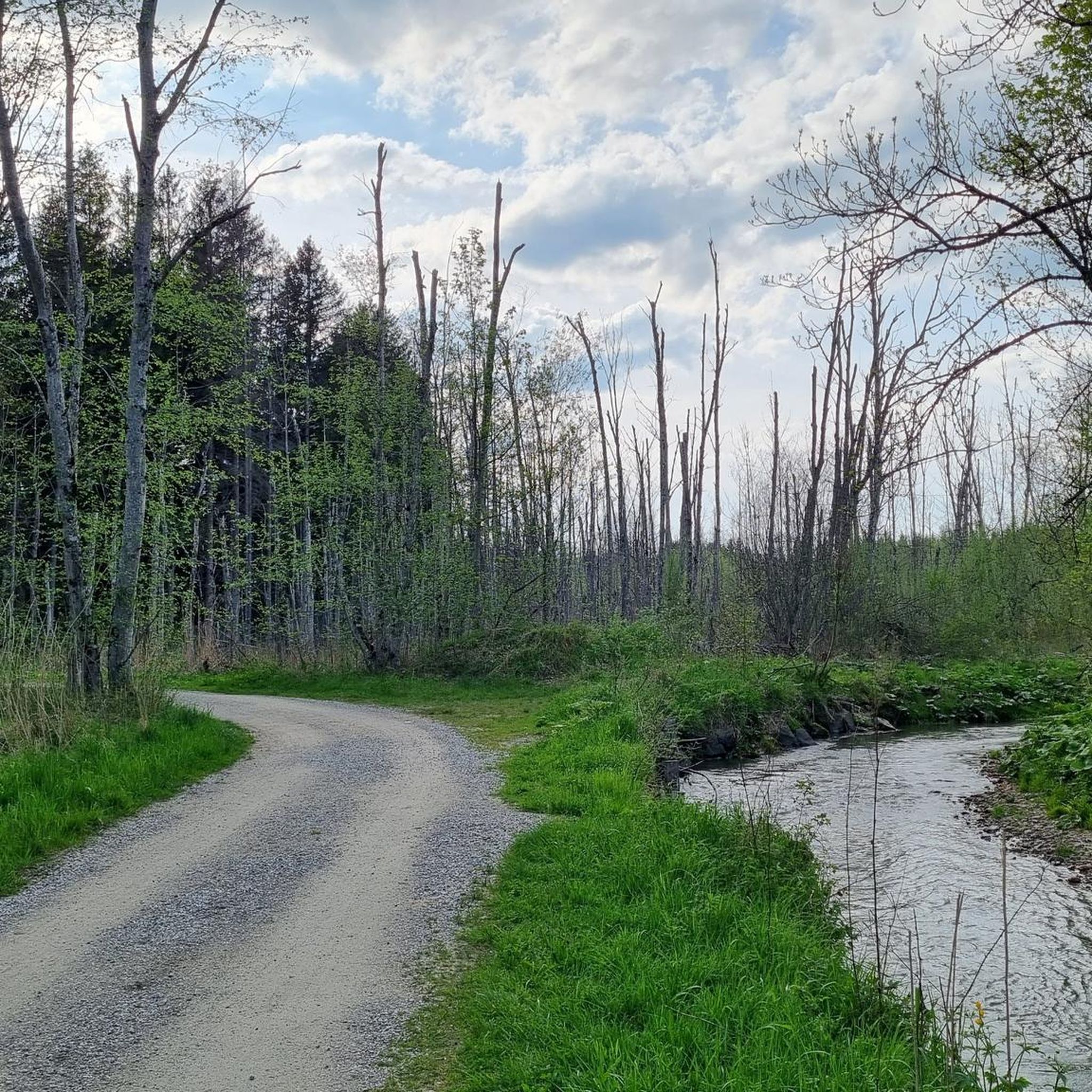
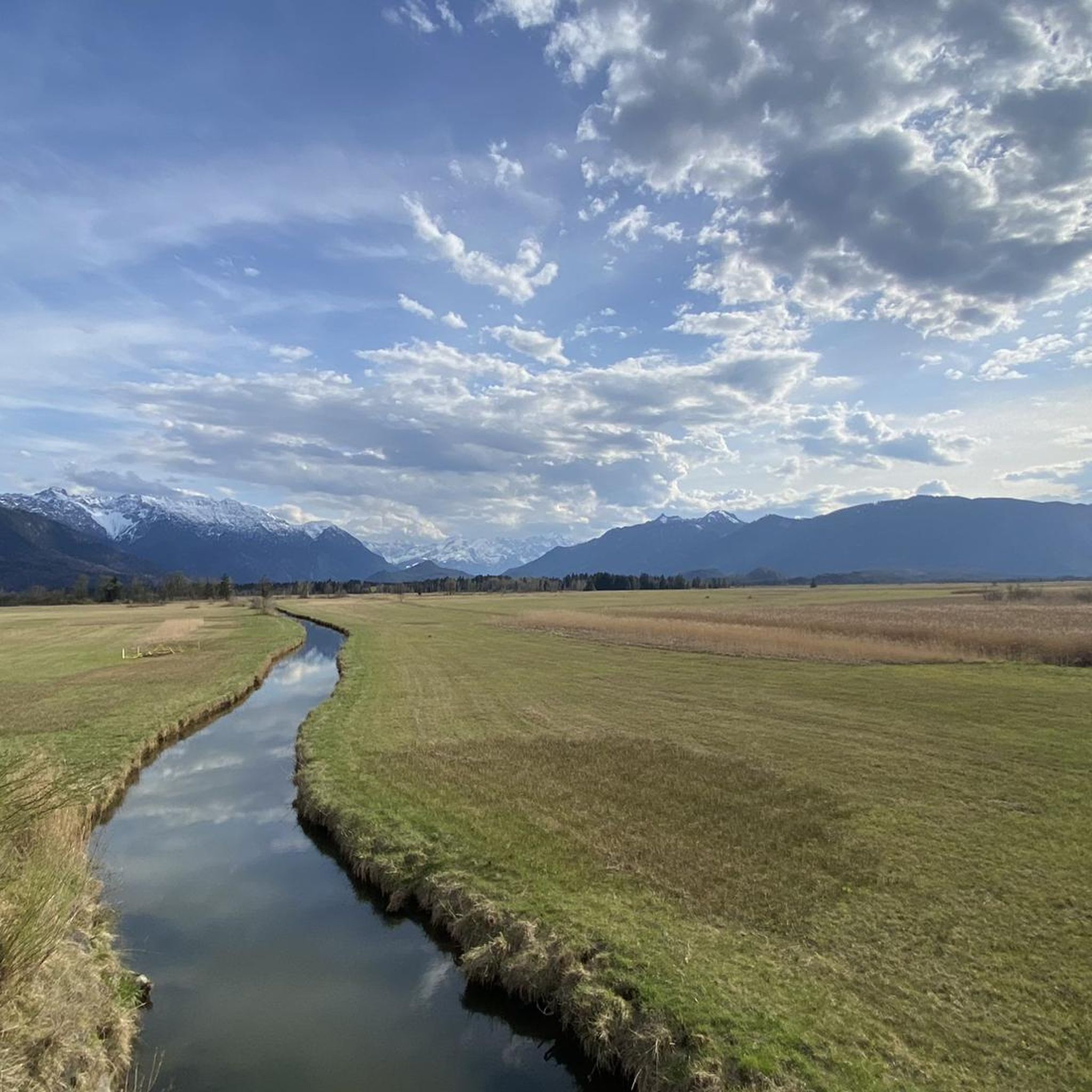
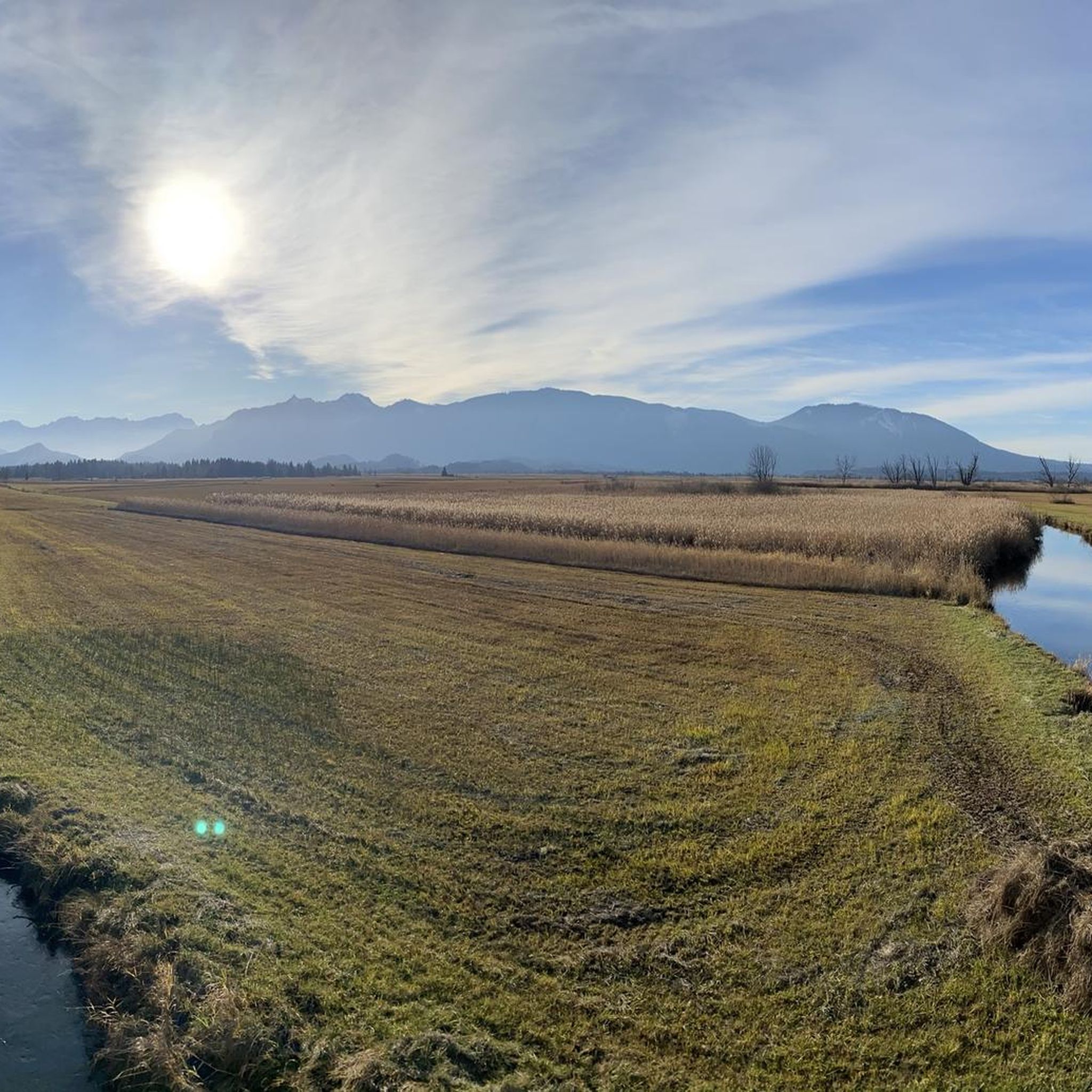
In this lonely, wide mossy landscape, the path ends over a rotten boardwalk at the hidden Krebssee.
10
1


This observation station and refuge is a nice resting place with a view of the lake, which quickly formed here after 2004 after the approx. 80,000 m³ of household waste from the former landfill had been removed. But the view of the lake is already growing. In any case, it is a nice, clean and quiet place.
6
0
Frequently Asked Questions
What unique natural features can I explore around the Murnauer Moos lakes?
The region is known for its exceptional biodiversity, being the largest contiguous Alpine fen in Central Europe. You can discover a variety of landscapes, from the marsh-rich waters of Staffelsee to the tranquil moor content of Froschhauser See. The New Moosberg Lake is a unique artificial body of water formed from a former mine, offering beautiful views and a fascinating transformation from industrial site to natural attraction.
Are there family-friendly lakes or activities in the Murnauer Moos area?
Yes, several spots are great for families. The New Moosberg Lake is listed as family-friendly, offering beautiful views. Additionally, the Observation hut at Am Lindenbach Pond provides a nice, clean, and quiet resting place with views of a developing biotope, suitable for a relaxed family outing. Staffelsee is also a popular bathing lake with mild waters, ideal for families in summer.
What outdoor activities can I do near the Murnauer Moos lakes?
The area offers a wide range of outdoor activities. You can enjoy hiking, gravel biking, and mountain biking. For hiking, explore routes like the 'Murnauer Moos Loop Trail' or the 'Murnauer Moos Nature Reserve' boardwalk. Find more details on these and other hiking routes in the Hiking around Murnauer Moos guide. Cyclists can find various routes in the Gravel biking around Murnauer Moos guide and the MTB Trails around Murnauer Moos guide.
Which lakes are best for swimming and water sports?
Staffelsee is the largest and most famous bathing lake in the region, known for its mild, marsh-rich water that warms up quickly, making it one of the warmest bathing lakes in Bavaria. It's popular for swimming and various water sports. Froschhauser See also warms up quickly due to its high moor content and is cherished for its skin-friendly water and tranquility.
When is the best time to visit the Murnauer Moos lakes?
The best time to visit depends on your preferred activities. Summer is ideal for swimming and water sports at lakes like Staffelsee and Froschhauser See. Spring and autumn offer beautiful scenery for hiking and cycling, with autumn foliage being particularly stunning. In winter, Staffelsee is popular for ice skating and curling when frozen. Note that Krebssee is only accessible from November to March to protect nesting birds.
Are there any observation points or viewpoints around the lakes?
Yes, the Observation hut at Am Lindenbach Pond offers a quiet resting place with views of the developing biotope. The New Moosberg Lake also provides a beautiful view of the unique artificial lake. Many hiking and biking routes in the region offer panoramic views of the lakes and the surrounding Alpine chain.
What makes Froschhauser See unique compared to other lakes in the area?
Froschhauser See is the smallest of the three main bathing lakes around Murnau and has the highest moor content. This characteristic allows it to warm up quickly in summer and be among the first to freeze in winter. It offers a serene environment, ideal for relaxation and enjoying nature, with views towards the Zugspitze.
Can I find easy hiking trails around the Murnauer Moos lakes?
Yes, there are several easy hiking options. The 'Murnauer Moos Loop Trail' from Murnau am Staffelsee is an easy 5 km route. Another easy option is the 'View of Murnauer Moos – Murnauer Moos moorland loop'. These trails allow you to experience the natural beauty without strenuous climbs. You can find more easy routes in the Hiking around Murnauer Moos guide.
Is Kochelsee part of the Murnauer Moos lake region, and what does it offer?
While slightly further afield, Kochelsee is often mentioned in the context of the region's beautiful waters. It's a popular bathing lake covering 6 km² with a depth of 66 meters, offering a breathtaking Alpine panorama and numerous water activities. Part of the lake is a designated nature reserve, home to over 200 bird species, making it a great spot for nature observation.
What should I know about visiting Krebssee?
Krebssee is located within a nature reserve. To protect nesting birds, it can only be entered from November to March. Visitors should be cautious as the planks around the lake can be very rotten.
Are there any lakes in the region that are artificial or have an interesting history?
Yes, the New Moosberg Lake is an artificial body of water formed after surface mining of glaucoquartzite ceased. The former mine, which reached depths of up to 80 meters, filled with water within a few years, transforming into a beautiful lake. This site represents a unique example of how a former industrial area has become a natural attraction.
What kind of wildlife can I expect to see around the Murnauer Moos lakes?
The Murnauer Moos is renowned for its exceptional biodiversity, harboring around a third of Bavaria's native flora (over 1,000 species of flowering plants, ferns, and mosses) and an estimated 4,000 animal species, many of which are endangered. Lakes like Kochelsee are home to over 200 bird species, particularly during breeding season, making the entire area a valuable destination for nature lovers and wildlife observation.
Most popular routes around Murnauer Moos
Most popular attractions around Murnauer Moos

Get inspired with the komoot mobile app


Explore more
Still not found your perfect lake around Murnauer Moos? Check out the guides of these regions to see even more beautiful places.
