Attractions and Places To See in the Cedeberg mountains - Top 19
Best attractions and places to see in the Cedeberg mountains include dramatic sandstone formations, ancient rock art sites, and unique fynbos vegetation. This rugged wilderness area in South Africa's Western Cape offers diverse natural landmarks and cultural insights. The region is characterized by sharply defined, often reddish, sandstone rock formations and significant peaks. Visitors can explore a variety of landscapes and historical sites.
Best attractions and places to see in the Cedeberg mountains
- The most popular attractions is Sevilla Rock Art Trail, a historical site that features many old cave paintings to discover. This trail offers insights into the spiritual and daily life of indigenous peoples.
- Another must-see spot is Algeria Waterfall, a waterfall with a beautiful view. Visitors can obtain a permit at the Algeria Forest Station to access this lonely place.
- Visitors also love Wolfberg Arch, a natural monument. This iconic sandstone formation is a popular destination for hikers seeking panoramic views.
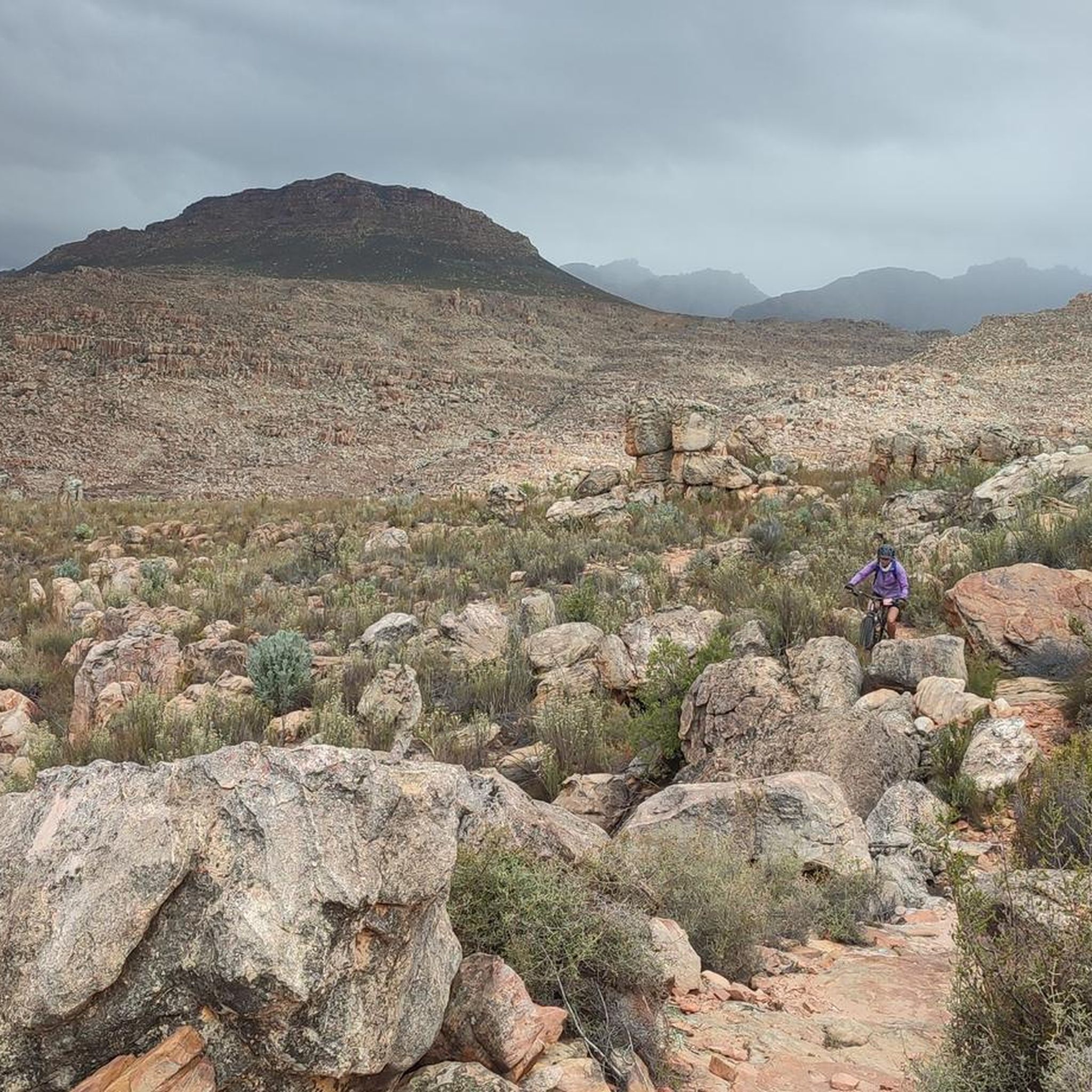
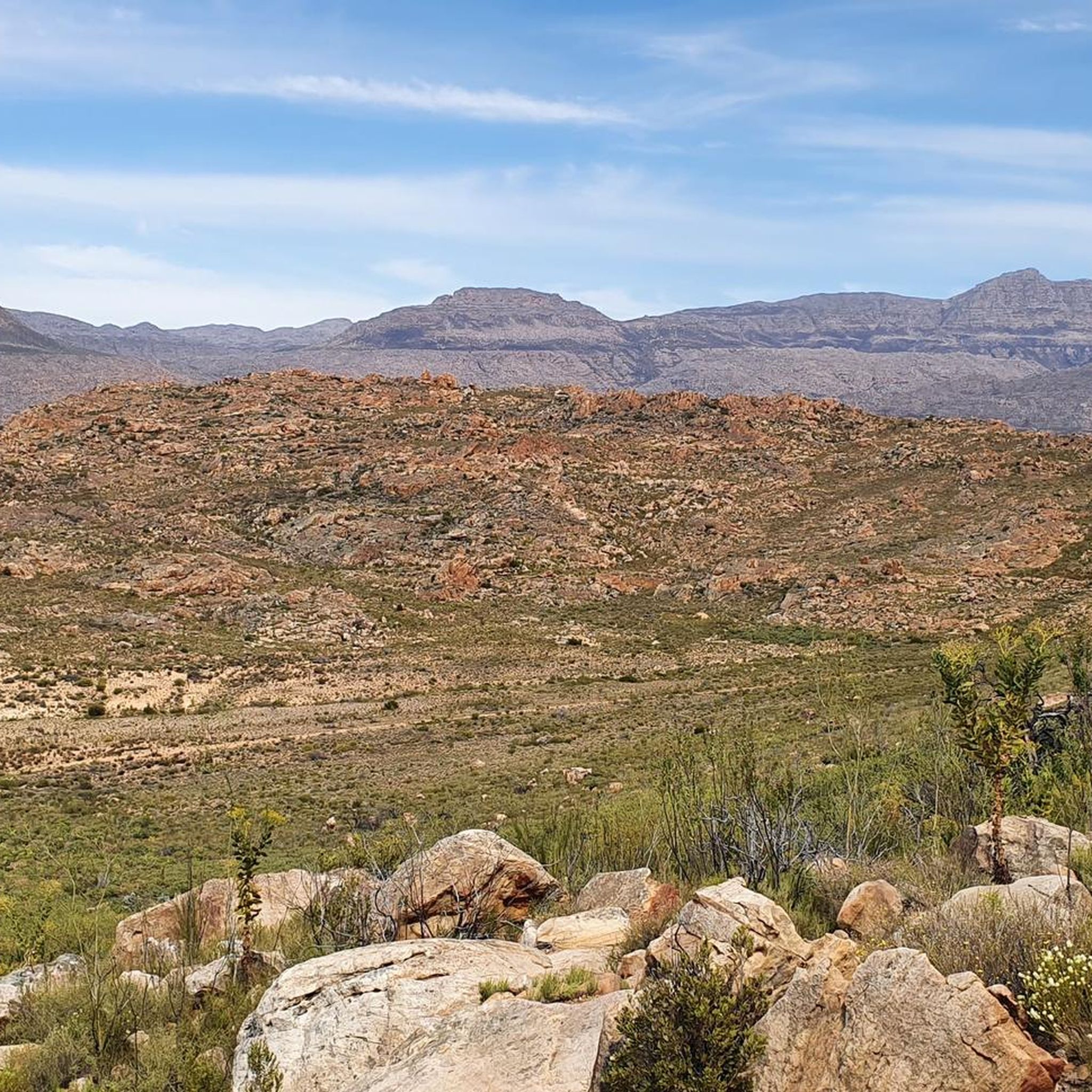
- Cedeberg mountains is known for its ancient rock art, impressive waterfalls, and distinctive natural rock formations. The region offers a variety of attractions to see and explore, from historical sites to challenging hiking terrain.
- The attractions in the Cedeberg mountains are appreciated by the komoot community, with 18 upvotes and 41 photos shared by visitors.
Last updated: July 7, 2026
Sevilla Rock Art Trail
Highlight • Historical Site
Translated by Google •
Tip by

Algeria Waterfall
Highlight • Waterfall
Before doing this, you have to buy a permit at the Algeria Forest Station and there you get a description of how to get to the waterfall. It's actually very simple: once across the campsite and then it goes up. Be sure to take a lot of water with you, because it is already quite warm up here and there is little shade.
Translated by Google •
Tip by

Sign up now to discover places like this
Get recommendations on the best single tracks, peaks, & plenty of other exciting outdoor places.
Sign up for free
Wolfberg Arch
Highlight • Natural Monument
Tip by

Driehoek River Crossing
Highlight • River
Tip by

Grave of Dr. C. Louis Leipoldt
Highlight • Historical Site
Tip by
Matjiesrivier Junction
Highlight • Natural Monument
Tip by
Grootrivierhoogte Pass
Highlight (Segment) • Mountain Pass
Tip by

Eselbank Village
Highlight • Settlement
The population of this quaint little village is about 150. The main source of income is from Rooibos tea cultivation. There is a very impressive waterfall about 1 km northeast of town, with some stunning viewpoints, and an amazing rock arch on the southern side. Accommodation is available at Idas Paradise Guesthouse
Tip by
Welbedacht Cave
Highlight • Cave
Tip by
Pakhuis Pass Ascent
Highlight (Segment) • Mountain Pass
Tip by
Sign up for free to discover even more attractions in the Cedeberg mountains.
Sign up for free
Already have an account?
Start today with a free account
Your next adventure awaits.
Login or Signup
Popular around Cedeberg mountains
Tips from the Community

This is good spot to sleep. Its big enough for a fairly large group. Its not that well protected from the wind. There's water nearby.
0
0
Christian Frederik Louis Leipoldt ( 28 December 1880 – 12 April 1947), usually referred to as C. Louis Leipoldt, was a South African poet, dramatist, medical doctor, reporter and food expert. Together with Jan F. E. Celliers and J. D. du Toit, he was one of the leading figures in the poetry of the Second Afrikaans Movement. Apart from poetry, Leipoldt wrote novels, plays, stories, children's books, cookbooks and a travel diary. He is numbered amongst the greatest of the Afrikaner poets and he was described by D. J. Opperman, himself a noted South African poet, as "our most versatile artist (Wikipaedia)
1
0
Pakhuis pass ascent is long and fairly steep. The road is tarred. There are stunning views of the surrounding valleys
2
0
Eselbank (donkey bank) is a tiny outlying settlement of the Wupperthal Moravian mission. The population of this quaint little village is about 150. The main source of income is from Rooibos tea cultivation. There is a very impressive waterfall about 1 km northeast of town, with some stunning viewpoints, and an amazing rock arch on the southern side. Accommodation is available at Idas Paradise Guesthouse
1
0

You have to carry your own water since there’s no water en route or at the Arch. Try and prepare food before the hike or pack food that doesn’t need any Water or much of it. 💦
1
0
Proclaimed as a nature reserve in 2000, and inscribed as a World Heritage Site in 2014, Matjiesrivier Nature Reserve occupies a very special part of the Western Cape. The 12 800 hectare nature reserve is located in the ecotone where the transition of Fynbos and Succulent Karoo vegetation interface. The diversity of fauna and flora found on the reserve thus offers visitors representations of both biomes.
1
0
It's relatively easy to ride this crossing but probably best to walk it if you don't want to get wet. If you plan on riding it keep to the left where there are less rocks It's not possible to cross here after heavy rain.
2
0

Brutally steep with no shade. Exposed to the heat and with rough gravel. Worth every drop of sweat though, with amazing scenery and the descend to the Cederberg Oasis coming up.
2
0
Frequently Asked Questions
What are some prominent natural landmarks in the Cederberg Mountains?
The Cederberg Mountains are renowned for their dramatic sandstone formations. Key natural landmarks include the iconic Wolfberg Arch, the impressive Maltese Cross, and the fascinating Stadsaal Caves. You can also find refreshing spots like the Algeria Waterfall and the serene Eselbank Waterfall.
What historical or cultural sites can I visit in the Cederberg?
The Cederberg is rich in ancient history, particularly its San and Khoi rock art sites. You can explore well-preserved examples at the Sevilla Rock Art Trail, Stadsaal Caves, and Truitjieskraal. Additionally, the grave of the notable South African poet, botanist, and pediatrician, Dr. C. Louis Leipoldt, is located near Clanwilliam.
Are there family-friendly activities or hikes in the Cederberg mountains?
Yes, the Cederberg offers several family-friendly options. The Sevilla Rock Art Trail is categorized as family-friendly and provides an engaging walk to discover ancient cave paintings. Many shorter trails and natural attractions, like the Stadsaal Caves, are also suitable for families with children.
What outdoor activities are available near the attractions in the Cederberg mountains?
Beyond exploring the attractions, the Cederberg Wilderness Area is excellent for outdoor activities. You can find numerous routes for cycling, including challenging loops like the 'Grootrivierhoogte Pass loop from Cederberg'. There are also dedicated running trails, such as the 'Running loop from Kromrivier'. For more details on these activities, you can explore the Cycling in the Cedeberg mountains and Running Trails in the Cedeberg mountains guides.
When is the best time to visit the Cederberg mountains?
The Cederberg is beautiful year-round, but the best time depends on your preferred activities. Spring (August to September) is ideal for witnessing spectacular wildflower displays. For hiking, the cooler months from autumn to spring (April to October) are generally more comfortable, as summer temperatures can be very high. Winter offers crisp air and unique landscapes, though some areas might be affected by rain.
What is the hiking terrain like in the Cederberg, and are there challenging hikes?
The Cederberg's hiking terrain is characterized by rugged, sharply defined sandstone rock formations. Trails can range from easy walks to challenging multi-day treks. For instance, the route to Wolfberg Arch is considered challenging, requiring hikers to carry their own water due to the exposed conditions. The Grootrivierhoogte Pass is described as brutally steep with rough gravel, offering amazing scenery for those up for the challenge.
Do I need permits for hiking or accessing certain areas in the Cederberg?
Yes, permits are often required for hiking and accessing specific areas within the Cederberg Wilderness Area. For example, to visit the Algeria Waterfall, you must obtain a permit at the Algeria Forest Station. Similarly, permits for the Sevilla Rock Art Trail can be acquired at Traveller's Rest.
Are there any unique geological features in the Cederberg mountains?
Absolutely. The Cederberg is famous for its unique geological features, primarily its distinctive, wind-carved sandstone formations. Beyond the well-known Wolfberg Arch and Maltese Cross, you'll find the fascinating Welbedacht Cave and the intricate Stadsaal Caves, which showcase remarkable rock formations and ancient rock art.
What do visitors enjoy most about the Cederberg mountains?
Visitors frequently praise the dramatic scenery, the sense of wilderness, and the rich historical insights. Many enjoy the challenge and reward of hikes to viewpoints like Wolfberg Arch, appreciating the panoramic views. The ancient rock art sites, such as the Sevilla Rock Art Trail, are also highly valued for their cultural significance and the beautiful landscapes they are set within.
Are there any places for stargazing in the Cederberg?
Yes, the Cederberg is known for its clear night skies, making it an excellent location for stargazing. The Cederberg Observatory hosts public open evenings, offering a unique opportunity to experience the celestial wonders of the Southern Hemisphere away from light pollution.
Can I find accommodations or places to eat in the Cederberg area?
Yes, while it's a wilderness area, there are options for accommodation and dining. Places like Kromrivier offer a campsite, restaurant, and even a craft beer brewery. Nature reserves such as Kagga Kamma Nature Reserve and Bushmans Kloof Wilderness Reserve and Wellness Retreat provide more luxurious stays. The nearby town of Clanwilliam also serves as a gateway with additional amenities.
Are there any agricultural experiences or local products to discover?
The Cederberg region has a strong agricultural heritage. You can visit Rooibos Tea Farms to learn about and experience the cultivation of this unique South African tea. Additionally, Cederberg Cellars, South Africa's highest wine estate, offers wine tasting experiences.
Most popular routes in the Cedeberg mountains
Most popular attractions in the Cedeberg mountains

Get inspired with the komoot mobile app


Explore more
Still not found the Highlight you’re looking for? See guides of the top attractions in other regions:
