Top 4 Lakes around Griebnitzsee
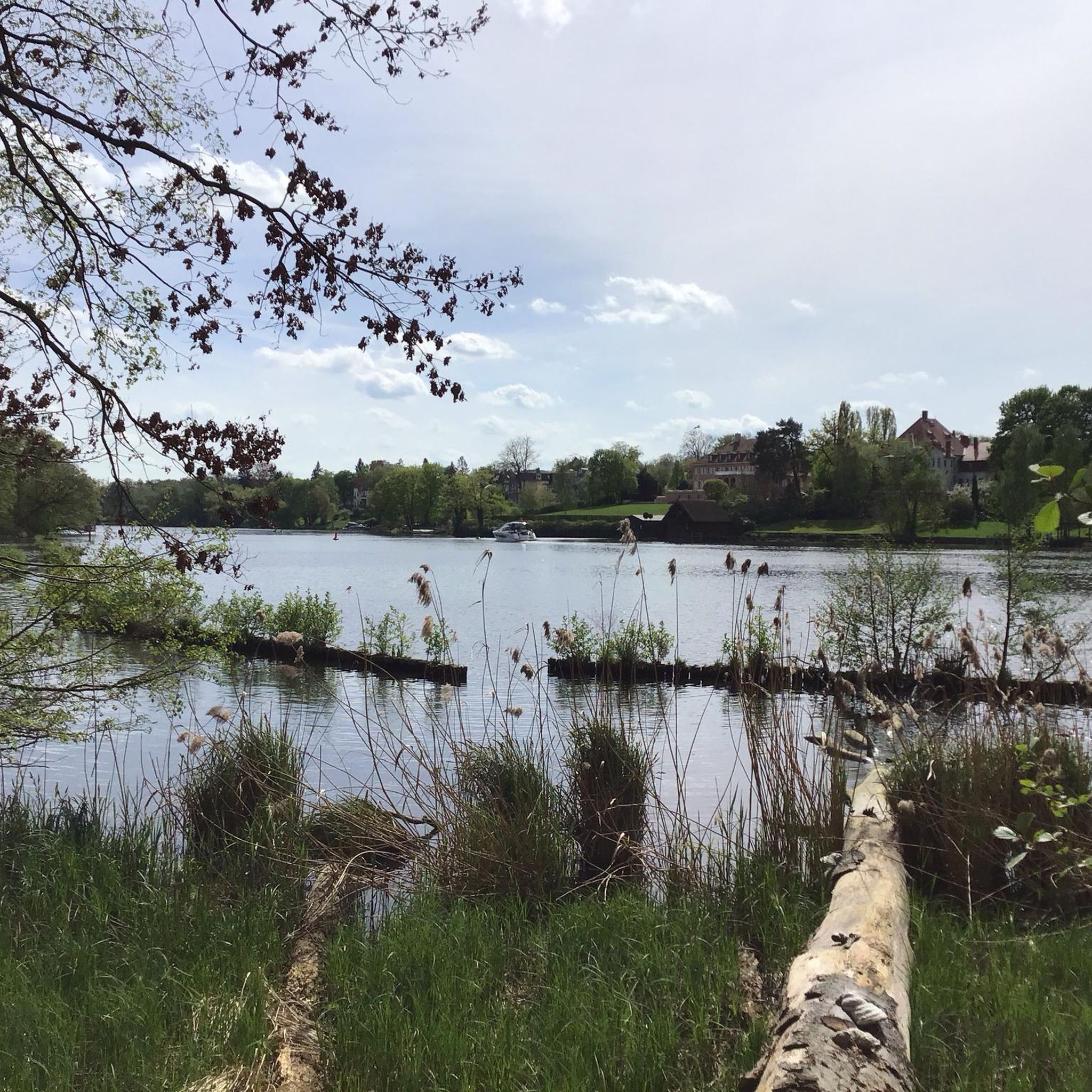
Best lakes around Griebnitzsee are situated on the southwestern outskirts of Berlin, forming a natural border between Berlin's Wannsee district and Potsdam's Babelsberg district. The lake is approximately 3.1 kilometers long with a surface area of about 0.592 square kilometers. Historically, Griebnitzsee was part of the inner German border, with a former patrol path now serving as a public lakeside promenade. The area offers opportunities for walks, hiking, and cycling, connecting to a larger waterway network including the Teltow Canal…
Last updated: May 1, 2026
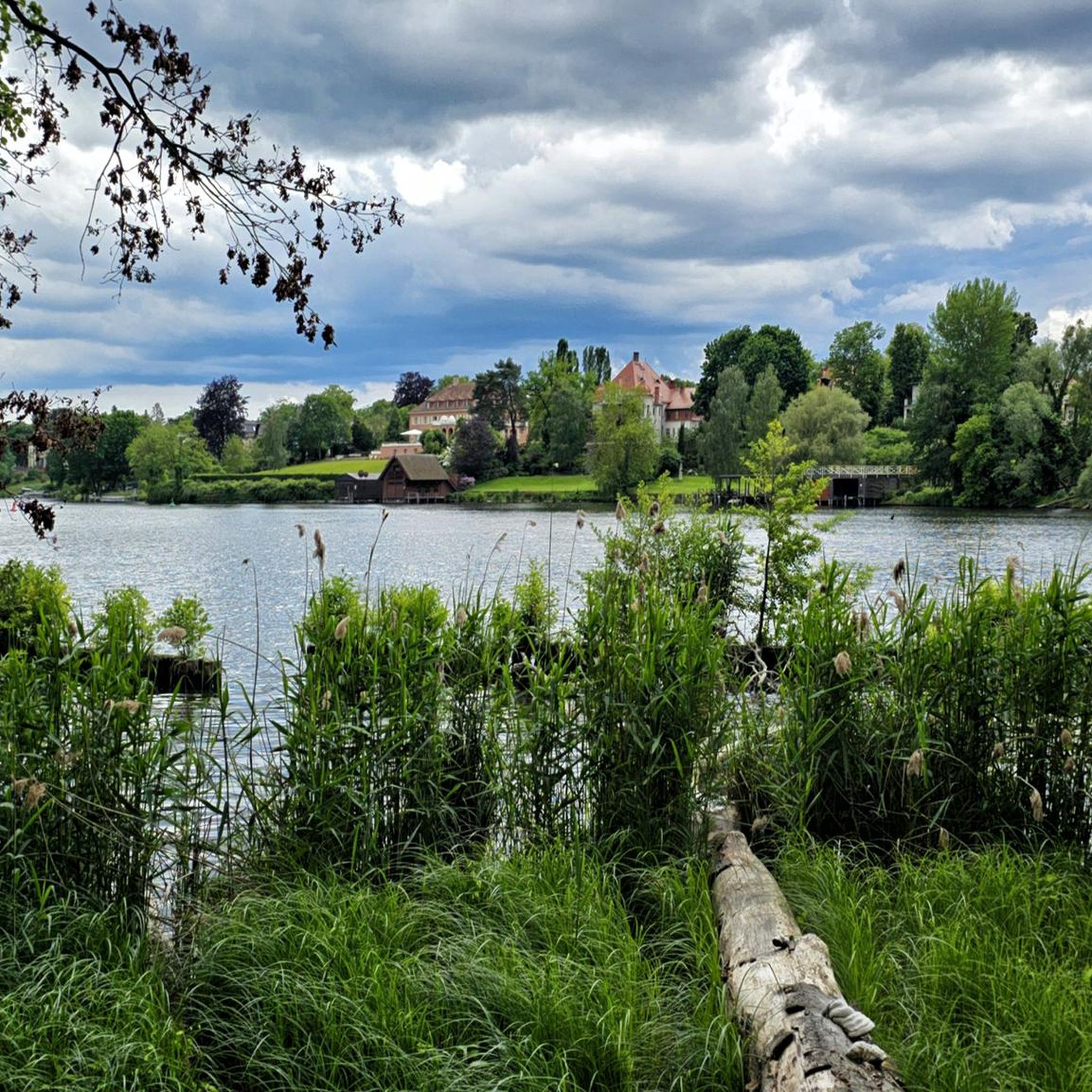
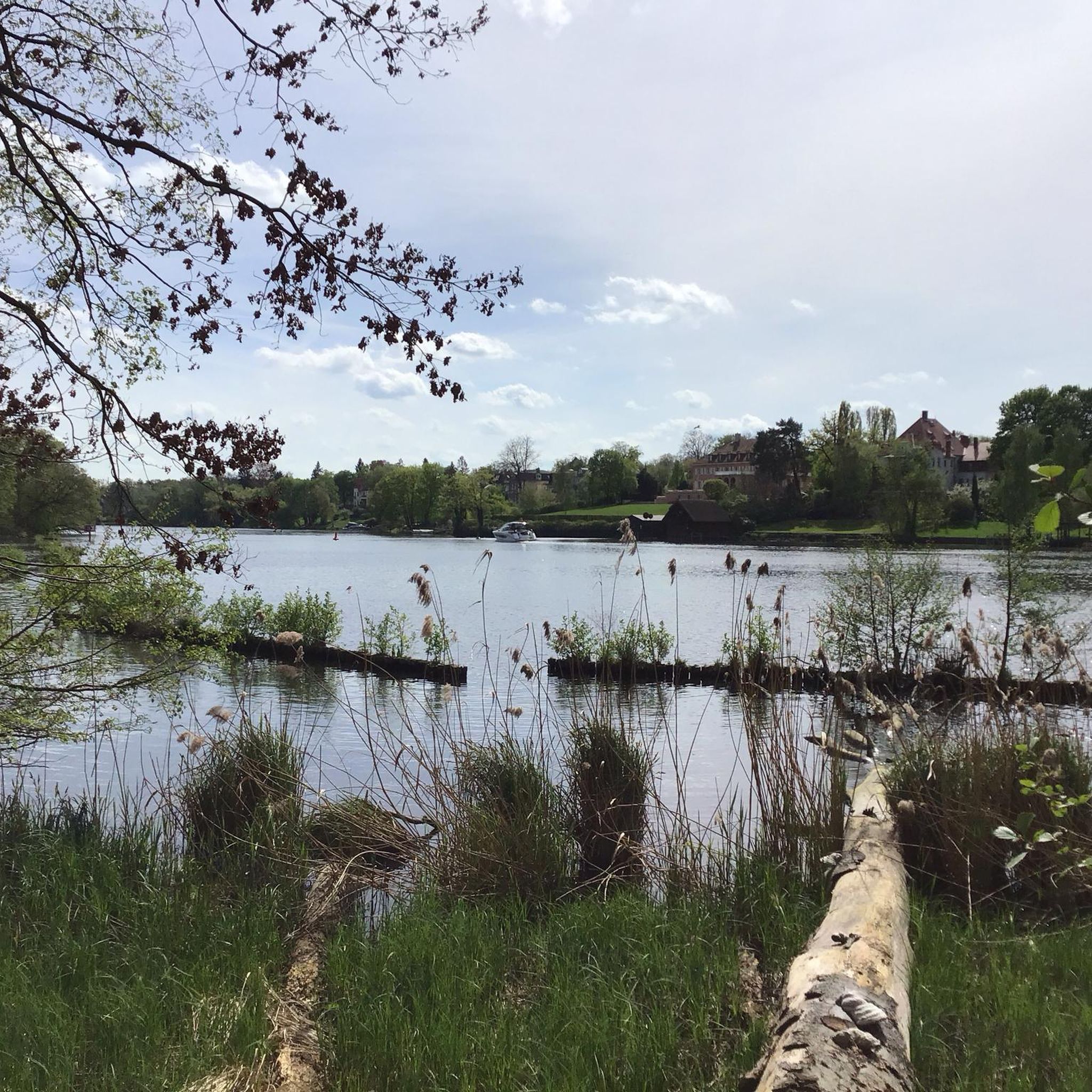
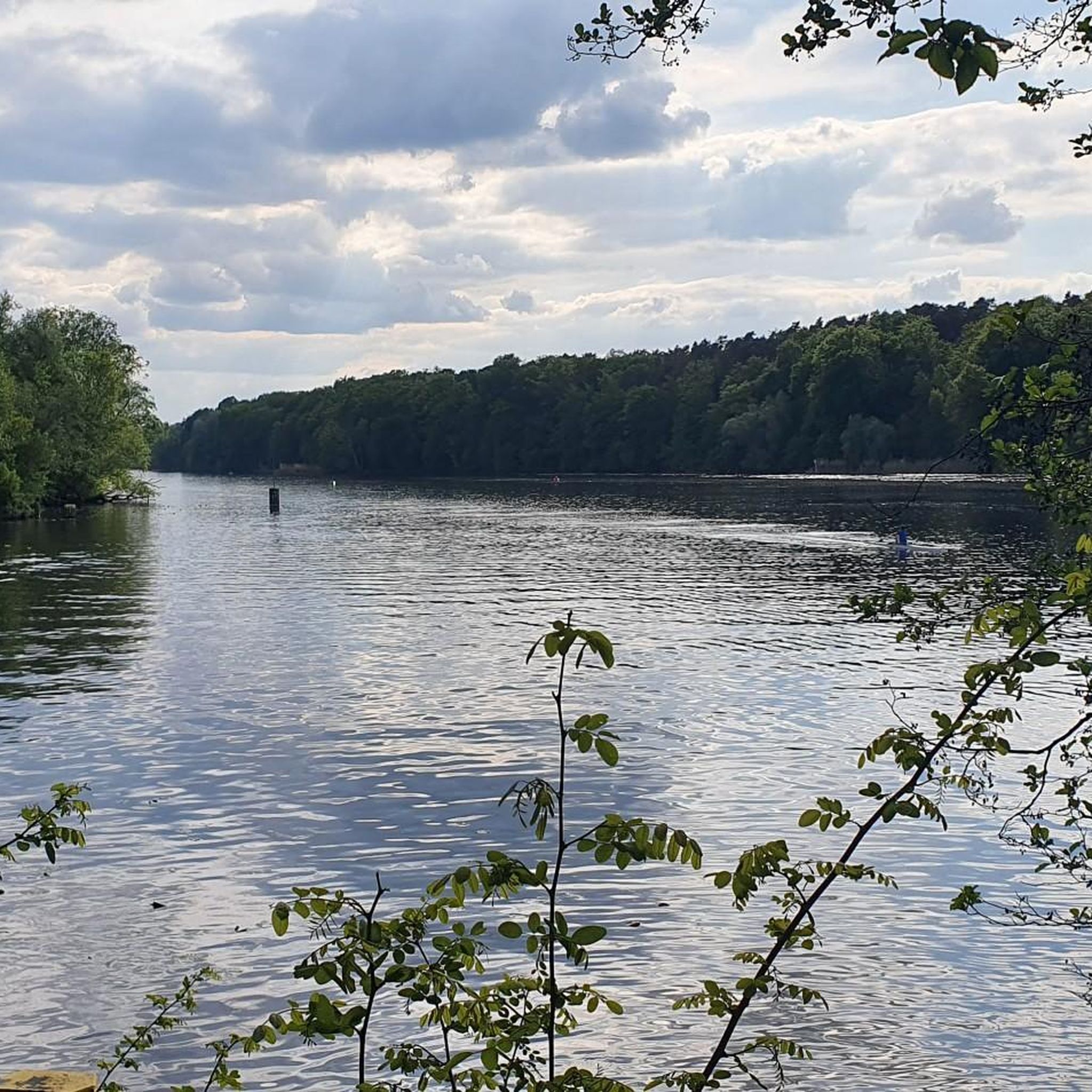
Griebnitzsee
Highlight • Lake
Translated by Google •
Tip by

Griebnitzsee Lakeside Trail
Highlight • Trail
Translated by Google •
Tip by

Sign up now to discover places like this
Get recommendations on the best single tracks, peaks, & plenty of other exciting outdoor places.
Sign up for free
Northern Shore Path of the Griebnitzsee
Highlight (Segment) • Trail
Translated by Google •
Tip by

Griebnitzsee Shore Path and Ferry Dock
Highlight • Rest Area
Translated by Google •
Tip by
Admiral-Scheer View
Highlight • Viewpoint
The small park is named after Carl Friedrich Heinrich Reinhard Scheer, a German admiral …
Translated by Google •
Tip by

Sign up for free to discover even more lakes around Griebnitzsee.
Sign up for free
Already have an account?
Start today with a free account
Your next adventure awaits.
Login or Signup
Tips from the Community


Unfortunately, it is still not completely accessible. The villas look most beautiful from the water side.
0
0

The riverside path is currently not recommended for cycling due to the closures
0
2

Wonderfully developed paths, also accessible with a cargo bike or stroller
0
0

Station 1931 The station was built in 1874 on the Berlin-Potsdam Railway for the development of the residential area of Neubabelsberg; hence its original name, Neubabelsberg. It opened on June 1 of the same year. The first station building was a reconstructed wooden pavilion by Kyllmann & Heyden, which had been erected the previous year as the German House at the Vienna World Exhibition. The station building, which still stands today, was designed by Günter Lüttich in 1931. On April 1, 1938, the station was renamed Babelsberg-Ufastadt due to its proximity to the ever-expanding Ufa film complex.[1] At the end of World War II, the Teltow Canal Bridge near Kohlhasenbrück was blown up, resulting in the suspension of S-Bahn service between Zehlendorf and Babelsberg-Ufastadt from April 1945 to June 15, 1948.[2]
5
4

As of March 2024, the riverside path between Klein Glienicke and Wannsee is closed due to forestry work and the risk of falling branches. There were no restrictions on jogging on the path itself (I heard...)
1
0

Border station The station was renamed Griebnitzsee in 1949. From 1952, Griebnitzsee served as a control station. From 1961 to 1989, the station was closed to local traffic, and until 1990 it served as a border station and border crossing point (GÜSt, passenger traffic) of the GDR. Boarding and disembarking at Griebnitzsee station was prohibited for transit traffic through the GDR to and from West Berlin. Interzonal traffic between West and East Germany was carried out via the Berlin Stadtbahn. Later, interzonal trains were routed via the Berlin Outer Ring (including the Aachen–Potsdam–Görlitz and Munich–Leipzig–Potsdam–Rostock train pairs), thus serving exclusively for transit traffic between West Berlin (Berlin-Wannsee, Zoologischer Garten, Friedrichstraße) and West Germany from/to Schwanheide/Büchen (Hamburg, Northern Germany) until 1976 Marienborn/Helmstedt (Hanover, West Germany) Gerstungen/Bebra (Hesse, Frankfurt am Main, Saarbrücken) Probstzella/Ludwigsstadt (Southern Germany)
4
4
Until 1949 The station was built in 1874 on the Berlin-Potsdam Railway to serve the Neubabelsberg residential area; hence its original name, Neubabelsberg. It opened on June 1 of the same year. The first station building was a reconstructed wooden pavilion by Kyllmann & Heyden, which had been erected the previous year as the German House at the Vienna World's Fair. The station building, which still stands today, was designed by Günter Lüttich in 1931. On April 1, 1938, the station was renamed Babelsberg-Ufastadt due to its proximity to the ever-expanding Ufa film complex. At the end of the Second World War, the Teltow Canal Bridge near Kohlhasenbrück was blown up, resulting in the S-Bahn service between Zehlendorf and Babelsberg-Ufastadt being suspended from April 1945 to June 15, 1948.
4
4
Frequently Asked Questions
What are the main attractions and features of Griebnitzsee?
Griebnitzsee is known for its scenic beauty, historical significance, and recreational opportunities. It served as part of the inner German border during the Cold War, and its former patrol path is now a public lakeside promenade. You can enjoy leisurely walks, hiking, and cycling. The lake is also connected to a larger waterway network, including the Teltow Canal and the River Havel.
Are there good walking paths around Griebnitzsee?
Yes, the area offers excellent walking paths. A popular choice is the Northern Shore Path of the Griebnitzsee, which features wide footpaths and views of old villas. This path is also noted for being accessible with strollers or cargo bikes.
What historical aspects can I explore around Griebnitzsee?
Griebnitzsee holds significant historical value as it formed part of the inner German border during the Cold War. The former patrol path along its southern and western shores is now a public promenade, offering a unique historical walking experience. Additionally, the Admiral-Scheer View provides context about the area's past, including its role as a sensitive section of the GDR border.
What other lakes are connected to or near Griebnitzsee?
Griebnitzsee is part of an interconnected waterway system. It flows into the River Havel and is connected to Großer Wannsee, Kleiner Wannsee, Stölpchensee, and Pohlesee via the Griebnitz Canal. Other notable nearby lakes include Sacrower See, known for its clear water, and Heiliger See, surrounded by elegant villas and palaces.
Can I rent boats or bikes near Griebnitzsee?
Yes, near the S-Bahn station at Griebnitzsee, you can find rental stations for kayaks, stand-up paddleboards (SUPs), and bicycles, offering various ways to explore the lake and its surroundings.
Are there family-friendly activities around the Griebnitzsee lakes?
Absolutely. Many paths, like the Northern Shore Path of the Griebnitzsee, are suitable for families, including those with strollers. The Admiral-Scheer View is also family-friendly, offering a small park with benches for resting. The general area is great for leisurely walks and enjoying nature with children.
What kind of outdoor activities can I do near Griebnitzsee?
Beyond walking and cycling, the region offers various outdoor activities. You can find numerous routes for gravel biking, such as the 'Gravel biking around Griebnitzsee' guide, which includes routes like the 'Singletrack in Düppeler Forst'. For hiking, explore options in the 'Easy hikes around Griebnitzsee' guide, featuring routes like the 'Griebnitzsee – Lake Griebnitz loop'. You can find more details on these activities and routes on their respective guide pages.
Is Griebnitzsee accessible by public transport?
Yes, Griebnitzsee is easily accessible by public transport. There is an S-Bahn station (Griebnitzsee) conveniently located nearby, making it simple to reach the lake from Berlin and Potsdam.
What is the best time of year to visit Griebnitzsee?
The lake is particularly beautiful in autumn and spring, offering stunning views and pleasant conditions for walks, hiking, and cycling. While popular year-round, these seasons highlight the natural scenery most vividly.
Are there any good viewpoints around Griebnitzsee?
Yes, the Admiral-Scheer View is a notable viewpoint offering a wonderful perspective of the length of Griebnitzsee and the Teltow Canal. It's a small park with benches, perfect for resting and enjoying the scenery.
What do visitors enjoy most about the Griebnitzsee area?
Visitors frequently appreciate the scenic beauty, the historical significance of the former border path, and the opportunities for leisurely walks and cycling. The well-maintained surroundings and the views of elegant villas along the shore are also highly praised. Many enjoy the connectivity to other lakes and the ease of access by public transport.
Are there options for cycling around Griebnitzsee and nearby lakes?
Yes, the area is excellent for cycling. The former patrol path along Griebnitzsee is suitable for cycling, and you can find specific routes for gravel biking in the 'Gravel biking around Griebnitzsee' guide. Additionally, Templiner See, south of Potsdam, features a pleasant cycle path along its shores.
Most popular routes around Griebnitzsee
Most popular attractions around Griebnitzsee

Get inspired with the komoot mobile app


Explore more
Still not found your perfect lake around Griebnitzsee? Check out the guides of these regions to see even more beautiful places.
