Top 7 Castles around Koblenzer Stadtwald
Best castles around Koblenzer Stadtwald are found in the surrounding region, offering a rich historical and cultural experience. While the Koblenzer Stadtwald itself is known for natural landscapes and outdoor activities, the nearby UNESCO World Heritage Upper Middle Rhine Valley is home to several impressive castles and fortresses. These sites provide insights into centuries of history, diverse architecture, and panoramic views of the river valleys.
Best castles around Koblenzer Stadtwald
- The most popular castles is Klausenburg (Servants' Quarters of Stolzenfels…
Last updated: July 12, 2026
View of Stolzenfels Castle
Highlight • Viewpoint
Translated by Google •
Tip by

Klausenburg (Servants' Quarters of Stolzenfels Castle)
Highlight • Castle
Translated by Google •
Tip by
Sign up now to discover places like this
Get recommendations on the best single tracks, peaks, & plenty of other exciting outdoor places.
Sign up for free
Fort Grand Duke Constantine
Highlight • Historical Site
Translated by Google •
Tip by

Stolzenfels Castle and Park Information Board
Highlight • Rest Area
Translated by Google •
Tip by

Kondertal castle ruins
Highlight • Castle
Translated by Google •
Tip by

Sign up for free to discover even more castles around Koblenzer Stadtwald.
Sign up for free
Already have an account?
Start today with a free account
Your next adventure awaits.
Login or Signup
Popular around Koblenzer Stadtwald
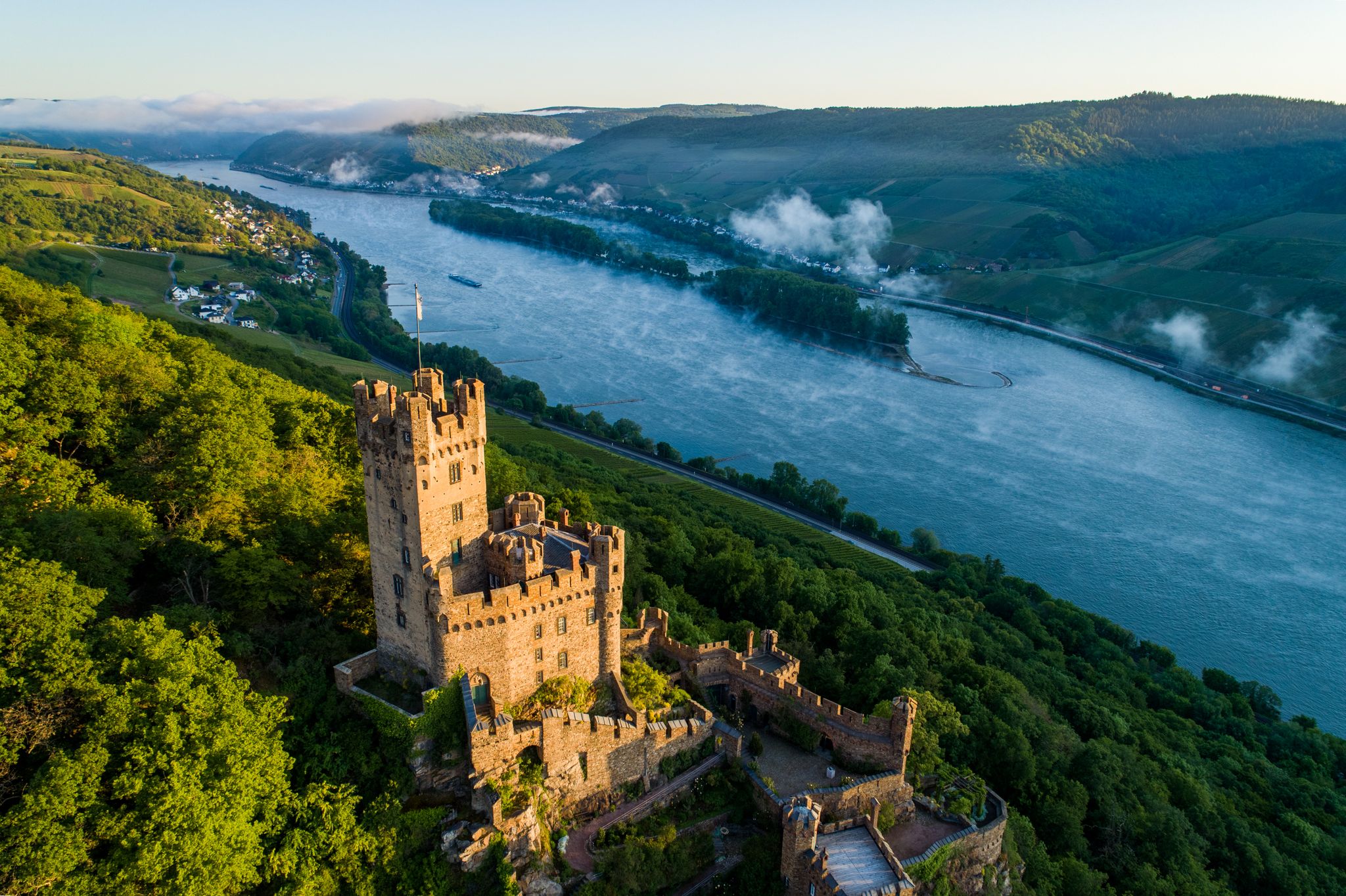
Stunningly beautiful – hiking on the RheinBurgenWeg
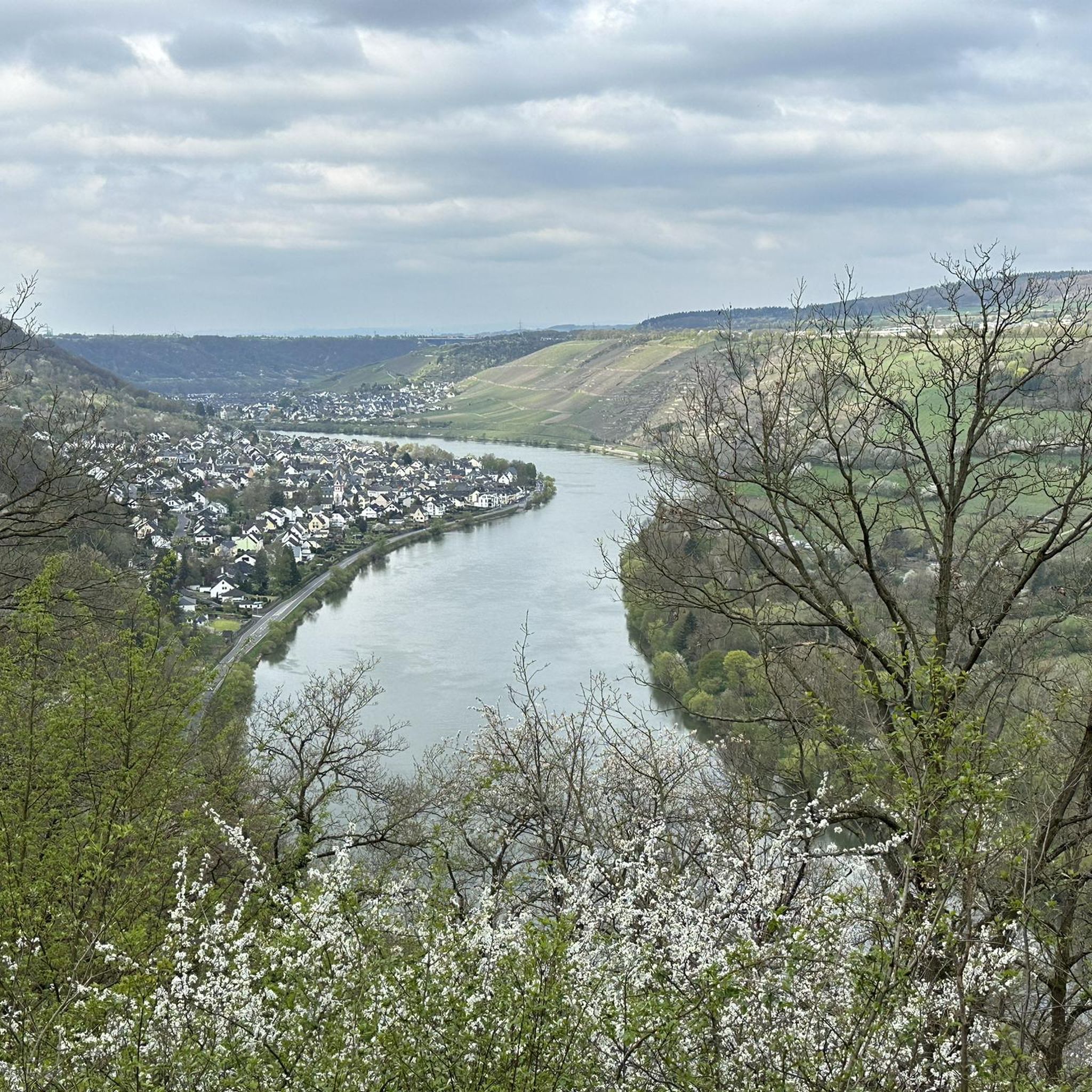
Cycling around Koblenzer Stadtwald
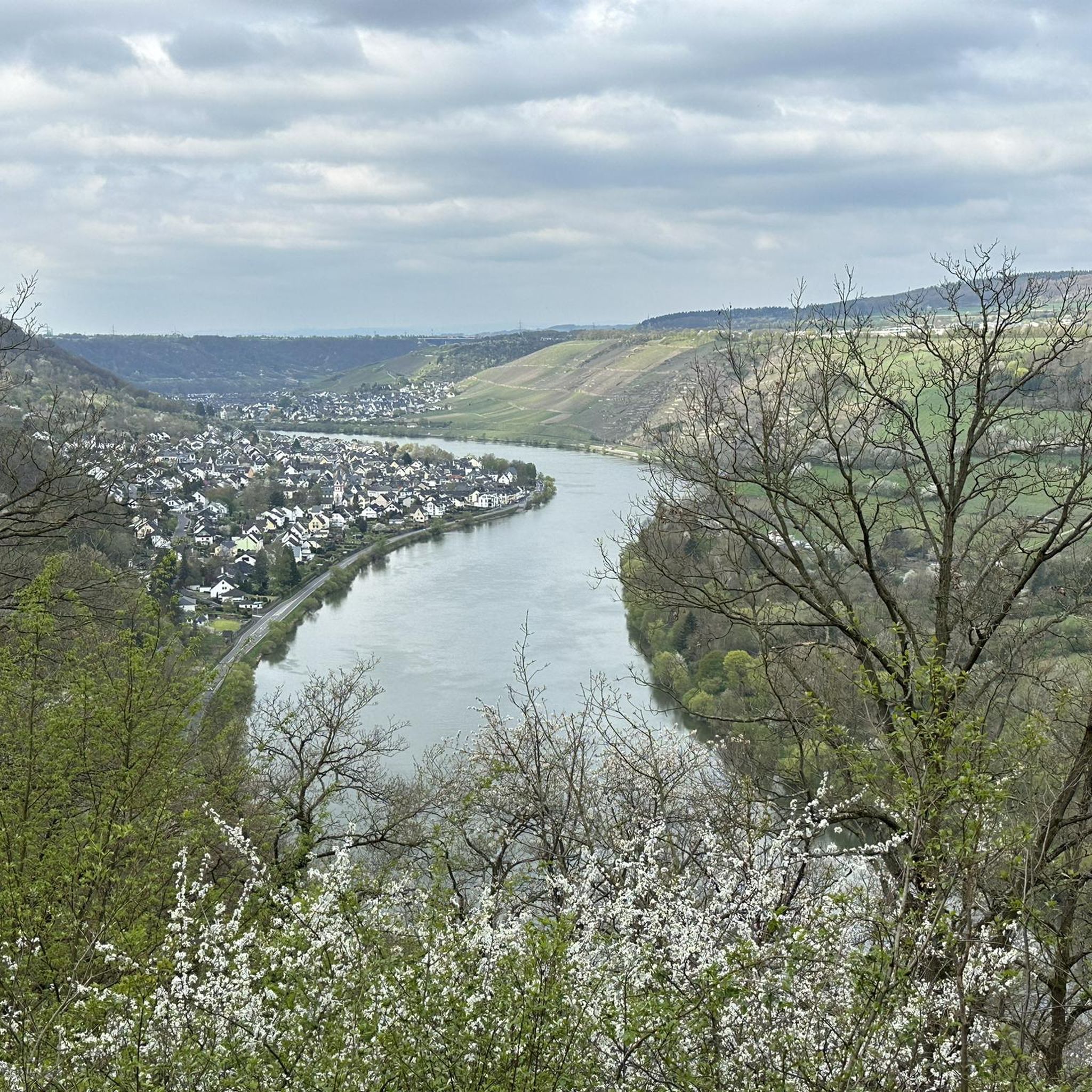
Road Cycling Routes around Koblenzer Stadtwald
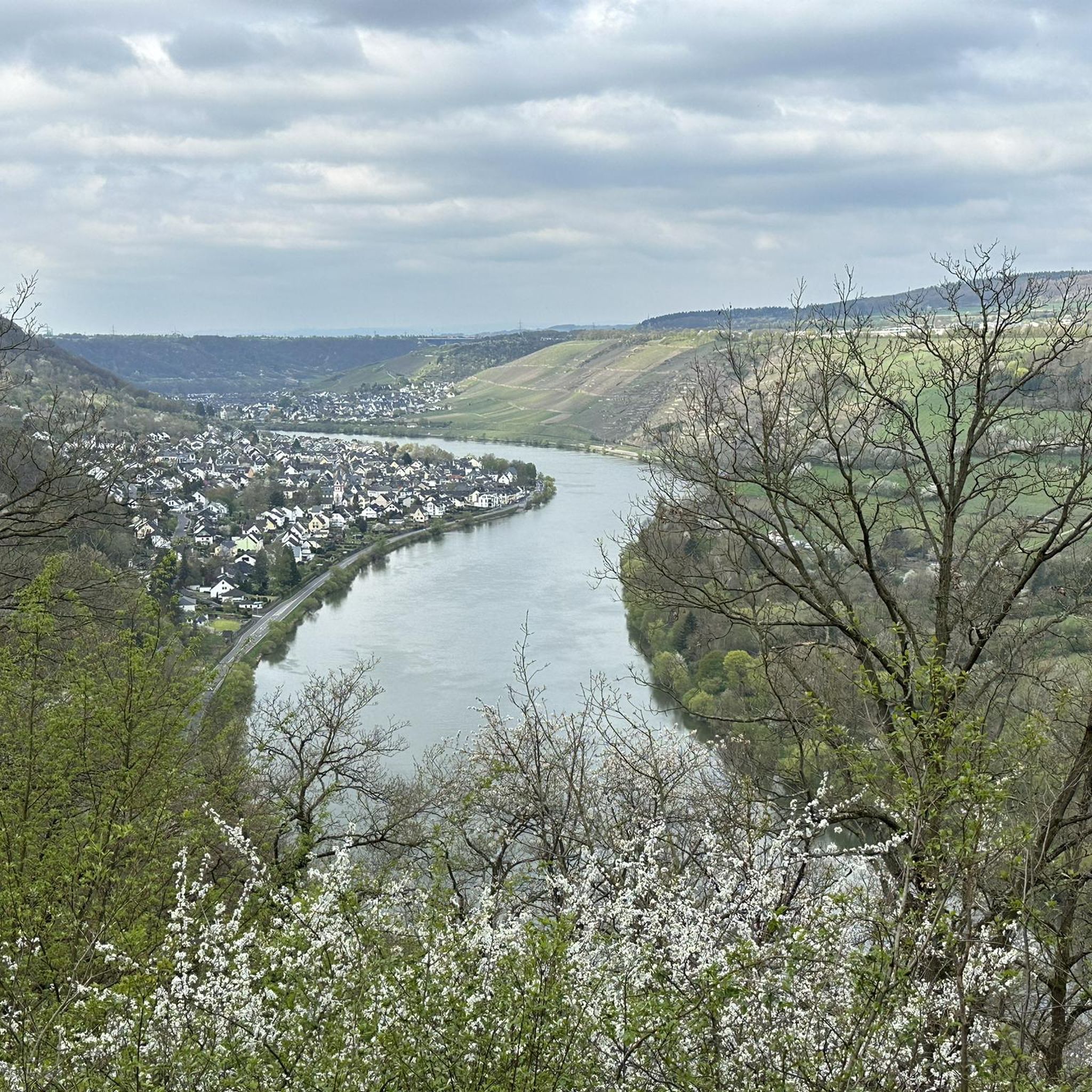
Hiking around Koblenzer Stadtwald
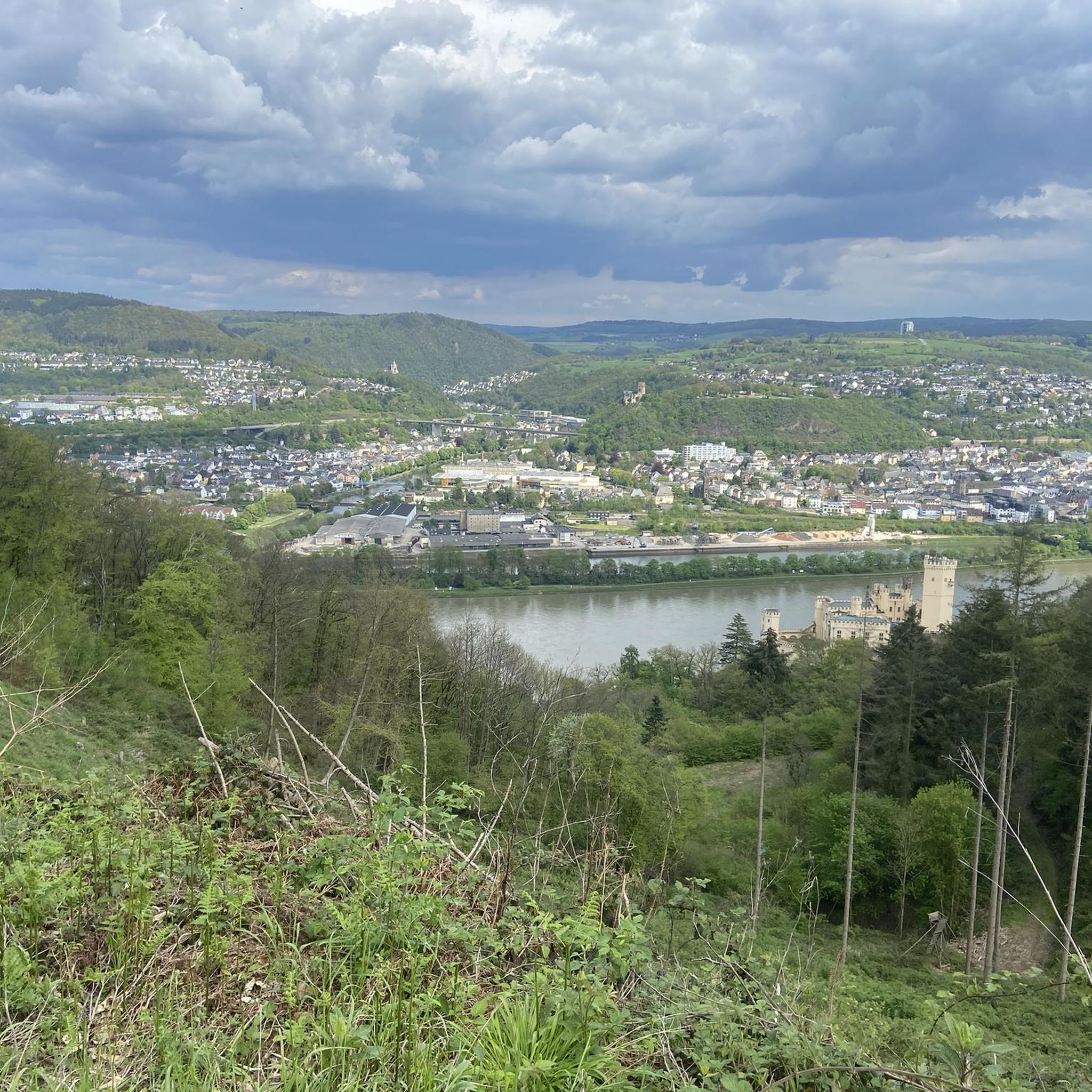
Running Trails around Koblenzer Stadtwald
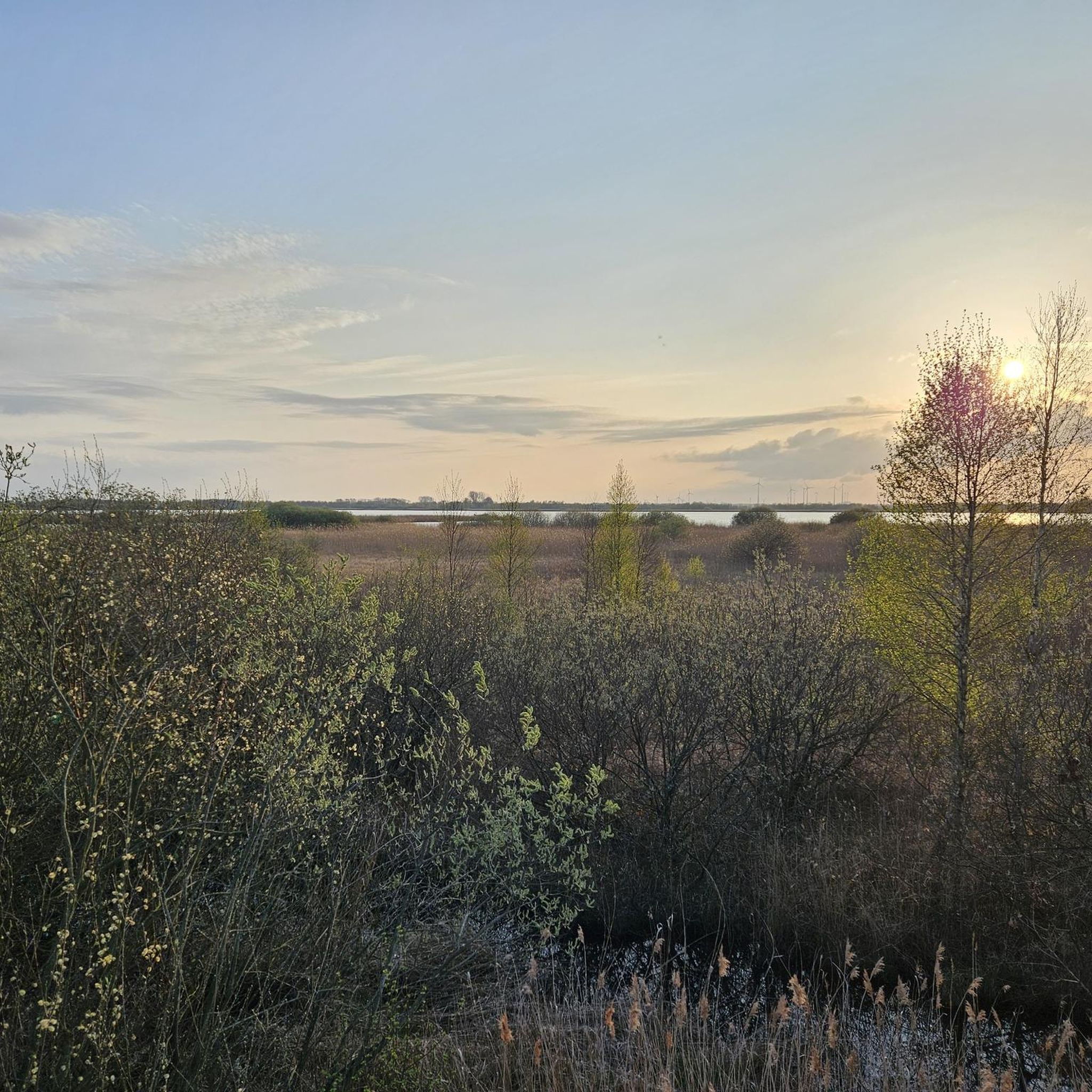
Gravel biking around Koblenzer Stadtwald
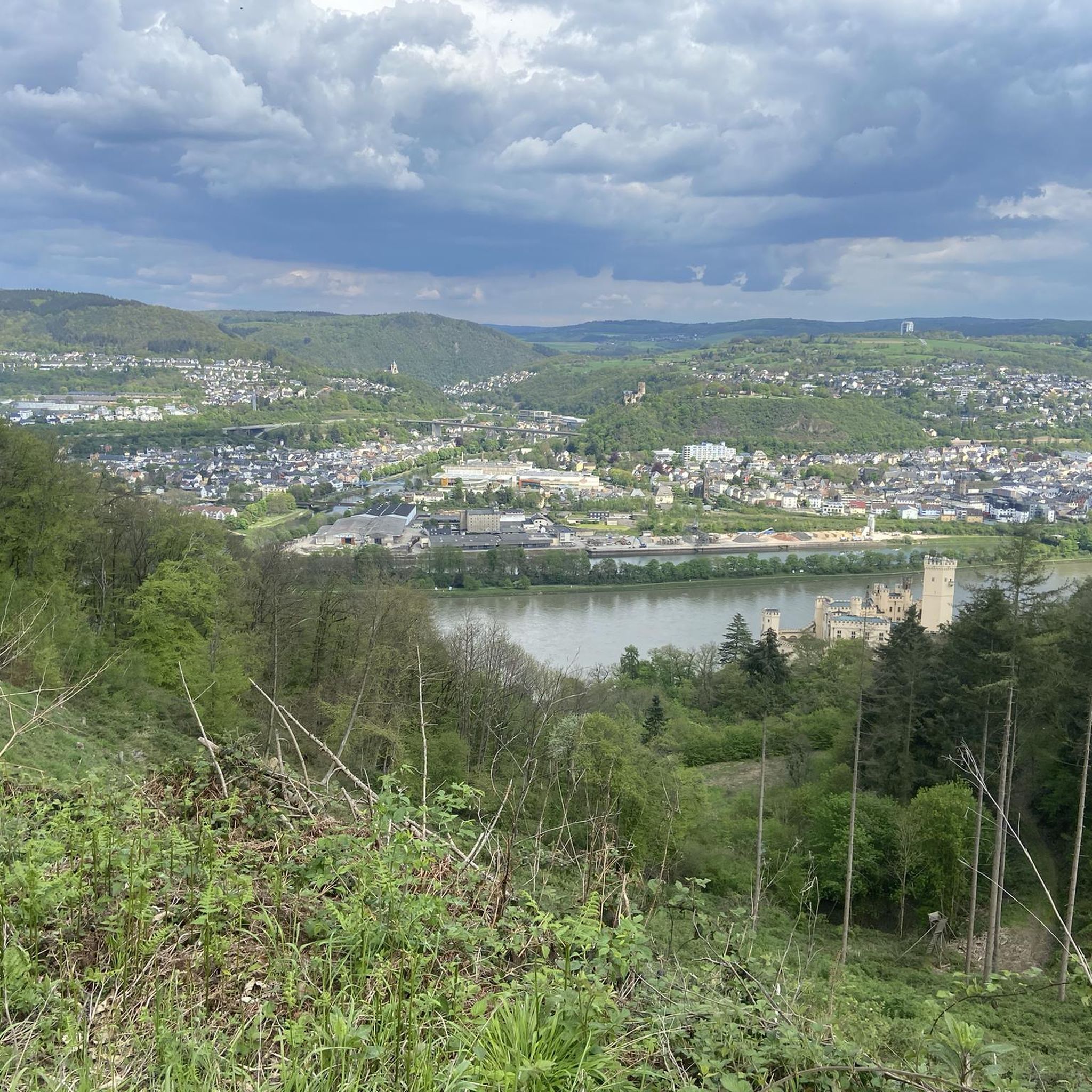
MTB Trails around Koblenzer Stadtwald

Mountain Hikes around Koblenzer Stadtwald
Other adventures around Koblenzer Stadtwald

Tips from the Community

At first you actually think that is the castle. But it is only the servants' quarters
1
0
Very well preserved. A visit is highly recommended
1
0

First highlight on the way to the castle. And that's just for the servants.
1
0

The fort is very suitable as a stopover and is worth the visit
0
0

The Fort Grand Prince Konstantin is a fortress on the Karthause in Koblenz that was completed in 1827/28 and is largely preserved. The train station is below the fort.
0
0

For everyone who wants to know more.
0
0

It was not until 2005 that the ruins of the castle, which one usually walks past without noticing, were scientifically examined. The square residential tower is easy to recognize from its foundation walls, and the moat that cuts through the ridge is actually impossible to miss and has already been photographed by many. The complex is similar to Treis Castle, which was also built on the Moselle. In the north-west of the castle complex there was a building of larger dimensions, which was probably the main building. It lay on a natural rock plateau and formed part of the enclosure. This building was already visible from afar, which is why it must have had a representative character. The three other buildings were probably a kitchen, a smithy and a smaller house. The castle did not have a well and the water and all other essentials had to be carried up a narrow path. Source: https://kola.opus.hbz-nrw.de/frontdoor/deliver/index/docId/212/file/GML.pdf
1
0

Fort Grand Duke Constantine, named after the Russian Emperor's brother Konstantin Pavlovich, was built in 1822-1827. The facility was built under the direction of the Prussian military engineers Gärtner and Schubarth. The Prussian state had already bought the site of the former monastery in 1818. The so-called Kehlturm was probably built immediately afterwards at the foot of the hill, but its actual meaning below the fortifications with lunette windows, which shortly afterwards were converted into loopholes in the north and west, is not entirely clear. From there, a covered path leads to the actual fortress plateau, roughly at the site of an old entrance to the monastery. There was a powerful powder magazine at about 2/3 of the total height. A little later, in 1828, the war bakery was built on the foundations of the former priory building. Larger reconstructions took place in the 1960s. These concerned above all the installation of a second, underground powder magazine, on the courtyard side of the northern casemate building. Until 1918 the fort was occupied by various units: in 1860 the musicians of the 4th Augusta Guards Grenadier Regiment, from 1888 parts of the 2nd Battalion of the same regiment and finally the regimental chamber and tailoring workshop of I.R.68. After the loss of World War I, the provisions of the Versailles Treaty initially provided for the demolition of all Koblenz fortifications. However, exceptions were possible due to preservation applications. Due to this fact, the fort was largely preserved, but had to be made militarily unusable. The powder magazines were blown up, the gun embrasures were broken open to the size of a window and the splinter-protecting earth wall on the roofs was removed. These measures, some of which are recorded in the files of the Defortification Office set up specifically for this purpose, took place in 1921/22.
0
0
Frequently Asked Questions
What are the most significant castles to visit near Koblenzer Stadtwald?
While the Koblenzer Stadtwald itself is known for natural landscapes, the surrounding region boasts several impressive castles. Key highlights include Stolzenfels Castle, a Gothic Revival palace known for its lavish 19th-century interiors and stunning Rhine views, and Ehrenbreitstein Fortress, one of Europe's largest preserved fortresses offering panoramic vistas and historical exhibitions. You can also explore the historical Fort Grand Duke Constantine and the intriguing Kondertal castle ruins.
Are there any castles with historical significance or unique architecture?
Absolutely. Stolzenfels Castle is a prime example of Rhine Romanticism and Gothic Revival architecture, rebuilt in the 19th century with designs by Karl Friedrich Schinkel. Ehrenbreitstein Fortress is a massive Prussian stronghold from the early 19th century, built on foundations dating back to 1000 AD, showcasing extensive military architecture. The Fort Grand Duke Constantine is another well-preserved fortress from the same Prussian era.
What kind of views can I expect from the castles in the region?
Many castles offer breathtaking views. From Stolzenfels Castle, you can enjoy panoramic vistas of the Rhine Valley. Ehrenbreitstein Fortress, perched high above the Rhine, provides unparalleled views of the Deutsches Eck (confluence of Rhine and Moselle) and the river valleys. You can also find excellent viewpoints like View of St. John’s Monastery, the Lahn estuary, and Lahneck Castle, which offers a beautiful perspective of Lahneck Castle and the surrounding landscape.
Are there family-friendly castles or activities for children?
While specific children's programs vary, castles like Ehrenbreitstein Fortress often host events and exhibitions suitable for families. The scenic cable car ride to Ehrenbreitstein is an adventure in itself for kids. Exploring the grounds and imagining medieval life can be engaging for all ages. The View of St. John’s Monastery, the Lahn estuary, and Lahneck Castle is also categorized as family-friendly, offering a pleasant outing.
How can I access Ehrenbreitstein Fortress?
Ehrenbreitstein Fortress is easily accessible via a scenic cable car ride from the Koblenz city center, offering spectacular views during the ascent. Alternatively, you can reach it by car or on foot, though the cable car provides a unique experience.
What outdoor activities can I combine with a castle visit?
The region around Koblenzer Stadtwald is excellent for outdoor activities. You can find numerous running trails, mountain hikes, and road cycling routes that pass by or offer views of these historical sites. For example, you can find trails around Stolzenfels Castle or combine a visit to Ehrenbreitstein with a walk along the Rhine.
Are there any lesser-known or hidden castle gems to explore?
Beyond the major attractions, you can discover sites like the Kondertal castle ruins. This site, with its square residential tower and visible moat, was only scientifically examined in 2005, offering a glimpse into a less-explored medieval past. The Klausenburg (Servants' Quarters of Stolzenfels Castle) also provides an interesting historical context below the main castle.
What is the best time of year to visit the castles near Koblenzer Stadtwald?
The castles are beautiful year-round, but spring and autumn offer pleasant temperatures for exploring the grounds and surrounding trails, with vibrant foliage or blooming gardens. Summer is also popular, though it can be warmer. Winter visits can be magical, especially if there's snow, but some outdoor areas or opening hours might be limited. Always check specific castle opening times before your visit.
Can I find accommodation or dining options near the castles?
The city of Koblenz, being a central hub, offers a wide range of accommodation and dining options. Near Ehrenbreitstein Fortress, there are facilities within the fortress grounds, including restaurants and cafes. For Stolzenfels Castle, you'll find options in the nearby villages or a short drive back into Koblenz. The View of the former Königsbacher Brewery and Stolzenfels highlight even mentions a beer garden nearby.
What do visitors enjoy most about the castles in this region?
Visitors frequently praise the rich history, stunning architecture, and the breathtaking views of the Rhine and Moselle valleys. The immersive experience of stepping back in time, exploring well-preserved interiors, and walking through historical gardens are often highlighted. The scenic cable car ride to Ehrenbreitstein and the romantic atmosphere of Stolzenfels are also highly appreciated.
Is it possible to take guided tours of the castles?
Yes, guided tours are available for some of the major castles. For instance, Stolzenfels Castle offers guided tours that provide insights into its 19th-century royal life and history. It's advisable to check the official websites for tour schedules and booking information. You can find more details about Stolzenfels Castle tours on visit-koblenz.de.
Are there any castles that are part of a UNESCO World Heritage site?
Yes, both Stolzenfels Castle and Ehrenbreitstein Fortress are integral parts of the UNESCO World Heritage Site Upper Middle Rhine Valley. This designation recognizes the outstanding cultural landscape, which includes numerous castles, historic towns, and vineyards along the river.
Most popular routes around Koblenzer Stadtwald
Most popular attractions around Koblenzer Stadtwald

Get inspired with the komoot mobile app


