Top 4 Lakes around Deister
Lakes around Deister, a forested ridge southwest of Hanover, offer various water features for recreation. The region is characterized by its natural landscape and historical sites. These areas provide opportunities for outdoor activities and relaxation.
Best lakes around Deister
- The most popular lakes is Blanke Pond, a lake that offers a place to stay and relax. It is noted as an idyllic spot for enjoying nature and picnics under old trees.
- Another must-see spot is Georgs/Toppiplatz, a man-made…
Last updated: October 2, 2026
Blanketeich
Highlight • Lake
Translated by Google •
Tip by

Deister Trout Pond
Highlight • Lake
The stamp office is located outside the shelter - there are also the Wanderpaesse.
Translated by Google •
Tip by

Sign up now to discover places like this
Get recommendations on the best single tracks, peaks, & plenty of other exciting outdoor places.
Georgs/Toppiplatz
Highlight • Monument
today a nice place for rest and rest
Translated by Google •
Tip by

Trout Pond, Wennigser Mark
Highlight • Lake
Translated by Google •
Tip by
Forellenteich and Kaiser Wilhelm Oak
Highlight • Lake
Translated by Google •
Tip by

Sign up for free to discover even more lakes around Deister.
Already have an account?
Start today with a free account
Your next adventure awaits.
Popular around Deister
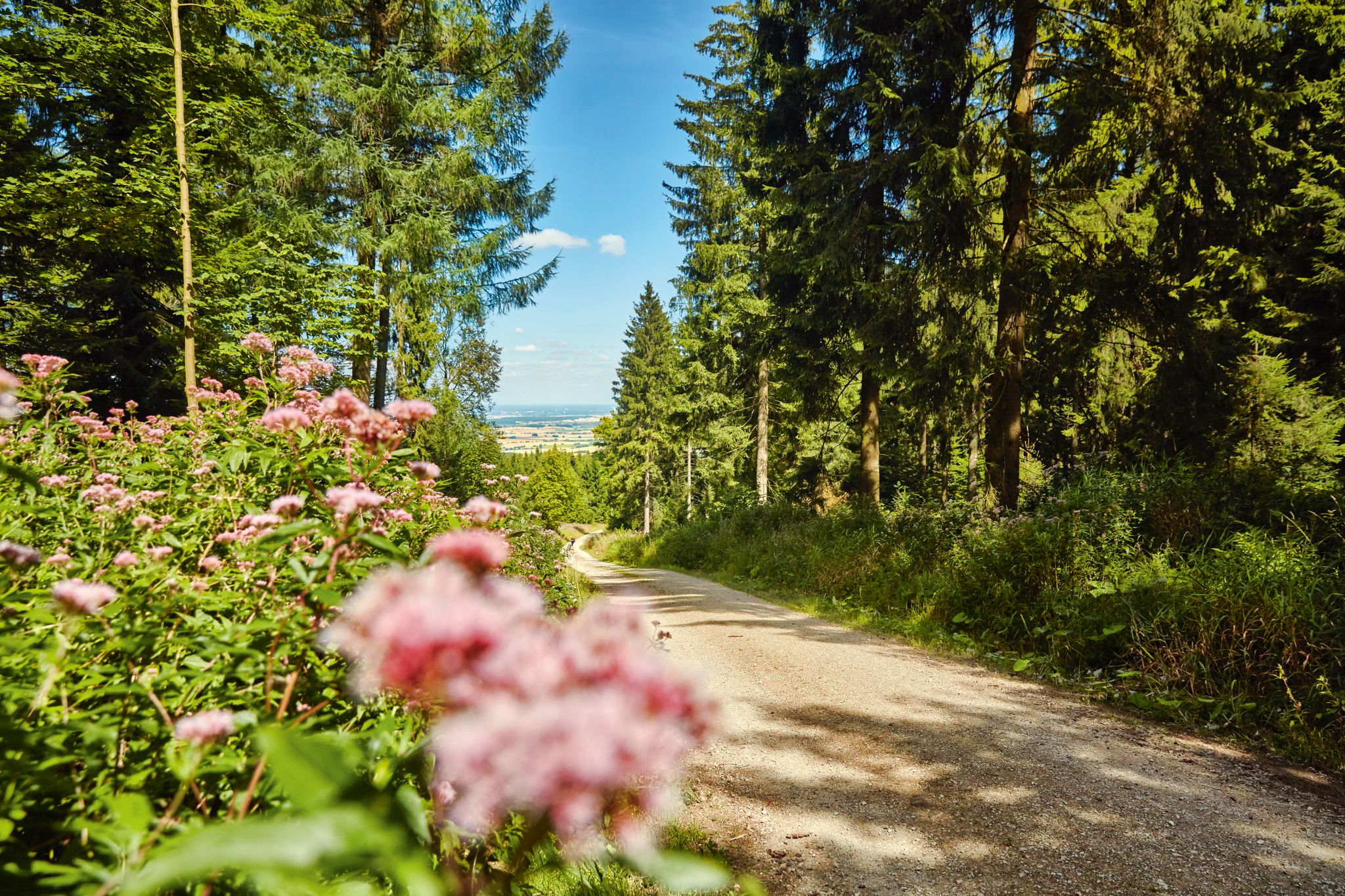
Hanover trails – hiking between Steinhuder Meer and Deister
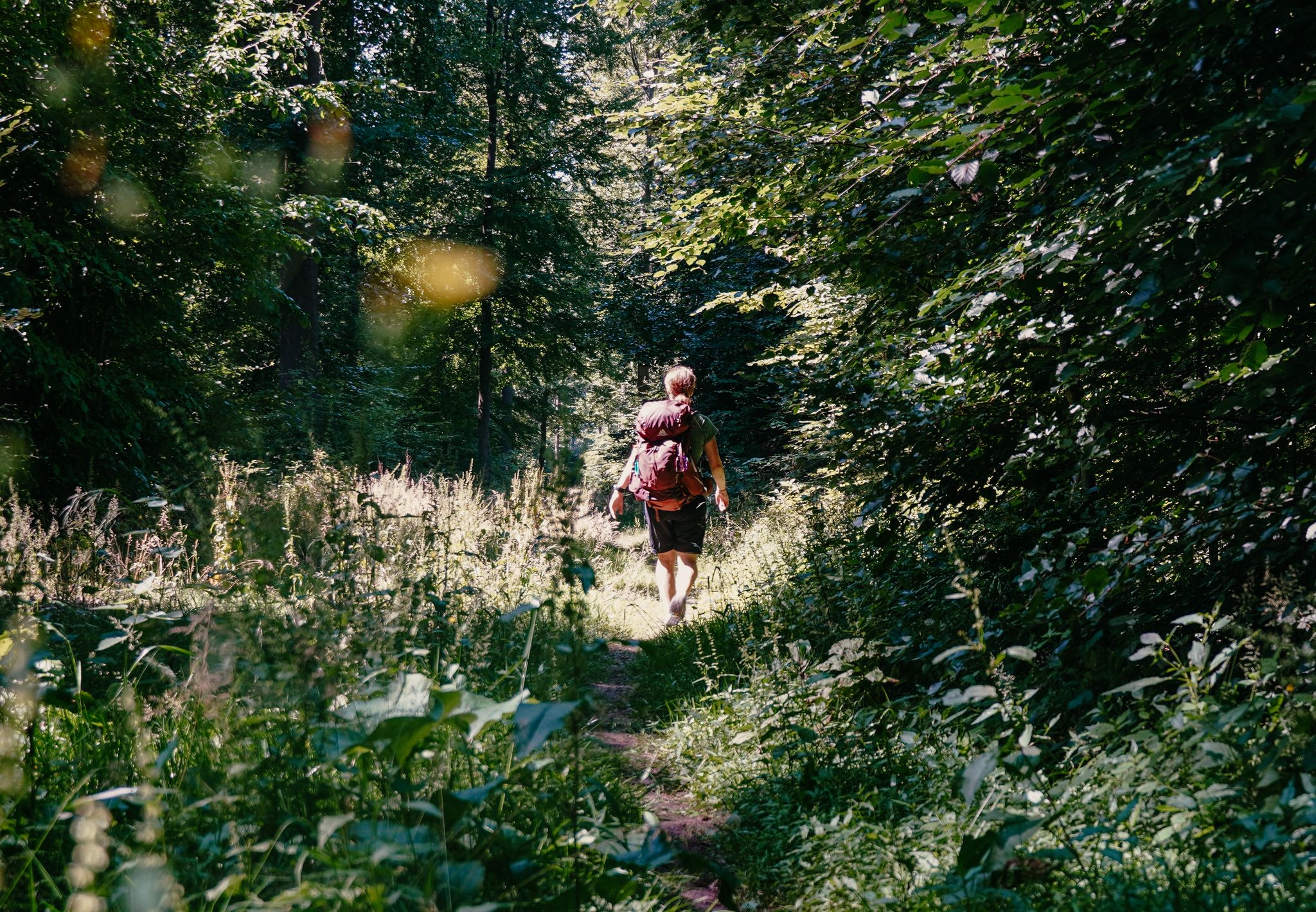
Experience nature with all your senses in the Weserbergland
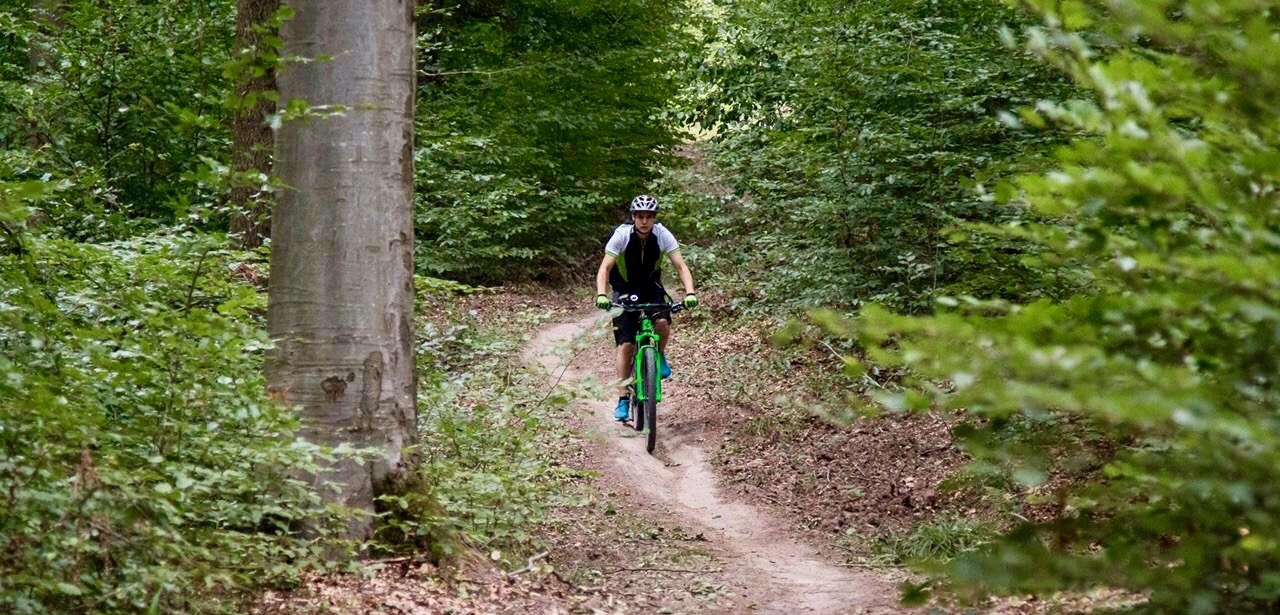
33 MTB trails through German forests
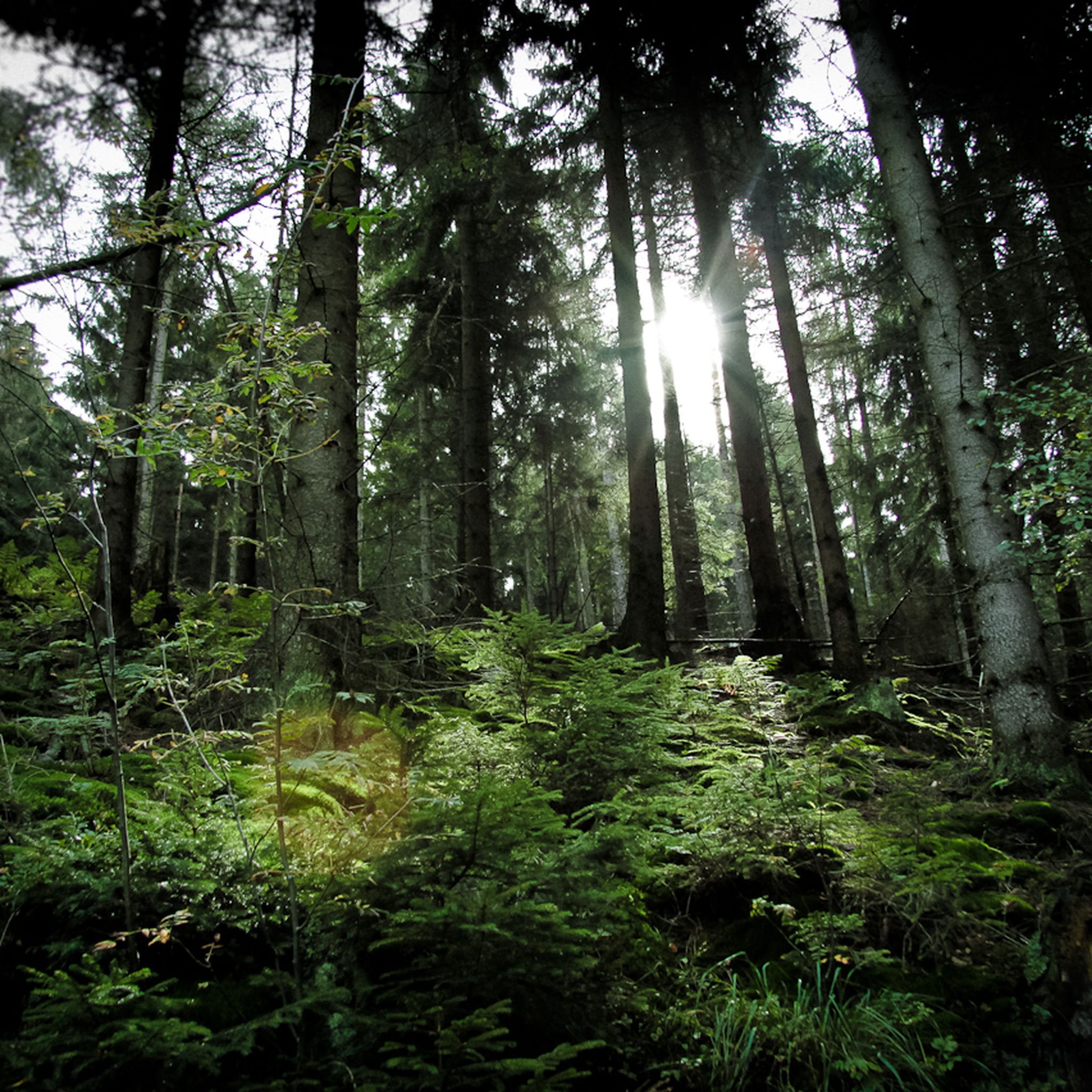
Hiking around Deister
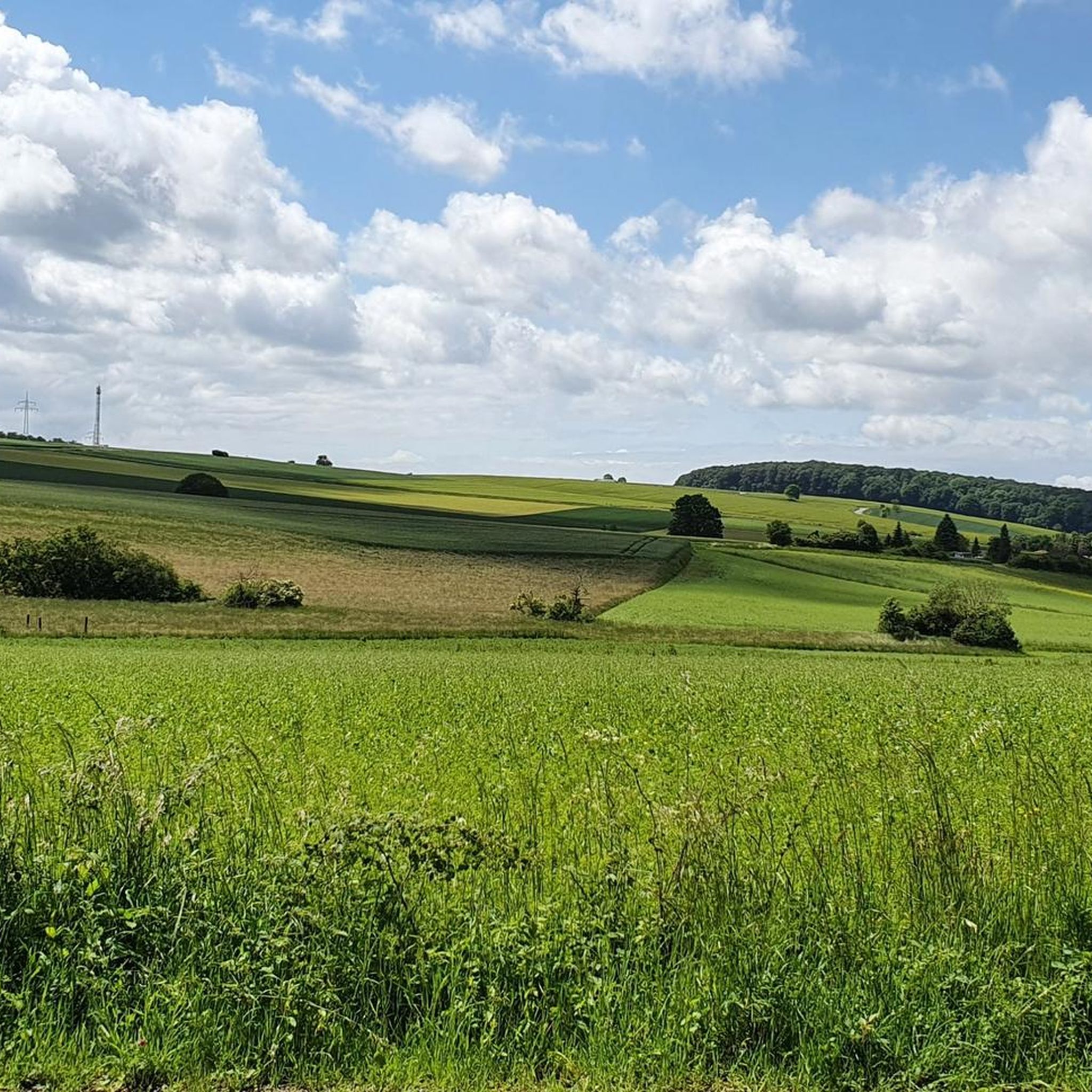
Cycling around Deister
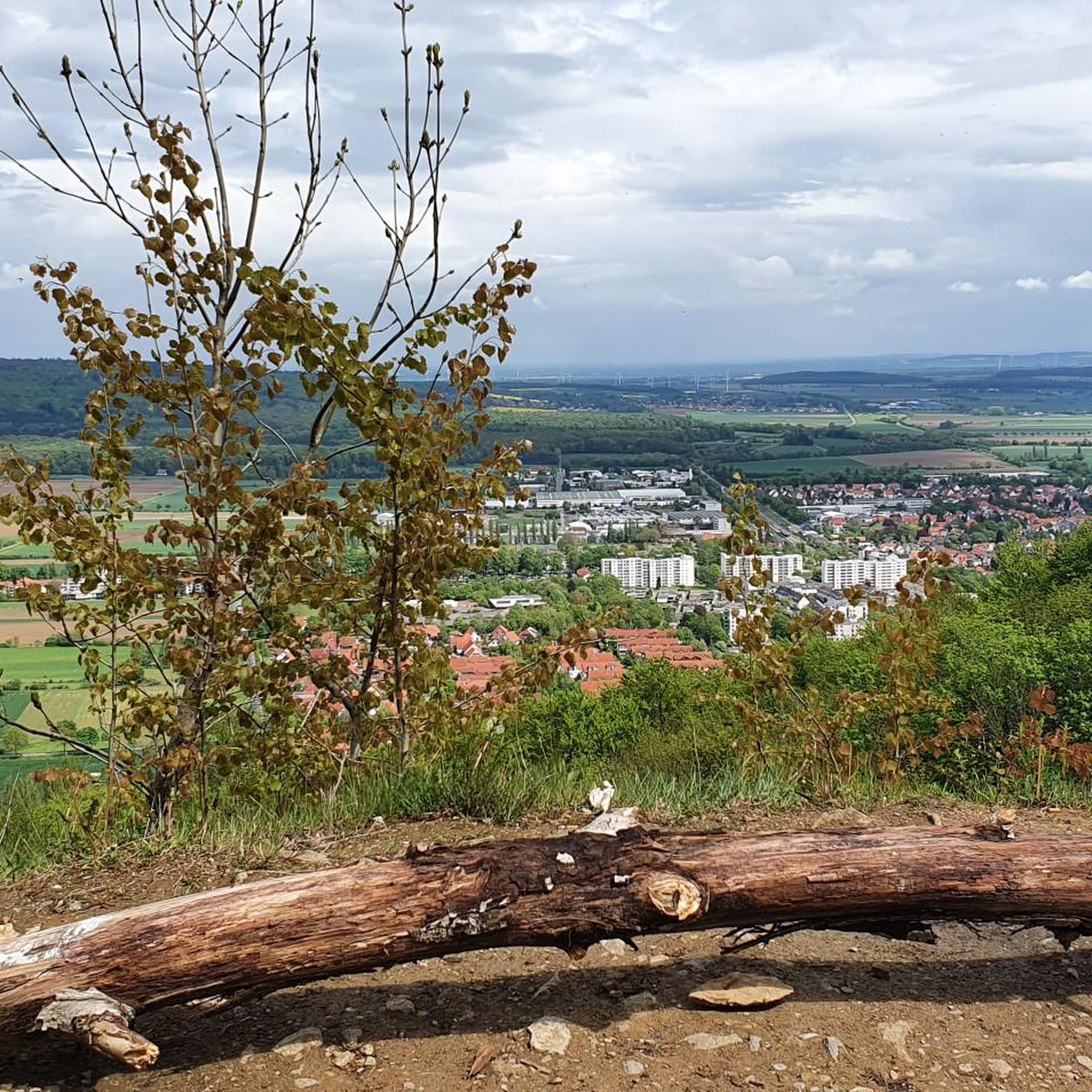
Running Trails around Deister
Gravel biking around Deister
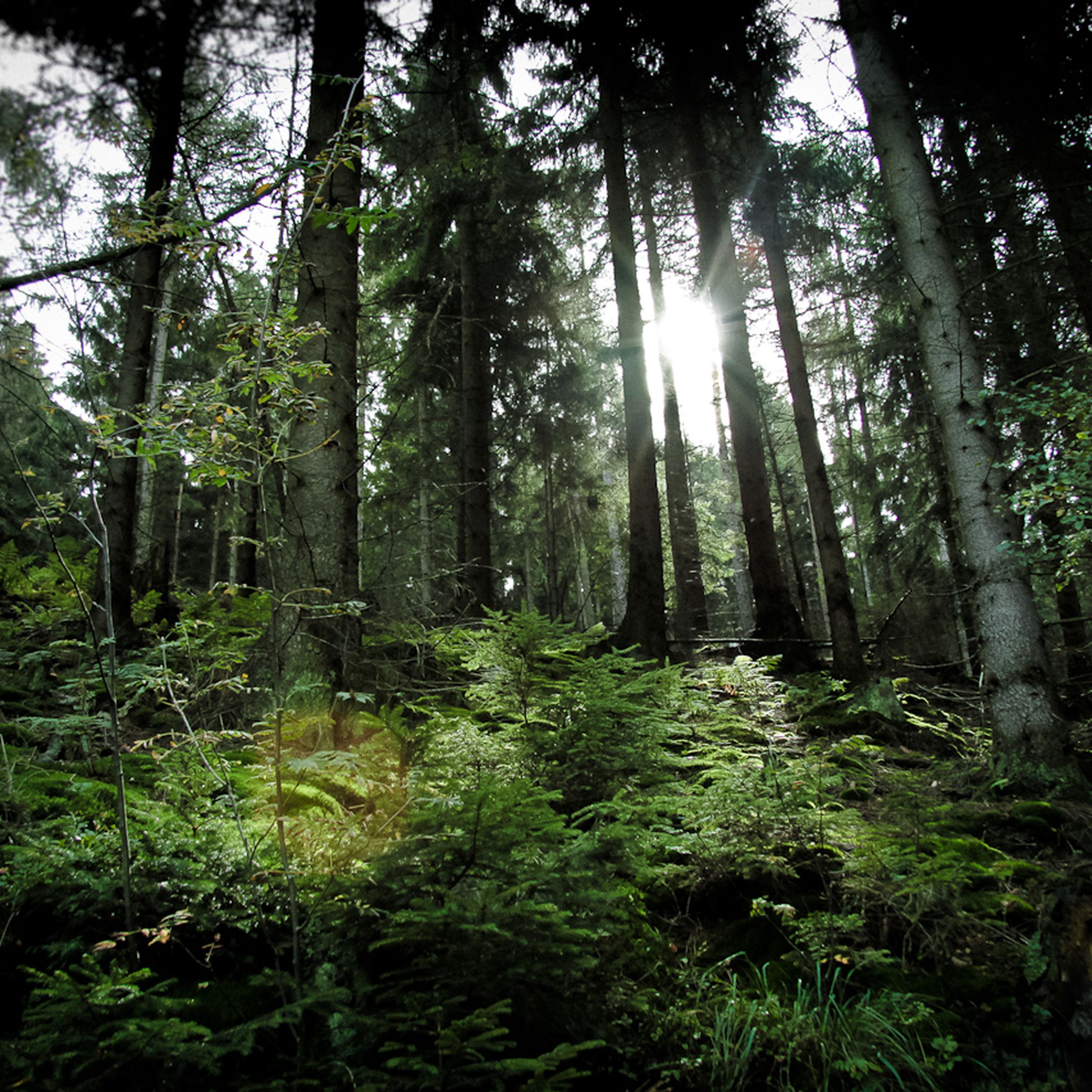
MTB Trails around Deister
Road Cycling Routes around Deister

Mountain Hikes around Deister


Tips from the Community

But the oak doesn't seem to be doing well
0
0

The Georgsplatz and Toppiusplatz in the Deister near Wennigsen are historical sites closely associated with mining, hunting, and forestry. The Georgsplatz was created as a meeting point for miners and was supplemented in the 19th century by a royal hunting lodge. Opposite lies the Toppiusplatz, which was formerly used for hunting ceremonies and gatherings, and today still commemorates events and people from that era through monuments. Today, both squares primarily serve as quiet resting and excursion spots in the Deister.
2
0
The Toppius monument commemorates the royal court hunter Toppius, who was killed by a poacher in a scuffle. It was initially located further down by the trout pond and was moved to its current location in 1901. It is a stone about one meter high with the inscription: To the memory of the royal hunter Toppius. On February 28, 1807, mortally wounded in the line of duty at this spot, he died on the 2nd day in Wennigsen. Source: https://de.wikipedia.org/wiki/Georgsplatz_(Wennigsen)
1
0
In 1799, the Bröhnstollen, finally 1700 m long, was built in the center of the later Georgsplatz for coal mining. Place names such as Maschinenhaus and Schmiede in the area southwest of the hunting lodge still indicate the location of associated operational parts. In the 19th century, Georg Egestorff operated a transshipment point at Georgsplatz for the coal mined in his pits at Bröhn, Suerserbrink, and Feldberg. For the transport of coal in the direction of Hanover, Egestorff had the Deister-Kohlenstraße paved to the Hamelner Chaussee. The material quarried in the quarry just west of Georgsplatz was presumably used as building material. On the hill northeast of Georgsplatz, a pyrite mine was established in 1829. It belonged to a local safety fuse factory. Later it was taken over by the Egestorffsche Zündhütchenfabrik and operated until 1895. The Gauführerschule „Bernhard Rust“ was later built on the site for the training of NSDAP functionaries. In 1963, the Lower Saxony Police Training Center for Technology and Traffic was established there. In the east of Georgsplatz, on the Forellenbach, lie the remains of several old Rottekuhlen. In 2009, several information boards about its historical use were erected along a two-kilometer path around Georgsplatz. Source: https://de.wikipedia.org/wiki/Georgsplatz_(Wennigsen)
1
0
On the 100th birthday of Kaiser Wilhelm I on March 22, 1897, an imperial oak was also planted in the Fuchsbach valley near Barsinghausen. The local Landwehr warriors' association had a small monument erected at the foot of the oak. The Fuchsbach was dammed here in the 17th century to form a "trout pond" to regulate water in the coal mining industry. On the other bank of the stream from the imperial oak is the mouth of the "Lower Sammann Tunnel" built in 1831. After it was taken over by the Prussian state in 1875, it was only used to ventilate the tunnel system opened up by the Barsinghausen monastery tunnel. When the memorial stone was built in 1897, a small artificial waterfall was also built on the Fuchsbach near the imperial oak. Kaiser Wilhelm Square was a popular excursion destination for Barsinghausen residents around the turn of the century in 1900. In 2022 there will be a shelter as well as benches and seating areas between the Kaisereiche and the trout pond. Source: https://de.wikipedia.org/wiki/Kaisereiche_(Barsinghausen)
1
0

The plaza contains various commemorative stones loosely and widely spread over it. In between there are many places to rest.
2
0

Stamping points for the Deister hiking pass ~ No. 1 trout pond (stamp was permanently removed due to vandalism. As a replacement, you will find a code outside the refuge that you can enter in the pass instead of the stamp)
0
0

There are two registered monuments on Toppiusplatz: the Toppius stone and the Lendorff monument. The square was the traditional gathering place of the miners. The square is immediately southwest of Georgsplatz. It was laid out in terraces around 200 years ago. In the past it was used to lay the hunting track. Even today, a Zackelschau is held there regularly, in which the shed antlers of the Deister deer are shown. The Wennigser Mark local community uses the space for events such as the annual jazz brunch or church services.
1
0
Frequently Asked Questions
Are there family-friendly lakes around Deister?
Yes, several lakes in the Deister region are ideal for families. The Witches' Pond is particularly popular, where children often build small dams and footbridges. The Blanke Pond and Forellenteich and Kaiser Wilhelm Oak also offer family-friendly facilities and settings for relaxation and picnics.
What historical sites can I find near the lakes?
The Deister region combines natural beauty with rich history. The Forellenteich and Kaiser Wilhelm Oak near Barsinghausen was created in the 17th century for coal mining and features an imperial oak planted in 1897, a monument, and a small artificial waterfall. Georgs/Toppiplatz is a former fairground for miners, now a peaceful spot for rest. The Witches' Pond also holds historical significance related to local folklore.
What kind of outdoor activities can I do near the lakes?
The lakes around Deister are excellent starting points for various outdoor activities. You can enjoy hiking on trails like the 'Blanketeich – Wennigsen Waterwheels loop' or explore the 'Deister Radar Tower – Nienstedter Pass loop'. For cyclists, there are road cycling routes such as the 'View of Benther Berg – Sieben Trappen Mill loop'. Find more routes and details in the Hiking around Deister and Road Cycling Routes around Deister guides.
Are there places for picnics and relaxation by the water?
Absolutely. The Blanke Pond is noted as an idyllic spot for picnics under old trees. Georgs/Toppiplatz is also a popular meeting and picnic spot. Near the Forellenteich and Kaiser Wilhelm Oak, you'll find shelters, benches, and seating areas added in 2022, perfect for a break. The Fish Ponds at Flötenbach also offer a bench for a peaceful rest.
What natural features can I expect to see around the lakes?
The Deister region is characterized by its forested landscape. Around the lakes, you'll encounter natural ponds, streams like the Fuchsbach with its artificial waterfall near the Forellenteich, and diverse biotopes such as those around the Fish Ponds at Flötenbach. Many areas, like the Blanke Pond, are nestled within forests, offering a serene natural environment.
What is the Wennigsen Water Park and its attractions?
The Wennigsen Water Park offers a unique natural swimming experience with almost 2,000 square meters of swimming area. A popular attraction nearby is the 'Wennigs water wheels', where about 20 miniature water wheels, often depicting fairy tales, are set up along a stream. These are powered by the stream's flow and can be visited from mid-April until October 3rd along a 2.5-kilometer forest adventure trail, making it great for families.
Are there any unique or hidden gem lakes in the Deister region?
While not a hidden gem in the traditional sense, the Witches' Pond offers a unique experience with its historical folklore and the charming, child-built dams and footbridges. The Fish Ponds at Flötenbach also provide a tranquil biotope setting for those seeking a quieter spot.
What do visitors enjoy most about the lakes around Deister?
Visitors particularly appreciate the peaceful and idyllic atmosphere for relaxation and picnics, often under the shade of old trees. The blend of natural beauty with historical elements, such as the imperial oak and old mining sites, is also highly valued. Many enjoy the family-friendly aspects, like the opportunities for children to play by the water at places like the Witches' Pond.
Is there public transport access to the lakes or nearby areas?
While specific public transport details for each lake are not readily available, the region around Deister is generally accessible. For broader regional information, you might find details on public transport options to towns near the Deister on the Niedersachsen Tourism website.
What is the best time to visit the lakes around Deister?
The lakes around Deister are enjoyable throughout the warmer months, especially from spring to autumn. The 'Wennigs water wheels' at Wennigsen Water Park are typically set up from mid-April until October 3rd, making this period ideal for visiting that specific attraction. Spring and summer offer lush greenery and pleasant temperatures for outdoor activities, while autumn brings beautiful foliage.
Are there facilities like shelters or benches near the lakes?
Yes, some locations offer facilities for visitors. Near the Forellenteich and Kaiser Wilhelm Oak, a shelter, benches, and seating areas were added in 2022. The Georgs/Toppiplatz is also equipped for rest and picnics. Additionally, the Fish Ponds at Flötenbach have a bench for taking a break.
Can I find viewpoints or scenic spots around the lakes?
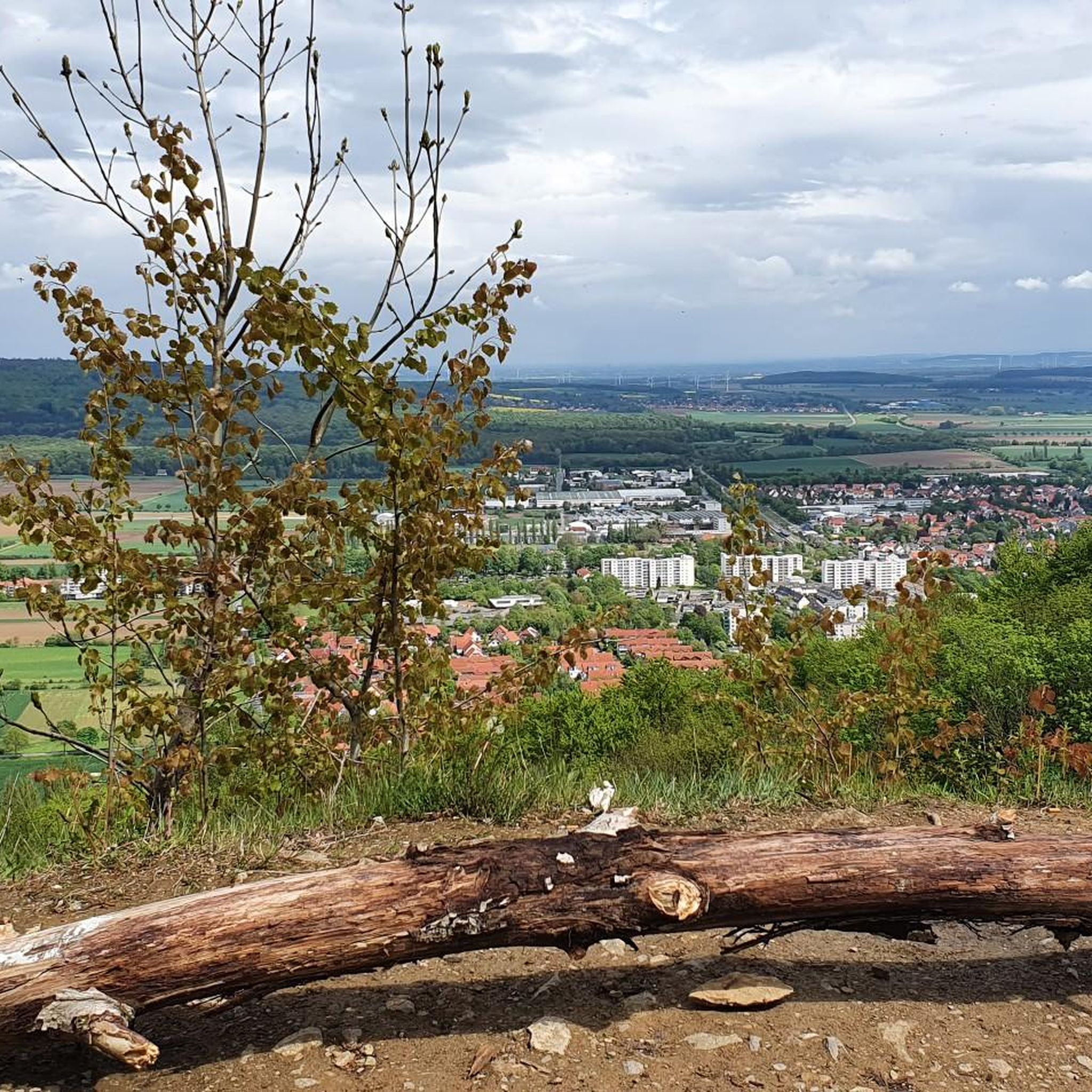
Many of the lakes offer scenic views. The Blanke Pond is described as an idyllic spot to enjoy nature. Georgs/Toppiplatz and the Fish Ponds at Flötenbach are also noted as viewpoints, providing picturesque settings within the forested landscape of Deister.
Most popular routes around Deister
Most popular attractions around Deister

Get inspired with the komoot mobile app


Explore more
Still not found your perfect lake around Deister? Check out the guides of these regions to see even more beautiful places.
