Top 5 Caves around Savelsbos
Best caves around Savelsbos are found within a captivating forest in South Limburg, the Netherlands. This area is home to several historical and geological underground formations, primarily former marl and limestone quarries. These sites are significant for their historical importance, unique geological features, and ecological value. While direct access to many is restricted, their presence contributes to the region's rich natural and cultural heritage.
Best caves around Savelsbos
- The most popular caves is Savelsbos: Forest and Prehistoric Flint Mines, a forest area where traces of prehistoric flint mines were discovered. These mines reveal hundreds of small pits where people dug for flint approximately 7,500 years ago to create tools.
- Another must-see spot is Trichterberggroeve Limestone Quarry, a natural monument designated as a “Geological Monument”. This limestone quarry features steep limestone walls and some small remaining corridor sections.
- Visitors also love Groeve de Hel, a historical marl quarry believed to date back to at least the 16th century. Historical inscriptions from 1587 and later are found within its sections, Groeve de Grote Hel and Groeve de Kleine Hel.
- Savelsbos is known for its marl quarries, limestone quarries, and prehistoric flint mines. These sites offer insights into historical human activity, geological formations, and ecological value as bat hibernation sites.
- The caves around Savelsbos are appreciated by the komoot community, with more than 400 upvotes and over 220 photos shared.
Last updated: June 29, 2026
Trichterberggroeve Limestone Quarry
Highlight • Natural Monument
Not much is known about the Trichterberg quarry. That is why Peter Jennekens, Kevin Amendt and Rob Habets wrote a source overview for the magazine of the Study Group Underground Limestone Quarries - Natural History Society in Limburg.
Based on this, they cautiously conclude that the origin of the quarry must lie somewhere between the years 1846 and 1867.
The entire PDF with all sources can be found at sok.nl (November 2013 edition).
Translated by Google •
Tip by

Groeve de Hel
Highlight • Cave
Quite a few inscriptions can be found in the hell quarries, such as somewhat cryptic: “Sister of the sunbeam, a white rose in the bouquet, a lily on the foliage, a swan whose down does not recognize its border, a star in the blue firmament”. Or edifying: You who enter here, let all feuds go”. And what about: “Never again will I come here to the accursed caverns”.
Sometimes visitors to Hell could barely save themselves. “Today, the 1st (February).. Around 12 o’clock in the morning of 1823, a terrible number of blocks fell down, under which the three of us had stood, named Matthijs Ramakers of Margerate, Matthieu Schrijnemaekers Gronsfeld W. Theunissen. We thank God that he has preserved us from death”.
A major collapse occurred in June 1965. This was not surprising, as the stability of the Kleine Hel in particular was questionable. Several columns showed cracks and there had been a lot of overexploitation. Not long after, the entrances were closed. Nevertheless, in December 1982, members of the Vereniging tot Natuurbehoud managed to visit the Helgroeve. A report of the trip can be found in Ut Wiet Klief of July 1984. During the trip through the marl corridors, the nature lovers came across a number of inscriptions, sometimes just a name, then again a year.
A number of inscriptions that were encountered spoke for themselves. Two examples: ‘I am in Hell, I know that. I am all alone here. The devil knows where my comrades are.’ Or what about: ‘Watch out for those who love the Devil, because here in this place that has always borne the name of Hell, the devils are innumerable.’ Or: ‘He who looks at this monster (devil) is even more mad than he who made him.’ ‘Workman from this mountain, what you are now I have been and what I am now (skeleton) you will soon be.
Anyone who wants to read more about the most fascinating text in the quarry according to the author of the above article or wants to know everything about the accident of January 17, 1893, goes to historischekringcadierenkeer.nl/nieuws/55-publicaties-keerder-kroniek/kent-u-deze-plek-links/928-de-hel.html
Translated by Google •
Tip by
Sign up now to discover places like this
Get recommendations on the best single tracks, peaks, & plenty of other exciting outdoor places.
Sign up for free
Savelsbos: Forest and Prehistoric Flint Mines
Highlight • Forest
A bit more official: "The Savelsbos is a narrow, rugged hillside forest, one of the most beautiful forests in South Limburg. Beneath the forest meander the corridors of (really) old quarries. The minerals were gravel, marl and flint. There are several prehistoric flint mines in the Savelbos. If you visit the Savelbos, you are entering badger territory. The largest badger population in the Netherlands lives here. You will definitely come across castles there. If you go in May, there is a strong smell of garlic in the forest and you will be enchanted by the white flowers of the wild garlic." Source and info: visitzuidlimburg.nl/te-doen-in-zuid-limburg/attracties-bezienswaardigheden/detail/savelsbos/65177
Translated by Google •
Tip by
Varkensgatgroeve
Highlight • Cave
Translated by Google •
Tip by

Ancient grotto
Highlight • Cave
Translated by Google •
Tip by

Sign up for free to discover even more caves around Savelsbos.
Sign up for free
Already have an account?
Start today with a free account
Your next adventure awaits.
Login or Signup

Tips from the Community

Back then, people built their houses, among other things, into the hollowed-out sandstone. The caves were created by the quarrying of the rock.
1
0

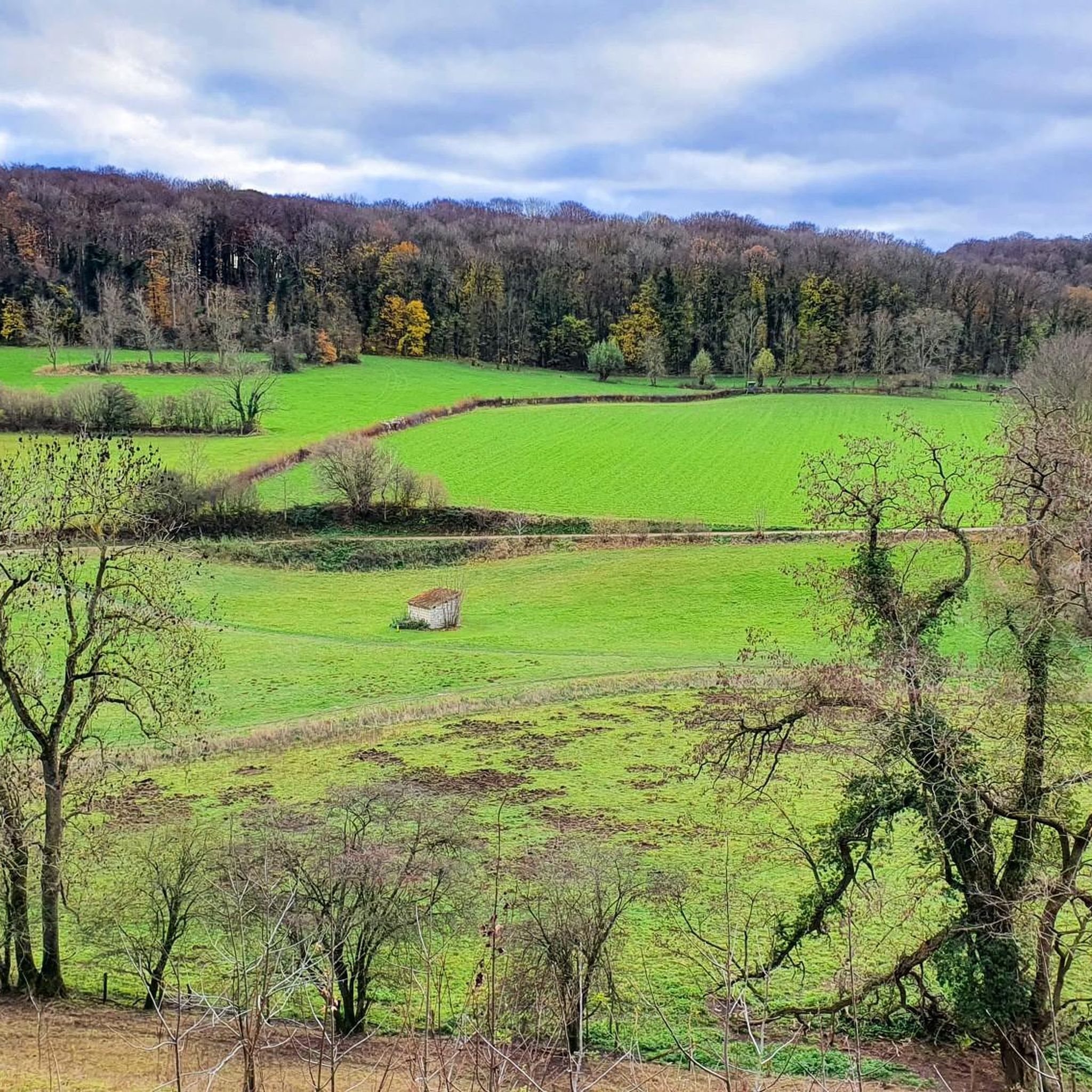
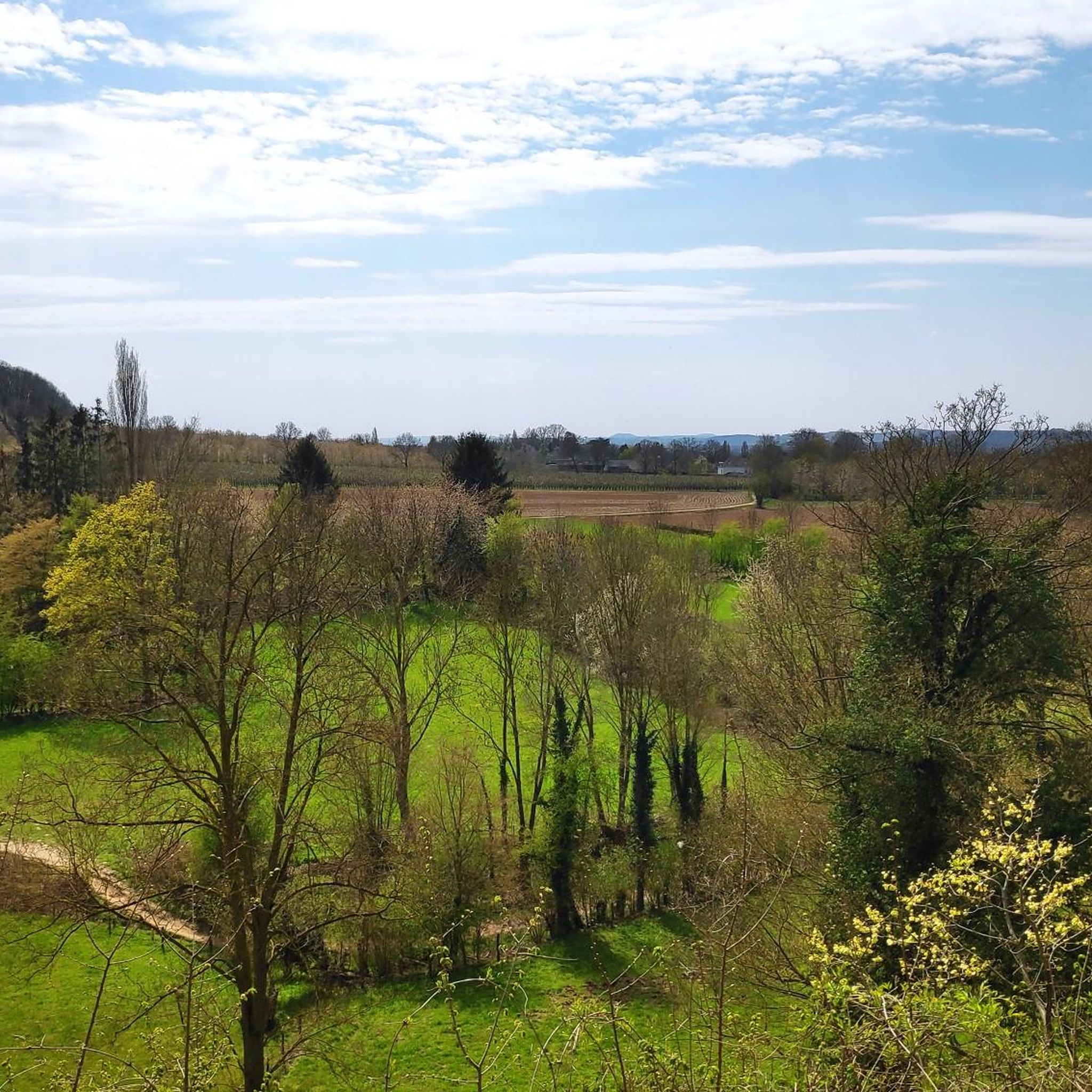
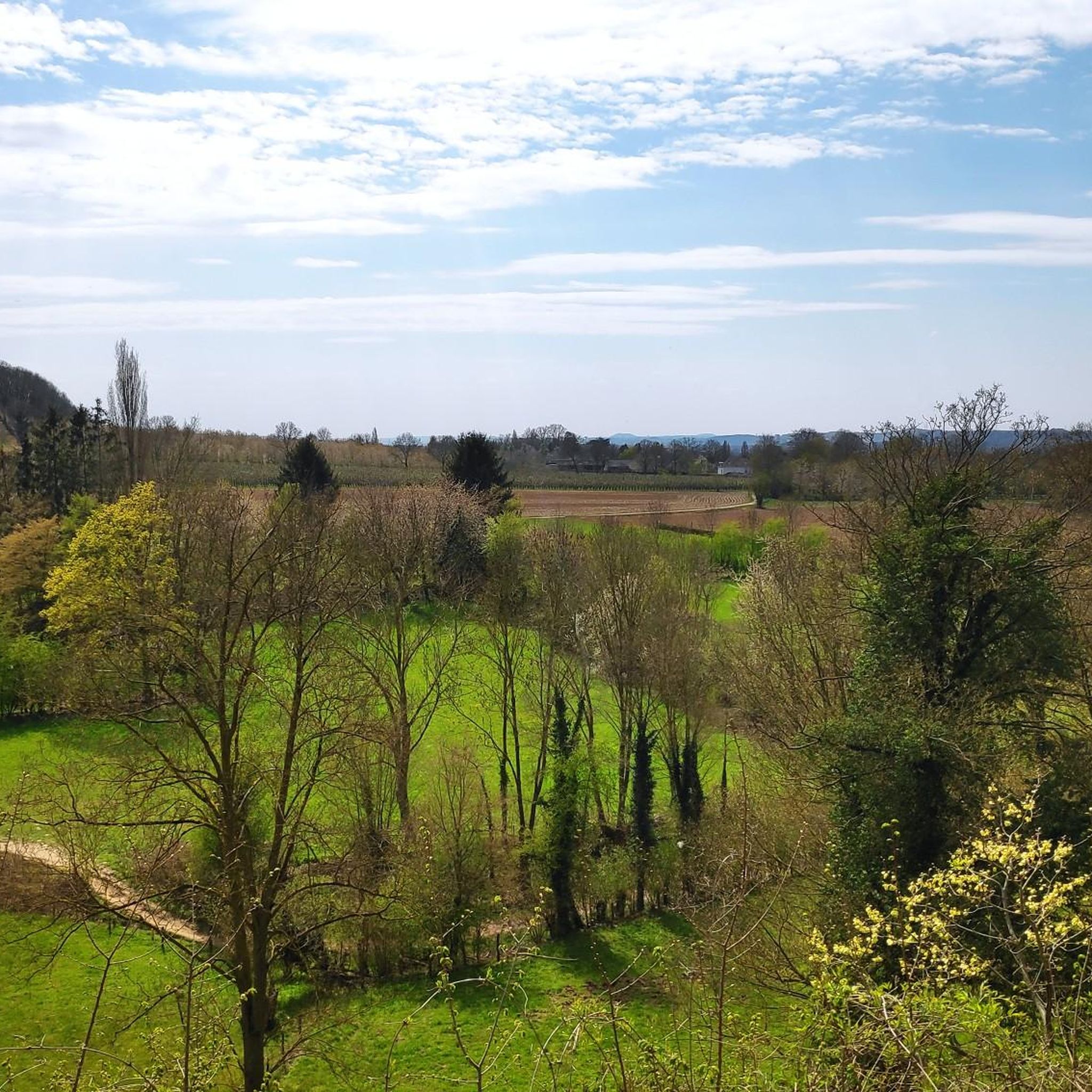
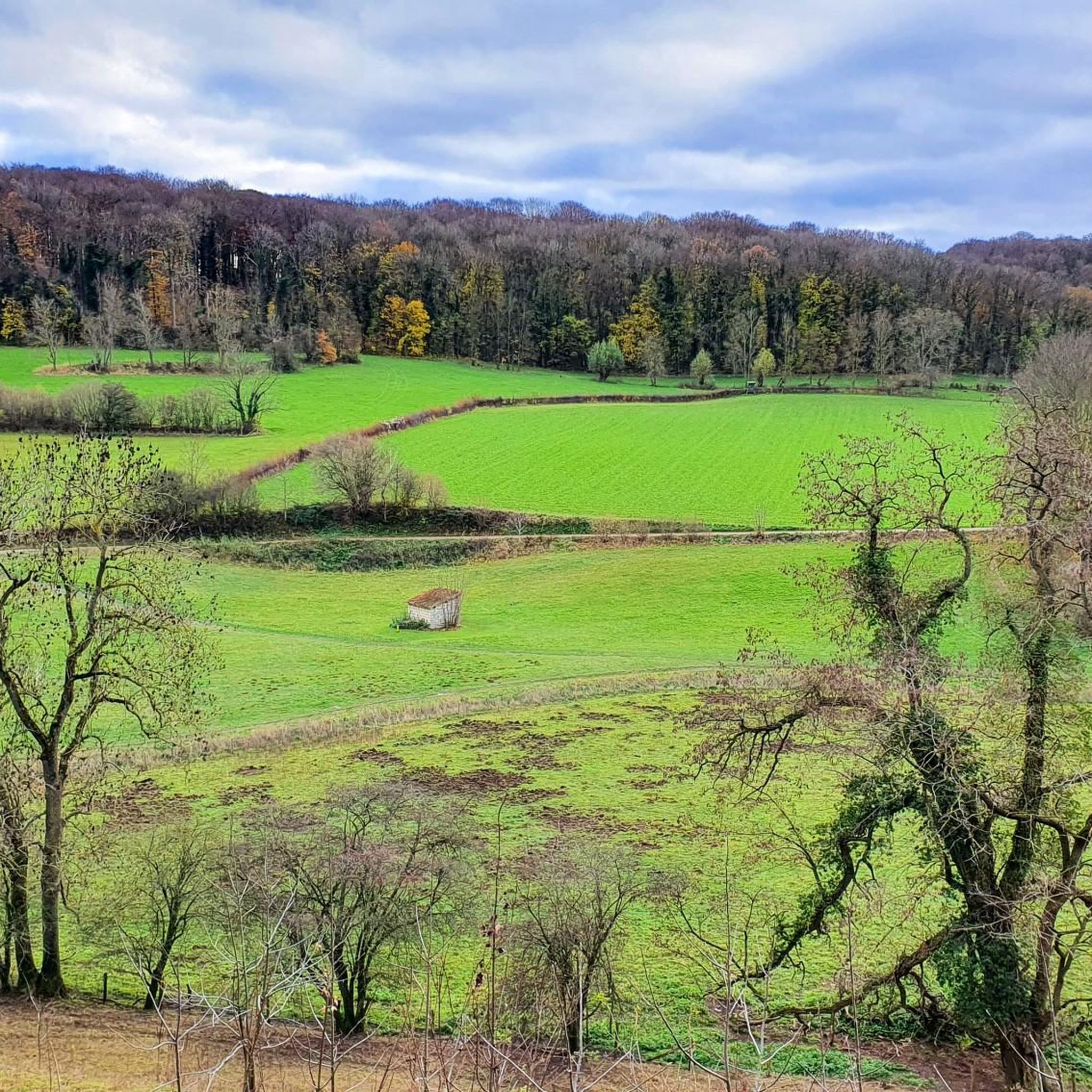
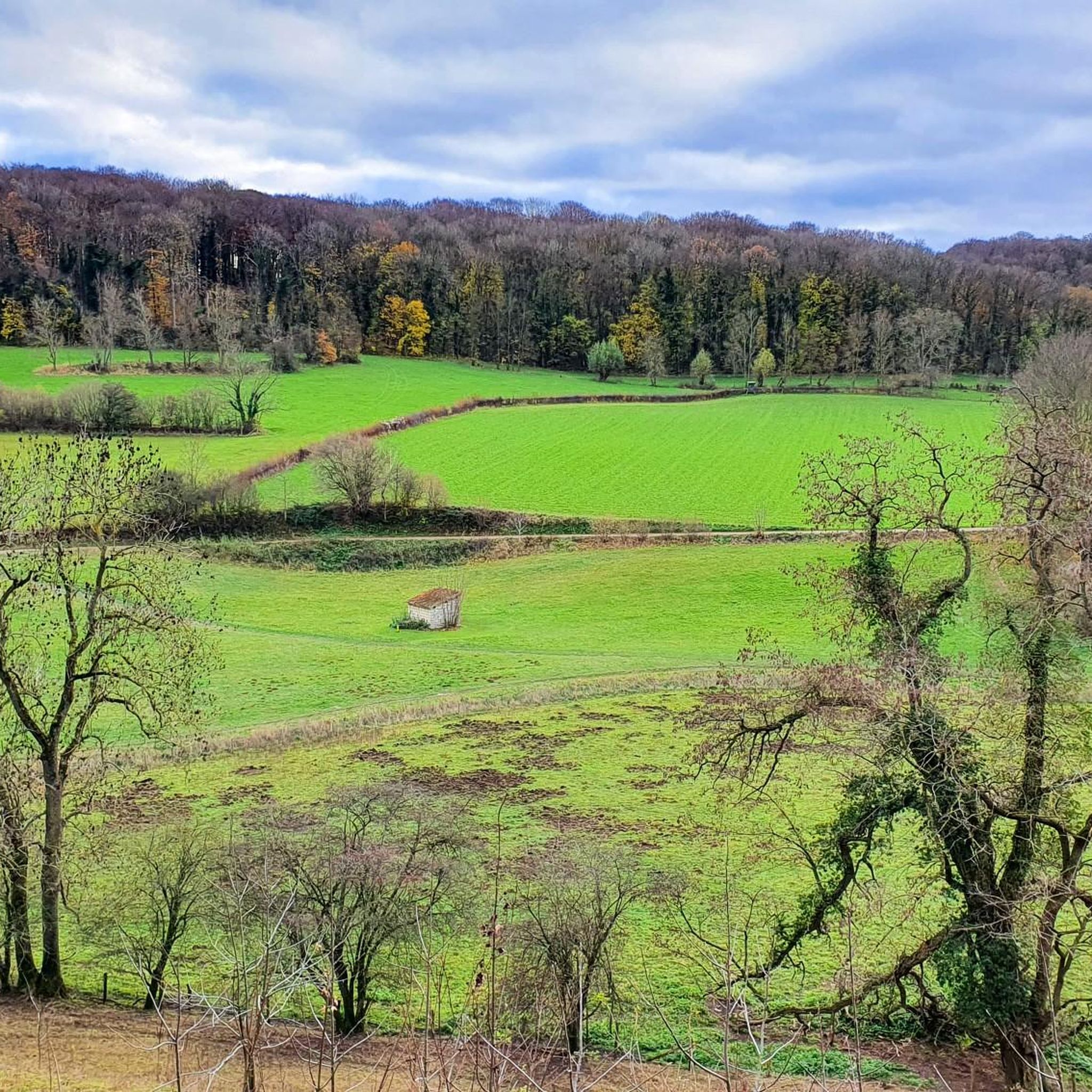
A very beautiful forest. If you use the designated paths, you'll enjoy beautiful views of the Meuse Valley from the edge of the forest. The remains of old quarries provide further variety.
0
0

The Trichterberg quarry is located in the forest to the left of the steep Eckelraderweg, between Gronsveld and Eckelrade. Diagonally opposite are dole chambers. The quarry has been designated as a “Geological Monument”. Steep limestone walls with here and there sawn surfaces and a few small corridor remains are the only remains. Not much is known about the Trichterberg quarry. That is why Peter Jennekens, Kevin Amendt and Rob Habets wrote a source overview for the magazine of the Study Group Underground Limestone Quarries - Natural History Society in Limburg. Based on this, they cautiously conclude that the origin of the quarry must lie somewhere between the years 1846 and 1867. The entire PDF with all sources can be found at https://www.sok.nl (November 2013 edition).
5
0
How old the Great and Small Hell quarries are is difficult to say with precision, but they are certainly sixteenth century. A clue can be found in a small niche where the date 1587 is thinly scratched and almost illegible on the 24th day…. Furthermore, a single date from the seventeenth century and various dates from the beginning of the eighteenth century. Quite a few inscriptions can be found in the hell quarries, such as somewhat cryptic: “Sister of the sunbeam, a white rose in the bouquet, a lily on the foliage, a swan whose down does not recognize its border, a star in the blue firmament”. Or edifying: You who enter here, let all feuds go”. And what about: “Never again will I come here to the accursed caverns”. Sometimes visitors to Hell could barely save themselves. “Today, the 1st (February).. Around 12 o’clock in the morning of 1823, a terrible number of blocks fell down, under which the three of us had stood, named Matthijs Ramakers of Margerate, Matthieu Schrijnemaekers Gronsfeld W. Theunissen. We thank God that he has preserved us from death”. A major collapse occurred in June 1965. This was not surprising, as the stability of the Kleine Hel in particular was questionable. Several columns showed cracks and there had been a lot of overexploitation. Not long after, the entrances were closed. Nevertheless, in December 1982, members of the Vereniging tot Natuurbehoud managed to visit the Helgroeve. A report of the trip can be found in Ut Wiet Klief of July 1984. During the trip through the marl corridors, the nature lovers came across a number of inscriptions, sometimes just a name, then again a year. A number of inscriptions that were encountered spoke for themselves. Two examples: ‘I am in Hell, I know that. I am all alone here. The devil knows where my comrades are.’ Or what about: ‘Watch out for those who love the Devil, because here in this place that has always borne the name of Hell, the devils are innumerable.’ Or: ‘He who looks at this monster (devil) is even more mad than he who made him.’ ‘Workman from this mountain, what you are now I have been and what I am now (skeleton) you will soon be. Anyone who wants to read more about the most fascinating text in the quarry according to the author of the above article or wants to know everything about the accident of January 17, 1893, goes to https://historischekringcadierenkeer.nl/nieuws/55-publicaties-keerder-kroniek/kent-u-deze-plek-links/928-de-hel.html
6
0
Northern part (the Riesenberg) of the beautiful Savelsbos with its many wild garlic, grubben and grooves, history and beautiful nature and views. A bit more official: "The Savelsbos is a narrow, rugged hillside forest, one of the most beautiful forests in South Limburg. Beneath the forest meander the corridors of (really) old quarries. The minerals were gravel, marl and flint. There are several prehistoric flint mines in the Savelbos. If you visit the Savelbos, you are entering badger territory. The largest badger population in the Netherlands lives here. You will definitely come across castles there. If you go in May, there is a strong smell of garlic in the forest and you will be enchanted by the white flowers of the wild garlic." Source and info: https://www.visitzuidlimburg.nl/te-doen-in-zuid-limburg/attracties-bezienswaardigheden/detail/savelsbos/65177/
7
0

Text board [see photo] Limestone quarry Trichterberg Geological Monument Limestone quarry Trichterberg In the past, limestone was mined at this location. This limestone was used as building blocks and at a later time for fertilizing (oenergelen) fields and meadows ` In the upper Cretaceous (80 to 65 million years ago) the whole of South Limburg was flooded by a 'Cretaceous sea'. Many plants and animals that are now extinct lived in this tropical sea. The limestone visible here consists of countless skeletons of small plants and animals that formed the plankton. Many large animals also lived in this Cretaceous sea, such as the ten-meter-long 'Mosasaur'. Flint Flint is a hard rock that can form in pure limestone under very special circumstances. Flint consists of pure silica (SiO2). In the Stone Age, this rock was used for making stone tools. Until the last century, flint was used to make fire using the Tinderbox.
2
0
Quarries The Groeve de Hel has two entrances that are separately indicated as Groeve de (Grote) Hel and Groeve de Kleine Hel. The entrance to Groeve de Grote Hel is located southwest and the entrance to Groeve de Kleine Hel is northeast. The two parts of Groeve de Hel are connected via a crawl-hole connection. Groeve de Hel is a medium-sized quarry and has an entrance area with a collapse doline. The stability of the quarries was poor due to over-exploitation of the quarries and the resulting cracks, especially in Groeve de Kleine Hel. The quarries are closed in such a way that bats can fly into the quarries. Wikipedia: The Groeve de Hel or Helgrove is a Limburg marl quarry in the Dutch municipality of Eijsden-Margraten. The underground quarry is located between Gronsveld and Cadier en Keer on the northwest side of the Riesenberg in the northern part of the Savelsbos. The quarry is located on the western edge of the Margraten Plateau in the transition to the Maas Valley. At the site, the plateau plunges steeply for several meters. The quarry is located along one of the two routes from Cadier and Keer to Gronsveld, the other via De Fontein and the Dorregrubbe dry valley on the other side of the Riesenberg. The route along Groeve de Hel runs via the Gruisveldweg, the Hotsboom, the Helweg and the Keerderweg. About 250 meters to the north is the Hotsboom Quarry, about 300 meters to the south are the Riesenberg Quarry and Groeve on top of the Riesenberg and about 300 meters to the southeast is the Varkensgat Quarry. About 300 meters to the south, Huis De Beuk is located at the head of the Riesenberg. Info: https://nl.wikipedia.org/wiki/Groeve_de_Hel
2
0

One of the most beautiful in the area!!!
2
1
Frequently Asked Questions
What is the historical significance of the caves and quarries in Savelsbos?
The caves and quarries in Savelsbos hold significant historical and archaeological importance. Sites like Groeve de Hel are historical marl quarries dating back to at least the 16th century, featuring ancient inscriptions. The area also contains prehistoric flint mines, such as those found in Savelsbos: Forest and Prehistoric Flint Mines, where people dug for flint 7,500 years ago to create tools. These sites offer tangible links to centuries of human activity and past mining techniques.
Are the caves in Savelsbos accessible to visitors?
Direct access to many underground caves and quarries in Savelsbos, including Groeve de Hel, Varkensgatgroeve, and Kleinberggroeve Noord, is generally restricted due to safety concerns, conservation efforts, and unstable ceilings. Entrances are often closed or fenced off. However, the surrounding Savelsbos forest offers various walking routes where you can appreciate the landscape shaped by these historical activities and natural processes.
What unique geological features can be found in the Savelsbos area?
The Savelsbos region is known for its unique geological formations. The Trichterberggroeve Limestone Quarry, designated as a “Geological Monument,” features steep limestone walls and geological “organ pipes” formed by rainwater dissolution. The area's limestone consists of countless skeletons of small plants and animals from a Cretaceous sea that covered South Limburg millions of years ago.
What wildlife can be found in and around the Savelsbos caves?
The stable temperature of the caves makes them vital hibernation sites for bats, contributing to the local biodiversity. Entrances to quarries like Kleinberggroeve Noord are often fenced to allow bats and other small animals access while keeping people out. Savelsbos itself is also known for its diverse flora and fauna, including a large badger population.
Are there family-friendly activities or areas in Savelsbos related to the caves?
While direct cave entry is restricted, the broader Savelsbos forest, which encompasses the cave areas, is family-friendly for outdoor activities. You can explore the landscape shaped by these historical sites through various walking routes. The Savelsbos: Forest and Prehistoric Flint Mines area offers an educational experience about ancient human activity.
What kind of hiking trails are available near the Savelsbos caves?
Savelsbos offers a variety of hiking trails that allow you to explore the forest and the areas surrounding the historical caves and quarries. You can find routes like the 'Savelsbos – Savelsbos — The Henkeput loop' or the 'Groeve de Hel – Riesenberg Vineyard loop'. For more options, explore the Hiking around Savelsbos guide.
Can I go mountain biking or gravel biking near the Savelsbos caves?
Yes, the region around Savelsbos provides opportunities for both mountain biking and gravel biking. There are various routes that traverse the diverse terrain. For specific trails and difficulty levels, you can consult the Mountain Hikes around Savelsbos and Gravel biking around Savelsbos guides.
What is the best time of year to visit Savelsbos to explore the cave areas?
The Savelsbos forest, including the areas around the caves, can be visited year-round. Spring offers blooming wild garlic and lush greenery, while autumn provides vibrant foliage. The stable temperatures inside the caves are important for bats, so visiting during their hibernation period (typically autumn to spring) means you're less likely to disturb them, though direct access is generally restricted.
Are there any viewpoints in Savelsbos that offer scenic views of the landscape shaped by the quarries?
Yes, the Savelsbos forest offers several viewpoints. When exploring areas like Savelsbos: Forest and Prehistoric Flint Mines, you can find beautiful views of the Meuse Valley from the edge of the forest. The rugged hillside terrain, shaped by centuries of quarrying and natural processes, provides picturesque vistas.
What do visitors enjoy most about exploring the Savelsbos area?
Visitors frequently appreciate the beautiful environment and rich history of Savelsbos. They enjoy the diverse forest, the presence of wild garlic, and the remnants of old pits and quarries. The area is noted for its beautiful views, especially from the northern part (Riesenberg), and the educational aspect of its historical sites.
Are there any permits required to visit the Savelsbos caves or surrounding forest?
Generally, no specific permits are required for hiking or exploring the public areas of the Savelsbos forest. However, direct access to the underground cave systems is restricted, and attempting to enter closed-off areas is prohibited for safety and conservation reasons. Always respect signage and designated paths.
How can I get to Savelsbos using public transport?
While specific public transport details to the exact cave entrances might vary, Savelsbos is located in South Limburg, Netherlands. You can typically reach nearby towns like Gronsveld or Eckelrade via local bus services, from where you can access the forest on foot. It's advisable to check current public transport schedules for the most up-to-date information.
Are dogs allowed on the trails in Savelsbos?
Many trails within the Savelsbos forest are dog-friendly, allowing you to enjoy walks with your canine companion. However, it's always recommended to keep dogs on a leash to protect local wildlife, especially given the presence of badgers and bats, and to respect other visitors. Always check local regulations or signage for specific restrictions.
Most popular routes around Savelsbos
Most popular attractions around Savelsbos

Get inspired with the komoot mobile app


Explore more
Extend your search for the best caves by checking out these guides of the top ones around Savelsbos:
