Top 3 Castles around Ivanščica
Best castles around Ivanščica are found within the Ivanščica mountain range in northern Croatia, a region known for its natural beauty and historical significance. These sites offer a glimpse into medieval history, showcasing fortifications that were strategically important throughout centuries. Visitors can explore ancient ruins and enjoy panoramic views of the surrounding landscape. The area provides a unique blend of historical exploration and outdoor activity.
Best castles around Ivanščica
- The most popular castles is Belecgrad Fortress Ruins, a castle…
Last updated: July 13, 2026
Belecgrad Fortress Ruins
Highlight • Castle
Translated by Google •
Tip by

Ruins of Pusta Bela Fortress
Highlight • Historical Site
Translated by Google •
Tip by

Sign up now to discover places like this
Get recommendations on the best single tracks, peaks, & plenty of other exciting outdoor places.
Sign up for free
Milengrad Castle Ruins
Highlight • Castle
Translated by Google •
Tip by
Grebengrad Fortress Ruins
Highlight • Historical Site
Translated by Google •
Tip by

Start today with a free account
Your next adventure awaits.
Login or Signup

Tips from the Community

Old ruins of Pusta Bela on the top of the hill
0
0

The fortified town of Bela (today Pusta Bela) has been a fortress and the center of the Ivano-Frankivsk population since the beginning of the 13th century. Their presence in this area is confirmed by the charter of Bela IV. from 1238. The Ivan family owned a large complex around Ivančica and Ivanec. The only material proof of the activity of the people of Ivano-Frankivsk is in the transmission of French architectural culture - in the Romanesque castles with a central defense tower that were brought to Croatia almost at the same time as they were created in France. This is confirmed even today by the remains of Pusta Bela, whose ruins preserve visible stone traces of a building with a circular floor plan within the remains of the ramparts. Pusta Bela is located at 430 meters above sea level, from where the passage through Belski dol was controlled. Not much remains of the former center of Ivano-Frankivsk, only the ruins of the city that burned down in 1481.
0
0

Milenrad (Hungarian: Milen vára) is a medieval town built in the 13th century after the Tatar invasion (1242) on the hill Ivanščica in Zajezda, which is now part of the Municipality of Budinščina in Krapina-Zagorje County. Fortress Milen or Milengrad is a protected cultural asset.
0
0

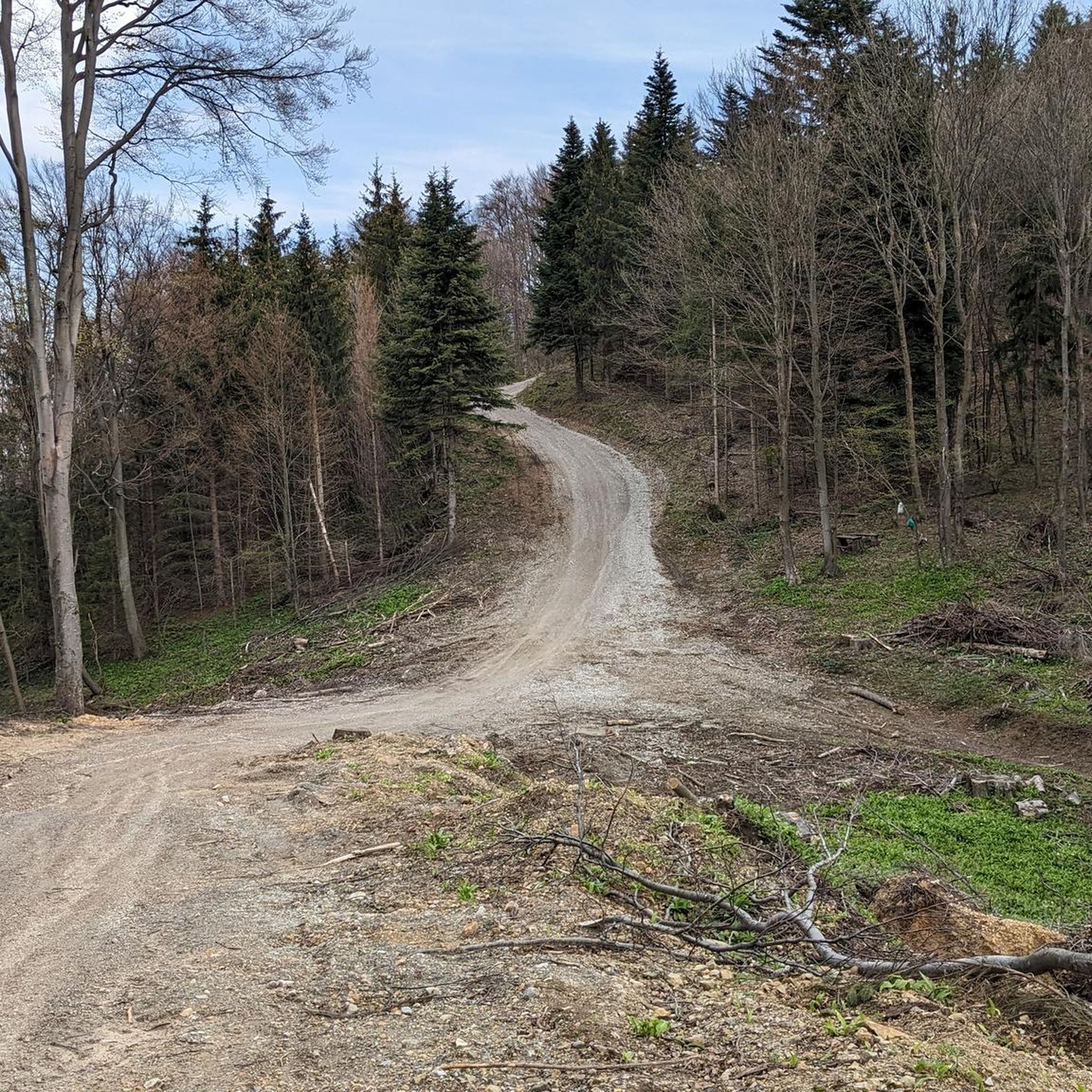
The road from the church of Sv. Maria Snow is pretty bad. It should be parked before entering the forest.
1
0

Medieval fortress, restored, with a beautiful view of the environment.
0
0
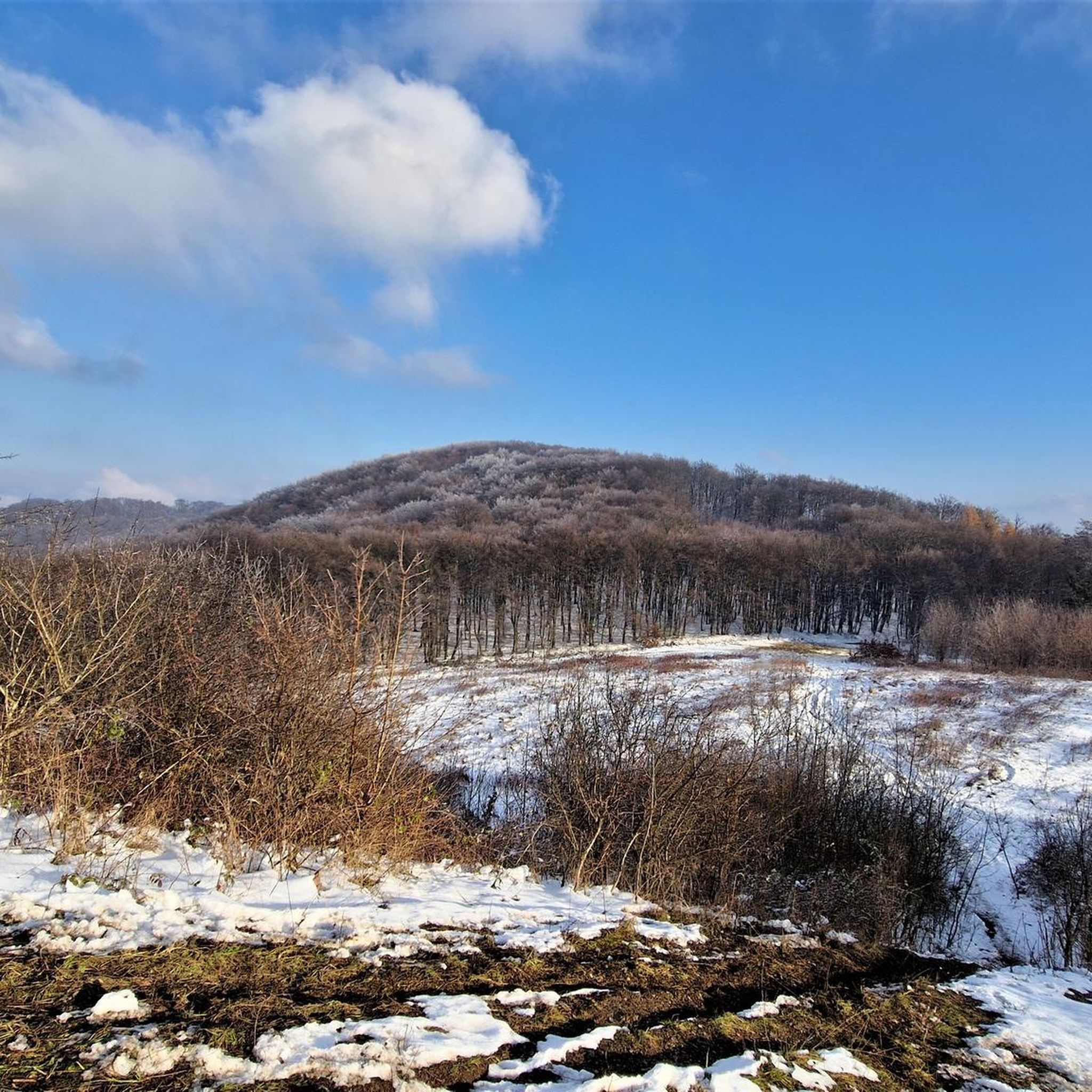
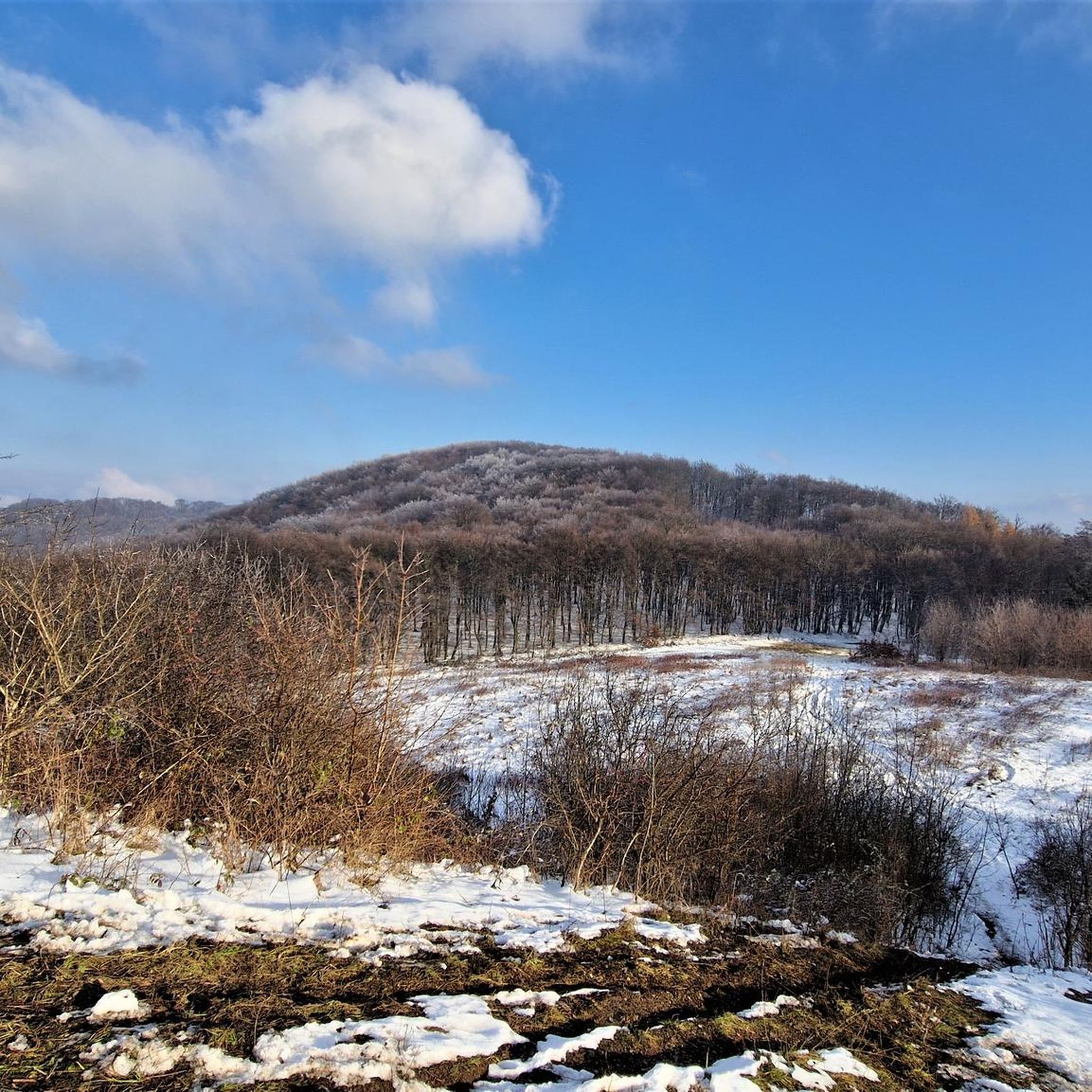
Great track at all weather conditions, especially in winter.
1
0
BELECGRAD FORTRESS The Belecgrad Fortress, ie its remains, are located approximately 3.5 km north of the present-day town of Belec. The fort is located on a secluded rocky peak 540m high. The slopes on the north and east sides of the hill are especially steep, and the south is only slightly milder. Therefore, access was possible only from the west. Belecgrad was for some time a royal estate when it passed from the possession of the lordship of Frederick of Celje to the possession of Peter Gising. The fort was ruled by the Celjski, Szekely, Frankopani, Keglević, Erdody and Rattkay families, among others. Belecgrad Castle was built as part of a chain of fortifications on the southern slopes of the largest mountain in Zagorje, Ivanščica. Then, for the needs of the defense of the Croatian-Hungarian kingdom, Loborgrad, Gradina near Lobor, Oštrcgrad, Belecgrad, the fortress of Židovina, Milengrad, Gradišče, Gotalovec and Grebengrad were built. The plan of the fort had the shape of an irregular trapezoid, 60 m long and 21 m wide. In the northern part of the fort there was a living space on two floors. With the development and strengthening of firearms during the 15th and 16th centuries, Belecgrad was additionally fortified from the south by a large circular bastion. The fort lost its significance after the threat of Turkish invasions ceased and was abandoned in the middle of the 18th century. The castle in Selnica then became the center of the estate. Height: 540 m Stamp: metal, at the entrance to the garden Bypasses: Belečki planinarski put, In the old towns of Ivanščica Access: From Belac, from the church of Sv. Marija Snježna, along marked paths (educational trail or road) to the Belecgrad mountain house, from which it takes 15 minutes to reach the hillfort along the marked path. From the top of Ivanščica from several directions to the mountain house Belecgrad and then to the hillfort. A hiking trail across Belig towards the Belecgrad mountain hut and a marked branch from that road towards the hillfort. https://belecgrad.com/znamenitosti/utvrda-belecgrad/
1
0

Well-preserved ruins with a good view. Inside the walls are several stamps to collect.
1
0
Frequently Asked Questions
What is the historical significance of the castles around Ivanščica?
The castles and fortifications around Ivanščica, such as Belecgrad, Milengrad, and Pusta Bela, played a crucial strategic role throughout medieval history. They were often built after significant events like the Tatar invasion of 1242, serving as defensive strongholds and centers for local populations. These ruins offer a glimpse into the region's past, showcasing medieval architecture and the strategic importance of the Ivanščica mountain range.
Which castle ruins offer the best panoramic views?
Several castle ruins around Ivanščica provide impressive views of the surrounding landscape. Milengrad Castle Ruins offer views over the entire eastern Zagorje and parts of Varaždin County, including Medvednica. Belecgrad Fortress Ruins also provide good views from its secluded rocky peak. The Ruins of Pusta Bela Fortress, located at 430 meters above sea level, controlled the passage through Belski dol and offered strategic overlooks.
Are there family-friendly castle ruins to visit around Ivanščica?
Yes, both Milengrad Castle Ruins and Grebengrad Fortress Ruins are considered family-friendly destinations. Milengrad is described as a great place to visit with family, featuring a bar with tables and chairs for barbecues. Grebengrad is also highlighted as an exceptional picnic destination for families, especially popular on May 1st.
Can I combine a castle visit with hiking around Ivanščica?
Absolutely. Many of the castle ruins are accessible via hiking trails and are often integrated into longer routes. For example, Belecgrad Fortress Ruins can be reached from Belec along marked paths or from the top of Ivanščica. You can find various hiking options, including family-friendly trails, in the Family-friendly hikes around Ivanščica guide.
What other outdoor activities are available near the castles?
Beyond hiking, the Ivanščica region offers diverse outdoor activities. You can explore numerous mountain biking trails, detailed in the MTB Trails around Ivanščica guide. For runners, there are challenging routes available, which you can find in the Running Trails around Ivanščica guide. These activities allow you to experience the natural beauty surrounding the historical sites.
Are there any well-preserved castle ruins in the area?
While many are ruins, Belecgrad Fortress Ruins are noted for being well-preserved, offering a clear picture of a historical site. Grebengrad Fortress Ruins are also described as well-preserved, providing a good sense of the old town. Milengrad Castle Ruins have undergone restoration, enhancing their historical appeal.
How can I reach the castle ruins, and is parking available?
Access varies by ruin. Milengrad Castle Ruins can be reached by car, making it convenient for visitors. Similarly, Grebengrad Fortress Ruins are also accessible by car, though an easy climb on foot is also an option. For Belecgrad Fortress Ruins, access is primarily via marked hiking paths from Belec or the top of Ivanščica, with a mountain house nearby.
What is the best time of year to visit the castles around Ivanščica?
The Ivanščica region is known for its natural beauty and impressive views, which are best enjoyed during pleasant weather. Spring and autumn typically offer comfortable temperatures for hiking and exploring the ruins. While some trails are suitable for winter, the panoramic views are often clearest and most enjoyable outside of heavy snow or fog.
Are there any hidden gem castle ruins I should know about?
Beyond the more prominent sites, the wider Ivanščica area is home to other historical ruins like Oštrc, Pusti Lobor, and Grebengrad. These sites, while perhaps less frequented, still offer unique insights into the region's past and provide opportunities for exploration away from larger crowds. Grebengrad Fortress Ruins, for instance, are a well-preserved old town with a beautiful environment.
What kind of architectural styles can be observed in these castle ruins?
The ruins around Ivanščica showcase various medieval architectural elements. The Ruins of Pusta Bela Fortress, for example, preserve visible stone traces of a building with a circular floor plan within its ramparts, reflecting the transmission of French architectural culture with Romanesque castles featuring central defense towers. These structures highlight the defensive building techniques prevalent in the 13th century and beyond.
Most popular attractions around Ivanščica

Get inspired with the komoot mobile app


