Top 17 Castles around Sintra-Cascais Natural Park
Best castles around Sintra-Cascais Natural Park are situated within a region known for its diverse landscape, encompassing mountains, forests, and coastal areas. This area features a collection of historical structures, including ancient fortifications and royal residences. The natural park provides a backdrop of varied terrain, from elevated viewpoints to lush woodlands. These sites offer insights into the architectural and historical development of the region.
Best castles around Sintra-Cascais Natural Park
- The most popular castles is Castle of the Moors, a castle that served as a military fortification. Its ramparts offer panoramic views over Sintra and the distant Atlantic Ocean.
- Another must-see spot is Quinta da Regaleira, a castle known for its mysterious estate featuring a palace, chapel, and gardens with symbolic elements. Visitors can explore the Initiation Well and a network of underground tunnels.
- Visitors also love National Palace of Sintra, a castle distinguished by its two massive conical chimneys. It is the best-preserved medieval royal palace in Portugal, showcasing a blend of architectural styles and historical rooms.
- Sintra-Cascais Natural Park is known for ancient Moorish fortifications, eclectic palaces, and medieval royal residences. The variety of castles to see and explore reflects centuries of architectural and historical development.
- The castles around Sintra-Cascais Natural Park are appreciated by the komoot community, with more than 470 upvotes and over 460 photos shared across 15 highlights.
Last updated: July 13, 2026
Pena Palace
Highlight • Castle
Translated by Google •
Tip by

Castle of the Moors
Highlight • Castle
Translated by Google •
Tip by
Sign up now to discover places like this
Get recommendations on the best single tracks, peaks, & plenty of other exciting outdoor places.
Sign up for free
Quinta da Regaleira
Highlight • Castle
Translated by Google •
Tip by

National Palace of Sintra
Highlight • Castle
Of all the palaces erected throughout the Middle Ages by the Portuguese monarchs, only that of Sintra has survived to this day practically intact, preserving the essence of its configuration and silhouette since the mid-16th century.
Translated by Google •
Tip by
Pena Park
Highlight • Forest
Translated by Google •
Tip by
Sign up for free to discover even more castles around Sintra-Cascais Natural Park.
Sign up for free
Already have an account?
Start today with a free account
Your next adventure awaits.
Login or Signup
Popular around Sintra-Cascais Natural Park
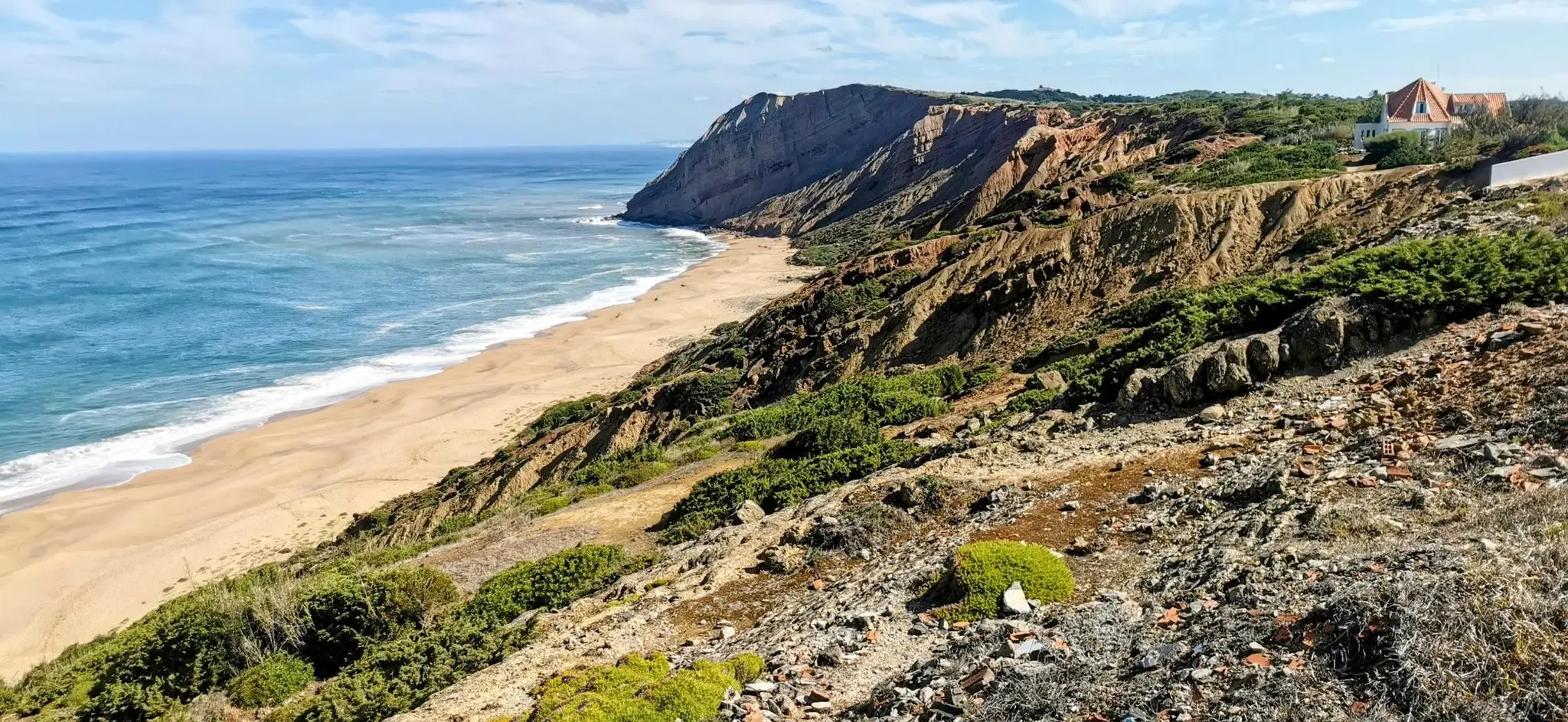
EuroVelo 1 Portugal – Cycle the Atlantic Coast
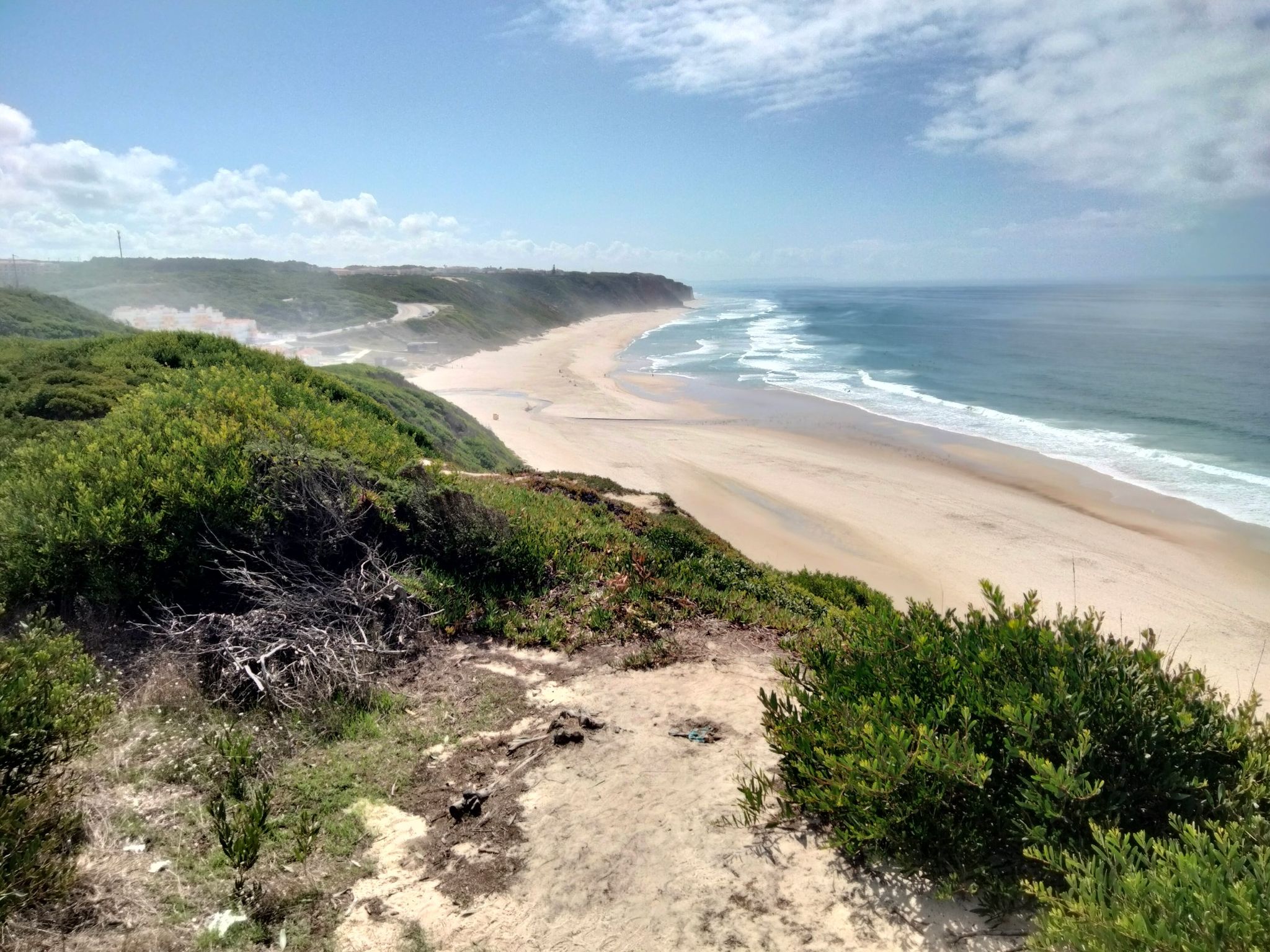
Portugal's Atlantic coast (north) – from Caminha to Lisbon
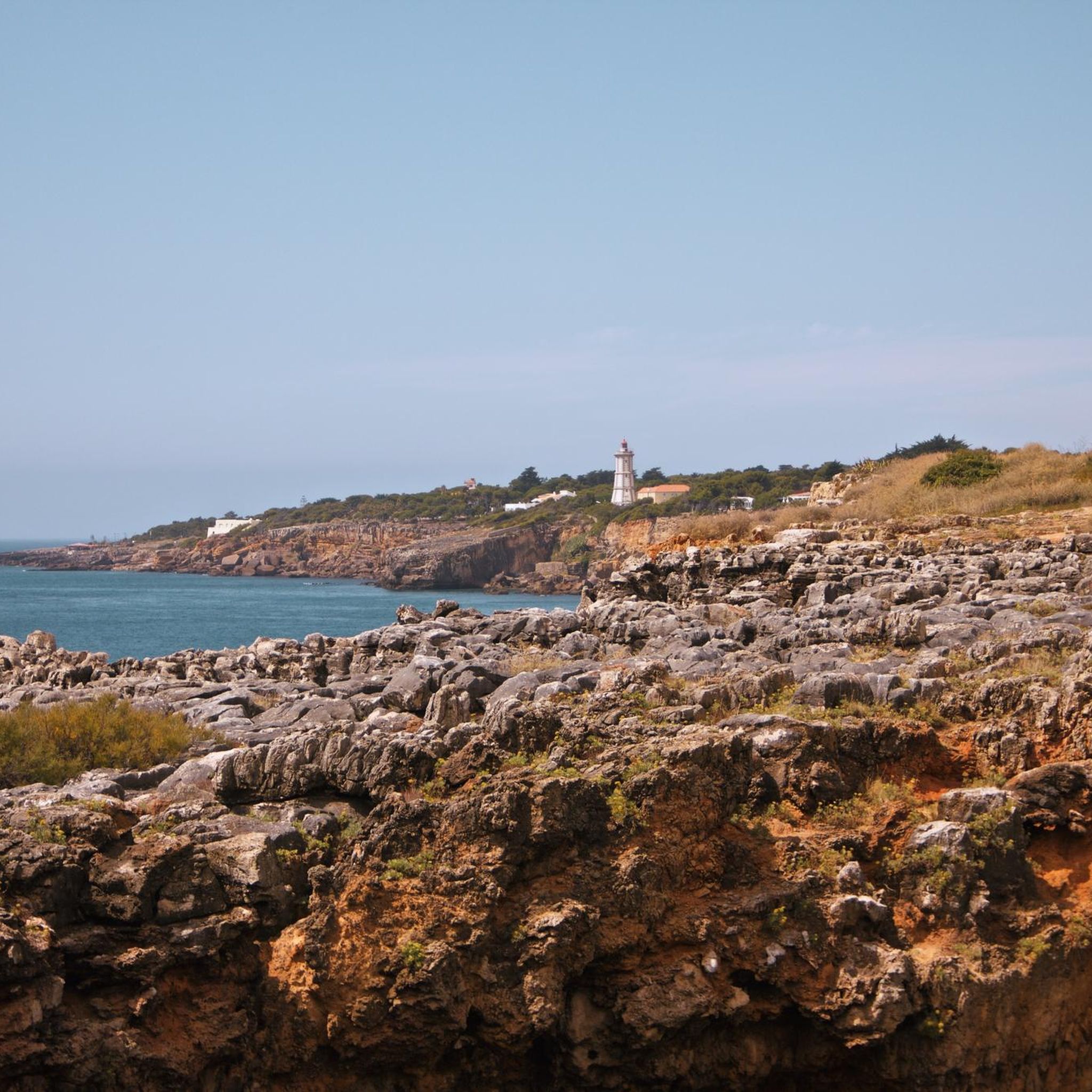
Hiking around Sintra-Cascais Natural Park
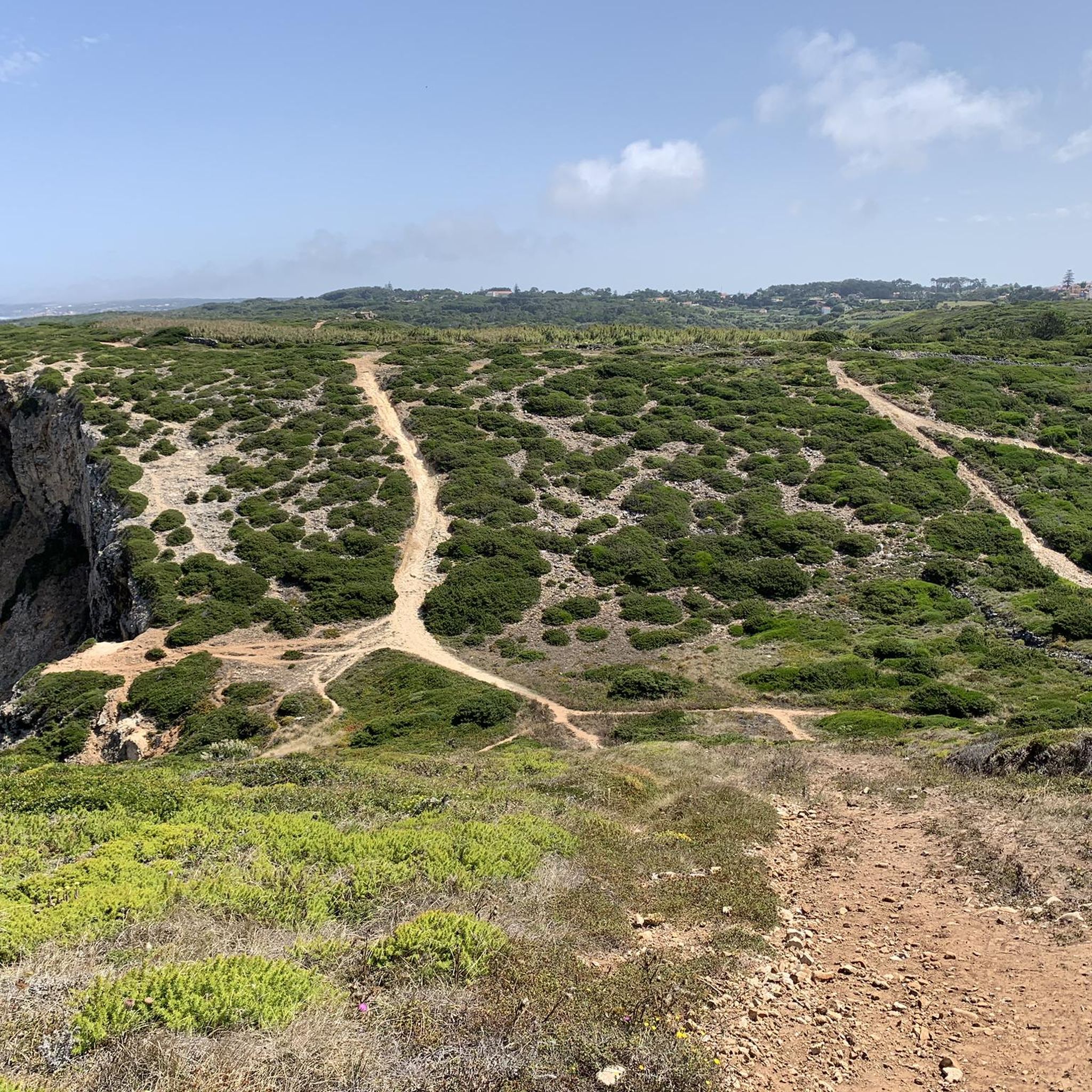
Running Trails around Sintra-Cascais Natural Park
Road Cycling Routes around Sintra-Cascais Natural Park
Cycling around Sintra-Cascais Natural Park

MTB Trails around Sintra-Cascais Natural Park
Gravel biking around Sintra-Cascais Natural Park
Other adventures around Sintra-Cascais Natural Park


Tips from the Community

Pena Park surrounds the palace like a vast, romantic garden filled with exotic plants, winding paths, and hidden viewpoints. Among ferns, camellias, towering trees, and tranquil ponds, a fairytale atmosphere is created that perfectly complements the palace's architecture. It's a sprawling natural and cultural experience where you can wander for hours, constantly discovering new and enchanting corners.
3
0

The view of Pena Palace and Sintra from the Castelo dos Mouros is one of the most spectacular in the entire region. Walking along the castle walls, you'll discover a landscape that blends history, architecture, and nature in perfect harmony.
7
0
The Sintra National Palace, also known as Palácio da Vila, is one of Portugal's most iconic monuments and the oldest royal palace in the country. Located in the historic center of Sintra, it is easily recognizable by its two large, white, conical chimneys, nearly 33 meters high, visible from many points in the city.
16
0
It was originally a Hieronymite monastery founded in the 16th century, dedicated to Our Lady of Sorrow. After the 1755 earthquake, it fell into ruins and was acquired by King Ferdinand II in 1838. Between 1842 and 1854, it became a summer palace for the Portuguese royal family. In 1910, following the end of the monarchy, it passed into state hands and was opened to the public.
20
0
The Pena Palace in Sintra is one of Portugal's most spectacular monuments and a jewel of European Romanticism. Located high in the Sintra Mountains, about 25 km from Lisbon, this palace looks like something out of a fairy tale with its colorful and eclectic architecture.
21
0

I didn't visit the Palacio National de Pene because the €20 entrance fee is tied to a time slot and you should be there about an hour before the gate opens so you don't miss your time slot. It was too stressful for me 🤔🙂 The Parque de Pene is simply stunning! I bought the entrance ticket (€12) at the Castelo, but you can also buy them separately in the entrance area on site. When you're there, you should leave the wide main paths and follow the narrow, enchanted paths to the individual highlights - the view from Cruz Alto (The Cross) is magnificent! 🤩
2
0

The Quinta da Regaleira palace was built at the beginning of the 20th century by the millionaire Antonio Augusto Carvalho Monteiro (1848-1920), who fulfilled his dream here with the help of the theater architect Luigi Manini (1848-1936). It is a UNESCO World Heritage Site. A fairytale 🏰. Beautiful here 🥰.
18
0
This tour along the walls is simply spectacular and extremely impressive 😍. From the very top you have a fantastic panoramic view 🥰. It's fantastically beautiful here 🫶🏻.
17
0
Frequently Asked Questions
What are some unique architectural styles found in the castles of Sintra-Cascais Natural Park?
The castles and palaces in Sintra-Cascais Natural Park showcase a rich blend of architectural styles. For instance, the Pena Palace is renowned for its eclectic Romanticist architecture, combining Neo-Gothic, Neo-Manueline, Neo-Islamic, and Neo-Renaissance elements. Quinta da Regaleira features a mix of Gothic, Renaissance, and Manueline styles with esoteric symbols. The Sintra National Palace displays Medieval, Gothic, Manueline, Renaissance, and Romantic influences, while Monserrate Palace blends Neo-Gothic, Neo-Renaissance, and Neo-Islamic designs.
Are there family-friendly castles to visit in Sintra-Cascais Natural Park?
Yes, several castles offer engaging experiences for families. Quinta da Regaleira is particularly popular for its mystical gardens, underground tunnels, and the Initiation Well, which provides a sense of adventure. The National Palace of Sintra, with its rich history and distinctive conical chimneys, also offers an interesting visit for all ages.
What kind of views can I expect from the castles in Sintra-Cascais Natural Park?
Many castles in the region offer spectacular panoramic views. From the ramparts of Castelo dos Mouros, you can enjoy breathtaking vistas over Sintra, its palaces, and the distant Atlantic Ocean. Pena Palace, perched at one of the highest points in the Sintra Mountains, also provides sweeping views of the surrounding countryside and the ocean.
Can I explore the natural surroundings of the castles, like parks or gardens?
Absolutely. Many castles are set within extensive parks and gardens. Pena Palace is surrounded by the sprawling Pena Park, a lush wonderland with winding paths, exotic plant species, and features like the Chalet of the Countess of Edla. Monserrate Palace is known for its rich botanical gardens, featuring diverse plant species organized by geographical origin, along with waterfalls and lakes. Quinta da Regaleira also boasts mystical gardens with grottoes, fountains, and hidden trails.
What are the historical origins of the Castelo dos Mouros?
The Castelo dos Mouros, or Castle of the Moors, dates back to the 8th century. It was built by the Arabs as a military fortification to control routes between Sintra and other key areas. While much of the castle has been reconstructed, it retains its ancient feel and provides a tangible link to Sintra's Moorish past.
How does Quinta da Regaleira differ from other castles in the region?
Quinta da Regaleira is unique because it's not a traditional castle but an estate featuring a palace, chapel, and extensive gardens with symbolic and esoteric elements. Its most iconic feature is the Initiation Well, a 27-meter-deep inverted tower with a spiral staircase, believed to have been used for ceremonial purposes. The gardens are designed as a symbolic journey with grottoes, fountains, and a network of underground tunnels, offering a distinctive experience focused on exploration and mystery.
What is the best time of year to visit the castles in Sintra-Cascais Natural Park?
The Sintra-Cascais Natural Park is beautiful year-round, but spring (April to June) and early autumn (September to October) generally offer pleasant weather for exploring the castles and their surrounding parks. During these periods, temperatures are mild, and the crowds are typically smaller than in the peak summer months.
Are there options for outdoor activities or hiking near the castles?
Yes, the Sintra-Cascais Natural Park offers numerous outdoor activities. You can find various hiking trails, such as the 'Quinta da Regaleira e Palácio Nacional — circular route PR 4 SNT in Sintra' or the 'Pena Palace – Quinta da Regaleira loop from Sintra'. For more options, explore the waterfall hikes, MTB trails, and running trails available in the region.
Is public transport available to reach the castles in Sintra?
Yes, Sintra is well-connected by public transport. You can take a train from Lisbon to Sintra. Once in Sintra, local buses (like the 434 tourist bus) connect the train station to the main palaces and castles, including Pena Palace, Castelo dos Mouros, and the National Palace of Sintra. Walking is also an option for some sites, though the terrain can be hilly.
Are there less crowded castles or palaces to visit in the Sintra-Cascais Natural Park?
While Pena Palace and Quinta da Regaleira can get very busy, Monserrate Palace often offers a more tranquil visiting experience. Being slightly further from Sintra's historic center, it tends to be less crowded, allowing for a more peaceful exploration of its eclectic architecture and lush botanical gardens.
What makes the Sintra National Palace unique?
The Sintra National Palace, also known as the Town Palace, is distinguished by its two massive conical chimneys, which are an instantly recognizable symbol of Sintra. It is the best-preserved medieval royal palace in Portugal, having been a favored residence of Portuguese royalty for centuries. Its interiors feature a captivating blend of architectural styles and house the largest collection of Mudéjar tiles in Portugal, along with notable rooms like the Swan Room and the Magpie Room.
Are there any dog-friendly options for visiting the castles or their surrounding parks?
While dogs are generally not allowed inside the palaces and castles themselves, many of the surrounding parks and natural areas within Sintra-Cascais Natural Park are dog-friendly. Always check specific park regulations and ensure your dog is on a leash. For example, the extensive grounds of Pena Park might offer suitable walking areas, but entry policies can vary.
What should I wear when visiting the castles, especially during autumn?
During autumn, Sintra can experience cooler temperatures and occasional rain, especially in the mornings and evenings. It's advisable to wear layers, including a light jacket or sweater, and comfortable walking shoes as you'll likely be doing a lot of walking, often on uneven terrain or up hills. A waterproof outer layer is also recommended for unexpected showers.
Most popular routes around Sintra-Cascais Natural Park
Most popular attractions around Sintra-Cascais Natural Park

Get inspired with the komoot mobile app


Explore more
Looking for the best castles somewhere else? Discover other guides around Sintra-Cascais Natural Park:
