Tatra National Park, Poland
Tatra National Park, Poland
Top 13 Gorges around Tatra National Park, Poland
Best canyons around Tatra National Park, Poland are characterized by deep valleys and gorges, showcasing impressive geological formations within a dramatic landscape. The region features steep-sided rock formations and flowing water, offering diverse natural beauty. These areas include limestone masterpieces and glacially formed valleys, providing varied terrain for exploration. Tatra National Park, Poland is a part of the Carpathian Mountains, known for its alpine landscape and sharp-edged peaks.
Best canyons around Tatra National Park, Poland
- The most popular canyons is Chochołowska Valley (Dolina Chochołowska), a gorge that is the largest and longest valley in Poland’s Tatra Mountains, stretching 10 kilometers. It is known for its scenic beauty, featuring dense spruce forests, alpine meadows, and a deep gorge with dramatic narrows, popular especially in spring when covered with thousands of blooming crocuses.
- Another must-see spot is Olczyska Valley, a montane valley in the Western Tatras. Visitors can expect a gentle and peaceful walk among the Tatra peaks, with the Wielki Kopieniec peak offering a panorama of the Tatra Mountains.
- Visitors also love Jaworzynka Valley, a picturesque valley not far from Kuźnice. It features many limestone outliers and offers views of peaks such as Cyganka and Parzące Turnie.
- Tatra National Park, Poland is known for its deep valleys, limestone gorges, and glacially formed canyons. The region offers a variety of canyon-like features to see and explore, from narrow passages with towering rock walls to wide valleys with flowing streams.
- The canyons around Tatra National Park, Poland are appreciated by the komoot community, with more than 160 upvotes and 20 photos shared across 13 highlights.
Last updated: July 13, 2026
Olczyska Valley
Highlight • Gorge
Source and more:
gorskim-szlakiem.pl/dolina-olczyska
Translated by Google •
Tip by

Chochołowska Valley (Dolina Chochołowska)
Highlight • Gorge
Translated by Google •
Tip by

Sign up now to discover places like this
Get recommendations on the best single tracks, peaks, & plenty of other exciting outdoor places.
Sign up for free
Kobylarzowy Żleb Chains Section
Highlight • Climb
Crossing Kobylarzowy Żleb poses some problems. The steeply climbing path leads along its bottom covered with scree and stone rubble. It is easy to slip on small scree that slides under your shoes, so you should be especially careful, especially when going down. In one place, 30 minutes before reaching Czerwony Grzbiet, the approach is very steep. You have to overcome a 12-meter high rock threshold secured with a chain
Translated by Google •
Tip by

Valley of the Little Meadow
Highlight (Segment) • Gorge
It lies at an altitude of over 1000 meters and is crossed by the Małołącki Potok.
Translated by Google •
Tip by

Jaworzynka Valley
Highlight • Gorge
Translated by Google •
Tip by

Sign up for free to discover even more gorges around Tatra National Park, Poland.
Sign up for free
Already have an account?
Start today with a free account
Your next adventure awaits.
Login or Signup
Popular around Tatra National Park, Poland
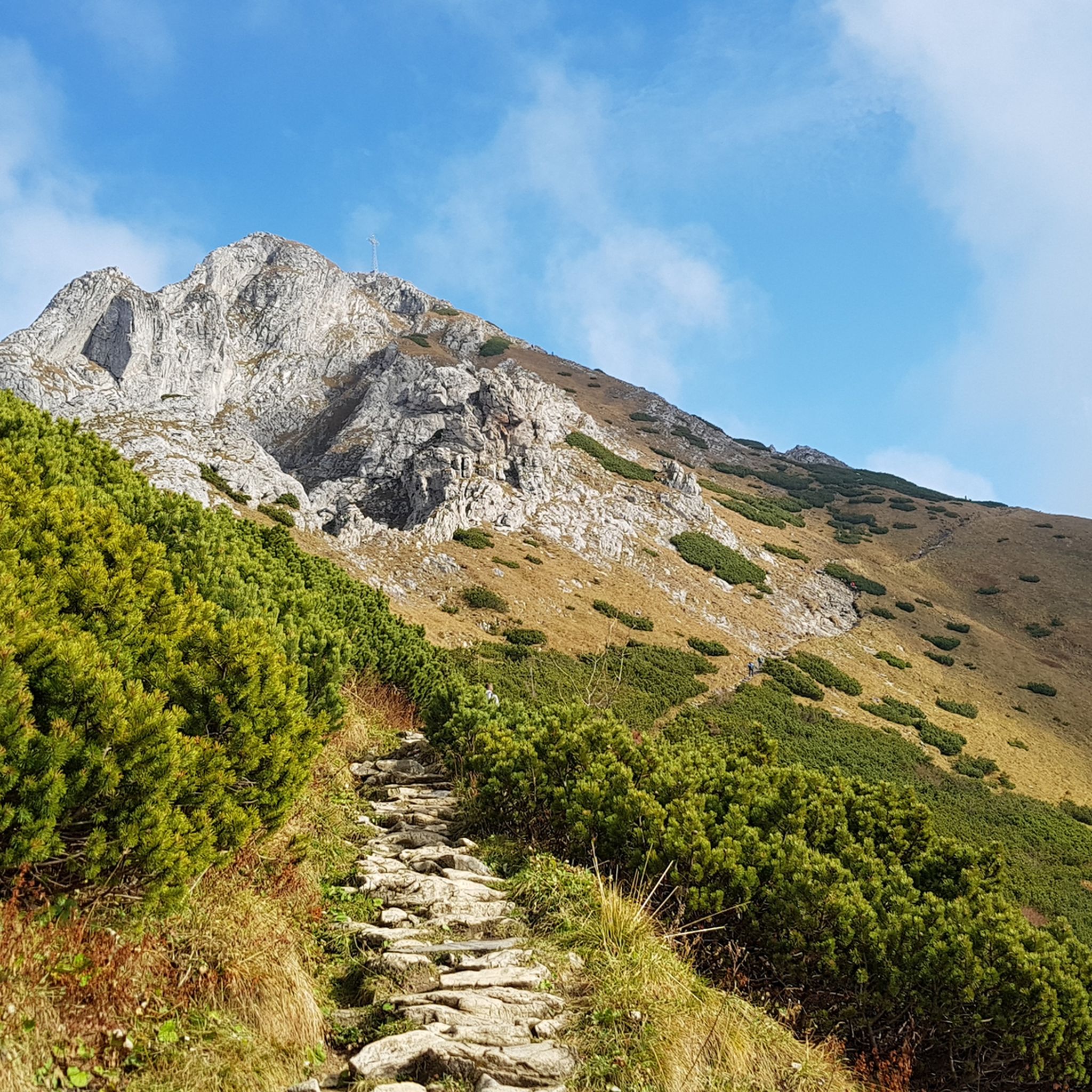
Hiking around Tatra National Park, Poland
Mountain Hikes around Tatra National Park, Poland
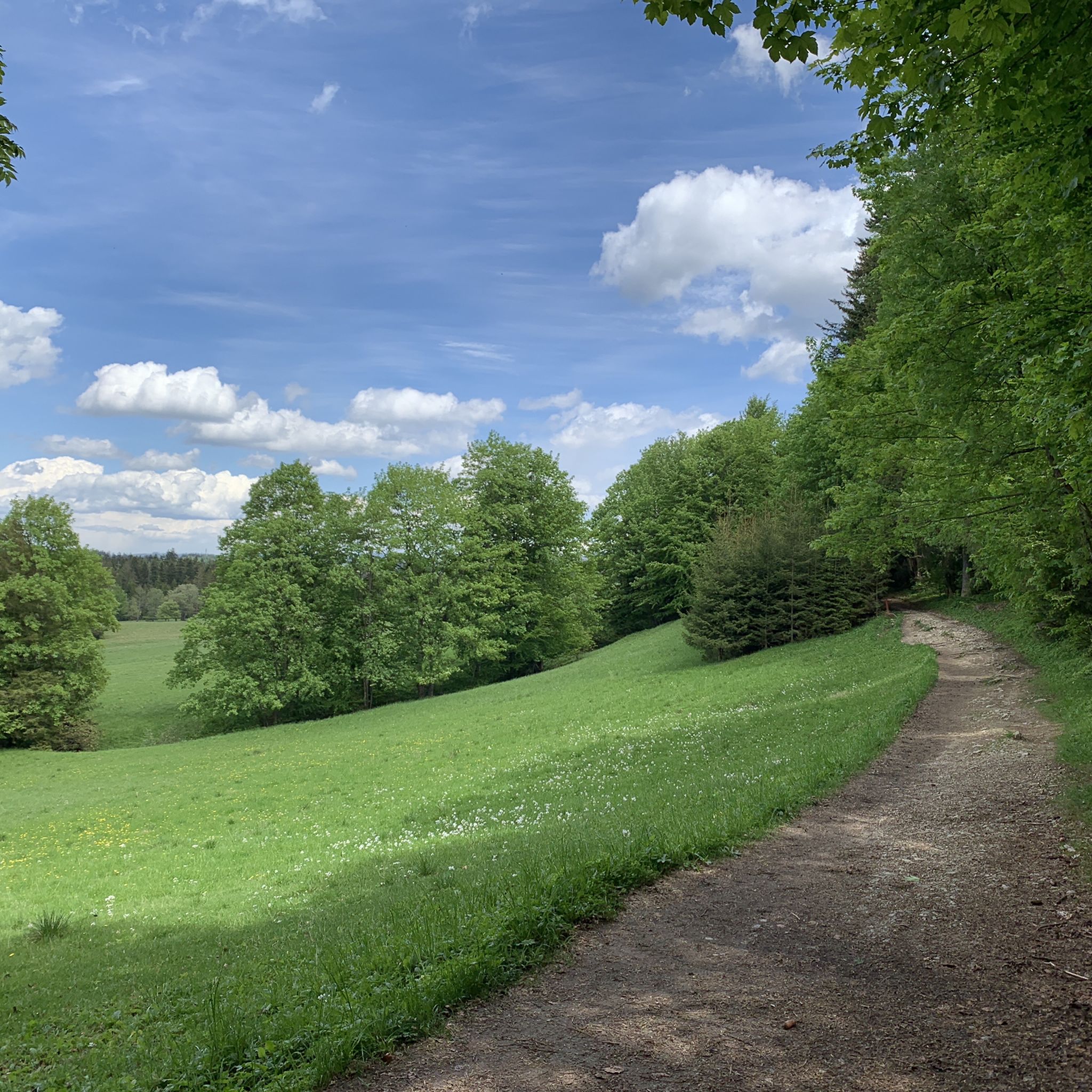
MTB Trails around Tatra National Park, Poland
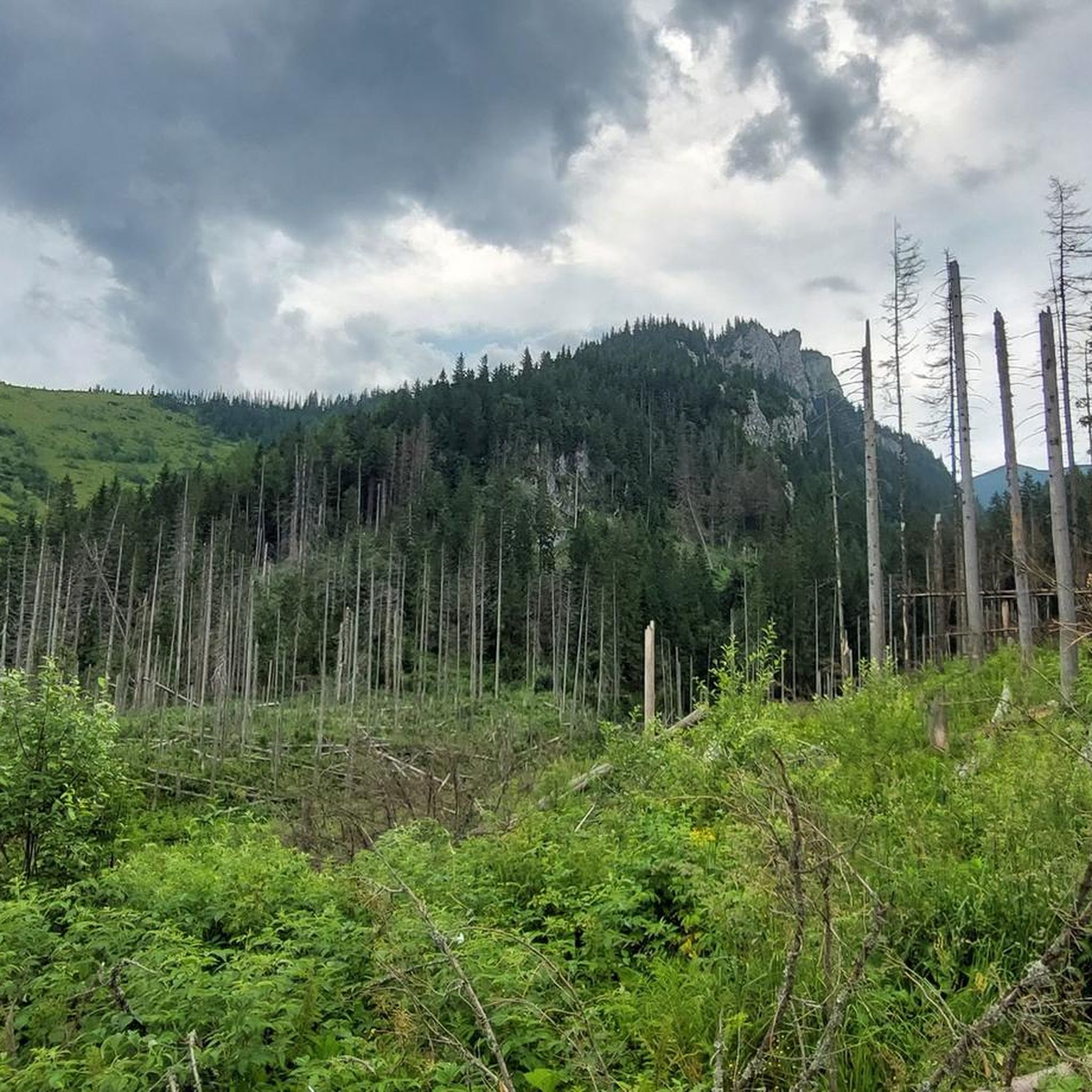
Running Trails around Tatra National Park, Poland
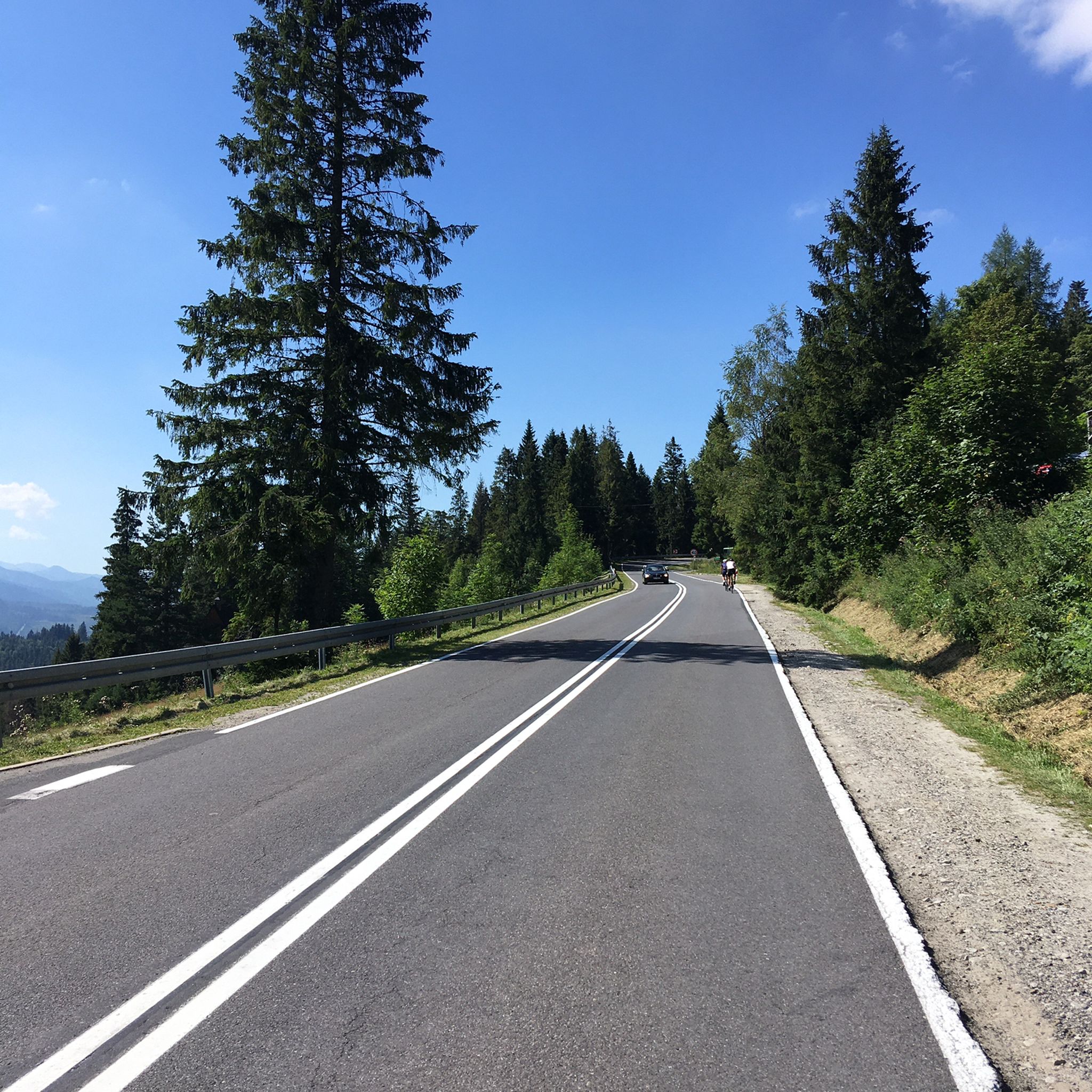
Road Cycling Routes around Tatra National Park, Poland
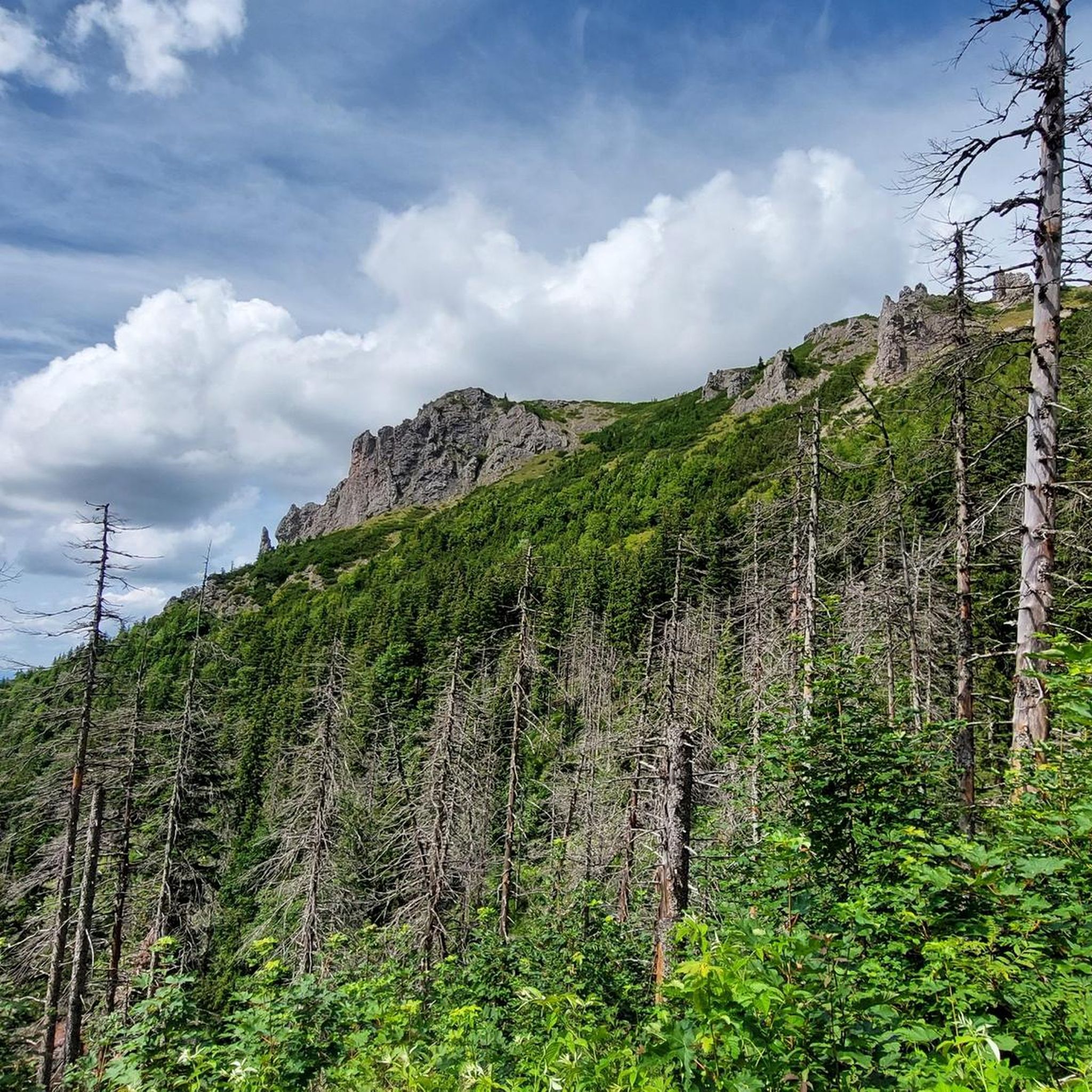
Cycling around Tatra National Park, Poland
Gravel biking around Tatra National Park, Poland
Tips from the Community

A great walking section. Picnic benches are often available. You can walk to the shelter with your dog (on a leash).
0
0

Wielka Polana Małołącka is a mountain clearing in the Mała Łąka Valley. It lies at an altitude of 1,170–1,200 m. It was formed on the site of a former glacial lake, which eventually filled with erosion sediments carried down from the mountains by flowing waters. It is known for its panoramic views and the view of Giewont.
2
0

A good place for those unfamiliar with chains to practice before heading into more difficult terrain. However, for some it may be nothing special, but for others it will make your heart beat faster and not only because of the effort:) There is no precipice (exposure), you can possibly roll down the rocks. I am writing all this about the conditions in summer and when the rocks are dry.
0
0

A beautiful and picturesque valley in the Tatras, not far from Kuźnice. Many limestone outliers, and views of many peaks, such as Cyganka, Parzące Turnie or Gruba Turnia. A great walk!
0
0

The Chochołowska Valley is the largest valley in the Polish Tatras, popular especially in spring, when it is covered with thousands of blooming crocuses. A comfortable, wide road leads through it, which can be covered on foot, by bike, or by tourist train or carriage. At the end of the valley is the Chochołowskie Shelter, which is a great place to rest before continuing your hike, e.g. to Grześ or Trzydniowiański Wierch.
2
0

It is a deep gorge with steep walls, cut in the limestone rocks in the past by the tongue of a glacier. Crossing Kobylarzowy Żleb poses some problems. The steeply climbing path leads along its bottom covered with scree and stone rubble. It is easy to slip on small scree that slides under your shoes, so you should be especially careful, especially when going down. In one place, 30 minutes before reaching Czerwony Grzbiet, the approach is very steep. You have to overcome a 12-meter high rock threshold secured with a chain
0
0

Before the establishment of the Tatra National Park in 1954, the valley with its high mountain climate was used for alpine farming.
6
1
The valley contains the longest and deepest caves in Poland, the more than 23 km long Jaskinia Wielka Śnieżna and the more than 13 km long Śnieżna Studnia.
6
1
Frequently Asked Questions
What makes the canyons and valleys in Tatra National Park, Poland unique?
The region is characterized by dramatic landscapes featuring deep valleys and gorges, showcasing impressive geological formations. These areas, often referred to as valleys or gorges locally, exhibit canyon-like characteristics with steep-sided rock formations and flowing water. You'll find limestone masterpieces, such as the Kościeliska Valley with its extensive cave networks, and glacially formed valleys like the Valley of the Little Meadow, surrounded by mountains over 2000 meters high.
Which canyons are particularly scenic or offer unique natural features?
The Chochołowska Valley is renowned for its vast meadows that transform into a vibrant sea of crocuses in spring. The Olczyska Valley offers a peaceful walk with picturesque cascades and the intriguing Olczyskie Wywierzysko spring. Within the Kościeliska Valley, the Kraków Gorge is a spectacular narrow limestone canyon with a ladder leading to the Smocza Jama (Dragon's Den) cave.
Are there family-friendly canyons or valleys to explore in Tatra National Park, Poland?
Yes, several valleys are ideal for families. The Chochołowska Valley features a wide, comfortable road suitable for walking, biking, or even a tourist train. The Olczyska Valley offers gentle and peaceful walks, often with fewer crowds. The Valley of the Little Meadow also provides trails suitable for leisurely strolls amidst beautiful panoramic views.
What is the best time to visit the canyons in Tatra National Park, Poland?
Spring is particularly popular, especially in the Chochołowska Valley and the Valley of the Little Meadow, when meadows are carpeted with blooming crocuses and other colorful flowers. Summer offers pleasant hiking conditions, while autumn brings stunning foliage. Winter can be challenging but offers unique snowy landscapes for experienced hikers.
What kind of terrain can I expect when exploring the canyons and valleys?
The terrain varies significantly. You'll find wide, comfortable paths in valleys like Chochołowska Valley, suitable for easy walks. Other areas, such as the Kościeliska Valley, feature dramatic gorges with narrow sections and towering rock walls. Some trails, like the Kobylarzowy Żleb Chains Section, involve steep climbs over scree and require chains for assistance, making them more challenging.
Are there any historical or cultural aspects associated with the canyons?
Yes, the Kościeliska Valley offers insights into 15th-century mining traditions and 19th-century metallurgical centers. The Chochołowska Valley preserves its shepherding heritage, with traditional cheese-making still practiced. You can also find old shepherd huts in valleys like Olczyska and Jaworzynka, reflecting the region's pastoral history.
Can I bring my dog to the canyon trails in Tatra National Park, Poland?
The Chochołowska Valley is one of the few places in the Polish Tatras where dogs are allowed on leash, making it a great option for pet owners. However, it's important to check specific regulations for other trails within Tatra National Park, as rules can vary.
What outdoor activities can I do near these canyons?
Beyond exploring the canyons themselves, the region offers a variety of outdoor activities. You can find numerous mountain hikes, including challenging routes to high peaks. There are also MTB trails for cycling enthusiasts and waterfall hikes to discover picturesque cascades.
What do visitors enjoy most about the canyons in Tatra National Park, Poland?
Visitors frequently praise the stunning natural beauty, from the dramatic rock formations and deep gorges to the peaceful meadows and flowing streams. The opportunity for gentle, scenic walks, especially in valleys like Olczyska Valley, is highly valued. Many also appreciate the chance to witness the spectacular spring crocus blooms in the Chochołowska Valley.
Are there any caves to explore within the canyons of Tatra National Park?
Yes, the Kościeliska Valley is particularly rich in caves, with over 400, some of which are accessible to the public without special equipment, such as Mroźna Cave, Mylna Cave, and Raptawicka Cave. The Valley of the Little Meadow also contains some of Poland's deepest caves, including Jaskinia Wielka Śnieżna.
Where is the Dunajec Gorge located in relation to Tatra National Park?
The Dunajec Gorge is a significant natural highlight in Poland, but it is located in the Pieniny Mountains and Pieniny National Park, not directly within Tatra National Park. It forms a natural border between Poland and Slovakia and is famous for its traditional wooden raft trips.
What are some challenging canyon trails for experienced hikers?
For those seeking a challenge, the Kobylarzowy Żleb Chains Section offers a deep gorge with steep walls and a path secured with chains, requiring careful footing. The side-trail to Kraków Gorge within the Kościeliska Valley also presents a narrow, adventurous route.
Most popular routes around Tatra National Park, Poland
Most popular attractions around Tatra National Park, Poland

Get inspired with the komoot mobile app


Explore more
Already discovered everything in this region? See additional gorges around Tatra National Park, Poland for your next adventure:
