Top 19 Lakes around Oosterschelde
Best lakes around Oosterschelde include the Oosterschelde itself, a dynamic former estuary and the largest National Park in the Netherlands. While not a traditional lake, its unique tidal character and saltwater environment support rich biodiversity. The nearby Veerse Meer is a true lake, offering a contrasting experience with its mixed fresh and saltwater environment. These water bodies provide diverse natural landscapes and recreational opportunities.
Best lakes around Oosterschelde
- The most popular lakes is Oosterschelde National Park, a natural monument…
Last updated: June 29, 2026
Oosterschelde National Park
Highlight • Natural Monument
Translated by Google •
Tip by

Oosterschelde National Park
Highlight (Segment) • Natural Monument
Translated by Google •
Tip by

Sign up now to discover places like this
Get recommendations on the best single tracks, peaks, & plenty of other exciting outdoor places.
Sign up for free
De Pluimpot Nature Reserve
Highlight • Natural Monument
Translated by Google •
Tip by

Plan Tureluur Nature Reserve
Highlight • Natural Monument
Translated by Google •
Tip by

Rengerskerke bird area
Highlight • Natural
– The area combines inland waters and mudflats outside the dike – which alternately dry up and flood – which offers a diverse habitat for numerous species, all year round.
Translated by Google •
Tip by

Sign up for free to discover even more lakes around Oosterschelde.
Sign up for free
Already have an account?
Start today with a free account
Your next adventure awaits.
Login or Signup
Popular around Oosterschelde
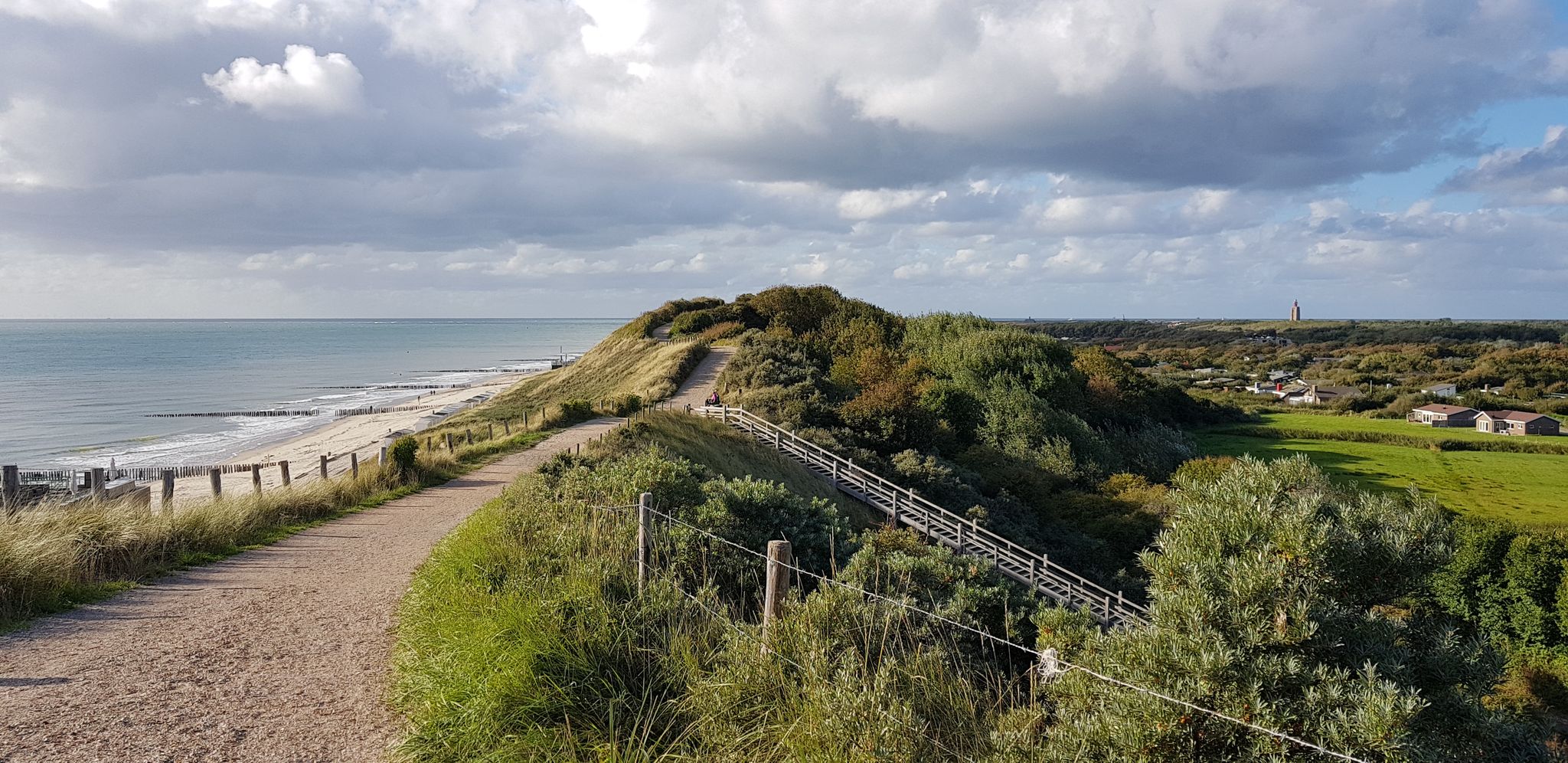
Five routes in Zeeland — the dunes, the woods and the sea
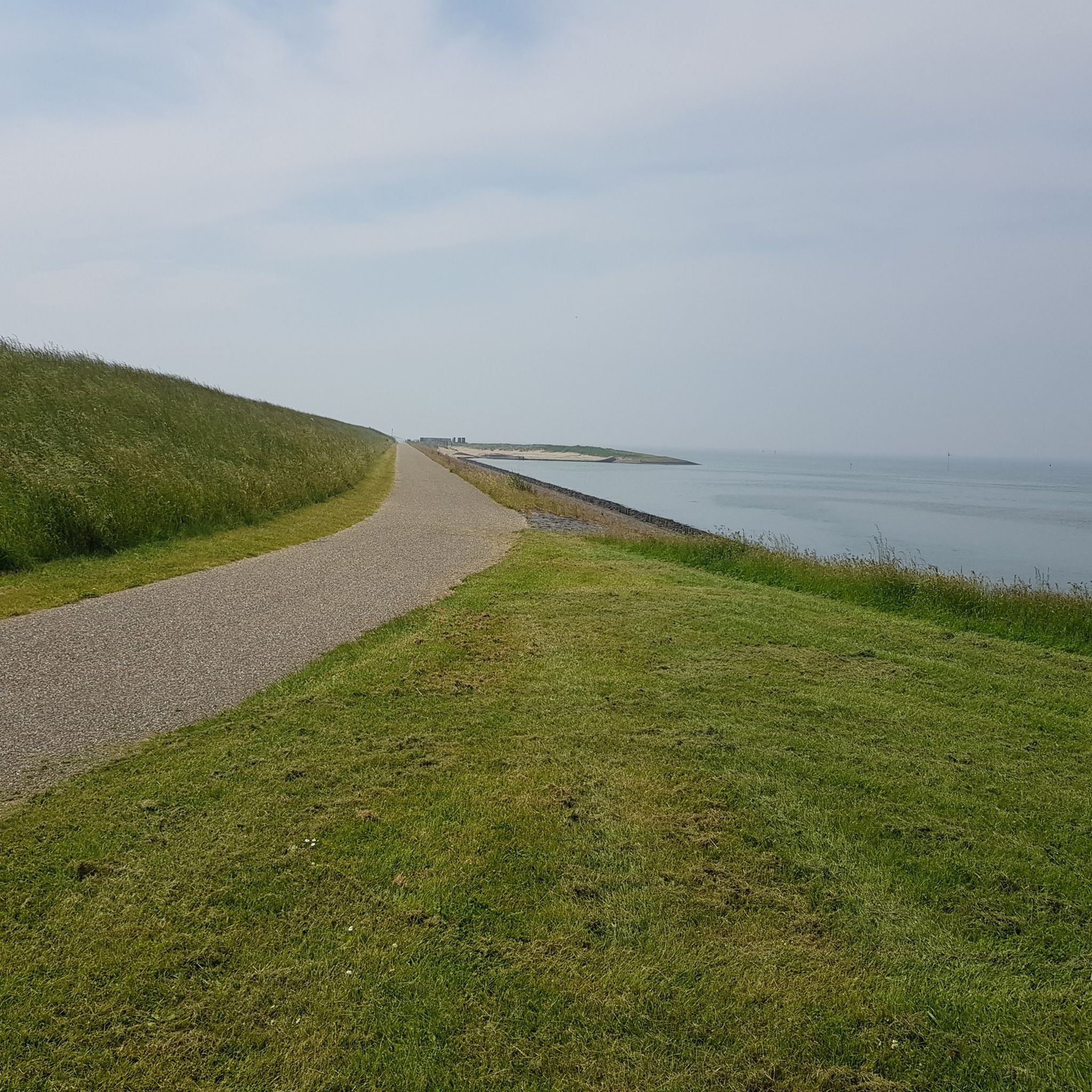
Along the Zeeland Coast — part 1: Dutch Coastal Path (formerly Deltapad)
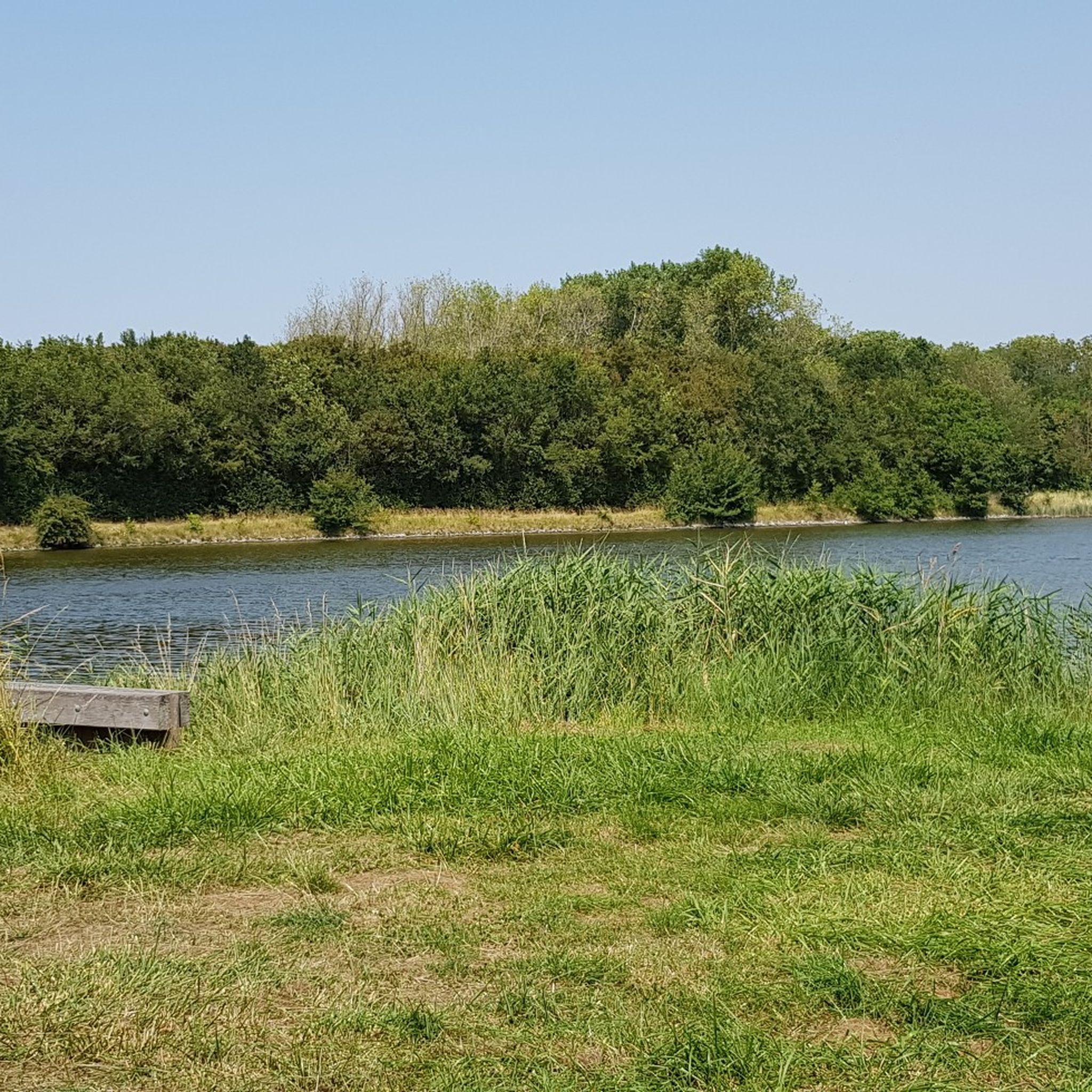
Hiking around Oosterschelde
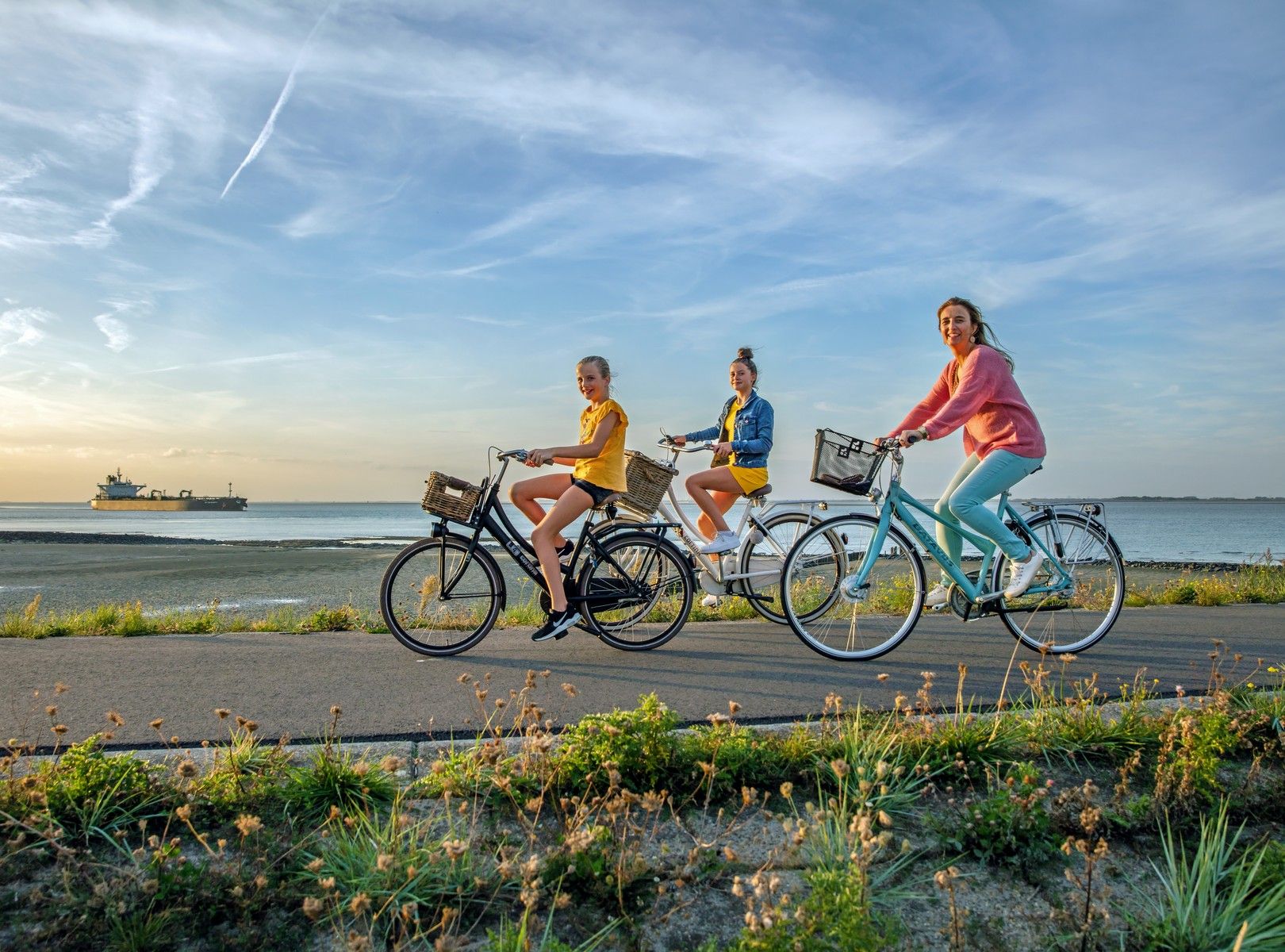
Cycling around Oosterschelde
Road Cycling Routes around Oosterschelde
Running Trails around Oosterschelde
MTB Trails around Oosterschelde

Gravel biking around Oosterschelde


Tips from the Community

Until the 1990s, this was agricultural land, but it was returned to nature. Today, the area is characterized by ponds, mudflats, and grasslands. In short: a paradise for birds!
0
0

🌏 Unique tidal nature – The area combines inland waters and mudflats outside the dike – which alternately dry up and flood – which offers a diverse habitat for numerous species, all year round. A rich birdlife, tranquility, extensive water nature
1
0
Rengerskerke near Zierikzee is a beautiful bird area in the Oosterschelde National Park, ideal for a day of taking pictures with binoculars 🎒🔭. 🦆 Wintering birds – In winter, 🧣 wigeons (the whistling duck with a creamy yellow head stripe) and common teals settle here in large numbers. 🐣 Spring and breeding season – In spring and spring, meadow birds such as lapwing, black-tailed godwit, redshank, but also coastal birds such as avocet and curlew breed here. 🥄 Spoonbill & herons – The elegant spoonbill can regularly be seen sifting with its beak; the little egret quietly hunts for small fish
0
0

De Pluimpot is a small but fascinating nature reserve on Tholen. You can access it via some accesses to the walking paths with information boards such as here. You can also access it via the parking lot at the tiny beach and the village. On the other side of the road you see a sign for a piece of nature, Tholen Dorpsbos St. Maartendijk, but that is only a small piece of green and not really a forest. Back to De Pluimpot. You can read everything about the nature reserve on this link: https://www.zeeland.com/nl-nl/visit/190_nl/natuurgebied-de-pluimpot There you can see that the Pluimpot was one of the largest channels when Tholen still consisted of small islands separated by channels. De Pluimpot was even the sea channel that divided Tholen in two after all the salt marshes had already been reclaimed. Already in the sixteenth century, people started to dam the Pluimpot and the last part was closed in 1957. Today's nature reserve was created after that damming and is therefore a dammed creek where you will find many water birds (and others) and also a specific flora. Binoculars are useful with all those birds. There is a wooden bridge over part of the creek and there are paths that run all the way next to the water, to or from the area around the Sint-Maartensdijk swimming pool.
6
0

Pure nature, accompanied by sheep while cycling
0
0

We love this bike route. From Scharendijke across the island to the south. Then along the Oosterschelde over dykes and directly past the water. Sometimes you share the path with sheep and cows. Then stroll in Zierikzee and across the island back to Scharendijke. A total of about 40 km. When the sun is shining, the water is wonderfully blue and you can hear it rushing next to you all the time.
4
0

Beautiful route where the wind is your companion or opponent. With your nose in the right direction you can cut across the dikes. Don't forget to look back every now and then. The beautiful landscapes on both sides of the dike will certainly delight you.
5
1
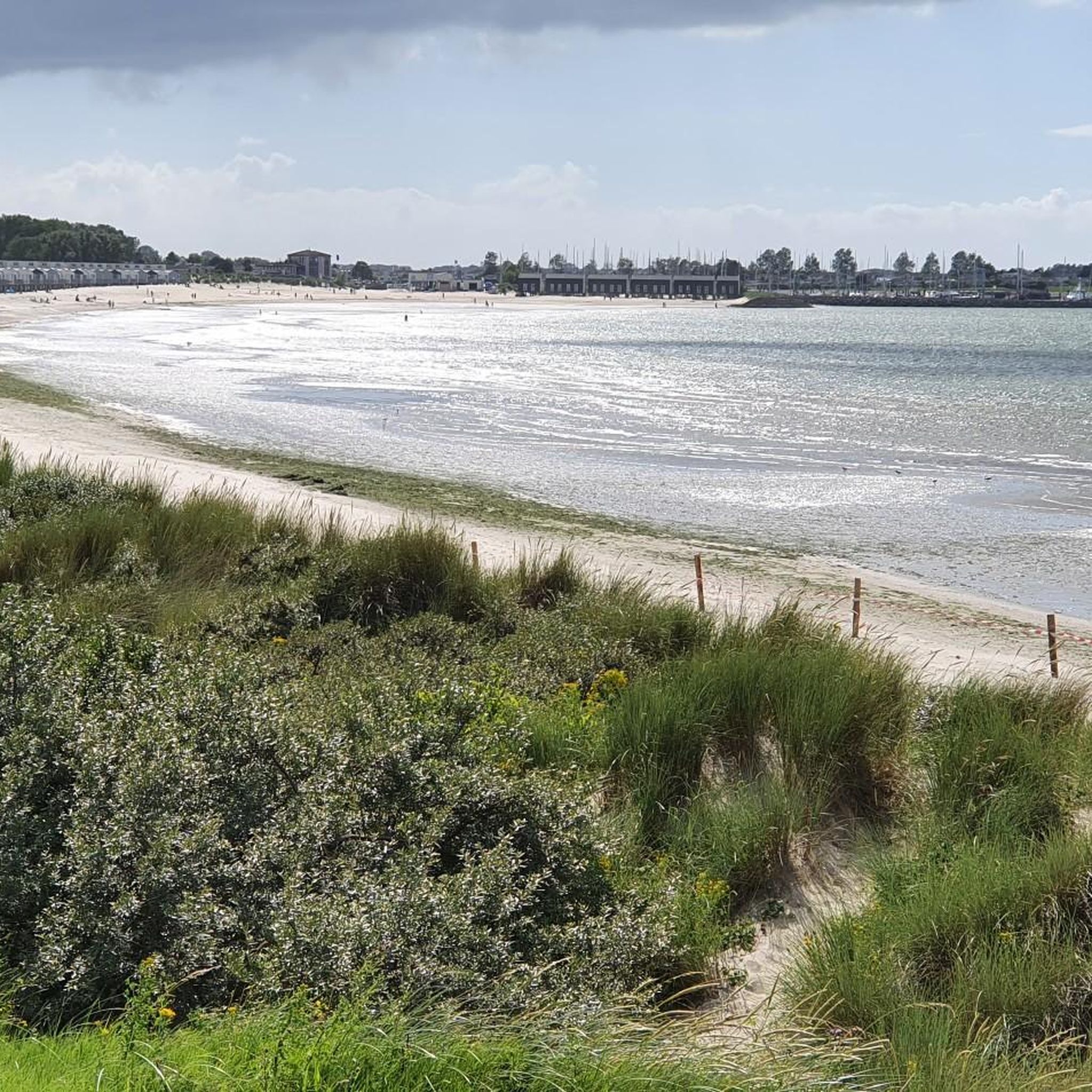
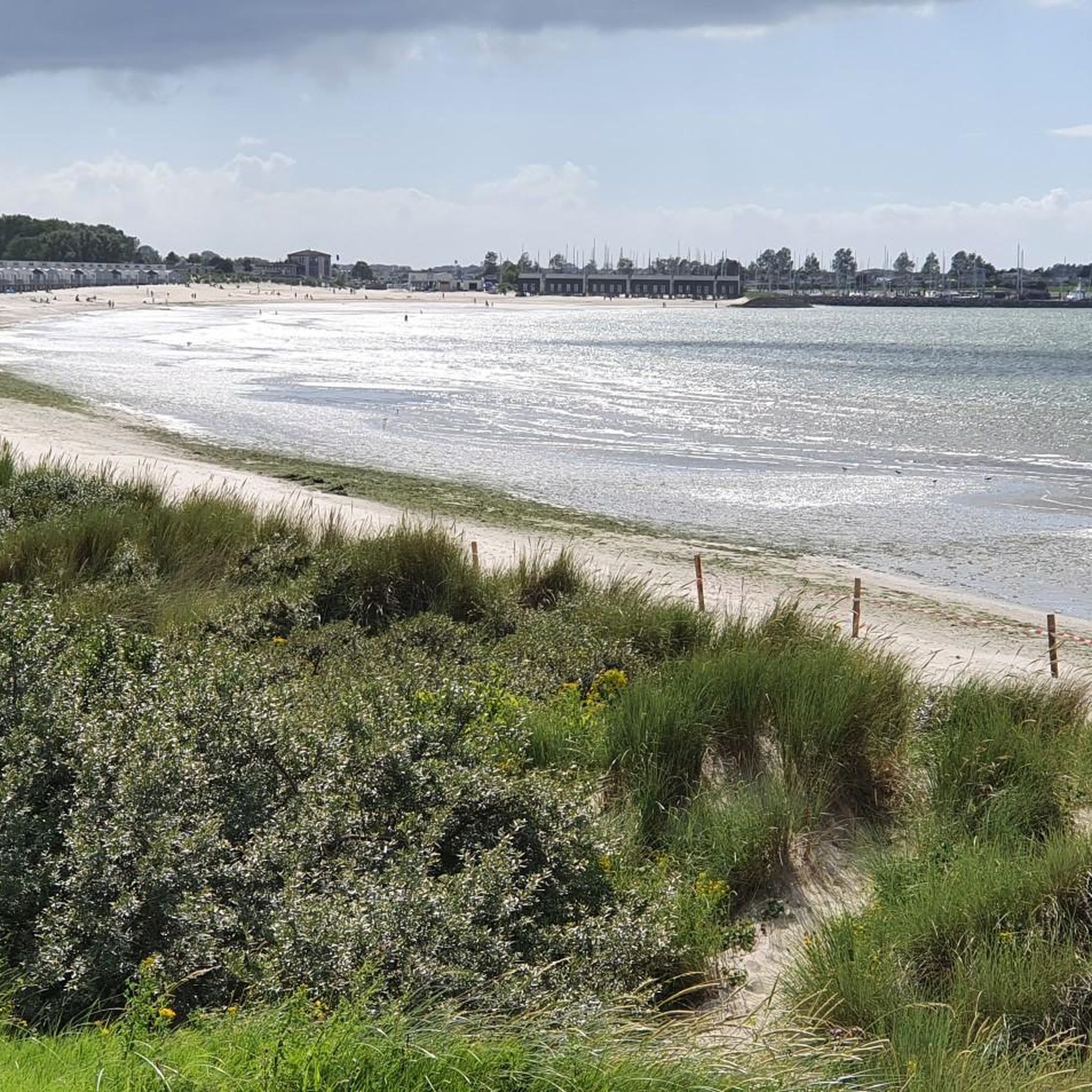
Oosterschelde National Park is openly connected to the North Sea via the storm surge barrier. Twice a day, 800 billion litres of salt water flows in and out of the area. The mudflats and sandbanks that are submerged at high tide, dry up again at low tide. The Oosterschelde is a unique area because of this tidal nature: a dynamic world.
6
0
Frequently Asked Questions
What makes the Oosterschelde unique compared to other lakes?
The Oosterschelde is not a traditional lake but a dynamic former estuary and the largest National Park in the Netherlands. It's openly connected to the North Sea via a storm surge barrier, preserving its tidal character and saltwater environment. This creates a unique ecosystem with mudflats and sandbanks that are transformed twice daily by the tide, supporting rich biodiversity.
What kind of wildlife can I expect to see around the Oosterschelde?
The Oosterschelde is a haven for wildlife. You can frequently spot common and grey seals sunbathing on sandbanks, especially at Roggenplaat and Vondelingsplaat. Porpoises are also present, and their dorsal fins can be seen in calm waters. The area is crucial for birdlife, with species like oystercatchers, redshanks, curlews, and spoonbills foraging on mudflats. Plan Tureluur Nature Reserve is a bird paradise, and Rengerskerke bird area is known for wintering wigeons and teals, and breeding avocets and curlews.
What are some notable nature reserves in the Oosterschelde region?
Beyond the vast Oosterschelde National Park itself, you can explore De Pluimpot Nature Reserve, a fascinating dammed creek attracting many water birds and specific flora. Plan Tureluur Nature Reserve, located on Schouwen-Duiveland, is a bird paradise with ponds, mudflats, and grasslands. The Rengerskerke bird area near Zierikzee is another excellent spot for birdwatching, offering a diverse habitat for numerous species.
When is the best time to visit the Oosterschelde for nature observation?
The Oosterschelde offers unique experiences year-round. For birdwatching, low tide is ideal as many species forage on exposed mudflats. Spring and autumn are excellent for migratory birds. Seals can be seen year-round, often sunbathing at low tide. Porpoise spotting is best in calm waters. Diving is popular, with good visibility during calm weather, especially at low tide.
What water sports and activities are popular in the Oosterschelde area?
The Oosterschelde is internationally renowned as a diving hotspot due to its rich underwater biodiversity. Beyond diving, it's popular for sailing, walking, cycling, and birdwatching. The nearby Veerse Meer, a true lake, is ideal for various water sports and island hopping, with 12 accessible islands for visitors.
Are there good cycling routes around the Oosterschelde?
Yes, the Oosterschelde region offers excellent cycling opportunities. You'll find scenic bike paths, such as those around Oosterschelde National Park, which are often asphalted and provide continuous views of the Oosterschelde and surrounding countryside. For more options, check out the Road Cycling Routes around Oosterschelde or Gravel biking around Oosterschelde guides.
Can I go hiking near the Oosterschelde lakes?
Absolutely. The Oosterschelde National Park and surrounding nature reserves offer various walking paths. For example, De Pluimpot Nature Reserve has paths running alongside the water. You can find many easy walking trails, including routes like 'On the border of land and sea - Oosterschelde National Park' and the 'Oosterschelde Trail'. Explore more options in the Easy hikes around Oosterschelde guide.
Are there family-friendly spots around the Oosterschelde?
Yes, many areas around the Oosterschelde are family-friendly. The Oosterschelde National Park itself offers relaxed areas good for cycling and exploring nature. Nature reserves like De Pluimpot Nature Reserve and Plan Tureluur Nature Reserve are great for wildlife observation, which can be engaging for families. The Veerse Meer also provides accessible islands for picnicking and exploring.
What is special about the Veerse Meer?
The Veerse Meer (Lake Veere) is a prominent lake adjacent to the Oosterschelde region. It's unique for its mixed fresh and saltwater environment and features 17 islands, 12 of which are accessible for visitors. It's a popular spot for sailing, picnicking, and various water sports, with beautiful cycle paths along its shores.
Where can I find amenities like cafes or accommodation near the Oosterschelde?
The villages surrounding the Oosterschelde, such as Yerseke, Wemeldinge, and Zierikzee, offer various amenities including cafes, pubs, and accommodation options. These towns often provide a good base for exploring the National Park and its natural features.
Is the Oosterschelde accessible by public transport?
While specific public transport options to individual hiking trails or remote nature spots within the Oosterschelde National Park might be limited, the larger towns and villages in the Zeeland province are generally accessible by public transport. From these points, you may need to rely on local buses, cycling, or personal vehicles to reach specific natural areas.
Are there specific parking locations for visiting the Oosterschelde National Park?
Yes, for popular areas and nature reserves within the Oosterschelde National Park, designated parking areas are available. For instance, Plan Tureluur Nature Reserve has installed parking areas for visitors. It's advisable to check local information for specific parking locations when planning your visit to a particular spot.
Most popular routes around Oosterschelde
Most popular attractions around Oosterschelde

Get inspired with the komoot mobile app


Explore more
Still not found your perfect lake around Oosterschelde? Check out the guides of these regions to see even more beautiful places.
