Top 11 Gorges around Parco Naturale Regionale delle Dolomiti d’Ampezzo
Best canyons around Parco Naturale Regionale delle Dolomiti d’Ampezzo are found within a protected area spanning over 11,200 hectares. This region is characterized by dramatic vertical walls, spires, high-altitude forests, and clear streams. The park harbors impressive canyons, with the Fanes Canyons being a prominent example. The area's geology features deep gorges carved by streams, creating a landscape of cascading water and rock formations.
Best canyons around Parco Naturale Regionale delle Dolomiti d’Ampezzo
- The most popular canyons is Ponte Alto…
Last updated: May 17, 2026
Viewpoint over the rio and Fanes waterfalls
Highlight • Waterfall
Translated by Google •
Tip by

Fanes Waterfalls Via Ferrata
Highlight • Waterfall
Translated by Google •
Tip by

Sign up now to discover places like this
Get recommendations on the best single tracks, peaks, & plenty of other exciting outdoor places.
Sign up for free
Fanes Waterfalls
Highlight • Waterfall
Translated by Google •
Tip by

Ponte Alto
Highlight • Gorge
Translated by Google •
Tip by

Fanes Waterfalls Trail
Highlight • Trail
The path ends with a waterfall which can be traversed preferably with a …
Translated by Google •
Tip by

Sign up for free to discover even more gorges around Parco Naturale Regionale delle Dolomiti d’Ampezzo.
Sign up for free
Already have an account?
Start today with a free account
Your next adventure awaits.
Login or Signup
Popular around Parco Naturale Regionale delle Dolomiti d’Ampezzo
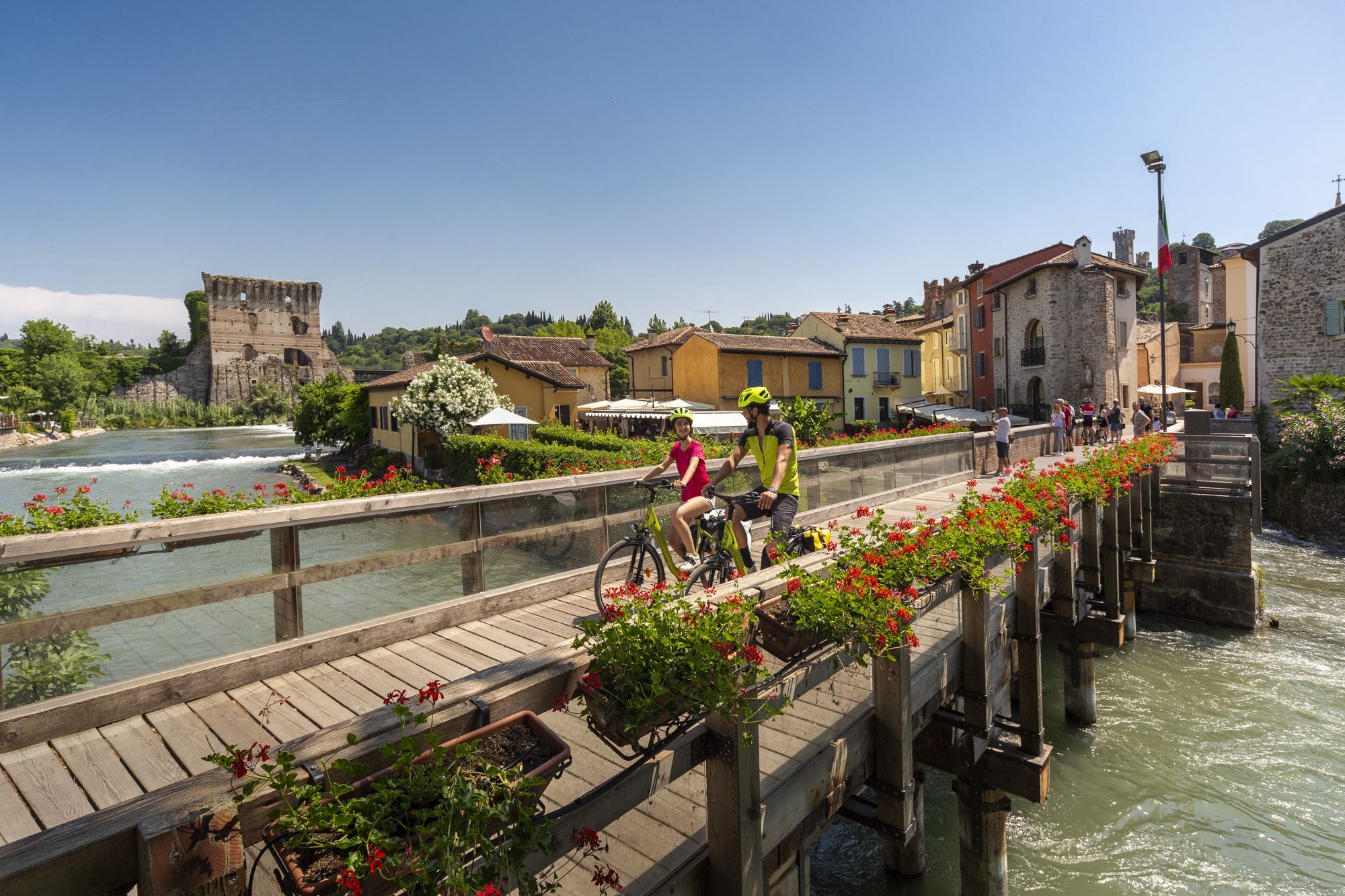
Explore Veneto at a slow pace – day trips by bike
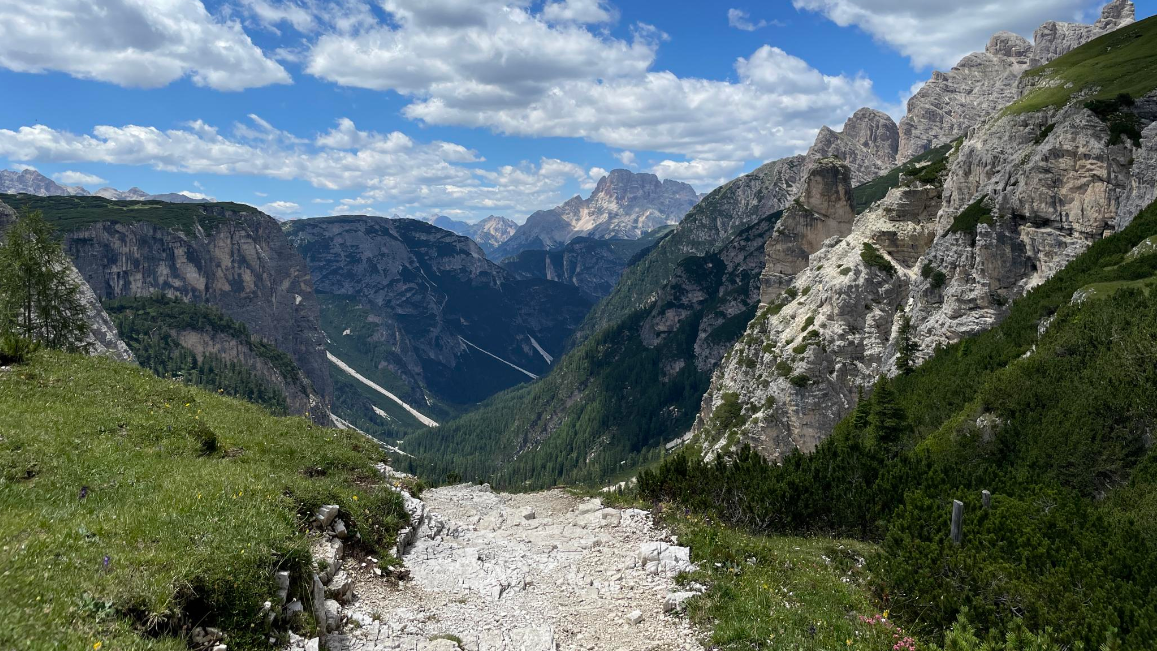
Trail running between the peaks of the Dolomites – Lavaredo Ultra Trail
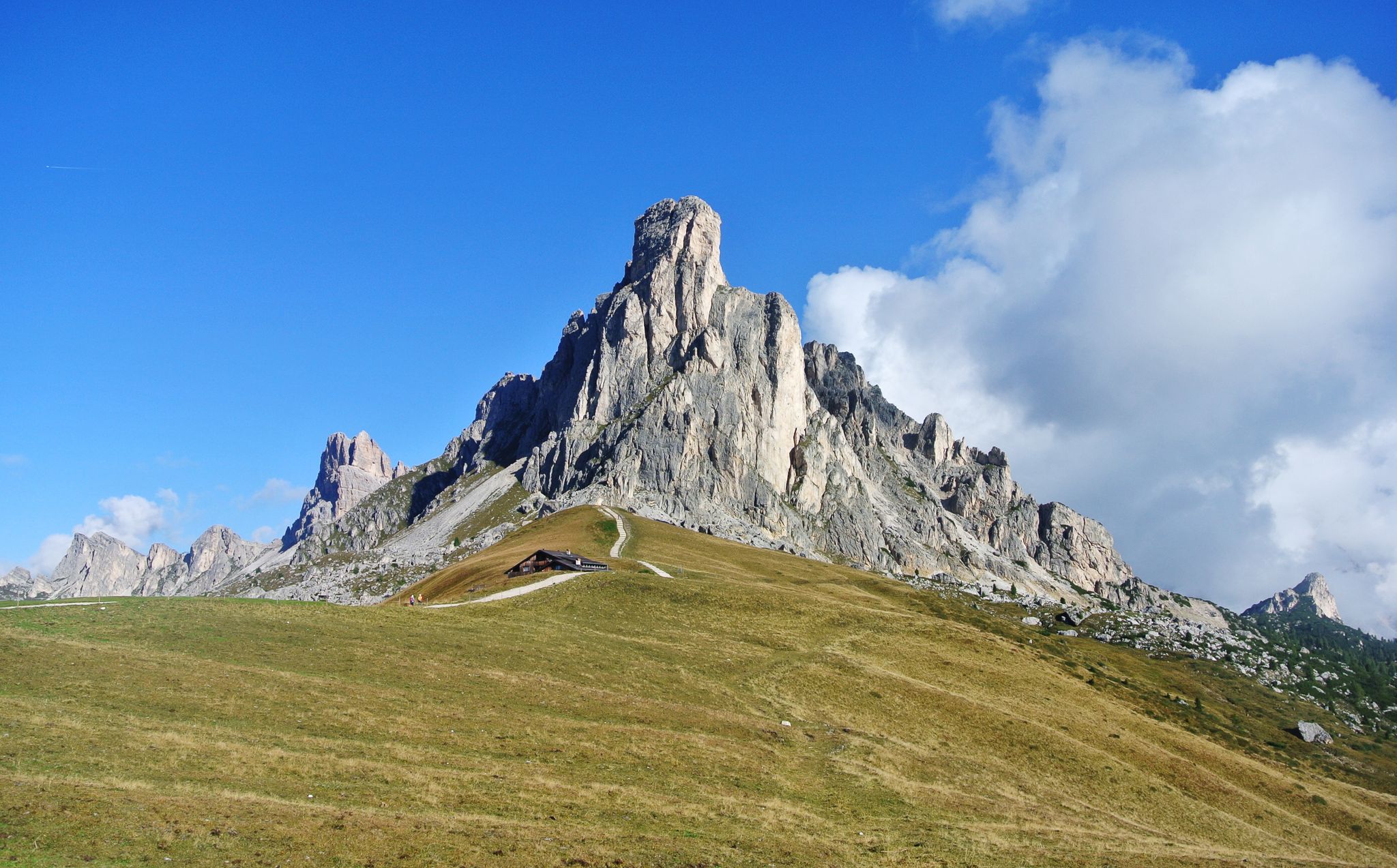
Refuge to refuge in the Dolomites – discovering Lavaredo
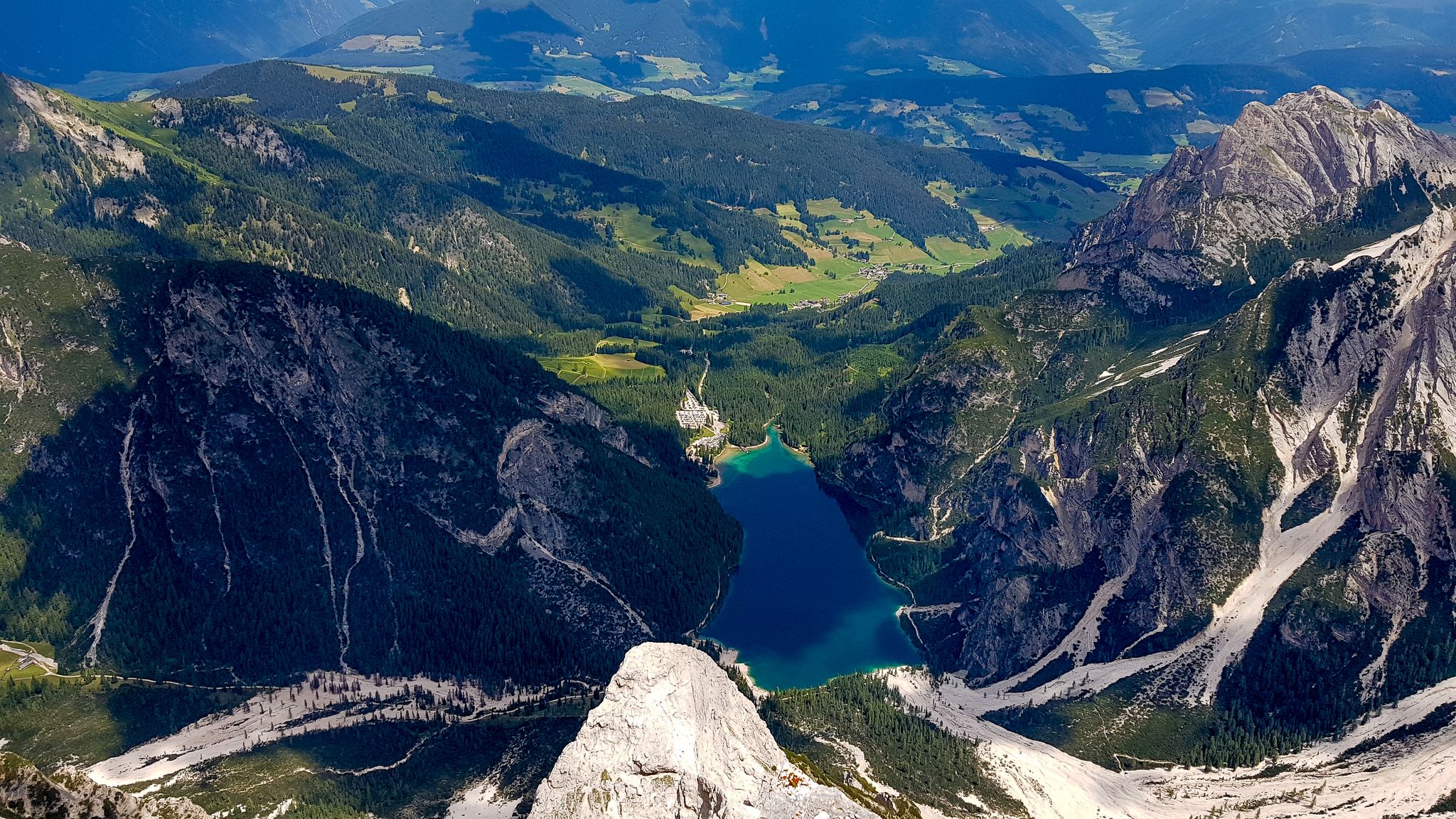
Wild Braies Valley – hikes in Alta Pusteria
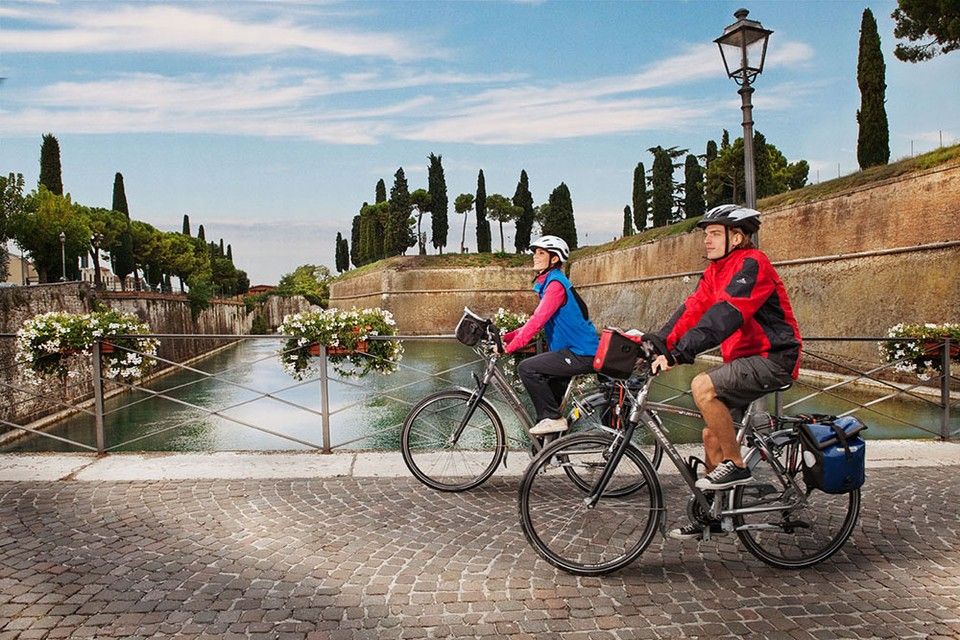
Between Lake Garda and the Adriatic Sea – cycle Tours in Italy’s Veneto
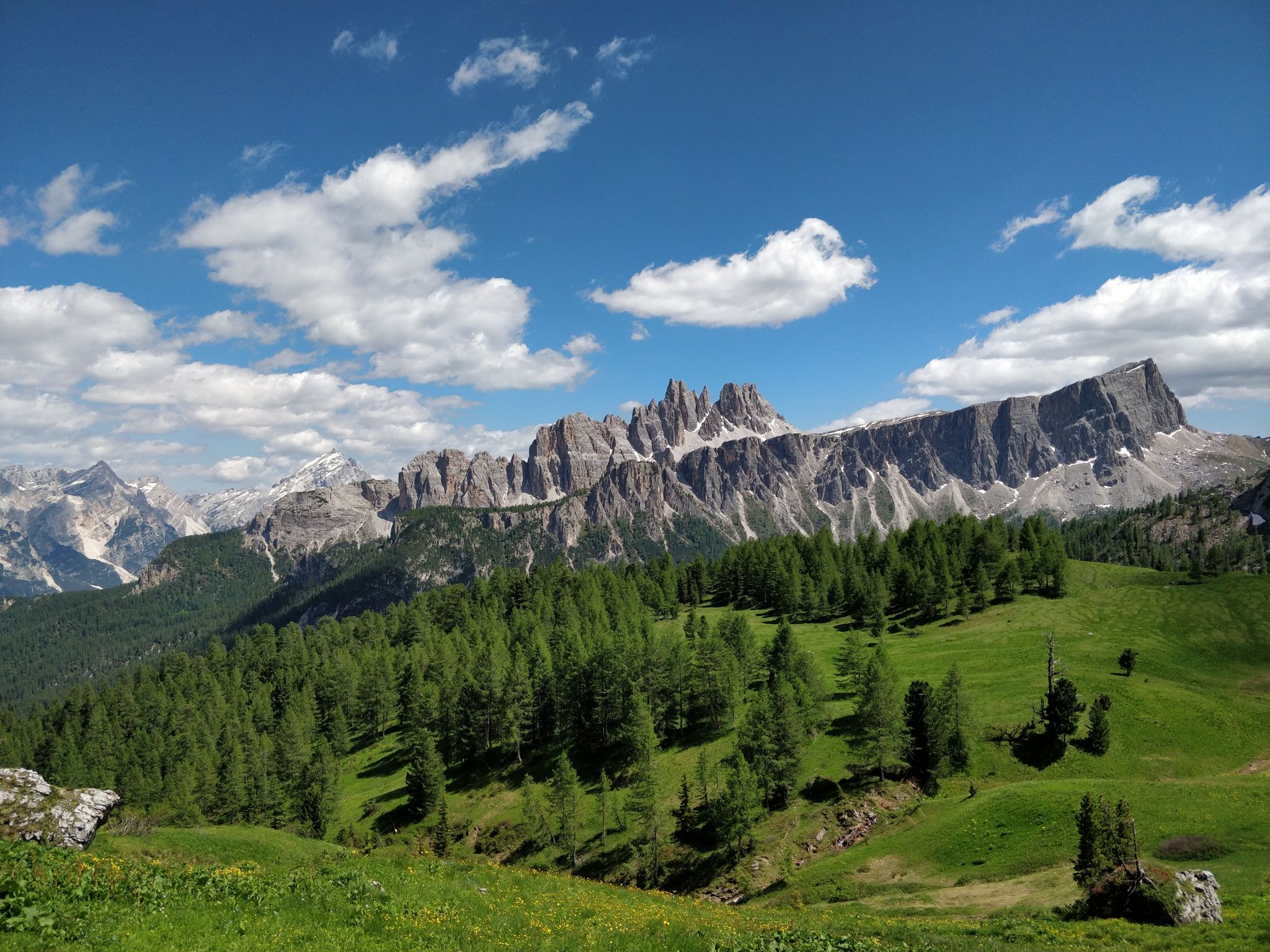
Hiking one step from heaven – Alta Via delle Dolomiti 1
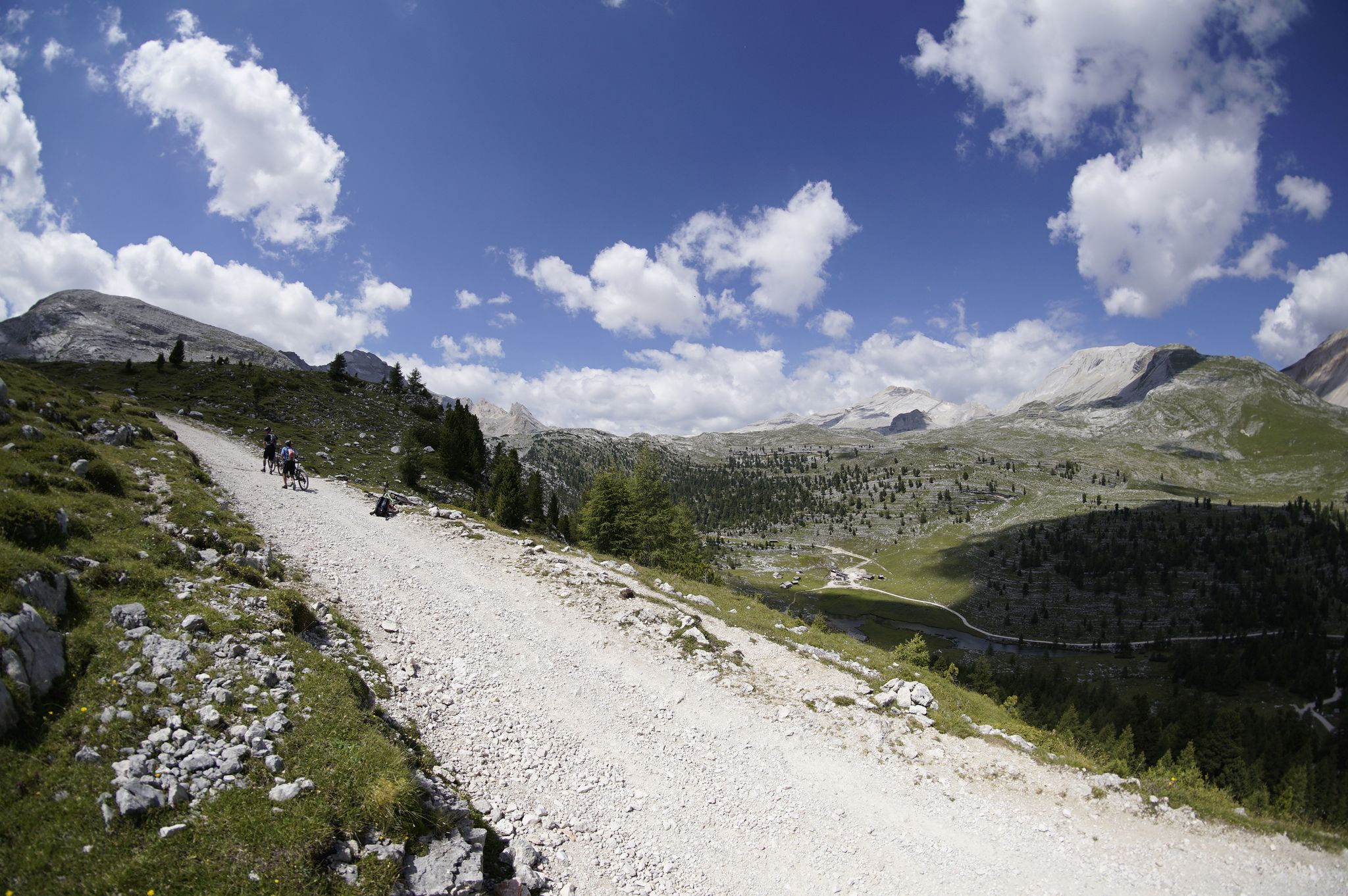
Bike & hike in the Dolomites – MTB hut Tour with summit hikes
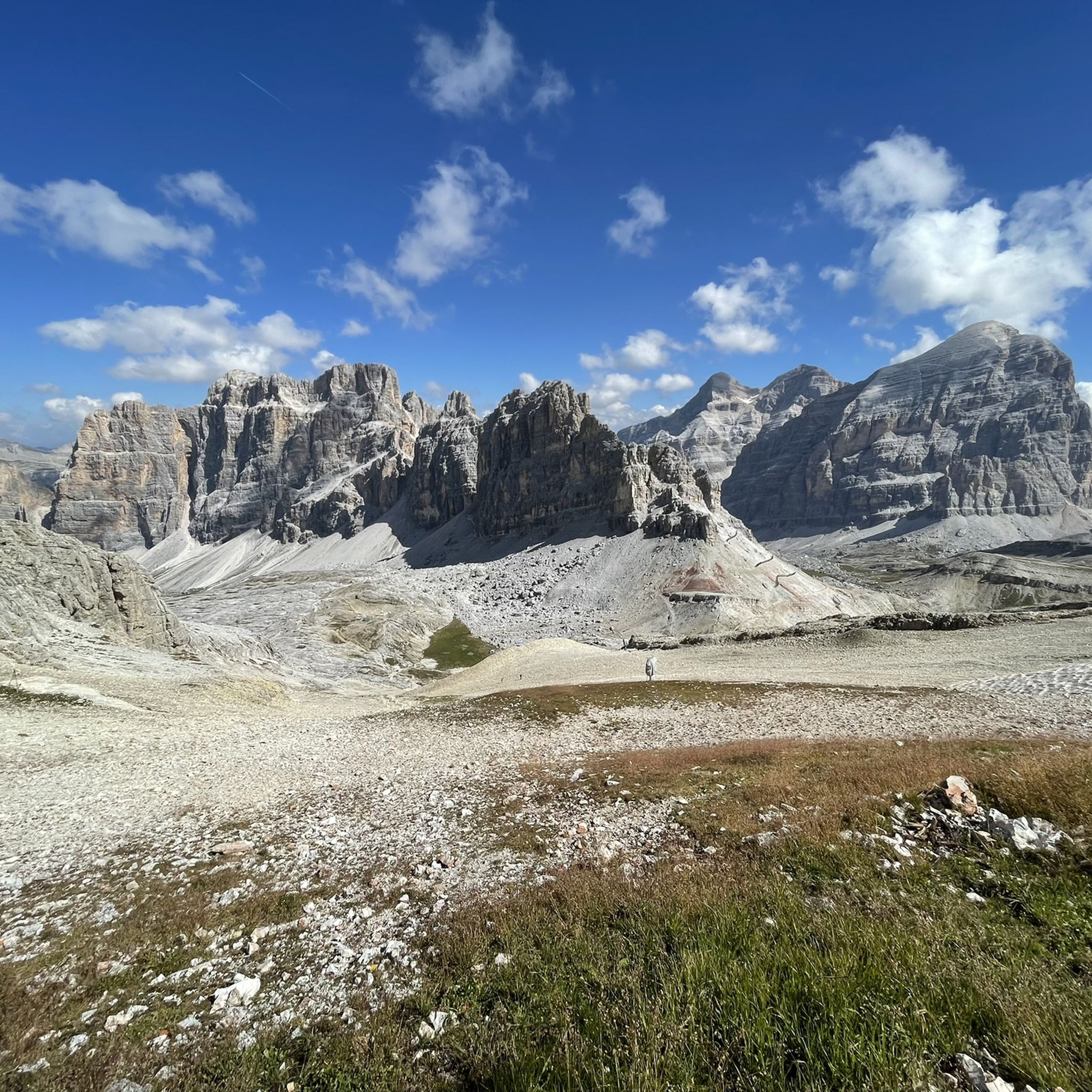
Hiking around Parco Naturale Regionale delle Dolomiti d’Ampezzo
Road Cycling Routes around Parco Naturale Regionale delle Dolomiti d’Ampezzo
Cycling around Parco Naturale Regionale delle Dolomiti d’Ampezzo
Other adventures around Parco Naturale Regionale delle Dolomiti d’Ampezzo


Tips from the Community


Fairly easy via ferratas, but in truly beautiful surroundings. The path behind the waterfall is particularly impressive.
4
0
A truly beautiful route along the waterfalls, truly rewarding. For experienced climbers, the via ferratas are doable without equipment when the weather is dry - but a helmet is still recommended if others are out and about.
1
0

Beautiful waterfalls; you can take a break at the base to admire the power of the water, or even walk around behind the first (highest) waterfall. For those wishing to try the equipped passage behind the waterfall, be careful: it's slippery! Gloves for grip on the support cable and suitable footwear are essential. To ascend the waterfall on the other side, there's a short via ferrata section; special equipment is required.
0
0

This connecting path through the “Canyon delle cascate di Fanes” between the lower and upper waterfalls is an absolute must if you want to visit both waterfalls. My recommendation is to go up this path and use the forest path or the easier path away from the stream to return. The path was created with a lot of effort and love. Thanks to the creators of this path with bridges and rope safety!!! It changes banks several times and offers spectacular views of the roaring waters, cascades and waterfalls. I've already walked the tour three times and it never fails to impress me. The lower “Cascata di Fanes” waterfall alone with its opportunity to descend to the foot of the fall and walk behind the fall via the easy via ferrata or to get behind the waterfall from above is more than worth the hike. But only when you follow the wild waters up to the second fall, the “Cascata Sbarco de Fanes”, does the whole dream come true. The second absolute highlight is to stand at the foot of the Cascate Sbarco and marvel at the falling water of the Schleier waterfall before climbing up to the west and getting behind the waterfall using rope safety. All the pictures can't even begin to reflect the reality of these natural wonders!!!! So be sure to visit yourself. The entire tour is strenuous, but it will forever be remembered as one of the most beautiful waterfall tours in the world. These two great third-party videos will help you assess the tour and whether you should go with/without a via ferrata set (many thanks to the producers for sharing) https://www.youtube.com/watch?v=DlmLRoWeocc https://www.youtube.com/watch?v=yhPayB9d6Uw
1
1
The Ponte Alto spans a narrow but extremely deep gorge. From the bridge or a few meters next to it at a viewing point you have a great overview of the gorge and the stream. Likewise, if you go uphill over the bridge, shortly after the bridge the Ferrata Barbara via ferrata branches off to the right, which leads behind the lower of the two waterfalls and as a via ferrata continues steeply down to the foot of the waterfall and on the other side up to the viewing platform . If you don't have a head for heights, you shouldn't miss it and walk the via ferrata holding the safety rope until behind the waterfall!!!
0
1

A place of peace and adventure, recommended to visit on a beautiful sunny day and in the company of friends! Simple route that gets slightly complicated at the via ferrata points but nothing impossible
2
0

It is an impervious path that closely follows the Rio Fanes and passes through all its waterfalls. The path ends with a waterfall which can be traversed preferably with a via ferrata kit as it crosses the last waterfall in a suggestive way from below and this makes the path, wire rope and rungs very slippery. However, this section can be avoided and circumvented.
3
0
Frequently Asked Questions
What are the most notable canyons and gorges within the Parco Naturale Regionale delle Dolomiti d’Ampezzo?
The Ponte Alto, which crosses the Rio Travenanzes, offers breathtaking views into a narrow but deep canyon. The Fanes Canyons are also prominent, featuring the Fanes Waterfalls Via Ferrata and the Viewpoint over the rio and Fanes waterfalls, providing unique perspectives of the cascading water and dramatic gorges.
Are there family-friendly trails to explore the canyons?
Yes, some sections of the Fanes Canyons, particularly parts of the "Sentiero dei Canyons" (Canyon Trail), are suitable for various skill levels. The Ponte Alto is also listed as family-friendly, offering great views from the bridge.
What kind of natural features can I expect to see in the canyons?
You will encounter dramatic vertical walls, spectacular spires, high-altitude forests, and clear streams. The canyons are characterized by deep gorges carved by streams, creating a landscape of cascading water and unique rock formations. The Fanes area, for instance, is known for its rich biodiversity.
What is the best time of year to visit the canyons in Parco Naturale Regionale delle Dolomiti d’Ampezzo?
The best time to visit is generally during the warmer months, from late spring to early autumn (May to October), when trails are clear of snow and the waterfalls are at their most impressive. Visiting on a beautiful sunny day is recommended for the Fanes Waterfalls Trail.
Are there via ferrata routes in the canyon areas?
Yes, the Fanes Waterfalls Via Ferrata offers an easy via ferrata experience that leads behind two waterfalls, providing a unique perspective. Some sections of the "Sentiero dei Canyons" also include more demanding via ferrata sections for those with appropriate gear.
What outdoor activities can I do near these canyons?
Beyond exploring the canyons, the region offers a variety of outdoor activities. You can find numerous hiking trails, including easy options like the Fanes Waterfall – Ponte Alto loop. There are also extensive cycling routes, such as the E1 – Long Trail of the Dolomites by bike, and challenging MTB trails like the Old Railway Tunnel – Lake Dürrensee loop.
Is it possible to explore the canyons with a dog?
While specific dog-friendly regulations for all canyon trails are not detailed, many trails in the broader Parco Naturale Regionale delle Dolomiti d’Ampezzo are accessible to dogs, often requiring them to be on a leash. It's always advisable to check local signage or park regulations for specific canyon areas before visiting with your dog.
What makes the Travenanzes Valley notable?
The Travenanzes Valley is known for its wild and unspoiled nature, with lush meadows, a splashing stream, and idyllic bridges. It's described as an enchanting place of primordial beauty, featuring numerous fords and impressive waterfalls, making it one of the most evocative places in the Ampezzo Dolomites.
Do I need a permit for hiking or canyoning in the Parco Naturale Regionale delle Dolomiti d’Ampezzo?
Generally, permits are not required for hiking on marked trails within the park. However, for specialized activities like canyoning or via ferrata, it is crucial to have appropriate gear and, for guided tours, to go with certified professionals. Always check for any specific regulations or restrictions, especially for sensitive areas.
How accessible are the canyons from Cortina d'Ampezzo?
The Fanes Canyons are easily accessible from Cortina d'Ampezzo, a well-known hub in the Dolomites. Many hikes, including those to the Fanes Waterfalls, often depart from or are easily reached from Cortina, making it a convenient base for exploration.
What geological features contribute to the canyons' formation?
The canyons are primarily formed by the erosive action of streams like the Fanes stream and Rio Travenanzes, carving deep gorges into the Dolomitic rock. This process creates the dramatic vertical walls, cascading waterfalls, and unique rock formations characteristic of the region.
What do visitors enjoy most about the canyons in this region?
Visitors frequently highlight the breathtaking views, the impressive scale of the waterfalls, and the unique experience of walking behind them. The sense of peace and adventure, along with the wild and untouched beauty of areas like the Travenanzes Valley, are also highly appreciated.
Most popular routes around Parco Naturale Regionale delle Dolomiti d’Ampezzo
Most popular attractions around Parco Naturale Regionale delle Dolomiti d’Ampezzo

Get inspired with the komoot mobile app


Explore more
Already discovered everything in this region? See additional gorges around Parco Naturale Regionale delle Dolomiti d’Ampezzo for your next adventure:
