Top 8 Gorges in Cañón Del Río Lobos
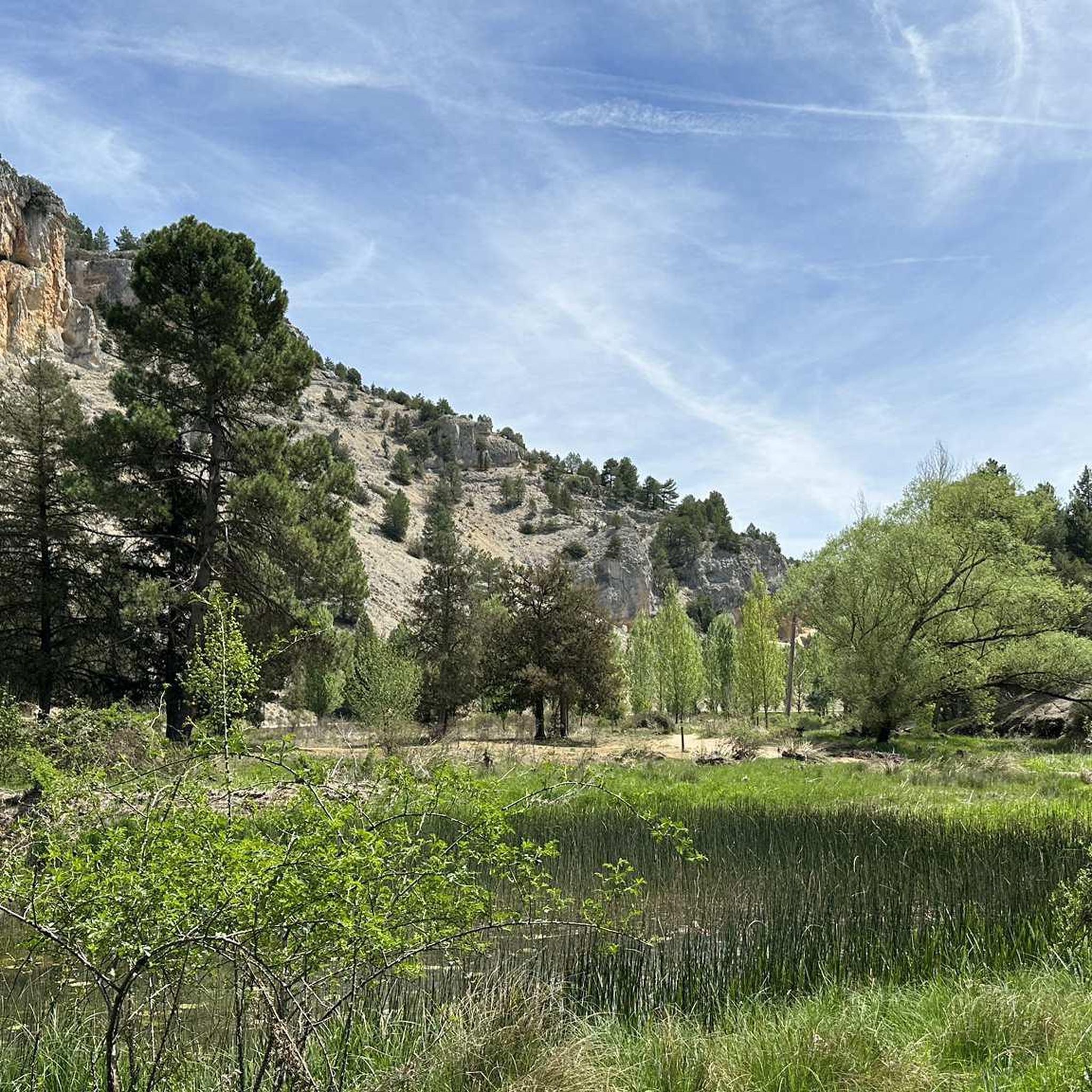
Best canyons in Cañón Del Río Lobos are characterized by a 25 km long gorge carved through a limestone plateau, featuring dramatic vertical walls and unique geological formations. This natural park offers a diverse landscape, including significant historical sites like the Hermitage of Saint Bartholomew. The area is home to rich biodiversity, notably a large colony of griffon vultures, and provides extensive walking trails for exploration. Visitors can explore 8 distinct gorges within the region.
Best canyons in Cañón Del…
Last updated: July 13, 2026
Hermitage of Saint Bartholomew
Highlight • Religious Site
Translated by Google •
Tip by

Gullurías Viewpoint
Highlight • Viewpoint
Translated by Google •
Tip by
Sign up now to discover places like this
Get recommendations on the best single tracks, peaks, & plenty of other exciting outdoor places.
Sign up for free
Cueva Grande (Río Lobos Canyon)
Highlight • Cave
Translated by Google •
Tip by

Devil's Eye (Natural Rock Arch)
Highlight • Natural Monument
Translated by Google •
Tip by
Boca del Ocejo
Highlight • Gorge
Translated by Google •
Tip by

Sign up for free to discover even more gorges in Cañón Del Río Lobos.
Sign up for free
Already have an account?
Start today with a free account
Your next adventure awaits.
Login or Signup

Tips from the Community

The Gullurías Viewpoint is a spectacular vantage point located in the Cañón del Río Lobos Natural Park. From the viewpoint, you can see the pine forests of Soria and Burgos, as well as the peaks of the Iberian System, including Urbión Peak.
4
0
The Hermitage of San Bartolomé is a fascinating church located in the Cañón del Río Lobos Natural Park, in the communities of Herrera de Soria, Nafría de Ucero, and Ucero. Built in the first quarter of the 13th century, in a style that transitions from Romanesque to Gothic.
4
0

Bullías trail, a very nice circular hiking route
0
0
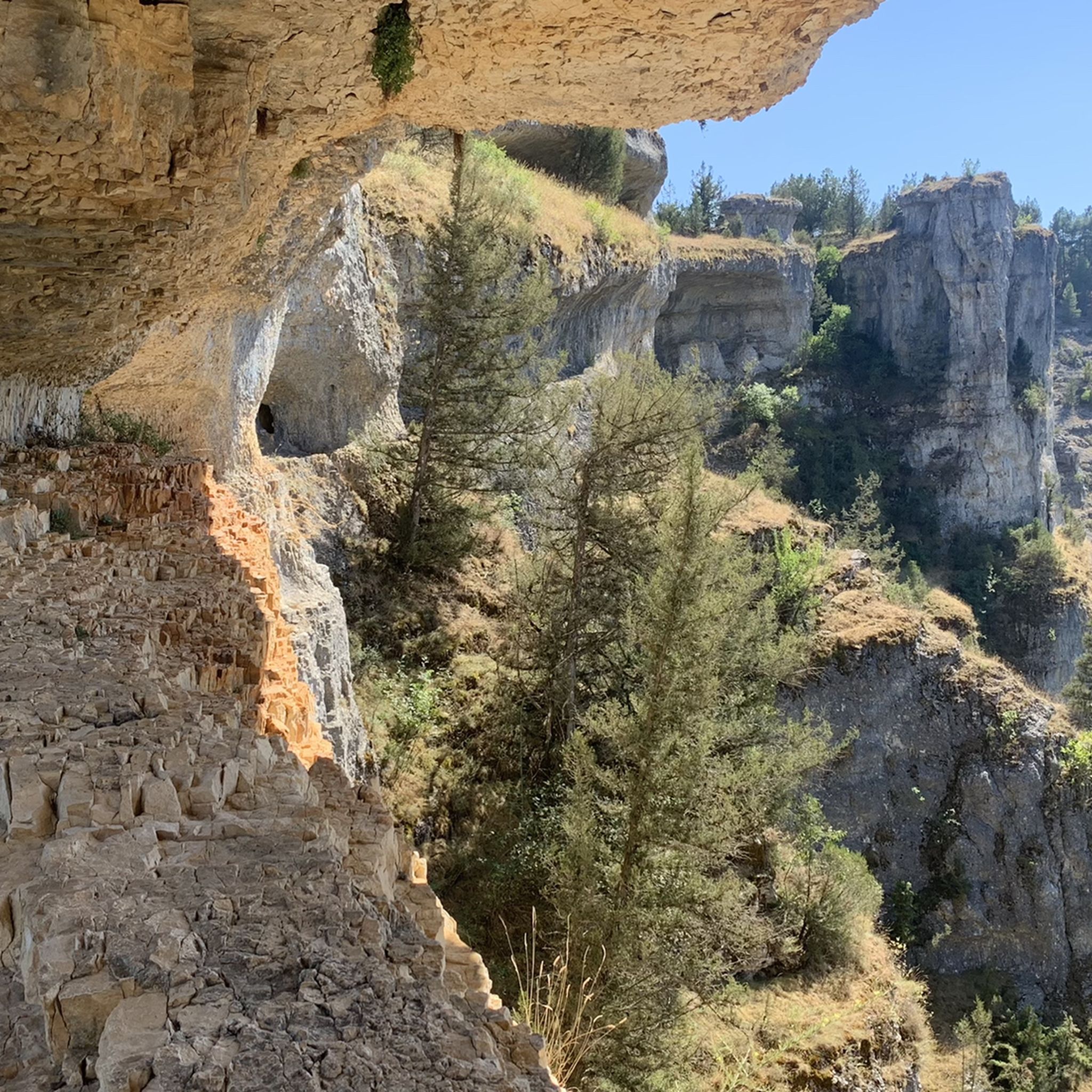
The large cave, a large cavity in an idyllic landscape, which is the surroundings of the hermitage of San Bartolomé
0
1
The number of times I've climbed up there
0
0
Another beautiful trail runs through here, the PRC SO-49, the Cañada Real de las Merinas Trail.
1
0

Remarkable 13th-century hermitage with transitional Romanesque architecture and Arabic influences in its two rose windows. The best thing is its location, in a beautiful spot at the southern end of the Río Lobos Gorge. The parking lot is one kilometer away and the path to the hermitage is easy and pleasant, flat, along the Lobos River
1
0
Impressive cave created by nature over millions of years
1
0
Frequently Asked Questions
What are some must-see natural features in Cañón Del Río Lobos?
Beyond the dramatic gorge itself, don't miss the Cueva Grande (Río Lobos Canyon), a natural cave near the Hermitage of San Bartolomé. Another impressive sight is the Devil's Eye (Natural Rock Arch), a unique rock formation carved into the canyon walls. For panoramic views, head to the Gullurías Viewpoint.
Are there any historical or cultural sites within the Cañón Del Río Lobos?
Yes, the most prominent historical site is the Hermitage of Saint Bartholomew. This 12th-century Romanesque-Protogothic chapel, believed to have Templar origins, is situated in a unique setting at the mouth of the canyon and is known for its architectural symbols.
What kind of wildlife can I expect to see in Cañón Del Río Lobos?
Cañón Del Río Lobos is a Special Conservation Area for Birds. You can observe a large resident colony of griffon vultures, along with golden eagles, Egyptian vultures, eagle owls, and falcons. Mammals such as roe deer, wild boar, otters, and foxes also inhabit the area.
What makes the geology of Cañón Del Río Lobos unique?
The canyon is a spectacular 25 km long gorge carved through a limestone plateau by the Río Lobos. The continuous erosion and dissolution of the rock have formed dramatic vertical walls, attractive concavities, and unique rock formations like the Devil's Eye (Natural Rock Arch), showcasing varied colors due to the minerals present.
What is the best time of year to visit Cañón Del Río Lobos?
The park is beautiful year-round, but spring and autumn offer the most pleasant temperatures for hiking and exploring. These seasons also provide vibrant foliage or blooming wildflowers. The park is also recognized as a starlight destination, making it ideal for astronomy enthusiasts on clear nights.
Are there family-friendly options for exploring the canyons?
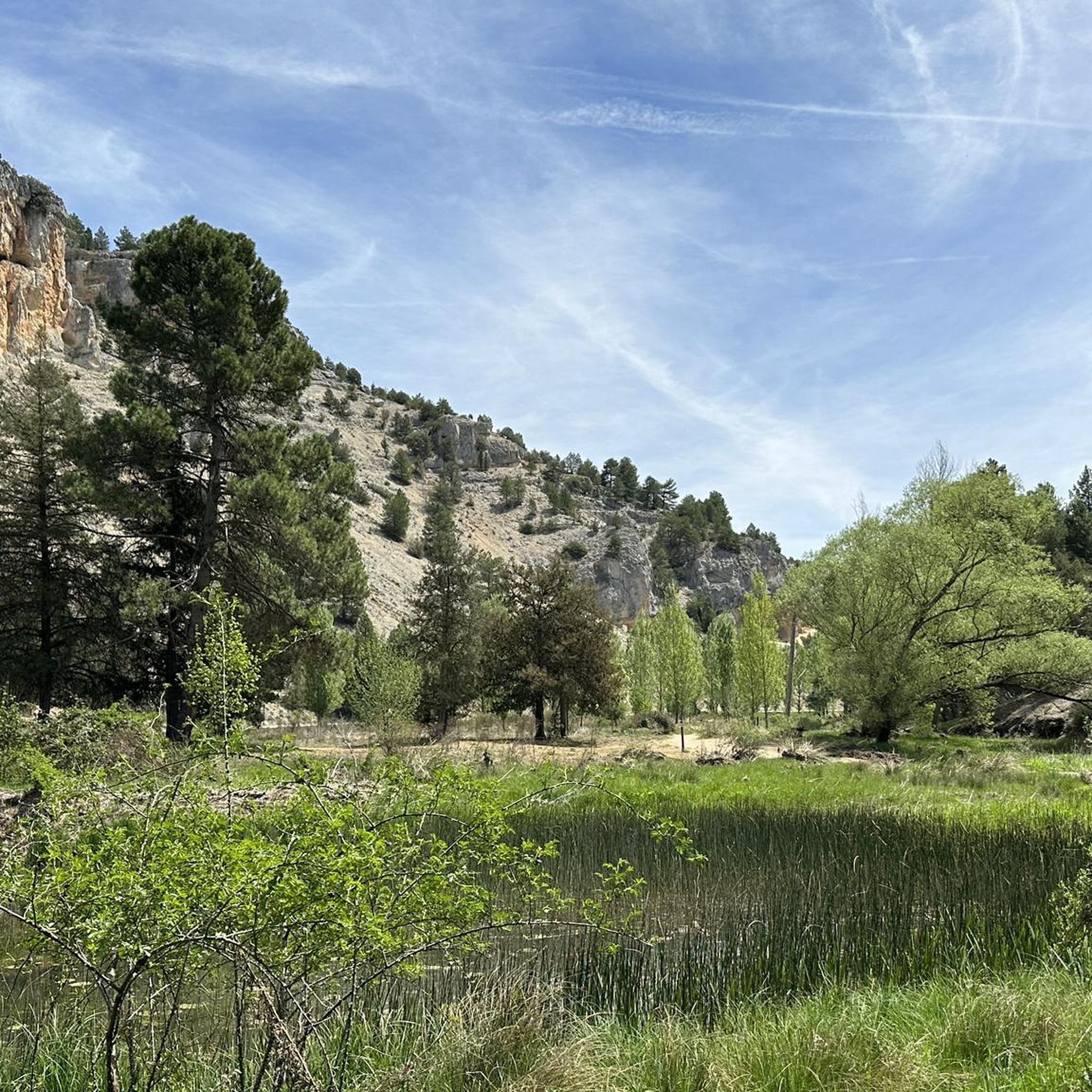
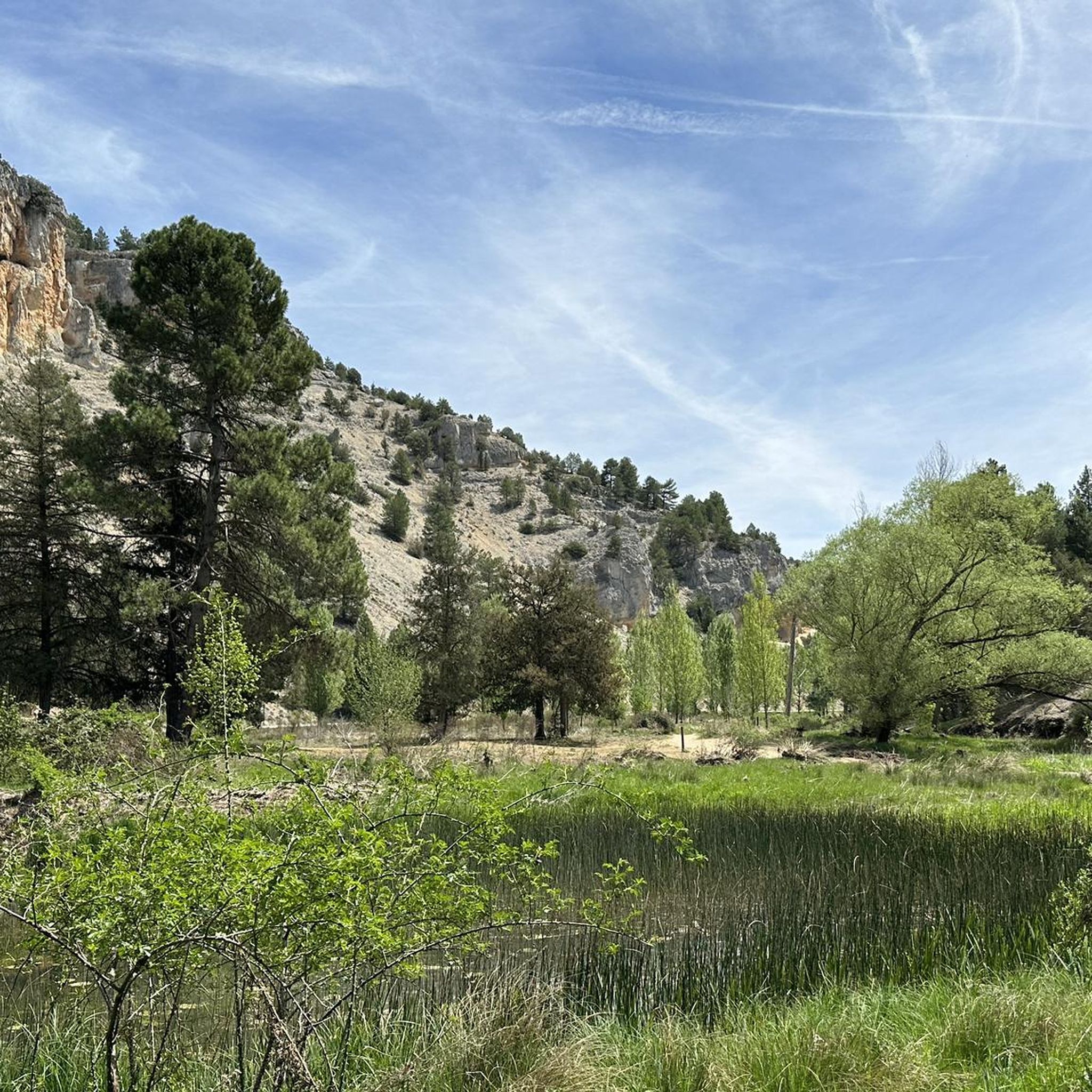
Yes, several areas are suitable for families. The Hermitage of Saint Bartholomew is easily accessible, and the nearby Boca del Ocejo offers a beautiful meadow and well-signposted trails that are considered family-friendly. Many of the park's walking routes are suitable for various fitness levels, including shorter, easier strolls.
Can I bring my dog to Cañón Del Río Lobos?
Generally, dogs are allowed in the natural park, but it's crucial to keep them on a leash to protect the wildlife, especially the ground-nesting birds and other mammals. Always check local regulations or specific trail signage, as some sensitive areas might have restrictions.
What outdoor activities can I do near these canyons?
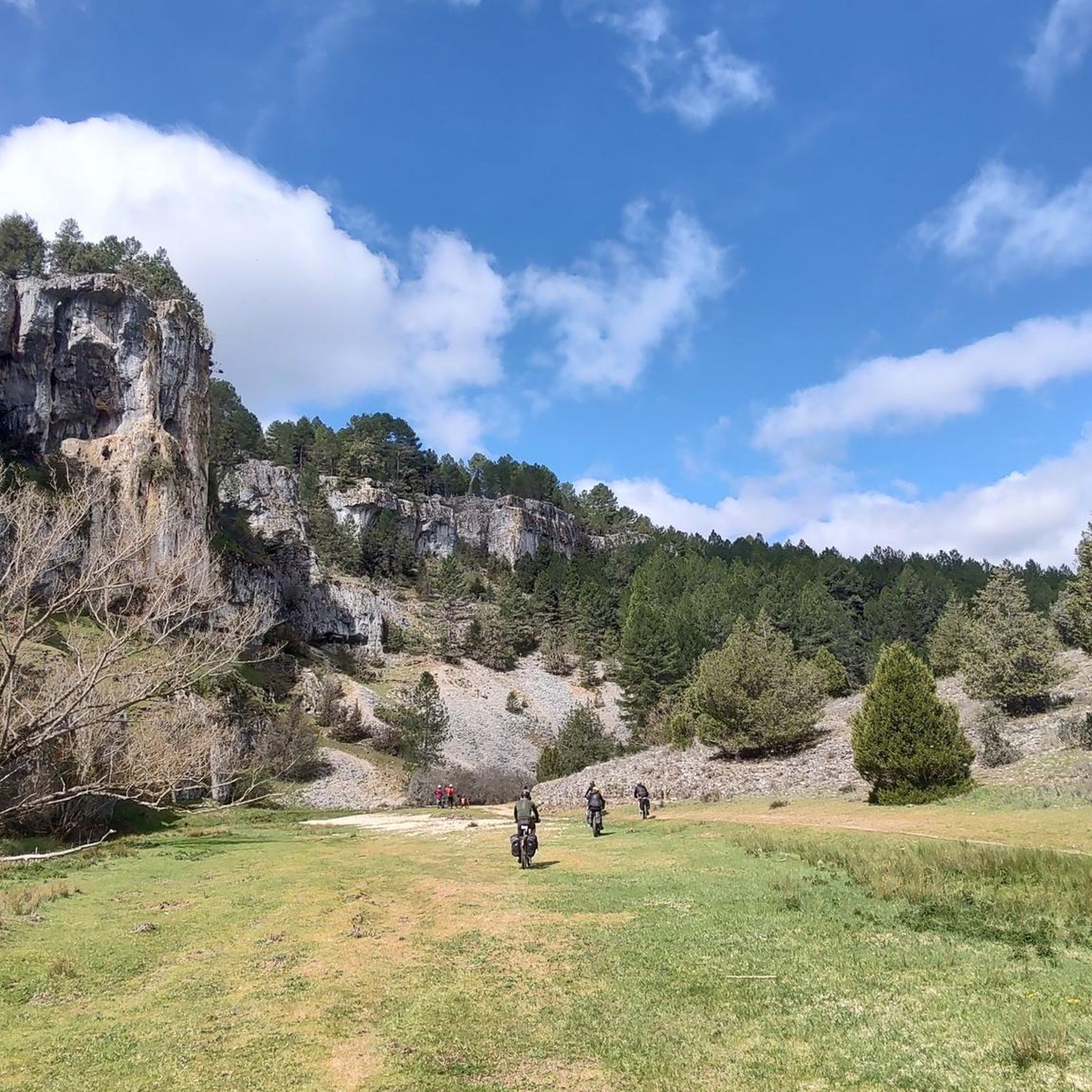
The region offers a variety of outdoor activities. You can find numerous easy hikes, as well as more challenging treks. For cyclists, there are gravel biking routes, and for runners, there are dedicated running trails that allow you to explore the diverse landscapes.
Are there specific hiking trails recommended for beginners in Cañón Del Río Lobos?
Yes, for beginners or those looking for a relaxed walk, there are several easy hikes available. Routes like the 'Río Lobos – Ucero Castle loop' or the 'Bridge of the Seven Eyes – Boca del Ocejo loop' offer accessible paths to enjoy the scenery.
Where can I find parking when visiting Cañón Del Río Lobos?
Parking facilities are available at various access points to the natural park, particularly near popular attractions like the Hermitage of Saint Bartholomew. It's advisable to arrive early during peak season to secure a spot, as parking can fill up quickly.
What do visitors enjoy most about Cañón Del Río Lobos?
Visitors frequently praise the magnificent natural surroundings and the peaceful atmosphere, especially around the Hermitage of Saint Bartholomew. The impressive size of the Cueva Grande and the unique perspective from viewpoints like Gullurías Viewpoint are also highly appreciated. The blend of dramatic scenery, rich biodiversity, and historical sites creates a memorable experience.
Are there any cafes or amenities near the canyons?
While the canyon itself is a natural park, nearby villages such as Ucero, Hontoria del Pinar, or other small towns surrounding the park offer cafes, restaurants, and accommodation options. It's recommended to check specific village offerings before your visit.
Most popular routes in Cañón Del Río Lobos
Most popular attractions in Cañón Del Río Lobos

Get inspired with the komoot mobile app


Explore more
Already discovered everything in this region? See additional gorges in Cañón Del Río Lobos for your next adventure:
