Top 9 Gorges in Serrania De Cuenca
Best canyons in Serrania De Cuenca are carved by rivers through limestone, creating diverse natural beauty. This region features dramatic landscapes with towering walls, deep gorges, and unique geological formations. It offers opportunities for outdoor activities amidst its natural splendor. The area is characterized by contrasting terrain, from lush vegetation to abrupt meanders and sinuous river sections.
Best canyons in Serrania De Cuenca
- The most popular canyons is La Raya, a trail that offers impressive views of the Júcar…
Last updated: June 29, 2026
Ventano del Diablo
Highlight • Viewpoint
Translated by Google •
Tip by

Puntal de la Tola Viewpoint
Highlight • Viewpoint
Translated by Google •
Tip by

Sign up now to discover places like this
Get recommendations on the best single tracks, peaks, & plenty of other exciting outdoor places.
Sign up for free
La Raya
Highlight (Segment) • Trail
Translated by Google •
Tip by
El Escalerón
Highlight • Trail
Translated by Google •
Tip by

View from El Refrentón
Highlight • Viewpoint
Translated by Google •
Tip by
Sign up for free to discover even more gorges in Serrania De Cuenca.
Sign up for free
Already have an account?
Start today with a free account
Your next adventure awaits.
Login or Signup
Popular around Serrania De Cuenca
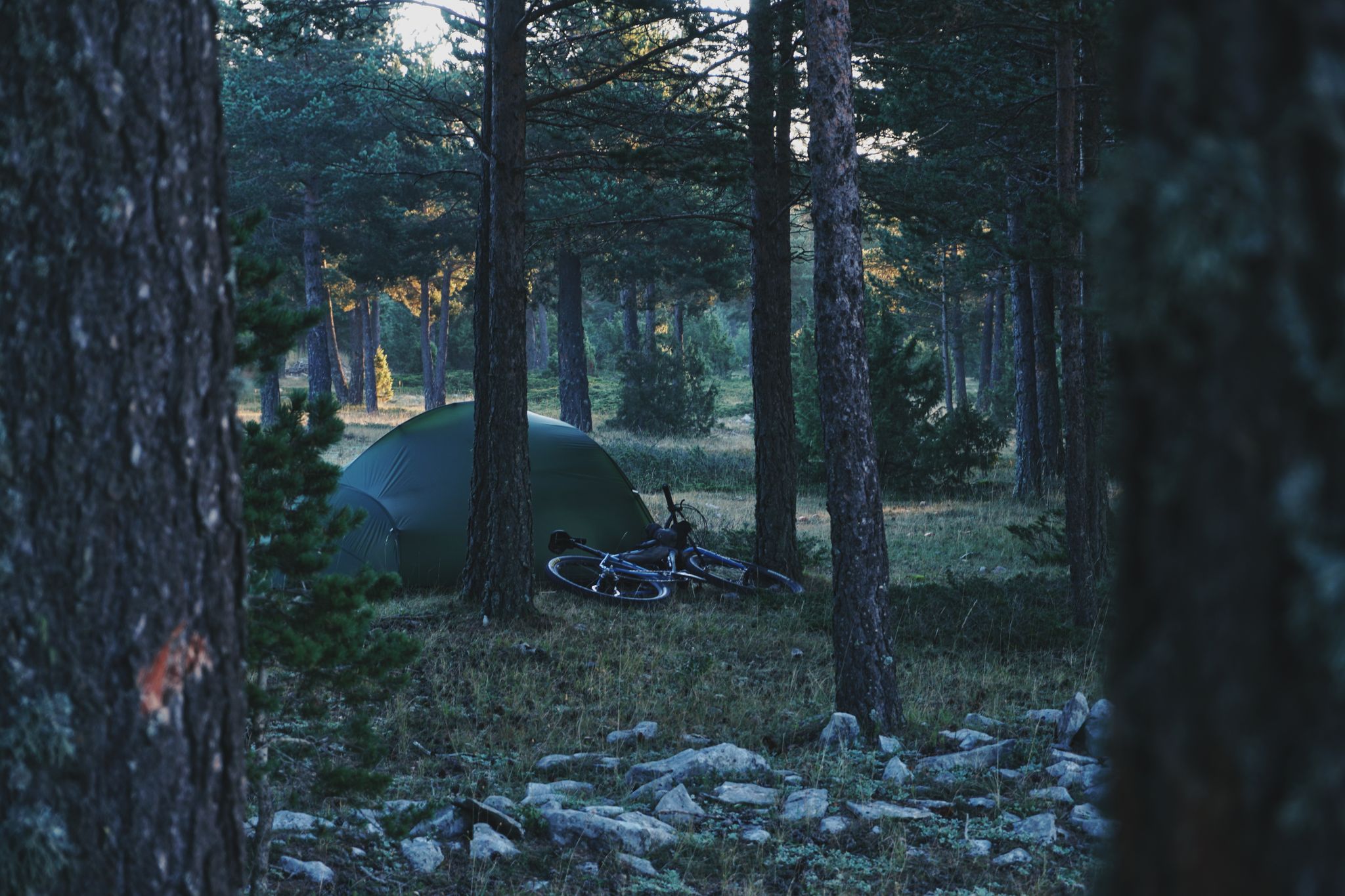
MontañasVacías official — bikepacking across the Spanish Lapland
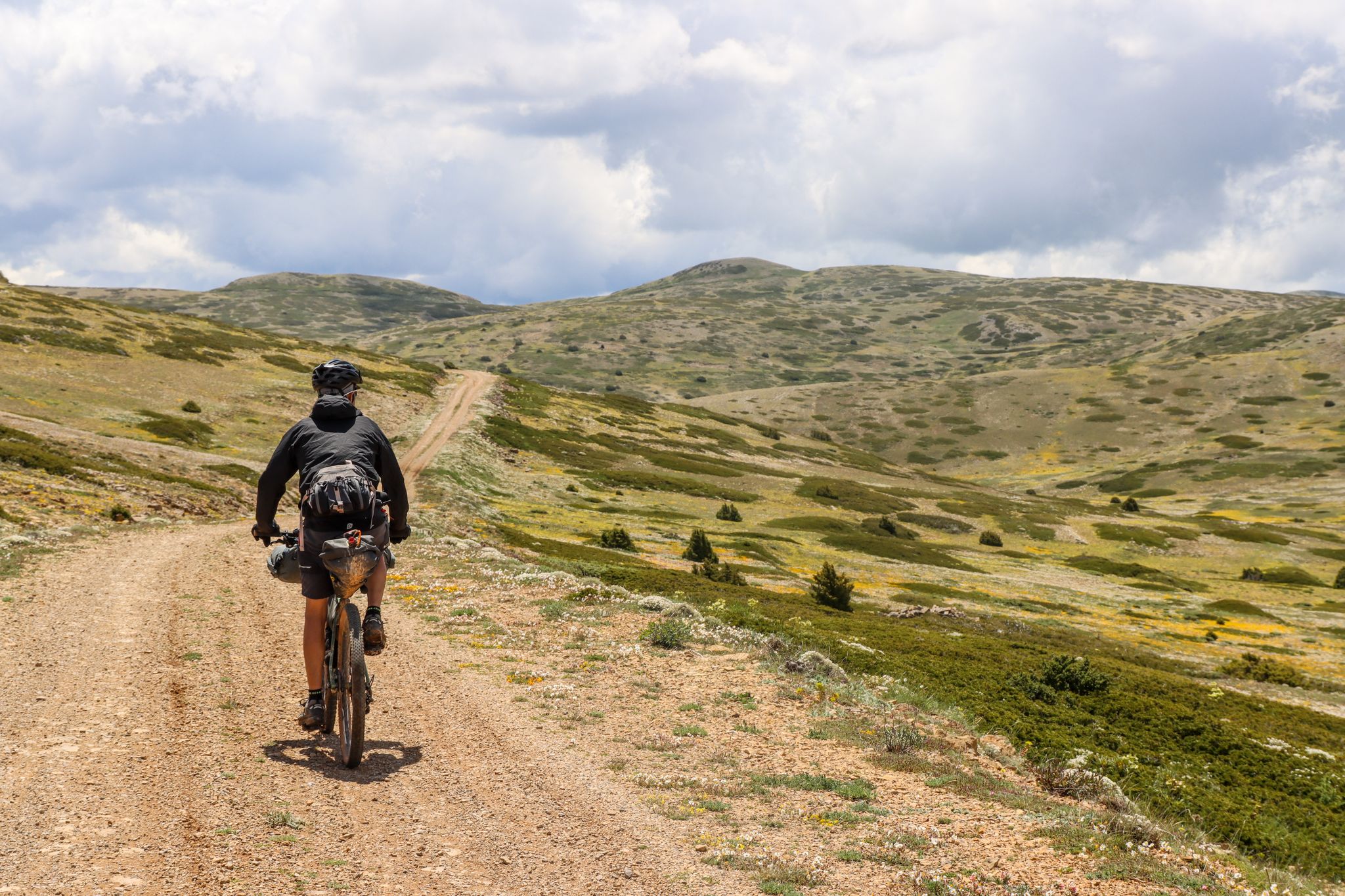
Montañas Vacías — bikepacking the wild and remote 'Empty Mountains'
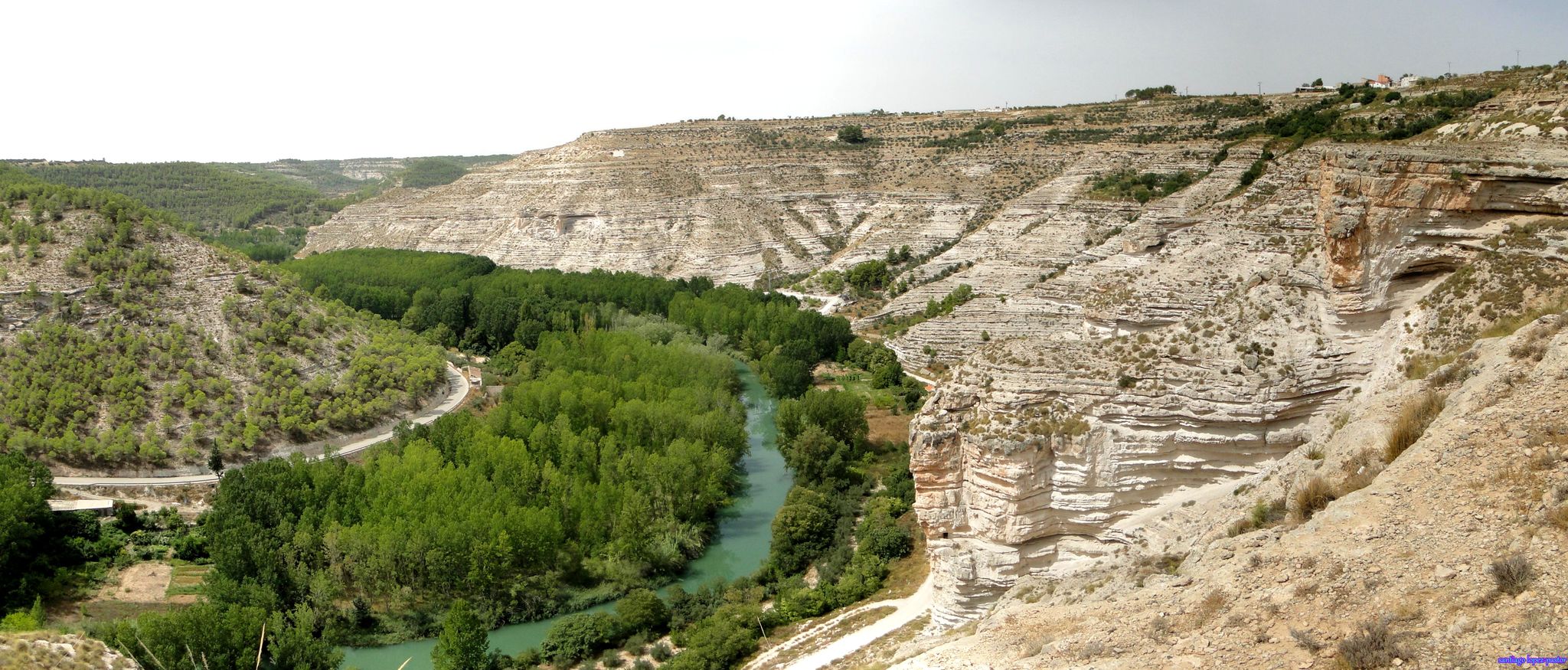
Explore Spain’s Júcar River by bike
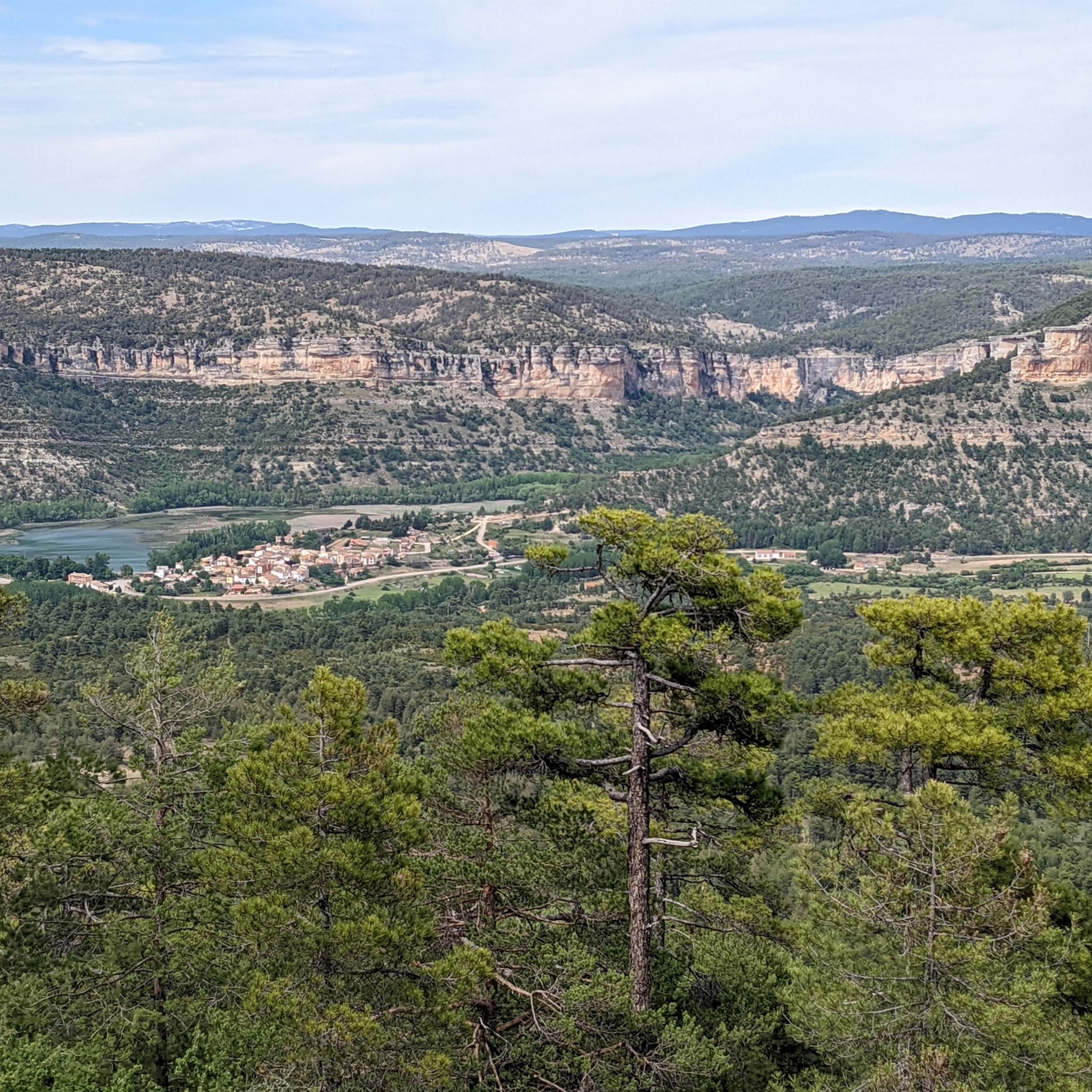
Hiking in Serrania De Cuenca
MTB Trails in Serrania De Cuenca
Running Trails in Serrania De Cuenca
Cycling in Serrania De Cuenca
Road Cycling Routes in Serrania De Cuenca

Gravel biking in Serrania De Cuenca
Other adventures in Serrania De Cuenca


Tips from the Community

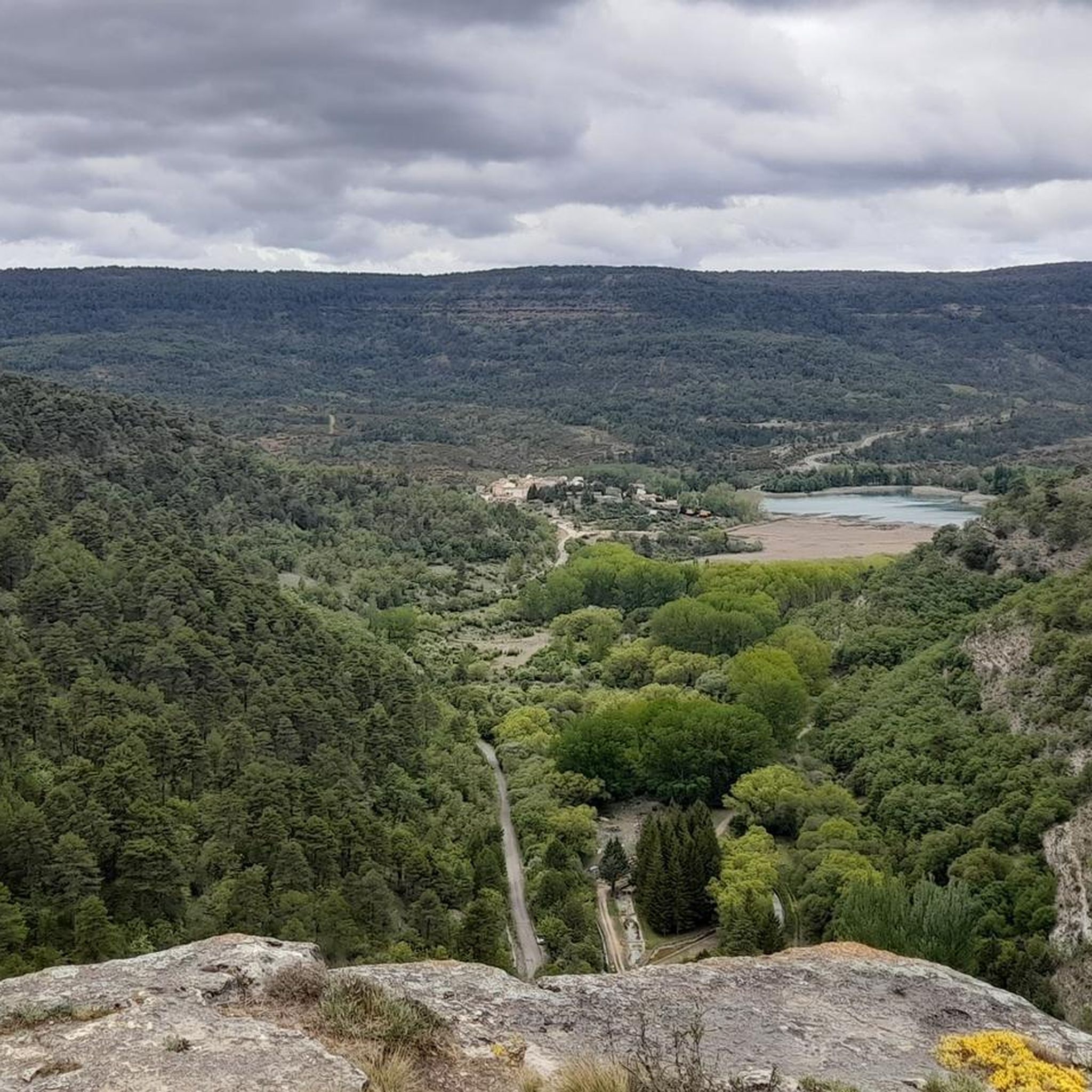
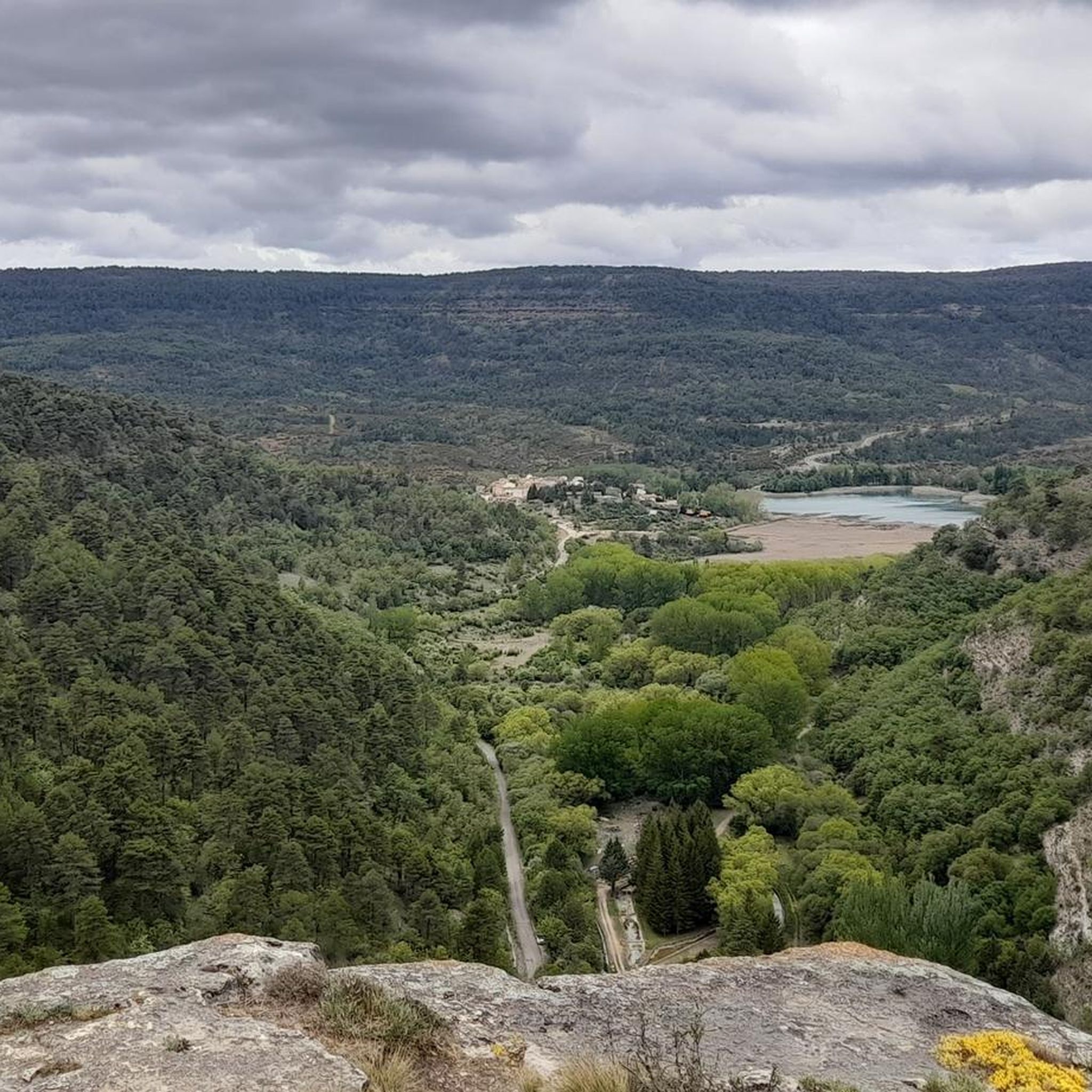
Super beautiful spot and very quiet early June, the vultures complete the picture, enjoy this viewpoint with a 100-meter walking path.
1
0

Spectacular viewpoint overlooking the Júcar River.
1
0
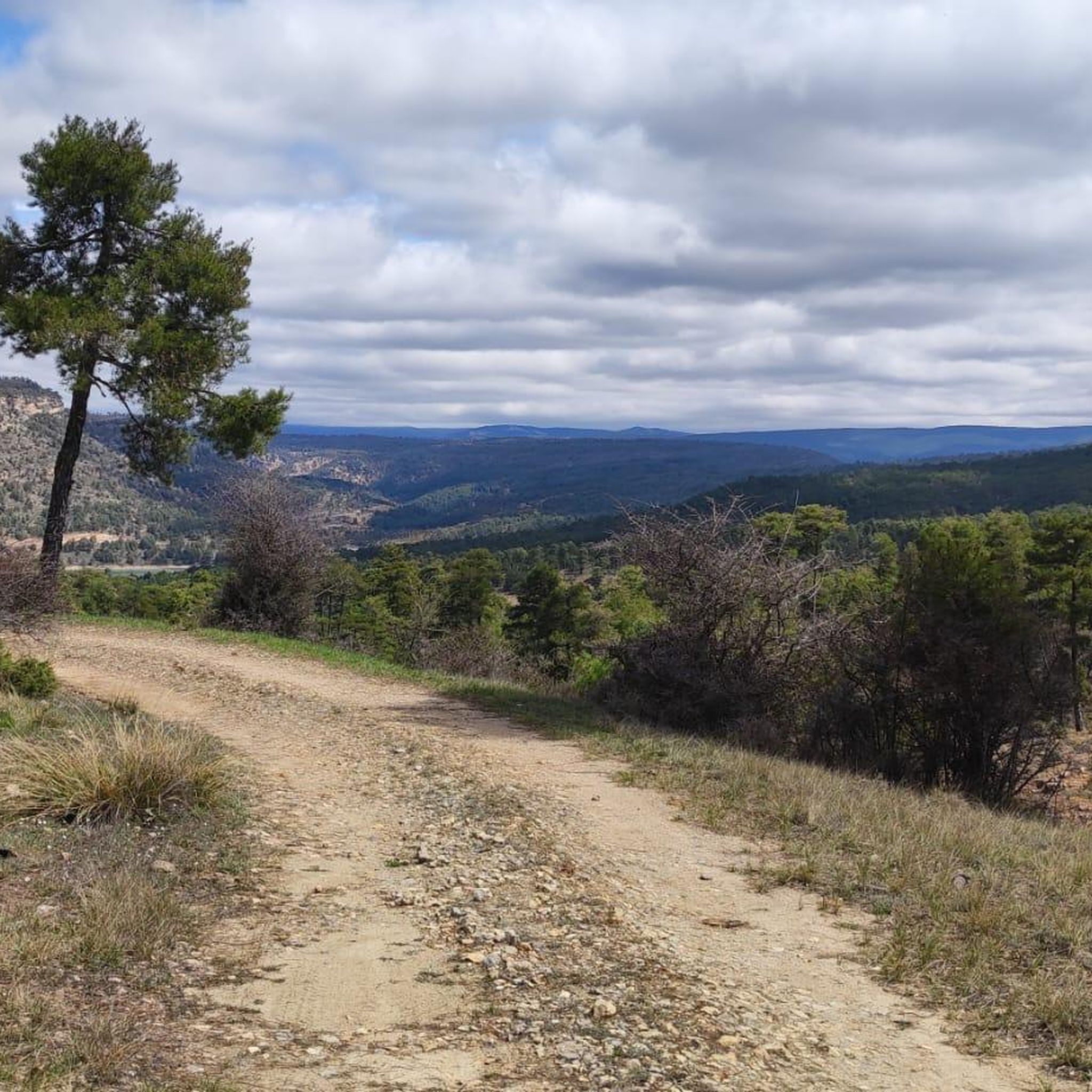
A delightful path winding through rocks, resembling a grand stone staircase.
1
0
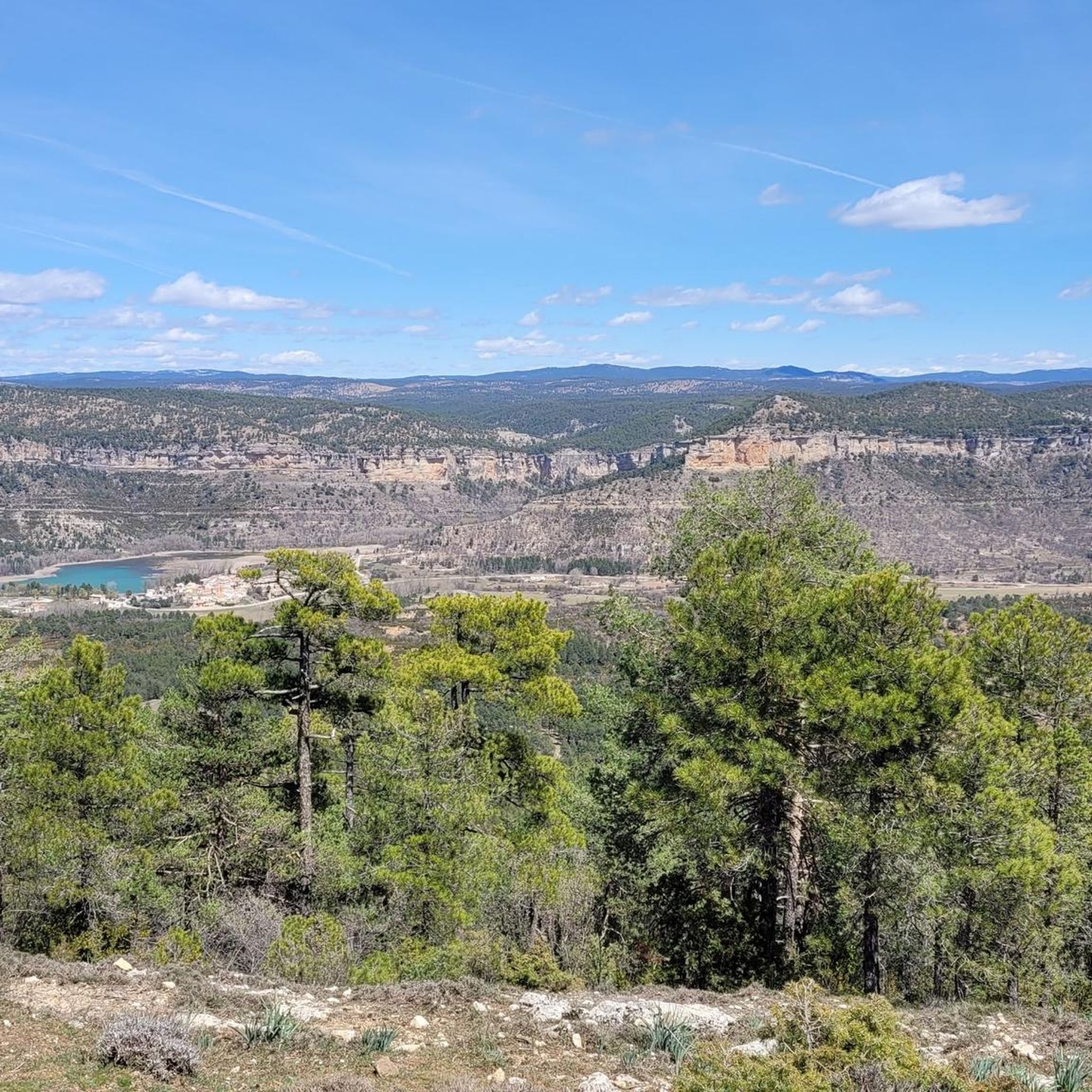
The Refrentón is one of the attractions of the route.
1
0
One of the most impressive viewpoints in the area.
0
0

Mirador del Ventano del Diablo is a stunning natural balcony located just outside the town of Villalba de la Sierra, in the province of Cuenca. This viewpoint, carved into the rock, offers spectacular views of the canyon of the Júcar River, whose crystal-clear waters flow towards the city of Cuenca. The name “Ventano del Diablo” comes from an ancient legend that says that the devil attracted visitors to this place, where they stumbled and fell due to the beauty of the landscape. From the viewpoint, you can observe the elegant flights of the griffon vultures and enjoy the lush vegetation surrounding the river. It is a popular destination for nature and photography lovers, and is only 25 kilometers from Cuenca, making it an ideal stop if you are exploring the region.😎🚶♀️🚵🚴
13
0
Mirador del Ventano del Diablo is a stunning natural balcony located just outside the town of Villalba de la Sierra, in the province of Cuenca. This viewpoint, carved into the rock, offers spectacular views of the canyon of the Júcar River, whose crystal-clear waters flow towards the city of Cuenca. The name “Ventano del Diablo” comes from an ancient legend that says that the devil attracted visitors to this place, where they stumbled and fell due to the beauty of the landscape. From the viewpoint, you can observe the elegant flights of the griffon vultures and enjoy the lush vegetation surrounding the river. It is a popular destination for nature and photography lovers, and is only 25 kilometers from Cuenca, making it an ideal stop if you are exploring the region.😎🚶♀️
33
0

It is the climb from the lagoon area to the cliffs around it. It is a very nice climb with several zigzags.
1
0
Frequently Asked Questions
What are some of the most scenic viewpoints in the Serrania de Cuenca canyons?
The region offers several breathtaking viewpoints. Don't miss Ventano del Diablo, a natural balcony offering spectacular views of the Júcar River canyon. Another popular spot is Puntal de la Tola Viewpoint, known for its impressive vistas of the Júcar Valley and opportunities to spot griffon vultures and eagles. For a different perspective, View from El Refrentón near Uña provides beautiful panoramic views.
Which canyons are known for their unique natural features and geological formations?
The Serrania de Cuenca is rich in geological wonders. The Hoz de Beteta, carved by the Guadiela River, features vertical walls up to 200 meters high, unique plant life including carnivorous species, and geological formations like chasms, caves, and tuffaceous structures. Hoz Somera is noted for its 'Los Castillejos' area, an 'enchanted city' of eroded limestone monoliths and rock formations, alongside vibrant turquoise waters and dense vegetation.
What outdoor activities can I do near the canyons in Serrania de Cuenca?
The canyons provide a fantastic backdrop for various outdoor activities. You can find numerous options for hiking, gravel biking, and cycling. The Hoz del Júcar is particularly popular for active tourism, offering hiking, cycling, canoeing, rafting, and canyoning. Many areas are also ideal for nature photography and bird watching.
Are there family-friendly canyon experiences in Serrania de Cuenca?
Yes, several options cater to families. The Ventano del Diablo viewpoint is easily accessible and offers stunning views that can be enjoyed by all ages. For those interested in aquatic adventures, Los Cortados de Villalba offers an initiation-level canyoning experience with adaptable difficulty, making it suitable for groups and families, often with a minimum age of 8 years.
Where can I go canyoning in Serrania de Cuenca, and what are the difficulty levels?
The region is excellent for canyoning, with options for various skill levels. Portilla Canyon is recommended for beginners, featuring several rappels. Majadas Canyon is longer, offering 10 rappels and some jumps, suitable for all skill levels. Poyatos Canyon also involves rappelling. For a fun, initiation-level experience with natural slides and jumps, consider Los Cortados de Villalba. Hoz Somera offers more technical rappels (8-15 meters), jumps, and slides for those seeking more adventure.
What is the best time of year to visit the Serrania de Cuenca canyons?
The canyons offer beauty throughout the year, but spring, summer, and autumn are particularly popular. Spring brings lush vegetation and pleasant temperatures for hiking. Summer is ideal for aquatic activities like canyoning and wild swimming in spots like Los Cortados de Villalba. Autumn transforms the landscapes with vibrant colors, especially in areas like Hoz de Beteta with its lime, hazelnut, and yew trees, making it perfect for nature photography and scenic walks.
Are there specific hiking trails within the canyons?
Absolutely. The La Raya trail offers impressive views of the Júcar canyons and the town of Uña. Another delightful path is El Escalerón, which winds through rocks like a grand stone staircase. In Hoz de Beteta, you can explore well-marked trails such as the easy 'Paseo Botánico' (Botanical Walk) and the 'Cueva del Armentero' trail. Hoz Somera also features the official PR-CU 01 trail, leading to the unique Los Castillejos formations.
What kind of wildlife can I expect to see in the canyons?
The canyons are home to diverse wildlife, especially birds of prey. From viewpoints like Ventano del Diablo and Puntal de la Tola Viewpoint, you can often observe griffon vultures, Egyptian vultures, and peregrine falcons soaring above the cliffs. The lush vegetation in canyons like Hoz de Beteta also supports a variety of plant species, including unique carnivorous plants.
Are there any 'hanging villages' or unique cultural sites associated with the canyons?
Yes, the Hoz del Júcar is particularly known for its picturesque and dramatic landscape, where villages like Alcalá del Júcar are uniquely situated. These 'hanging villages' appear almost suspended on the cliffs and slopes of the canyon, showcasing a blend of natural beauty and historical architecture. Exploring their narrow streets and cave houses offers a glimpse into the region's rich history and adaptation to the rugged terrain.
What do visitors enjoy most about the Serrania de Cuenca canyons?
Visitors consistently praise the stunning natural beauty and the impressive views. Many highlight the dramatic landscapes, the crystal-clear waters of the rivers, and the unique geological formations. The opportunity for diverse outdoor activities, from leisurely walks to thrilling canyoning, is also a major draw. The chance to observe birds of prey and explore charming villages nestled within the gorges adds to the overall appeal.
Most popular routes in Serrania De Cuenca
Most popular attractions in Serrania De Cuenca

Get inspired with the komoot mobile app


Explore more
Already discovered everything in this region? See additional gorges in Serrania De Cuenca for your next adventure:
