Top 5 Caves in Serra De Collserola
Caves in Serra de Collserola offer a blend of natural geological formations and historical human activity within the Barcelona metropolitan area's significant green space. The park, while primarily known for its forests and trails, contains notable subterranean features. These include ancient habitation sites and former mining operations, providing insight into the region's past. Serra de Collserola's caves contribute to its diverse natural and cultural heritage.
Best caves in Serra de Collserola
- The most popular caves is Turó de Montcada i…
Last updated: June 29, 2026
Juanita Mine
Highlight • Cave
Translated by Google •
Tip by

Mina Grott
Highlight • Cave
Translated by Google •
Tip by

Sign up now to discover places like this
Get recommendations on the best single tracks, peaks, & plenty of other exciting outdoor places.
Sign up for free
The Cave Near Can Coll
Highlight • Cave
Translated by Google •
Tip by

Start today with a free account
Your next adventure awaits.
Login or Signup
Popular around Serra De Collserola
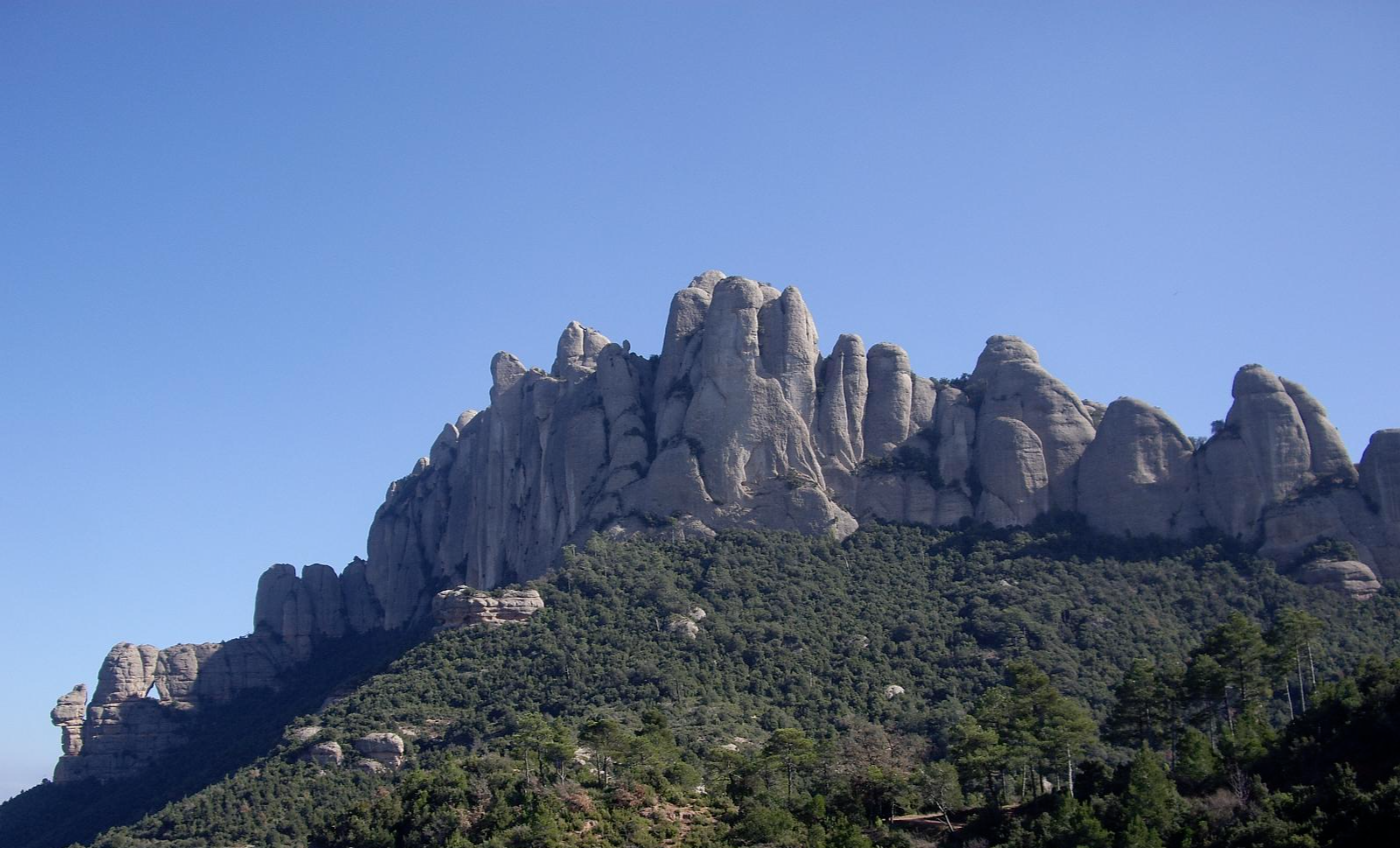
The Pilgrims' Road to Montserrat - GR 96
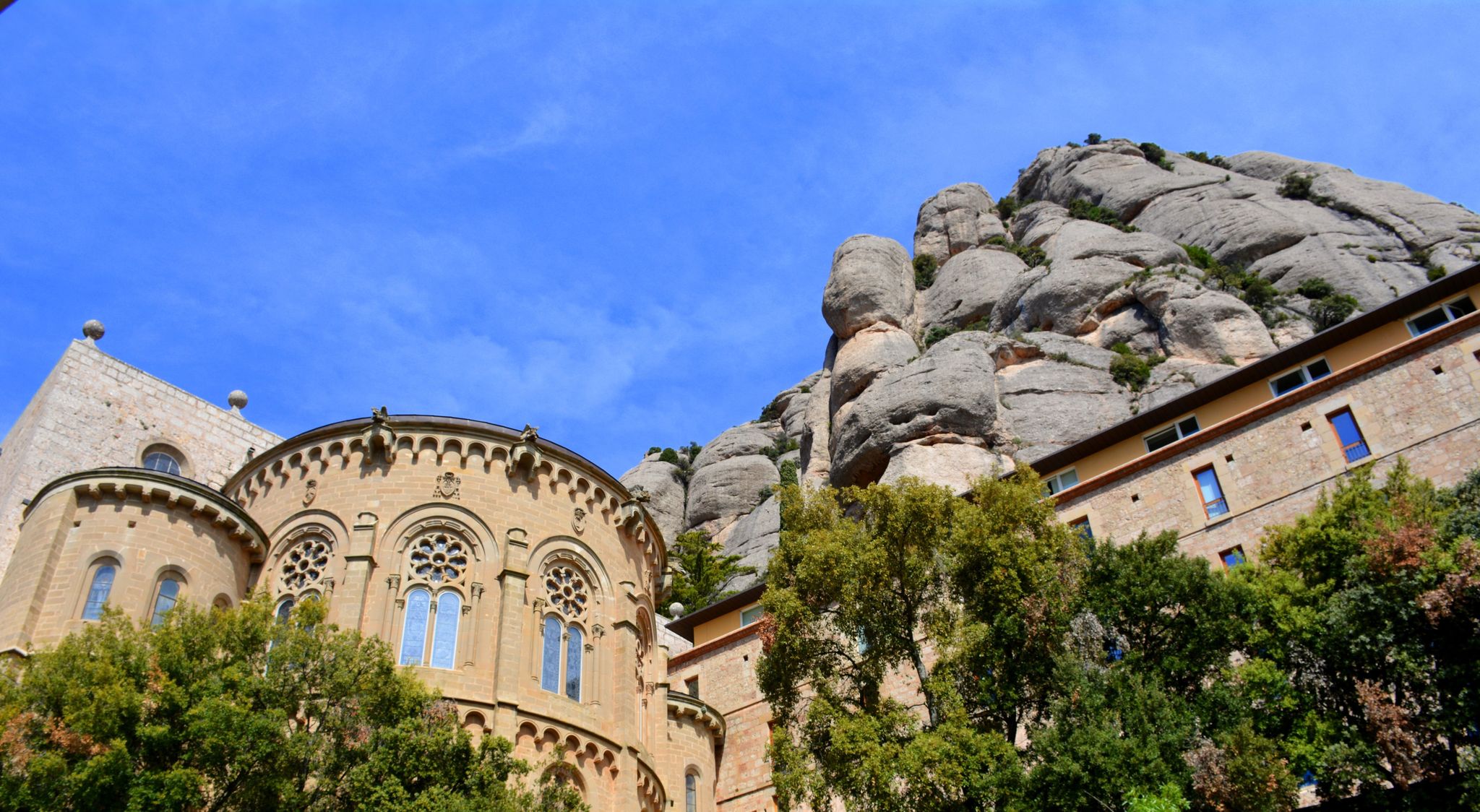
From the city to the forests – Camí Romeu de Montserrat (GR 96)
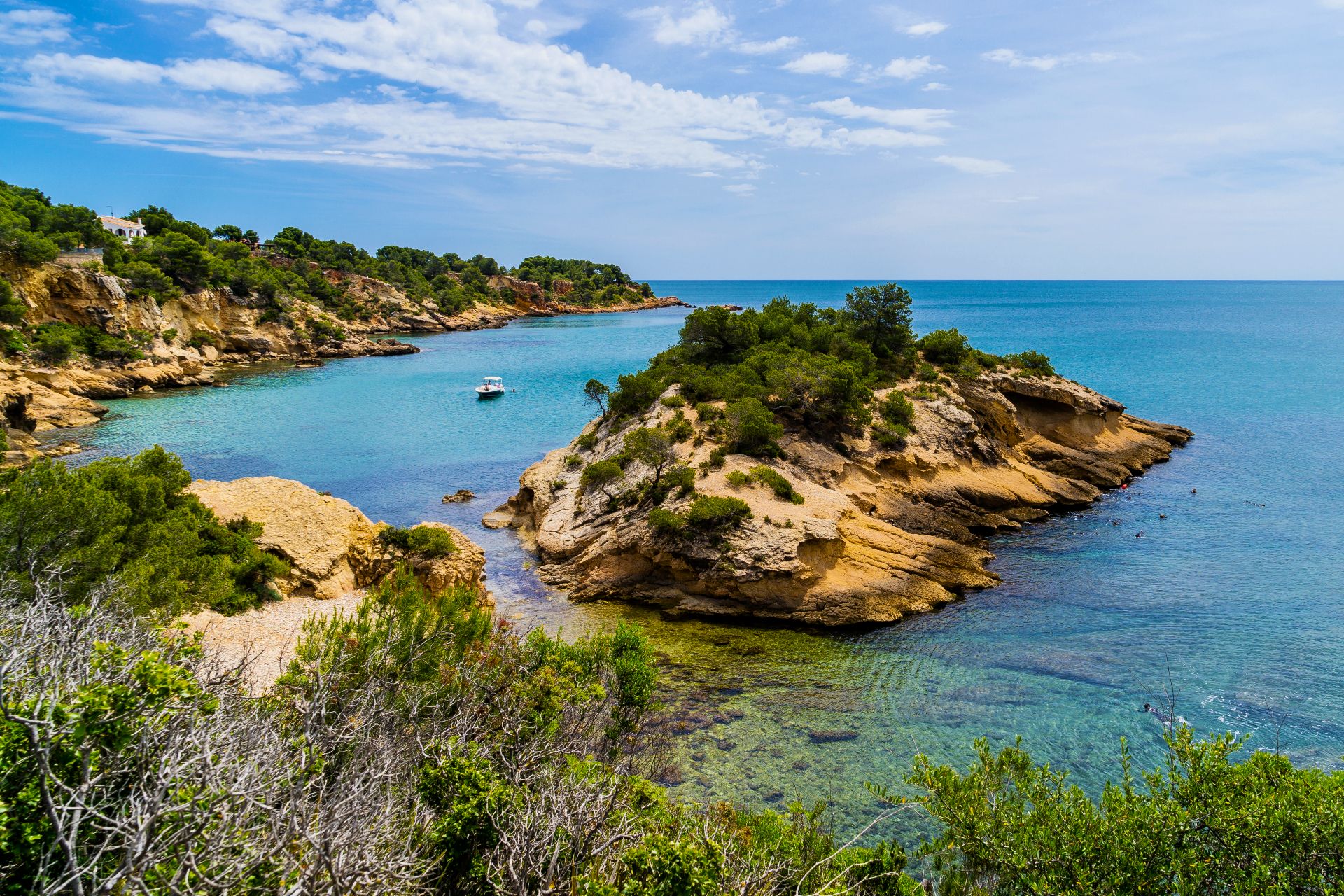
The Catalan coast on foot – Mediterranean Path (GR 92)
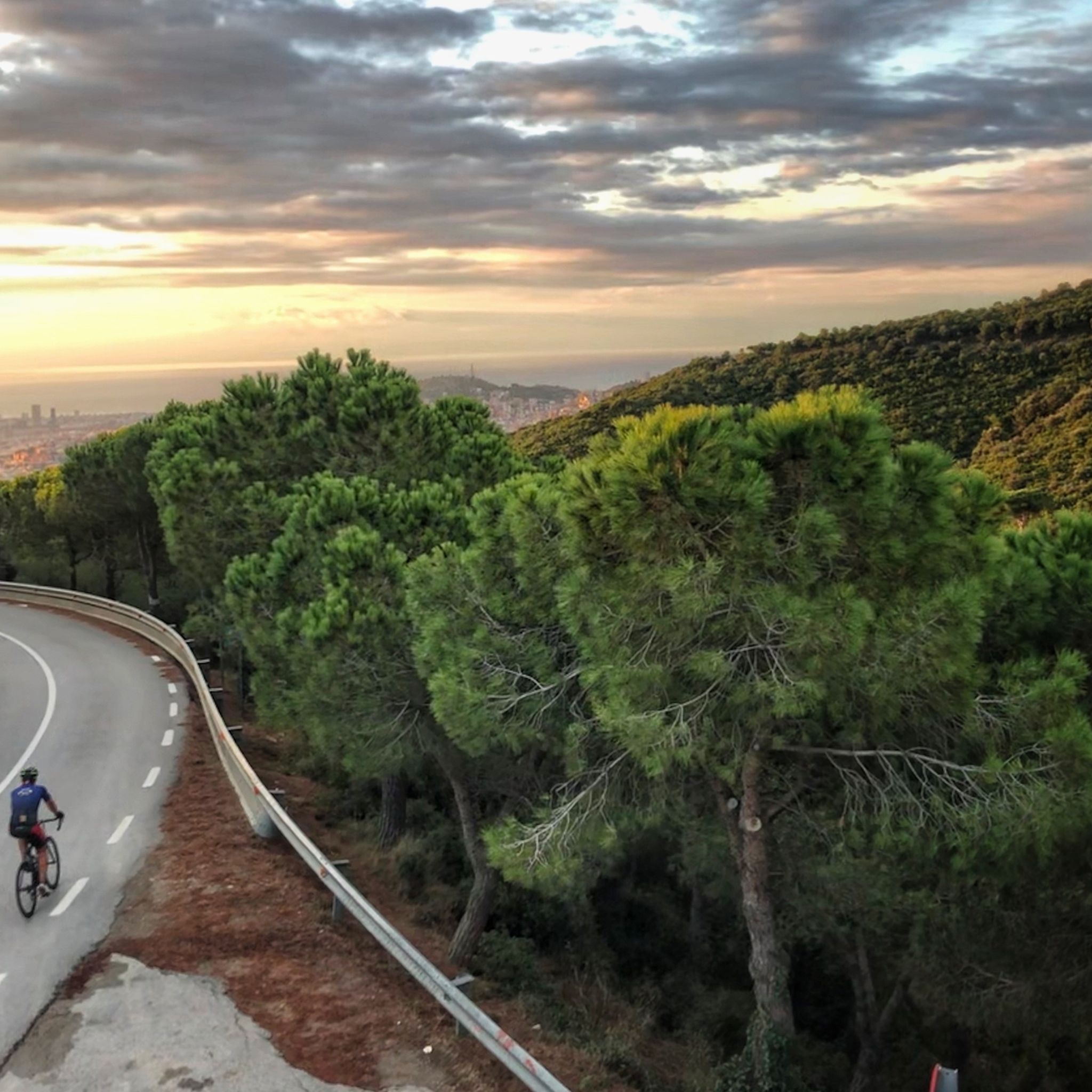
Road Cycling Routes in Serra De Collserola
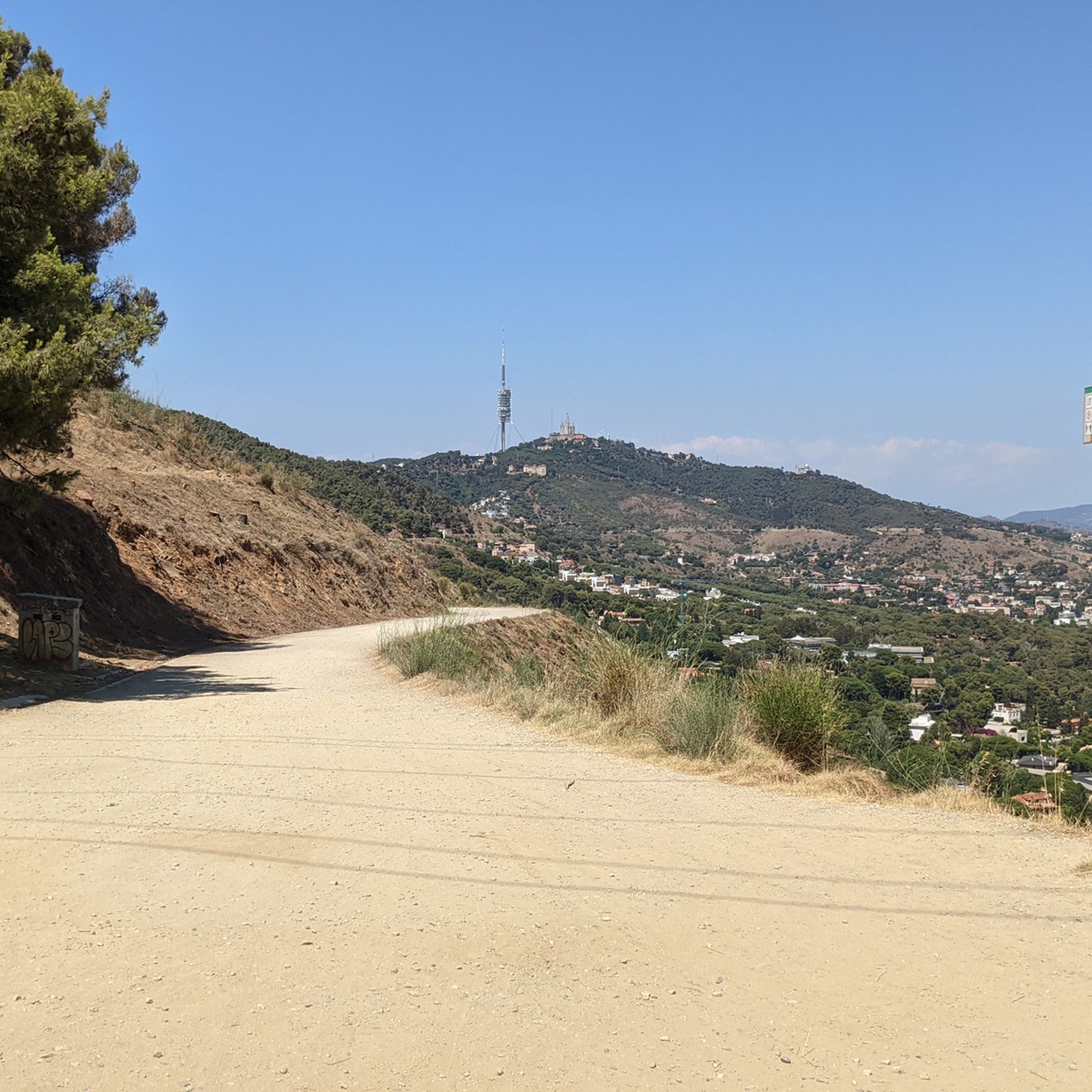
MTB Trails in Serra De Collserola

Hiking in Serra De Collserola
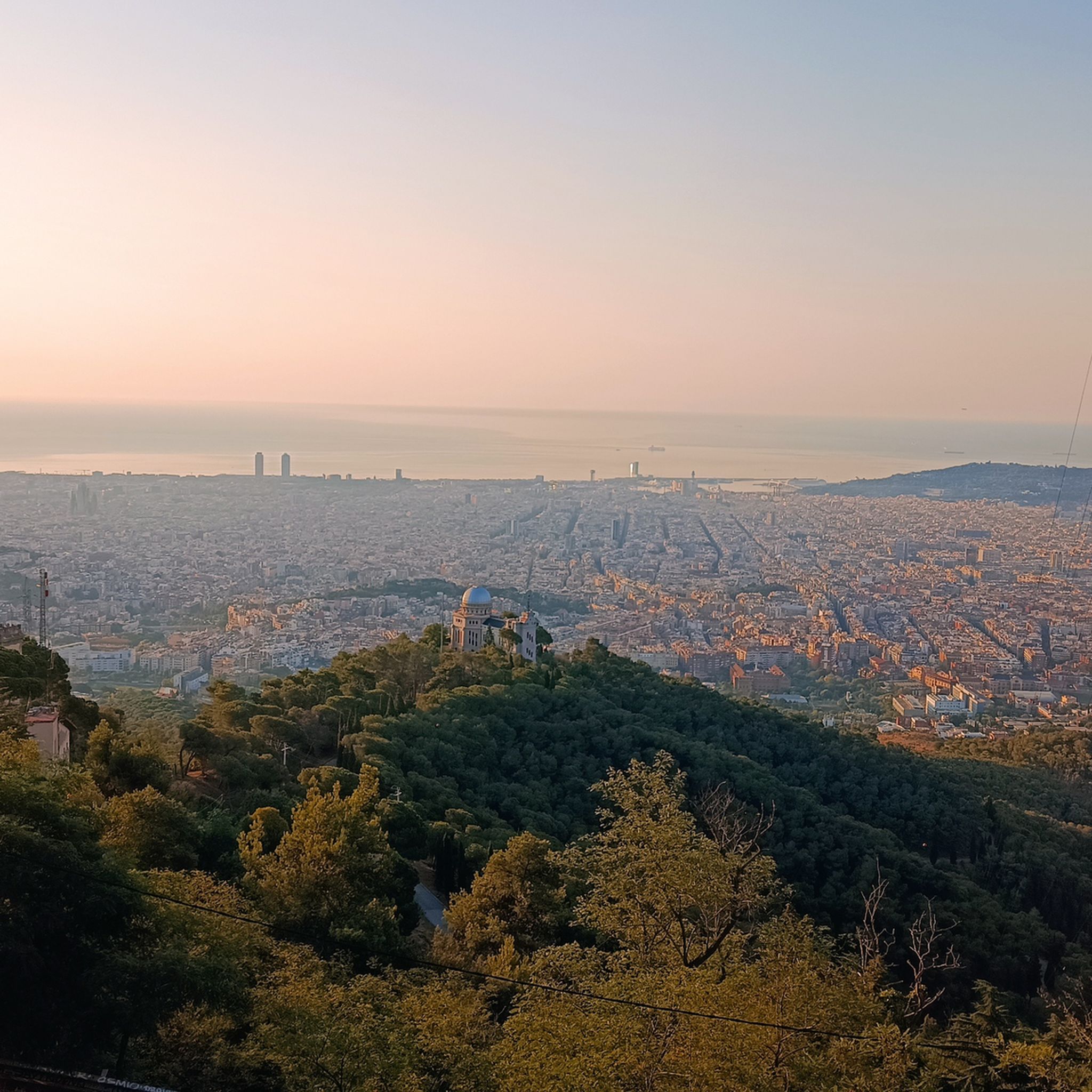
Cycling in Serra De Collserola
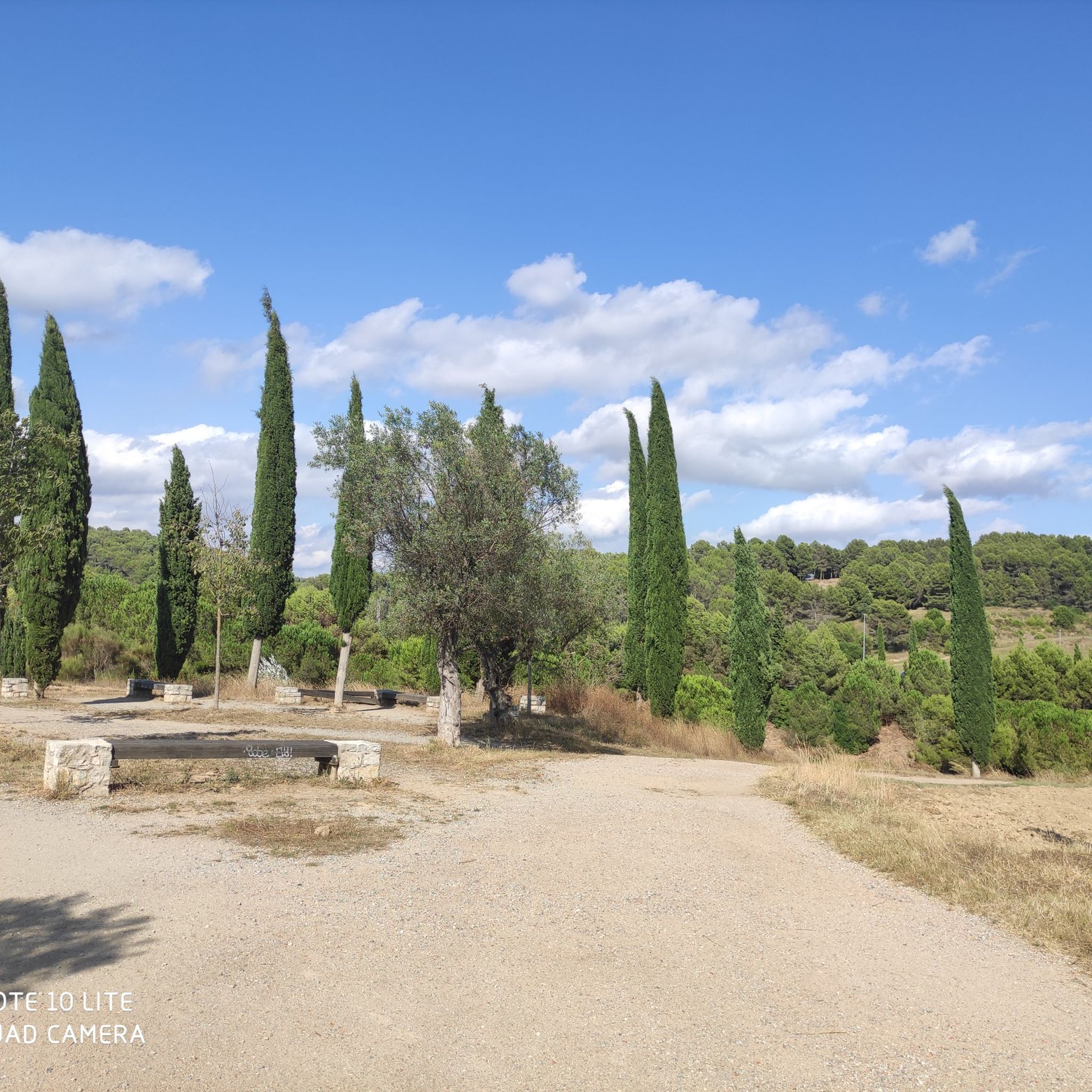
Running Trails in Serra De Collserola

Gravel biking in Serra De Collserola
Other adventures in Serra De Collserola


Tips from the Community

The Grott Mine is a tunnel of almost one and a half kilometers that is located in the Sierra de Collserola. Its construction was to carry water from the Pantano de Vallvidrera to the old municipality of Sarrià.
2
0

A strange cave in the side of the trail. It is a popular place for people to visit on a nice trail near Can Coll. I am not sure if the cave actually goes anywhere but the trail at the right time of the day gets beams of light that are magical.
5
1

According to Sergi Falguera, a collaborator of the Friends of the Geology Museum association, the site began to be exploited in the 17th century, but the most important extractions date back to the 19th and 20th centuries, when it was named Juanita. . It was part of the land of the Masia de Santa Caterina, in the neighborhood of Pedralbes. The mine still has several access tunnels. It is low in water, but it is not drinkable because it carries the acid that is formed from the oxide of minerals
3
0

End station/Exit of an old tunnel built en the early 19C, which was firstly used as the water channel for transporting the reservoir water into the city, then as the end station for the express train taking visitors from the city to the heart of the natural park.
0
0

They are small caves, within the area between Coll del Portell and Carretera de les Aigües, the best access is from the Aigües road and they are also better seen when going to see them, from Coll del Portell you can also go down although the path, being made of very loose slate stone, is more slippery.
6
0
To see these caves, it is better to access from the Les Aigües road, it is more accessible and less dangerous, from the Coll del Portell, it is downhill and the trails are loose stone.
6
0

A curious place that has entrance and exit the cave.
4
0
Frequently Asked Questions
What historical caves can I explore in Serra de Collserola?
Serra de Collserola offers several caves with historical significance. The Mina Grott is a notable example, originally an early 19th-century tunnel built to transport water. The Juanita Mine, exploited since the 17th century, also provides insight into the region's industrial past. Additionally, the Cueva del Oro in Santa Creu d'Olorda is an important Neolithic habitation site, dating back 6,000 years.
Are there any family-friendly caves in Serra de Collserola?
Yes, some caves are suitable for families. Turó de Montcada i Reixac, while a summit, features caves within its former quarry site and is considered family-friendly with an easy climb. The Cave Near Can Coll is another family-friendly option, located along a popular trail and known for its distinctive entrance and exit.
What kind of geological features can I expect to see in the caves of Serra de Collserola?
The caves in Serra de Collserola showcase a mix of natural geological formations and human-altered subterranean spaces. You can find natural rock environments like Les Escletxes del Papiol and the visually impressive Las Cuevas de Can Riera. Other sites, such as Turó de Montcada i Reixac, are former quarry sites that now contain caves, offering a glimpse into both natural processes and industrial heritage.
What outdoor activities can I combine with a visit to the caves?
Serra de Collserola offers numerous outdoor activities that can be combined with cave exploration. The park is excellent for hiking, with many trails leading to or near cave sites. You can find various waterfall hikes or explore the extensive network of cycling routes and road cycling routes throughout the park.
Do I need a permit to enter caves in Serra de Collserola?
Access to some caves in Serra de Collserola, particularly in areas like Sant Miquel del Fai, may be restricted due to safety concerns. It is advisable to verify current access regulations and conditions with the Collserola Natural Park authorities before planning your visit, as permits might be required for certain sites or activities.
What should I wear when exploring caves in Serra de Collserola?
When exploring caves, it's generally recommended to wear sturdy footwear with good grip, as paths can be uneven or slippery. Layers of clothing are also advisable, as cave temperatures can be cooler than outside. For more challenging caves like the Santa Creu d'Olorda Caves or Juanita Mine, consider bringing a headlamp and gloves.
Are there any challenging caves for experienced explorers?
Yes, for those seeking a more challenging experience, the Santa Creu d'Olorda Caves are known for their complexity, featuring multiple interconnected cavities, narrow passages, and varying depths. The Juanita Mine is also categorized as challenging due to its terrain and access.
What is the best way to access the caves in Serra de Collserola?
Access methods vary depending on the specific cave. For instance, the Juanita Mine is more accessible from the Les Aigües road. Many caves are located along hiking trails, making walking or cycling the primary means of approach. Public transport options to the park's perimeter are available, after which you would typically proceed on foot.
Can I find guided tours for the caves in Serra de Collserola?
While specific guided tours for all individual caves are not detailed, the Collserola Natural Park generally encourages responsible enjoyment of its natural and cultural heritage. It is recommended to check with the park authorities or local tourism offices for information on any organized tours or guided activities that might include cave visits or historical site explorations.
What makes the Santa Creu d'Olorda Caves unique?
The Santa Creu d'Olorda Caves are unique for being a set of well-known cavities on the western slope of the Serra de Collserola. They consist of five interrelated cavities, including the Cova de l'Or, Cova de la Molsa, and Coves dels Encantats, each with distinct features like elongated mouths, small halls, and long galleries, offering a diverse subterranean landscape.
Are there any caves that were used for purposes other than natural formation or mining?
Yes, the Mina Grott is a prime example. This nearly 1.5-kilometer-long tunnel was originally constructed in the early 19th century to transport water from the Pantano de Vallvidrera to Sarrià, showcasing a significant feat of historical engineering for water management.
What is the best time of year to visit the caves in Serra de Collserola?
While caves maintain a relatively stable temperature year-round, visiting during spring or autumn generally offers the most pleasant weather for hiking and accessing the cave sites. These seasons avoid the intense heat of summer and the potentially wet or colder conditions of winter, making the overall outdoor experience more enjoyable.
Most popular routes in Serra De Collserola
Most popular attractions in Serra De Collserola

Get inspired with the komoot mobile app


Explore more
Extend your search for the best caves by checking out these guides of the top ones in Serra De Collserola:
