The 8 Most Amazing Peaks in Durmitor National Park
Best mountain peaks in Durmitor National Park, a UNESCO World Heritage site, are characterized by dramatic limestone peaks, glacial lakes, and the Tara River Canyon. The park contains 48 peaks exceeding 2,000 meters in altitude. This region offers diverse experiences for hikers and nature enthusiasts, showcasing unique geomorphological features and a rich ecosystem.
Best mountain peaks in Durmitor National Park
- The most popular mountain peaks is Via ferrata to the summit of Bobotov Kuk, a climb where the route…
Last updated: May 17, 2026
Via ferrata to the summit of Bobotov Kuk
Highlight • Climb
Translated by Google •
Tip by

Savin Kuk Summit
Highlight • Summit
In good weather you can look in all directions for several kilometers :) Just the large …
Translated by Google •
Tip by

Sign up now to discover places like this
Get recommendations on the best single tracks, peaks, & plenty of other exciting outdoor places.
Sign up for free
Prutaš Peak
Highlight • Summit
Translated by Google •
Tip by

Crvena Greda Ridge, Durmitor National Park
Highlight • Summit
Tip by

View of the Tara Gorge and the Durmitor Massif from Ćurevac
Highlight • Viewpoint
We hiked with a dog …
Tip by

Sign up for free to discover even more peaks in Durmitor National Park.
Sign up for free
Already have an account?
Start today with a free account
Your next adventure awaits.
Login or Signup
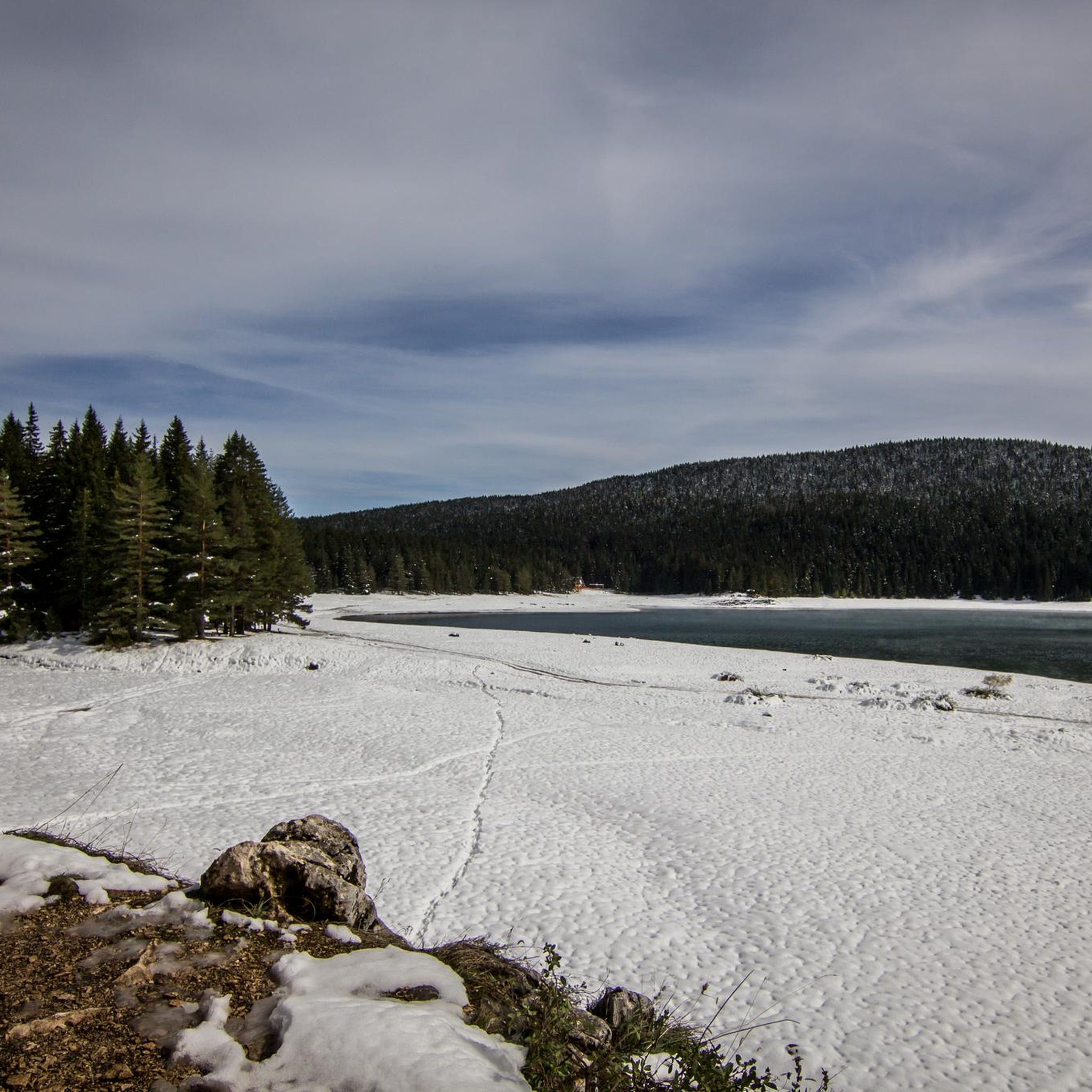
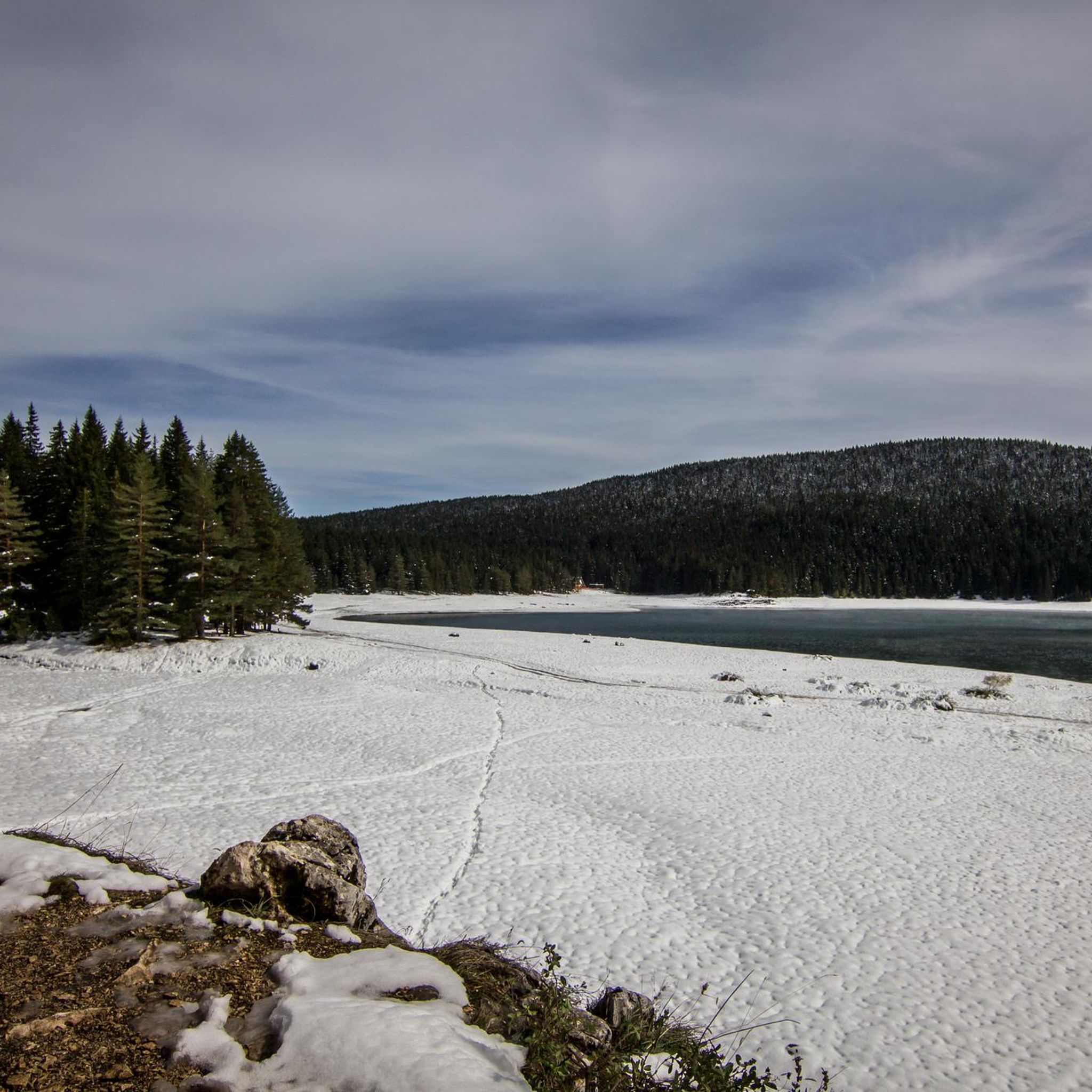
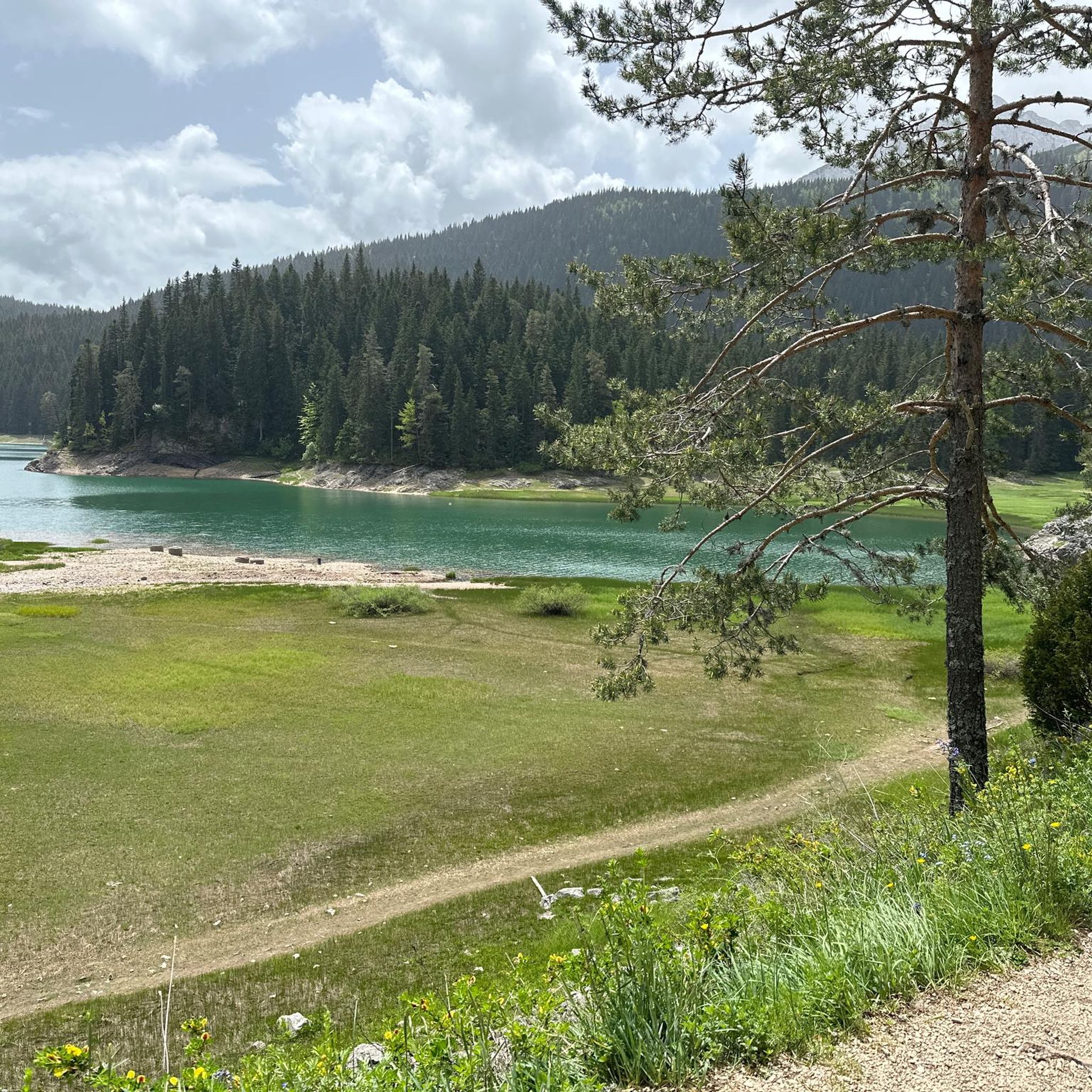
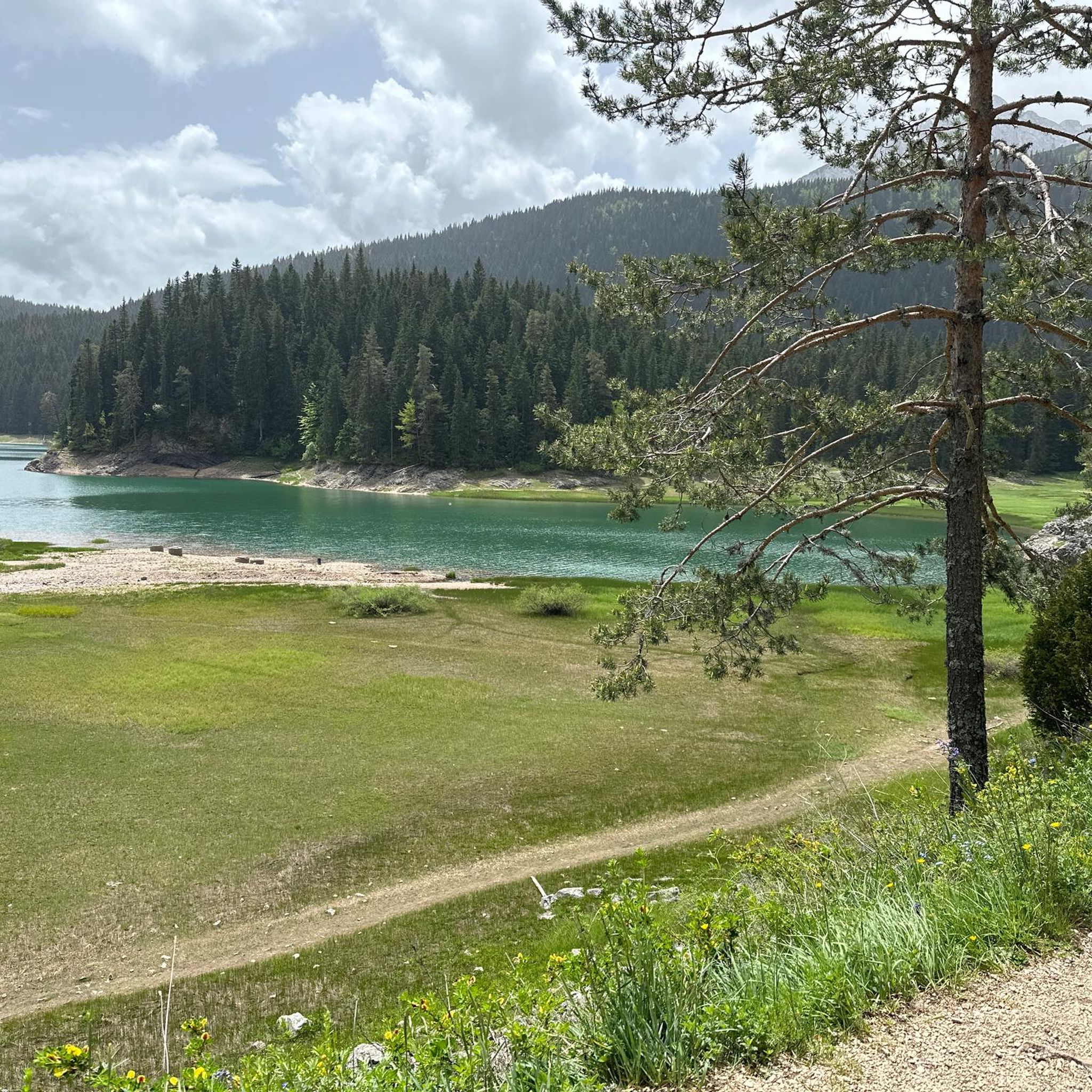
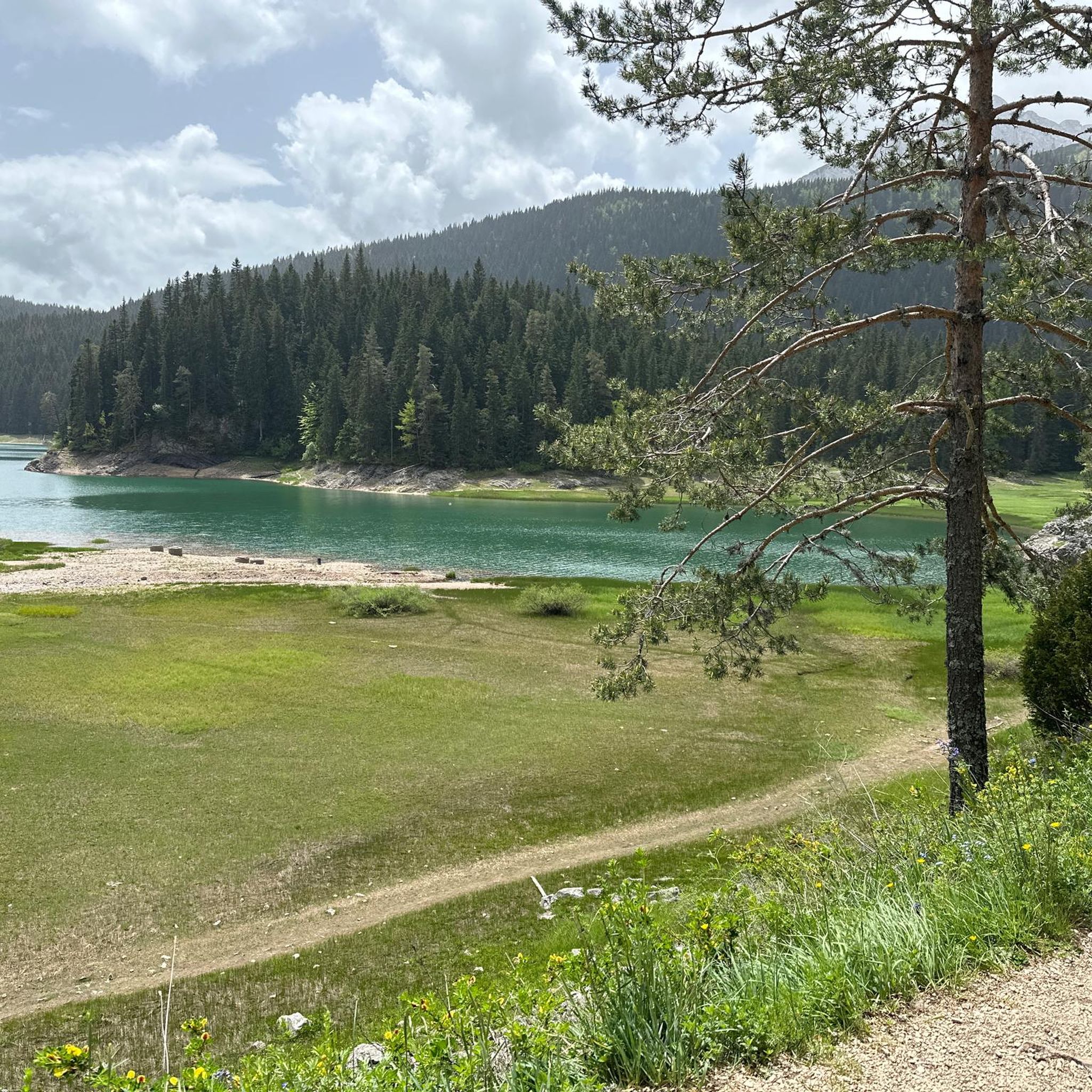

Tips from the Community

The accompanying page in the ARD media library for the television series "Treasures of the World – Heritage of Humanity" states: Rugged peaks marked by glaciers and karst formation, high alpine pastures, and primeval forests characterize a mountain landscape in the far north of the Republic of Montenegro: the Durmitor Massif. Nestled in the mountains are glacial lakes and karst gorges, springs and streams, and rivers roar in wild, inaccessible valleys. The name Durmitor likely originates from the Celtic language and means "Mountains of Many Waters." Interested viewers can access the corresponding film via the following link (duration: 15 minutes / language: German) =>> https://www.ardmediathek.de/video/schaetze-der-welt/nationalpark-durmitor-montenegro-folge-367/3sat/Y3JpZDovL3N3ci5kZS82NjM0ODA4
0
0

We just completed this hike in early June. The ascent (via Todorov Do) is very technical and challenging for inexperienced hikers (30/40 degree slope, rocky and unstable terrain, some climbing, etc.). The descent (which is actually the ascent to the summit of the other side, which is another hike - a loop with a lake viewpoint, starting from the Dobri Do parking lot) is much simpler. Note that the end of the hike in the plain to return to the car is not at all signposted, the path is not easily visible, and the GPS track does not always match; you are mostly off-piste.
3
3

You can go there on foot (about 3 hours) but it is easier to take the chairlift, 2 stations for 10 euros up and down.
0
0
The ascent via Todorov do is difficult, scree then climbing passages follow one another before reaching the summit. We left the road which comes from Zabljak a few kilometers before this departure. It joins hill 2100, Prutaski do, and the path which goes up to Prutas. This route is much easier. On the other hand, we went down the path that leads to Todorov do. Very uneven route, but which is done with great attention and caution. Around 4h30 with breaks.
2
1
Definitely advise an 8am start from the car park if you wish to avoid traffic jams on the fixed cables at the top. Fixed cables themselves are ok and sections are not difficult, just a little exposed for people without experience.
2
4

We were there in mid-May and there was still snow on the path in places, so we had to deviate from the trail. Sometimes more, sometimes less dangerous. The route is harder than indicated and you definitely need climbing experience, especially on the last climb. In parts it goes steeply downhill and without safety equipment. Not recommended for doing this with children.
2
0

Very difficult last part of the climb. We were traveling at the end of October in good weather. However, very steep, no security and slippery.
2
1

In contrast to other reviews here, we found the climb (south route) and descent (east route) ok. The eastern route is very steep, probably strenuous on the climb but, depending on the weather, definitely doable for experienced hikers. The southern route is relatively easy. If the main peak is in the clouds, it is worth taking a detour to the plateau to the east, from where you have a great view of the valley.
0
1
Frequently Asked Questions
Which mountain peaks in Durmitor National Park are considered the most popular for hiking?
For a truly iconic experience, many hikers aim for Via ferrata to the summit of Bobotov Kuk. As the highest peak in Durmitor and Montenegro, it offers spectacular panoramic views. The route is well-secured but requires surefootedness and concentration, especially near the summit. It's a challenging but highly rewarding climb.
Are there any accessible peaks for those who prefer less strenuous hikes or want to use a lift?
Yes, Savin Kuk Summit is an excellent choice. It's one of the most accessible peaks thanks to a ski lift that takes visitors close to the summit. This allows you to experience breathtaking high mountain scenery without an extensive hike, making it suitable for a wider range of visitors.
What are some challenging peaks for experienced mountaineers in Durmitor National Park?
Beyond Bobotov Kuk, experienced mountaineers can explore peaks like Bezimeni Vrh, which means "Nameless Peak." As the second-highest peak in the massif, it offers a challenging mountaineering experience and stunning alpine scenery. Sljeme and Istočni Vrh Sljemena are also among the highest and provide demanding terrain for those seeking more remote and dramatic landscapes.
Which peak offers the best views of the Tara River Canyon?
For unparalleled views of the Tara River Canyon, Europe's deepest gorge, head to View of the Tara Gorge and the Durmitor Massif from Ćurevac. While not as high as other peaks, the hike to the viewpoint is relatively easy and provides an impressive panoramic perspective of the canyon's immense depth and length.
What is a good alternative to Bobotov Kuk for stunning views without extreme difficulty?
Prutaš Peak is often considered a fantastic alternative. It's recognizable by its distinctive layered appearance and offers vast green meadows at the summit with beautiful views of the Skrka lakes. While the final stretch requires alpine experience and sure-footedness, it can be less demanding than Bobotov Kuk, depending on the chosen route.
What kind of terrain and elevation changes can I expect on trails in Durmitor National Park?
Durmitor National Park features a diverse range of terrain, from winding paths through striking landscapes to steep, rocky ascents. Many peaks involve significant elevation gain, with some trails requiring scrambling and the use of ropes near the summit. The park is known for its sharp, jagged peaks and vertically cut mountains, offering both moderate and challenging routes.
What outdoor activities can I do near the mountain peaks in Durmitor National Park?
Beyond peak bagging, Durmitor National Park offers a variety of outdoor activities. You can find excellent cycling routes, such as the "Durmitor National Park – View of Durmitor National Park loop from Pitomine," which is a difficult 31.9 km ride. There are also numerous running trails, like the "Škrka Waterfall loop from Žabljak," a moderate 5.5 km run. For more options, explore the Cycling in Durmitor National Park or Running Trails in Durmitor National Park guides.
Are there any family-friendly hiking options around the peaks in Durmitor National Park?
While many peaks are challenging, some areas offer more family-friendly experiences. The hike to the View of the Tara Gorge and the Durmitor Massif from Ćurevac is relatively easy and suitable for families. Additionally, the park has a vast network of marked hiking trails, and some shorter, less strenuous loops can be found, such as the "The second lake – Stunning view loop from Žabljak" (6.5 km, easy) mentioned in the Waterfall hikes in Durmitor National Park guide.
What is the best time of year to visit Durmitor National Park for hiking the peaks?
The best time to visit Durmitor National Park for hiking the peaks is generally from late spring to early autumn, typically June to September. During this period, the snow has largely melted from higher elevations, trails are more accessible, and the weather is more stable. However, even in June, some trails at higher altitudes, like Prutaš, may still have snow, requiring caution.
What unique natural features can be observed in Durmitor National Park besides the peaks?
Beyond its dramatic peaks, Durmitor National Park is famous for its unique geomorphological features. You'll find 18 glacial lakes, often referred to as "mountain eyes," which significantly enhance the beauty of the region. The park also boasts the impressive Tara River Canyon, Europe's deepest gorge, and diverse environments ranging from black-pine forests to alpine meadows, home to rich wildlife.
What do visitors enjoy most about hiking the peaks in Durmitor National Park?
Visitors consistently highlight the incredible panoramic views from the summits, describing them as spectacular and encompassing vast mountain ranges. The sense of achievement after a challenging climb, like to Bobotov Kuk, is also frequently mentioned. The unique natural beauty, including the glacial lakes and the rugged, dramatic landscapes, leaves a lasting impression on those who explore the park's peaks.
Are there any particularly exposed or challenging ridge walks in Durmitor National Park?
Yes, the Crvena Greda Ridge, Durmitor National Park offers an extremely steep and exposed trail. This part of the hike is only recommended for those not afraid of heights, as it stares directly into the abyss, requiring every step to be secure. It's a challenging section where false steps can be unforgiving.
Most popular routes in Durmitor National Park
Most popular attractions in Durmitor National Park

Get inspired with the komoot mobile app


