Top 4 Castles around San Giorgio Morgeto
Best castles around San Giorgio Morgeto are found in a region characterized by its strategic historical significance and commanding views. Situated on rocky peaks, these ancient structures provide vistas of the Gioia Tauro plain, the Tyrrhenian Sea, and the Aeolian Islands. The area, nestled within the Aspromonte National Park, features examples of medieval Calabrian architecture and a history spanning from Byzantine to Norman periods.
Best castles around San Giorgio Morgeto
- The most popular castles is San Giorgio Morgeto Castle,…
Last updated: May 17, 2026
San Giorgio Morgeto Castle
Highlight • Castle
Translated by Google •
Tip by

Norman Castle of Gerace
Highlight • Castle
Translated by Google •
Tip by

Sign up now to discover places like this
Get recommendations on the best single tracks, peaks, & plenty of other exciting outdoor places.
Sign up for free
Medieval Castle of Grotteria
Highlight • Castle
Translated by Google •
Tip by

Keep of the Byzantine-Norman Castle
Highlight • Castle
Translated by Google •
Tip by

Start today with a free account
Your next adventure awaits.
Login or Signup
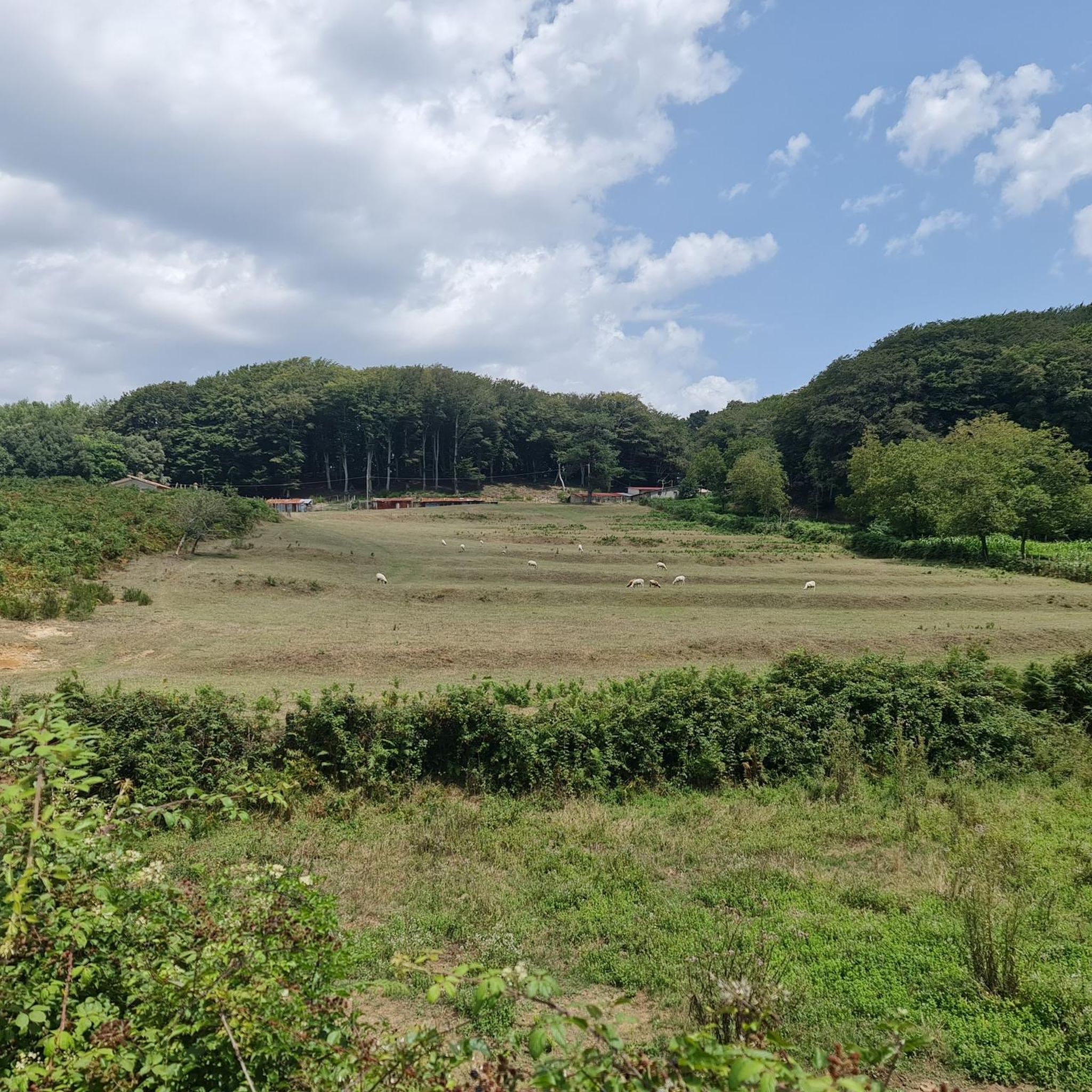
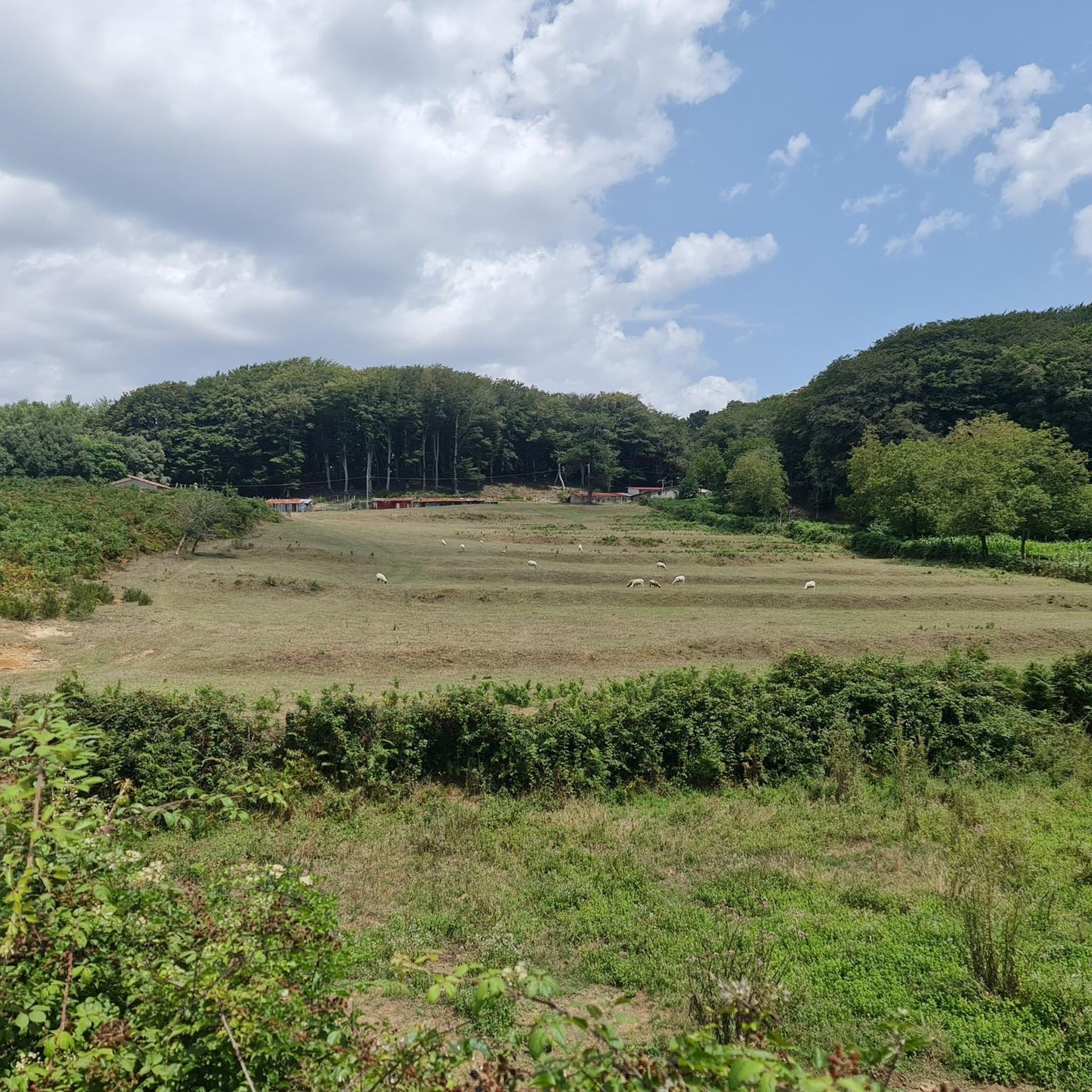
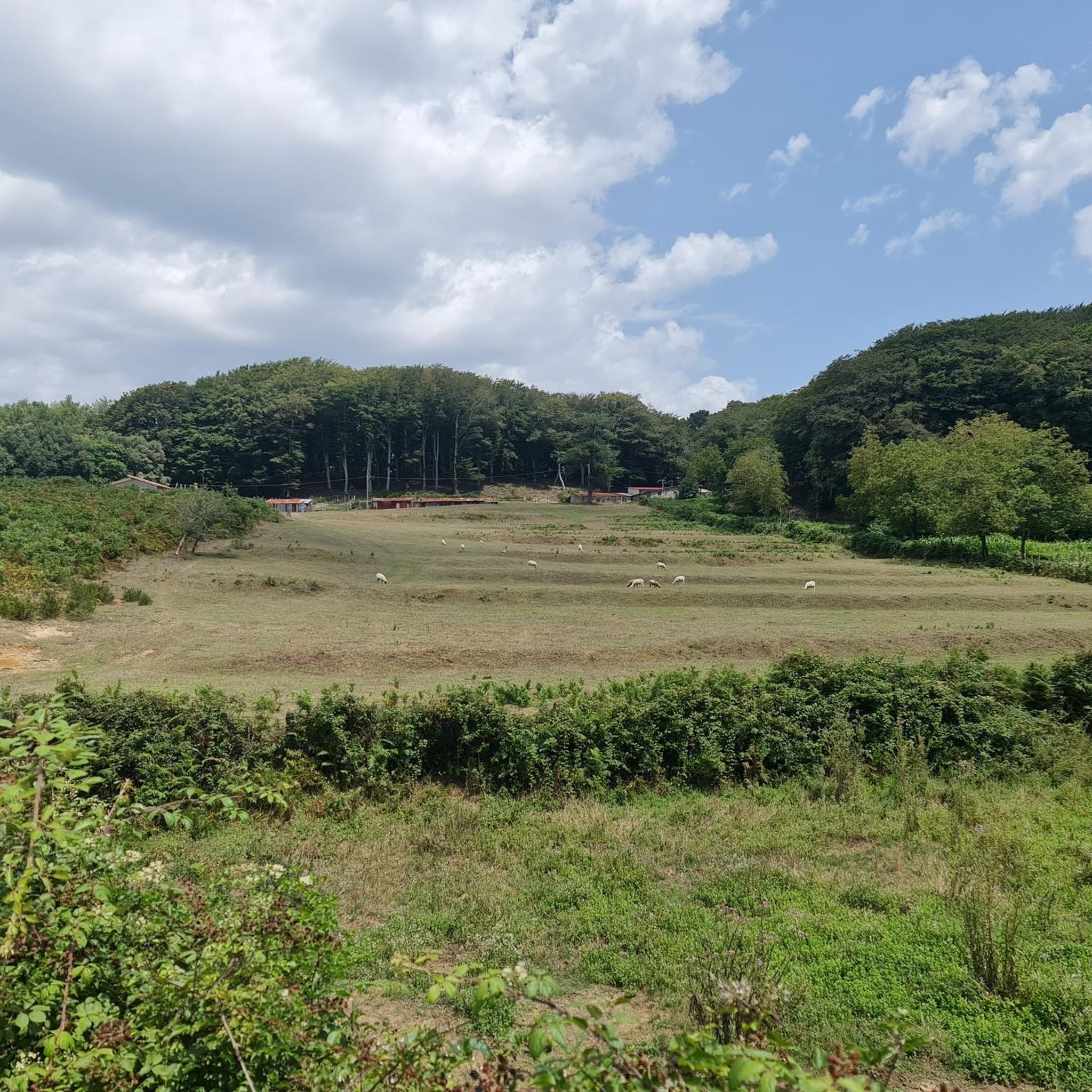
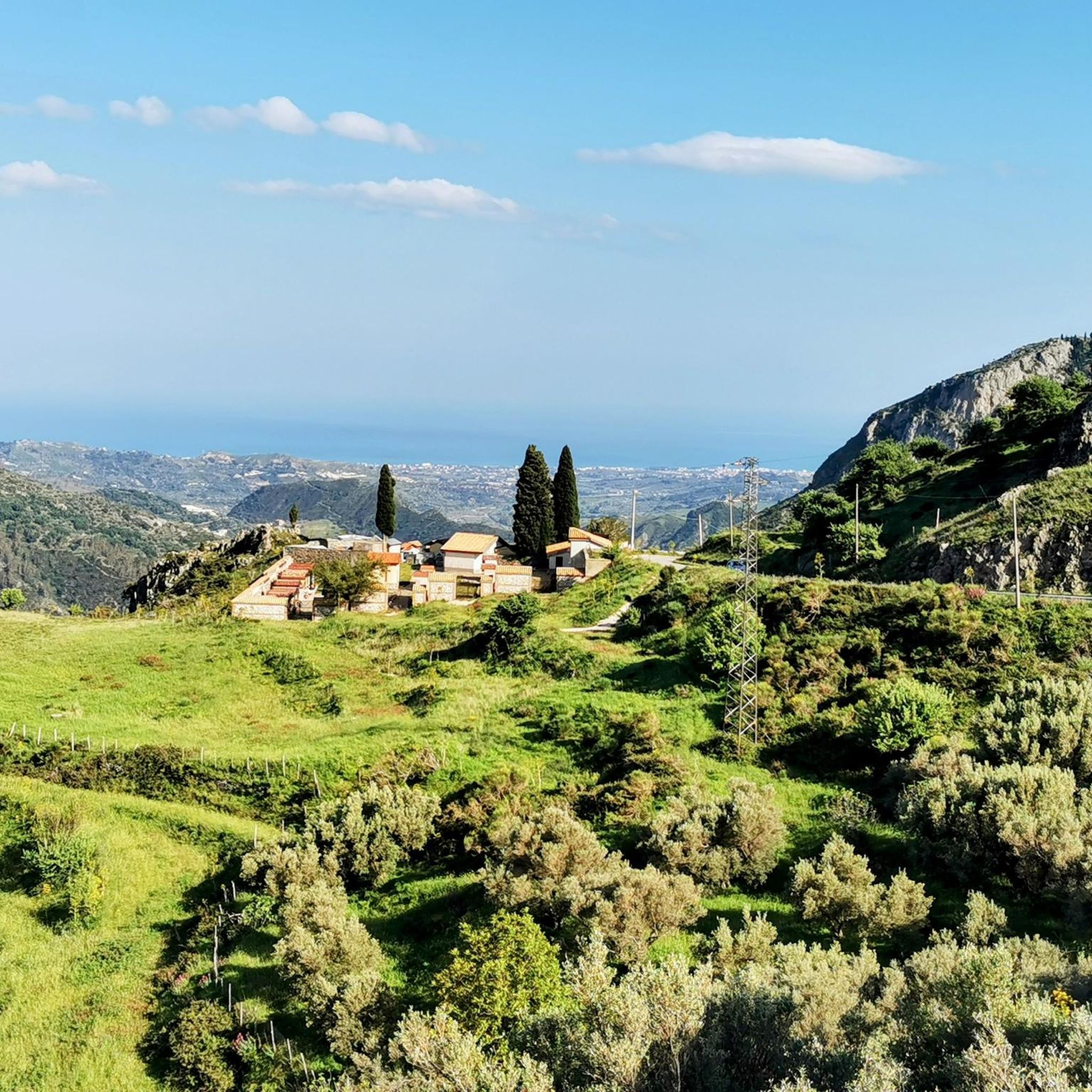
Tips from the Community

Grotteria, a small Calabrian jewel, was born around a temple dedicated to the goddess Minerva, known as Eruma Atenaies between the 8th and 9th centuries BC. It became Crypta-Aurea under the emperor Hadrian due to the gold reserves in the area, and underwent Locrian, Byzantine, Norman and Swabian domination. Marked by earthquakes, it has a rich architectural history, from churches to noble palaces, such as Palazzo Lupis.
0
0

The whole village is worth a visit and the climb to the castle offers an exceptional view but only after having enjoyed the very fresh water that flows from the fountains of the village and above all from the "beautiful" fountain
0
0

The castle was probably built in the 7th century AD, its existence is attested as early as the 10th century AD when it was devastated by the Byzantines together with the city. With the arrival of the Normans around 1050, it was restructured and fortified. In the following centuries it suffered the devastation of several catastrophic earthquakes.
2
0

Angevin Norman Castle Probably built in the pre-Norman age, around the 9th-10th century. AD, the sumptuous Morgezio Castle dominates the entire plain of Gioia Tauro and its majesty is visible from the entire surrounding area. According to legend, inhabited by King Morgete, a descendant of the Enotria lineage, this bastion made the entire town impregnable, according to the historian-theologian Domenico Cangemi, during the Saracen invasions. There is historical information of its existence since 1269, the last Swabian period of which it reflects the typical defensive architecture. There are also numerous documents from the Angevin age that report news of it. The defensive system is still visible, consisting of a wall with access doors and circular towers, whose grandiose remains stand out on the top of the hill. At various altitudes, there are environments of different shapes and functions, while at the top of the complex, on a spur of granite rock, there is the central body of the keep, the donjon, which had defensive and residential functions. Two levels are recognizable, each consisting of three rooms, and there was probably a third floor. The analysis of the structures has highlighted several subsequent construction phases to which a large tank belongs. Thanks to its deliberate location on a rock, its remains can be visited throughout the year also thanks to the care with which the competent authorities manage the entire surrounding natural park.
1
0

Castle ruin with a wonderful view of the Gioia Tauro plain and the Thyrhennian Sea
1
0

Probably built during the 7th century AD , with the coming of the Normans, around 1050, it was renovated and fortified. In the following centuries it suffered the devastations of some catastrophic earthquakes. A large tower and a few walls remain of it, partly obtained from the rock and partly rising sheer above the surrounding ravines.
1
0
Frequently Asked Questions
What is the historical significance of the castles in San Giorgio Morgeto?
The castles in San Giorgio Morgeto, particularly the San Giorgio Morgeto Castle, hold deep historical significance, with origins believed to be in the 9th or 10th century AD during the Byzantine era. They served as crucial defensive outposts, guarding the plain of Gioia Tauro and reflecting centuries of modifications by various ruling families, including Normans, Hohenstaufens, and Angevins. These structures provide a tangible connection to Calabria's past.
What architectural styles can I expect to see in the castles around San Giorgio Morgeto?
You can observe a mix of architectural styles, primarily Byzantine, Norman, and Angevin. The San Giorgio Morgeto Castle is considered a typical example of Norman-Swabian architecture, featuring a Mastio Tower (dungeon) and remnants of defensive walls. The Norman Castle of Gerace also showcases Norman fortifications, with a large tower and walls partly carved from rock.
Do the castles offer scenic views?
Yes, the castles are renowned for their breathtaking panoramic views. The San Giorgio Morgeto Castle, perched on a rocky peak, offers stunning vistas of the Gioia Tauro plain, the Tyrrhenian Sea, Capo Vaticano, and even the Aeolian Islands and Stromboli on clear days. The Keep of the Byzantine-Norman Castle also provides an exceptional view of the surrounding area.
What specific features are notable at San Giorgio Morgeto Castle?
The San Giorgio Morgeto Castle features a well-preserved Mastio Tower (dungeon), a quadrangular, two-level structure with barrel vaults that offers panoramic views. You can also see remnants of its defensive walls, tower basements, and a cistern, which has been repurposed as a conference hall. The castle's strategic location on a granite spur highlights its defensive functions.
What outdoor activities can I do near the castles in San Giorgio Morgeto?
The area around San Giorgio Morgeto, particularly within the Aspromonte National Park, offers various outdoor activities. You can find numerous routes for road cycling, mountain biking, and general cycling. For example, explore routes like 'Palmi and Gioia Tauro' for road cycling or 'Road to Monte Cucudo – Passo del Mercante loop' for mountain biking. You can find more details on these activities in the Road Cycling Routes around San Giorgio Morgeto, MTB Trails around San Giorgio Morgeto, and Cycling around San Giorgio Morgeto guides.
Are there hiking opportunities near the castles?
While specific hiking trails directly to the castles aren't detailed, the castles are located within the Aspromonte National Park, which is rich with hiking opportunities. The strategic locations of the castles themselves, often on rocky peaks, suggest that walking or hiking is involved in reaching them. The Keep of the Byzantine-Norman Castle, for instance, involves a climb that offers exceptional views.
When is the best time of year to visit the castles in San Giorgio Morgeto?
The castles can be visited throughout the year, thanks to their deliberate location and ongoing care. However, for the most comfortable experience, spring and autumn offer pleasant temperatures for exploring the ruins and enjoying the panoramic views without the intense heat of summer or the potential chill of winter. The local community also hosts medieval festivals annually, often in warmer months, which can enhance the visit.
Are the castles in San Giorgio Morgeto family-friendly?
Yes, exploring the castle ruins can be a family-friendly activity, offering a chance to step back in time and imagine medieval life. The panoramic views from sites like the San Giorgio Morgeto Castle can be engaging for children. Some sites also host cultural events and festivals, which can be enjoyable for all ages.
Can I visit the castles with my dog?
While specific rules for dogs at each castle are not provided, outdoor historical sites in Italy often permit well-behaved dogs on leashes, especially in open-air ruin areas. It's advisable to check local regulations or contact the specific castle's management beforehand to confirm their pet policy, particularly for indoor sections or restored areas.
What are the parking options for visiting San Giorgio Morgeto Castle?
Information on specific parking facilities for the San Giorgio Morgeto Castle is not detailed. However, as the castle is situated within the town, it is likely that parking can be found in or near the historic center of San Giorgio Morgeto, requiring a walk up to the castle ruins. It's recommended to look for public parking areas in the town upon arrival.
How accessible are the castles for visitors with mobility challenges?
Given that many of the castles, including the San Giorgio Morgeto Castle, are ancient ruins located on rocky peaks, accessibility for visitors with mobility challenges may be limited. The terrain can be uneven, and there may be stairs or steep paths. While restoration efforts have made parts accessible, it's best to anticipate some challenges and plan accordingly.
Are there dining options or cafes near the castles?
Yes, the towns surrounding the castles, such as San Giorgio Morgeto itself, offer dining options. You can find cafes and restaurants in the historic centers where you can enjoy local Calabrian cuisine. It's a good idea to explore the town before or after your castle visit for a meal or a coffee.
What other historical sites are near San Giorgio Morgeto Castle?
Beyond the San Giorgio Morgeto Castle, the region is rich in history. You can visit the Norman Castle of Gerace, which has origins dating back to the 7th century AD, or the Medieval Castle of Grotteria, around which the town of Grotteria developed, showcasing a history of Locrian, Byzantine, Norman, and Swabian domination.
How long should I plan for a visit to the castles in the San Giorgio Morgeto area?
For a single castle like the San Giorgio Morgeto Castle, you might spend 1-2 hours exploring the ruins and enjoying the views. If you plan to visit multiple castles in the area, such as the Norman Castle of Gerace and the Medieval Castle of Grotteria, you should allocate a full day to allow for travel between sites and thorough exploration.
Most popular routes around San Giorgio Morgeto
Most popular attractions around San Giorgio Morgeto

Get inspired with the komoot mobile app


Explore more
Looking for the best castles somewhere else? Discover other guides around San Giorgio Morgeto:
